A focused selection of our most requested product lines — engineered for fast installation, high load density and long service life in tropical island operating conditions.
Mulifanua sits on the northwestern tip of Upolu in Samoa and hosts the country's principal international ferry terminal — the gateway connecting Upolu with Savai'i. That single geographic fact shapes almost every industrial procurement decision in the district. Cargo arrives by sea, is staged on the wharf, moved by trailer and flatbed truck, and then redistributed to fabrication workshops, food processing plants, retail outlets and resort maintenance depots across the island. For any business handling injection moulds, dies, tooling or heavy components, the storage layer between the port and the production floor is where value is either protected or destroyed.
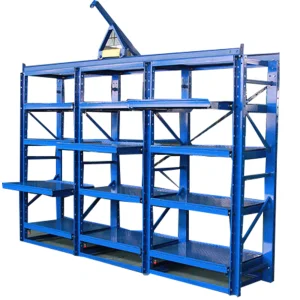
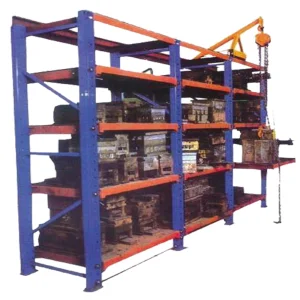
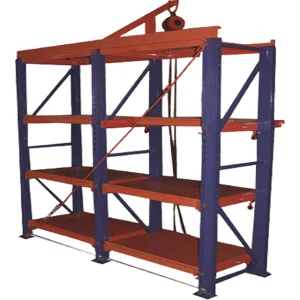
In this environment, a mould rack is not generic shelving. It must survive salt-laden air, high humidity, seasonal cyclone exposure and the mechanical shock of forklift and pallet-truck handling on concrete aprons that are rarely perfectly level. Buyers in Mulifanua consistently raise three technical requirements in their enquiries: corrosion resistance under coastal humidity, high point-load capacity per shelf level, and detachable modular construction so that a rack can be landed in a standard container, carried down a narrow service lane, and assembled on site without specialist welding equipment. Our GMR-2.0 series and drawer-type mould racks were engineered precisely against those constraints.
The same structural platform serves very different operational realities. Below are the four deployment patterns we see most often from Mulifanua-based buyers.
Small-to-mid metal and plastics workshops around the terminal corridor store injection moulds, press dies and jigs between production runs. Drawer-type mould racks allow each mould to be pulled out on telescopic runners for inspection without a crane, protecting precision cavity surfaces from impact damage and airborne salt residue. Detachable GMR-2.0 frames let workshops reconfigure bay widths as their mould portfolio changes.
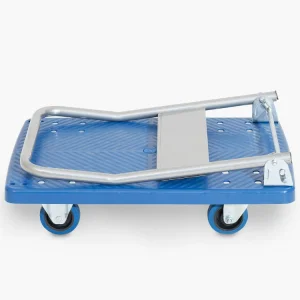
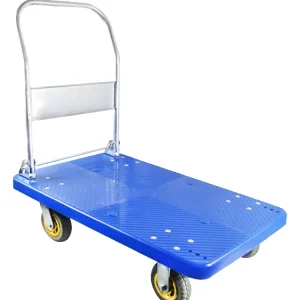
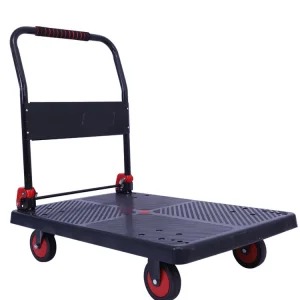
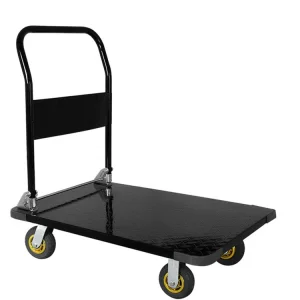
Mulifanua Wharf handles roll-on/roll-off ferry traffic and inter-island freight. Flatbed trucks, folding trailers and silent pull carts are used to shuttle palletised cargo between the wharf apron, transit sheds and onward road transport. Silent-running castors matter here: night-time ferry loading is a regular operational pattern and noise restrictions near residential areas apply.
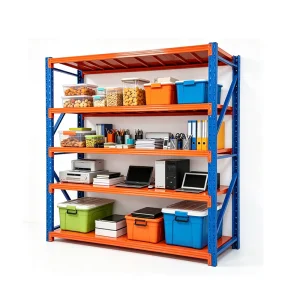
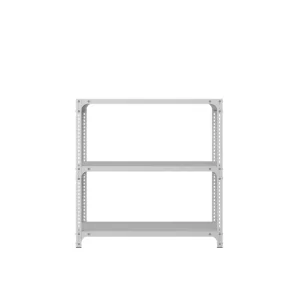
Upolu's resort belt generates continuous demand for maintenance storage — pool equipment, spare parts, tools and consumables. Medium-duty garage storage racking (100–500KG per level) and angle-iron shelving provide an economical backbone for maintenance compounds where humidity control is limited and ventilation is prioritised over air conditioning.
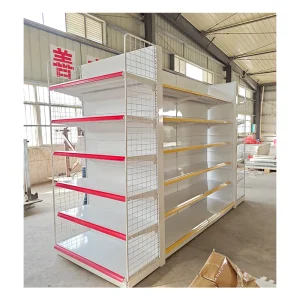
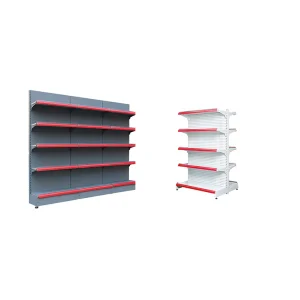
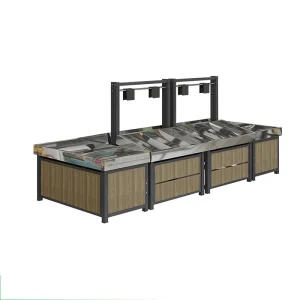
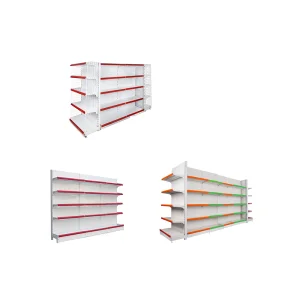
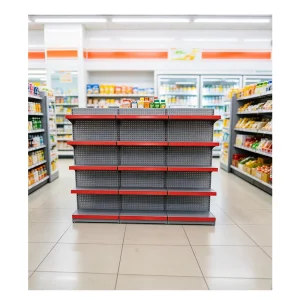
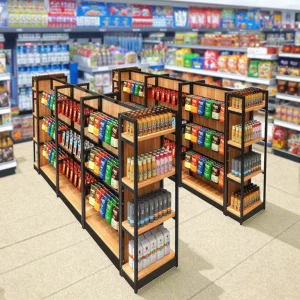
Grocery, snack and beverage distributors serving Mulifanua's growing retail footprint rely on gondola shelving, single and double-sided display racks, and fresh fruit display stands. These units are powder-coated to resist humid retail interiors and are designed for dismounting and flat-pack relocation when store layouts are revised.
Exporting into a Pacific island market is an exercise in logistics engineering as much as manufacturing. Our Mulifanua-bound projects are managed through a dedicated export workflow that addresses the specific friction points of the route.
Founded in 2014, Foshan Guichang Shelves Manufacturing Co., Ltd. is a leading manufacturer specialising in industrial warehouse storage systems, heavy-duty pallet racking and custom shelving solutions. Backed by 12 years of deep industry experience and 8 years of international export expertise, we serve global logistics hubs, e-commerce fulfilment centres, third-party logistics (3PL) providers and industrial equipment distributors across North America, Europe, Southeast Asia and the Middle East.
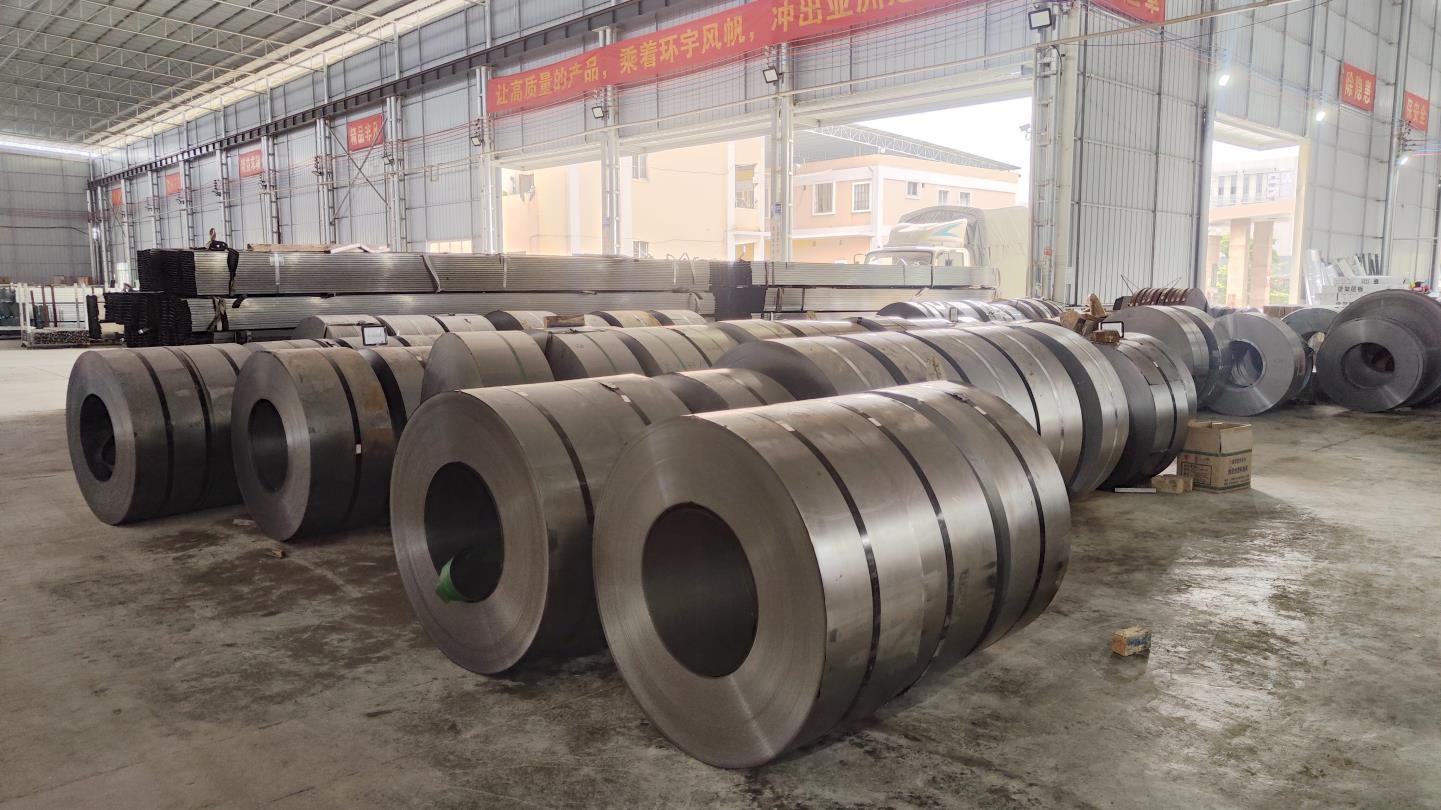
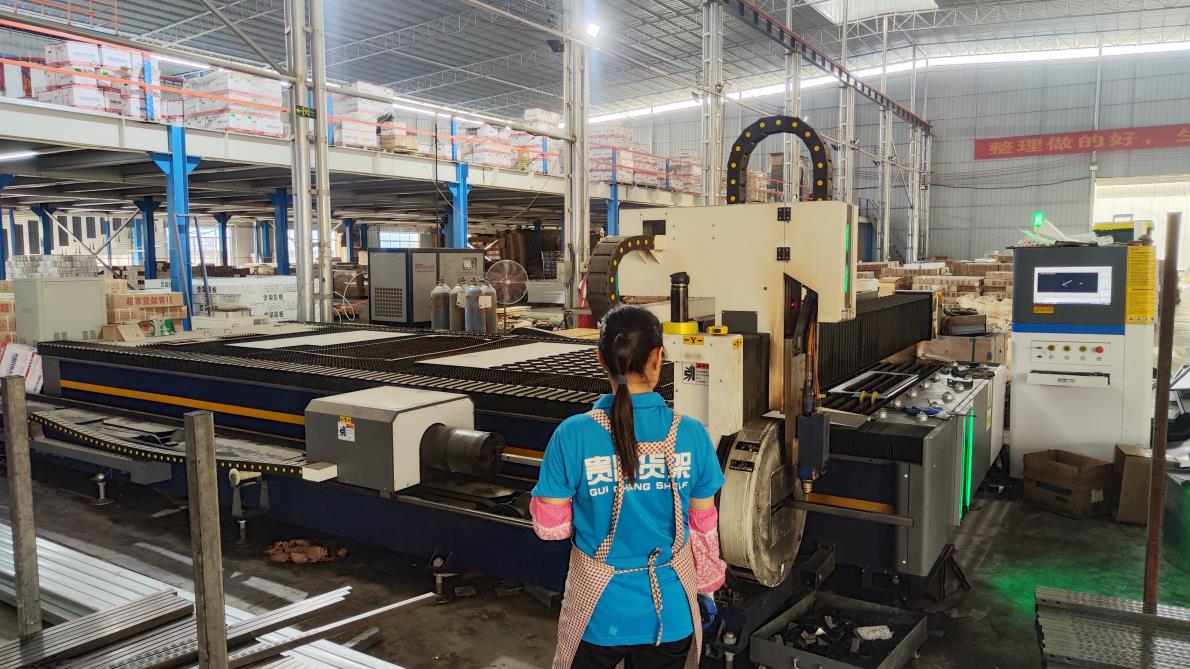
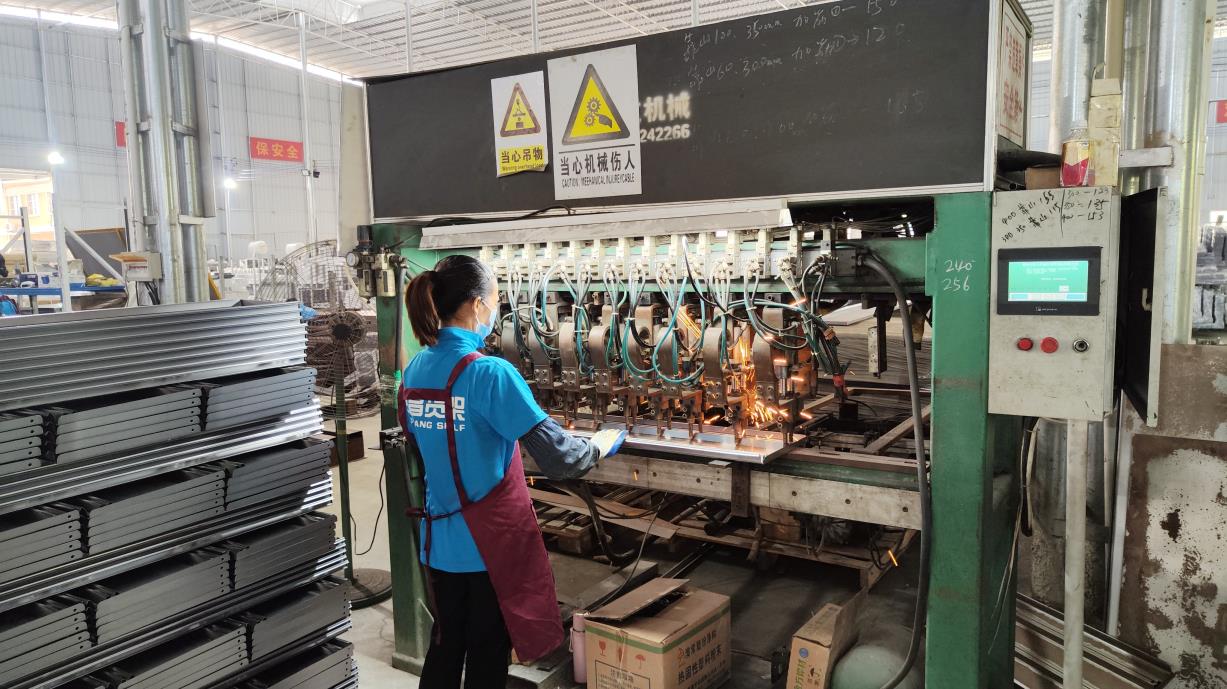
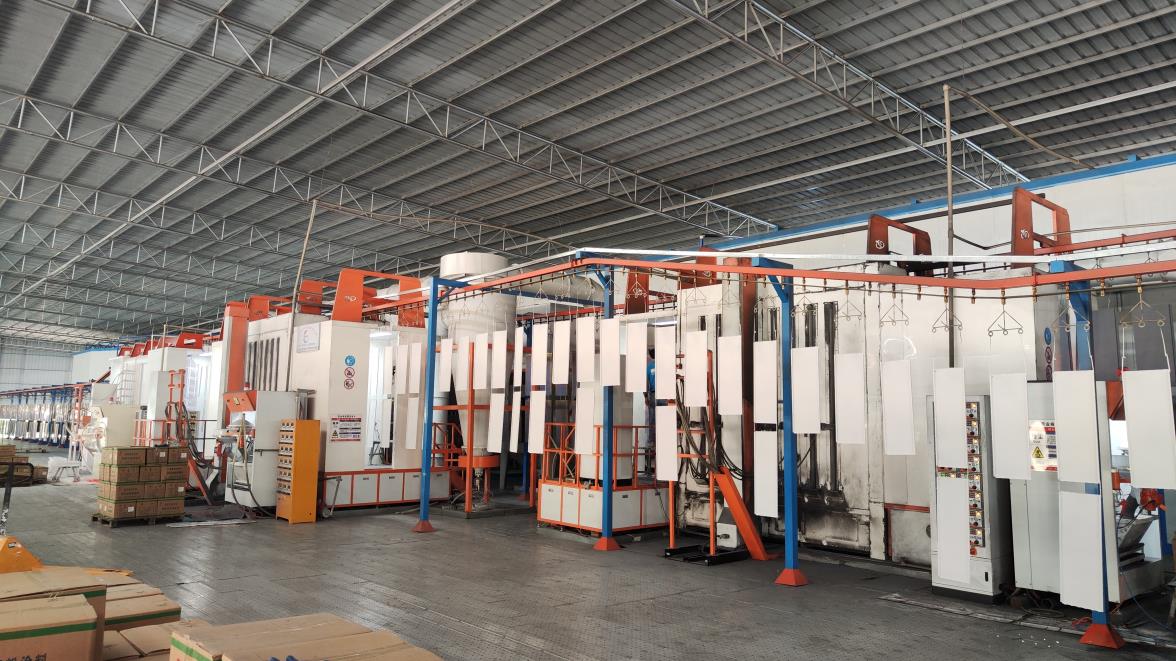
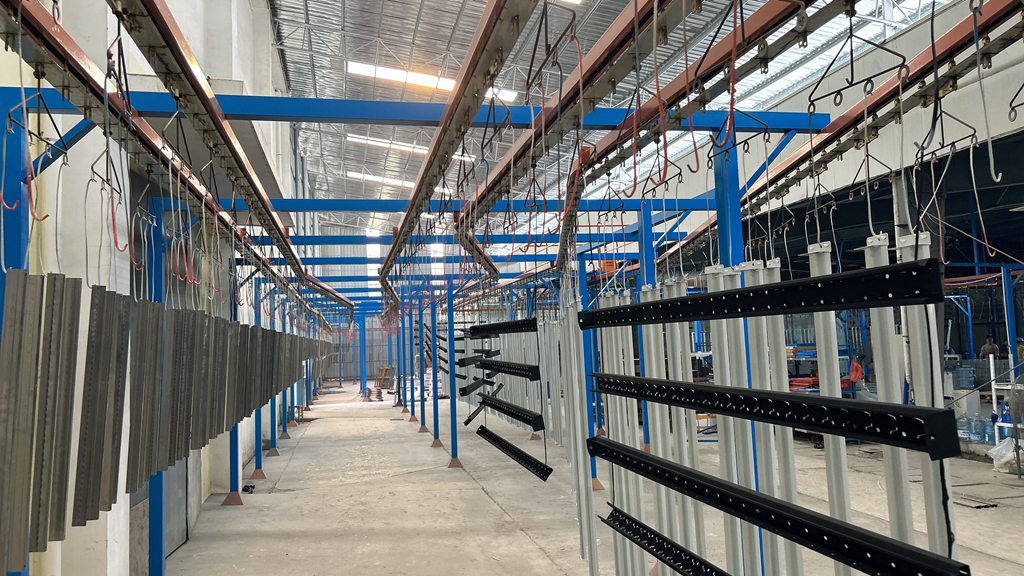
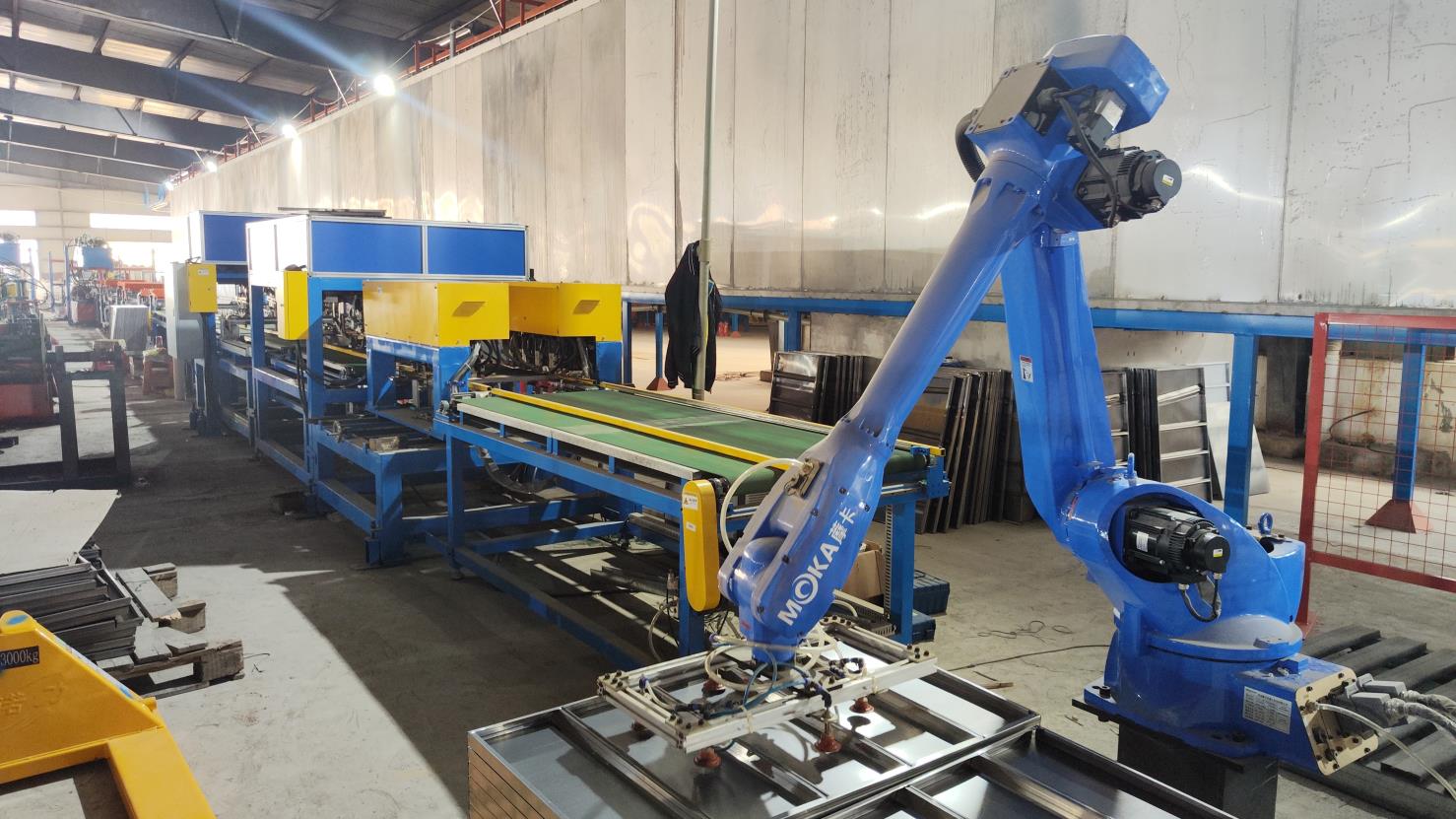
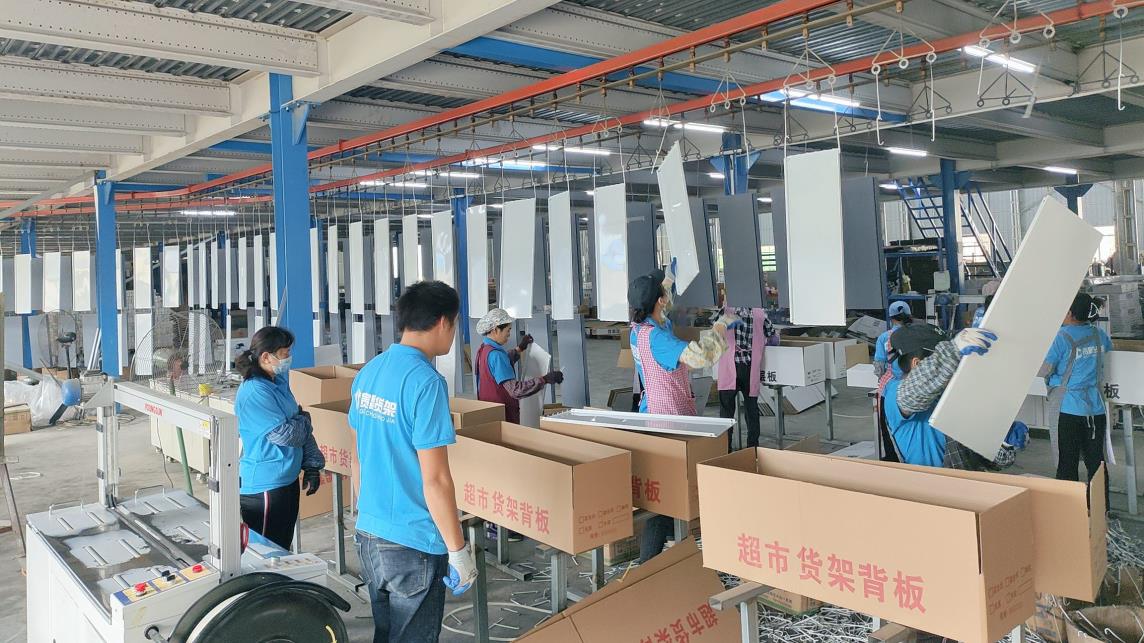
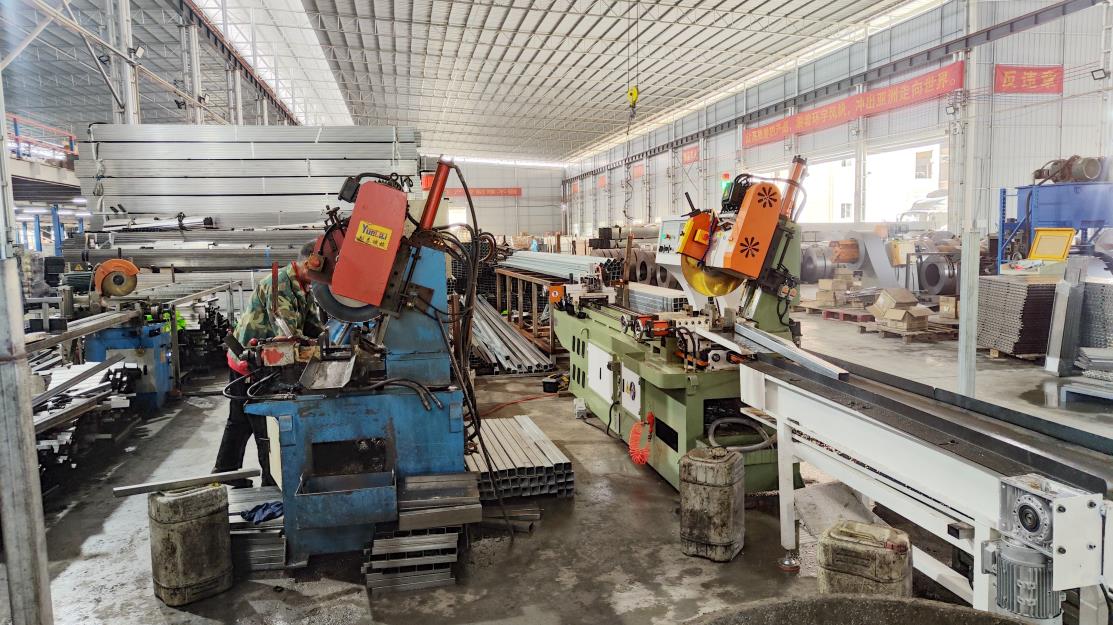
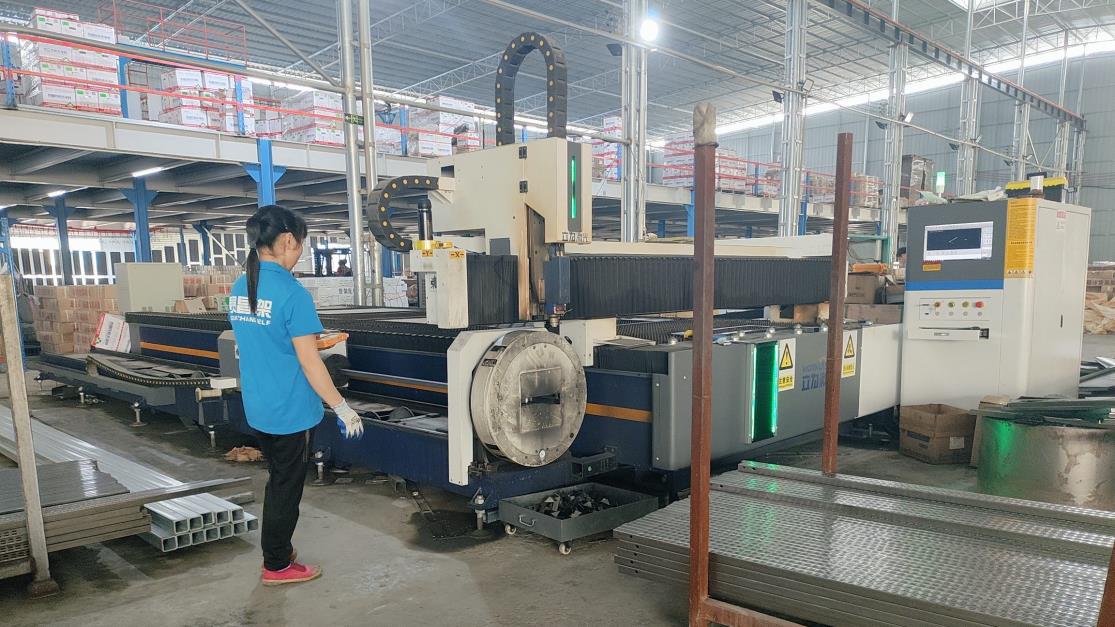
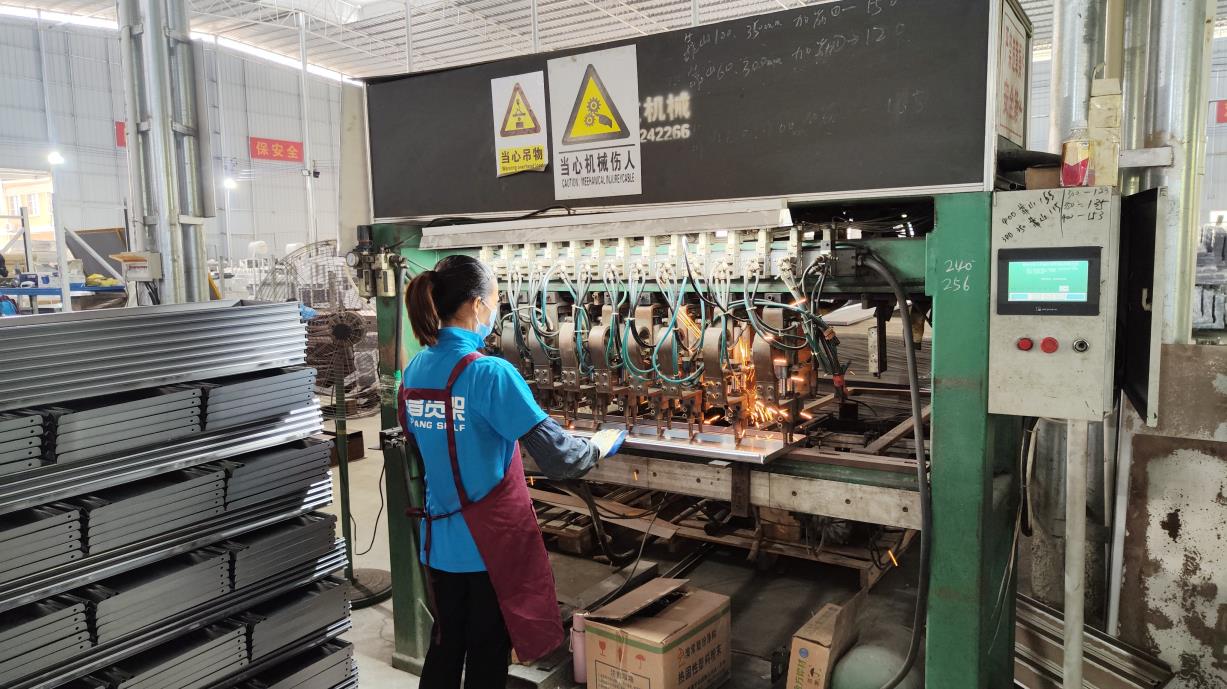
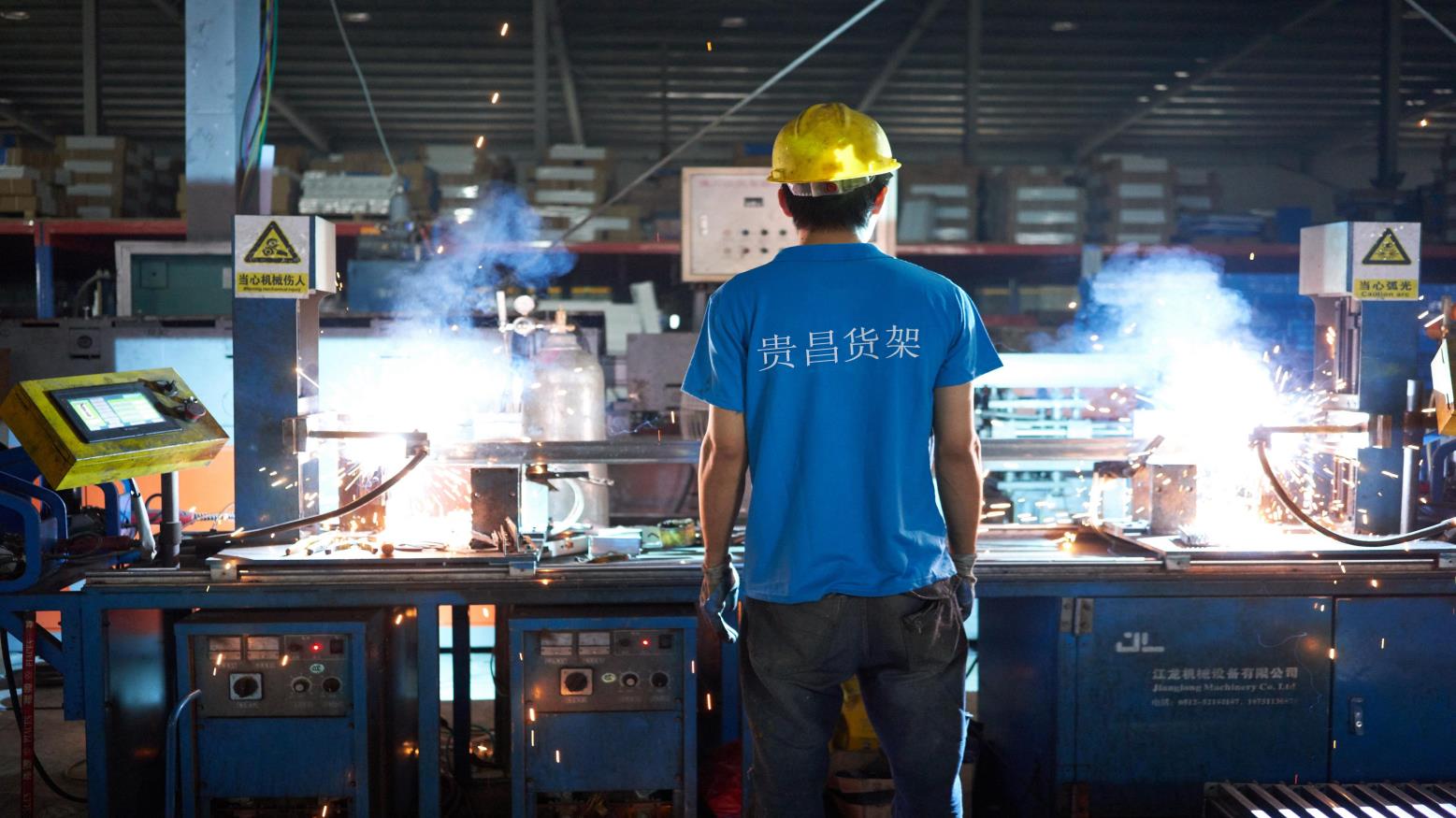
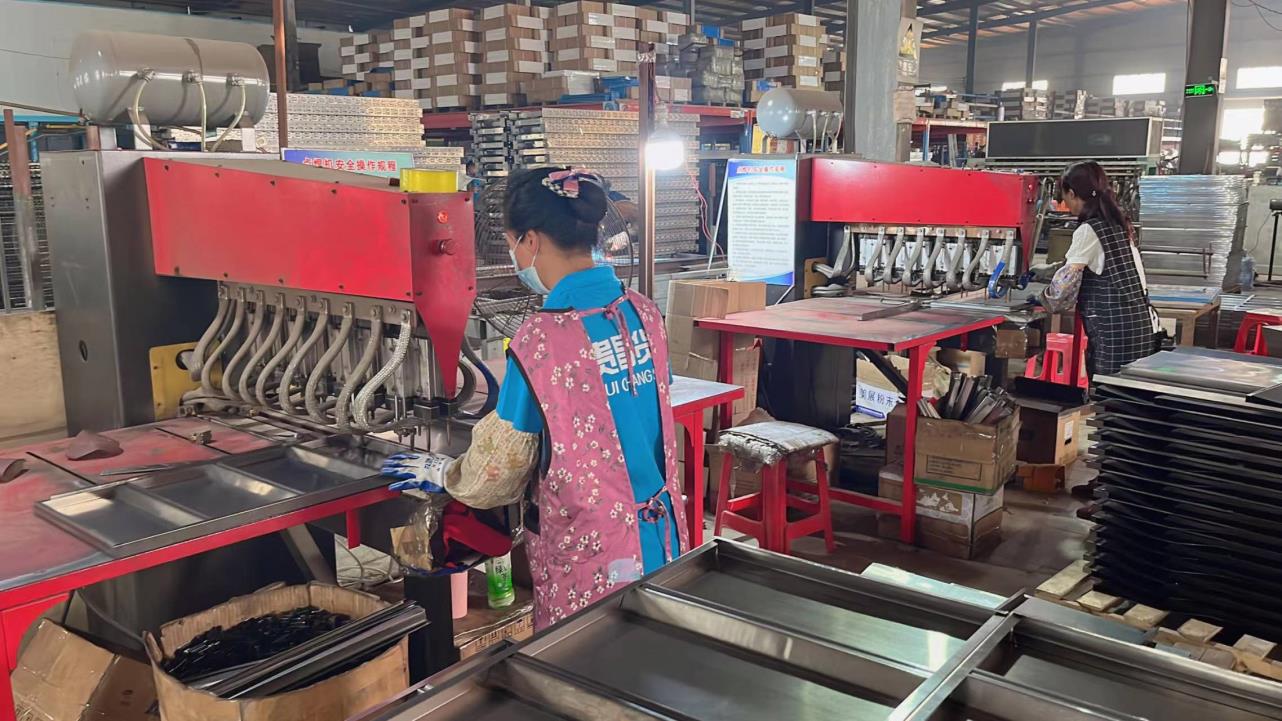
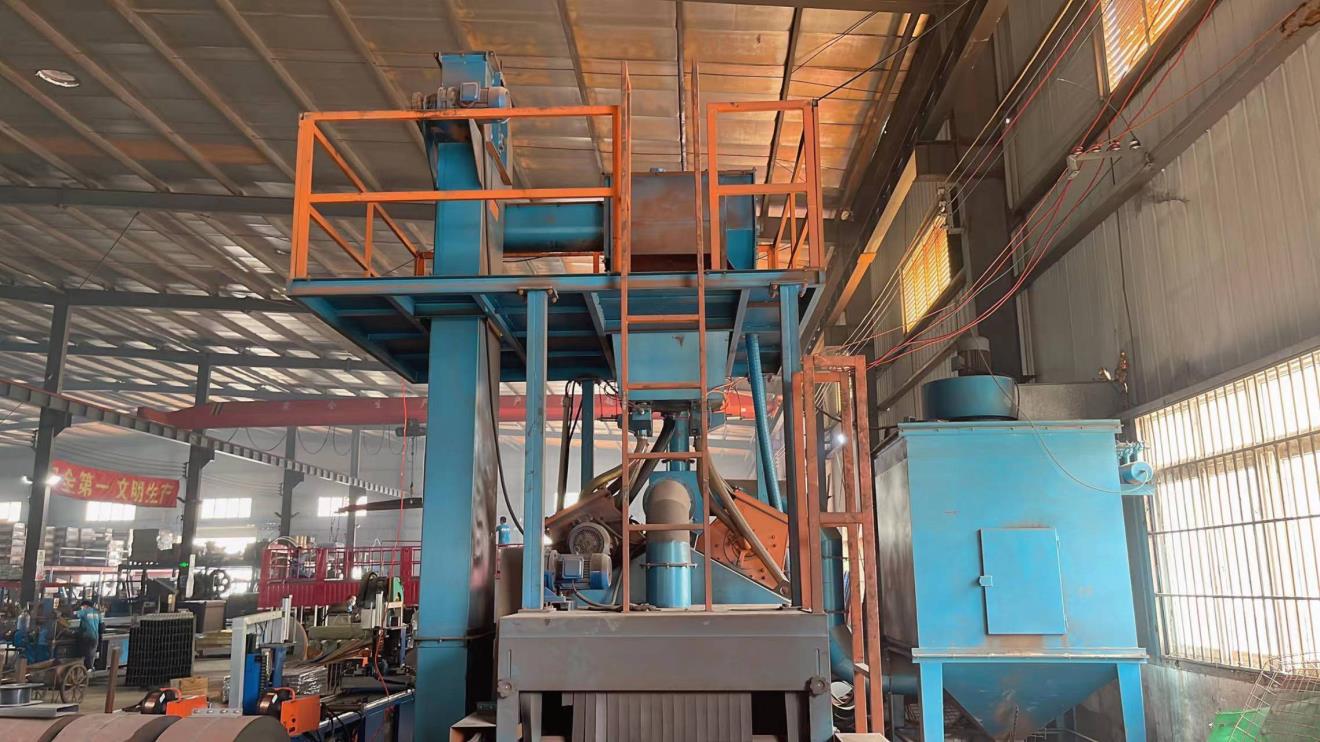
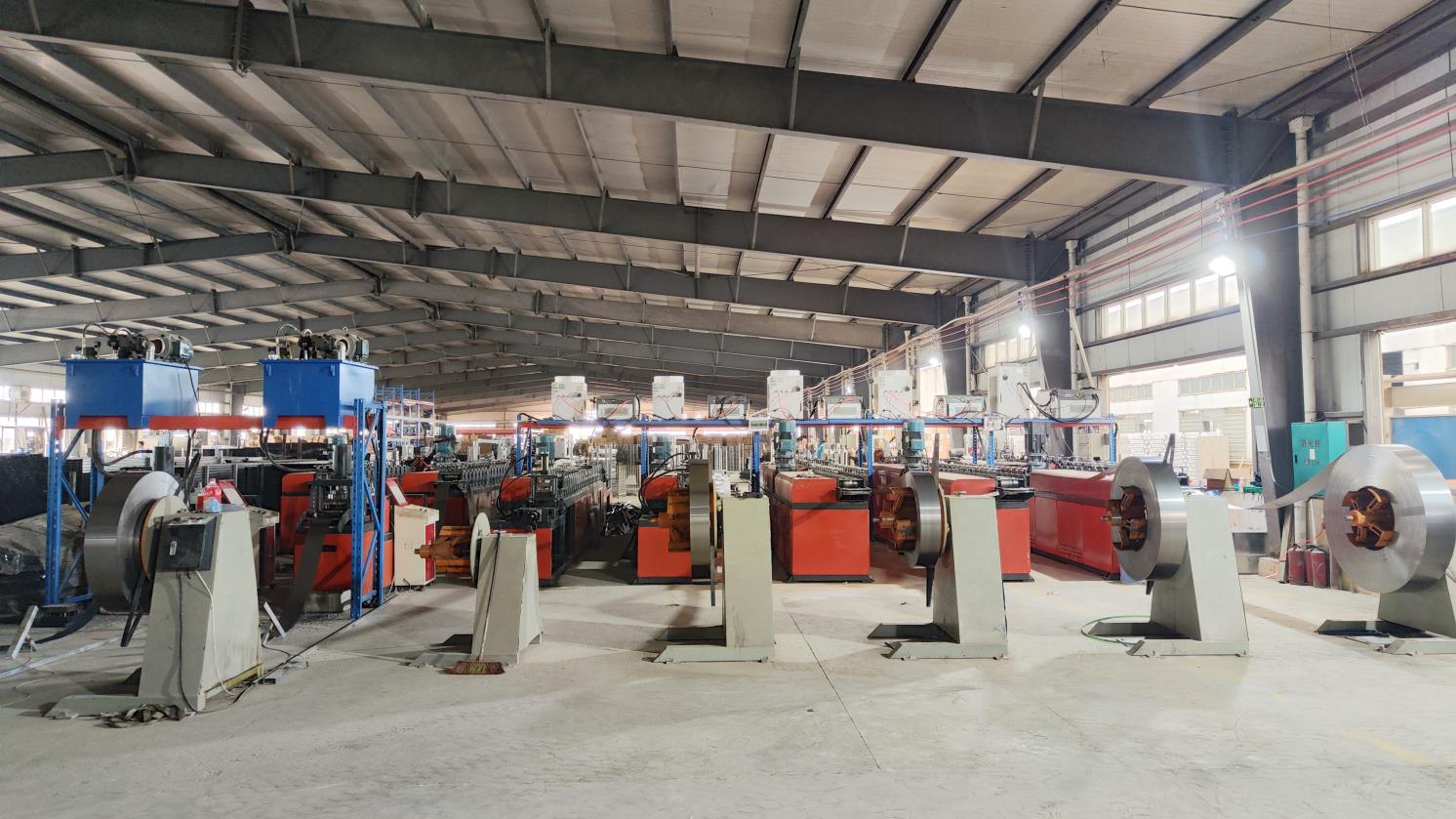
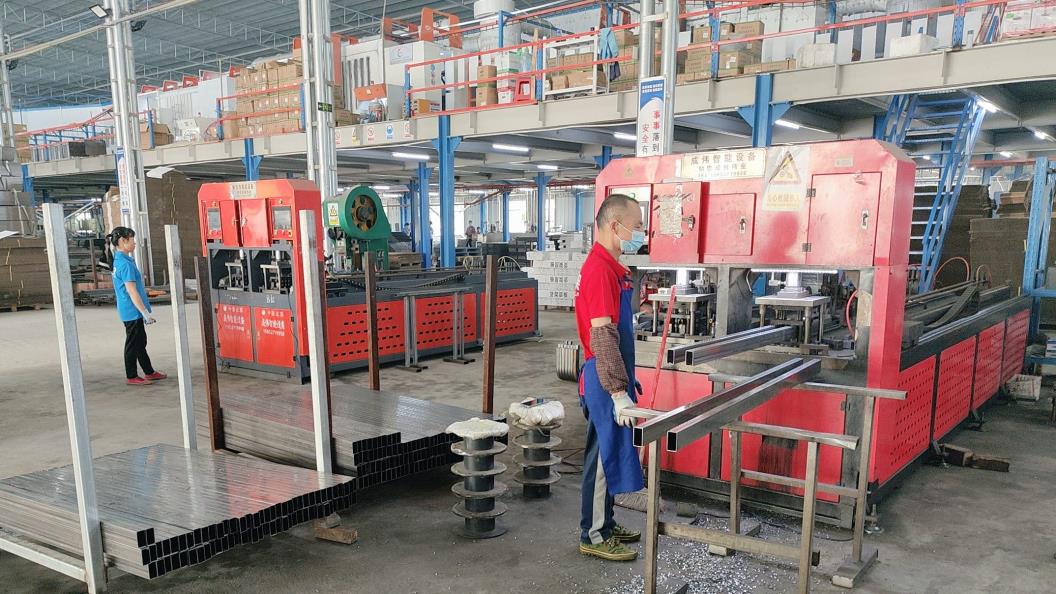
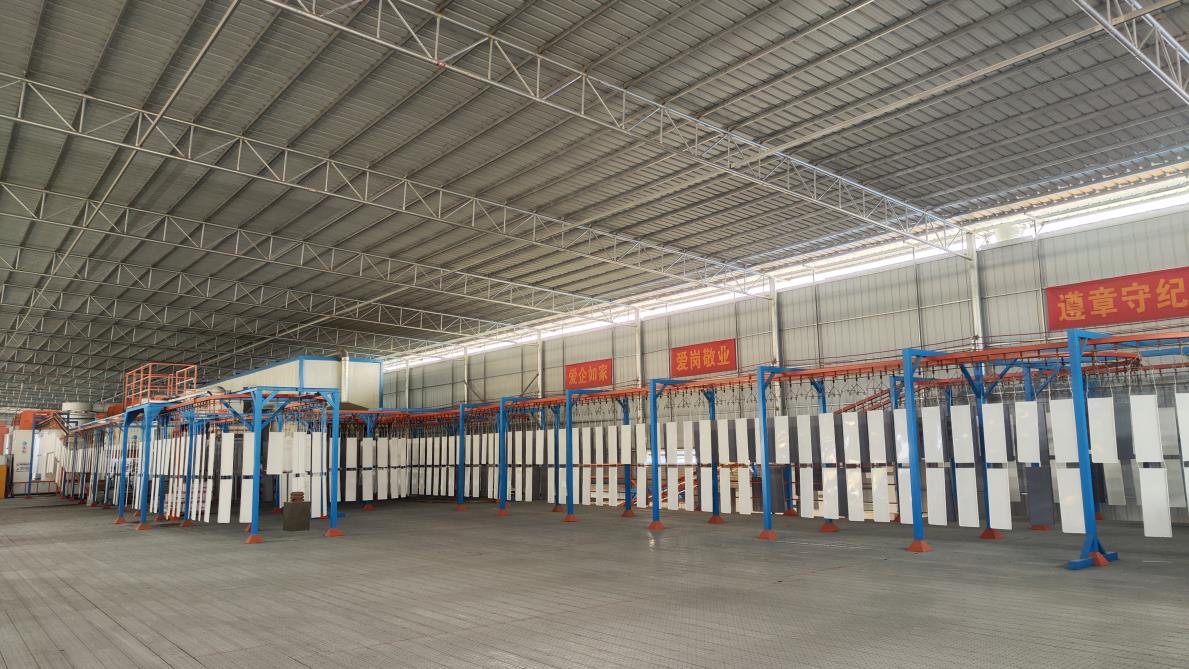
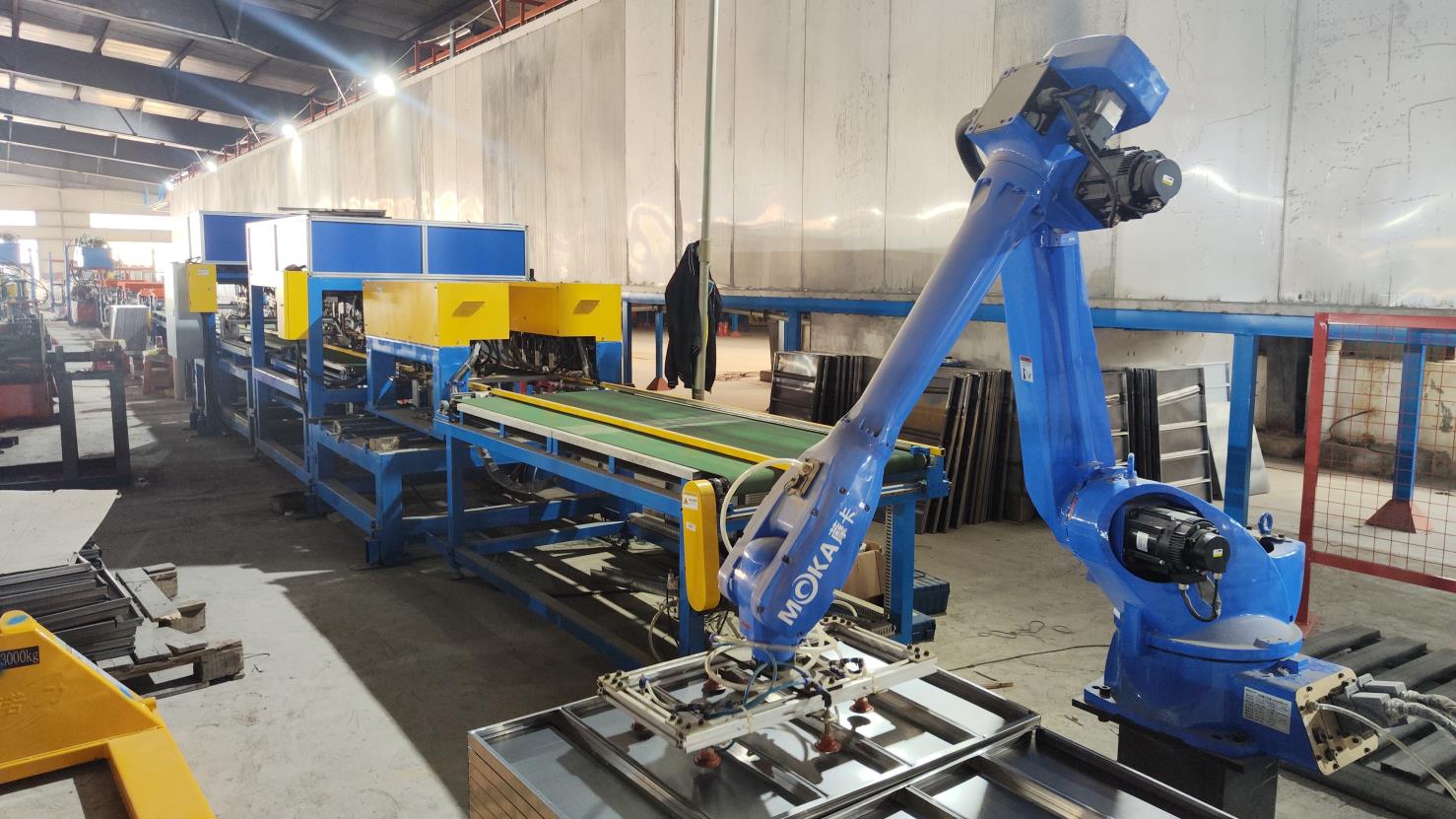
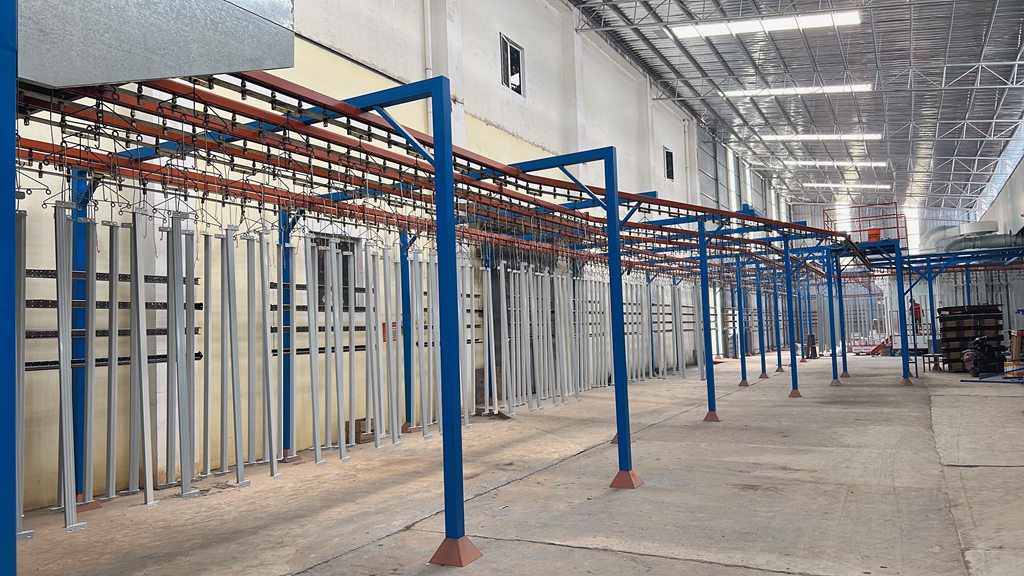
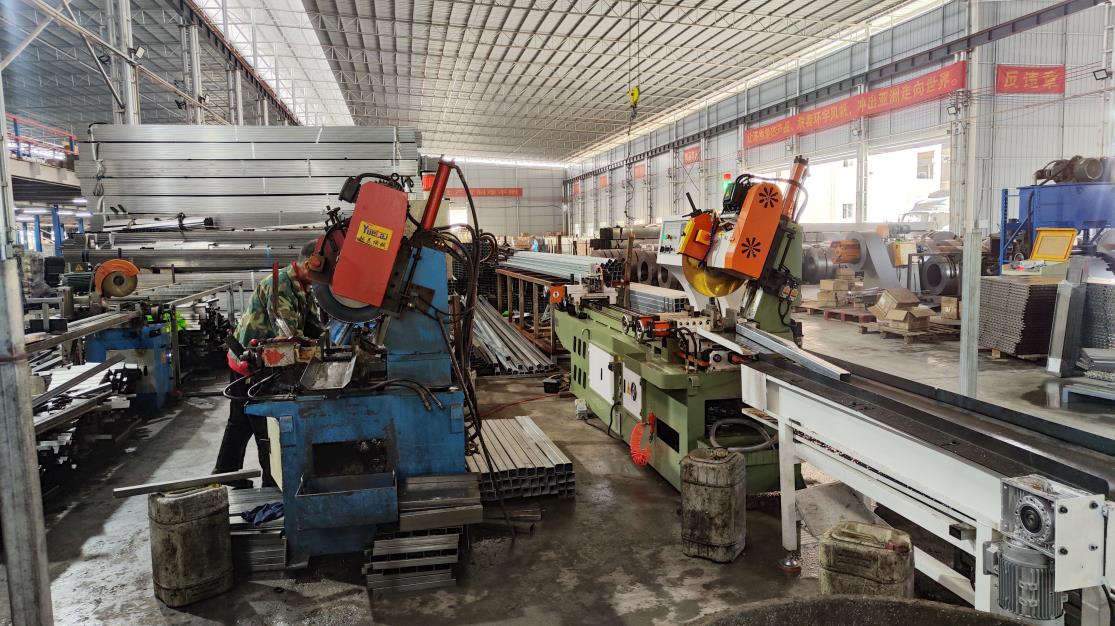
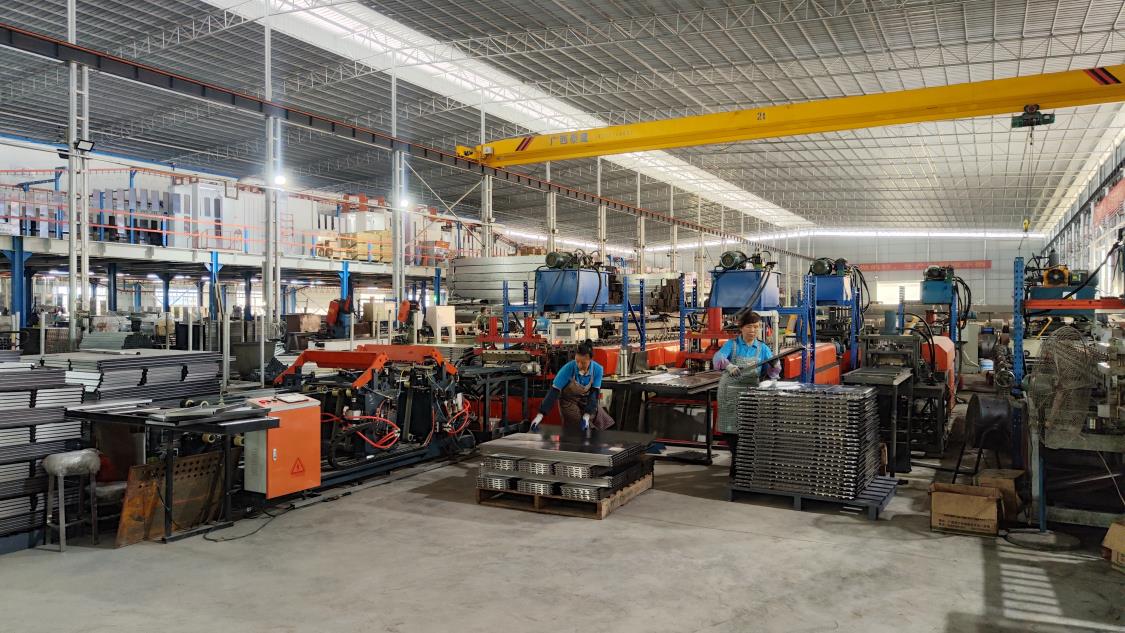
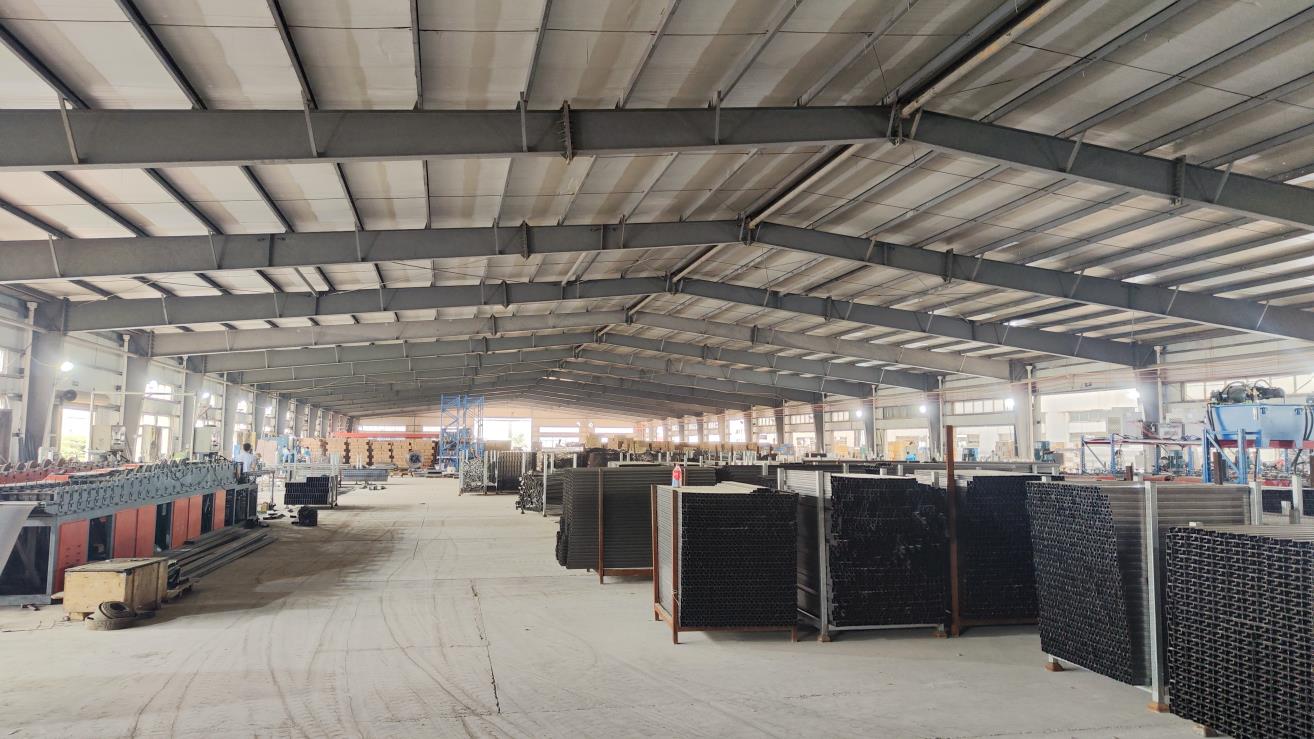
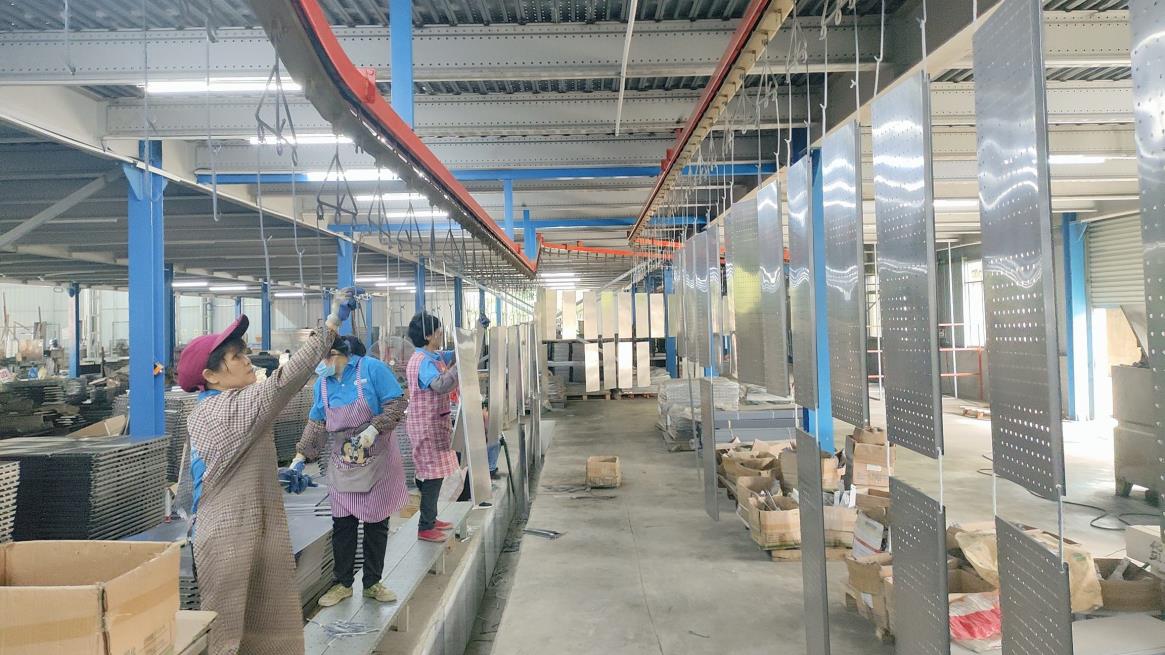
Operating out of a modern manufacturing facility covering 38,000 square metres, our direct factory infrastructure generates over $25 million USD in annual export revenue. Supported by a robust network of over 850 supply chain partners, we maintain full operational control over raw material sourcing, automated roll-forming, robot welding and powder coating processes.
For a Mulifanua buyer, this vertical integration produces three practical advantages: price stability because coil sourcing is consolidated rather than brokered per order; lead-time predictability because roll-forming, welding and coating happen under one roof rather than across subcontractors; and customisation depth because engineering, tooling and production sit in the same building as the sales team.
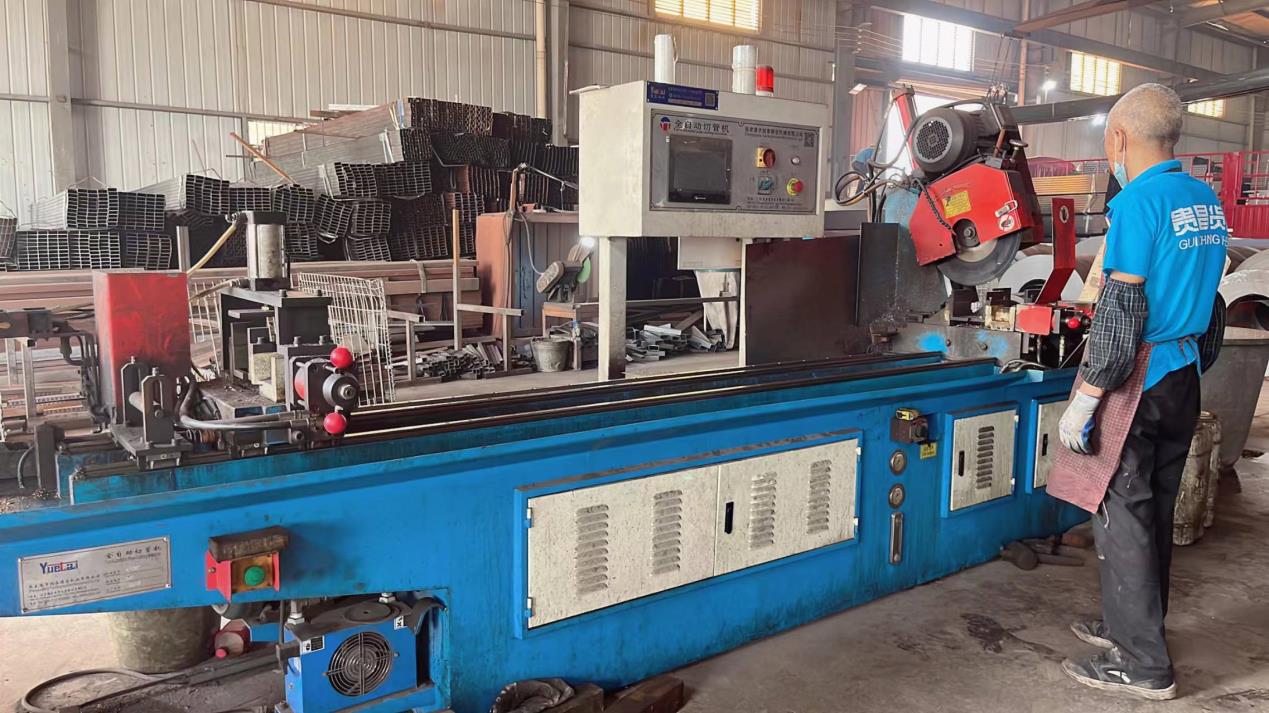
Quality and safety sit at the core of our manufacturing philosophy. Our quality management system is fully ISO9001 certified, backed by a dedicated team of 28 QC specialists. Every order undergoes rigorous four-stage quality inspections:
With an in-house engineering team of 18 senior structural and mechanical engineers, Foshan Guichang delivers advanced R&D capabilities including FEA (Finite Element Analysis) load simulations, custom CAD layout drafting and structural optimisation. We offer complete end-to-end OEM and ODM customisation services — tailoring load capacities, dimensions, column profiles, surface finishes and colour schemes to meet specific regional building codes and warehouse operational demands. Driven by continuous innovation, our R&D team launched 45 new modular racking and automation-compatible product designs last year alone.
Procurement behaviour among international buyers — including those sourcing for Pacific and Southeast Asian operations — has shifted measurably over the past three years. Our export enquiry data shows five recurring requirements that now appear in the majority of serious RFQs.
Buyers want racking that can be reconfigured, extended or partially relocated without discarding the whole system. Detachable frame designs and bolted rather than welded connections now dominate new orders.
Requests for FEA reports, load test certificates and coating thickness records have become standard. Buyers are auditing suppliers, not just comparing prices.
Even small operations plan ahead for AGV and AMR movement. Racks with consistent bay geometry, floor-level clearances and defined interface points command a premium.
Coastal and tropical buyers specify higher film build and pre-treatment grades. A single global coating specification is no longer acceptable to informed procurement teams.
Total landed cost — not FOB price — drives award decisions. Knock-down packing density has become a genuine competitive differentiator for island destinations.
Multi-year part number retention and repeat-order consistency are increasingly written into supply agreements, particularly for multi-site retail and logistics operators.
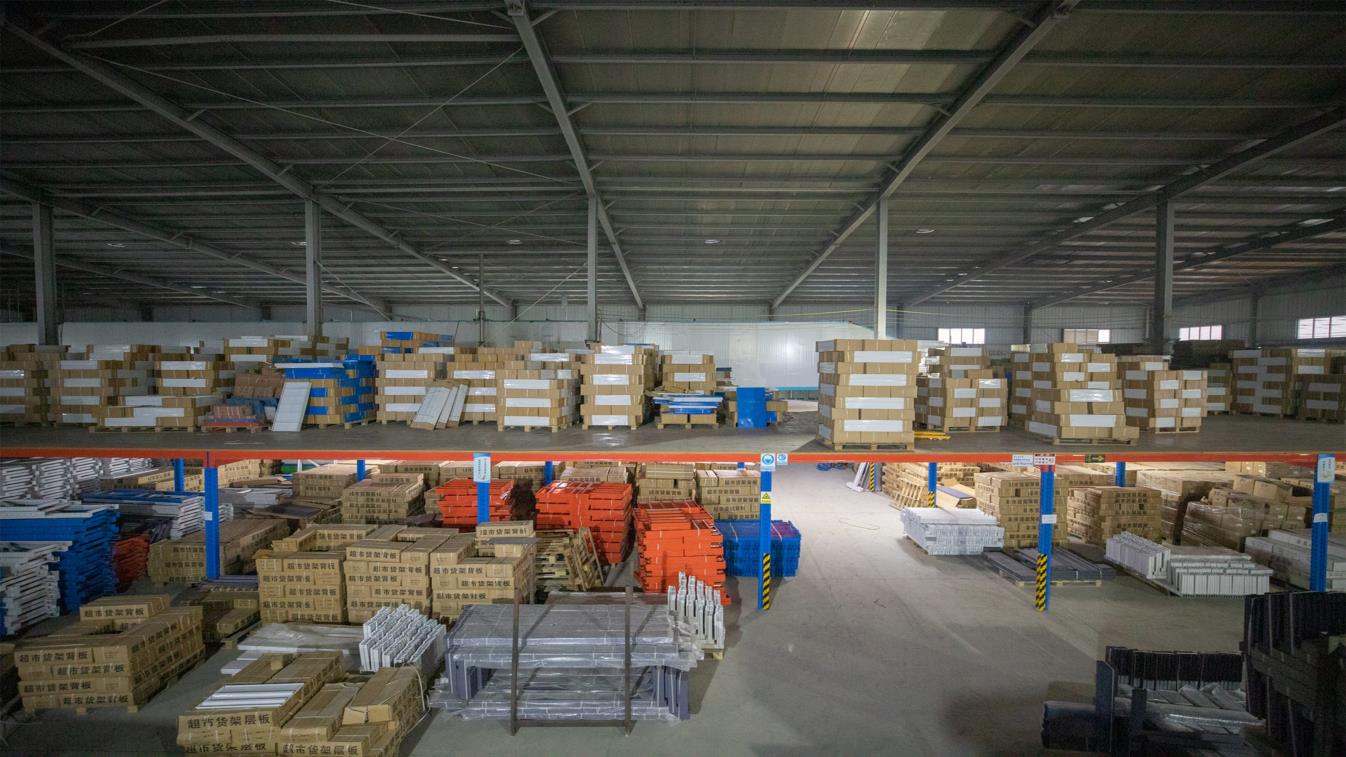
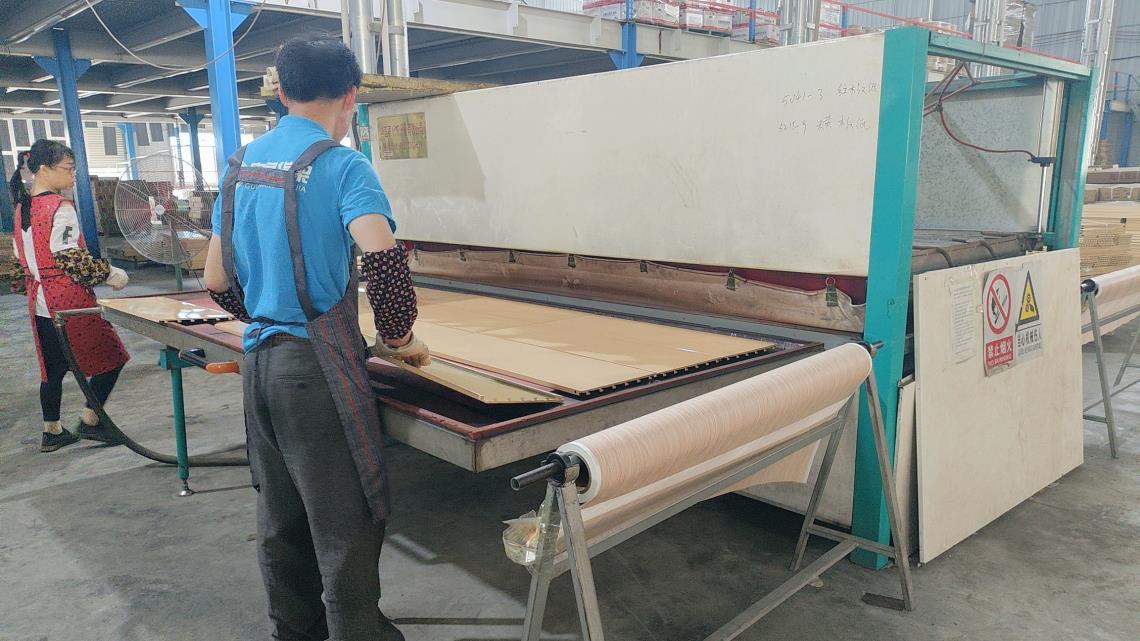
Every rack shipped to Mulifanua passes through the same controlled sequence. Selected stages are shown below.
| Application | Recommended System | Typical Load Class | Key Selection Factor |
|---|---|---|---|
| Injection mould & die storage | Drawer-type mould rack / GMR-2.0 | Heavy duty, 1000kg+ per level | Extraction access and cavity protection |
| Port & transit shed staging | Pallet racking, flatbed trolleys | Heavy duty | Forklift clearance and rapid throughput |
| Workshop tooling & spares | Medium-duty garage racking | 100–500kg per level | Reconfigurability and footprint efficiency |
| Retail & grocery display | Gondola shelving, fruit display stands | Light duty, 40–80kg | Dismounting for store refits |
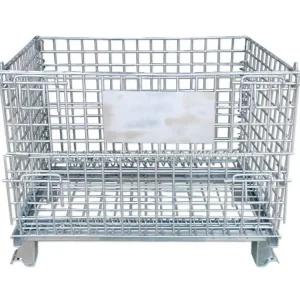
| Resort maintenance compounds | Angle-iron shelving, storage cages | Light to medium duty | Ventilation and corrosion resistance |
Send us your mould dimensions, weights, available floor area and target container type. Our engineering team will return a CAD layout, load calculation and freight-optimised quotation — typically within two working days.
Send Inquiry NowMould racks are engineered around extraction rather than bulk storage. Drawer-type shelves on telescopic runners allow heavy moulds to be pulled clear for inspection, cleaning and changeover without crane access, and shelf surfaces are usually reinforced or lined to protect precision cavity faces from impact. Standard pallet racking prioritises vertical load density and forklift access, which is the wrong geometry for tooling that must be handled individually.
Yes — but the coating specification must be selected accordingly. For coastal Pacific installations we typically recommend a higher powder coating film build combined with appropriate pre-treatment, verified through salt spray corrosion testing and digital coating thickness measurement at our surface coating inspection stage. If your site is within a few hundred metres of the shoreline, tell us at enquiry stage so the specification is adjusted before production rather than after.
Our knock-down and detachable frame designs are packed flat specifically to maximise container utilisation. A 40HQ container can carry substantially more racking bays than an equivalent shipment of pre-welded frames, which materially reduces per-unit landed cost. We provide packing lists, container loading plans and HS classification guidance to support clearance through Apia and onward transfer to Mulifanua.
Yes. We provide complete end-to-end OEM and ODM customisation covering load capacity, bay dimensions, column profiles, surface finish and colour scheme. Our 18-engineer in-house team can work from your drawings or develop a layout from scratch using FEA load simulation. This is particularly relevant for distributors who want a differentiated product line rather than catalogue-standard units.
Lead time depends on whether the configuration is catalogue-standard or custom. Standard configurations move quickly because roll-forming, robot welding and powder coating all run in-house rather than through subcontractors. Custom OEM/ODM projects require an engineering and tooling phase before production. We confirm a firm schedule at quotation stage once dimensions and quantities are fixed.
This is one of the core design objectives for remote-island destinations. Our detachable GMR-2.0 frames and knock-down modular systems assemble with bolted connections using standard hand tools. We supply exploded assembly drawings, torque specifications and floor anchor recommendations with every shipment so local contractors can complete installation without factory supervision or specialist welding plant.
Yes. Beam, upright and accessory part numbers are retained in our system so that repeat orders remain compatible with earlier shipments. This matters for multi-site retail chains and logistics operators who standardise on a single racking platform and expand incrementally over several years.
Our quality management system is ISO9001 certified and supported by 28 QC specialists running a four-stage inspection regime: raw material spectrographic and tensile testing, in-process weld seam ultrasonic detection and dimensional verification, surface coating salt spray and thickness measurement, and finished product 3D laser alignment plus 150% maximum load endurance testing. Inspection records are available with shipment documentation on request.
Beyond mould racking, our full catalogue covers warehouse storage, retail display and material handling — all available for consolidated shipment to reduce freight overhead.
 Guichang Rack