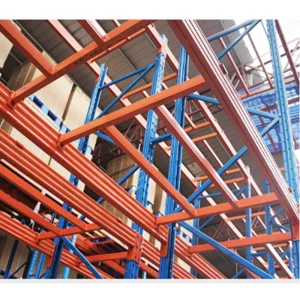
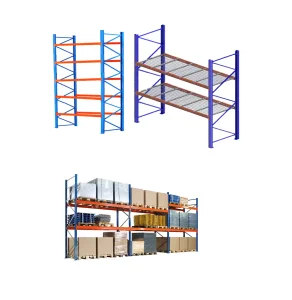
In modern industrial logistics, maximizing the cubic efficiency of warehouse footprints is the ultimate operational goal. As global supply chains face escalating land costs and urban space constraints, traditional selective pallet racking systems often fall short due to their intensive aisle-space requirements. This is where Drive-in Racking Systems establish their supreme commercial value.
Designed on the Last-In, First-Out (LIFO) inventory control principle, drive-in racks allow forklifts to drive directly into the racking bays to deposit or retrieve pallets. By eliminating access aisles, drive-in systems increase available storage space capacity by up to 75% compared to standard selective setups. Globally, these systems have become the backbone of high-density storage operations in cold storage, food and beverage processing, fast-moving consumer goods (FMCG), and pharmaceutical manufacturing, where temperature control and structural safety are vital.
| Racking Type | Storage Density | Aisle Space Requirement | Selectivity Rate | Best Application Scenarios |
|---|---|---|---|---|
| Selective Racking | Standard (Low-Medium) | High (Aisles 3.2m - 3.8m) | 100% (High selectivity) | SKU variety, high rotation speeds |
| Drive-In Racking | Excellent (High Density) | Extremely Low (Direct Aisle Entry) | 20% - 30% (LIFO rule) | Cold storage, bulk raw products, low SKU variety |
| Push-Back Racking | Medium-High | Moderate | 50% - 70% | Bulk storage with batch expiration tracking |
Located in the heart of China's industrial manufacturing hub, Foshan Guichang leverages high-grade raw steel sourcing, automated roll-forming technologies, and direct access to major international shipping routes to provide significant cost advantages without sacrificing mechanical integrity.
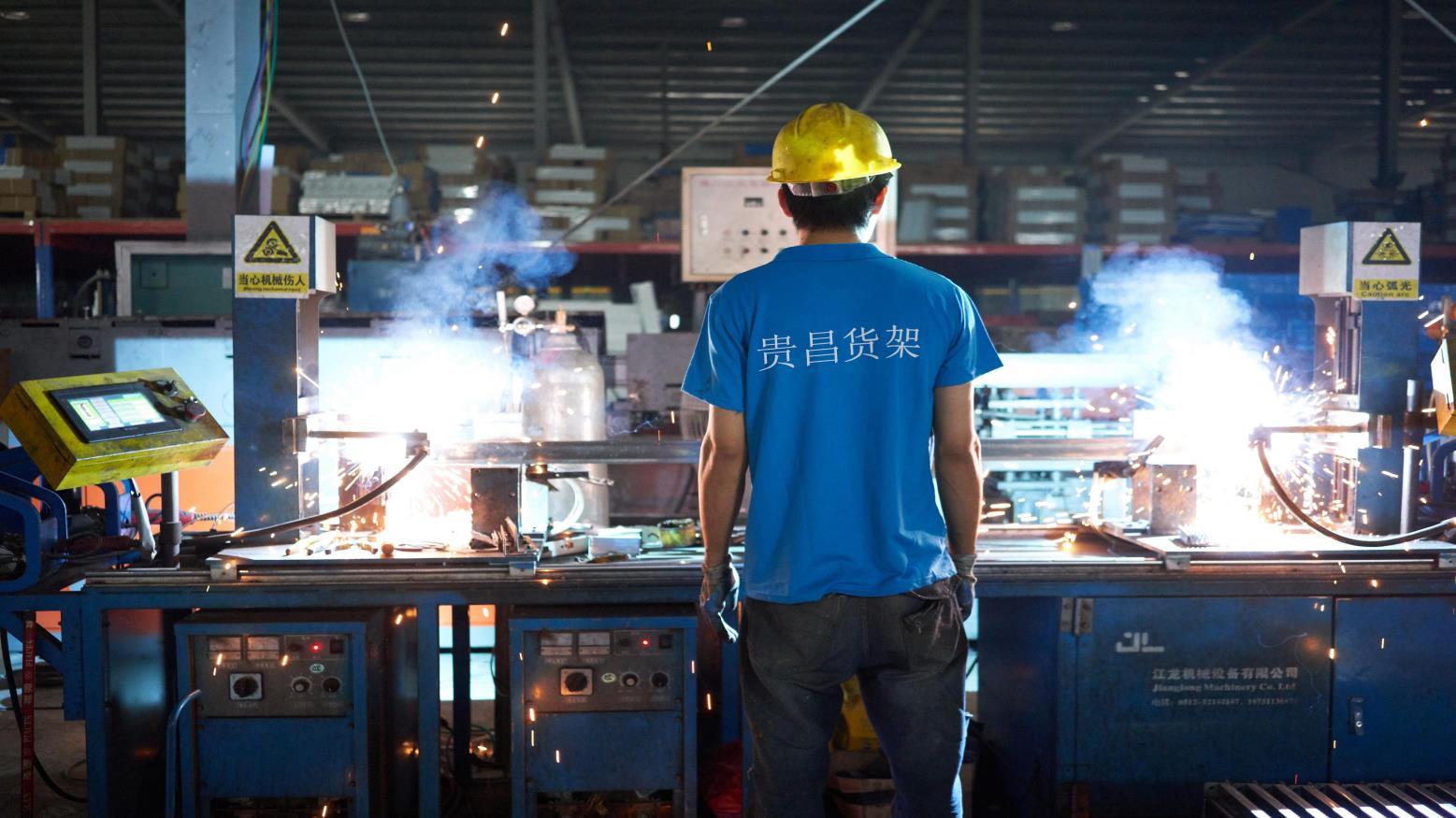
Our structures comply strictly with European FEM 10.2.02 standards and RMI standards. Equipped with 28 internal QC inspectors, every structural weld and cold-rolled column undergoes ultrasonic testing, salt spray corrosion tests, and structural alignment verification.
With an engineering division comprised of 18 structural specialists, we use Finite Element Analysis (FEA) to verify the exact load capacities of uprights and support arms, ensuring our racks withstand high seismic ratings and severe temperature fluctuations.
At Foshan Guichang Shelves Manufacturing Co., Ltd., safety is a core standard. We carry out 4 distinct testing phases on every batch of Drive-in Racking structures:
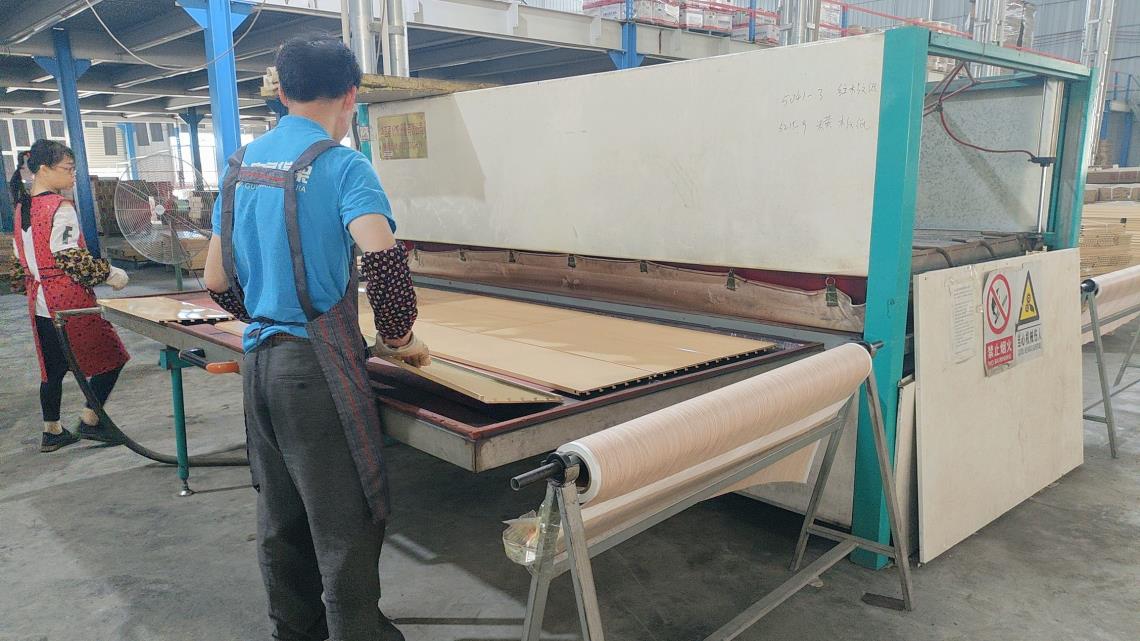
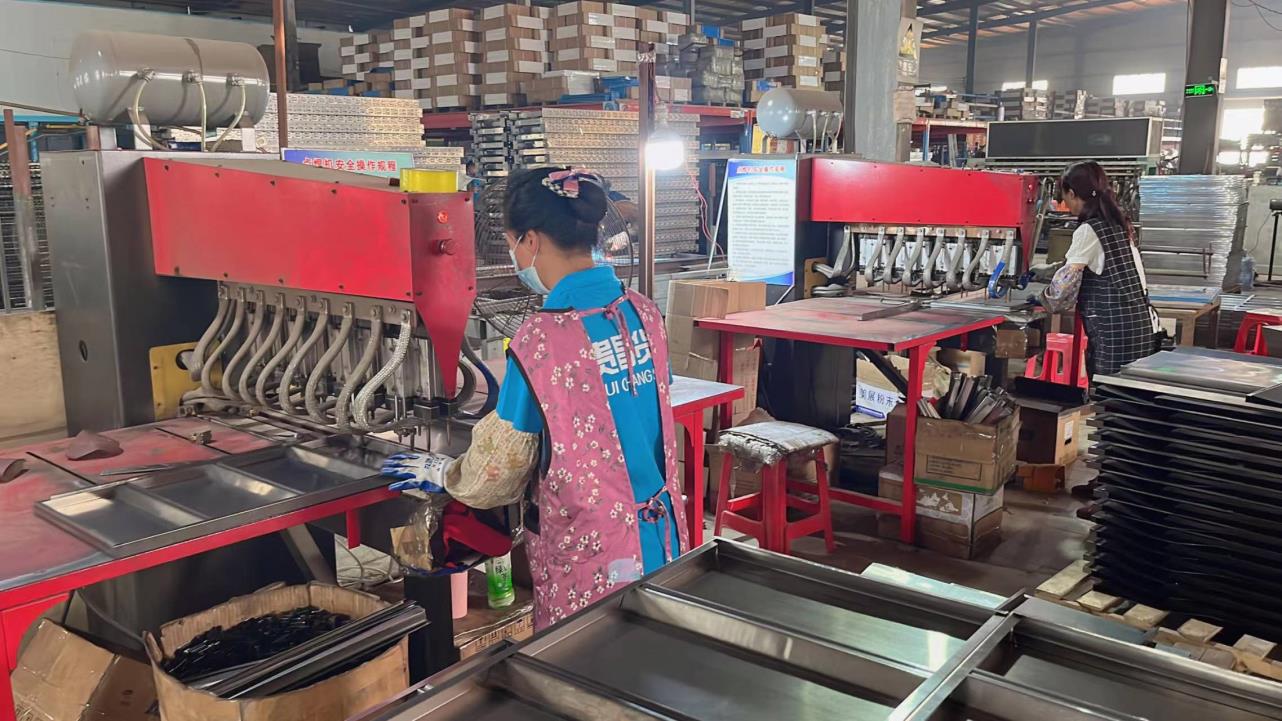
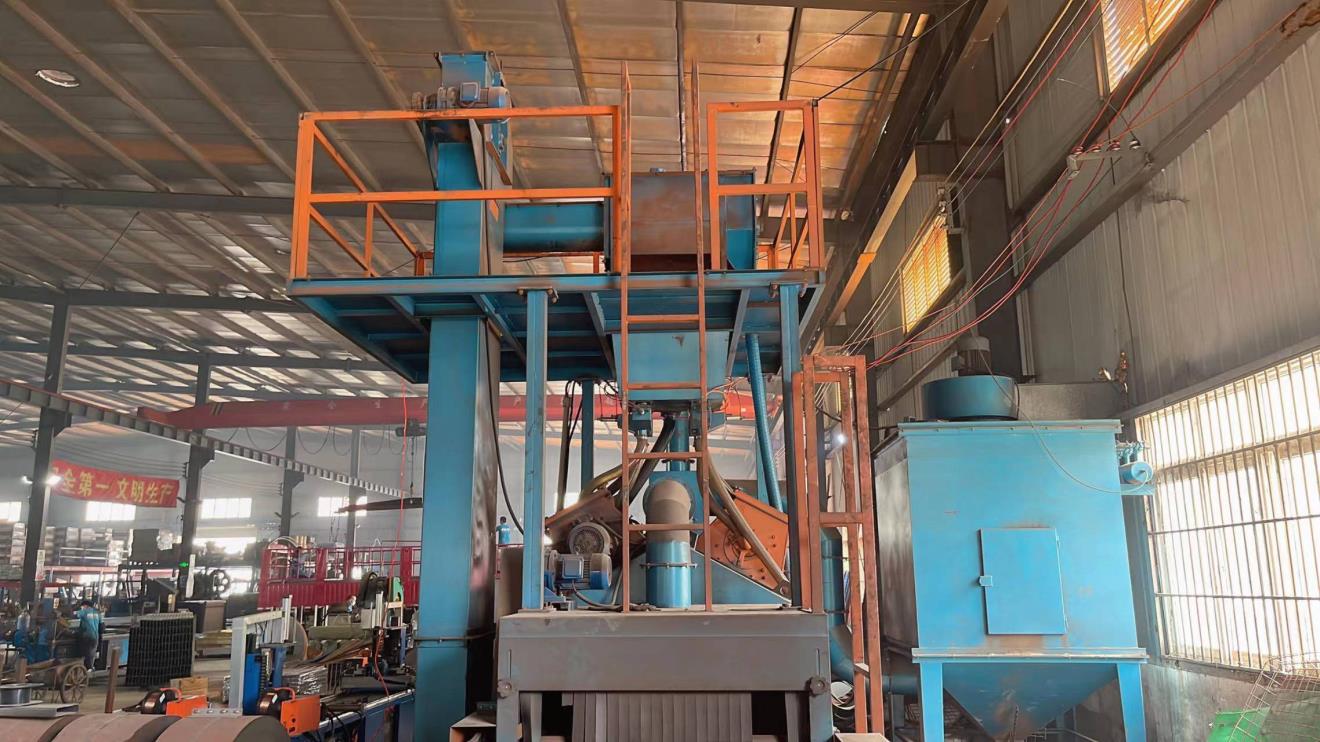
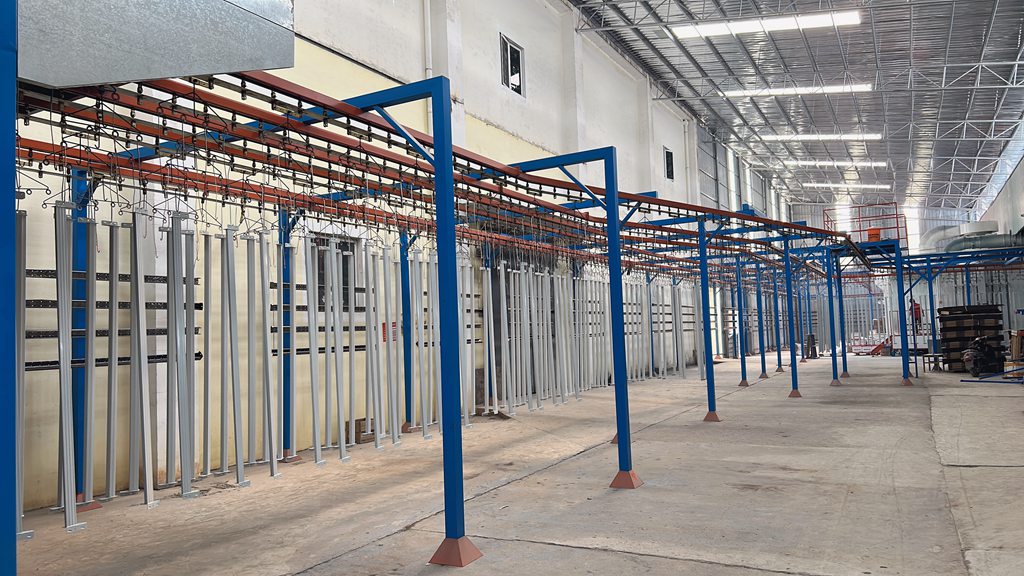
Take a digital walkthrough of our 38,000 square meter factory layout, showing each step from raw materials selection to state-of-the-art automated powder coating.
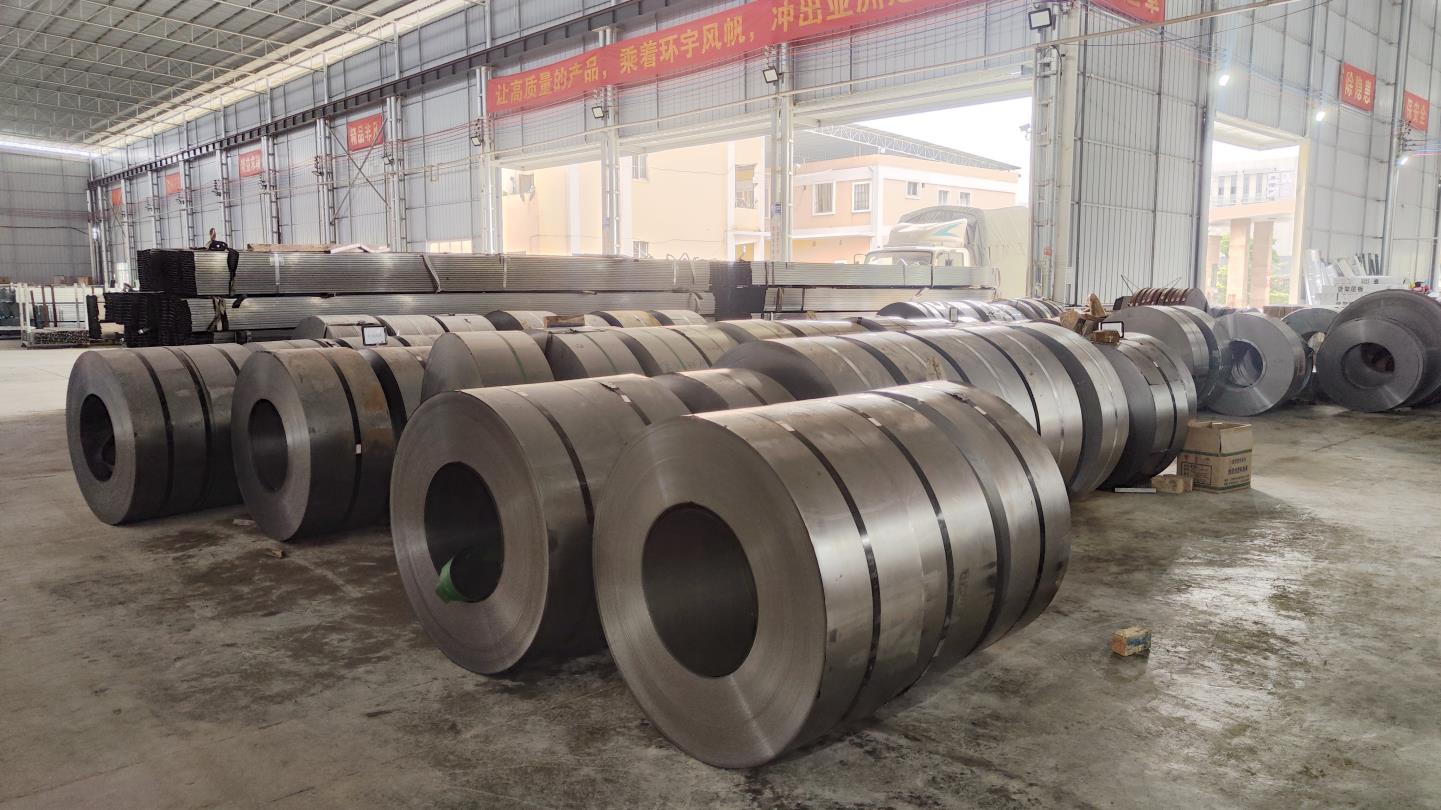
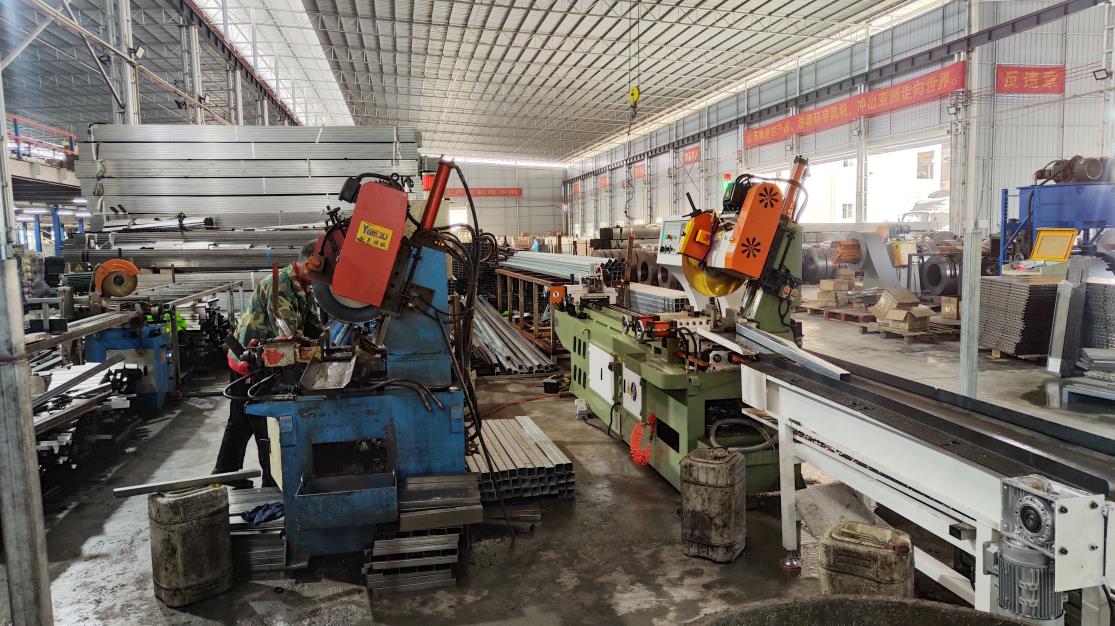
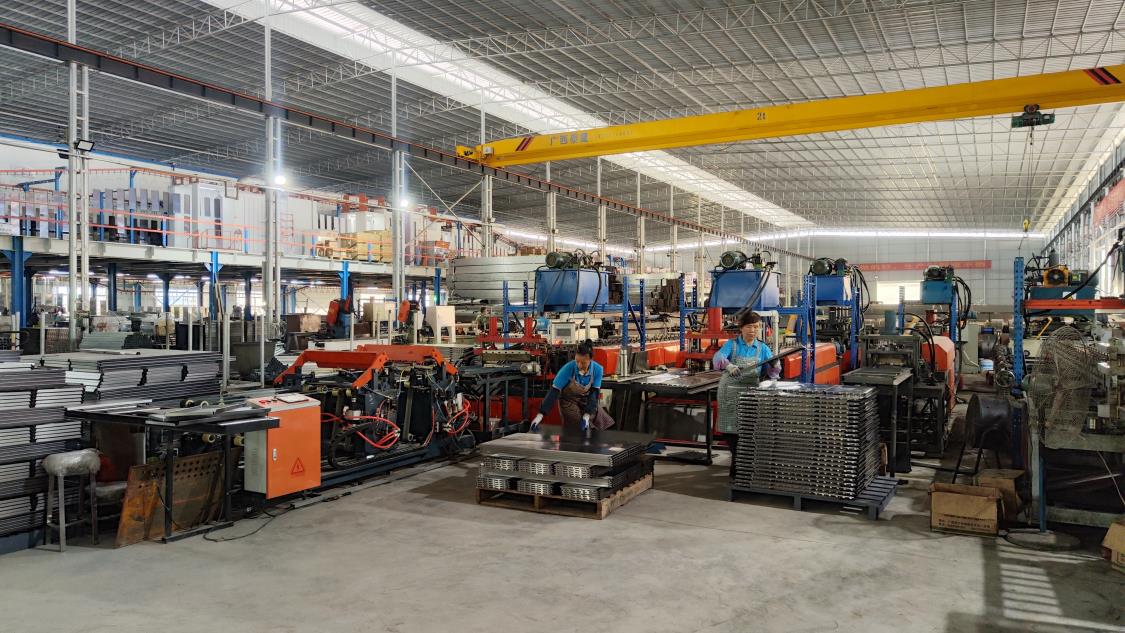
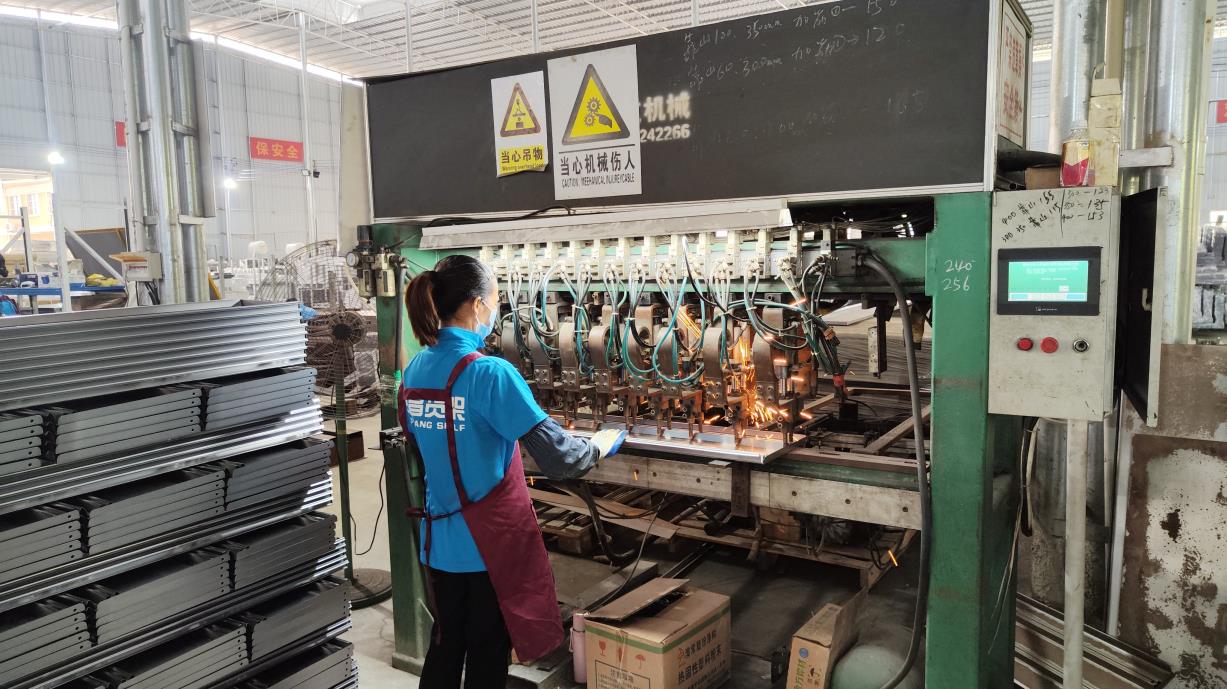
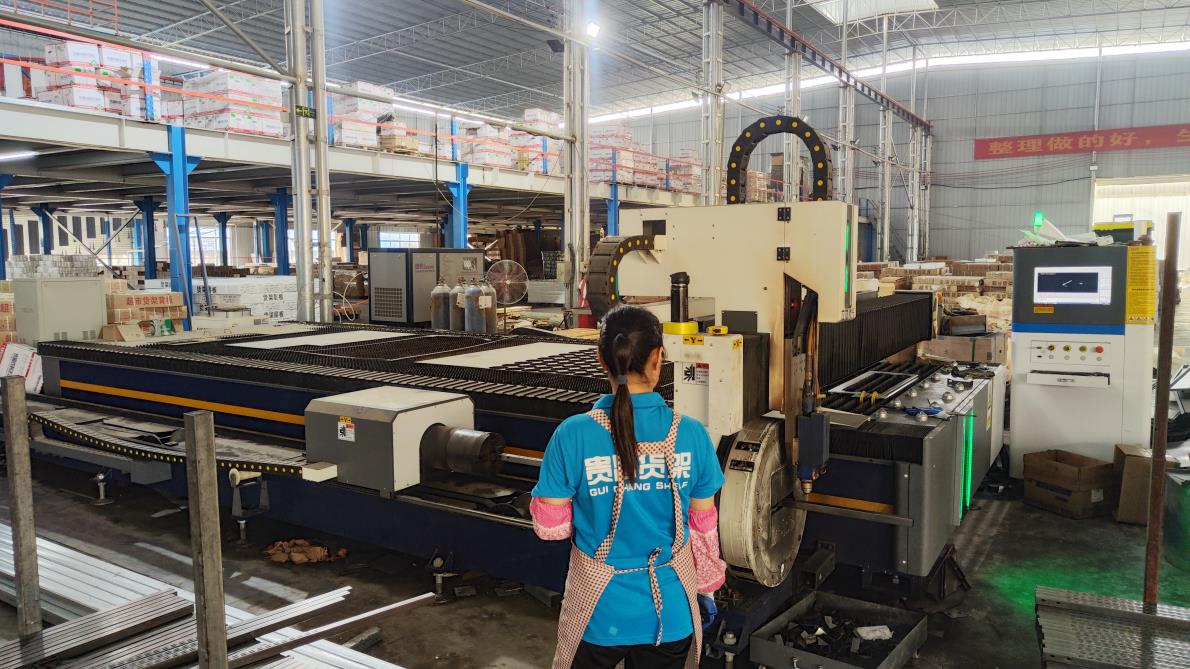
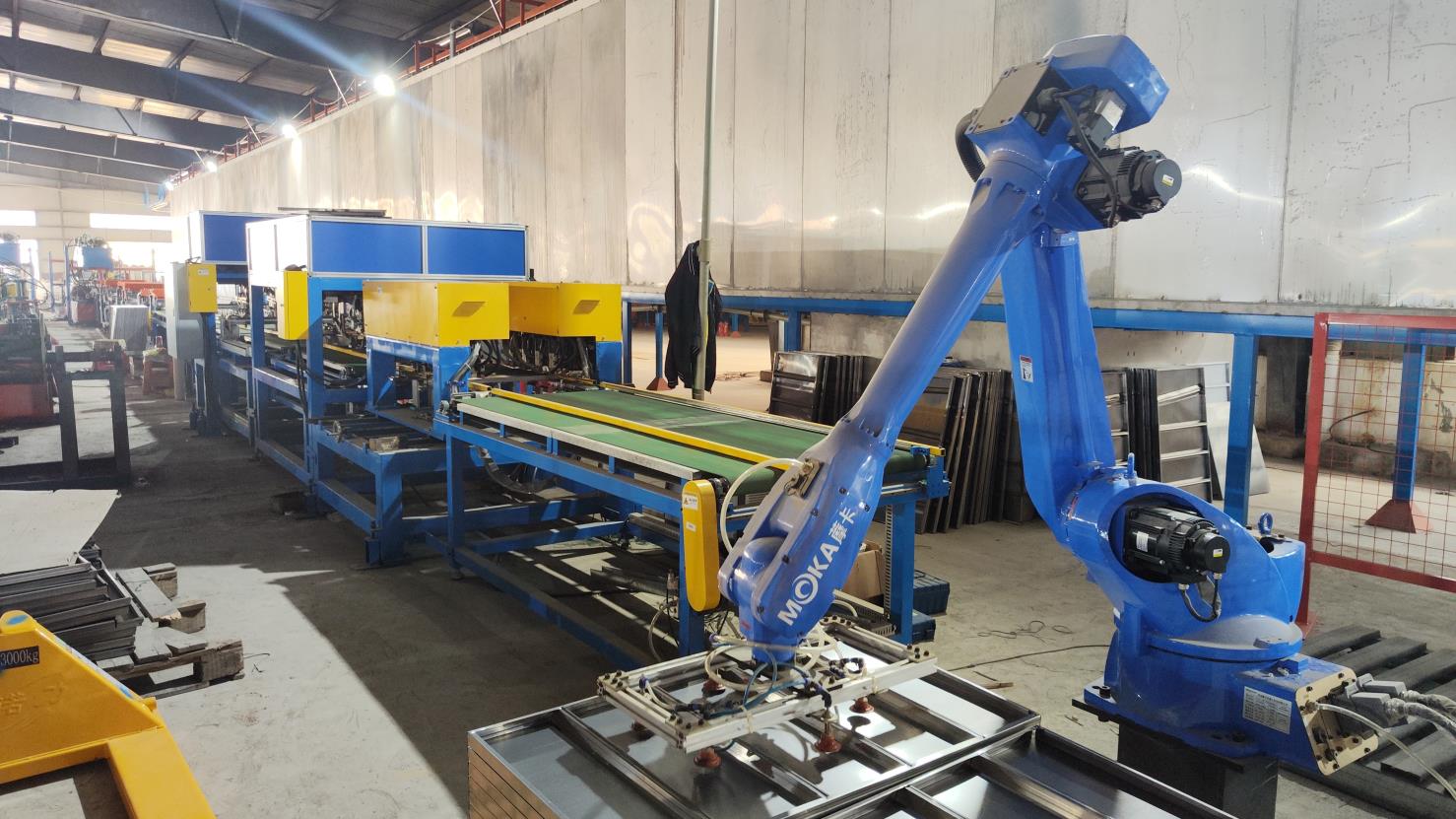
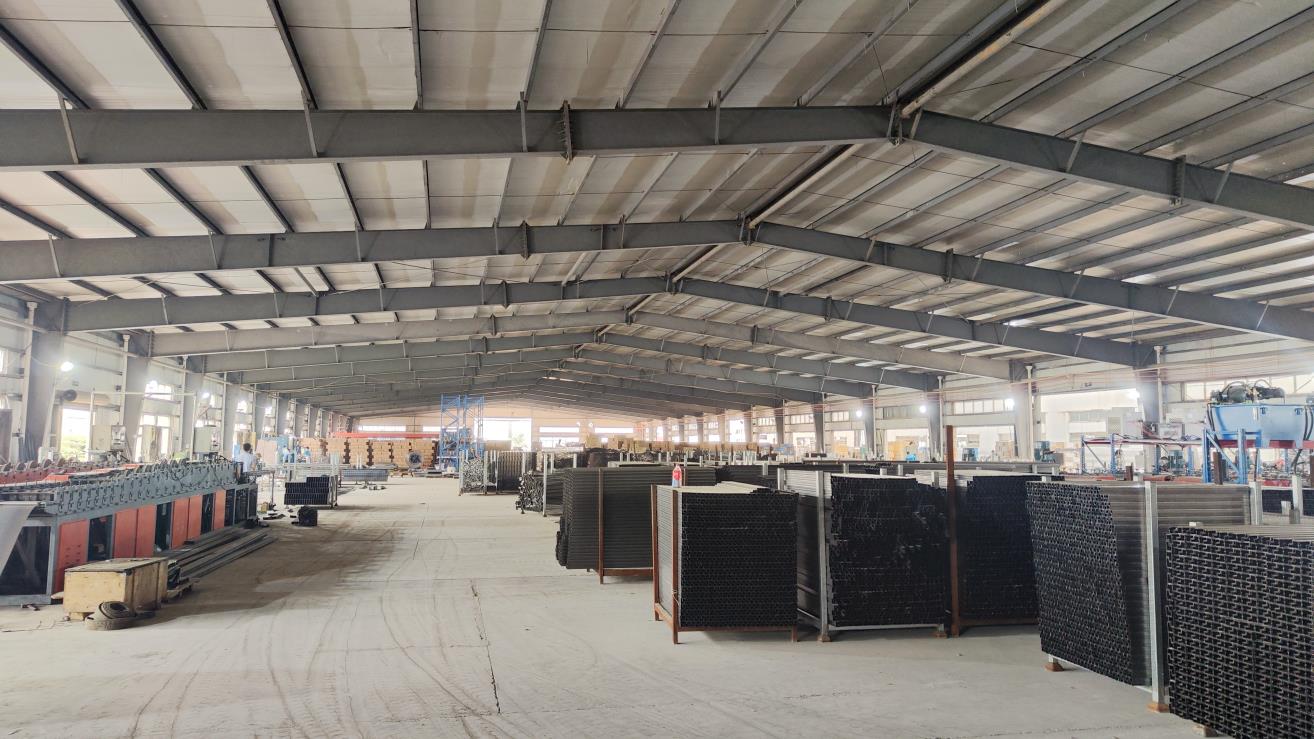
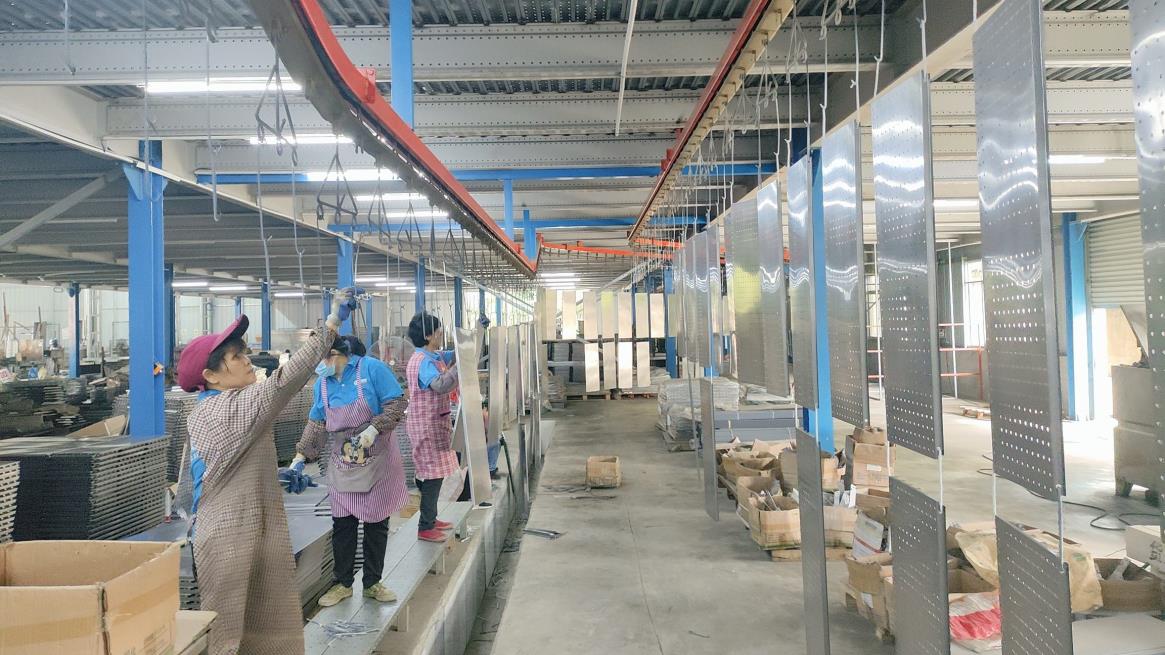
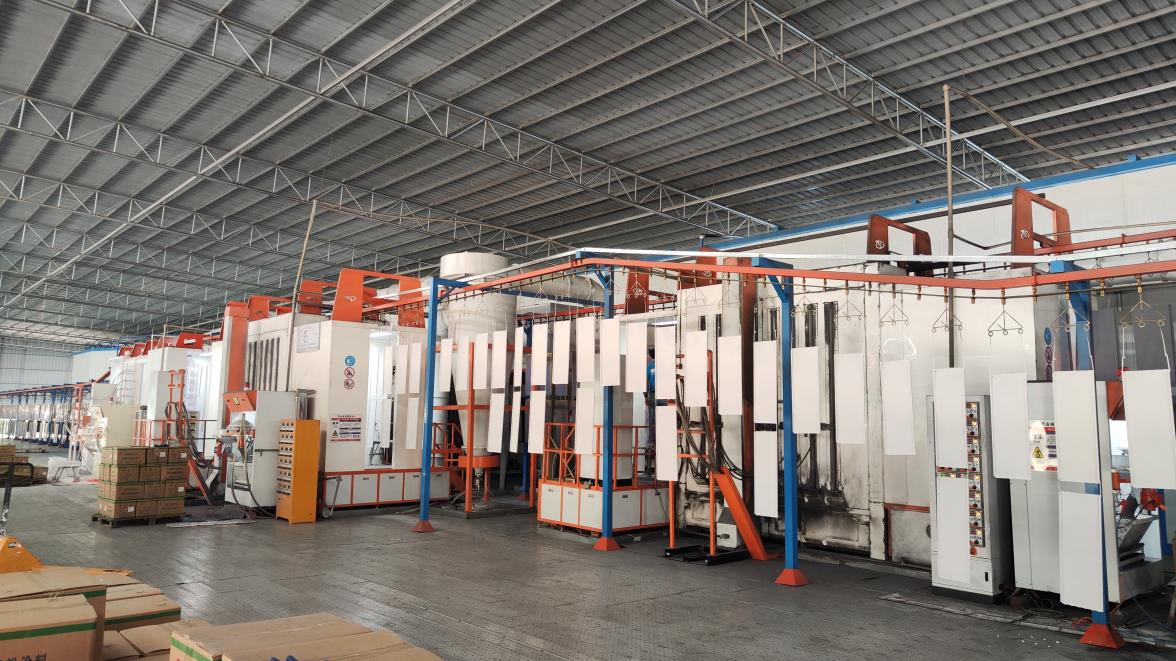
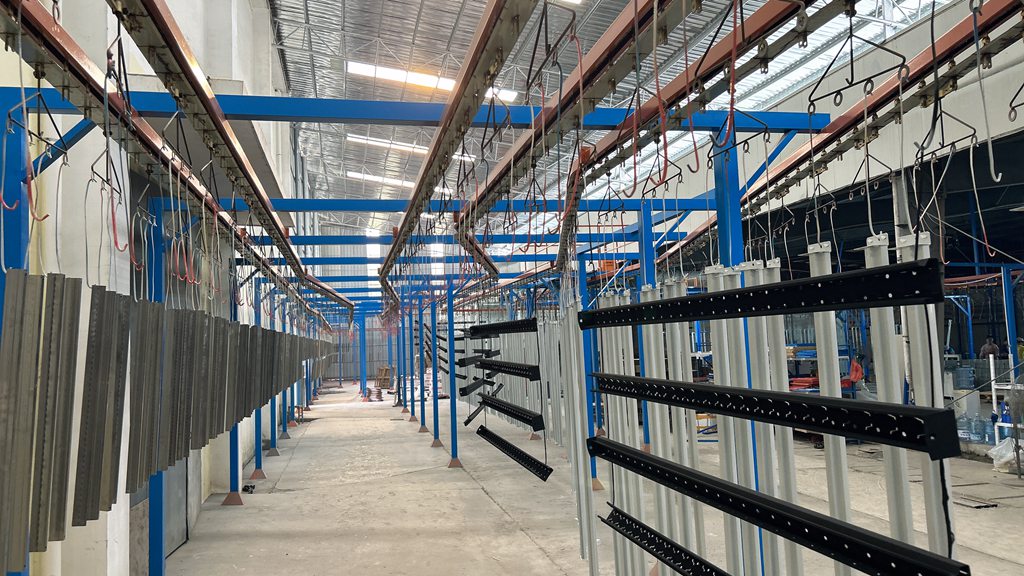
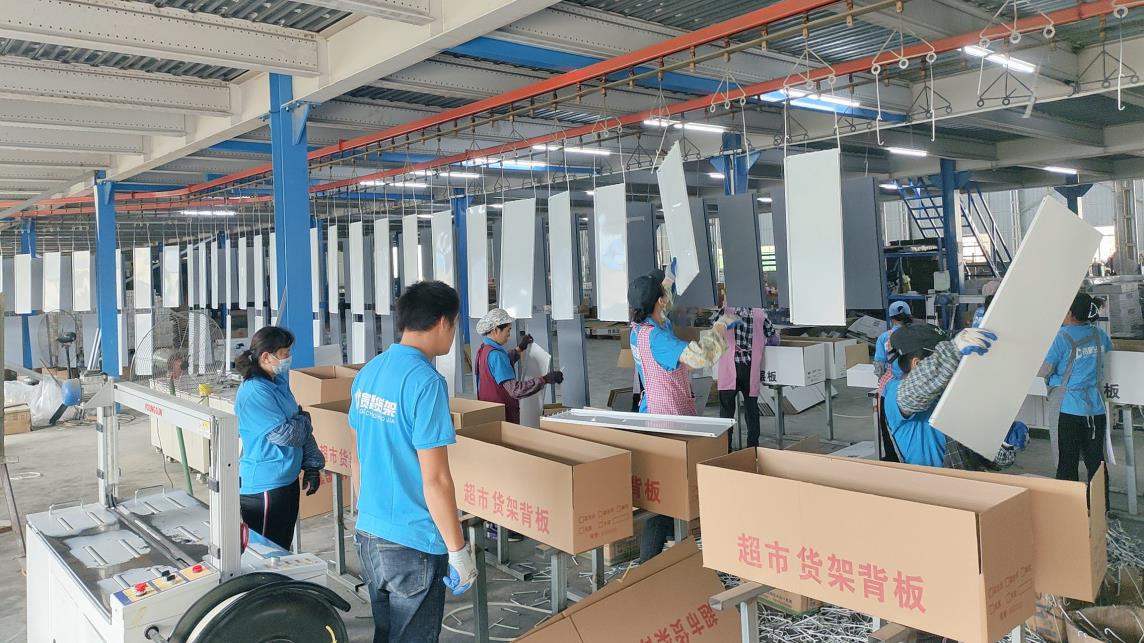
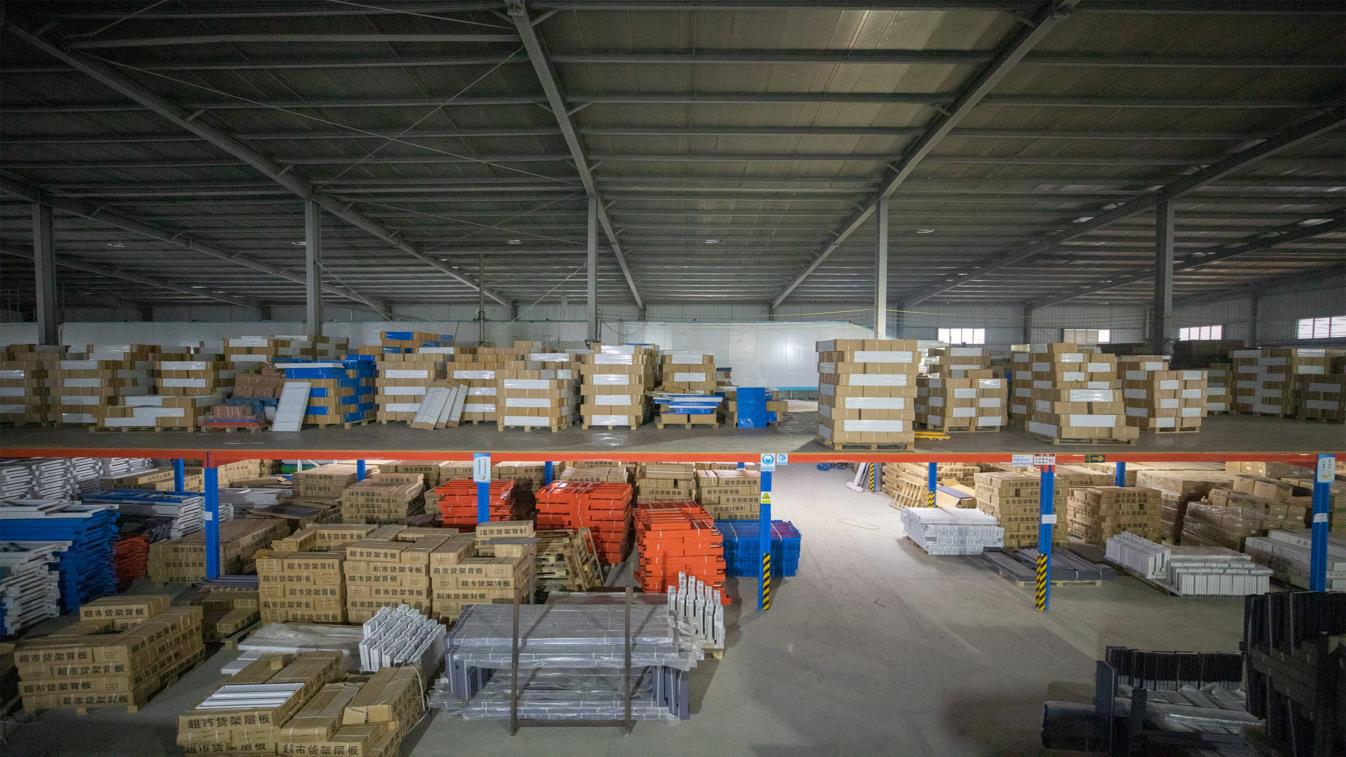
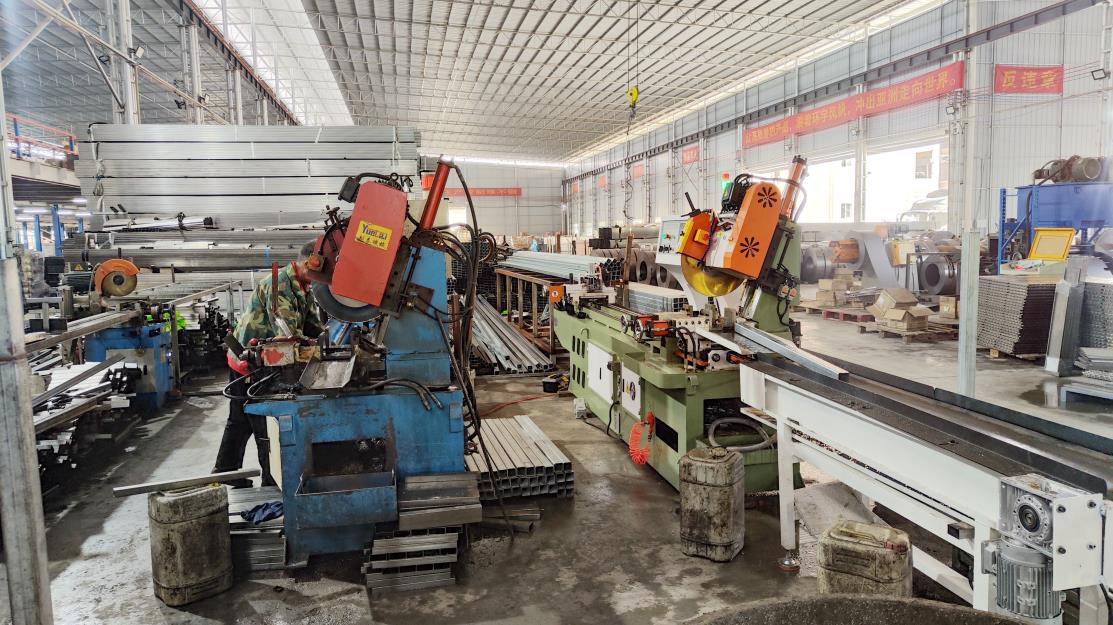
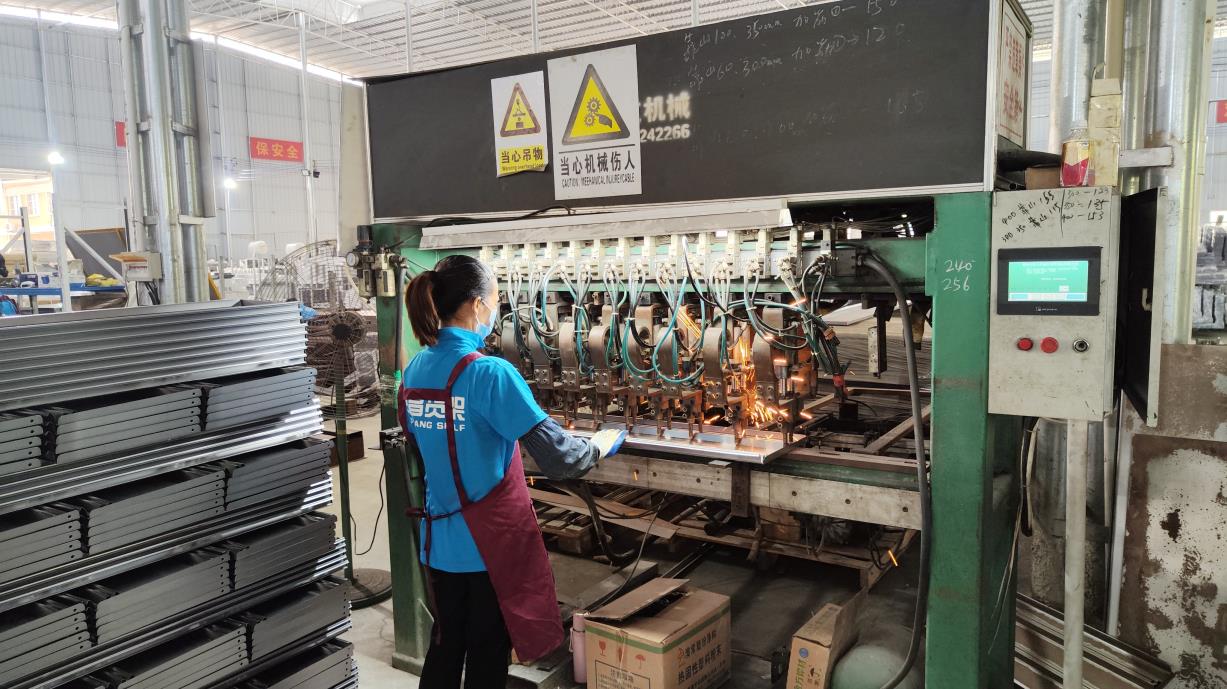
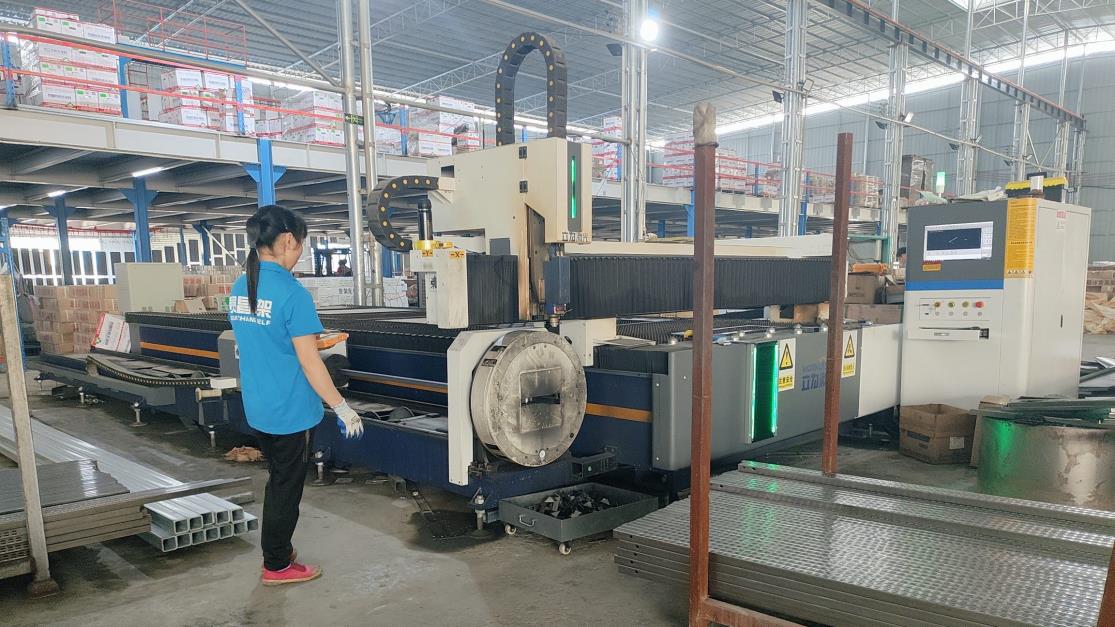
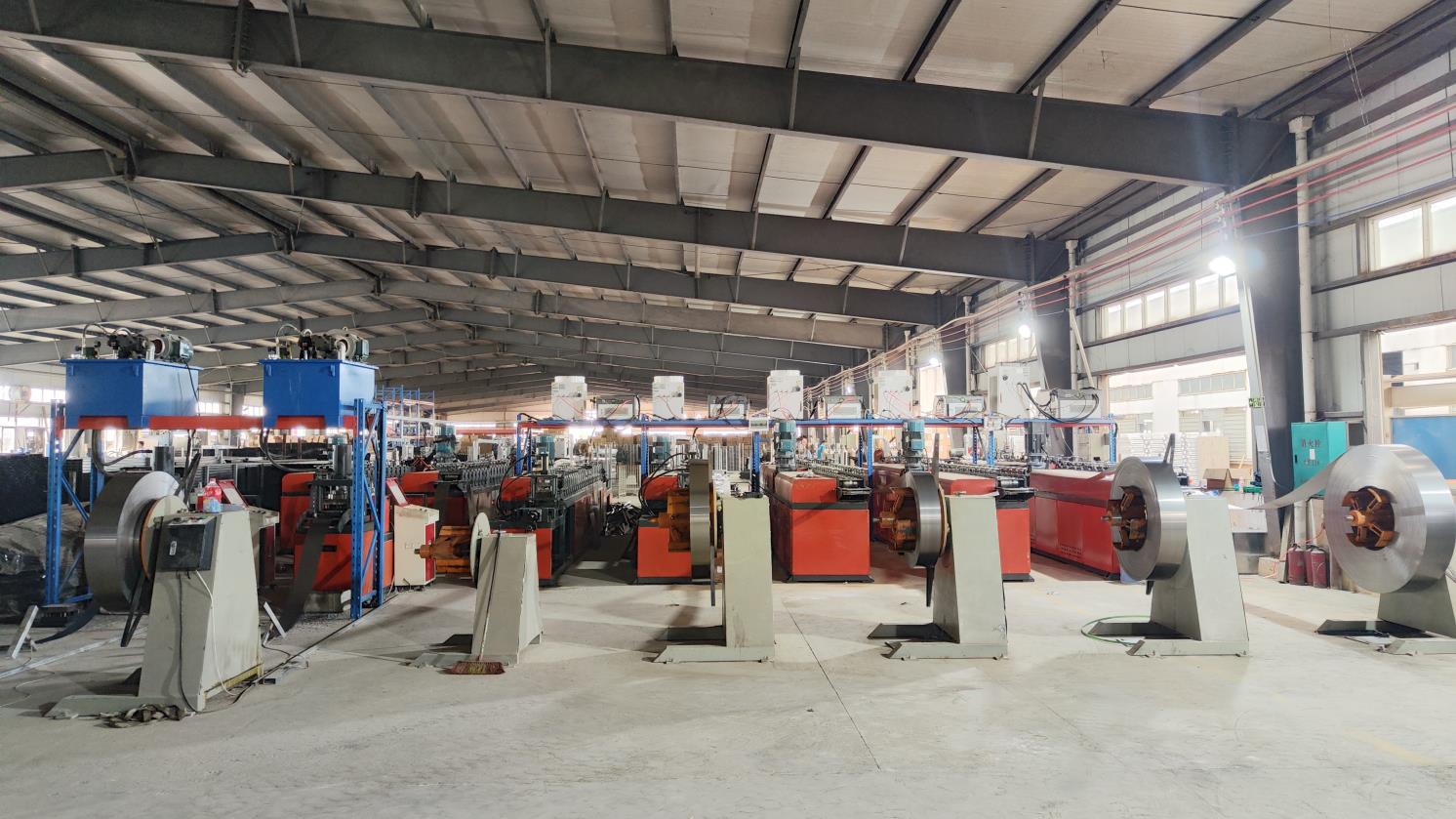
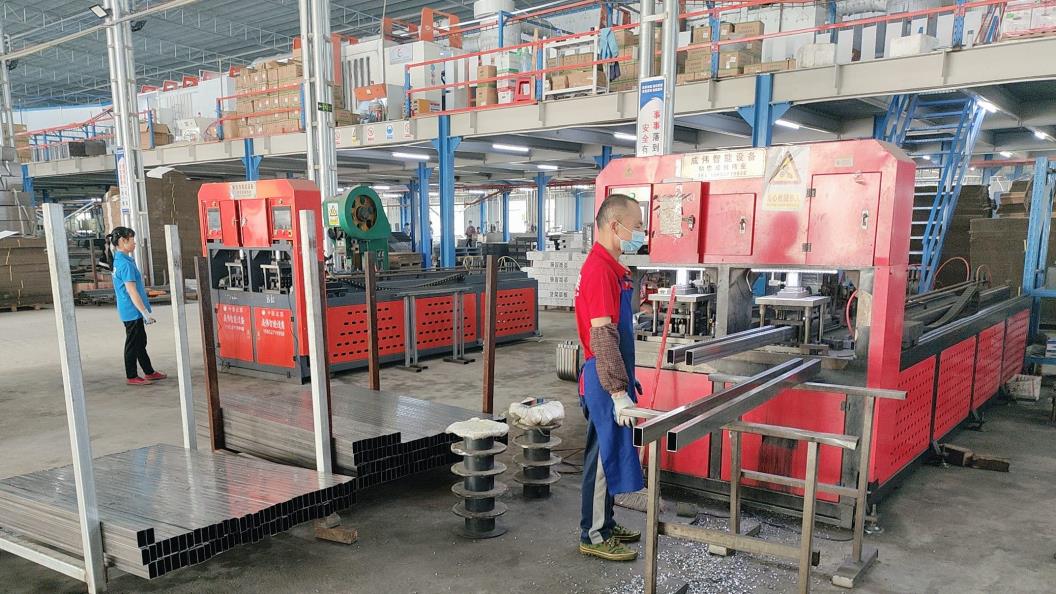
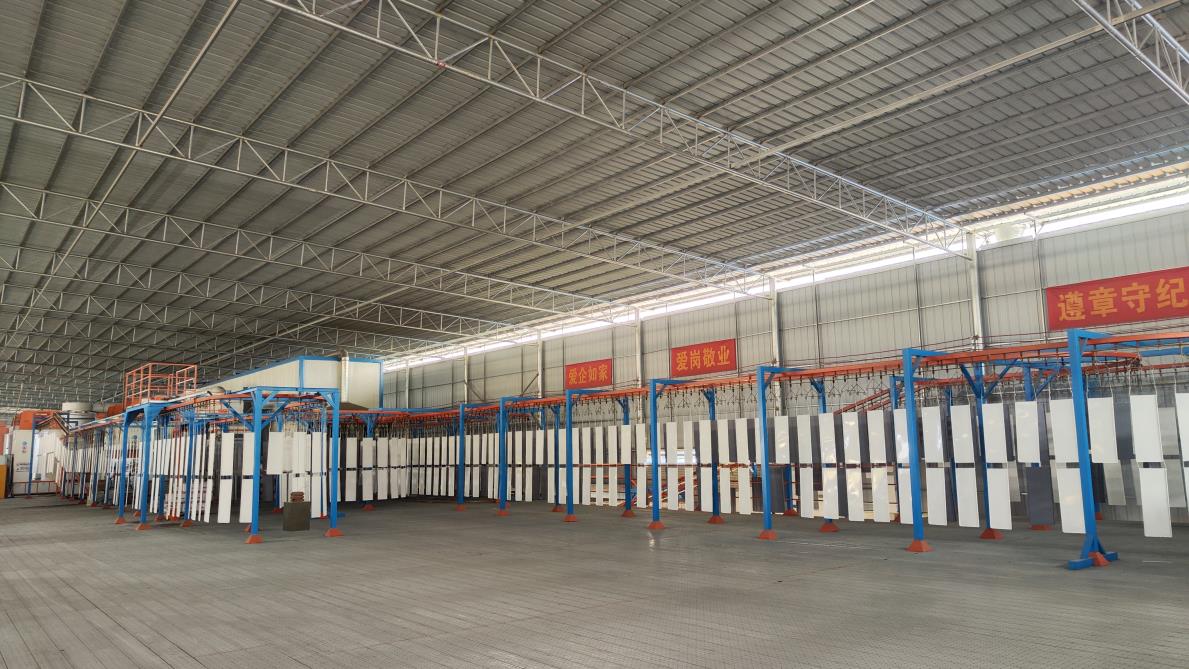
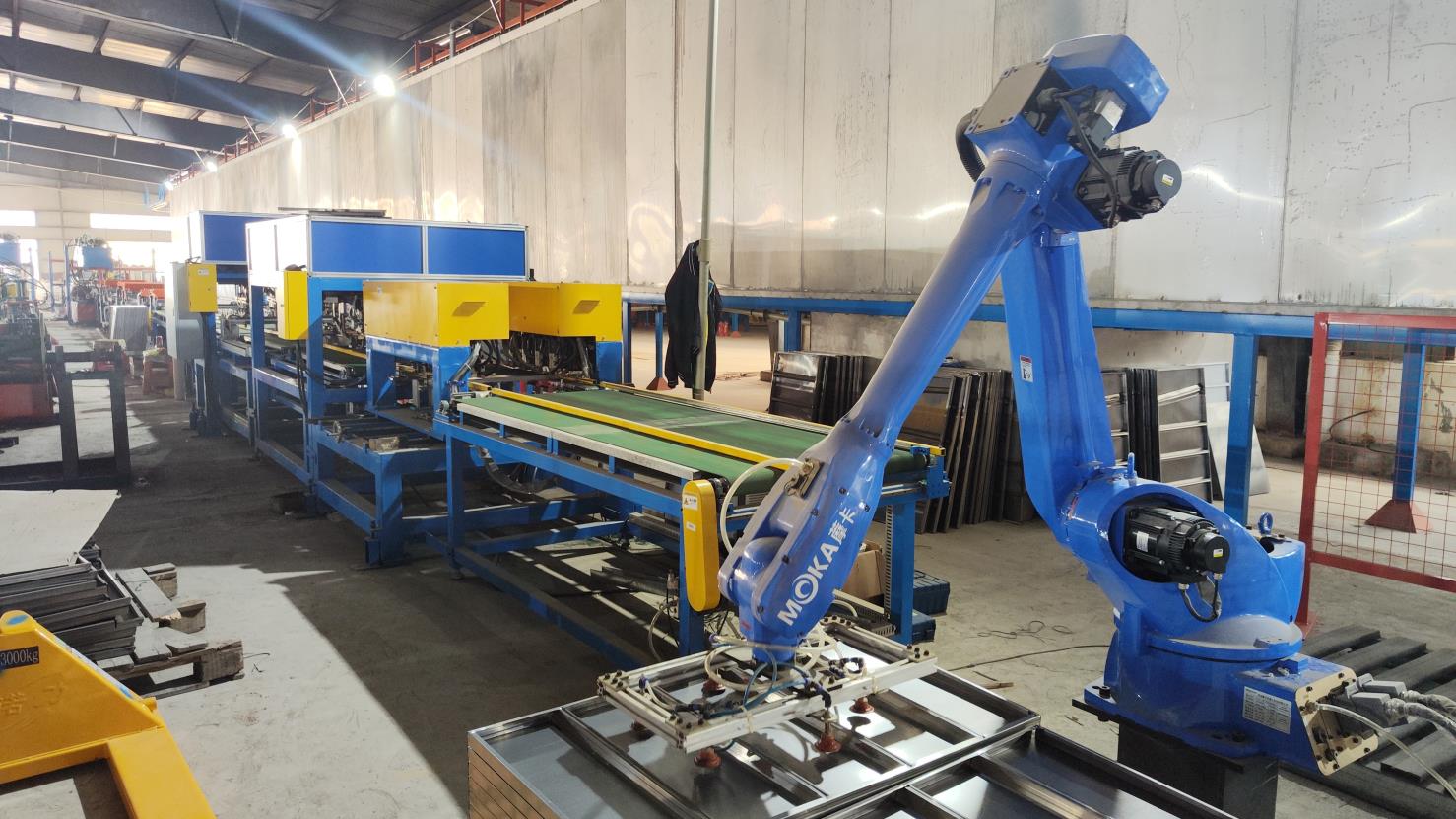
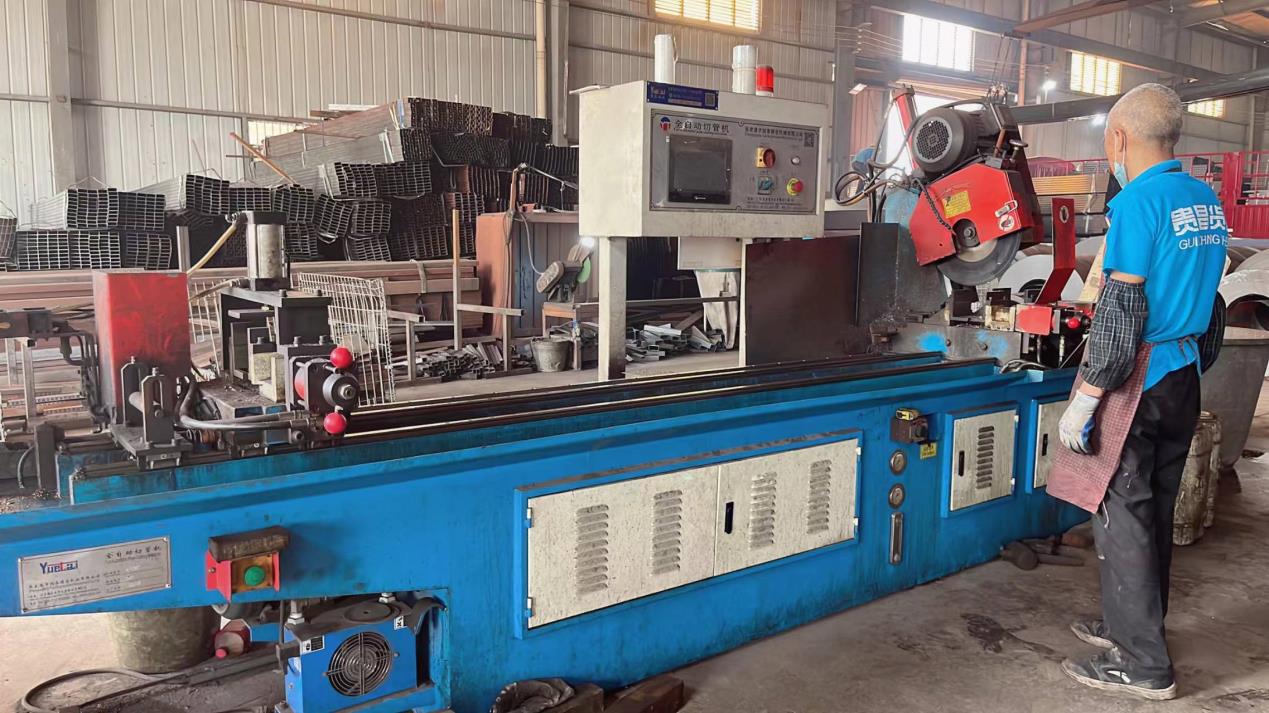
In high-density warehouse systems, selecting the appropriate layout is highly dependent on spatial challenges, seismic classifications, and the nature of the storage units. Because forklifts must enter the racking system, drive-in structures are subject to unique stress profiles compared to static pallet systems. Standard upright beams are vulnerable to impact damage, making integrated safety features and reinforced vertical frames necessary.
To mitigate the risk of forklift collisions within racking bays, Foshan Guichang designs reinforced steel sections and thick column baseplates. Our racking designs include specialized custom features:
The industry is transitioning toward hybrid configurations. Standard drive-in layouts can be upgraded to support automated shuttle systems. By pairing structural pallet rails with radio shuttles, operations can transition from LIFO to FIFO (First-In, First-Out) models, reducing load cycle times and eliminating forklift wear within the lanes.
For international supply chain managers and project engineers, importing heavy-duty steel structures requires strict quality assurances, safe shipping packaging, and regulatory certifications. A structural failure in a high-density warehouse can disrupt operations and create liability issues. Consequently, buyers follow robust evaluation checklists when sourcing from Chinese partners:
 Guichang Rack