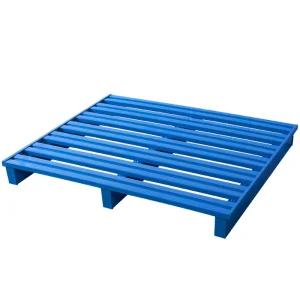
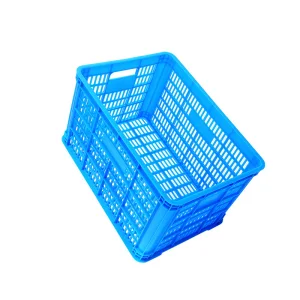
Engineered to optimize structural safety, load efficiency, and high-density material handling turnover across automated supply chains.
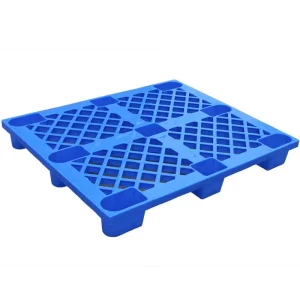
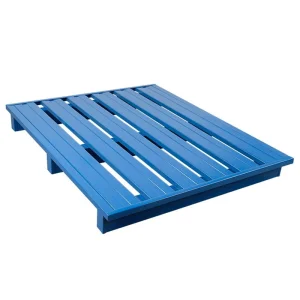
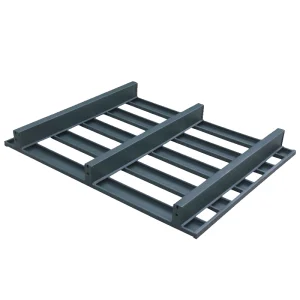
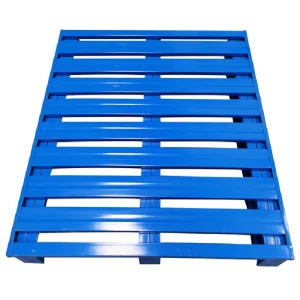
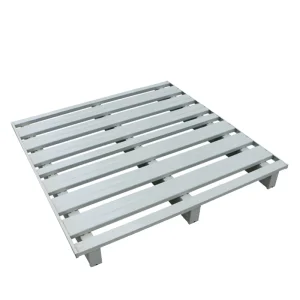
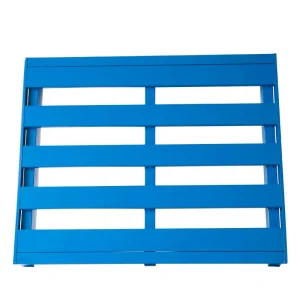
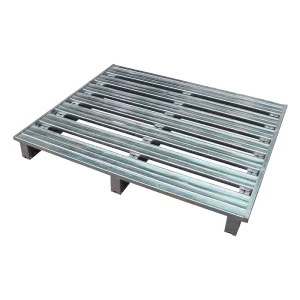
Exploring the evolution of high-load pallet systems, automation compatibility, and the systemic shifts in global distribution hubs.
In contemporary global intralogistics, warehouse design is no longer just about spatial allocation; it is a critical component of throughput kinetics. As land costs escalate and e-commerce demands accelerated cycle times, the integration of robust warehouse storage pallets has evolved into a strategic science. Heavy-duty pallet systems act as the primary interface between physical cargo loads and mechanical material handling devices, including Automated Storage and Retrieval Systems (AS/RS), stacker cranes, and automated guided vehicles (AGVs).
Industrial operators recognize that selecting the correct structural pallet configuration significantly reduces downtime. Modern supply chains require pallet units to maintain structural rigidity, prevent load deflection, and ensure structural stability under intense dynamic stresses. From galvanized steel sheets to high-density structural plastic components, the choice of materials dictates the long-term reliability and cost efficiency of automated distribution channels.
Globally, manufacturing hubs and intermodal logistics zones are migrating toward standardized modular units. In North America, the RMI (Rack Manufacturers Institute) and ANSI standards enforce strict safety parameters for storage pallet systems. Similarly, European directives demand compliance with FEM (Fédération Européenne de la Manutention) guidelines. As a seasoned warehouse pallet manufacturer & exporter, we observe growing demand for durable, non-combustible steel pallets and chemical-resistant, spill-proof pallets.
Conventional wood pallets present clear disadvantages in modern high-hygiene sectors like pharmaceuticals, food processing, and chemical processing. Issues such as mold growth, pest infestation, and structural failure under moisture exposure make wood unsuitable for cleanroom environments. High-performance steel and engineered plastic pallets resolve these challenges, delivering a service lifespan of over 10 years, which offers a superior return on investment (ROI).
Founded in 2014, Foshan Guichang Shelves Manufacturing Co., Ltd. is a leading manufacturer specializing in industrial warehouse storage systems, heavy-duty pallet racking, and custom shelving solutions. Backed by 12 years of deep industry experience and 8 years of international export expertise, we serve global logistics hubs, e-commerce fulfillment centers, third-party logistics (3PL) providers, and industrial equipment distributors across North America, Europe, Southeast Asia, and the Middle East.
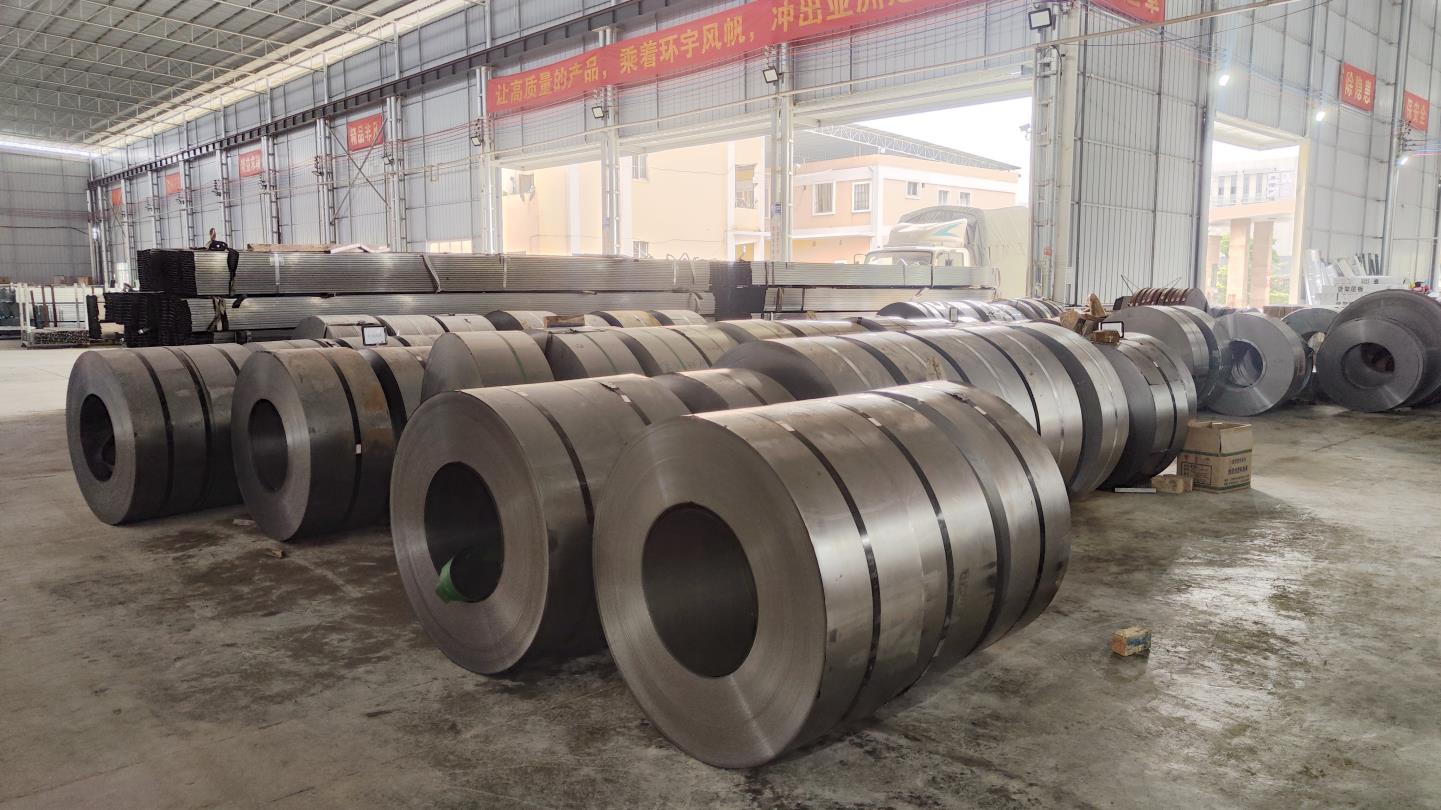
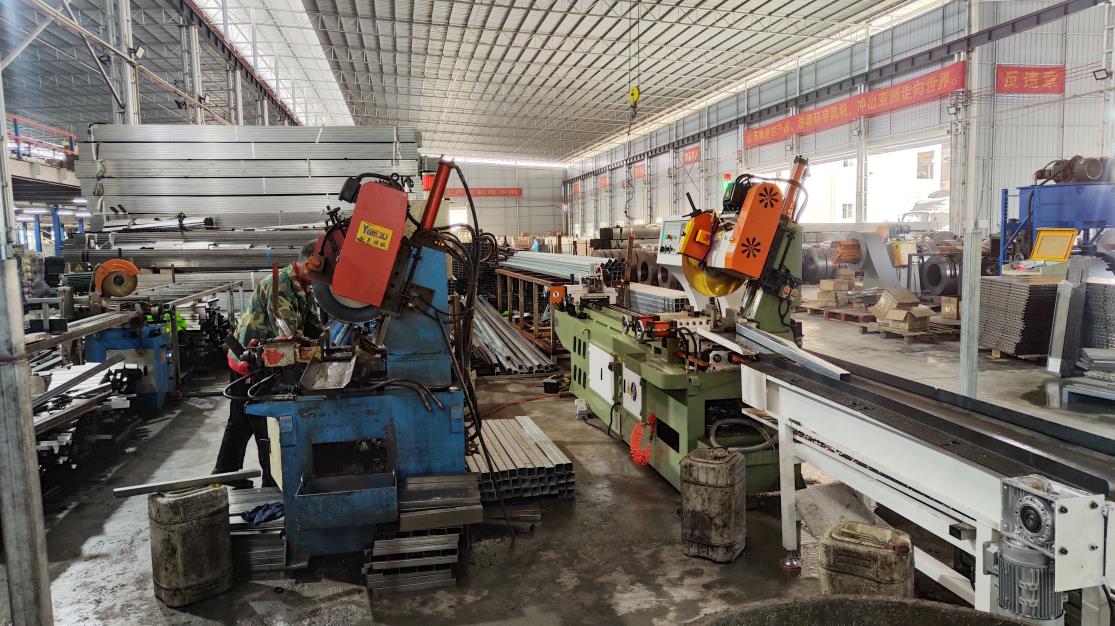
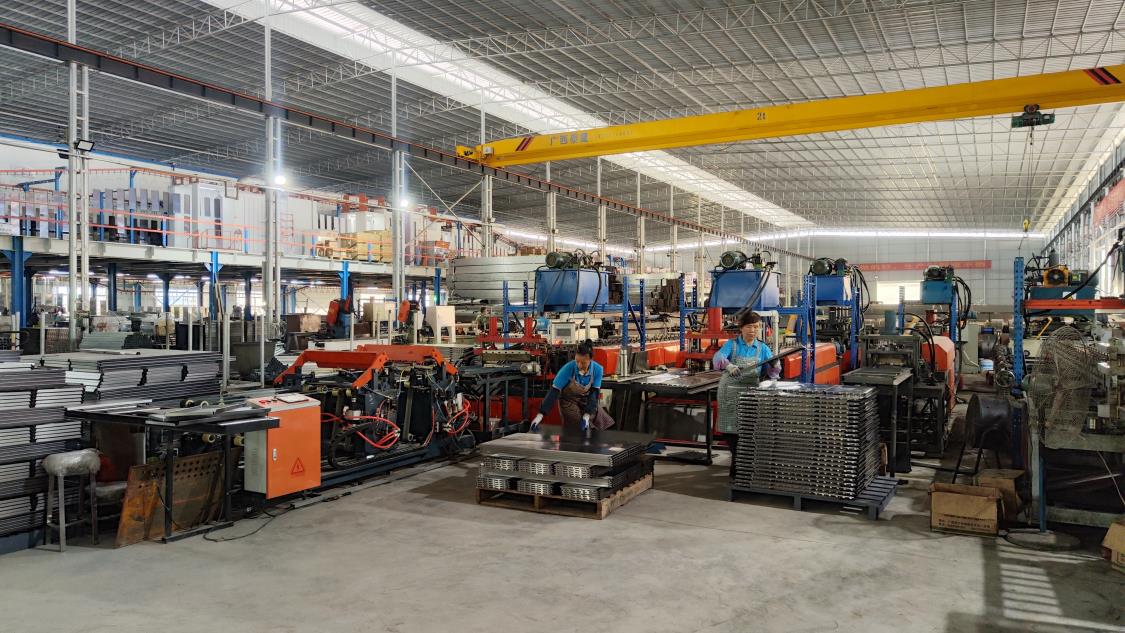
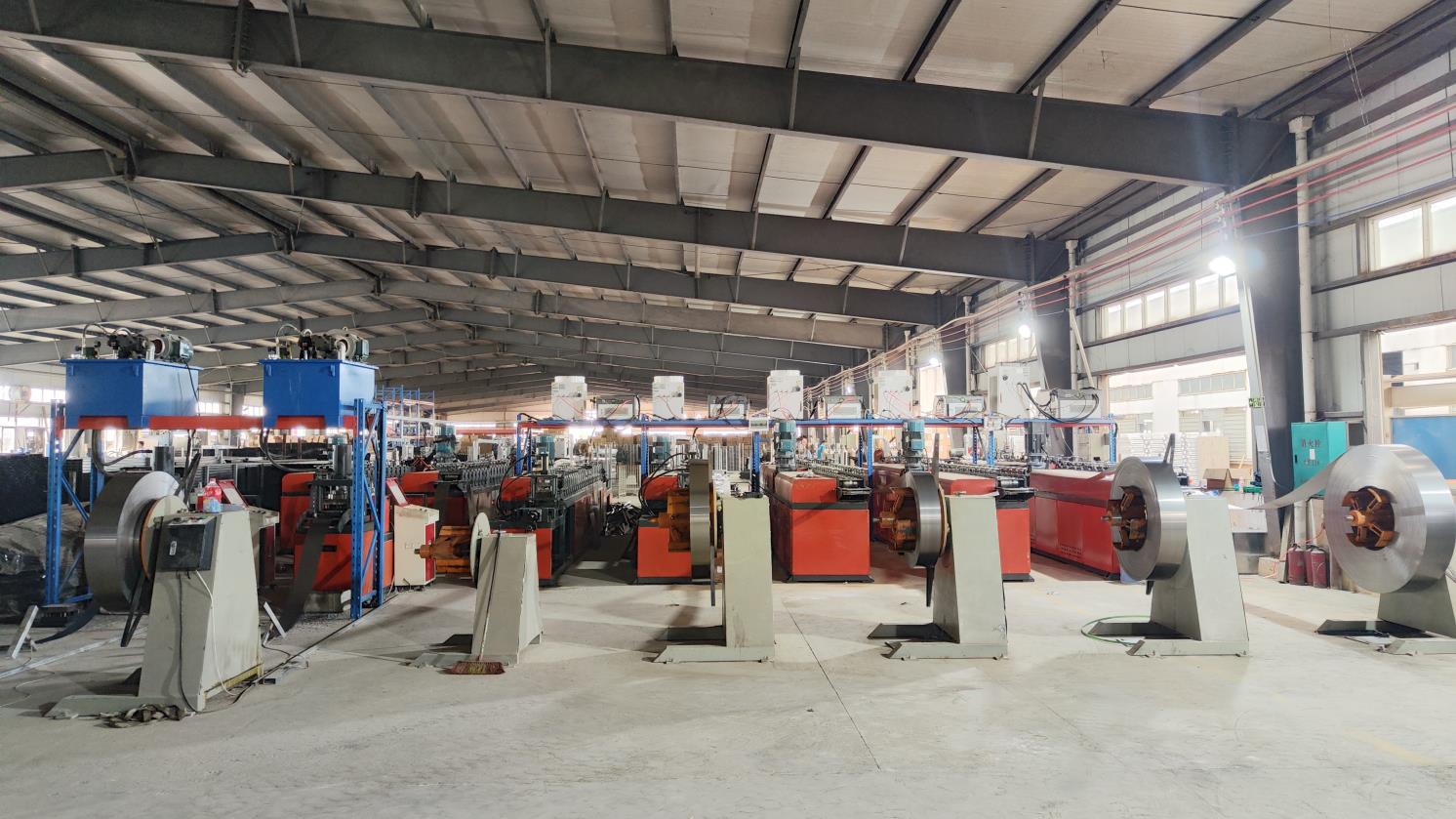
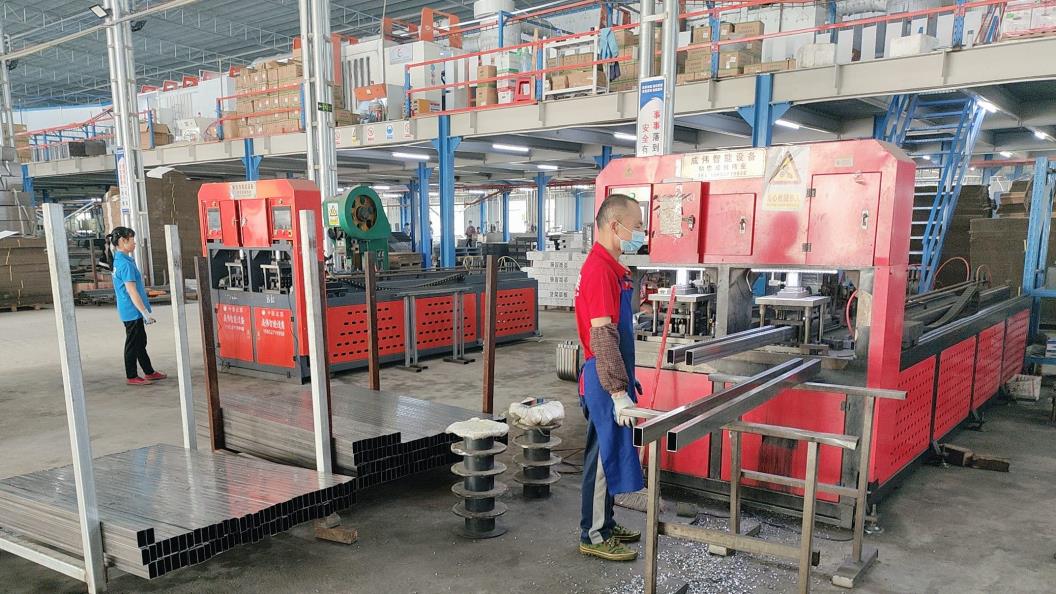
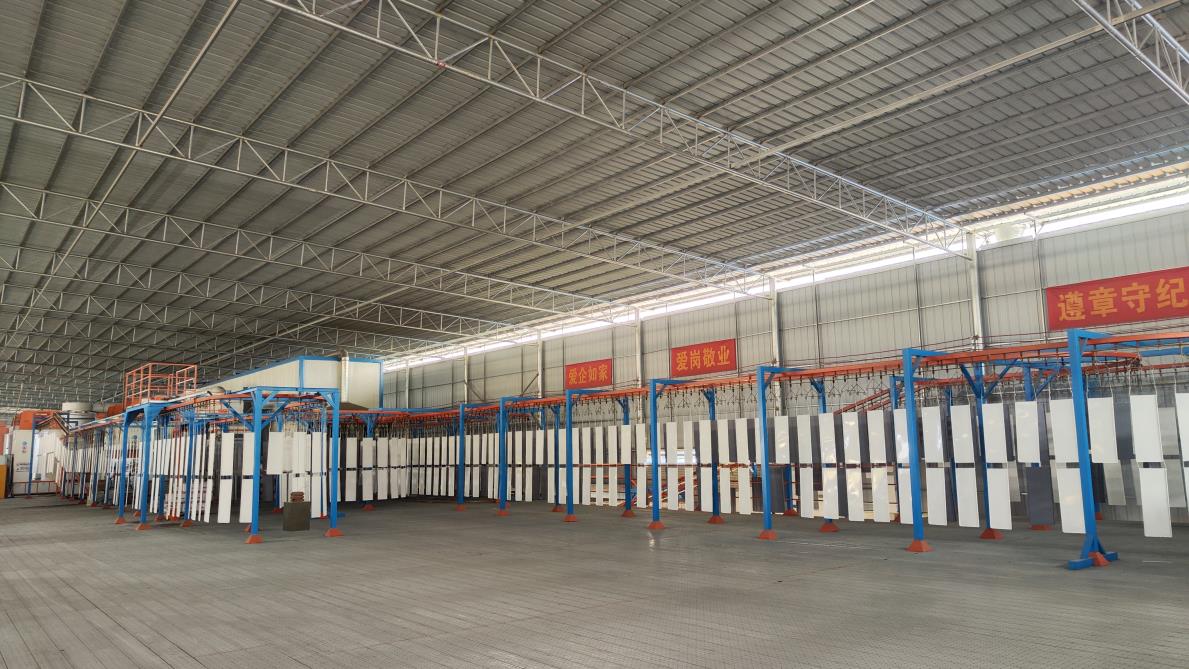
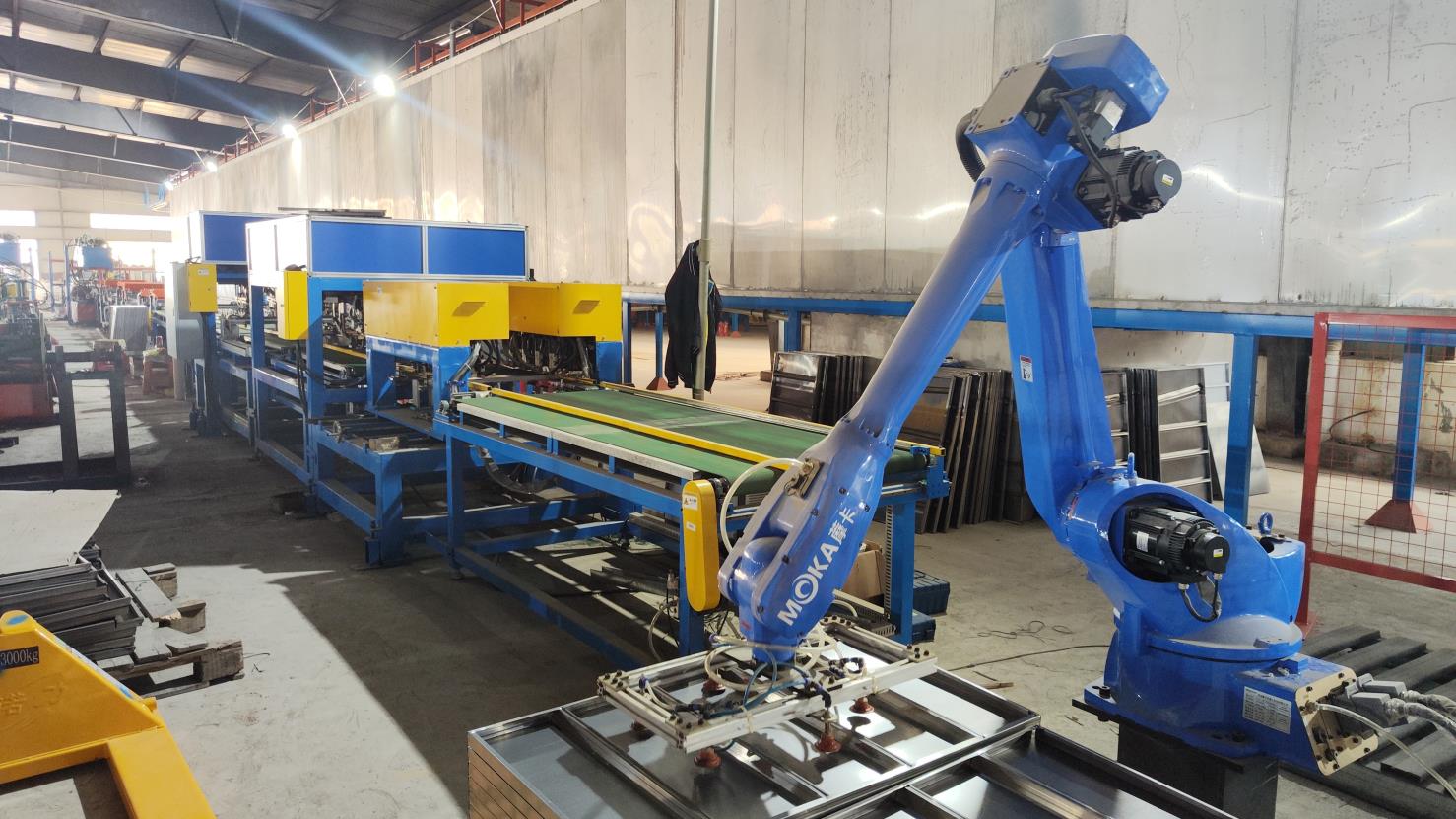
Operating out of a modern manufacturing facility covering 38,000 square meters, our direct factory infrastructure generates over $25 million USD in annual export revenue. Supported by a robust network of over 850 supply chain partners, we maintain full operational control over raw material sourcing, automated roll-forming, robot welding, and powder coating processes.
Quality and safety are core to our manufacturing philosophy. Our quality management system is fully ISO9001 certified, backed by a dedicated team of 28 QC specialists. Every order undergoes rigorous four-stage quality inspections:
With an in-house engineering team of 18 senior structural and mechanical engineers, Foshan Guichang delivers advanced R&D capabilities, including FEA (Finite Element Analysis) load simulations, custom CAD layout drafting, and structural optimization. We offer complete end-to-end OEM and ODM customization services—tailoring load capacities, dimensions, column profiles, surface finishes, and color schemes to meet specific regional building codes and warehouse operational demands. Driven by continuous innovation, our R&D team launched 45 new modular racking and automation-compatible product designs last year alone.
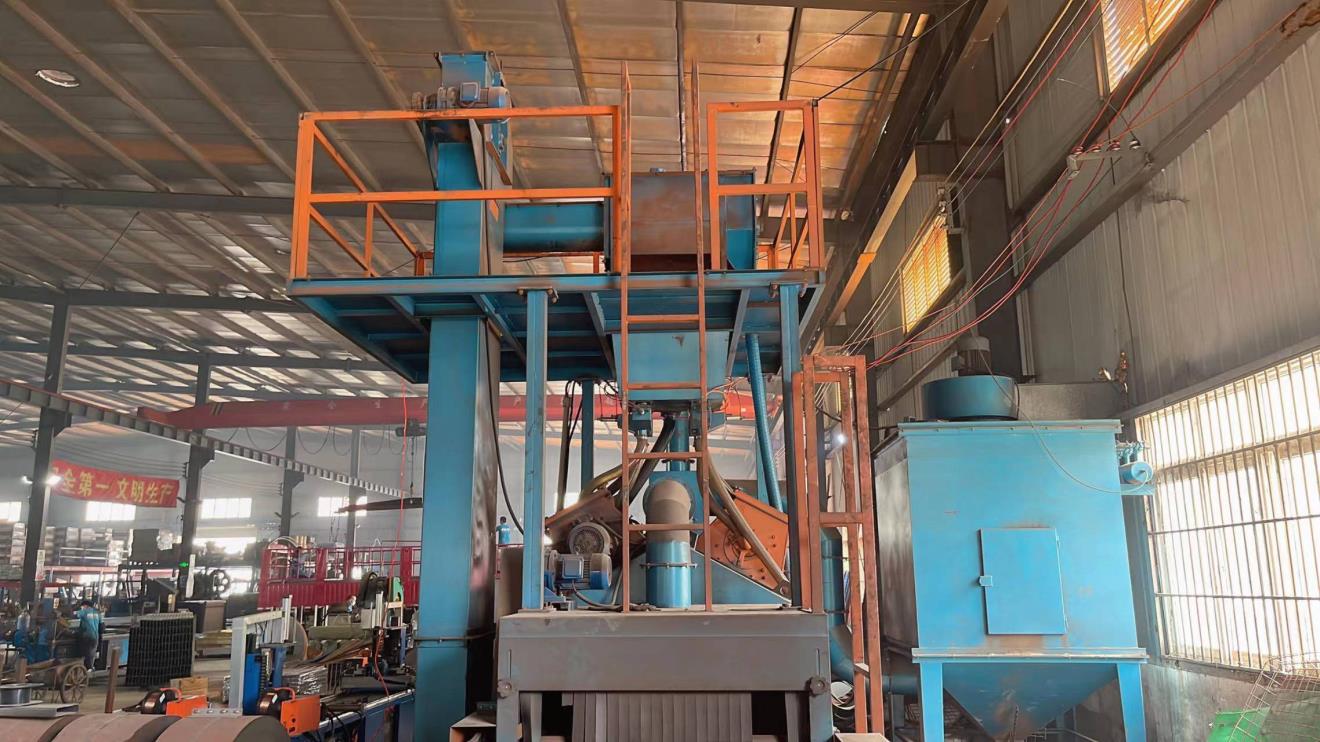
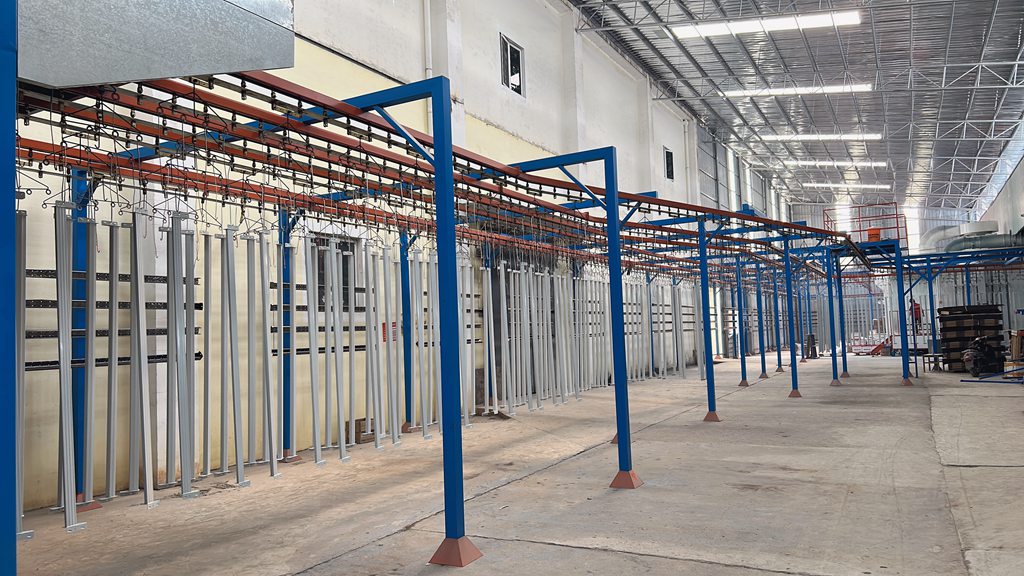
A visual walkthrough of our high-volume fabrication facilities, precision robotic cells, and specialized surface treatment plants.
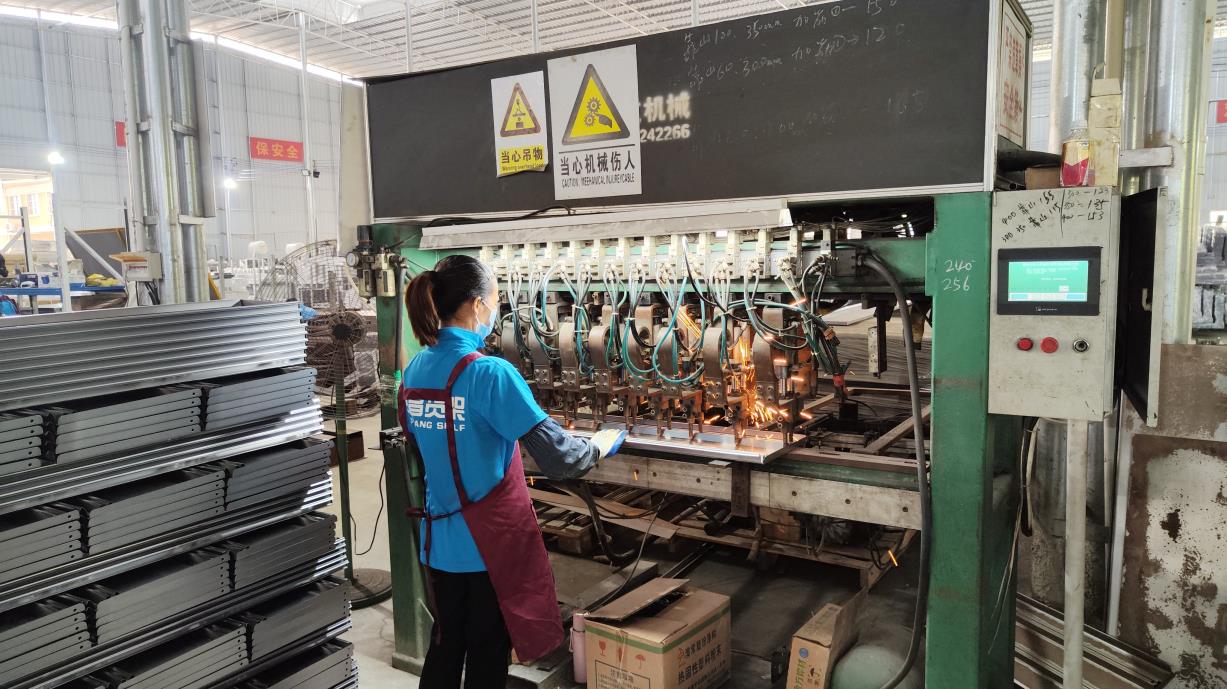
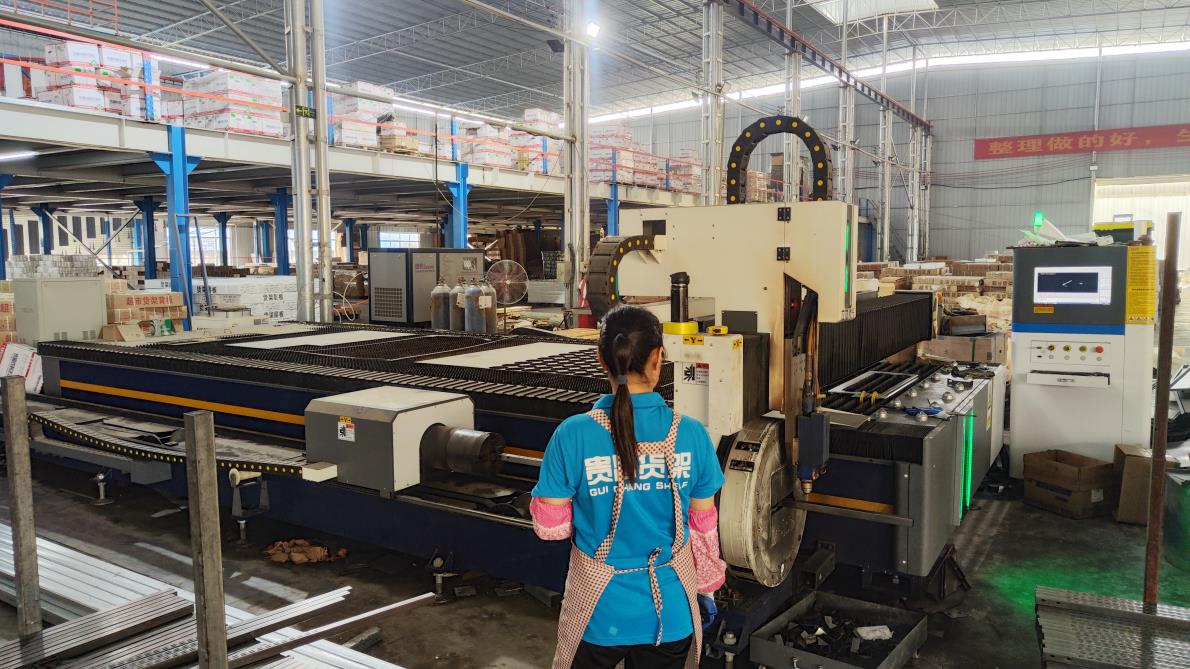
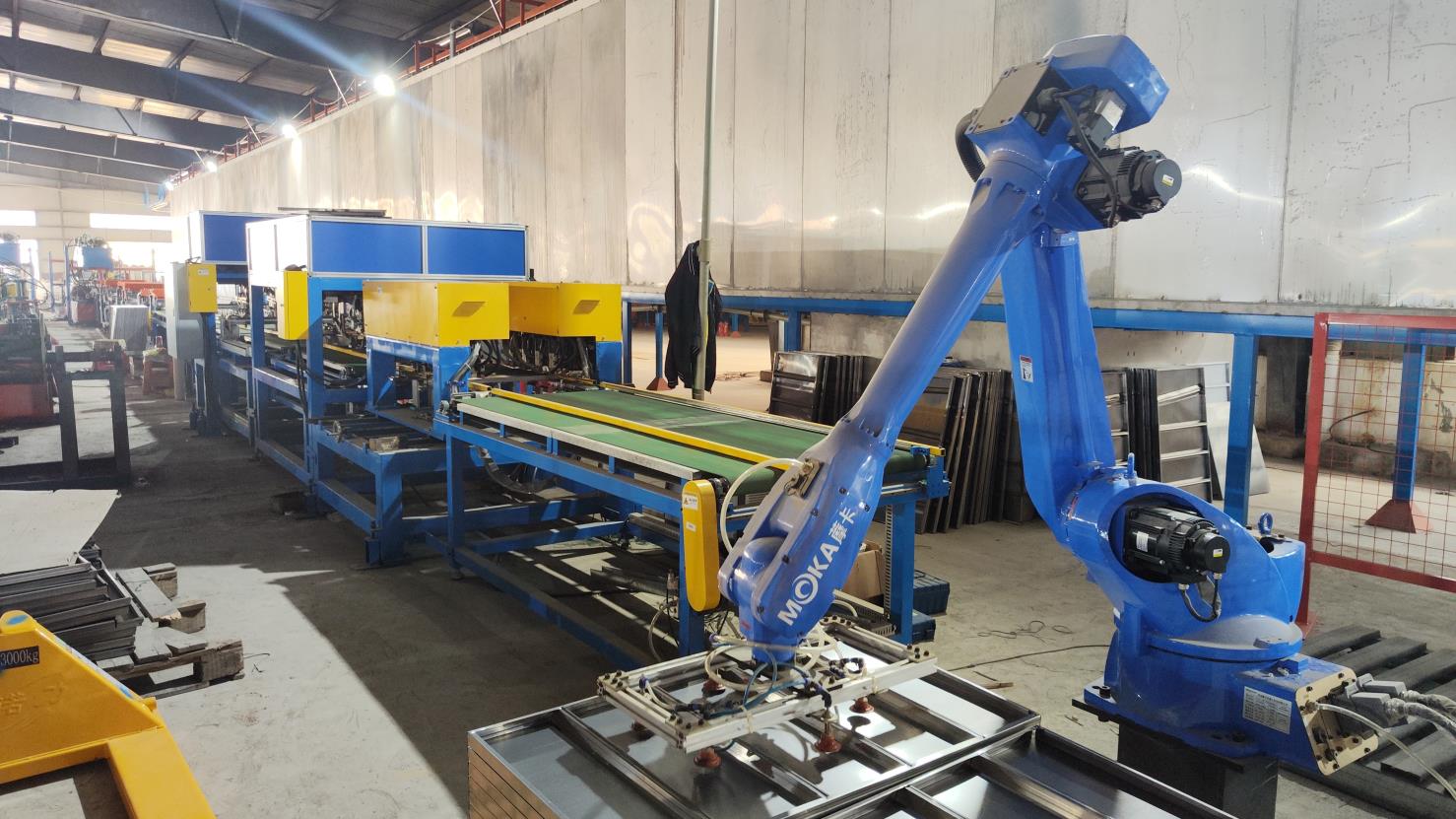
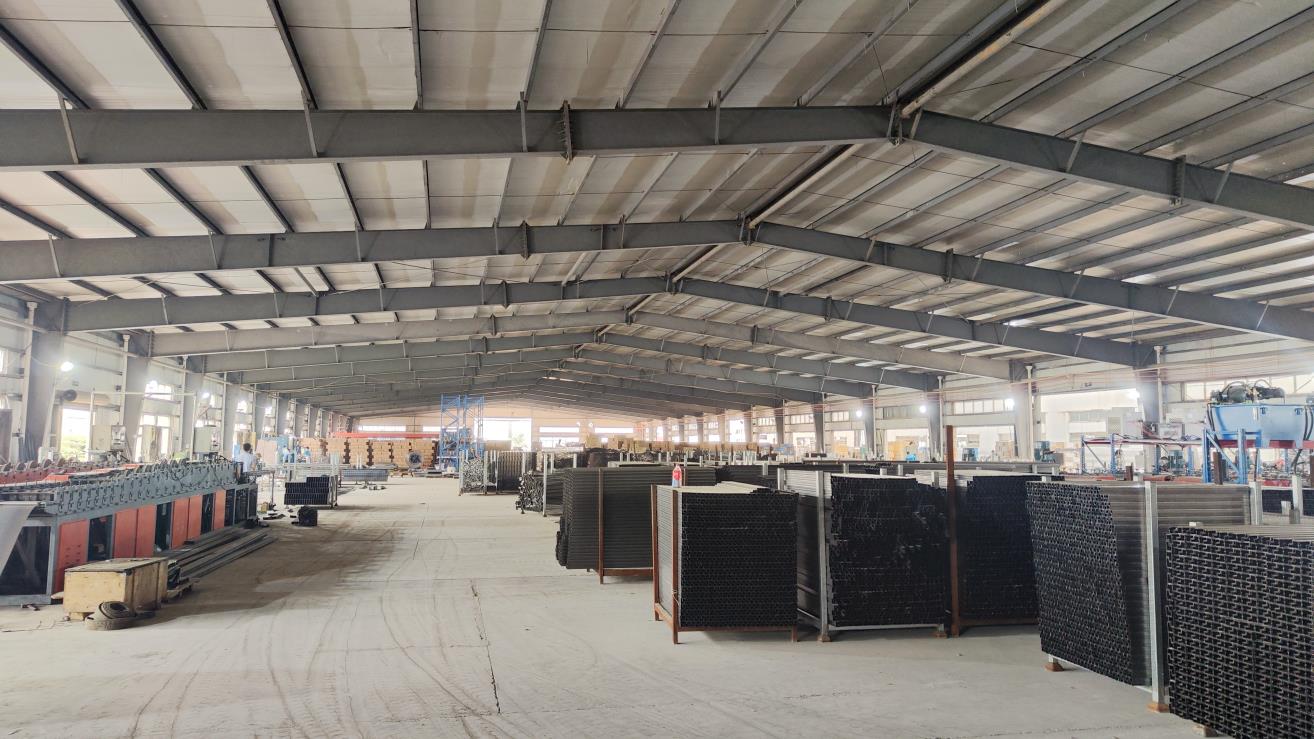
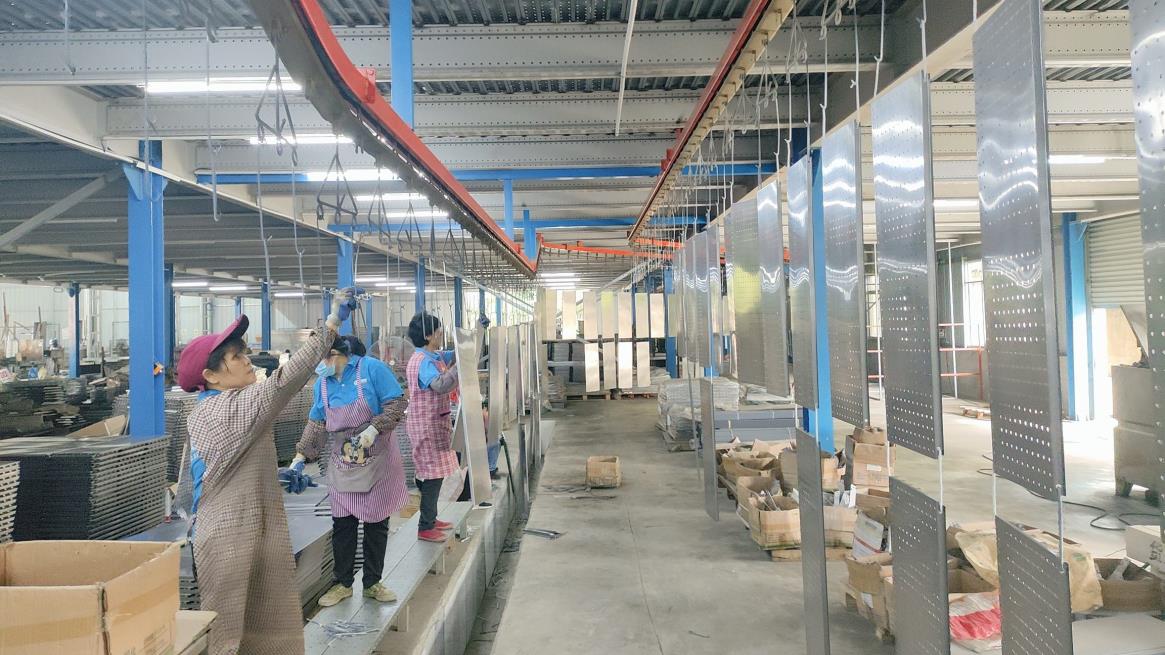
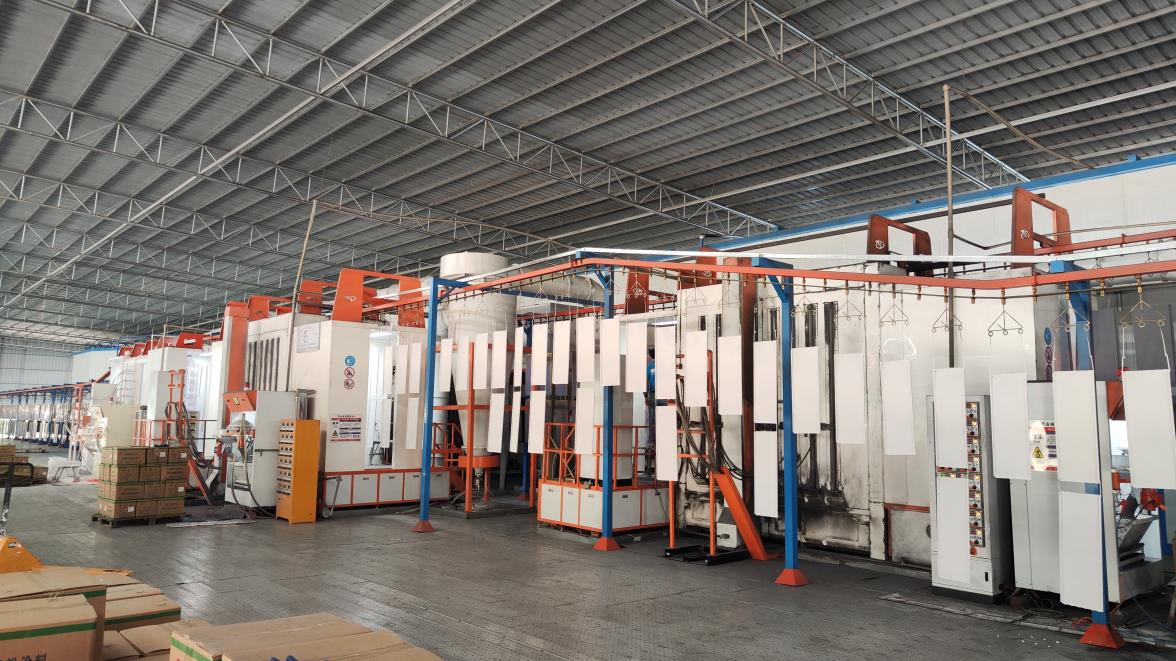
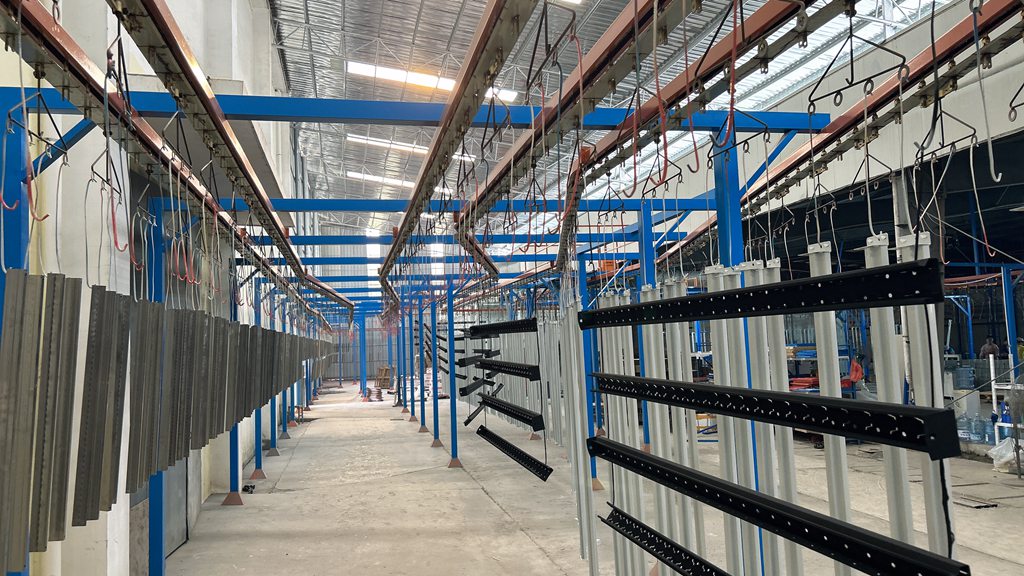
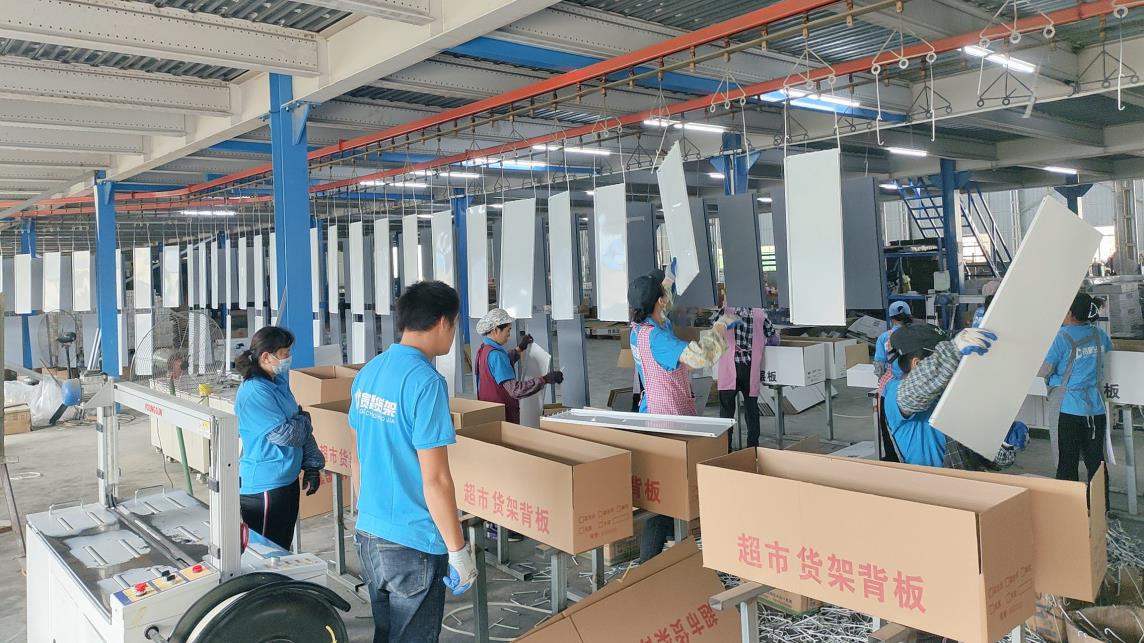
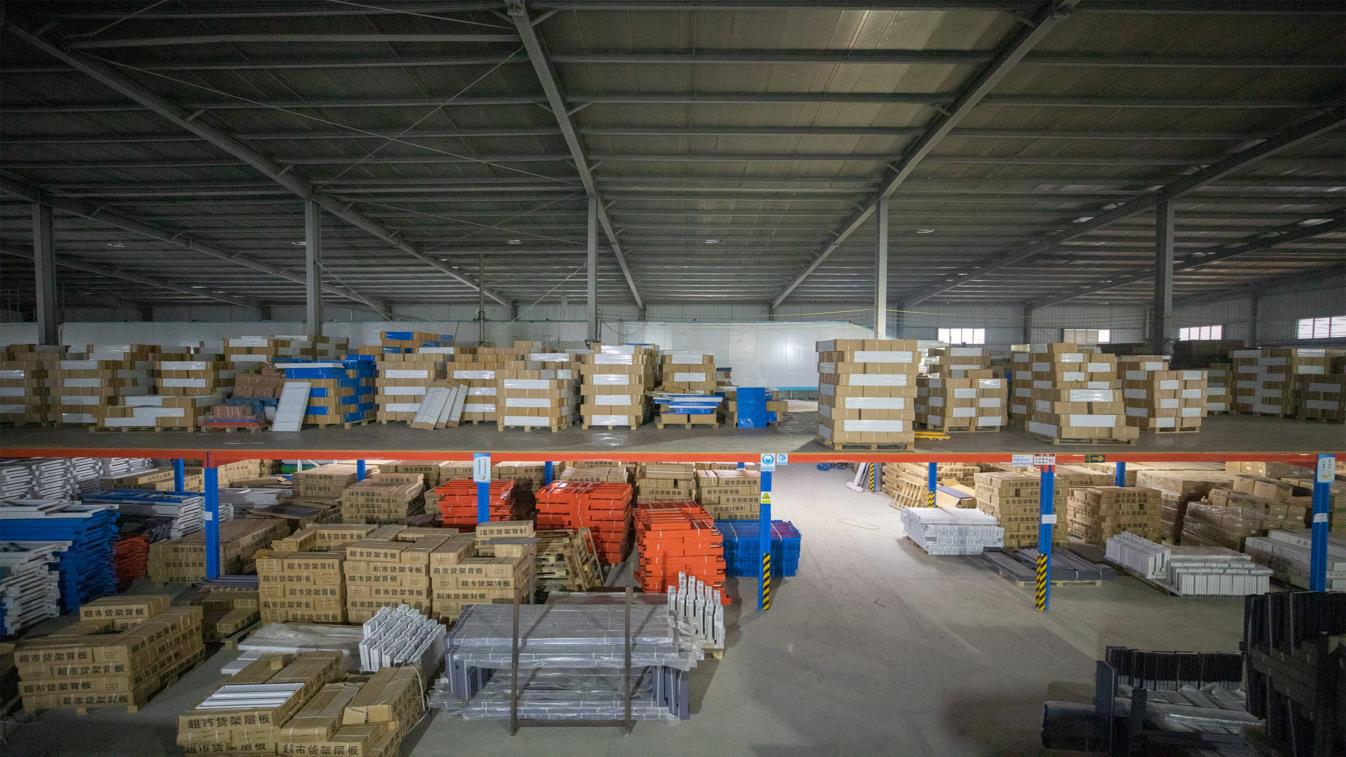
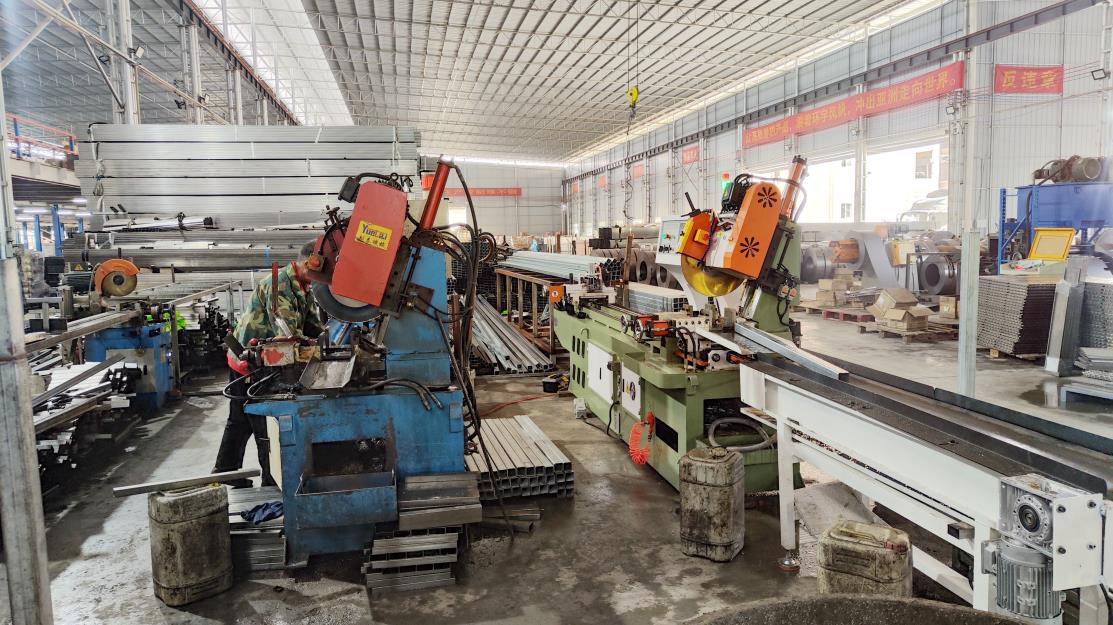
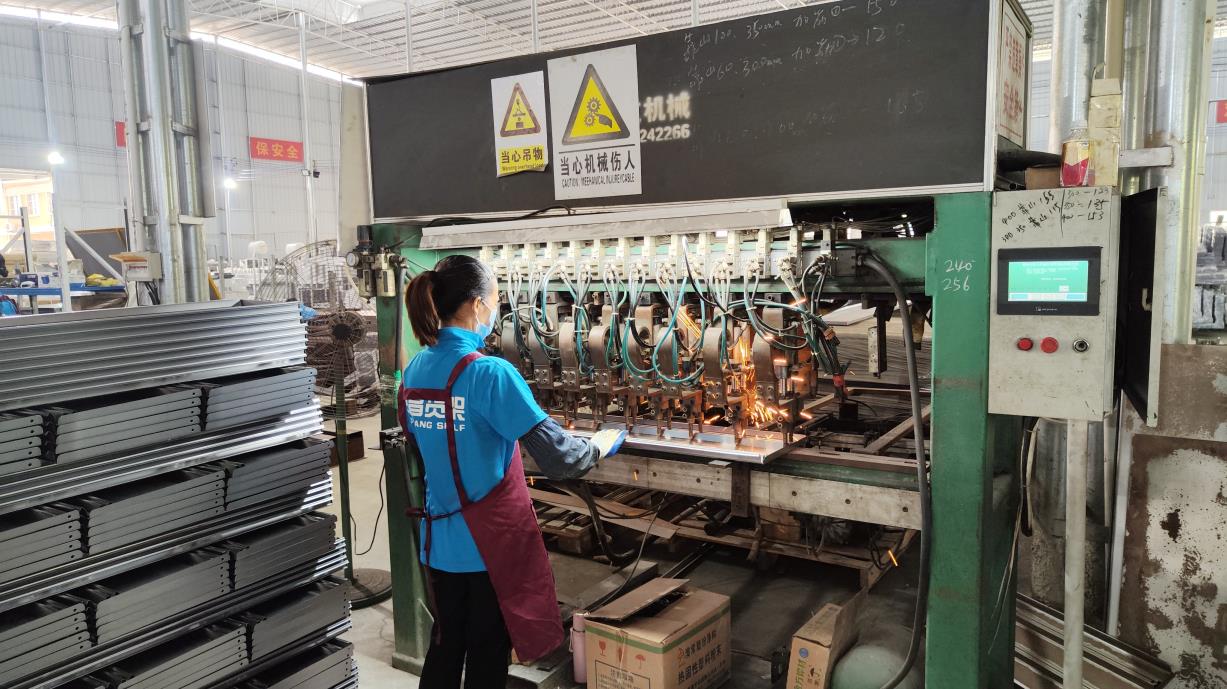
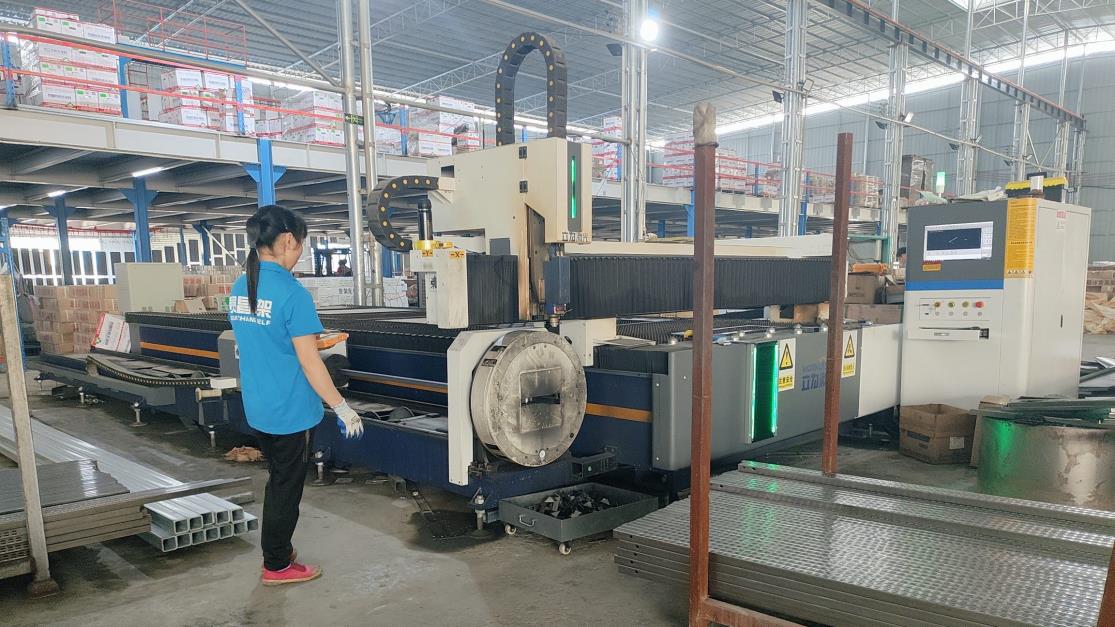
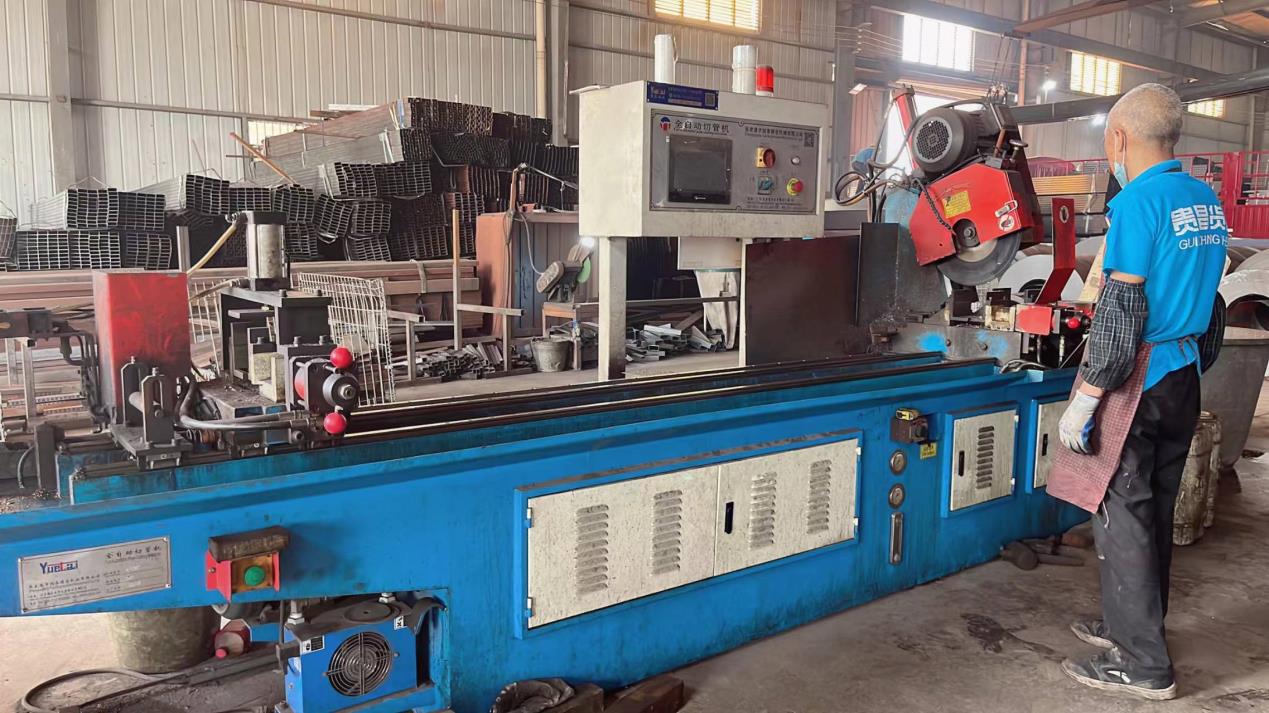
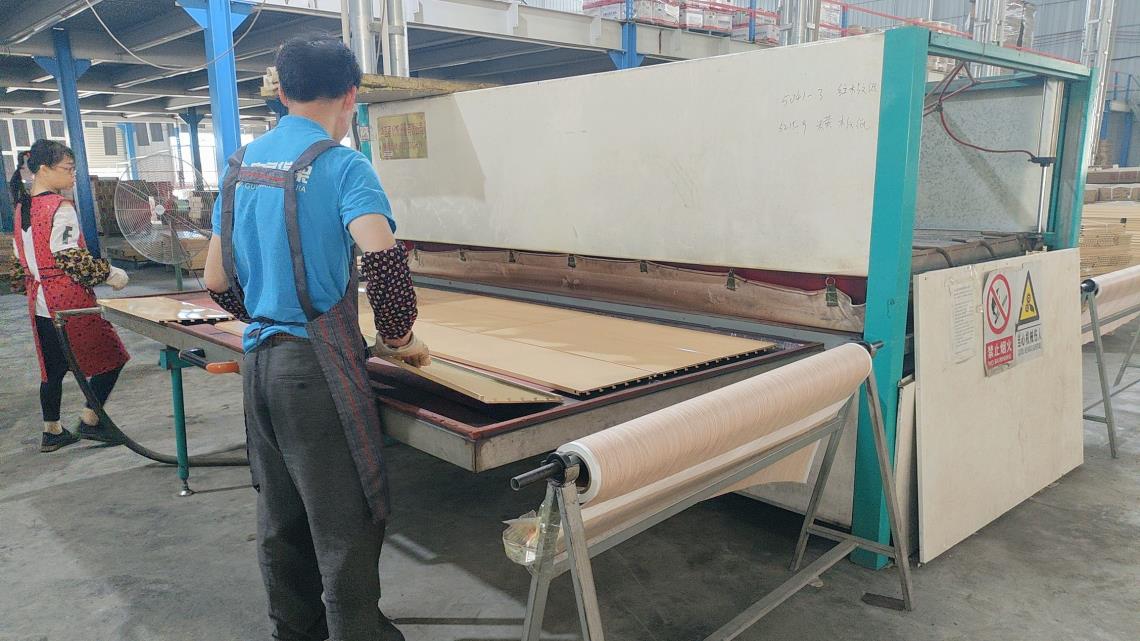
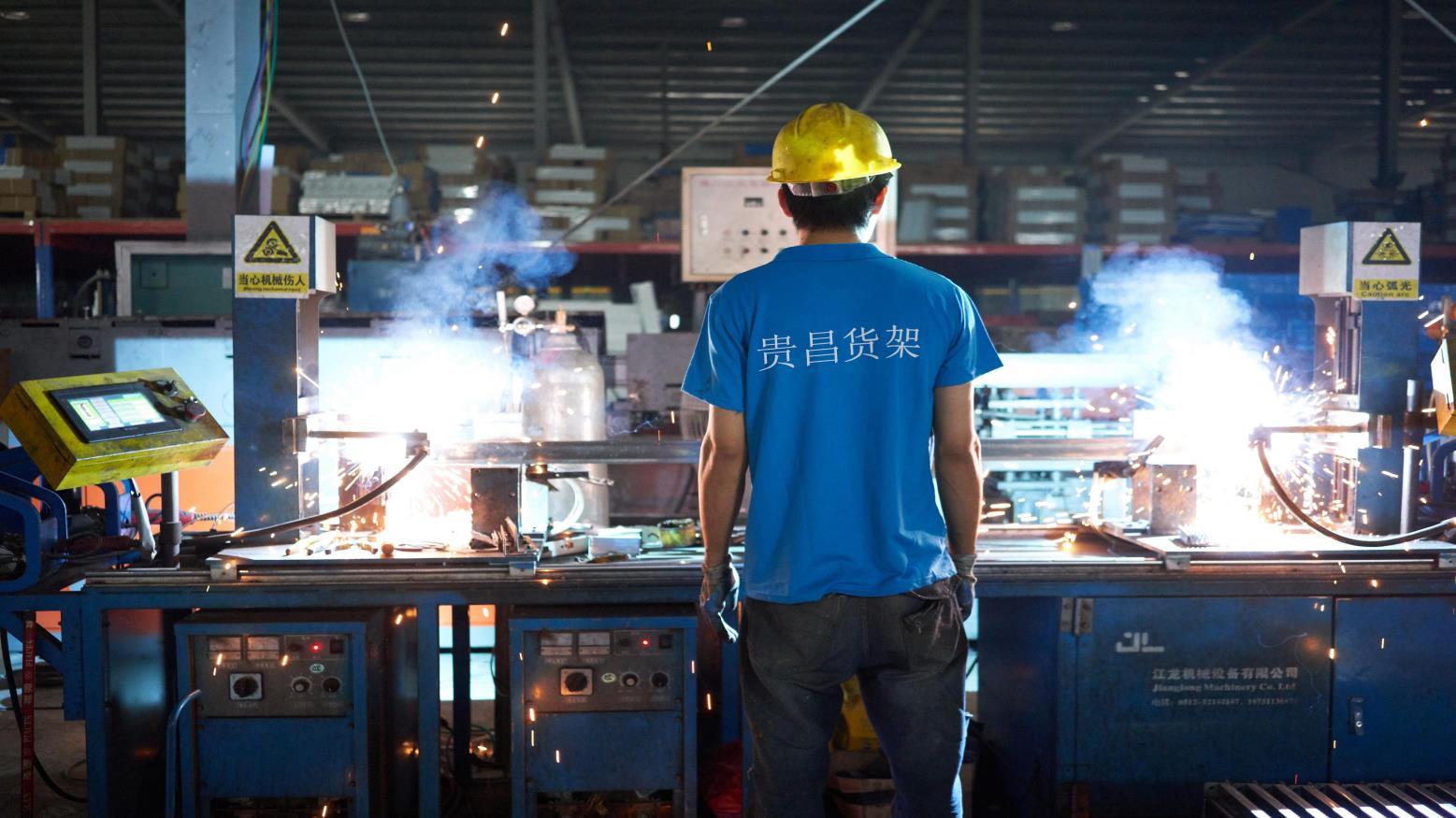
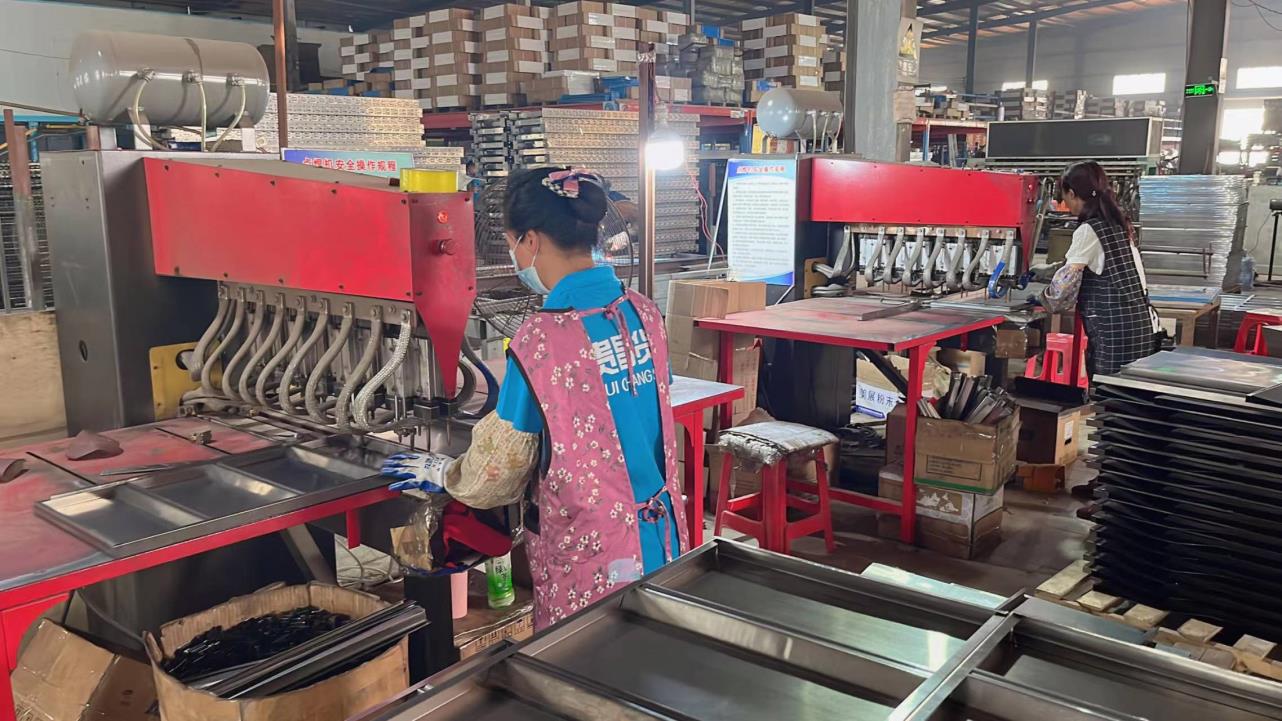
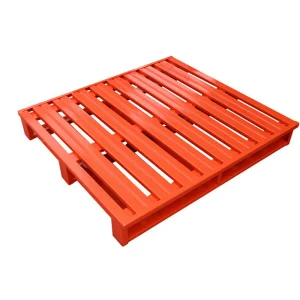
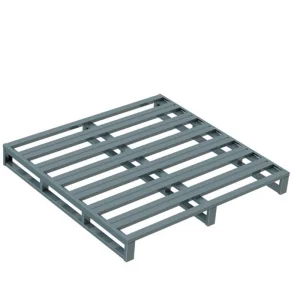
A comparative structural evaluation of industrial pallet types and material configurations designed for cold storage, chemical containment, and heavy-duty logistics.
Selecting storage pallets requires balancing application-specific requirements with structural constraints. For instance, cold chain storage facilities operating below -40°C require materials that resist low-temperature embrittlement, whereas chemical storage zones require chemical spill containment pallets to prevent ecological hazards. The table below outlines the mechanical and environmental profiles of our primary configurations:
| Pallet Class | Primary Material Specification | Dynamic Load Capacity | Static Load Capacity | Optimal Environmental Application |
|---|---|---|---|---|
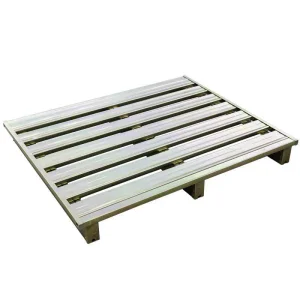
| Galvanized Structural Steel | Q235 Carbon Steel, Hot-Dip Zinc Coating (EN ISO 1461) | 1,500 kg - 2,500 kg | 5,000 kg - 8,000 kg | High-density racking, dry cargo storage, and high-temperature baking environments. |
| Stainless Steel (AISI 304/316) | Austenitic Stainless Steel, Electropolished Surface Finish | 1,500 kg - 2,000 kg | 4,000 kg - 6,000 kg | Cleanrooms, pharmaceutical production plants, and food-grade cold chain facilities. |
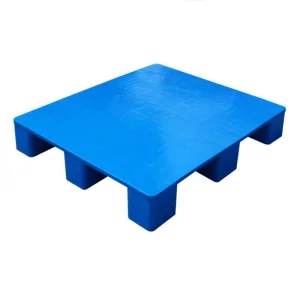
| Engineering Plastic (Chuan/Grid) | Virgin HDPE / PP, Steel Tube Reinforcement Elements | 1,000 kg - 1,500 kg | 3,000 kg - 5,000 kg | Fast-moving consumer goods (FMCG), automated conveyers, and marine environments. |
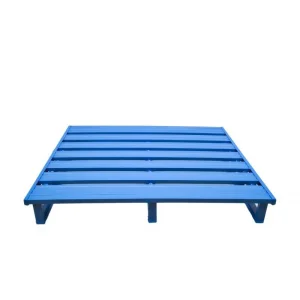
| Secondary Spill Containment | Coated Structural Steel / Heavy Polyethylene Shielding | 1,200 kg - 1,800 kg | 3,000 kg - 4,000 kg | Chemical warehouses, petroleum storage, and environmental protection zones. |
In modern industrial engineering, structural components must adhere to local building codes and seismic design criteria. In seismic zones like the Western United States or Japan, pallet racking systems and their corresponding platforms must pass strict dynamic FEA calculations to prevent collapse during seismic events. Our team collaborates with engineering consultants globally to ensure our metal pallets integrate seamlessly with structural uprights, base plates, and safety mesh configurations.
Additionally, we supply comprehensive compliance certificates, including raw material heat numbers, paint thickness reports, galvanization thickness certificates, and dynamic impact load testing logs. We work with international testing agencies like SGS, TÜV Rheinland, and Intertek to provide independent verification of our load and safety ratings.
The industry is transitioning rapidly toward dark warehouses operated by AI and AGVs. Traditional material handling accessories are adapting to meet these automated demands. Our R&D division focuses on integrating embedded RFID transponders and smart tracking sensors directly within the structural ribs of our custom steel and plastic pallets. This design enables real-time inventory visibility and automated load distribution calculations.
Additionally, we minimize the deflection ratio (L/240 standard) in our steel and reinforced plastic pallets. Reducing deflection is critical for preventing misalignments with automated shuttle sensors, which can cause unscheduled operational stops in high-throughput fulfillment centers.
Get professional answers regarding design parameters, engineering limits, custom tooling, and material selection for high-performance warehousing.
Structural steel pallets are highly stable and maintain their loading capacity across extreme temperature ranges, from -40°C in deep freezing chambers to +80°C in industrial wash downs. Steel does not become brittle at low temperatures. In contrast, standard plastic pallets can undergo molecular degradation and brittleness at low temperatures unless modified with specialized impact-resistant polypropylene (PP) or high-density polyethylene (HDPE) additives. For heavy-duty racks in cold storage, structural steel is typically the preferred selection due to its superior long-term safety profile.
Our structural engineering team uses FEA (Finite Element Analysis) to simulate stress distributions and identify potential deformation areas. Once prototype units are fabricated, they undergo 150% maximum load endurance testing in our testing laboratory. For example, a pallet rated for a 2,000 kg dynamic load is tested under a static load of 3,000 kg for 48 hours. Deflection rates are measured using digital lasers to confirm the pallet meets or exceeds the industry-standard L/240 ratio.
For high-humidity environments, coastal storage zones, or chemical processing plants, we recommend hot-dip galvanization (HDG) per EN ISO 1461 standards, which provides a protective zinc coating layer thicker than 65 microns. For dry environments, automated warehouses, or retail displays, our electrostatic powder coating (baking paint finish) delivers strong scratch resistance and is available in customizable RAL color options to match your corporate identity.
Yes. Supported by an in-house engineering team of 18 specialists, we design and produce custom tooling and molds. We specialize in modifying structural steel designs to integrate with unique automated logistics systems, conveyor configurations, and robotic clamp attachments. CAD drawing drafts are submitted within 48 hours, and custom prototypes are generally delivered for testing within 14 business days.
All our manufacturing operations comply with the ISO9001:2015 quality management system. Our steel raw materials are accompanied by Mill Test Certificates (MTC) showing material composition and mechanical test results. For international shipments, we provide structural calculation reports, salt spray testing reports, and certifications showing compliance with local guidelines, including ANSI/RMI standards in North America and FEM specifications in Europe.
Explore our complete product catalog, featuring heavy-duty iron pallets, moisture-resistant storage plates, and reinforced plastic turnover systems.
 Guichang Rack