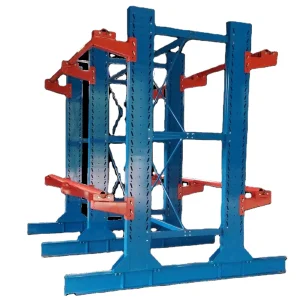
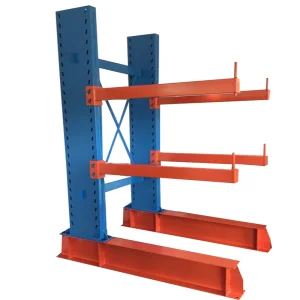
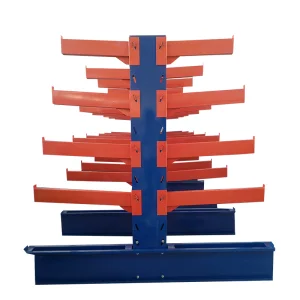
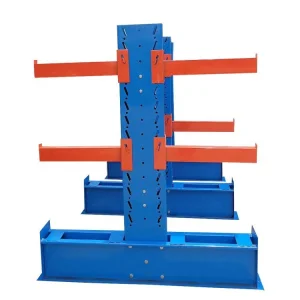
Explore our engineering-focused product selection optimized for pipe, tube, lumber, and specialized warehouse applications.
An in-depth analysis of high-density storage frameworks, load physics, manufacturing standards, and future logistics dynamics.
In the rapidly scaling landscape of global logistics, warehousing spaces face continuous pressure to maximize volumetric utilization while maintaining complete accessibility. Standard pallet racking systems are optimized for cuboidal unit loads. However, they fail when confronted with long, irregular, or non-palletized inventory such as steel pipes, extruded aluminum profiles, timber packages, and industrial machinery.
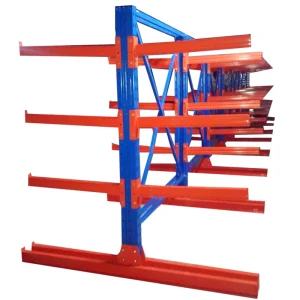
Cantilever Racking Systems solve this geometric challenge. Eliminating the front upright columns creates an unobstructed horizontal storage plane. This design allows material handlers to store continuous lengths of raw products safely, without structural interference, optimizing fork truck access and reducing product damage.
Key architectural metrics for specifying industrial cantilever rack structures:
A breakdown of our end-to-end fabrication process, utilizing automated manufacturing and raw material validation to ensure maximum reliability.
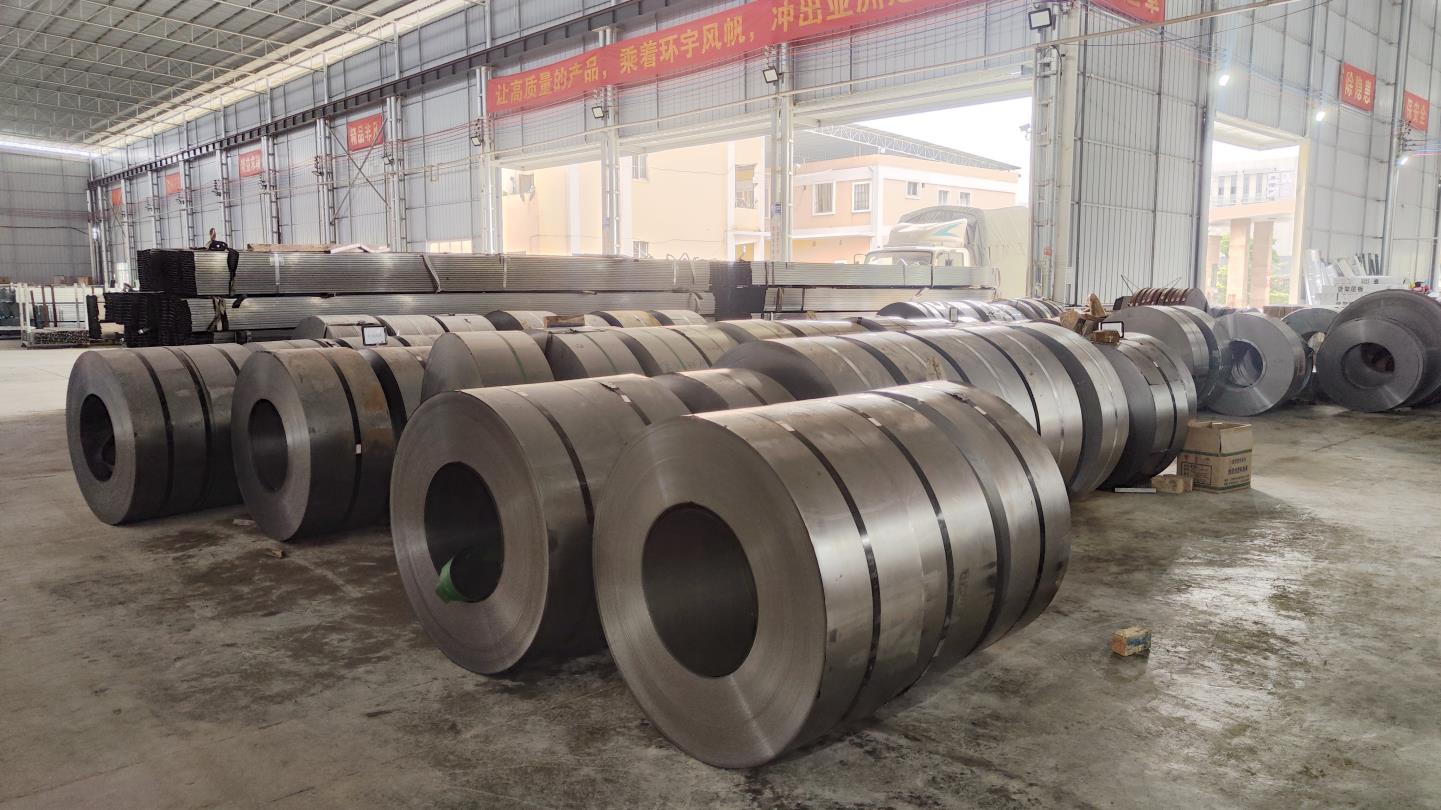
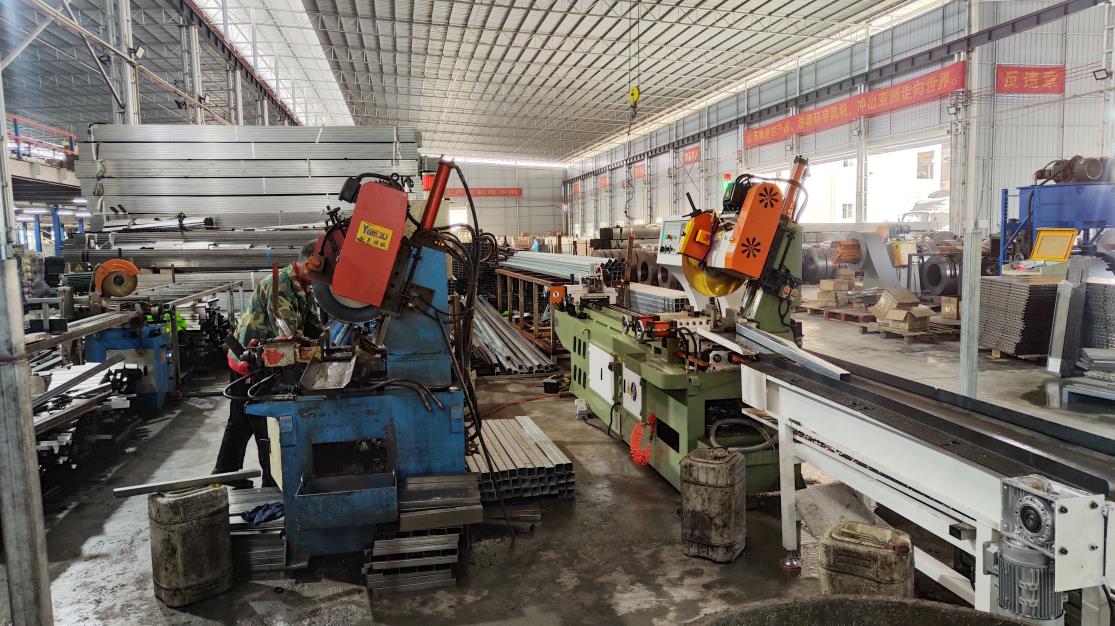
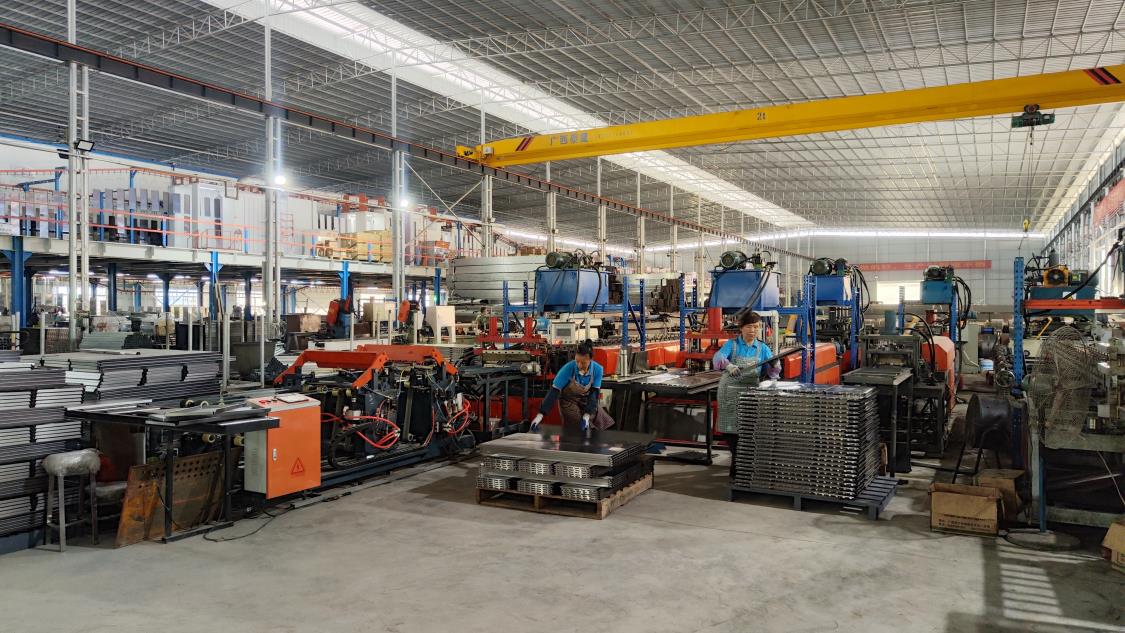
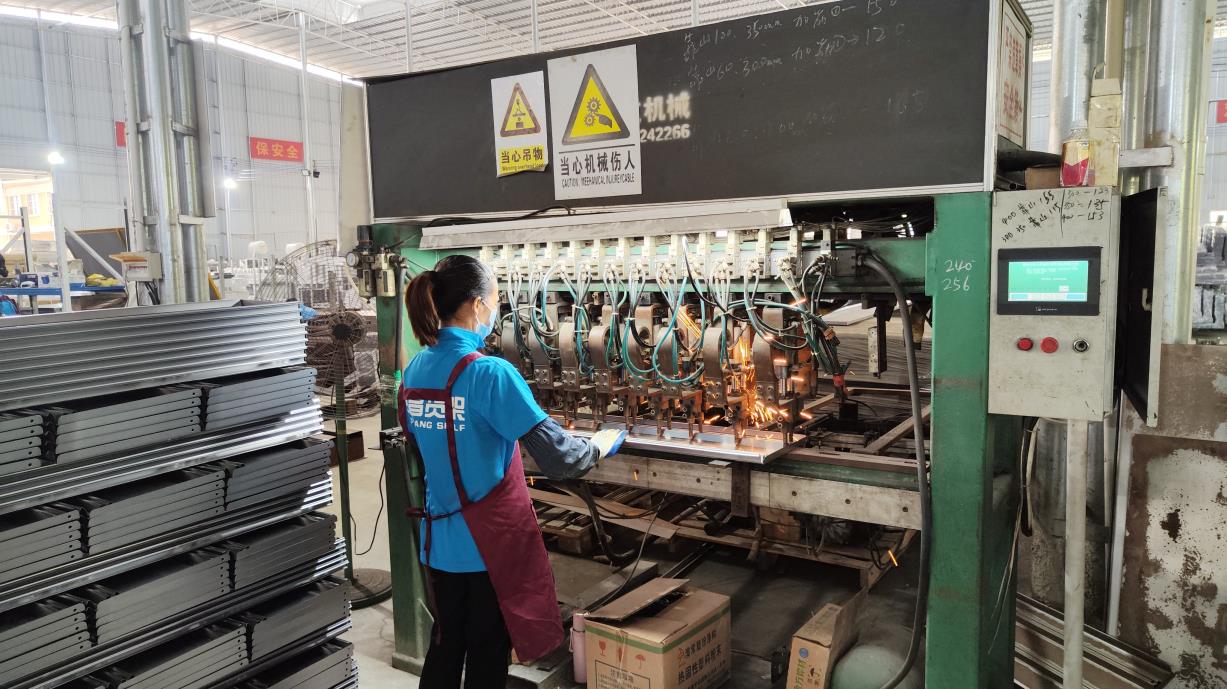
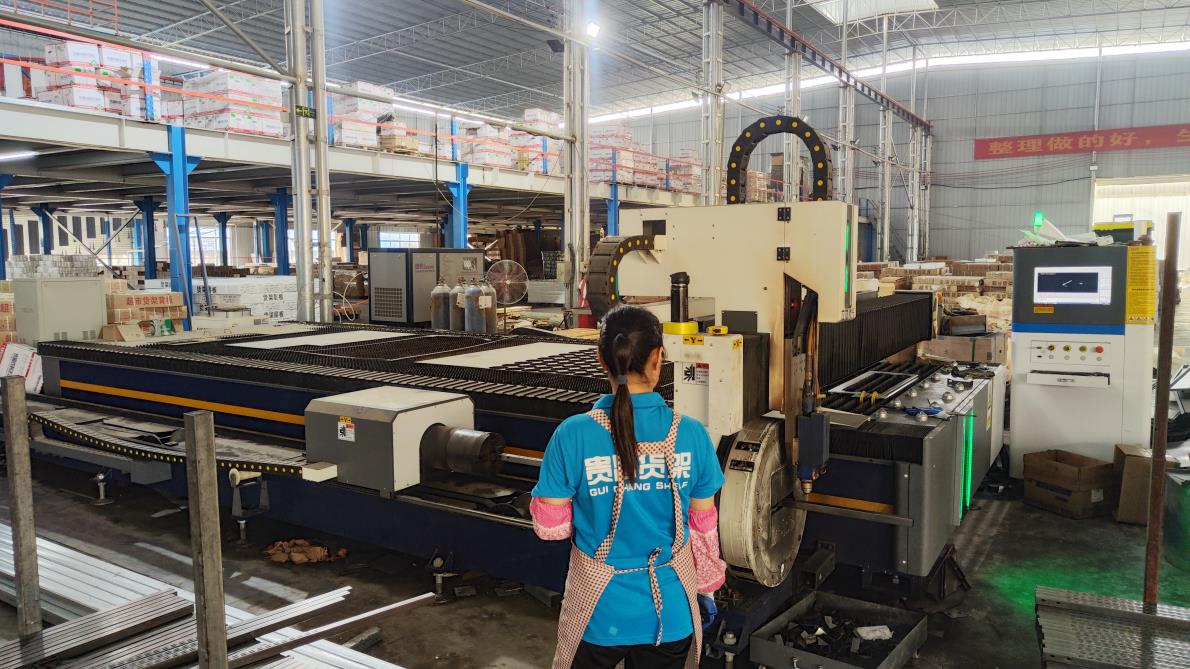
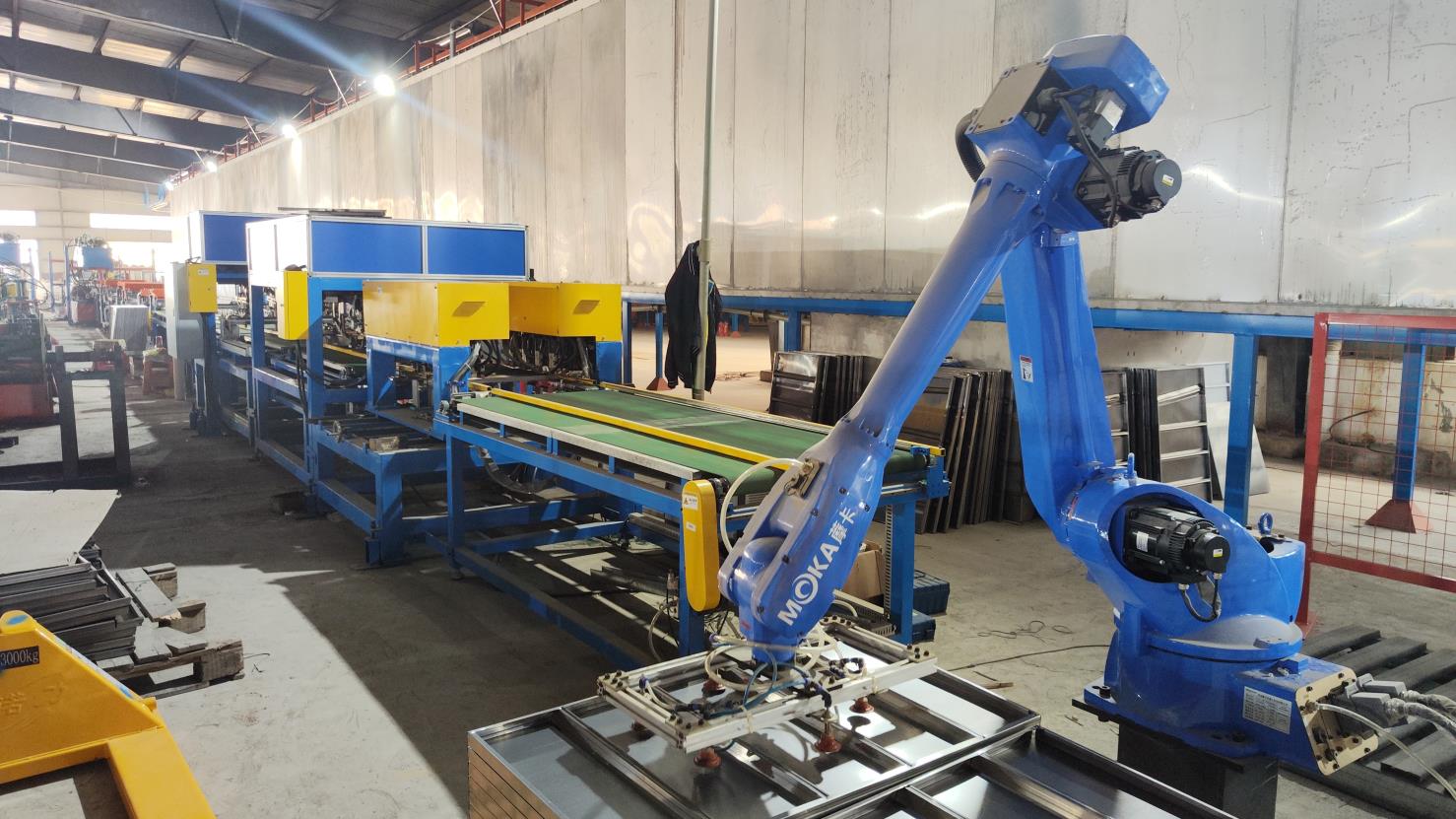
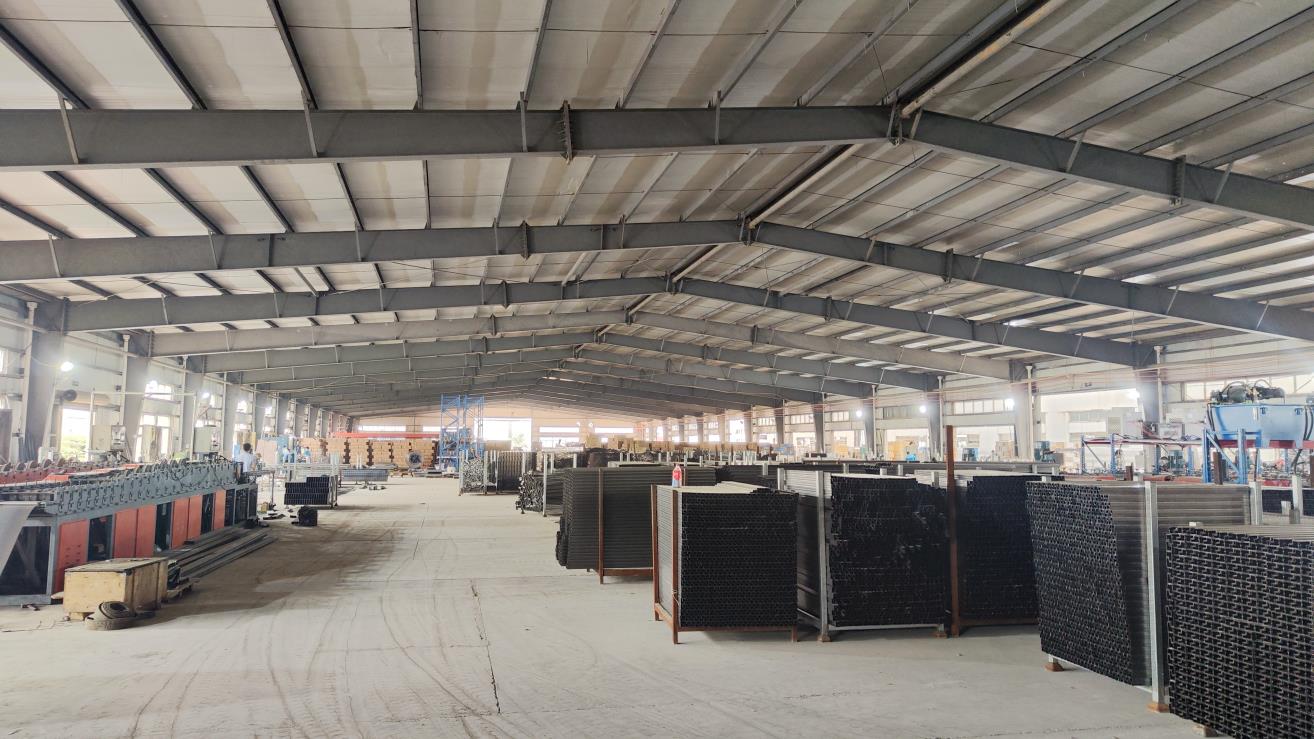
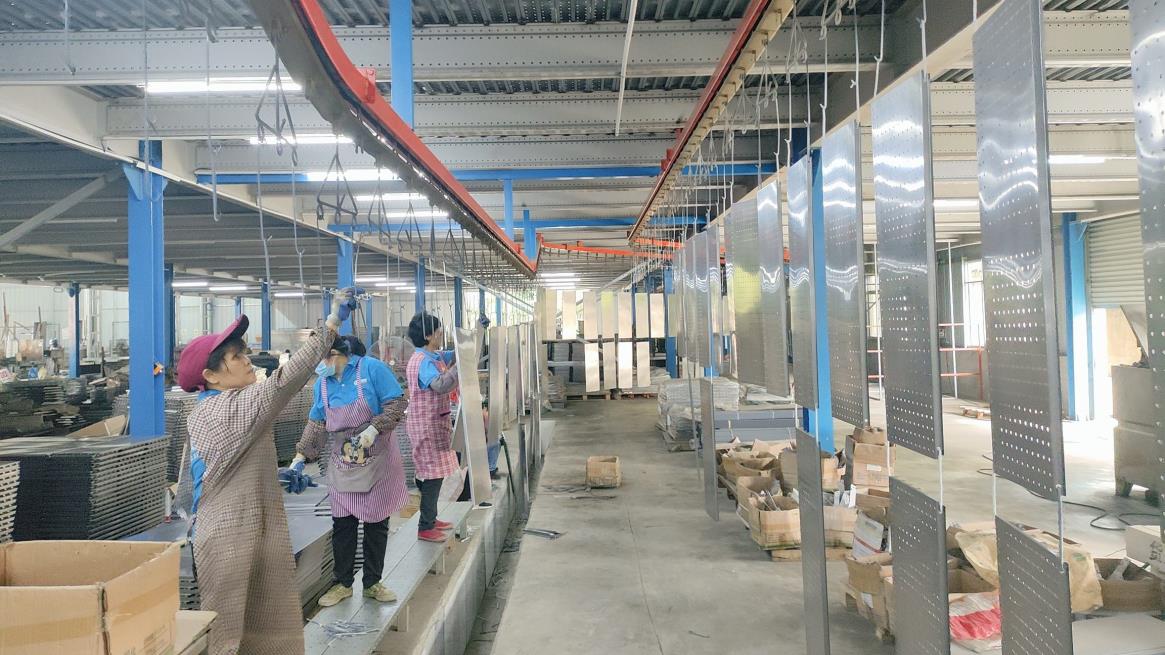
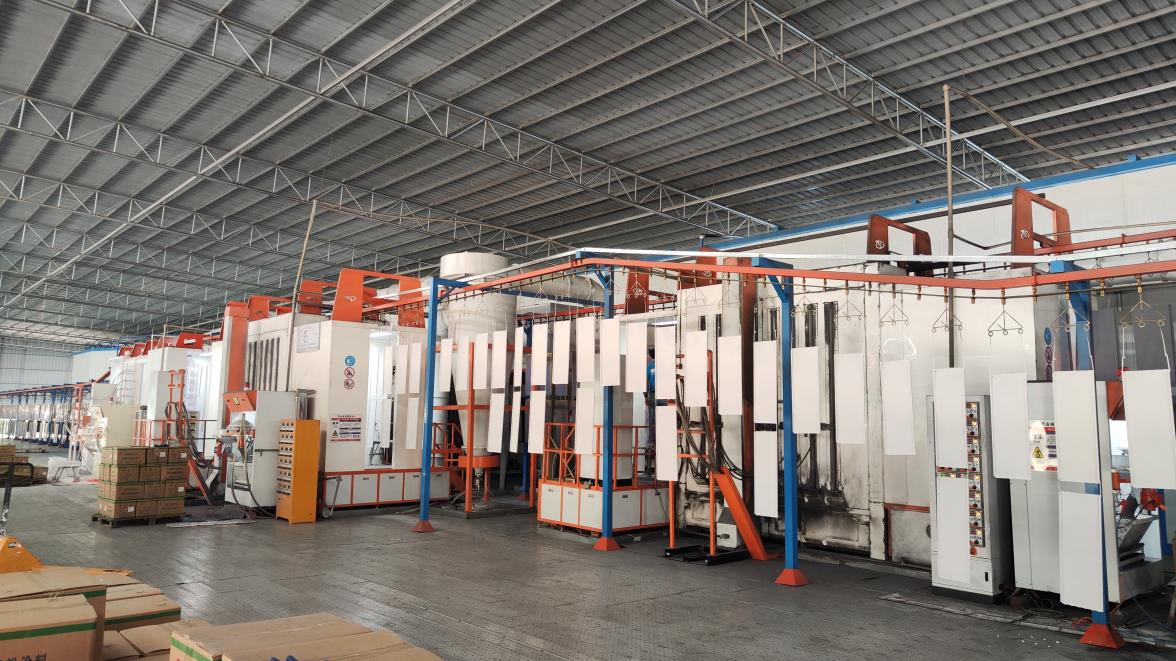
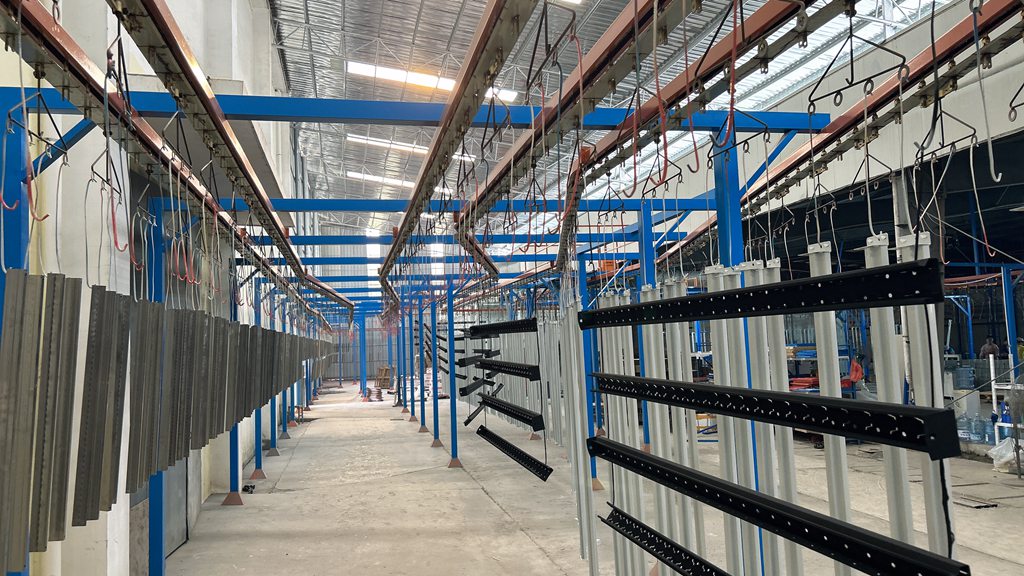
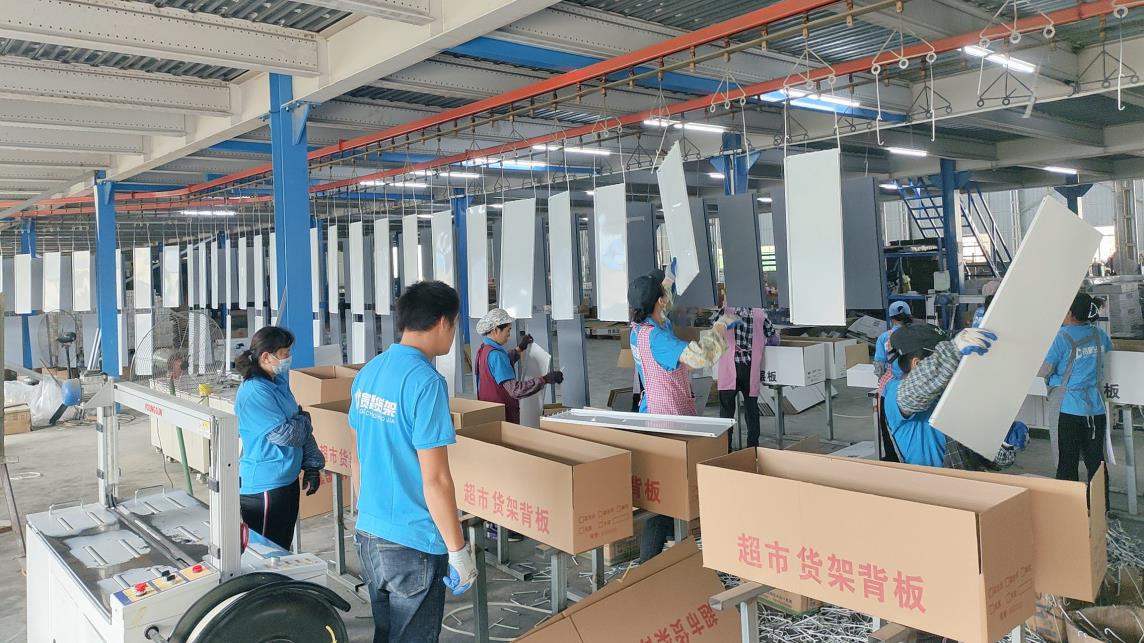
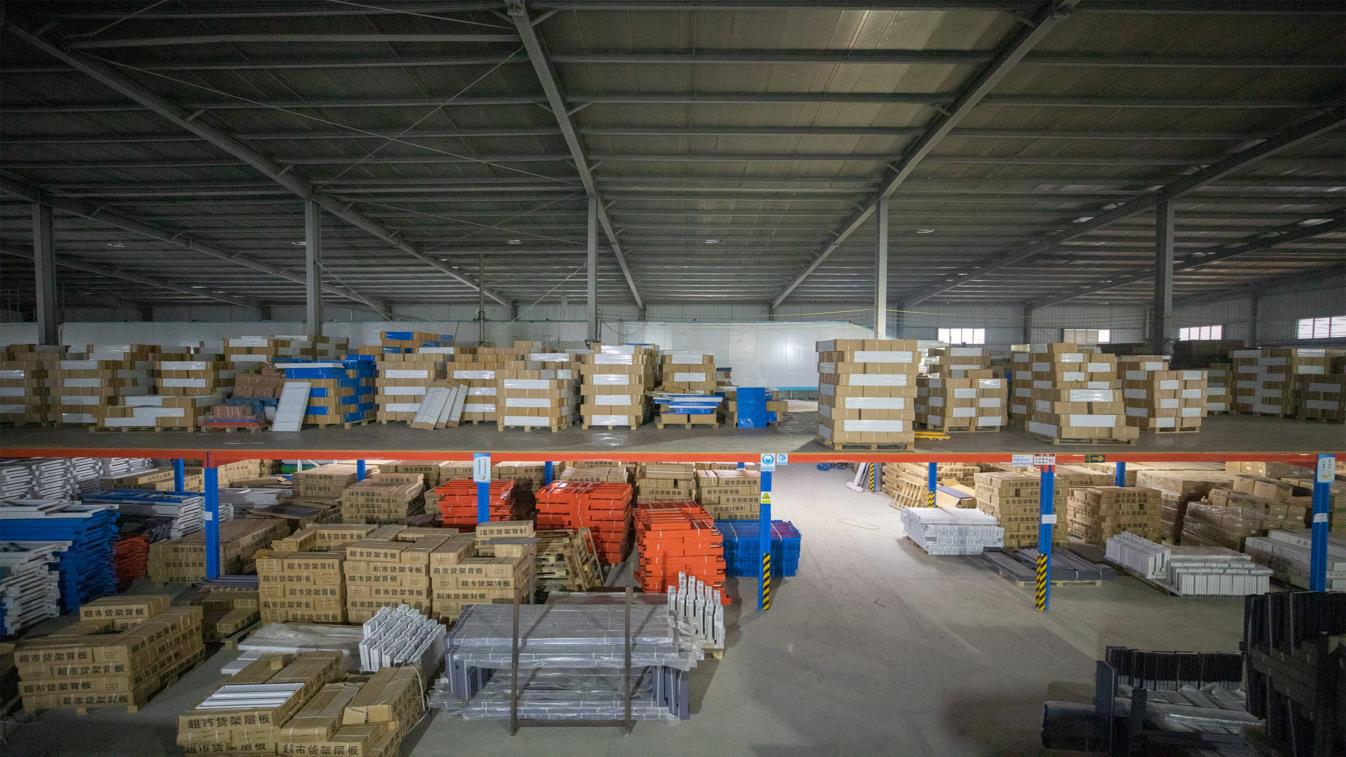
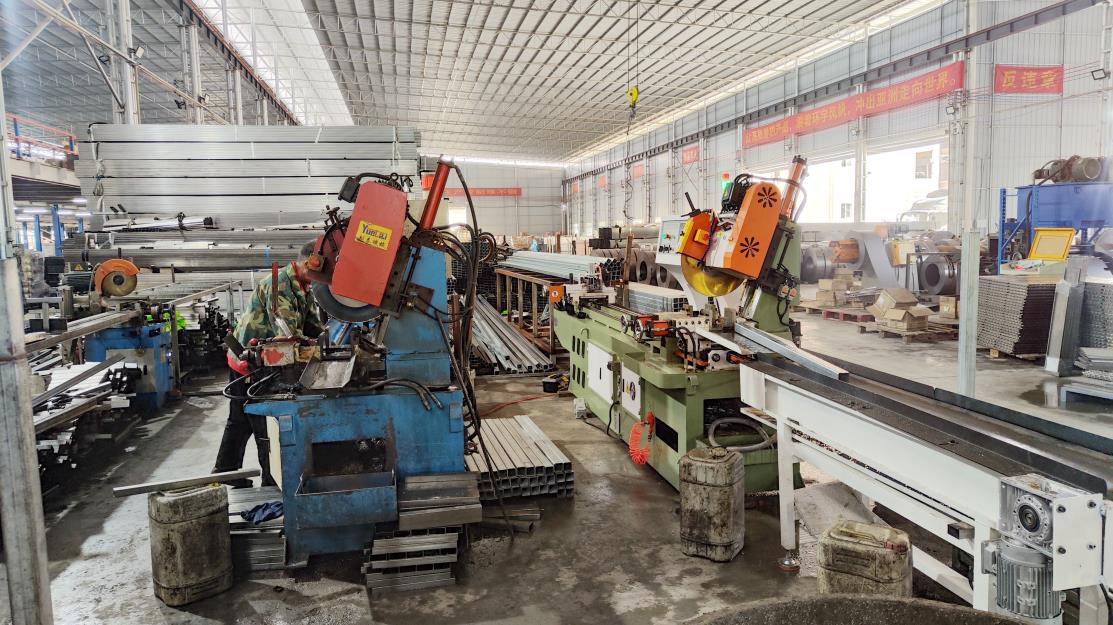
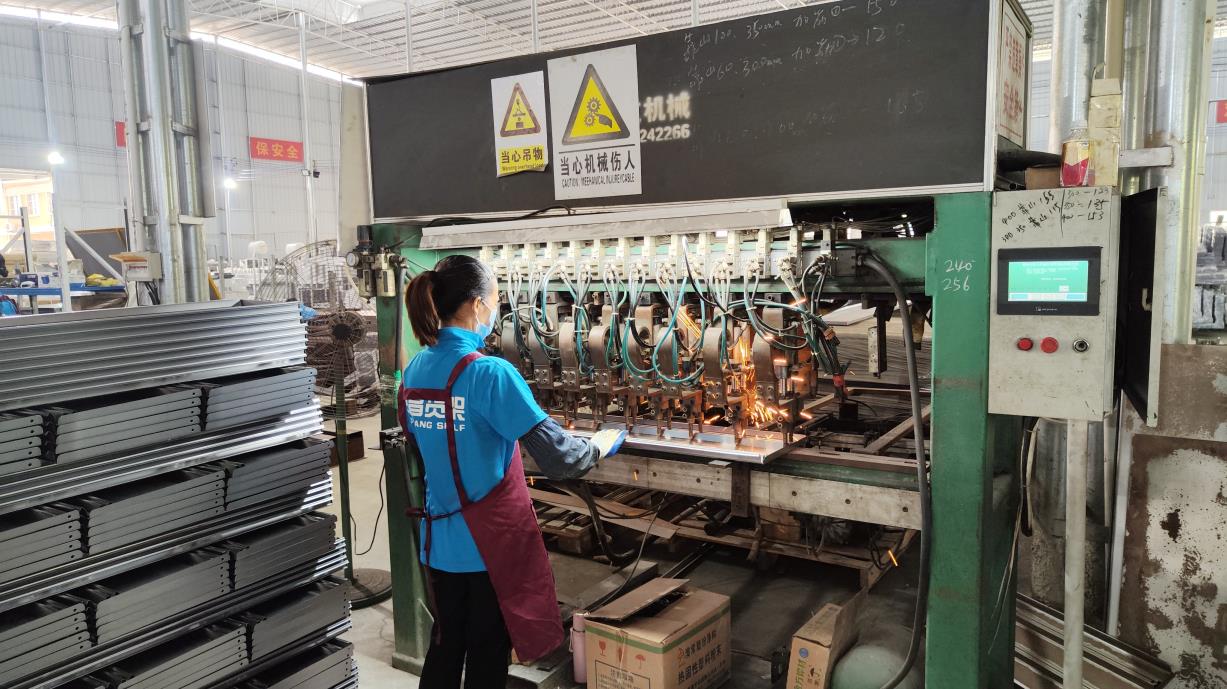
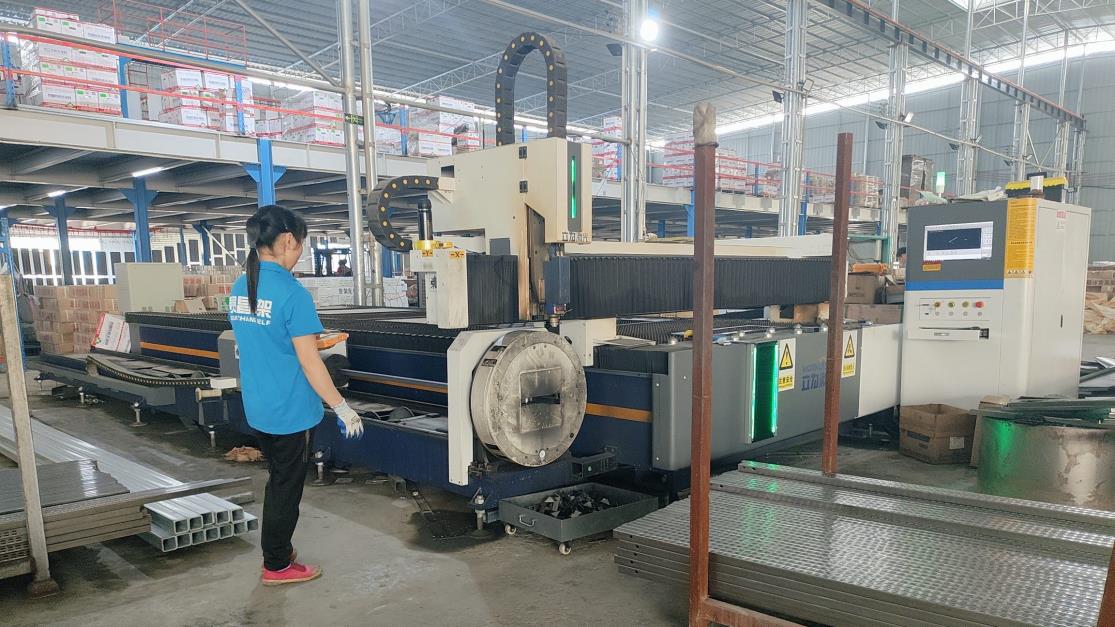
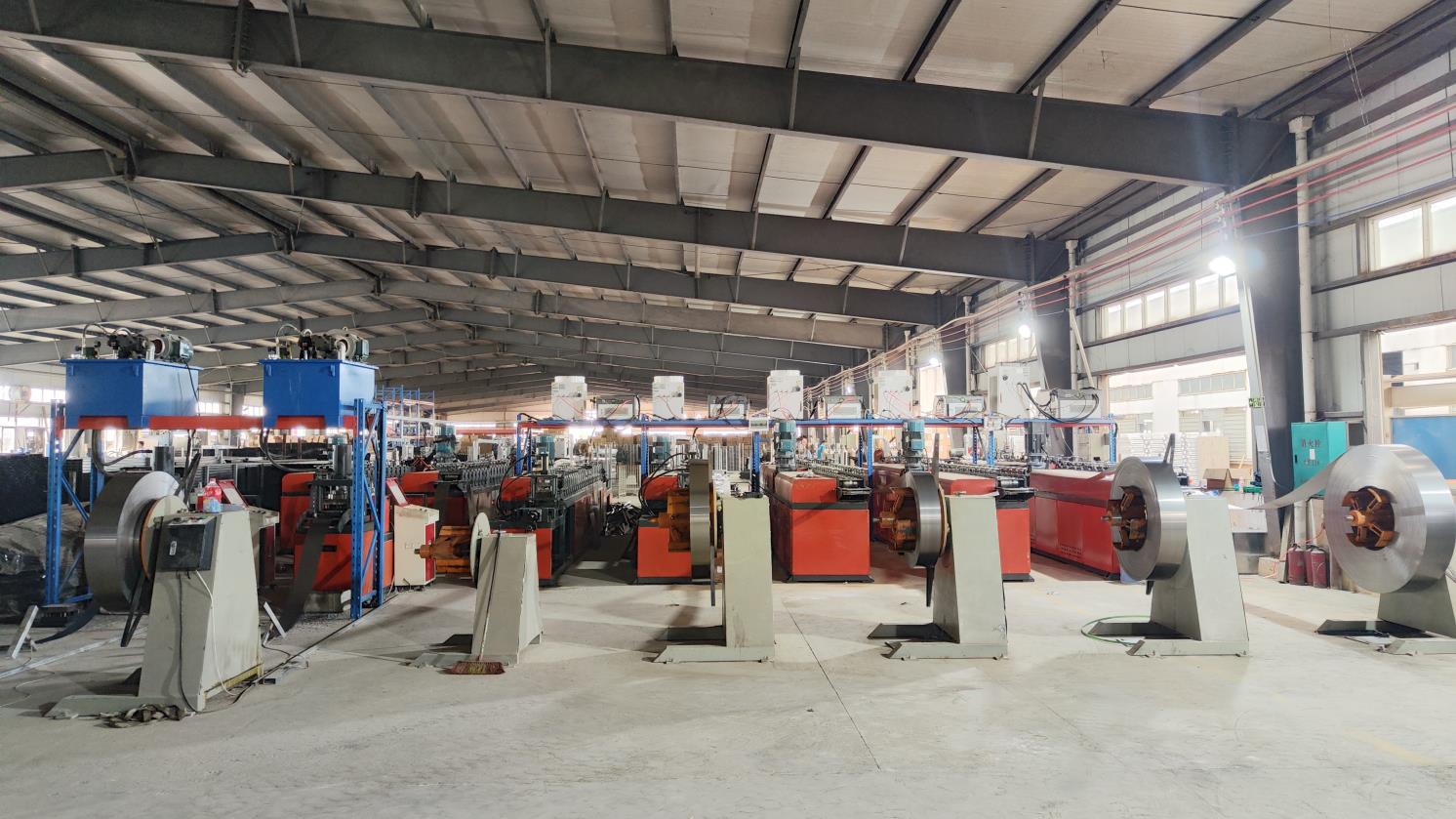
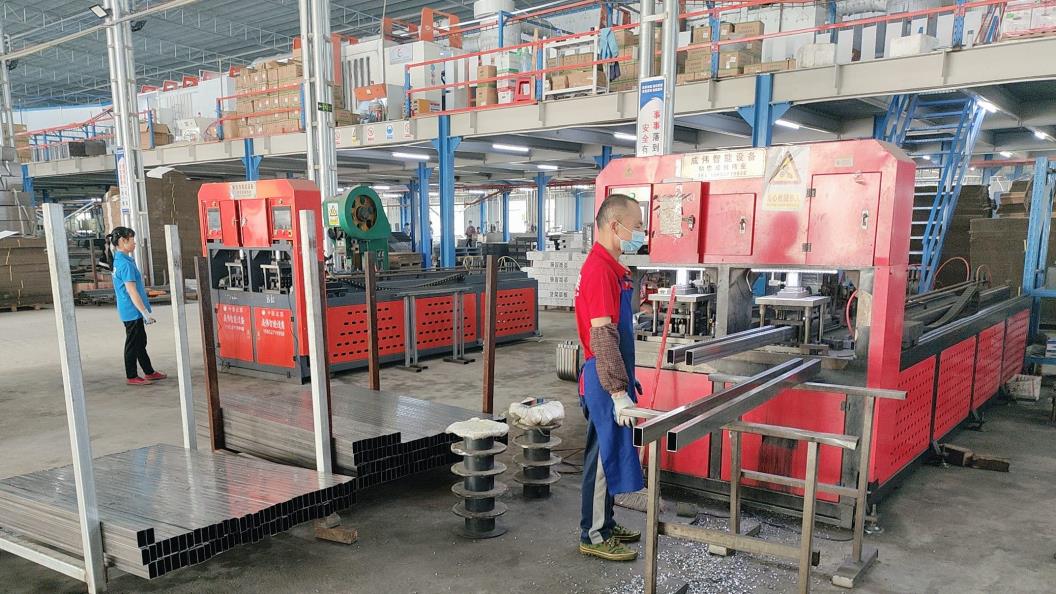
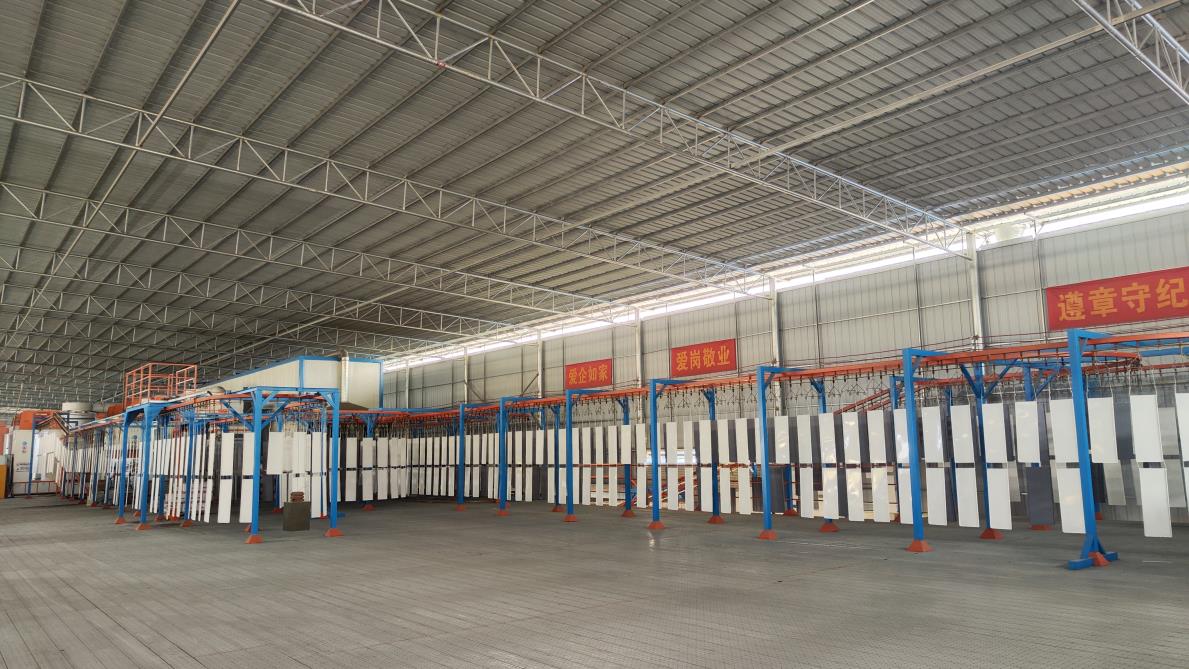
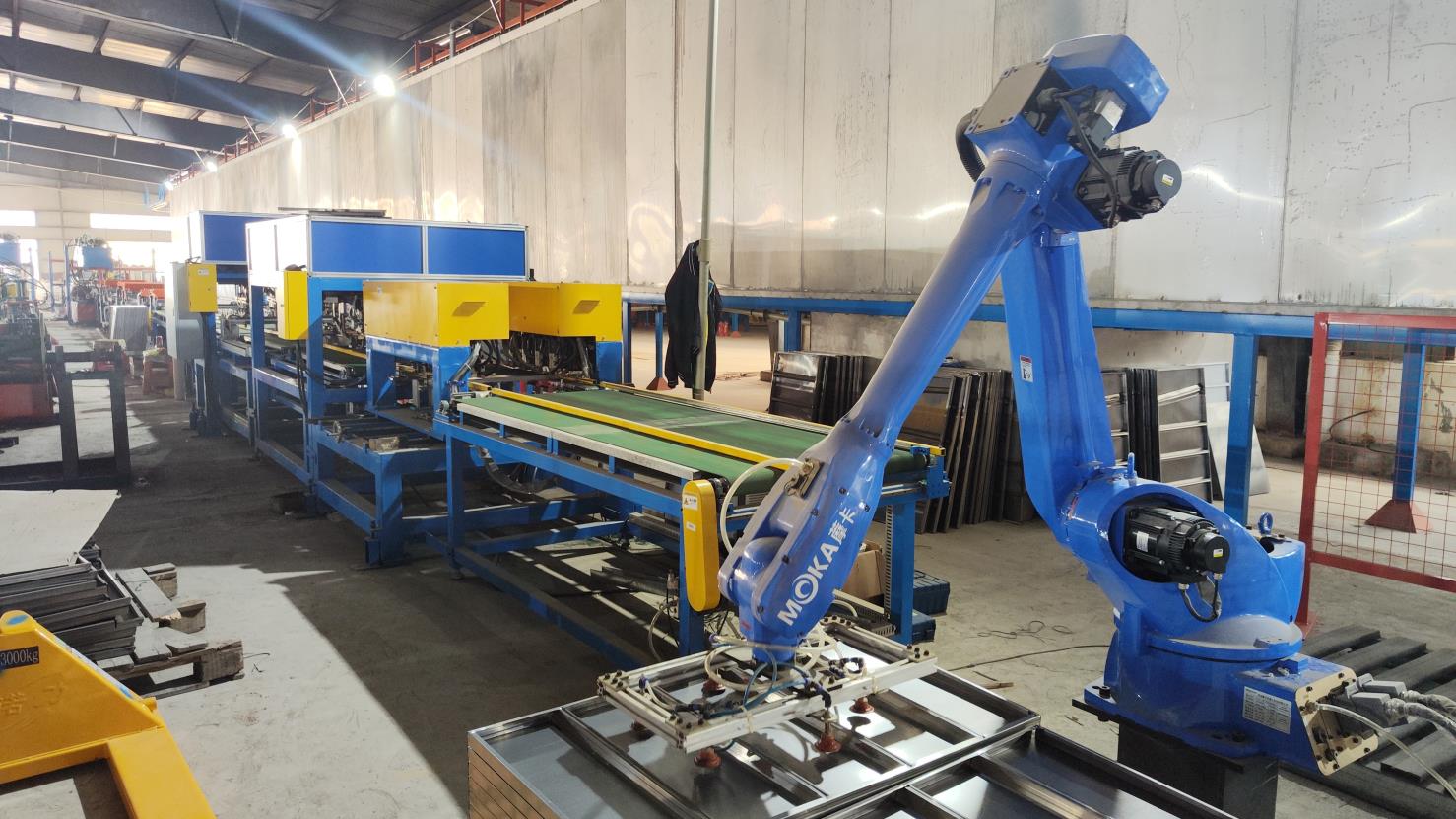
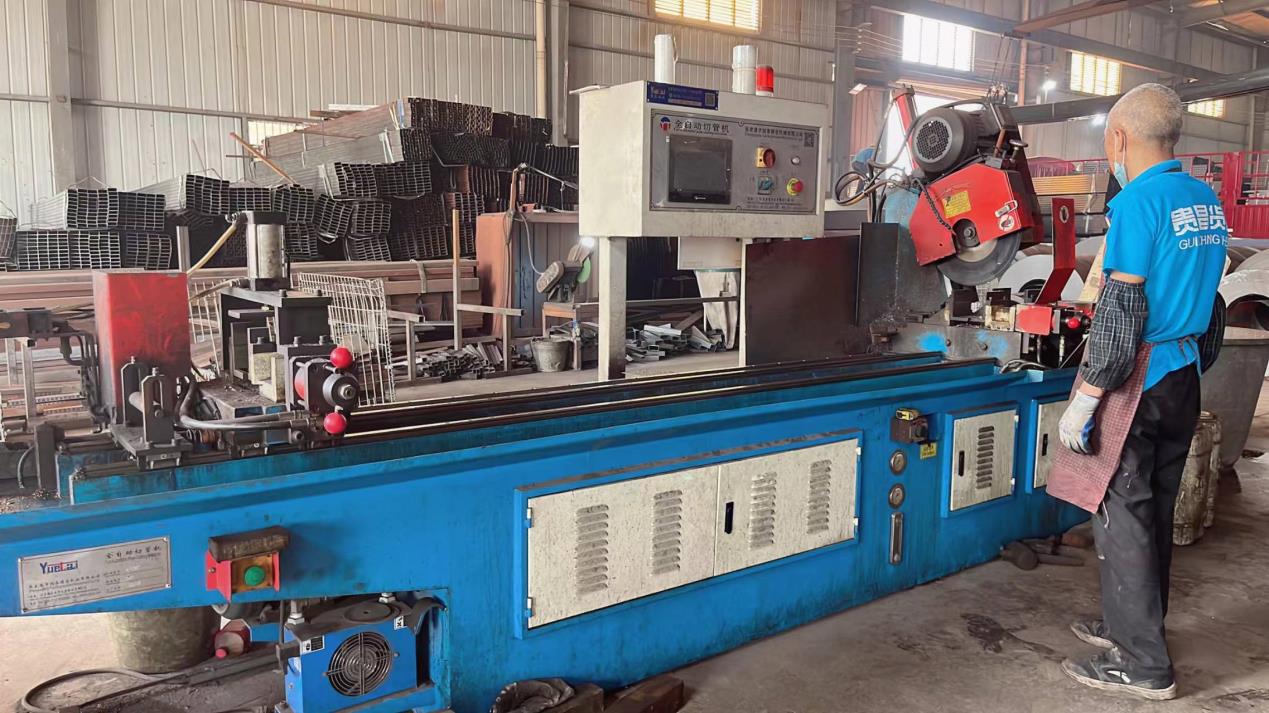
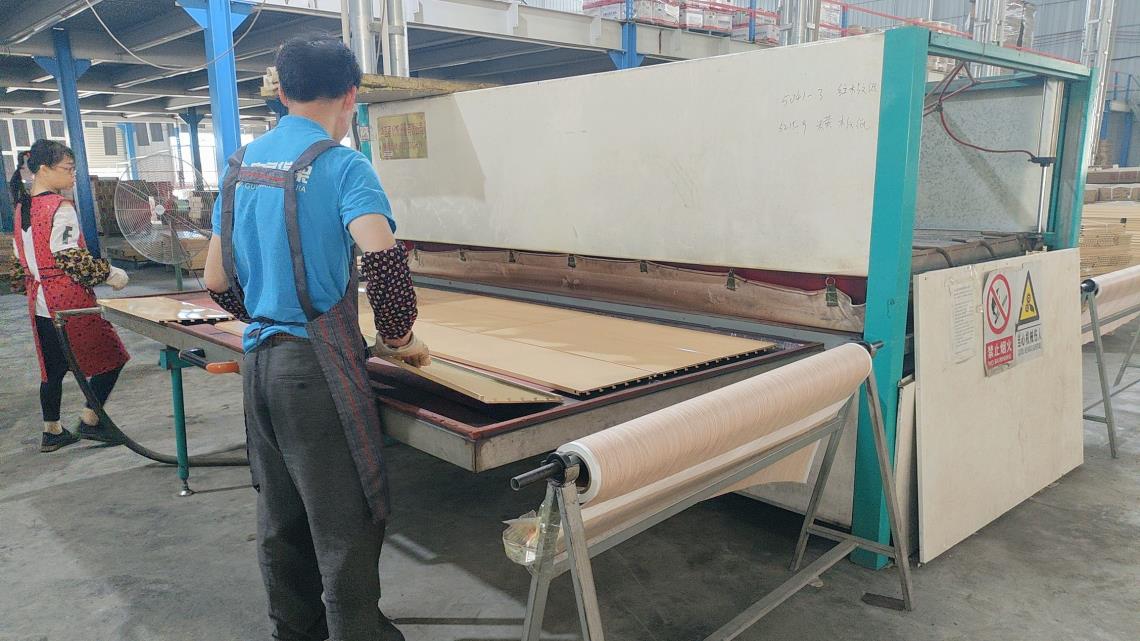
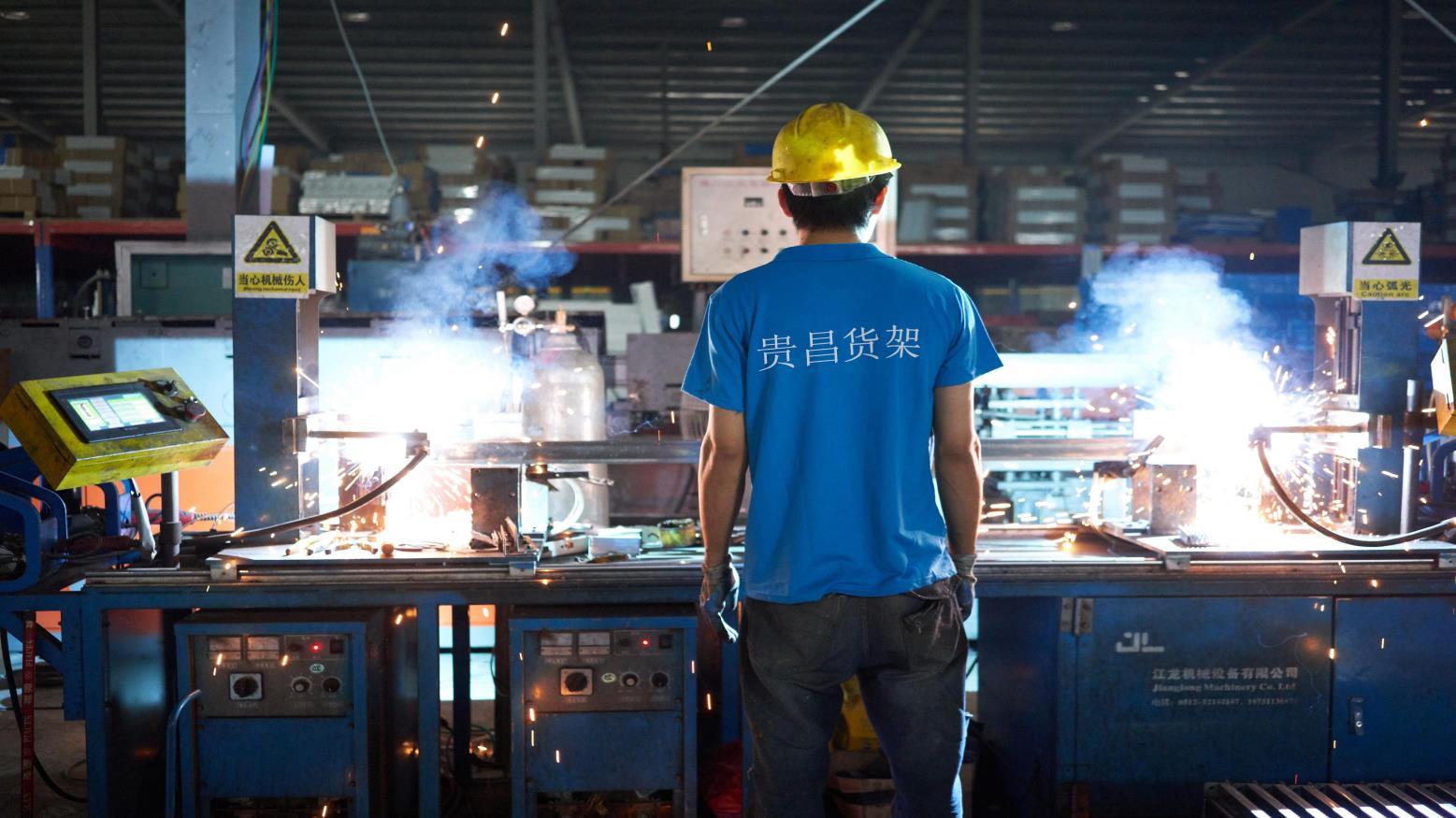
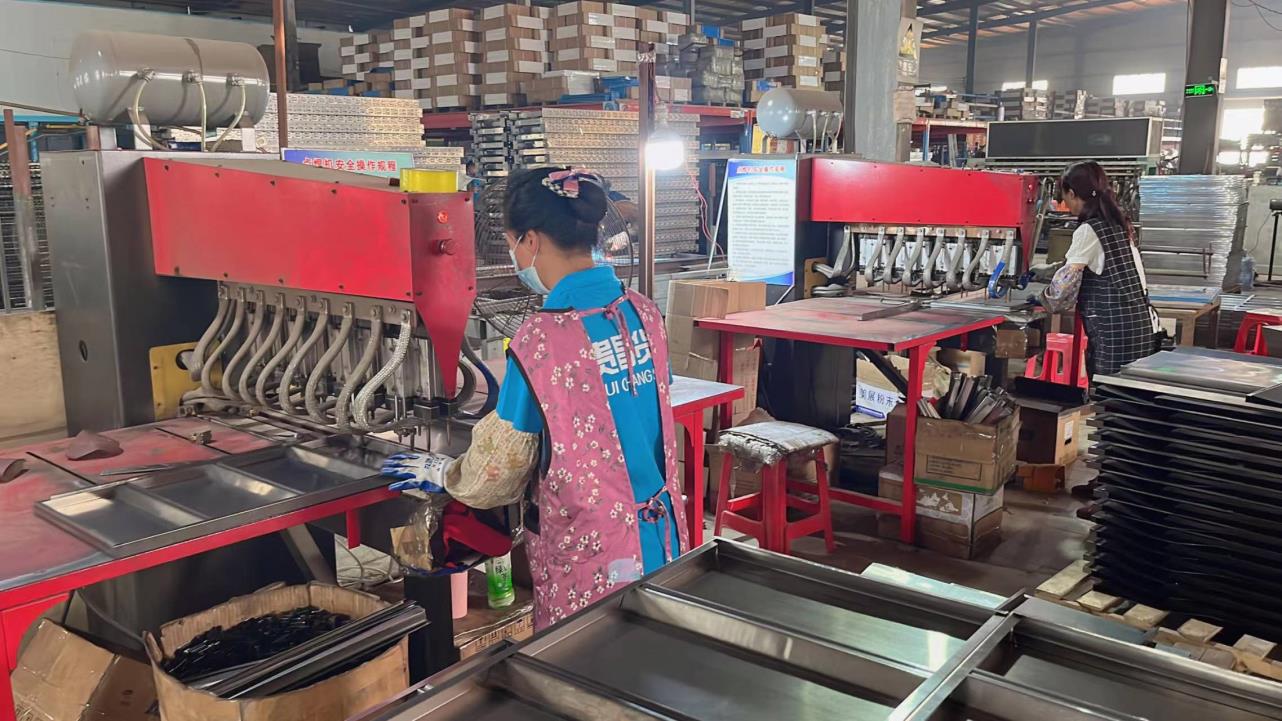
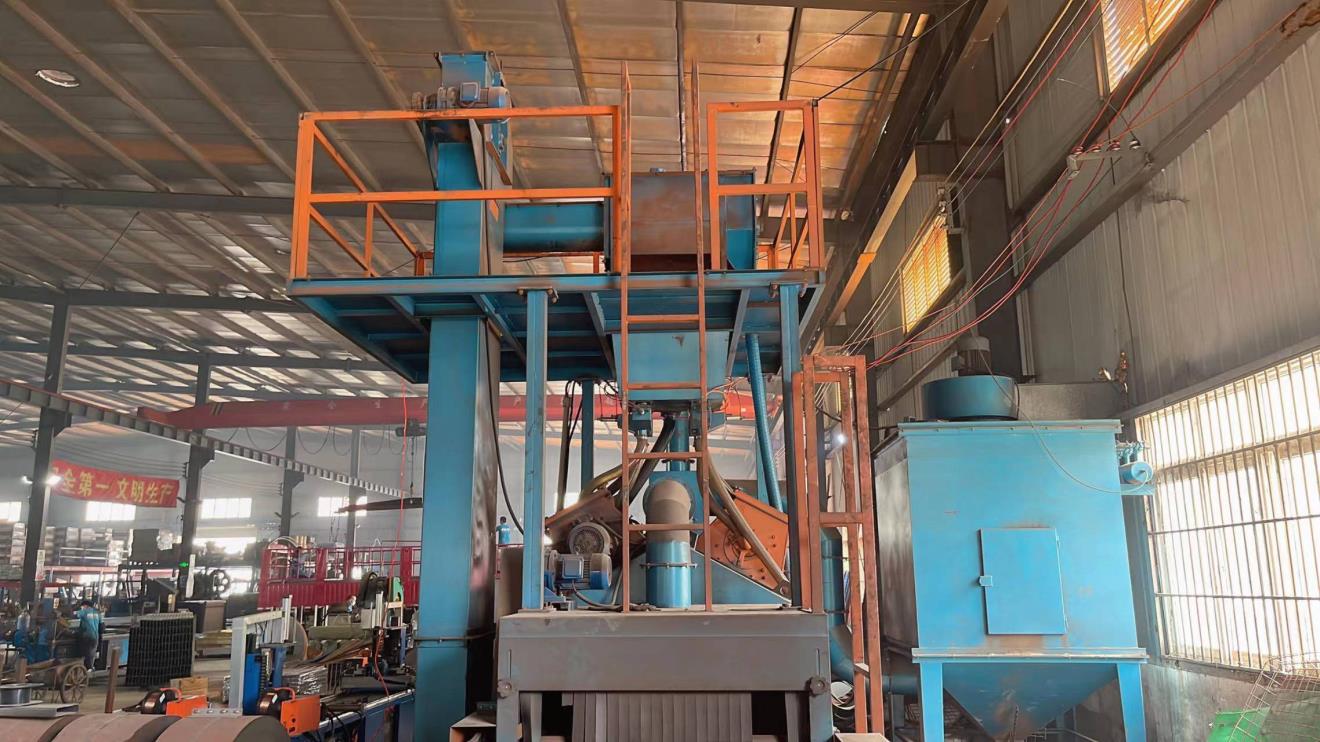
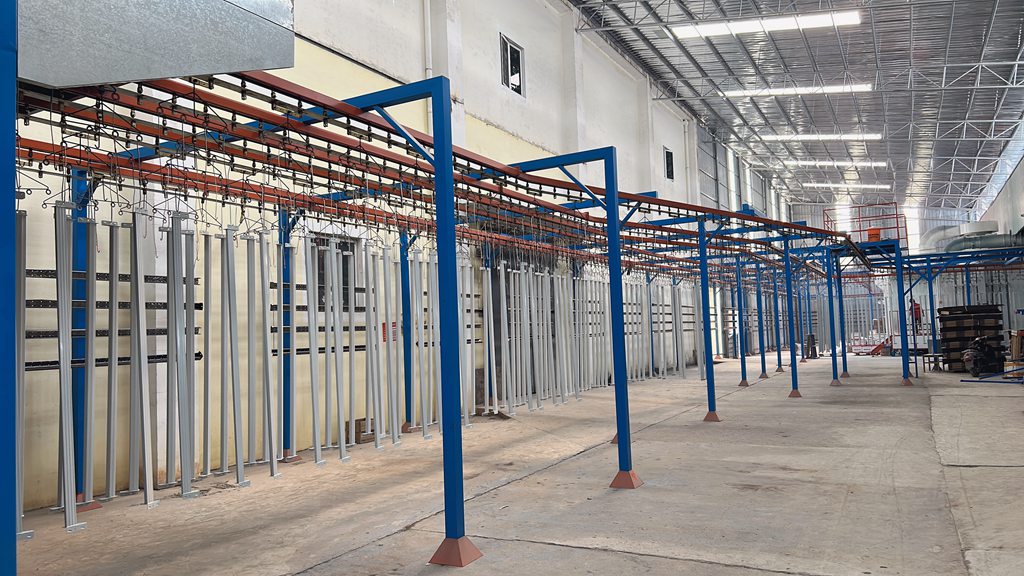
Foshan Guichang Shelves Manufacturing Co., Ltd. operates a vertically integrated production line. From raw coil slit testing to high-performance robotic welding and advanced thermal curing, every step of our manufacturing workflow is monitored by precision optical instrumentation. Explore the 25 physical stages of our fabrication framework below:
Understanding shifting procurement standards and mechanical innovations shaping the material handling sector.
Modern warehouses integrate cantilever shelves with stacker cranes and Automated Guided Vehicles (AGVs). Our racking designs are built to structural tolerances within +/- 1.5mm, permitting automated sensor scanners to grab items safely without human intervention.
We perform full 3D Finite Element Analysis (FEA) to simulate localized buckling, seismic tremors, and load concentration points. This testing matches the exact standards set by RMI (Rack Manufacturers Institute) and EN standards.
With environmental fluctuations in outdoor depots (lumberyards and steel merchants), our hot-dip galvanized coating processes ensure robust protection, exceeding 1,000 hours of continuous salt-spray testing with zero surface breakdown.
To properly configure your warehouse cantilever layout, structural engineers must calculate factors such as load centers, arm configuration deflection limits, and upright load capacity. Below is an engineering overview mapping out typical requirements:
| Profile Type | Material Spec | Yield Strength (MPa) | Common Dimensions (mm) | Deflection Threshold | Ideal Application |
|---|---|---|---|---|---|
| Roll-Formed Light Duty | Q235 Steel | 235 | 200 x 80 x 2.0 - 2.5 | L/180 | Pipes, lightweight plastics, retail trim display |
| Roll-Formed Heavy Duty | Q235B / Q355 | 235 - 355 | 305 x 96 x 3.0 - 4.0 | L/200 | Steel tubes, medium timber packs, palletized long-stock |
| Structural I-Beam Heavy | Q355B Steel | 355 | 200 - 300 H-Beam profiles | L/250 | Industrial coil storage, machinery components, heavy steel pipes |
| Double-Sided Heavy Duty | Q355B Steel | 355 | Custom reinforced bases | L/300 | High density vertical steel depots, multi-tier industrial yards |
Safety in high-bay industrial storage is critical. A single structural failure can lead to catastrophic inventory loss, operational downtime, and risk to workforce safety. Our quality management system is fully ISO9001 certified, backed by a dedicated team of 28 QC specialists. Every order undergoes a rigorous four-stage quality inspection:
1. Raw Material Testing: Every batch of steel coils entering our facility undergoes chemical spectrographic analysis and mechanical tensile testing to confirm minimum yield parameters.
2. In-Process Inspection: During automated roll-forming and robotic welding, online weld seam ultrasonic flaw detection is performed alongside dimensional physical validation.
3. Surface Coating Quality: Powder-coated components are subjected to salt spray tests and coating thickness gauge tests to ensure a long-lasting, corrosion-resistant finish.
4. Finished Product Testing: Randomly sampled structural units undergo a 150% maximum capacity test on our specialized load rigs to verify overall safety factors.
Foshan Guichang Shelves Manufacturing Co., Ltd. features a team of 18 senior structural and mechanical engineers. This in-house engineering team allows us to offer extensive OEM/ODM support, customizing load profiles, dimensions, column heights, and structural designs to meet local municipal building regulations and fire compliance codes.
Our commitment to product development led to the design of 45 new modular racking and automation-compatible structures last year. We work closely with 3PL providers, industrial equipment distributors, and enterprise managers to deliver optimized storage solutions.
Get answers to critical structural questions from our engineering department.
Complete your facility setup with our range of high-density shuttle systems, long-span shelves, and support equipment.
 Guichang Rack