Premium heavy-duty modular racking structures engineered for high load capacity, optimum floor area utility, and international code compliance.
Founded in 2014, Foshan Guichang Shelves Manufacturing Co., Ltd. is a leading manufacturer specializing in industrial warehouse storage systems, heavy-duty pallet racking, and custom shelving solutions. Backed by 12 years of deep industry experience and 8 years of international export expertise, we serve global logistics hubs, e-commerce fulfillment centers, third-party logistics (3PL) providers, and industrial equipment distributors across North America, Europe, Southeast Asia, and the Middle East.
In modern industrial logistics, floor area represents a major operational expense. Structural and rack-supported mezzanine platforms have evolved from basic space-saving additions into mission-critical structural assets. By integrating advanced finite element modeling, high-grade carbon steel, and automated cold-roll forming, we produce storage systems that multiply industrial capacity while maintaining compliance with local structural codes.
Analyzing the global transition from horizontal footprint expansion to intensive cubic capacity integration.
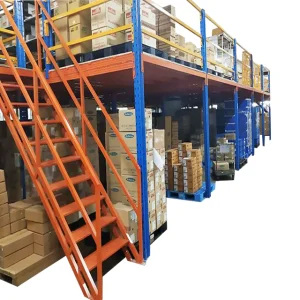
As warehouse leasing rates increase in major metropolitan hubs, building outward is no longer financially viable. Industrial operators leverage mezzanine floor structures to double or triple existing floor space without changing their building footprint.
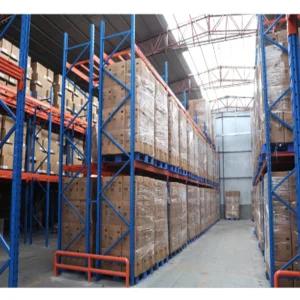
Modern warehouses operate both B2B bulk storage and B2C unit selection. A multi-tier rack-supported structure allows bulk pallets to occupy the lower levels, while upper levels are optimized for manual piece-picking, maximizing operational efficiency.
With Automated Guided Vehicles (AGVs) and Autonomous Mobile Robots (AMRs) handling sorting, mezzanine designs are transitioning from simple platforms to specialized decks with specific load profiles, leveling tolerances, and floor finishes.
Custom structural engineering adapted to the regulatory compliance, climate challenges, and material standards of global markets.
For logistics sites in the United States and Canada, installations must align with the International Building Code (IBC) and OSHA safety parameters. The structural steel selection focuses on heavy cold-formed C-channels and high-tensile column structures. In seismic areas like California, designs incorporate oversized baseplates and thick anchor bolt assemblies to withstand dynamic shear stresses.
European installations require compliance with FEM 10.2.02 and Eurocode 3 structural steel design specifications. High performance and modular flexibility are essential. We prioritize rack-supported configurations featuring hot-dip galvanized deck plates or high-density composite timber flooring, meeting strict fire retardancy (B-s1, d0) and local safety load limits.
Operating in humid, tropical climates requires specialized anti-corrosion protection. The standard spray paint is replaced by electrostatic thermosetting powder coatings with a thickness of 80-100 microns, or pre-galvanized structures. This treatment prevents oxidation in coastal or non-air-conditioned warehouses, maintaining structural integrity over decades.
A technical overview of the engineering workflow, structural materials, and calculation criteria used in our high-capacity platforms.
We use certified Q235B and Q355B low-alloy carbon steel. Q355B steel provides high yield strength (minimum 355 MPa), allowing engineers to minimize dead load while maintaining high structural load limits for platforms.
Before starting manufacturing, our engineers run FEA simulations. This testing models structural reactions under maximum load, seismic forces, and dynamic actions, identifying potential stress points.
We use adjustable connectors with safety pins to link upright columns and load-bearing beams. This boltless design allows for clean height adjustments while keeping structural joints rigid.
We offer modular options including open-mesh steel grating for ventilation, checker-plate steel panels for high-traction durability, and moisture-resistant composite panels with under-deck fire protection.
The industrial storage sector is evolving toward smart, integrated systems. Future warehouse layouts will feature real-time load sensors embedded directly in mezzanine support columns. These sensors communicate via IoT networks to alert building management of load imbalances or structural fatigue. Additionally, structural paint options are advancing to include self-healing coatings that seal micro-scratches, preventing oxidation in high-wear settings.
A step-by-step look at our 38,000-square-meter facility's production, fabrication, and testing operations.
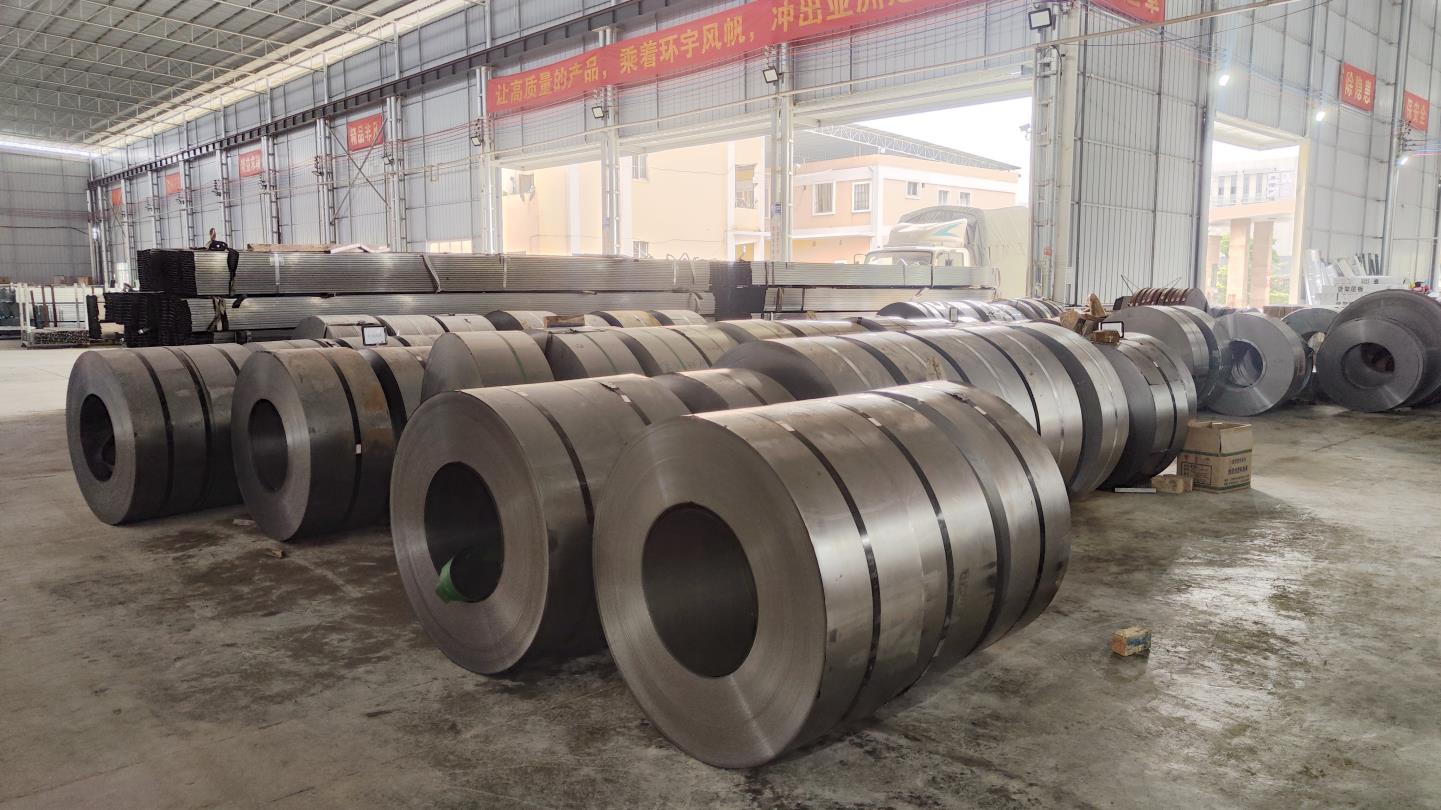
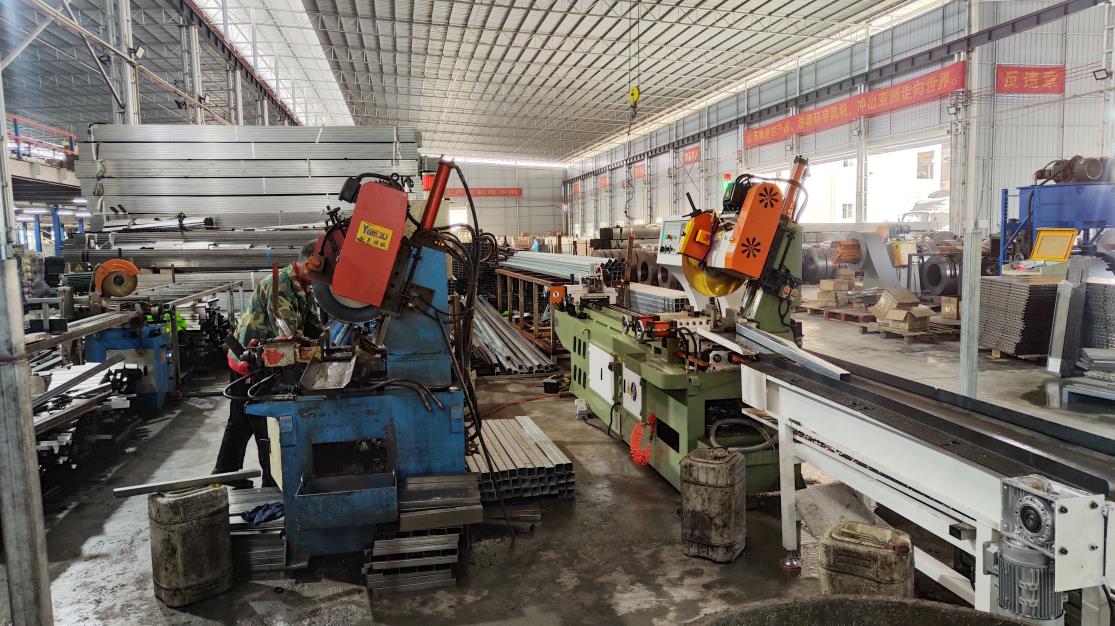
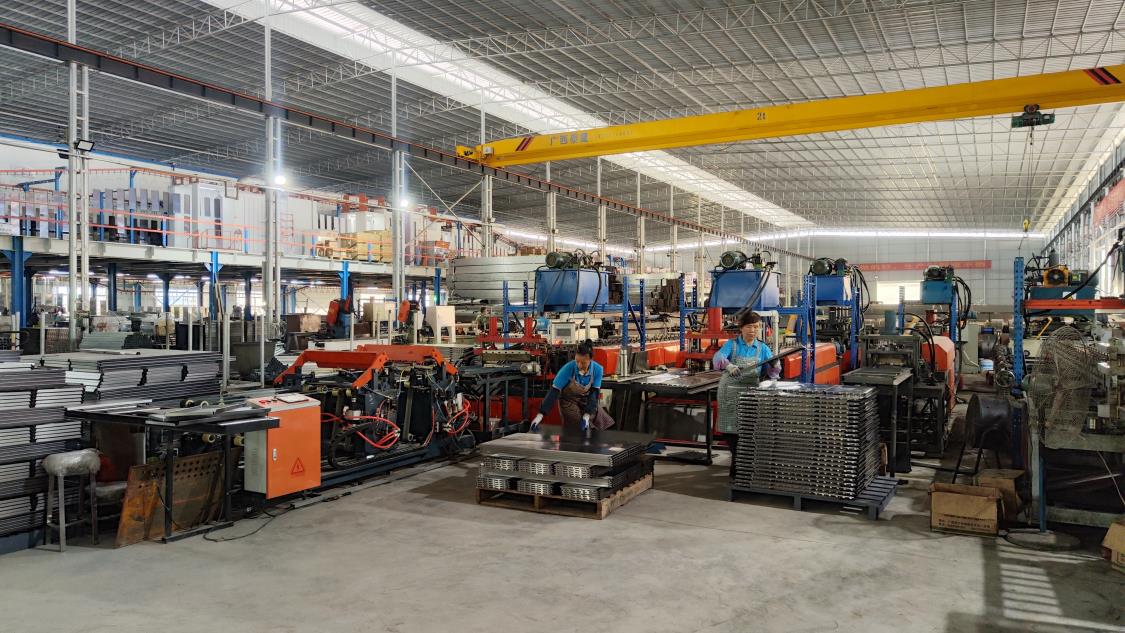
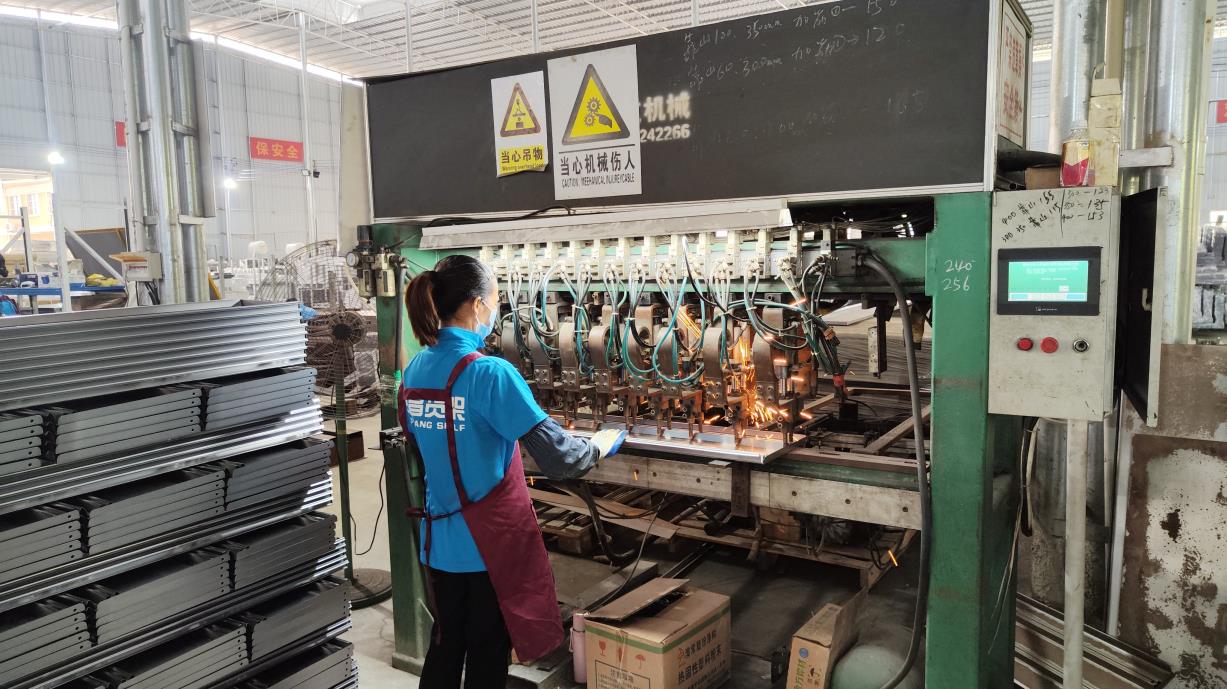
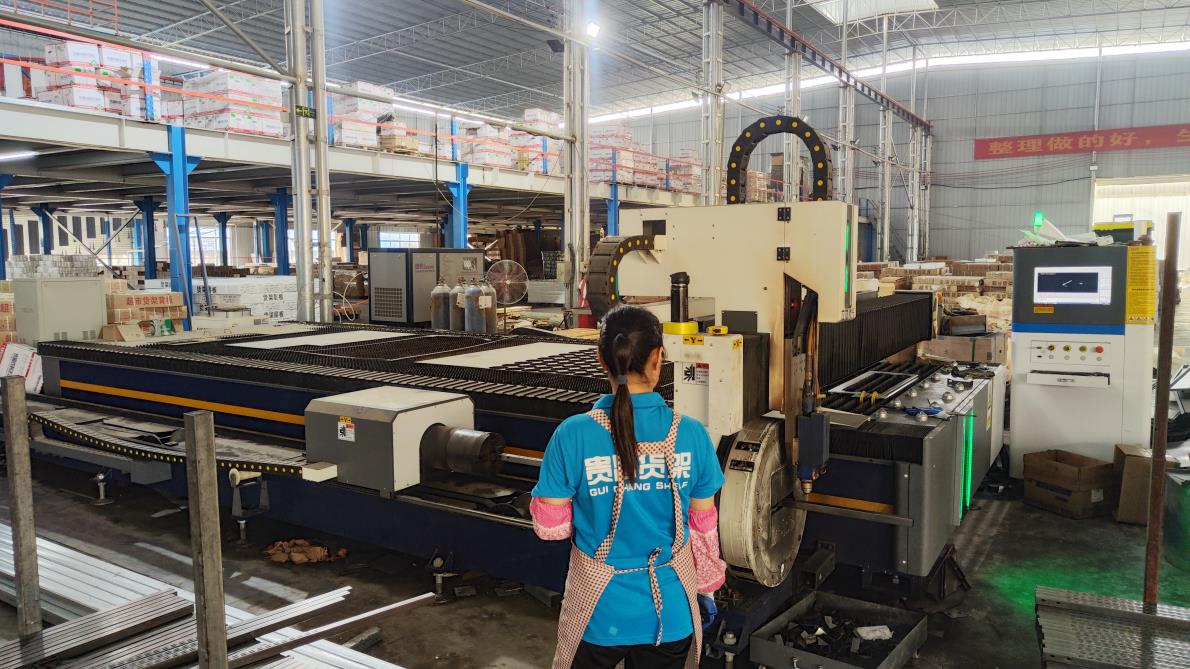
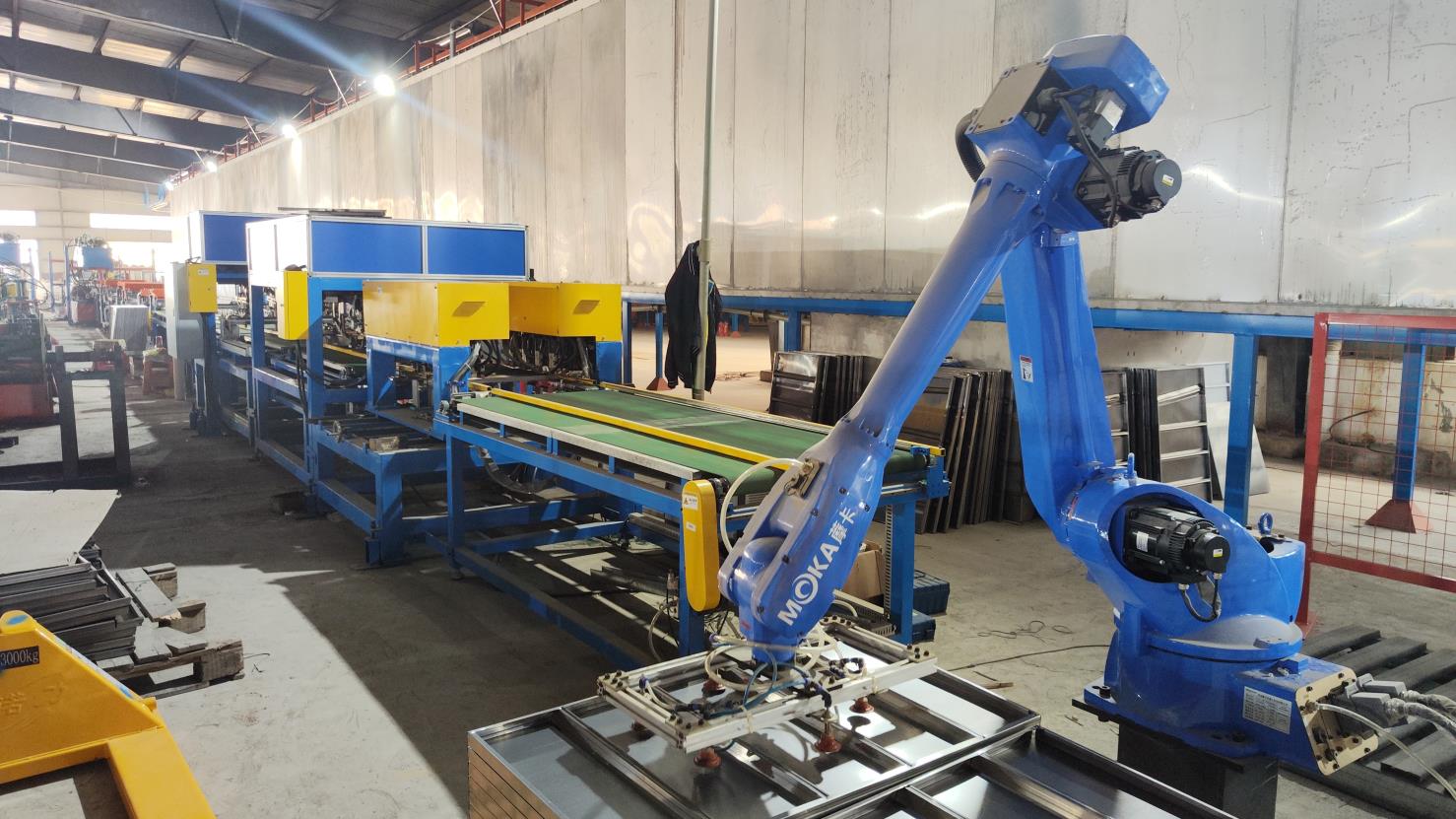
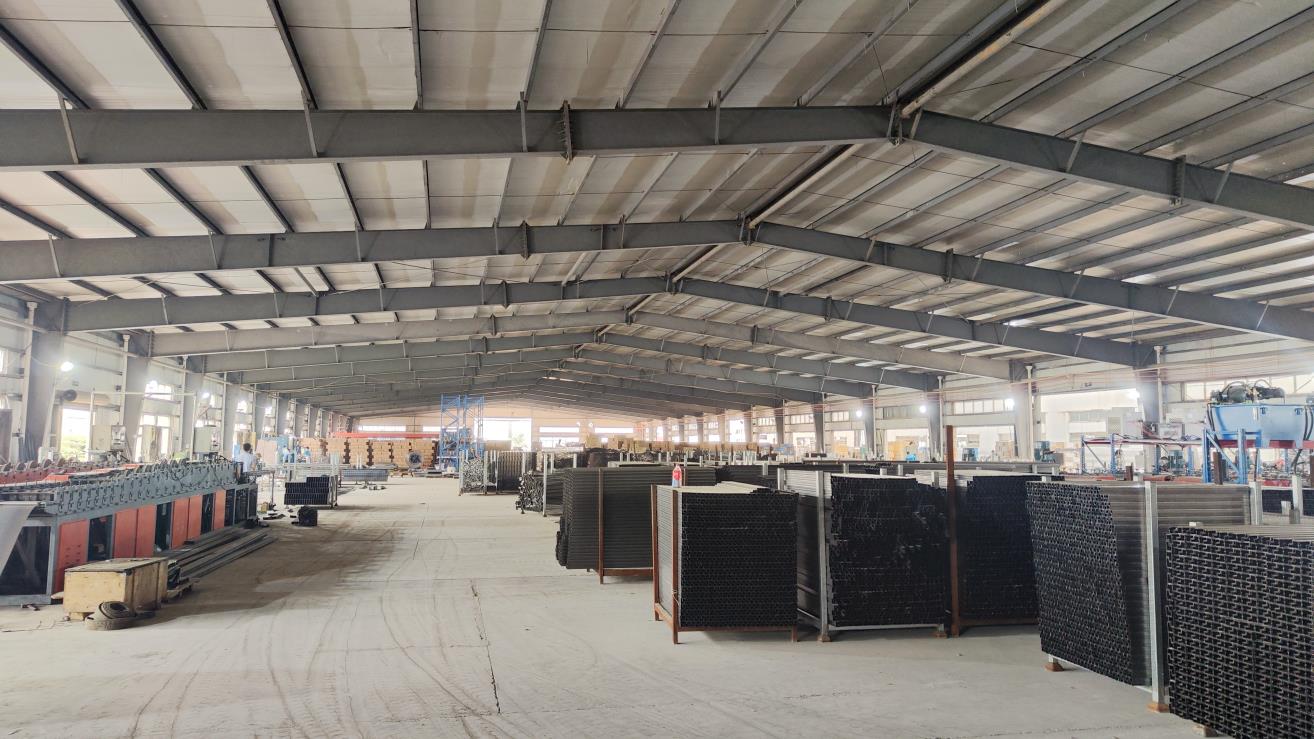
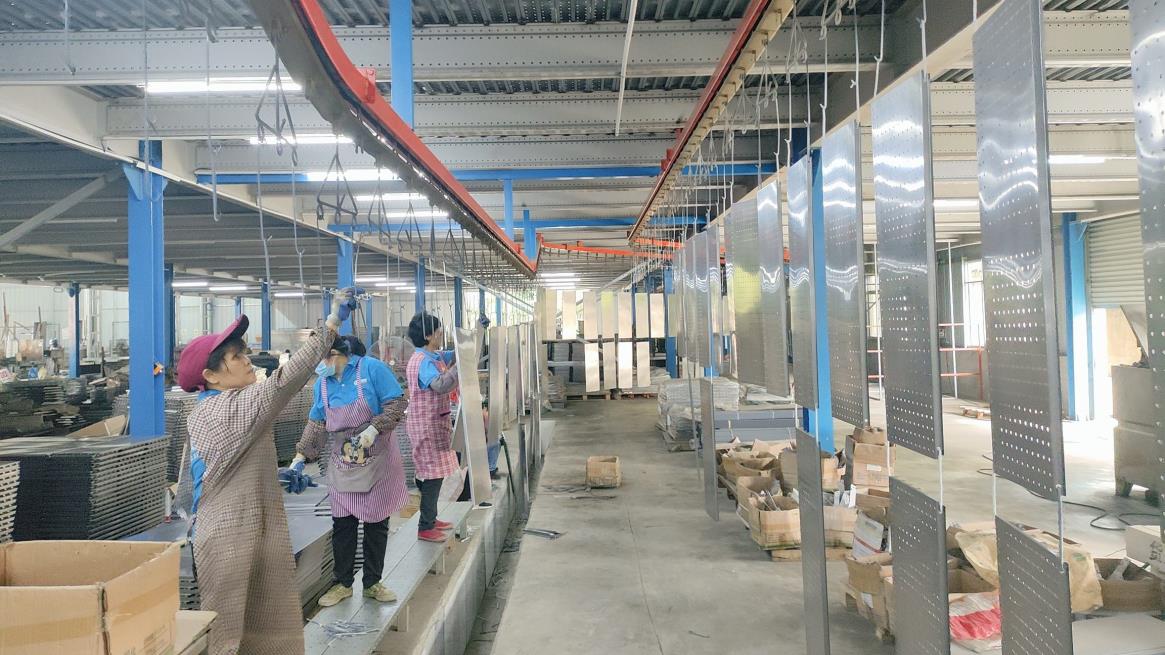
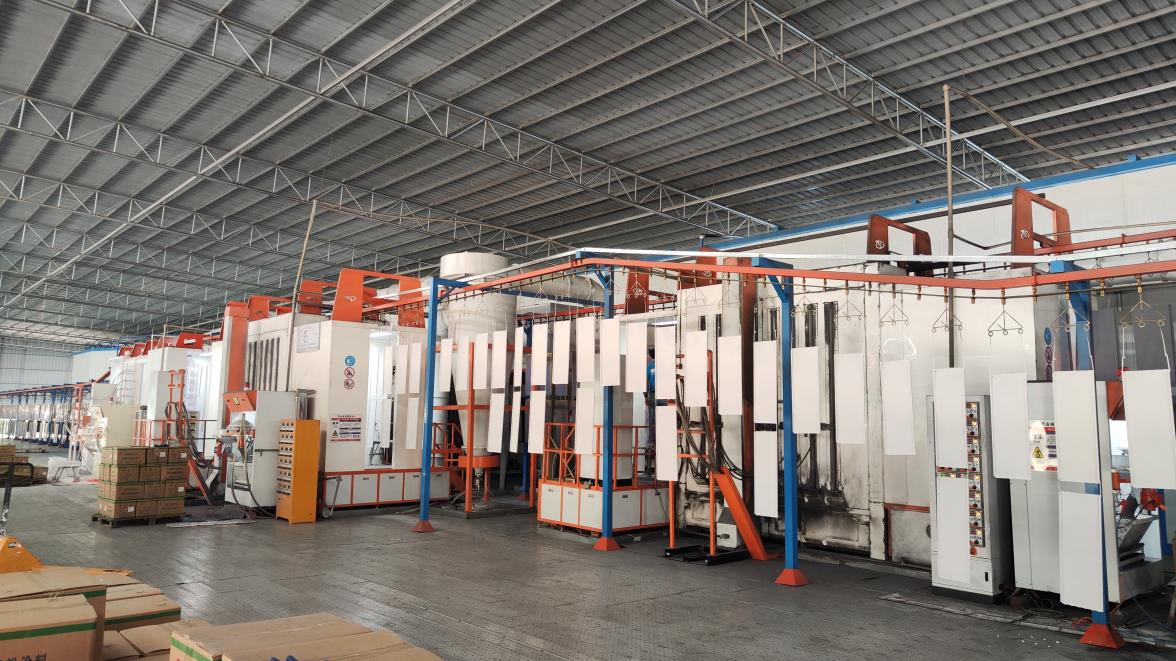
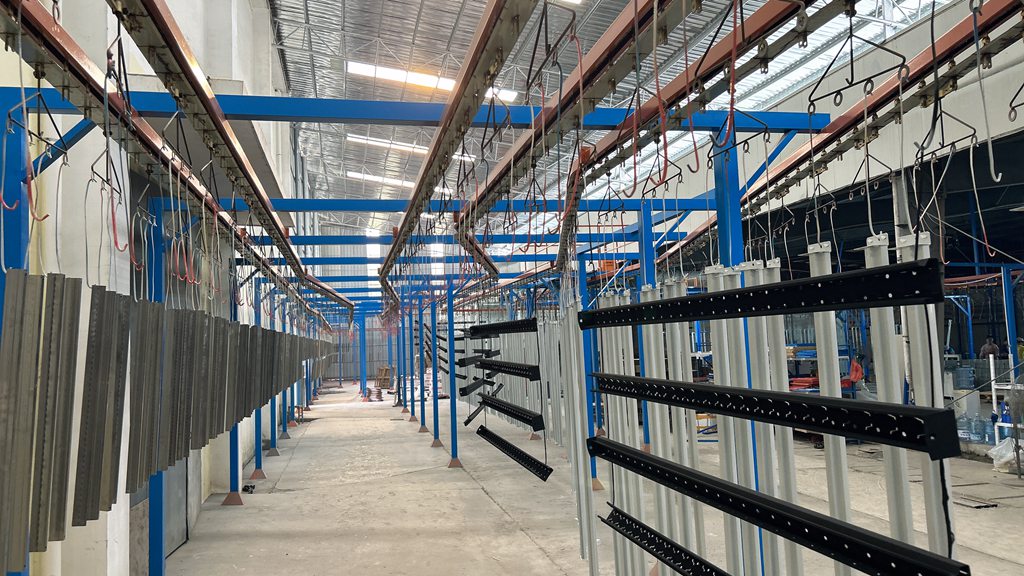
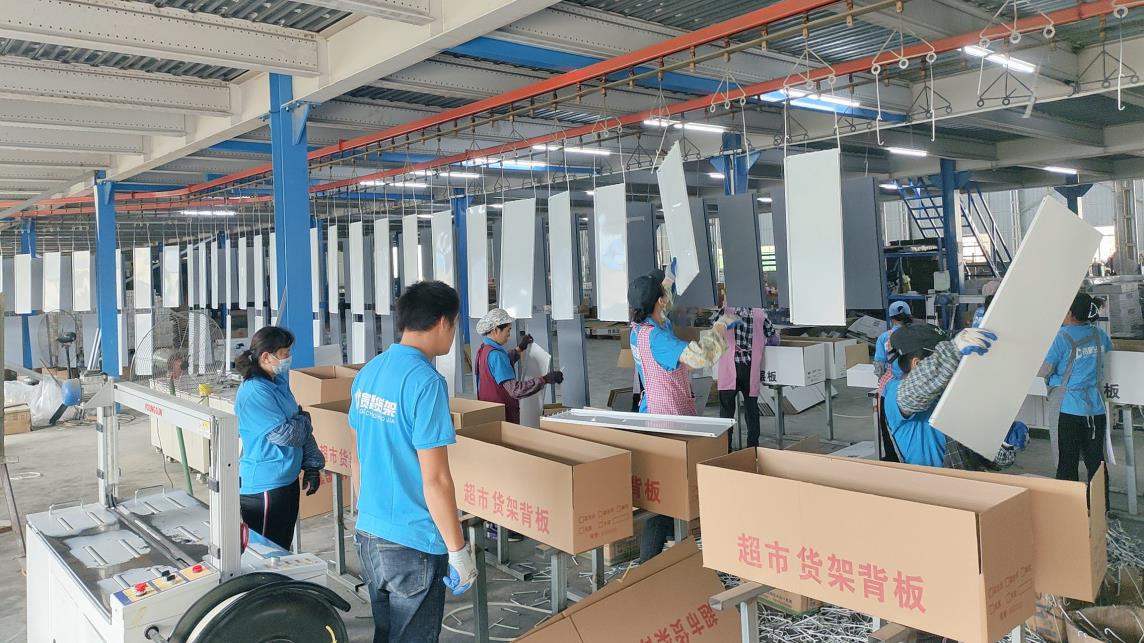
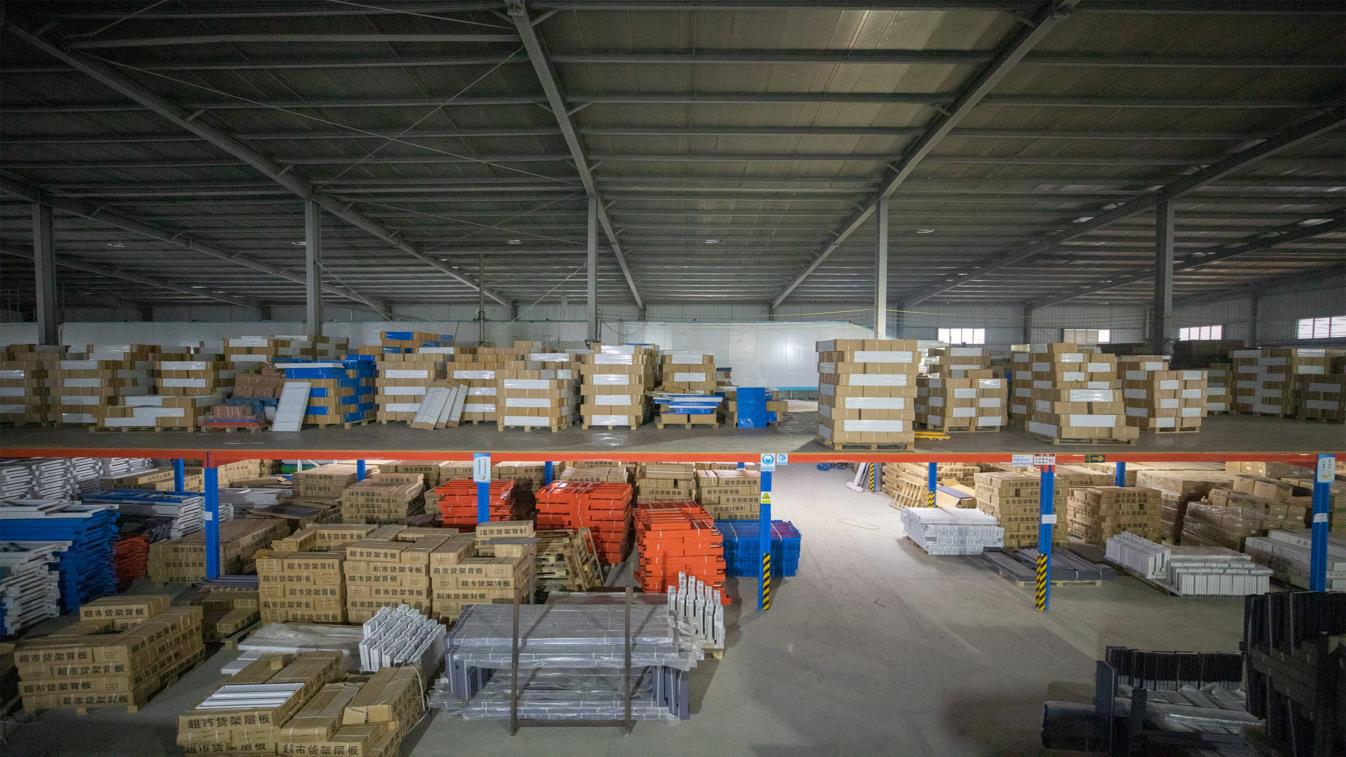
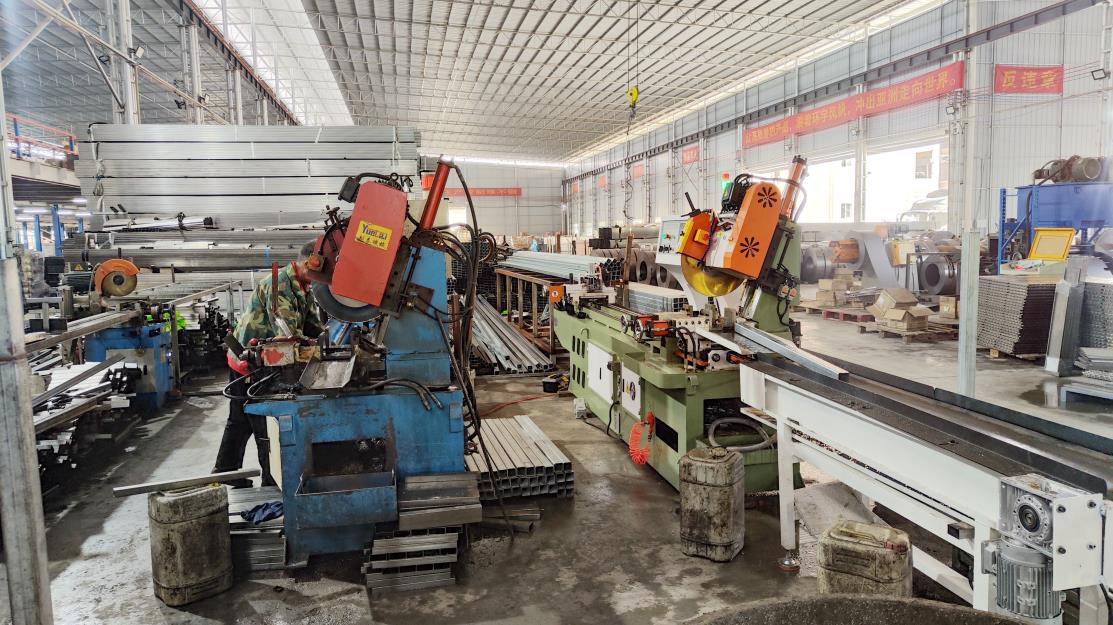
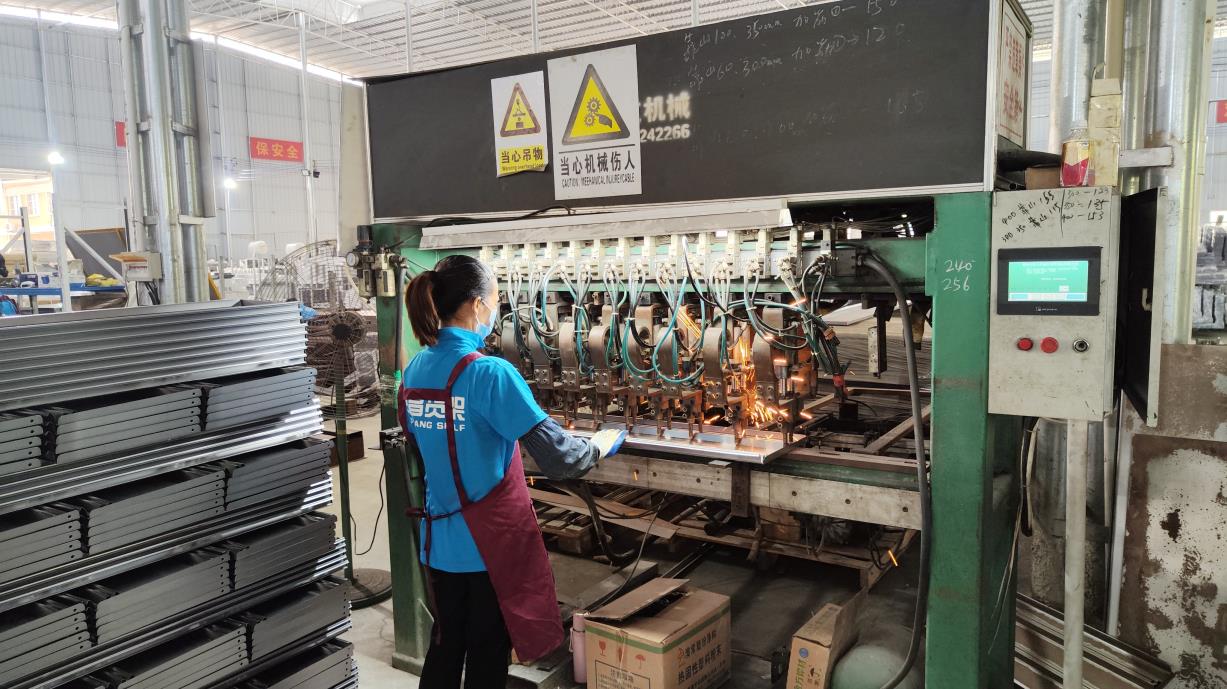
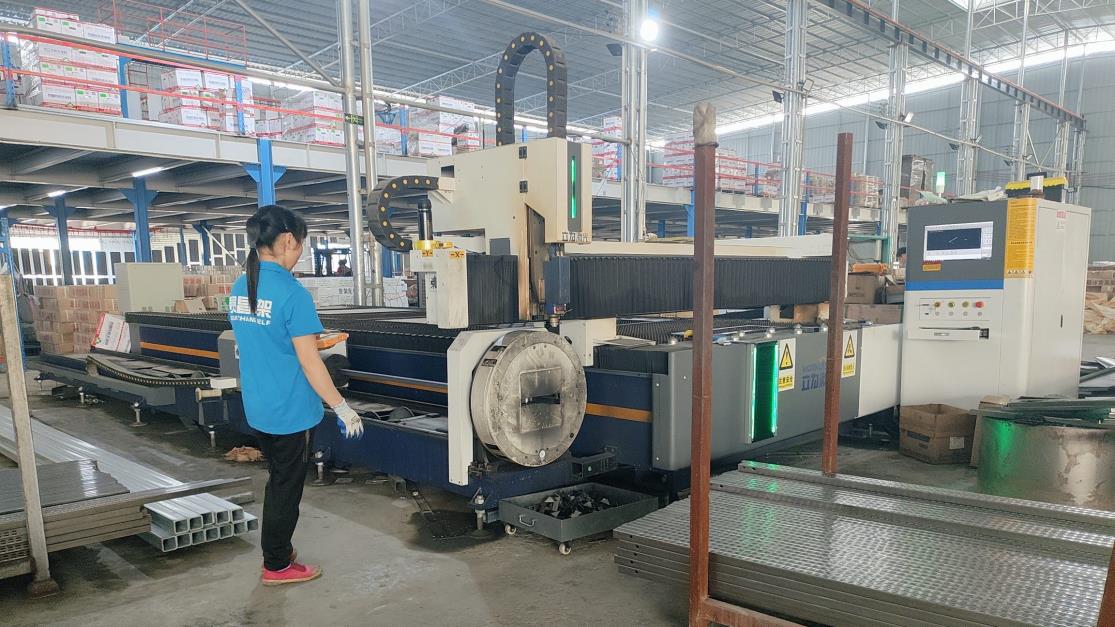
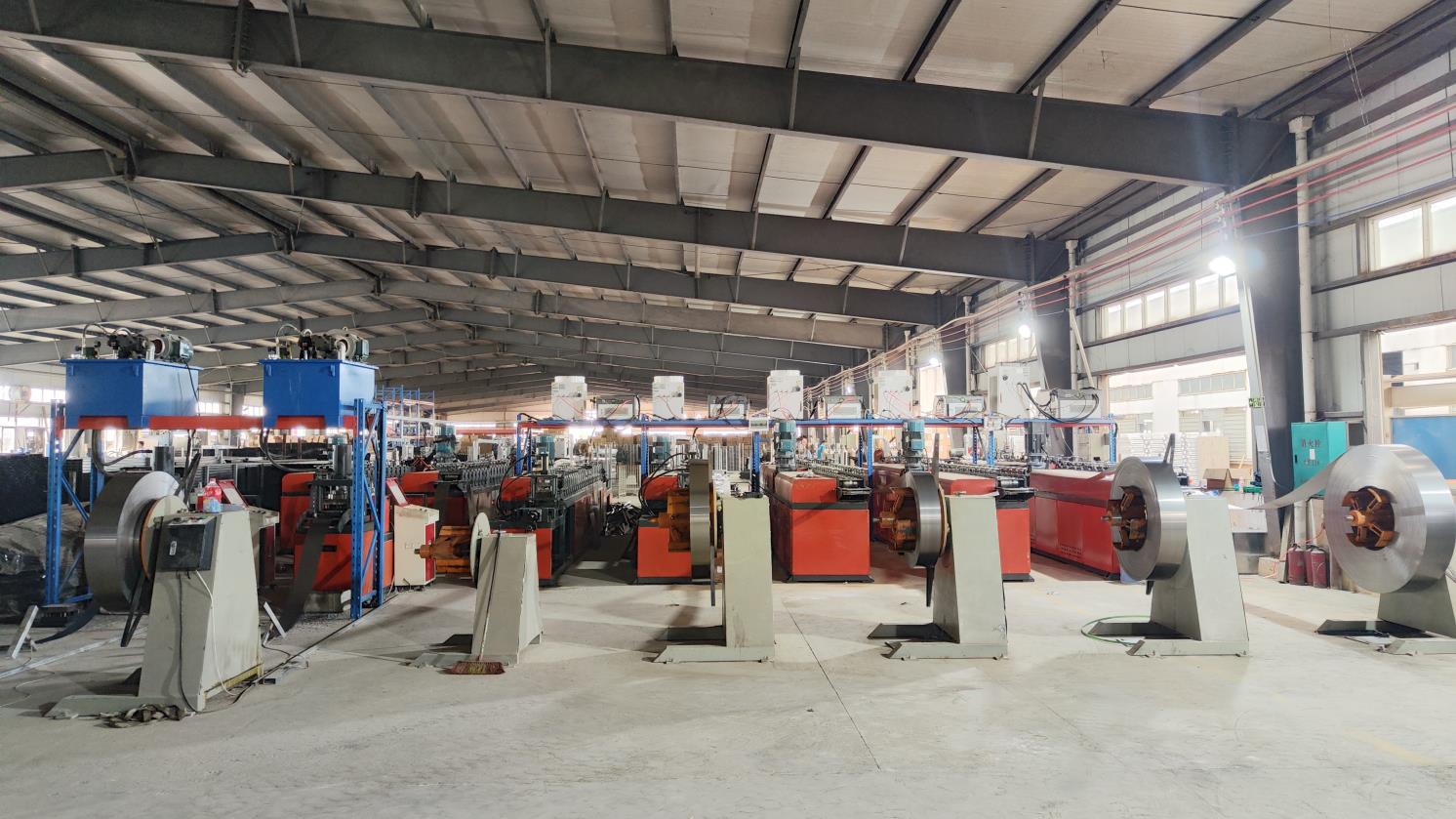
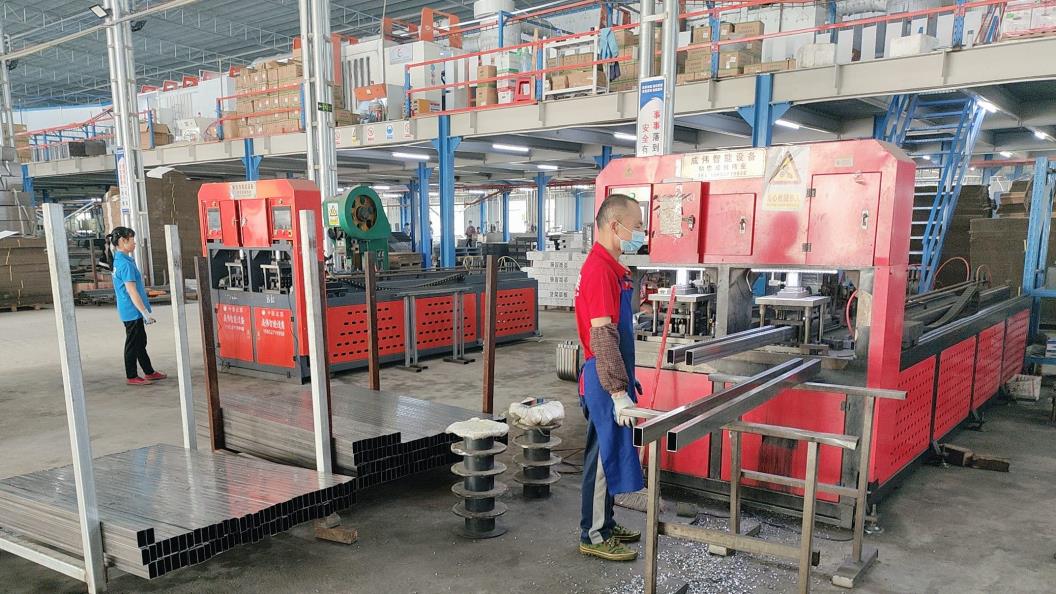
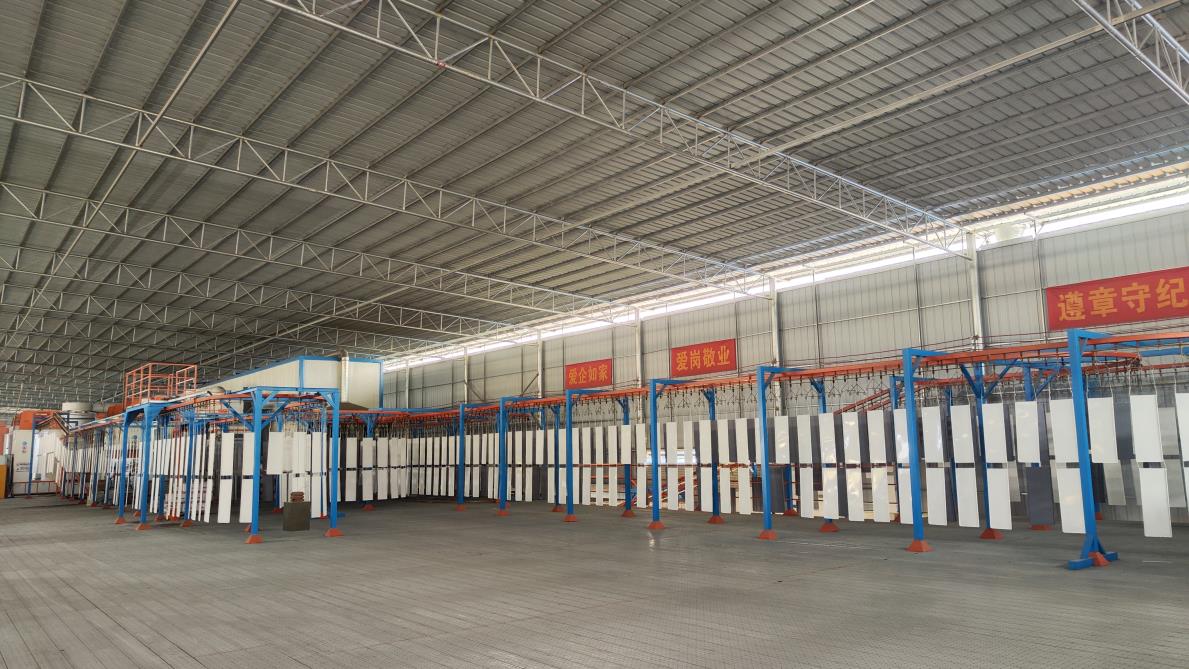
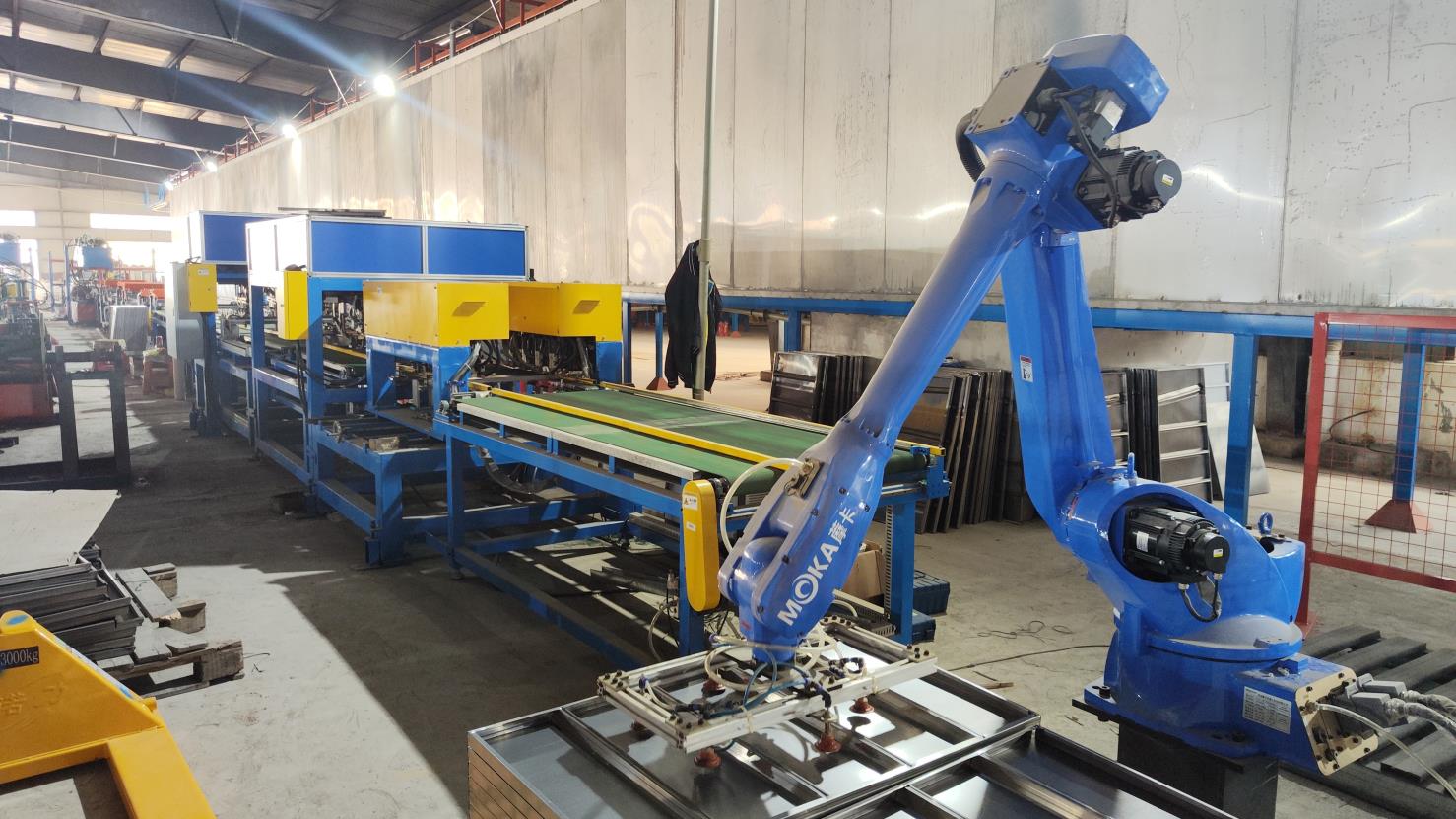
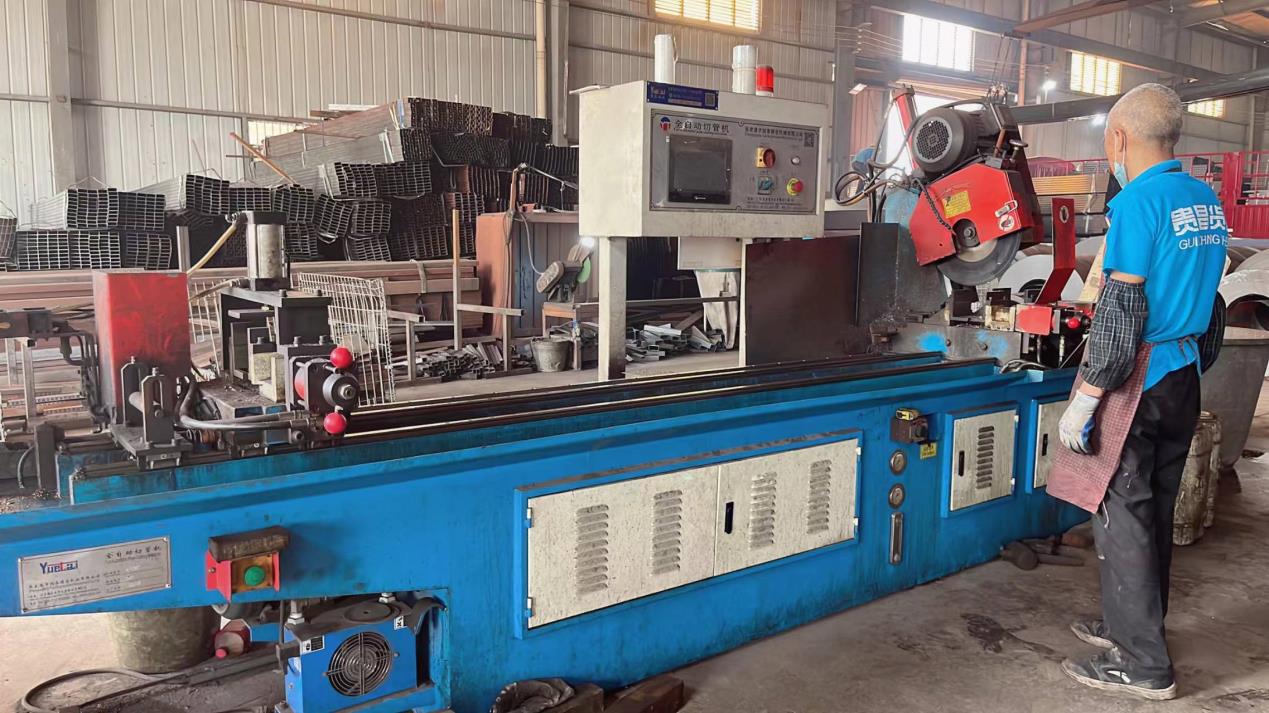
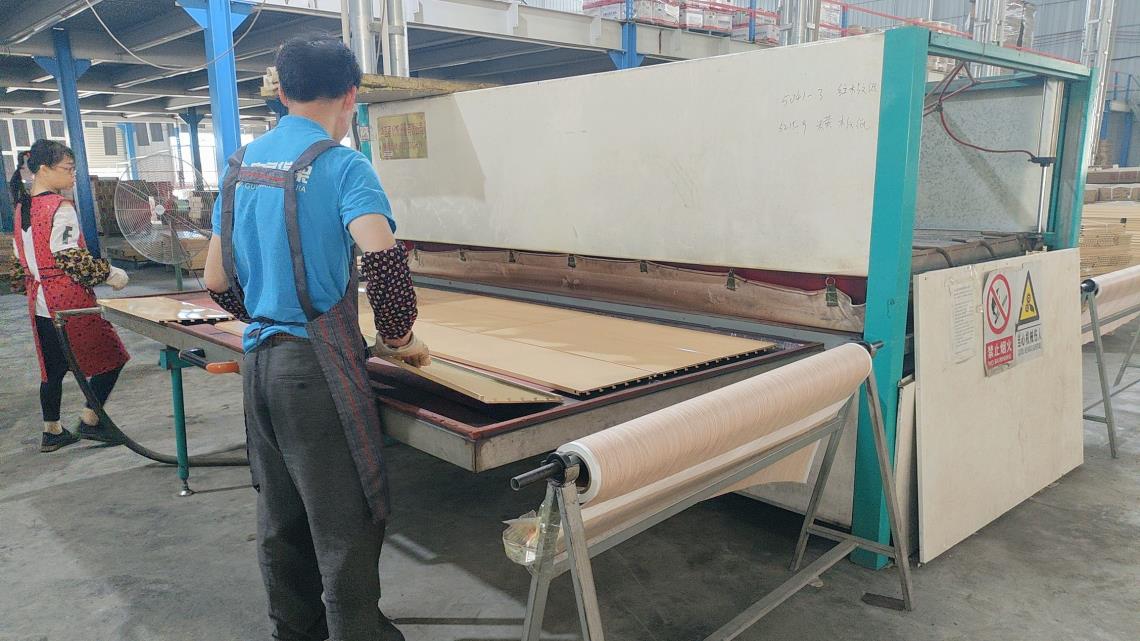
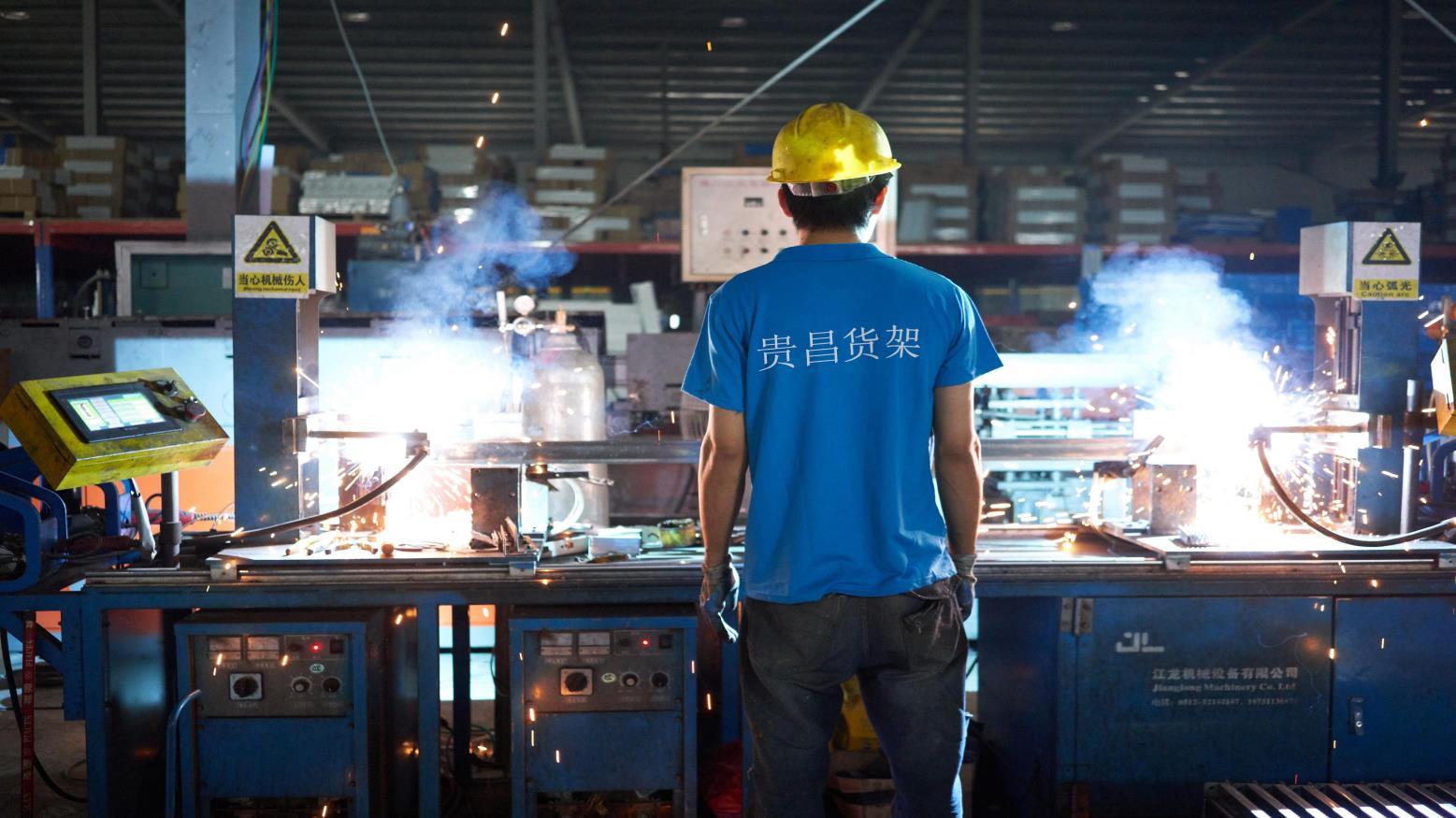
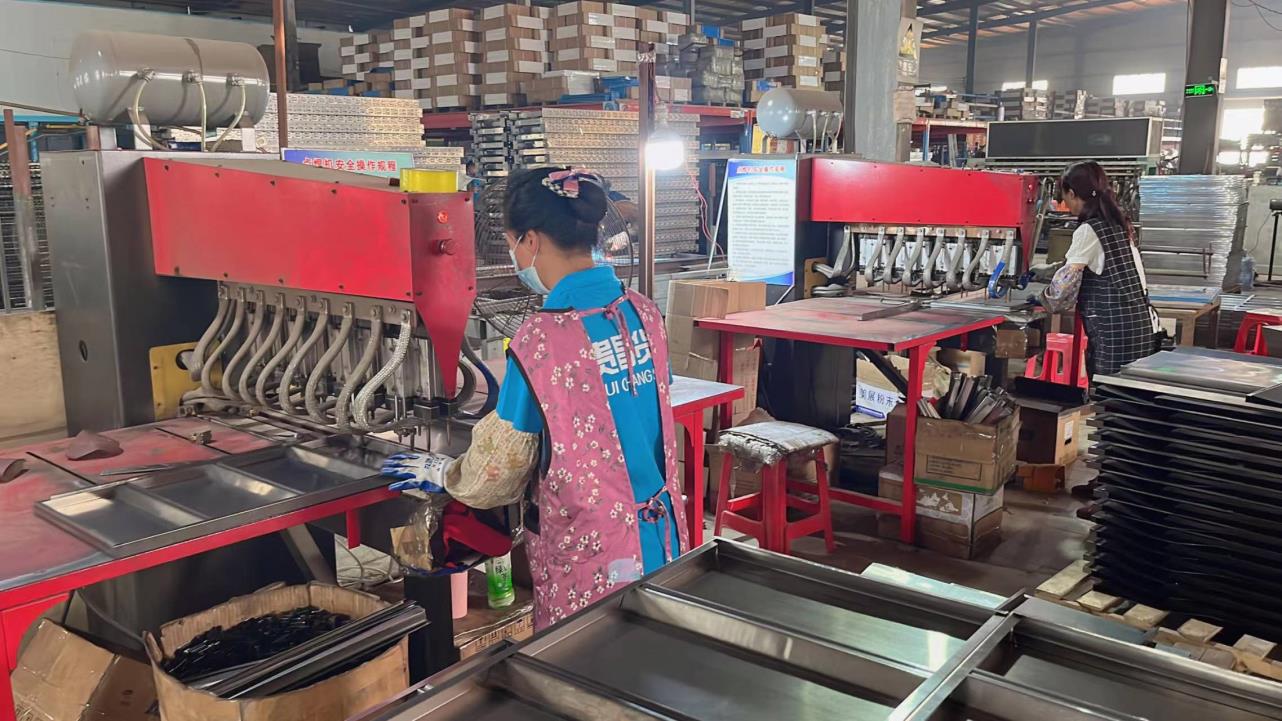
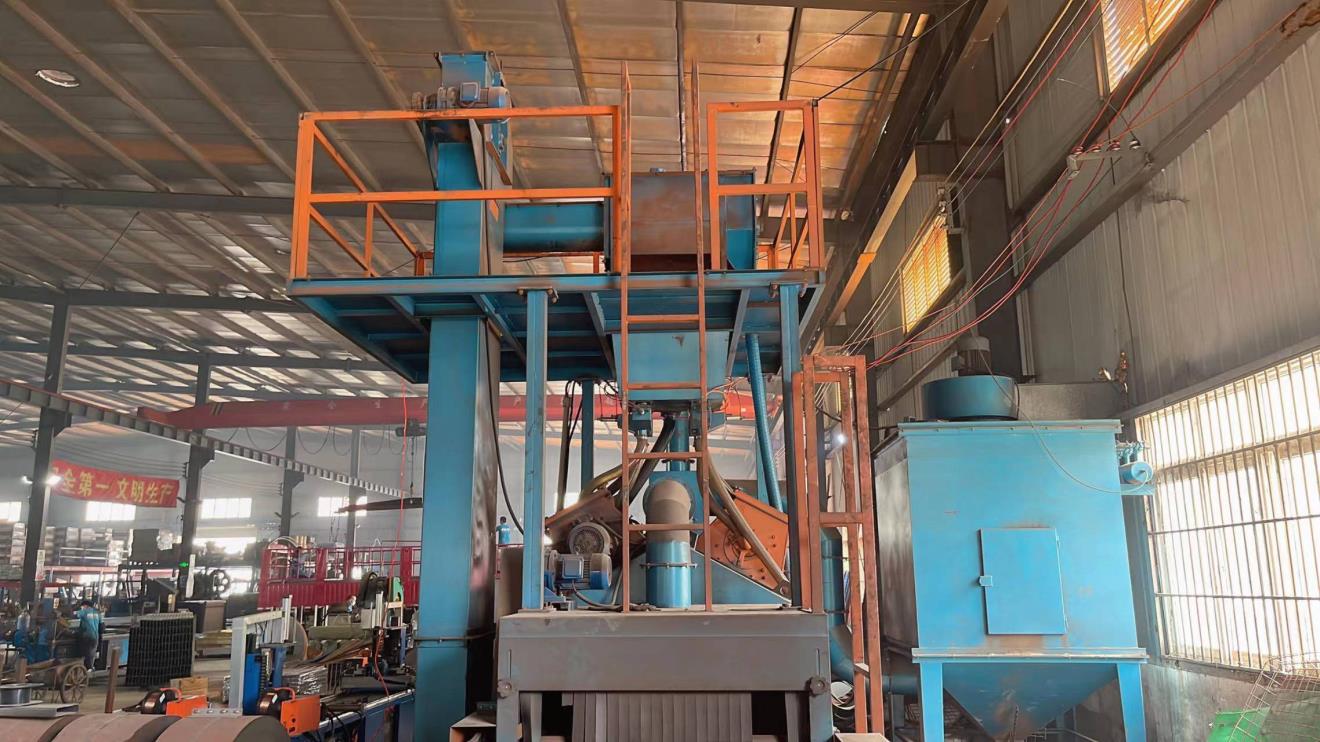
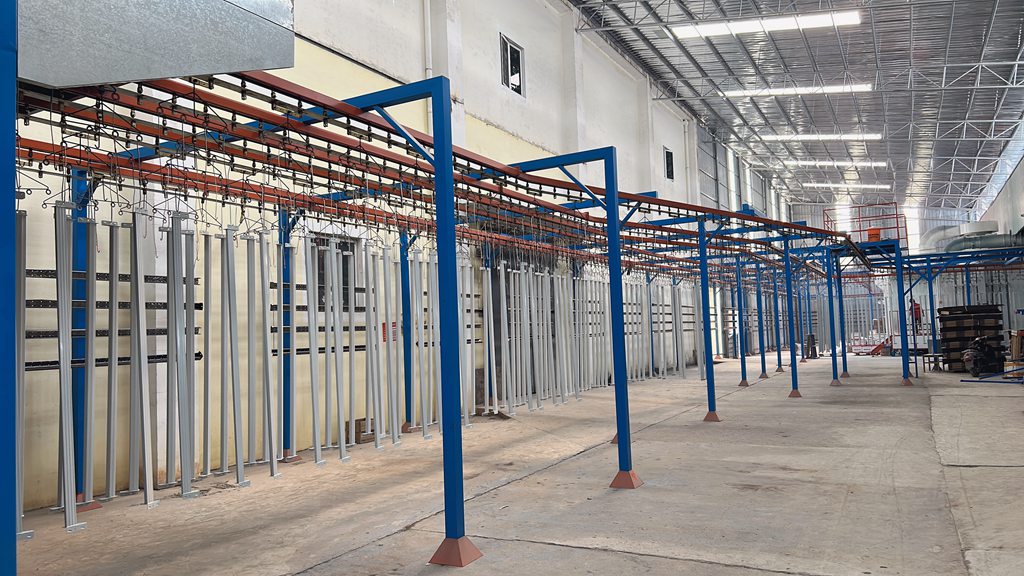
Located in Foshan, the metal fabrication hub of China, Guichang maintains a stable supply chain of raw materials and sub-components. Our facility uses automated laser tube cutters, robotic multi-spot welding cells, and an continuous powder coating line to provide reliable consistency, fast turnaround times, and competitive pricing for global projects.
Our quality management system is ISO9001 certified, backed by 28 QA/QC specialists conducting a four-stage verification protocol.
We conduct chemical composition analysis on incoming steel coils and tensile strength tests to ensure materials meet ASTM and EN standards before production begins.
Our teams perform online weld-seam ultrasonic flaw detection, dimensional validation of roll-formed profiles, and hole-alignment checks to ensure trouble-free field installation.
We run salt-spray corrosion tests to verify finish durability, along with digital cross-hatch adhesion and thickness checks to maintain coating integrity.
We perform 3D laser structural alignment checks and run 150% maximum load static tests to confirm structural calculations before shipping.
Installing industrial mezzanine platforms requires navigating complex local building permits, municipal codes, and seismic requirements. Foshan Guichang provides comprehensive support to ensure smooth project approval and implementation.
Our engineering department assists local designers by providing precise CAD layouts, loading data, and finite element calculations. We customize configurations to meet specific municipal requirements—such as regional egress stairs, fire-sprinkler pathways, and seismic base anchors—helping clients obtain engineering approval and building permits.
Answers to common questions regarding structural load capacities, international code compliance, and customization options.
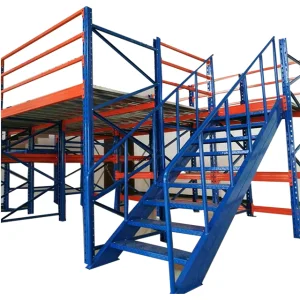
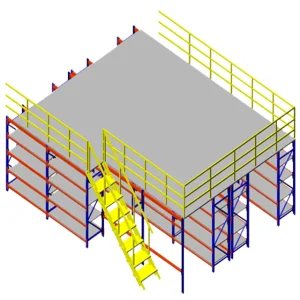
Structural steel platforms use wide-flange columns and I-beams to provide open floor areas below, making them ideal for manufacturing, offices, or bulk processing. Rack-supported mezzanines use standard pallet racking uprights as the structural support for the deck, offering an economical solution for warehouses combining pallet storage with upper-level manual picking.
Load capacities are calculated based on intended use. Light-duty manual picking platforms typically support 250–500 kg/m² (50–100 lbs/sq.ft), while heavy-duty industrial storage or AGV-sorting decks require 1000–1500 kg/m² (200–300 lbs/sq.ft) or more. Our engineers model these profiles using Finite Element Analysis (FEA) to verify yield strength and deflection parameters under the specified loads.
For standard storage warehouses, we apply an electrostatic powder coating (80-100 microns thick). For high-humidity or coastal installations, we use pre-galvanized steel sheets and hot-dip galvanized components, providing zinc-layer protection that prevents rust even if the surface is scratched during daily warehouse operations.
Our production facility operates under an ISO9001 certified quality management system. Our steel profiles and structural designs comply with major international specifications, including the RMI (Rack Manufacturers Institute) standards for North America, FEM 10.2.02 and Eurocode 3 for Europe, and AS4084-2012 for Australia and New Zealand.
Yes. Our mezzanine sub-beams and deck plates can be designed with integrated wire pathways, drop-down sprinkler notches, and ventilation holes. This allows mechanical and electrical systems to pass through the floor structure without compromising its integrity.
Once layout drawings are approved and structural calculations verified, standard manufacturing takes 25 to 30 days. Shipping from our Foshan factory to major international ports takes 15 to 40 days, depending on the destination. Components are flat-packed with assembly layouts to streamline on-site installation.
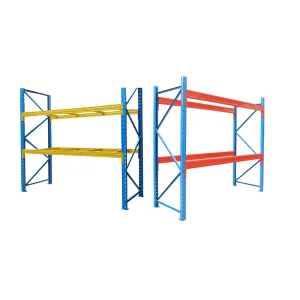
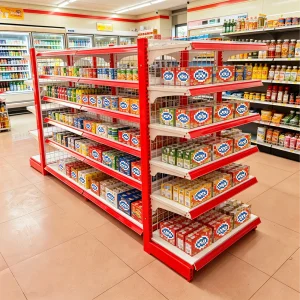
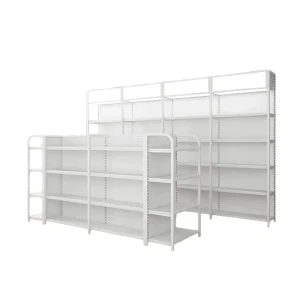
Complete your facility setup with heavy-duty pallet racks, retail display fixtures, and integrated material handling equipment.
 Guichang Rack