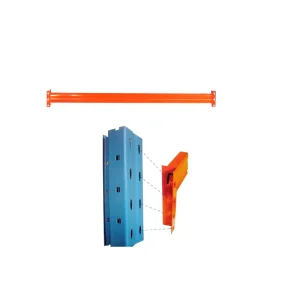
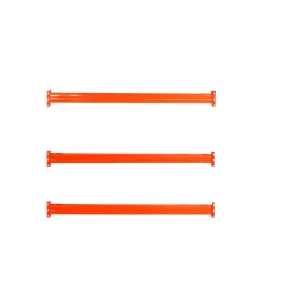
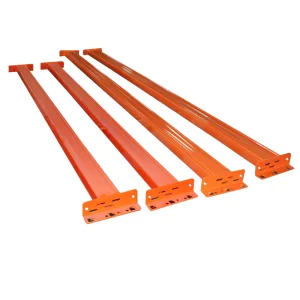
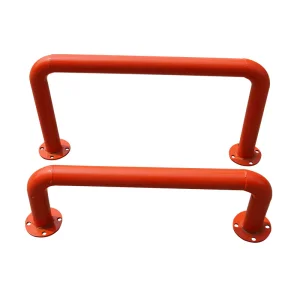
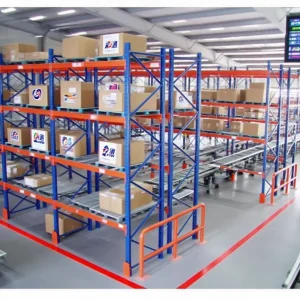
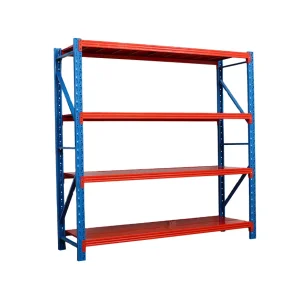
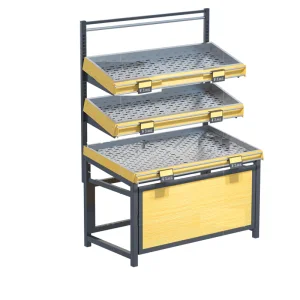
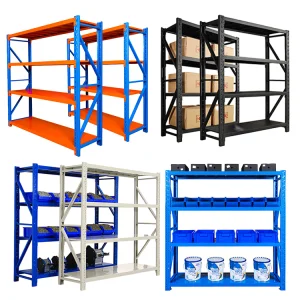
Foshan Guichang manufactures heavy-duty accessories tailored to high-density operations in Bhiwandi, Taloja, and Navi Mumbai, designed to resist monsoonal humidity and seismic requirements.
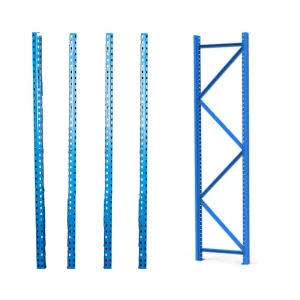
Founded in 2014, Foshan Guichang Shelves Manufacturing Co., Ltd. is a leading manufacturer specializing in industrial warehouse storage systems, heavy-duty pallet racking, and custom shelving solutions. Backed by 12 years of deep industry experience and 8 years of international export expertise, we serve global logistics hubs, e-commerce fulfillment centers, third-party logistics (3PL) providers, and industrial equipment distributors across North America, Europe, Southeast Asia, and the Middle East.
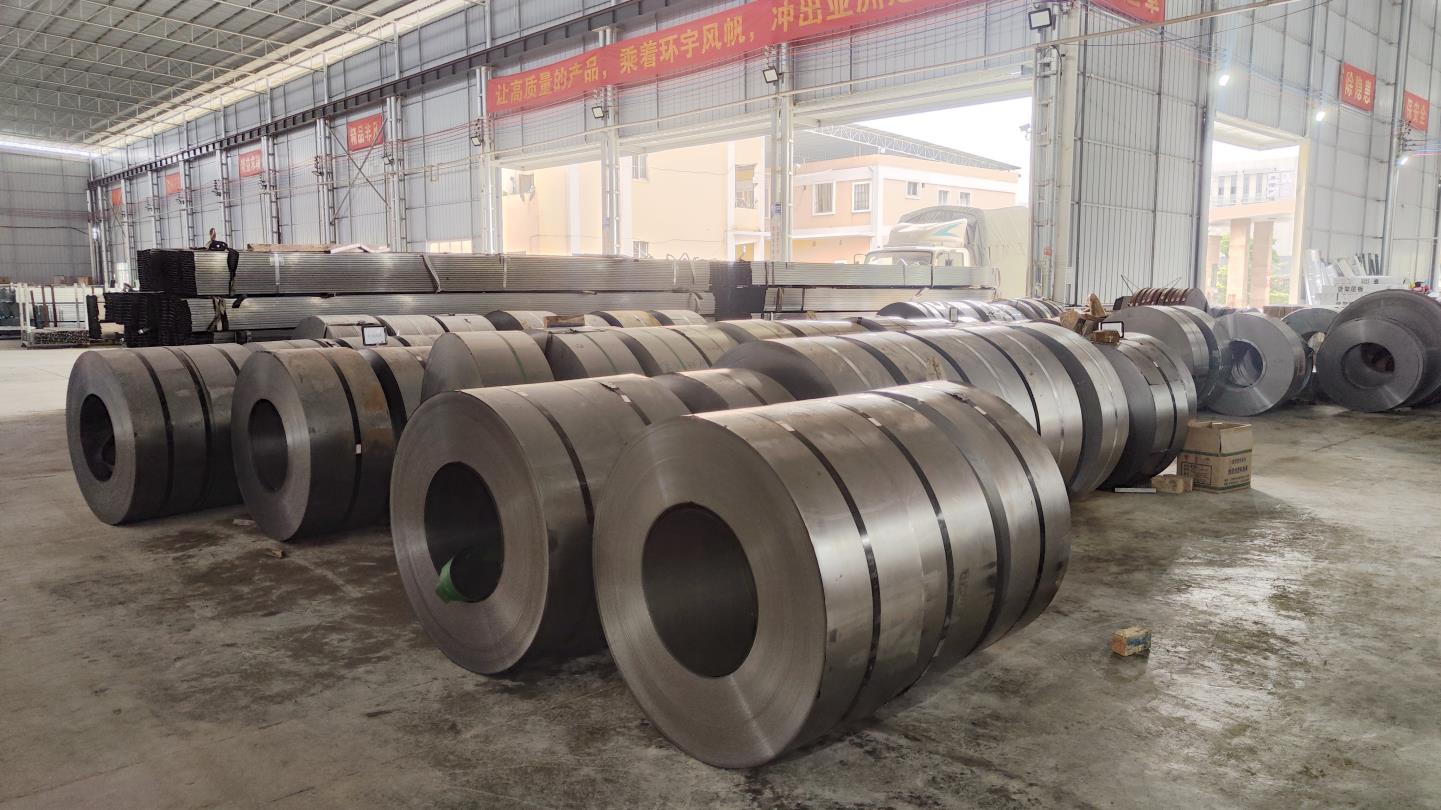
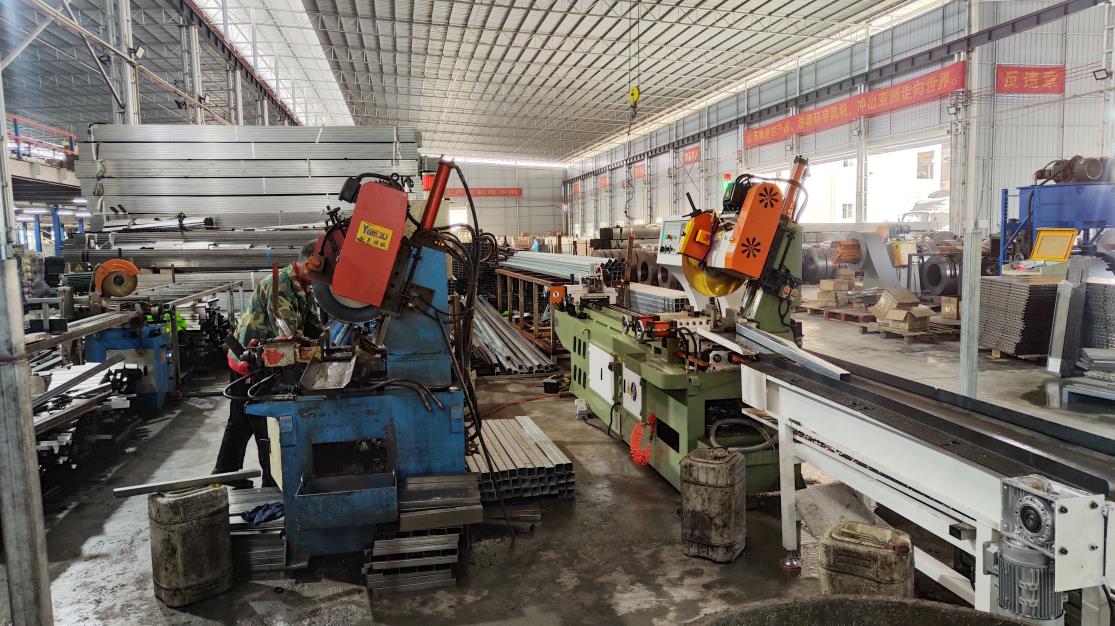
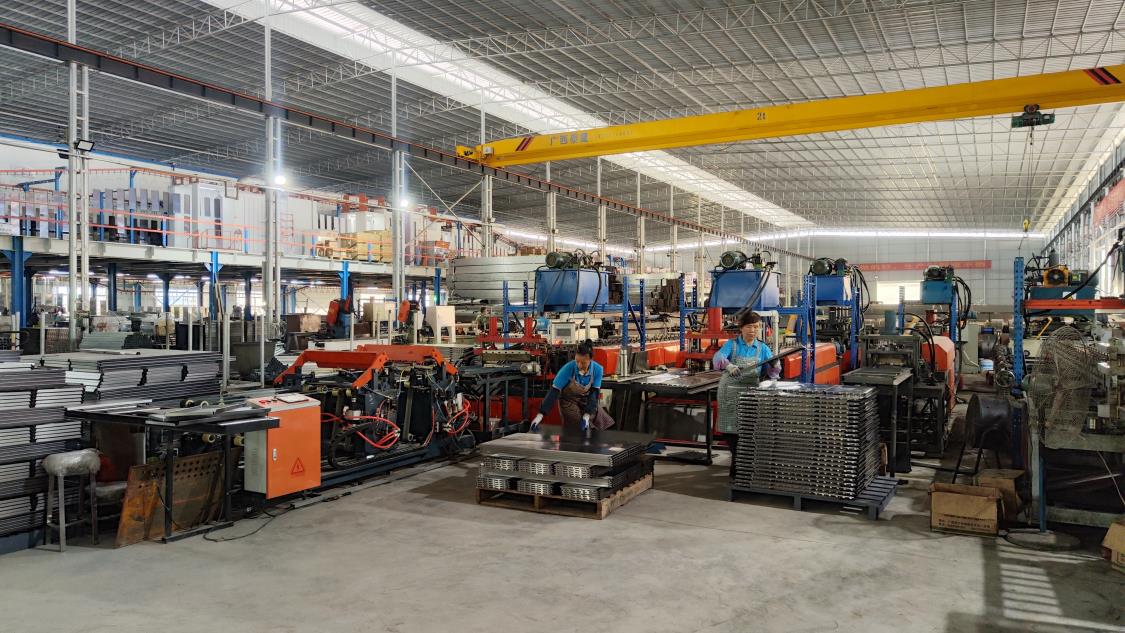
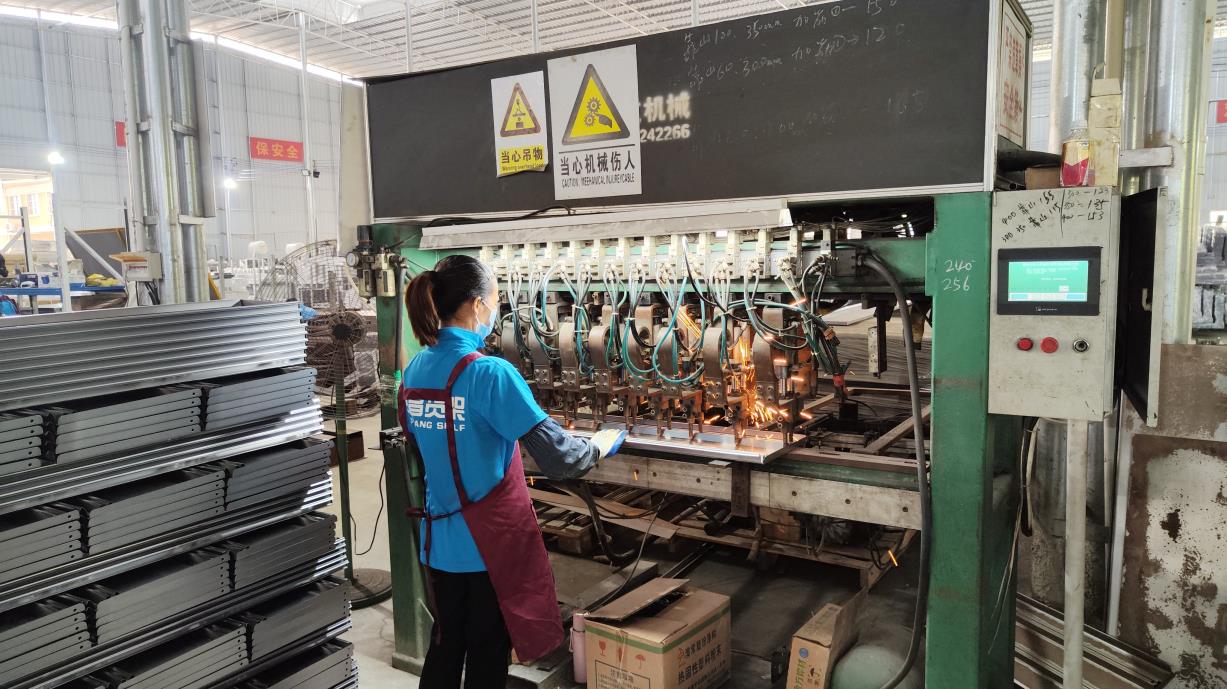
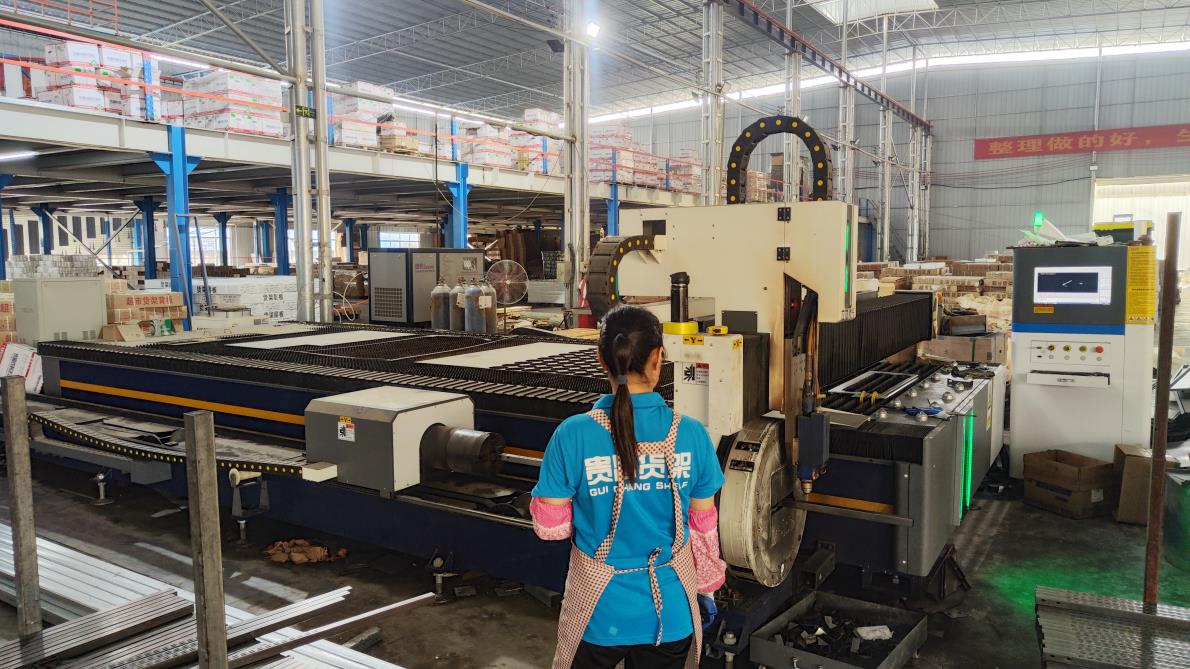
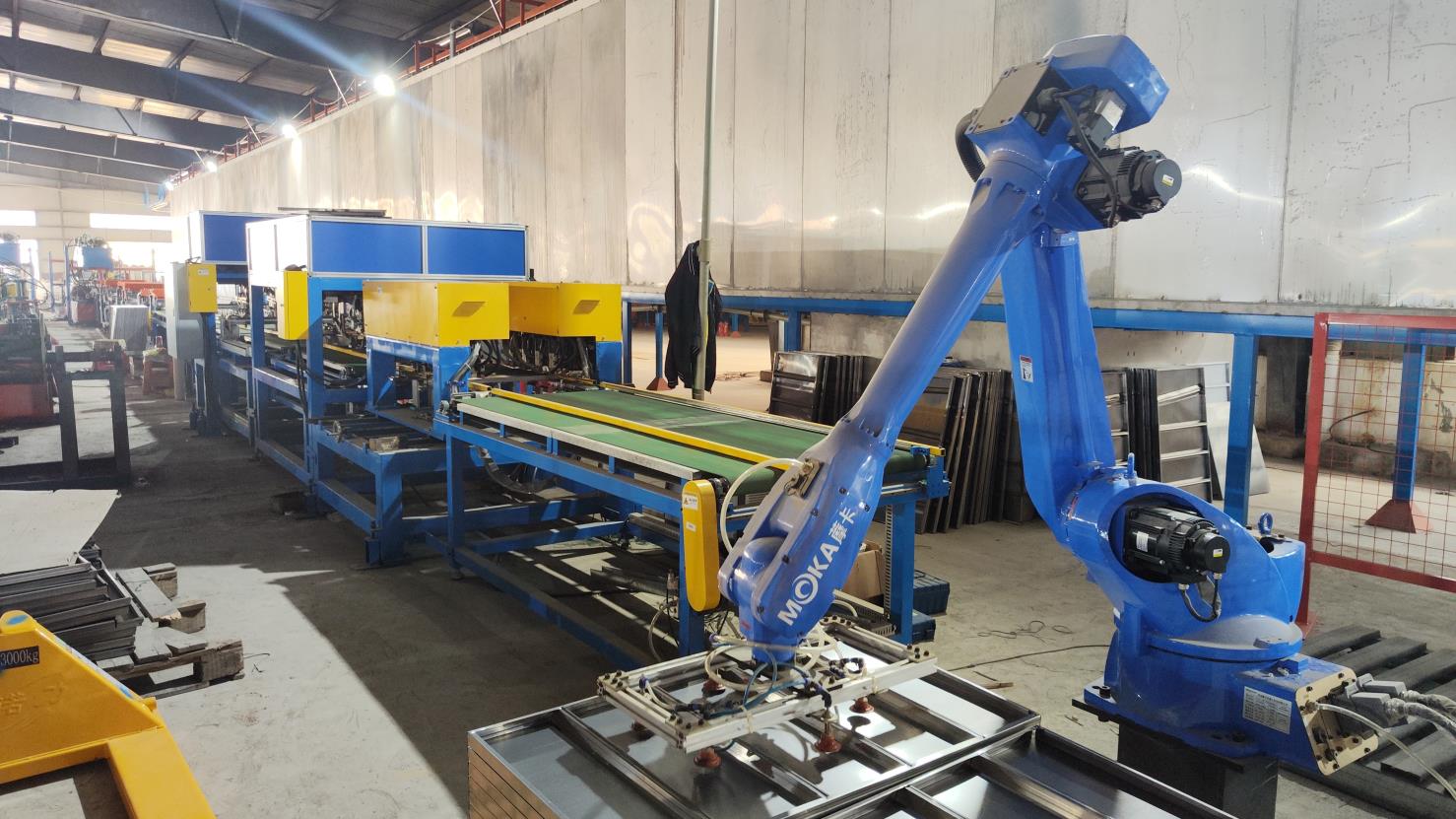
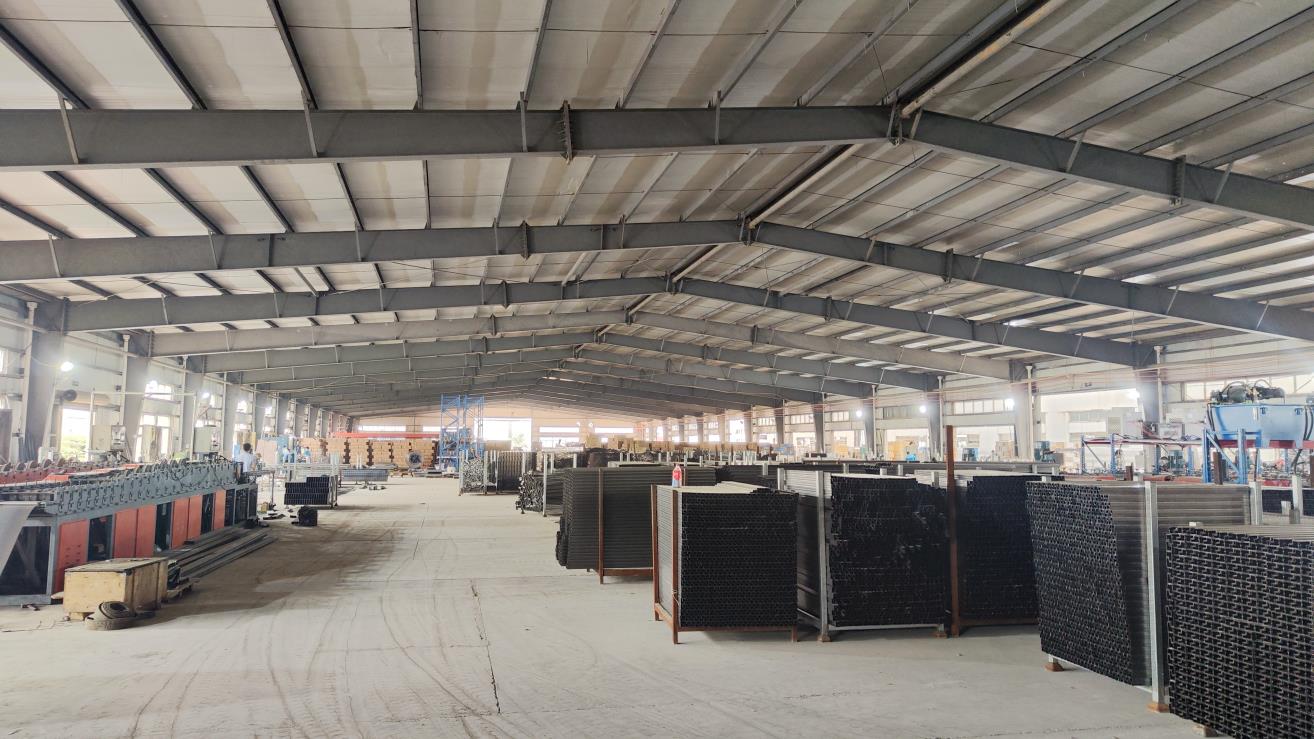
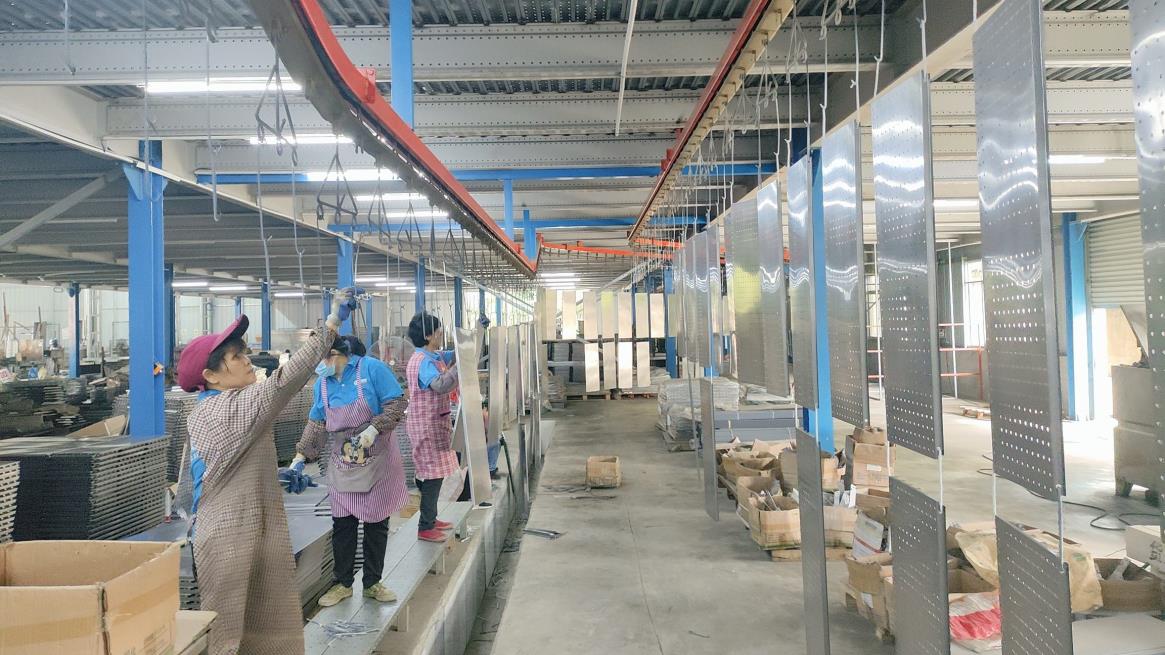
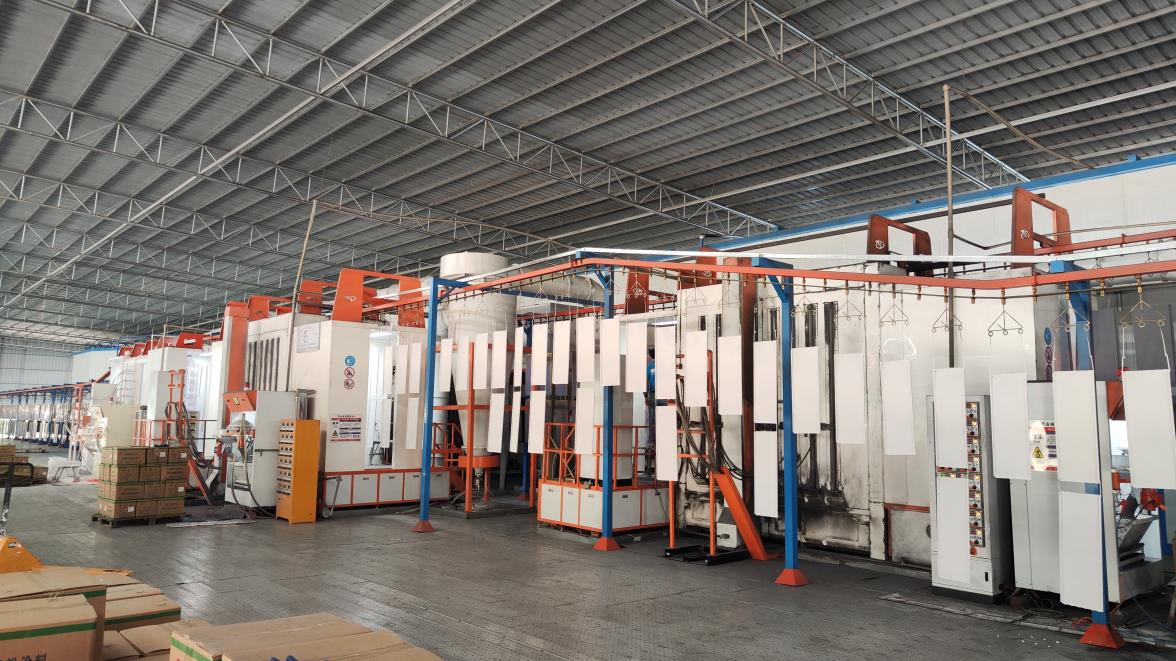
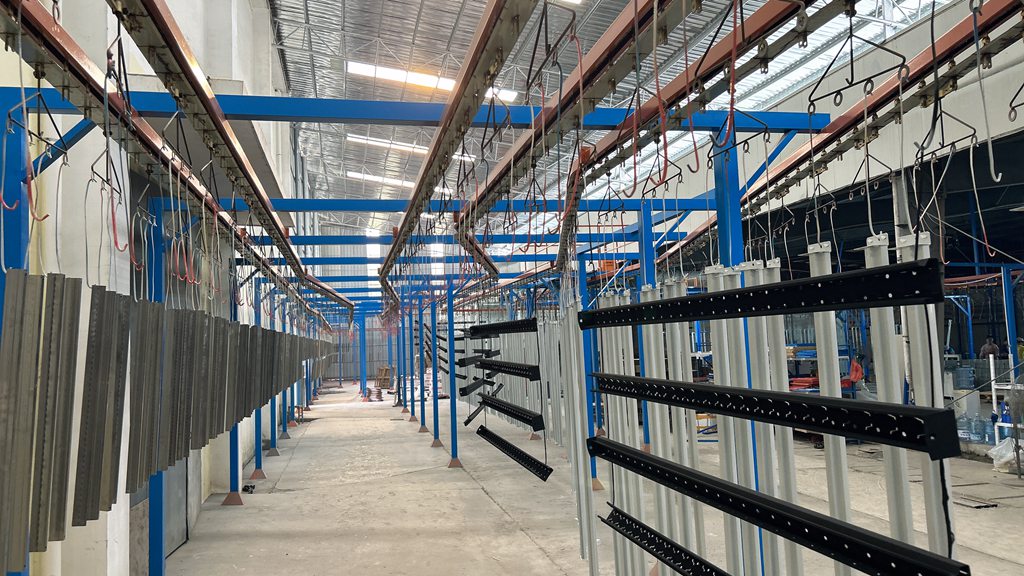
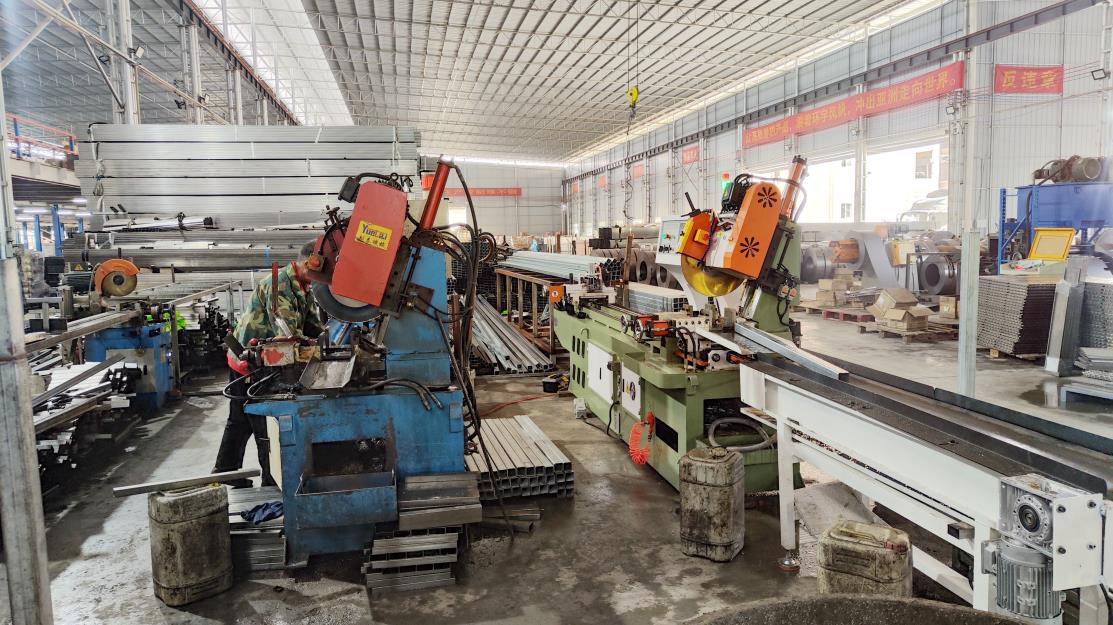
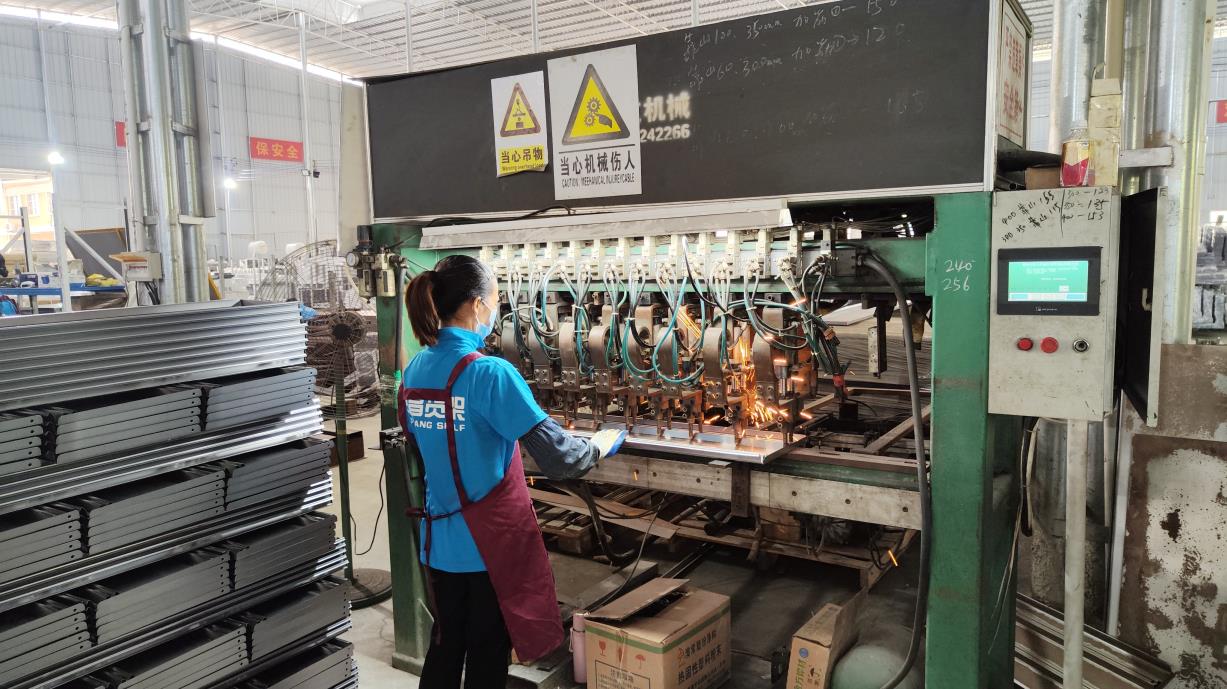
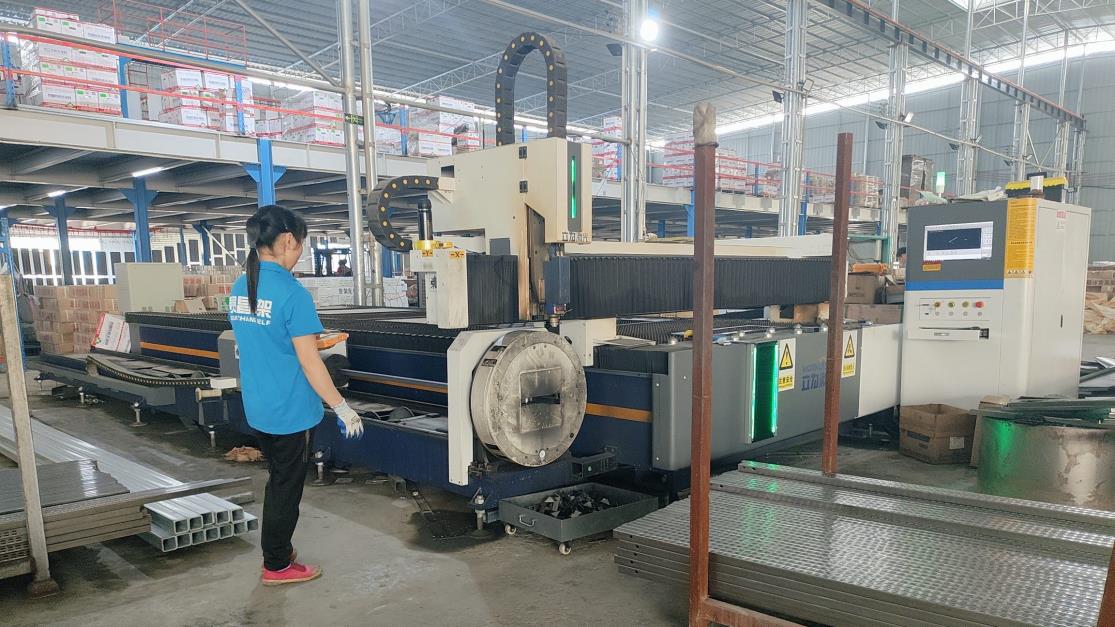
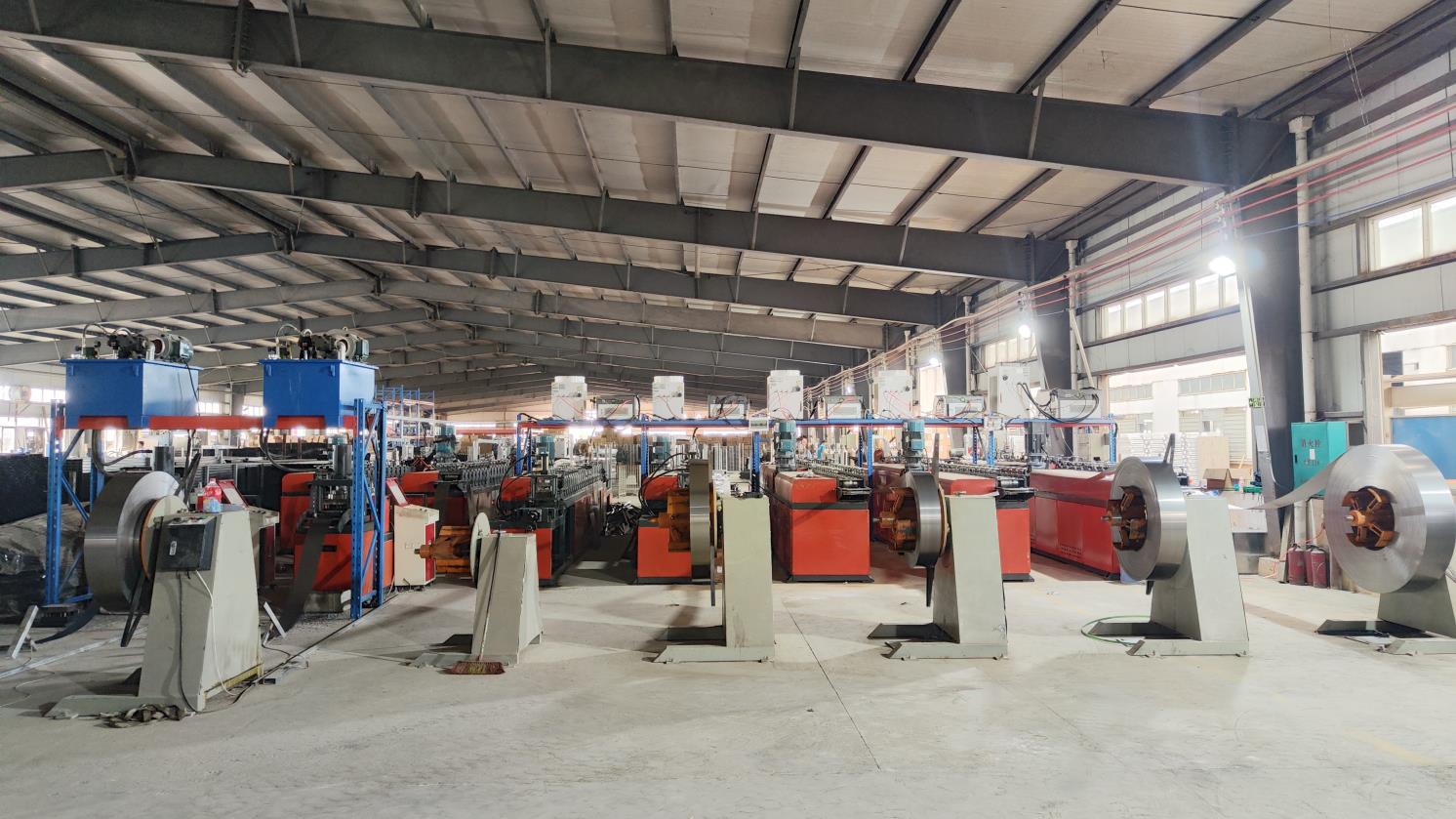
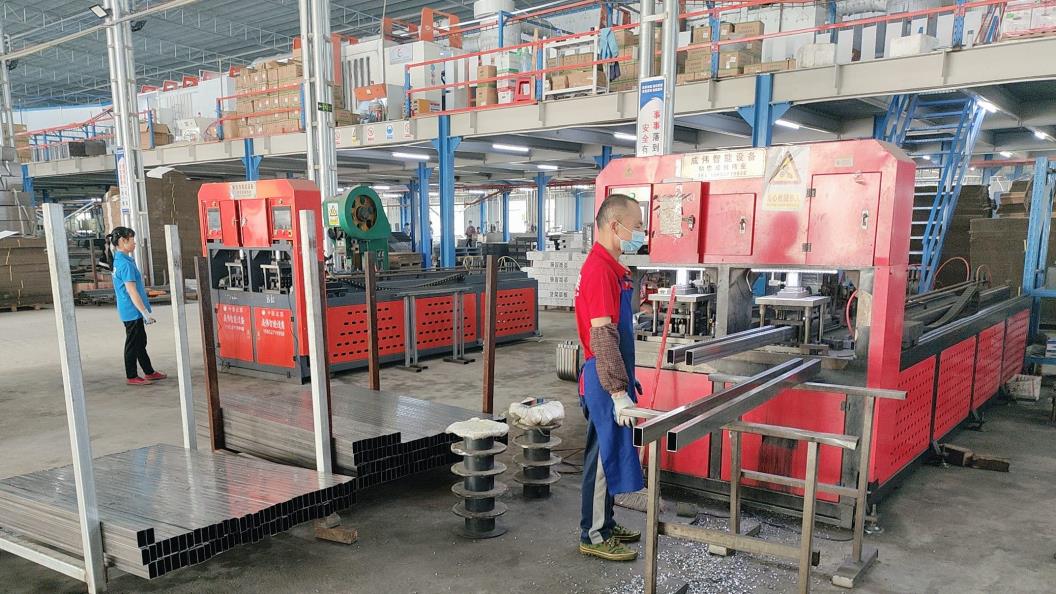
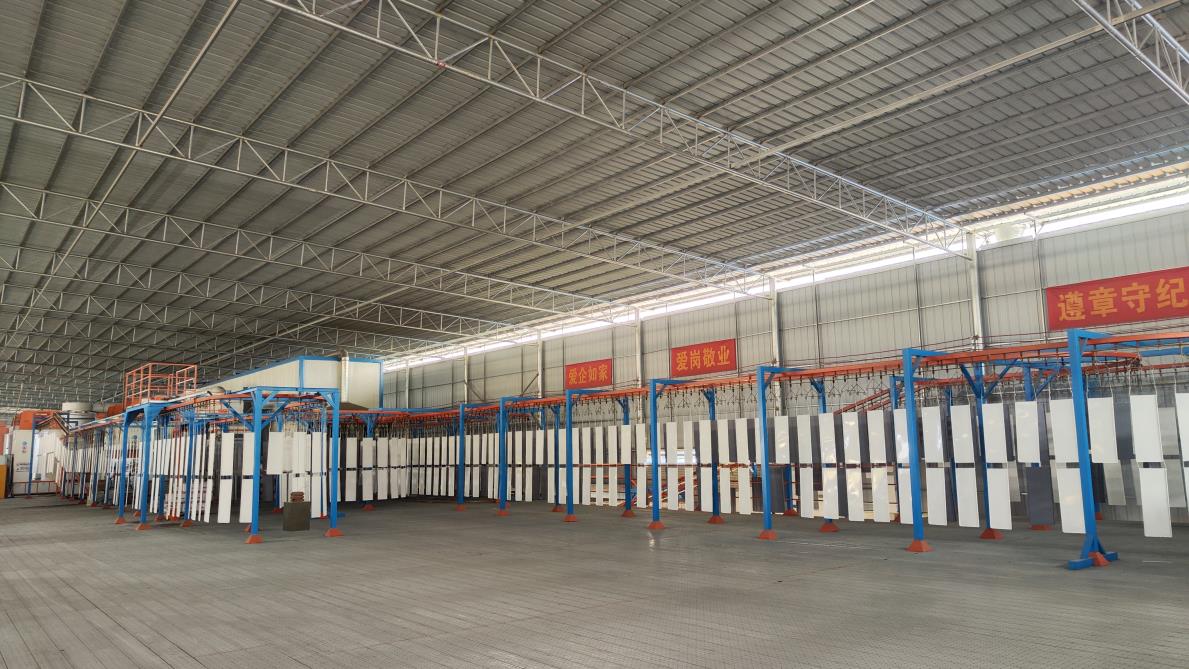
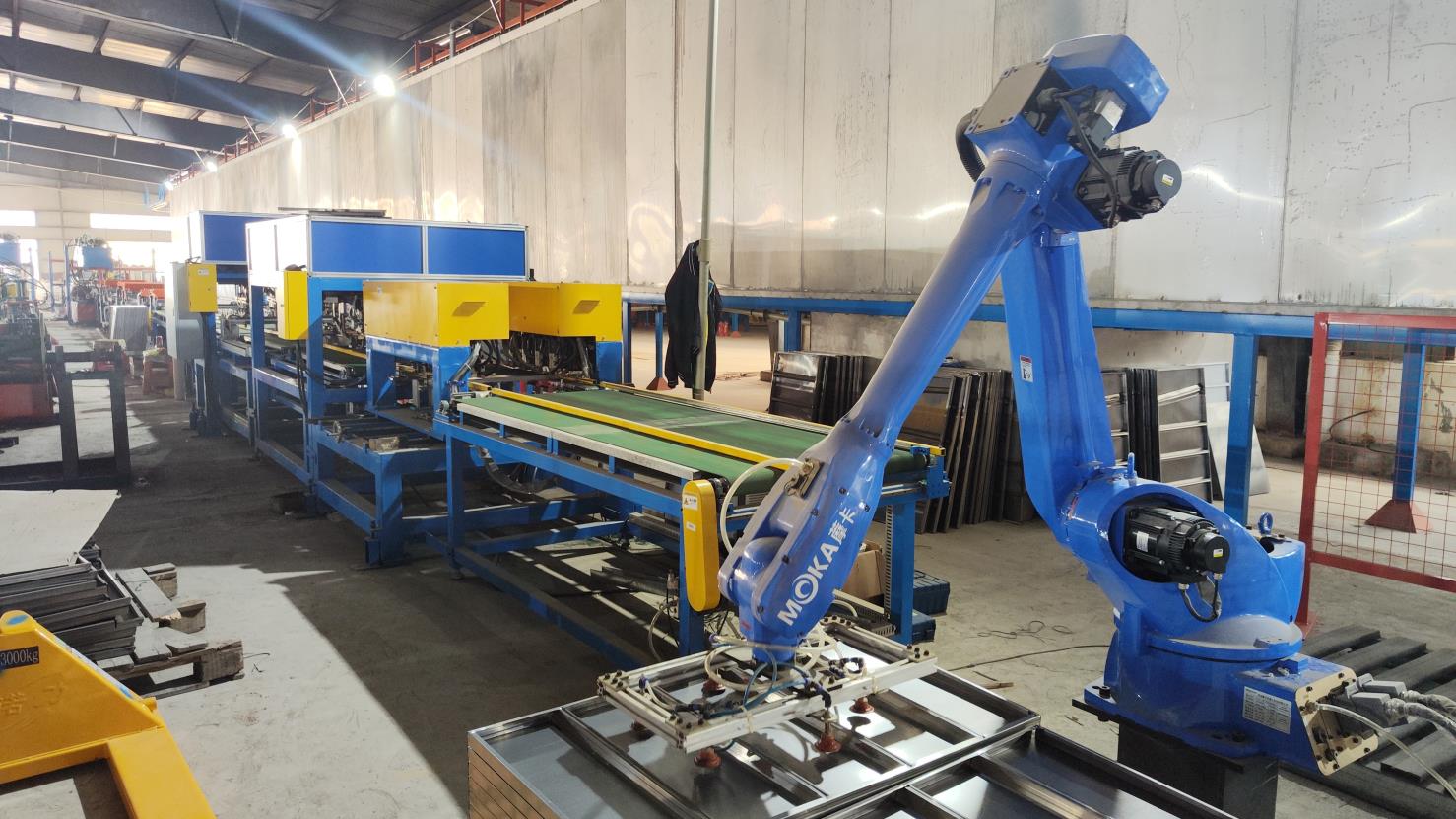
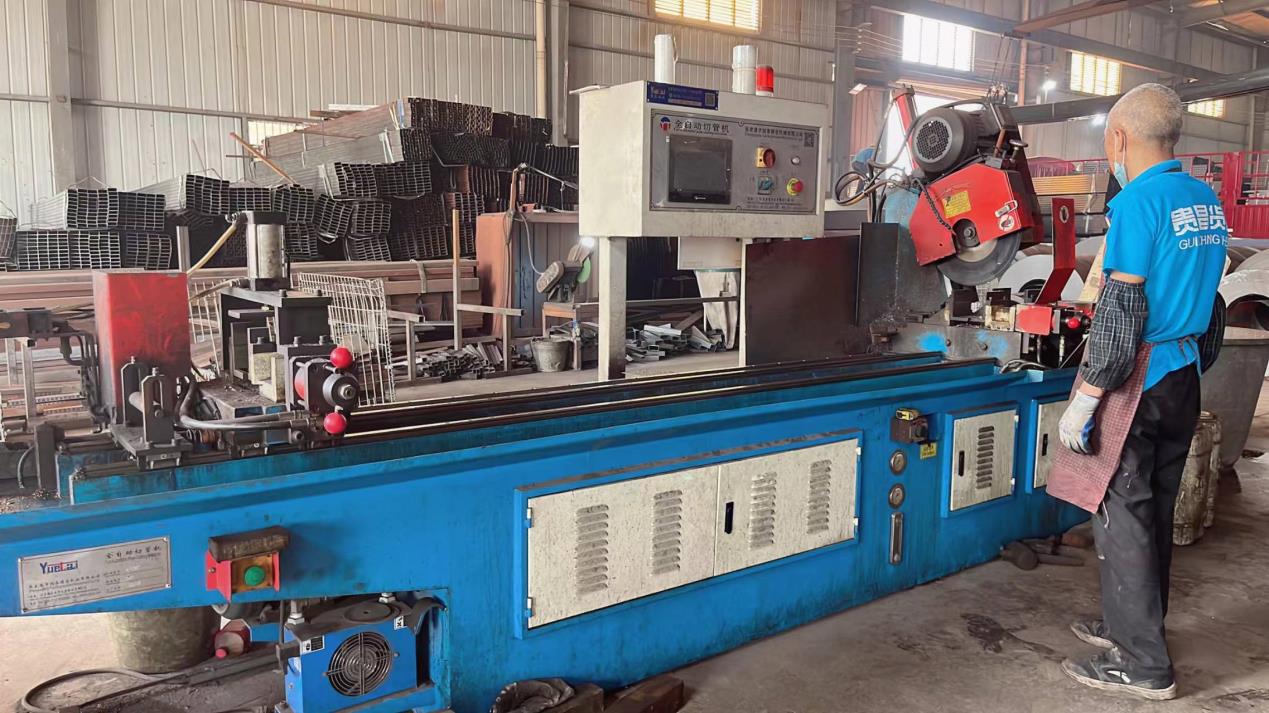
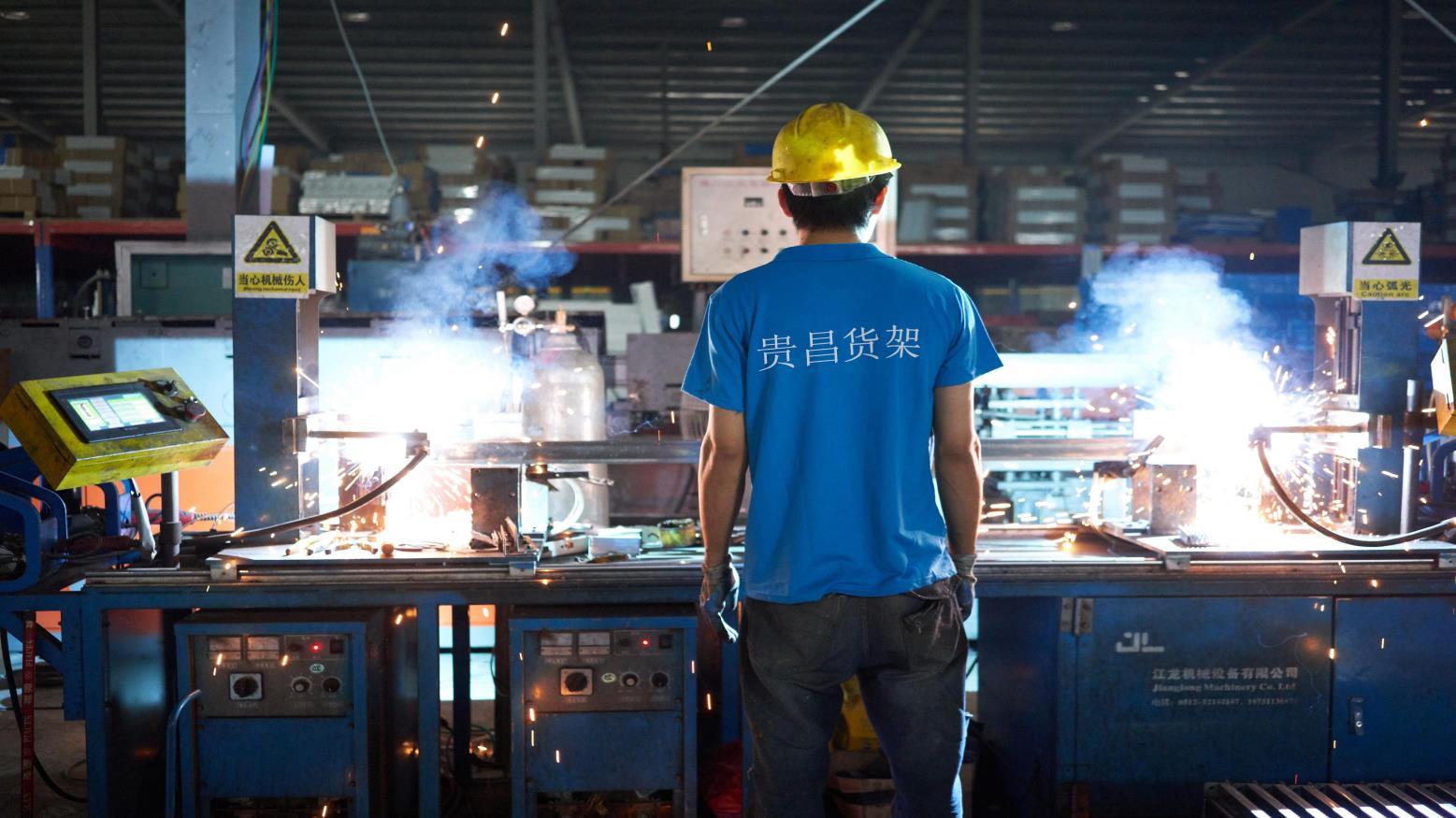
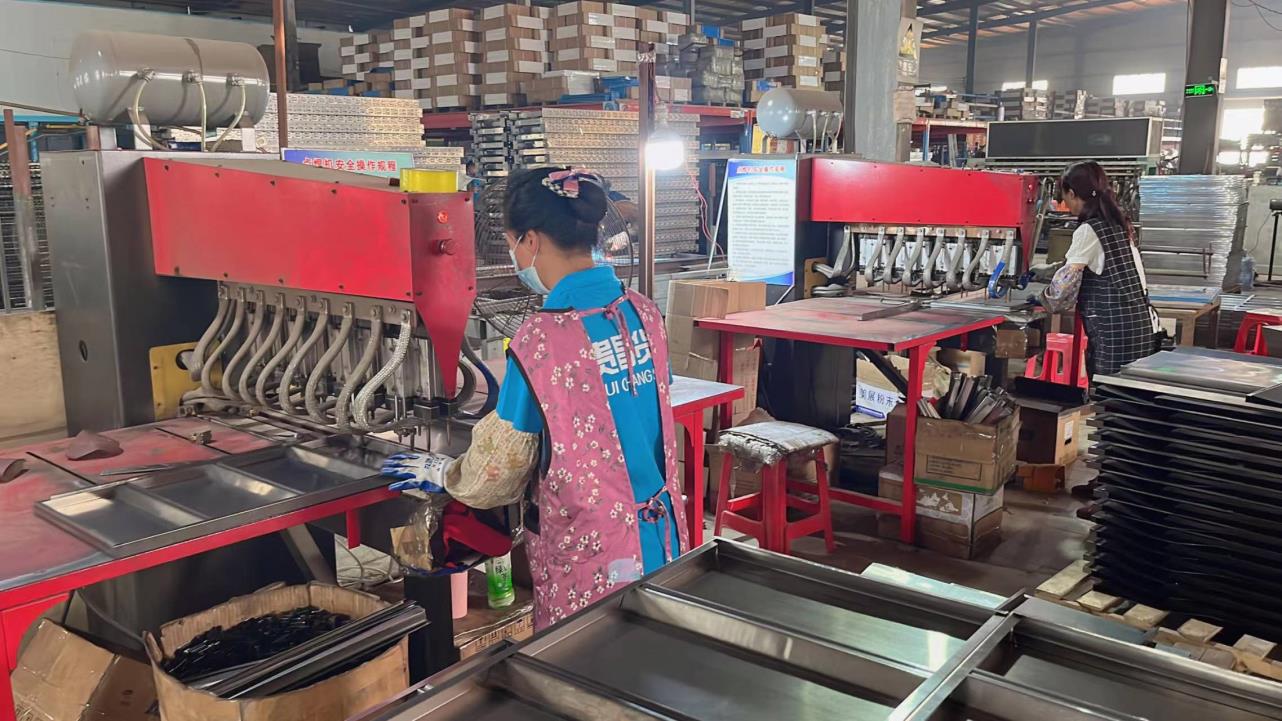
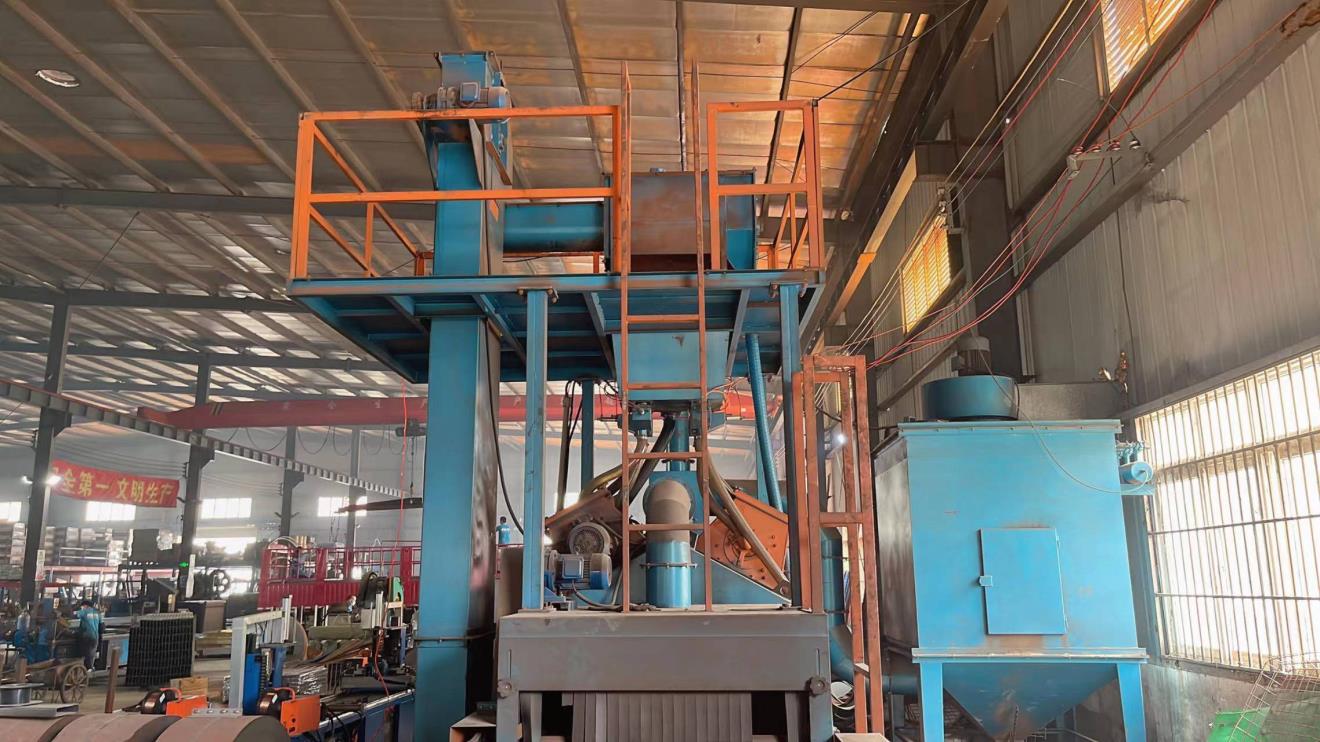
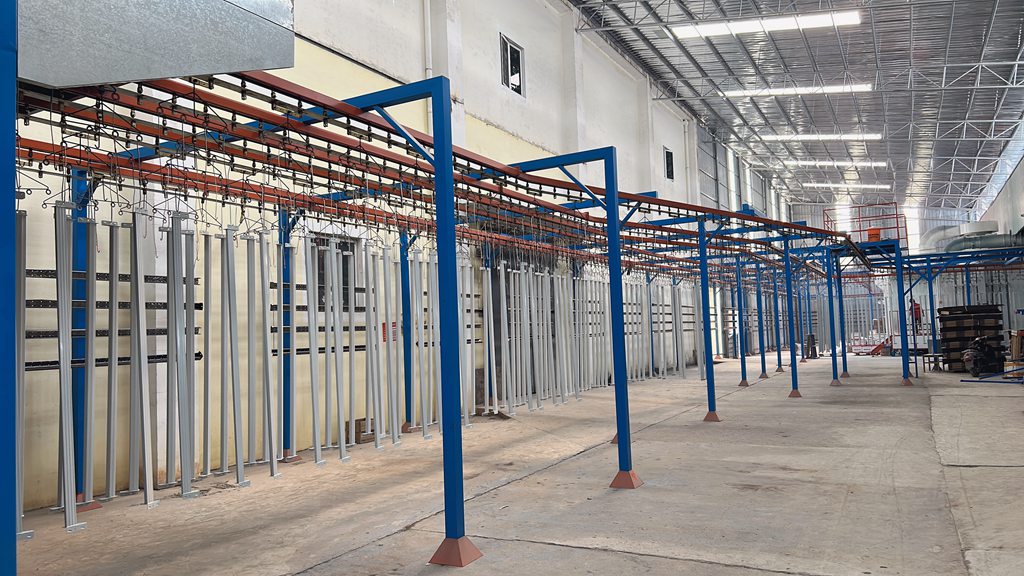
Operating out of a modern manufacturing facility covering 38,000 square meters, our direct factory infrastructure generates over $25 million USD in annual export revenue. Supported by a robust network of over 850 supply chain partners, we maintain full operational control over raw material sourcing, automated roll-forming, robot welding, and powder coating processes.
Mumbai and its surrounding metropolitan region function as the primary commercial and logistical gateway for Western India. Anchored by the Jawaharlal Nehru Port Trust (JNPT)—which processes more than half of India's containerized maritime cargo—the demand for high-performance warehousing has increased rapidly. Industrial zones such as Bhiwandi, Kalamboli, Taloja, and the Navi Mumbai logistics corridor are scaling their capacities to keep pace with modern supply chain workflows.
However, operating in Mumbai presents unique structural and environmental challenges. Racking and storage accessories must satisfy rigorous standards to remain durable under regional conditions:
Mumbai's long monsoon seasons subject structural steel to persistent high humidity. Our accessories undergo specialized powder coating and salt-spray testing up to 500 hours to ensure structural integrity and prevent rust.
Mumbai falls under Seismic Zone III. Structural uprights, baseplates, and row spacers must be engineered using Finite Element Analysis (FEA) to handle lateral ground acceleration and prevent system collapse.
High real estate valuations drive warehouses to expand vertically up to 15 meters. This requires heavy-duty uprights with high structural thickness and adjustable beams to maximize cubic storage volume.
Global material handling is shifting toward automation, robotic integration (AMRs and AS/RS), and sustainable sourcing. Real-time fulfillment requires structural racking components with tight dimensional tolerances (often within 1.0mm variance limits). Modern storage facilities require modular systems that allow quick modifications as SKU profiles change. High-yield carbon steels and anti-corrosive powder finishes ensure operations run smoothly and meet global environmental standards.
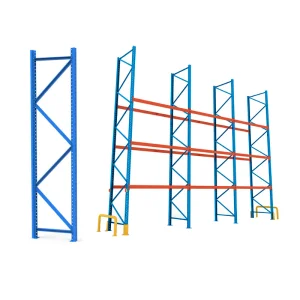
Foshan Guichang uses high-tensile carbon steel (Q235B and Q355B, equivalent to European S235JR and S355JR standards) to provide excellent load performance. The table below lists standard engineering specifications for our heavy-duty industrial warehouse systems:
| Racking Component | Material Grade | Standard Profile Thickness | Surface Treatment Process | Standard Certification |
|---|---|---|---|---|
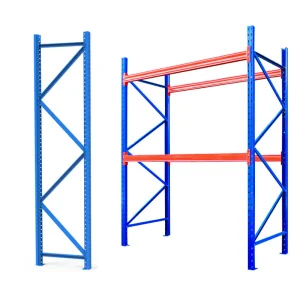
| Heavy-Duty Upright Columns | Q355B (S355JR) High Tensile Steel | 1.8mm, 2.0mm, 2.3mm, 2.5mm, 3.0mm | Electrostatic Thermosetting Epoxy Polyester Powder Coating (80-120μm) | ISO9001, CE, RMI Standards |
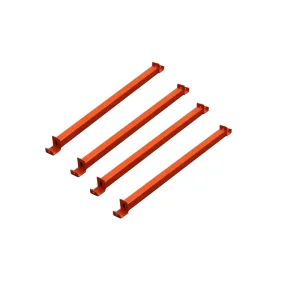
| Adjustable Load Beams (Box / Step) | Q235B (S235JR) Structural Steel | 1.5mm, 1.8mm, 2.0mm | Zinc Phosphate Pre-treatment + Epoxy Powder Coating | EN15512 Structural Standard |
| Row Spacers & Frame Bracing | Q235B Galvanized Steel | 1.5mm, 2.0mm | Hot-Dip Galvanized or Powder Coated | ASTM A653 Standard |
| Anti-Collision Pillars & Barriers | Q235B Cold-Rolled Carbon Steel | 3.0mm, 4.0mm, 5.0mm | High-Visibility Safety Yellow Powder Coat finish | OSHA / EN15635 Protection Compliance |
With an in-house engineering team of 18 senior structural and mechanical engineers, Foshan Guichang delivers advanced R&D capabilities, including FEA (Finite Element Analysis) load simulations, custom CAD layout drafting, and structural optimization.
We offer complete end-to-end OEM and ODM customization services—tailoring load capacities, dimensions, column profiles, surface finishes, and color schemes to meet specific regional building codes and warehouse operational demands. Driven by continuous innovation, our R&D team launched 45 new modular racking and automation-compatible product designs last year alone.
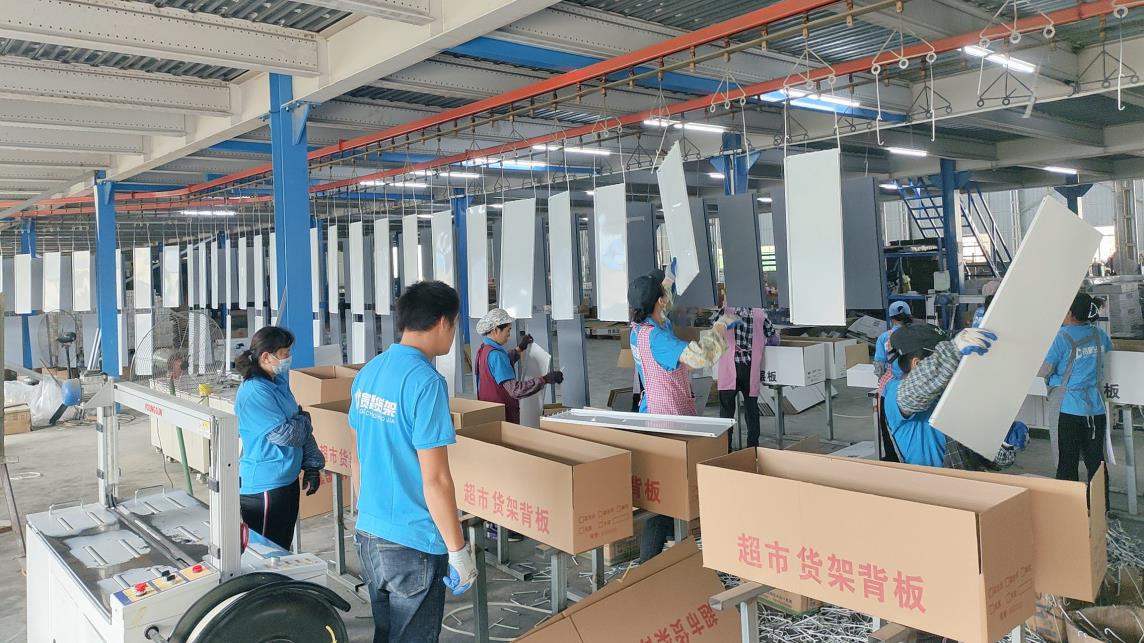
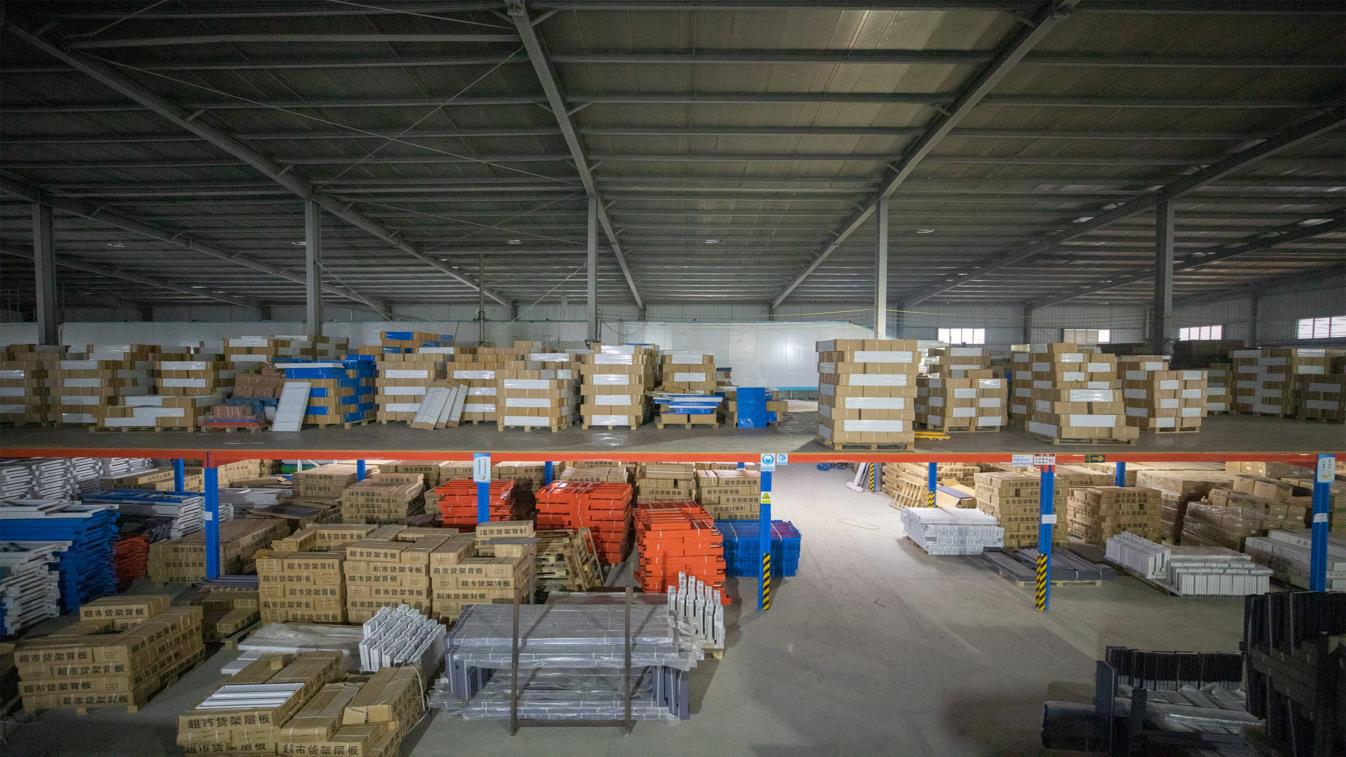
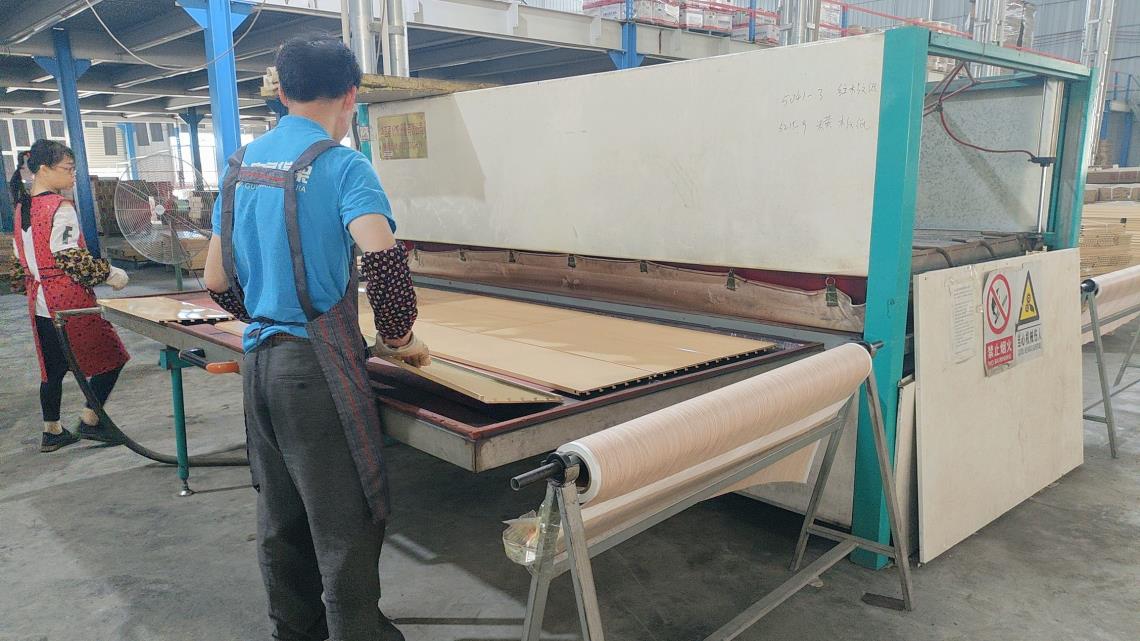
Every step of our production workflow is monitored by 28 QC specialists using a 4-stage inspection standard, tracking materials from receipt to container loading:
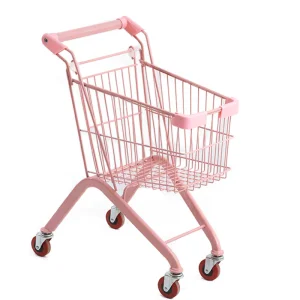
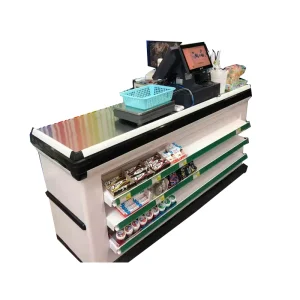
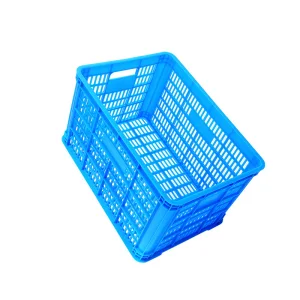
Browse our full range of heavy-duty pallet racks, material handling carts, modular supermarket systems, and automated sorting solutions tailored for Mumbai's commercial markets.
Find detailed technical answers to help you configure, install, and optimize your industrial racking systems in Western India.
For load-bearing structural uprights, we recommend using Q355B (equivalent to European S355JR) high-tensile carbon steel. Its chemical composition provides excellent yield strength (≥355 MPa) and performs reliably under heavy loads. Standard Q235B steel works well for shelf beams, wire decking, and cross bracing.
Coastal regions like Mumbai experience high atmospheric salinity and humidity, which can accelerate rust and compromise safety. To prevent this, our products undergo a multi-step pre-treatment process (including acid pickling and phosphating) followed by an electrostatic powder coating (80-120μm thick). For extreme environments, hot-dip galvanized finishes provide long-term corrosion resistance.
We design our systems to comply with RMI (Rack Manufacturers Institute) and European EN 15512 specifications. In Seismic Zone III areas, design features like enlarged footplates, thicker anchor bolts, and reinforced diagonal bracing are used to increase stability and resist lateral ground movement during a seismic event.
Non-welded, bolted upright frames are easier to transport and offer lower shipping costs. Damaged components can be replaced individually without replacing the entire frame, which simplifies maintenance. This design also eliminates the heat-affected zones associated with welding, maintaining uniform steel strength throughout the structure.
Loading capacity is calculated based on uniformly distributed loads (UDL) using Finite Element Analysis (FEA) software. The calculation factors in profile thickness, beam length, and connector engagement to ensure structural deflection stays within safe limits (typically L/200, where L is the beam length). Our factory tests all designs up to a 150% maximum load endurance threshold.
The material handling industry is evolving from passive static shelving toward dynamic, connected ecosystems. As warehousing facilities adopt Automated Storage and Retrieval Systems (AS/RS) and Autonomous Mobile Robots (AMRs), structural specifications must meet stricter dimensional tolerances. In modern systems, a deviation of just 2mm can lead to automated system halts or component collisions.
Foshan Guichang is upgrading its production processes to support this industry shift. Our technology roadmap focuses on three main developments:
Developing racking systems with tight tolerances (within ±1.0mm per section) to ensure smooth integration with automated crane systems and robotic pickers.
Adopting zero-emission powder-coating technologies and using recycled structural steel to support green building and LEED certifications.
Using advanced structural modeling to design lighter profiles that maintain the load capacity of traditional heavy steel structures.
We work closely with logistics coordinators, engineering leads, and distribution businesses in Mumbai and worldwide to supply durable, reliable structural systems that keep supply chains running efficiently.
 Guichang Rack