High-capacity structural configurations customized to meet Japanese JIS standards, seismic zoning requirements, and tight floor space optimization in the Kansai area.
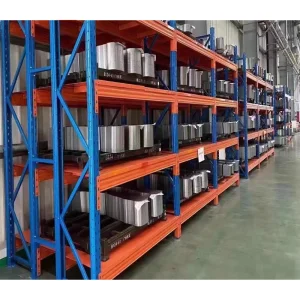
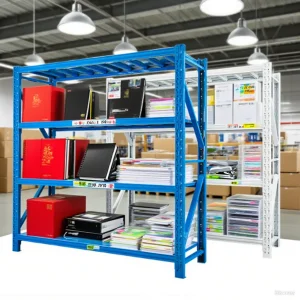
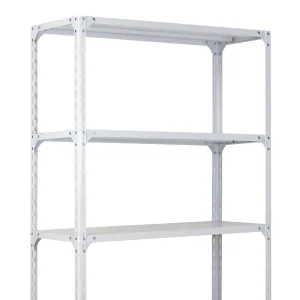
As the primary logistics conduit of the Kansai region, the Osaka metropolitan area is experiencing a rapid structural shift. Due to intense land constraints around the Port of Osaka, Sakai, and the surrounding logistics corridors, logistics operators are transitioning from flat warehouse space to high-density vertical configurations. Modern 3PL providers, pharmaceutical warehouses, and cold chain distribution centers require material racking systems that perform under strict safety guidelines.
Moreover, Japanese industrial safety codes require strict compliance with earthquake load considerations. Standard steel frames lack the structural elasticity and baseplate engineering required in the Kansai area. By working with Foshan Guichang Shelves Manufacturing Co., Ltd., Japanese enterprise clients benefit from structural steel elements designed to absorb ground motion, minimize system deflection, and eliminate structural failure risks during seismic activities.
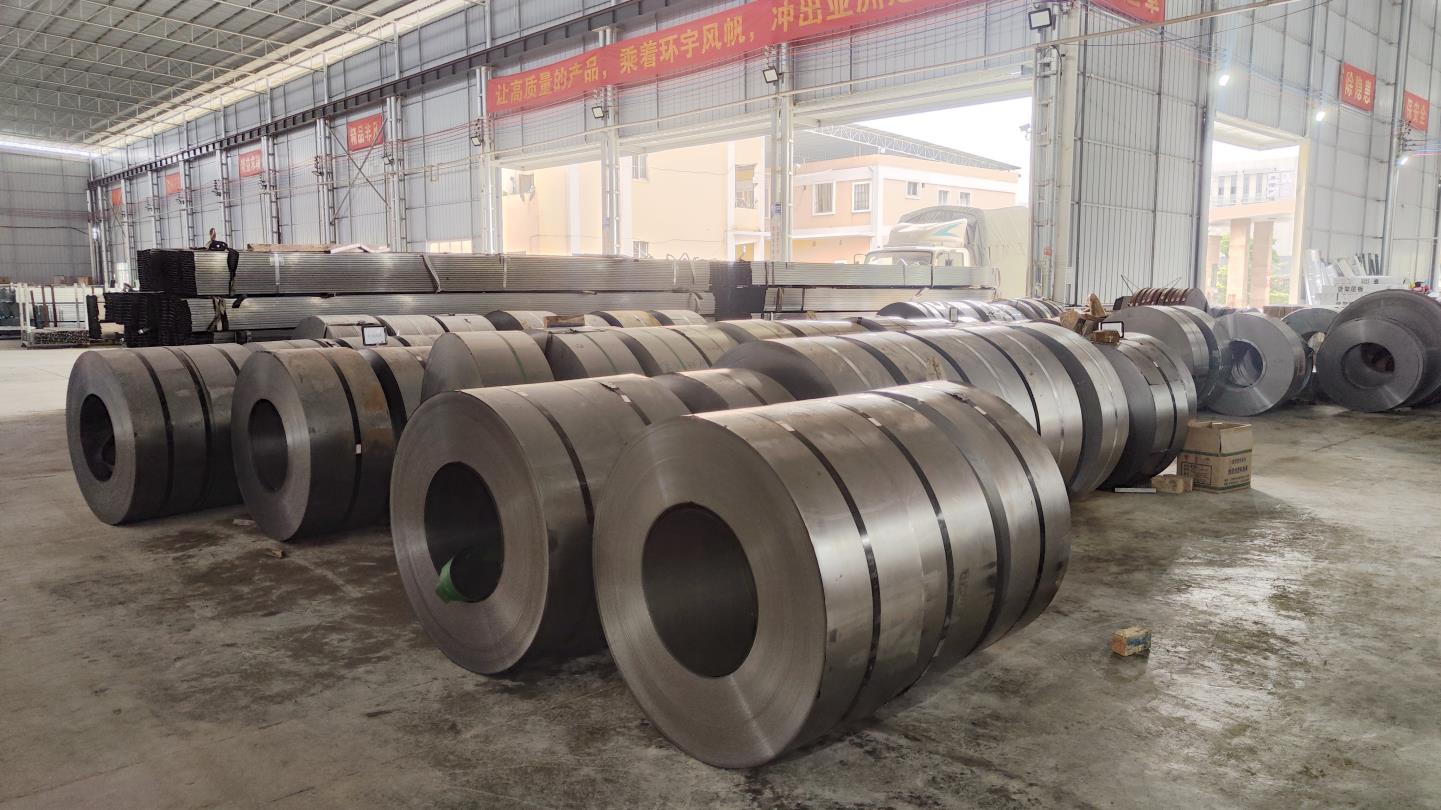
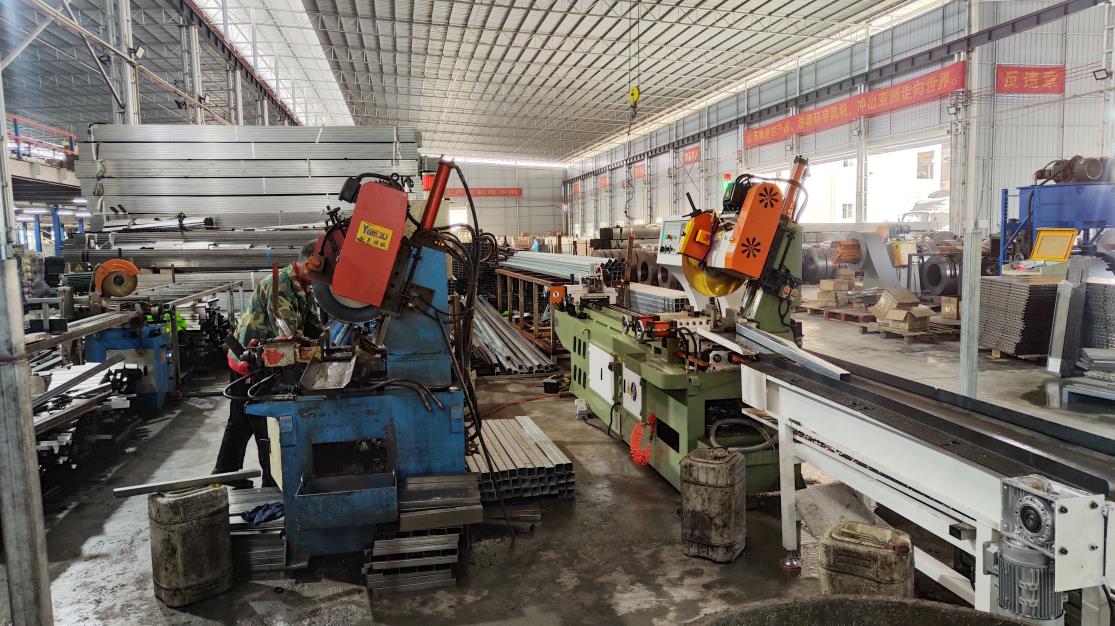
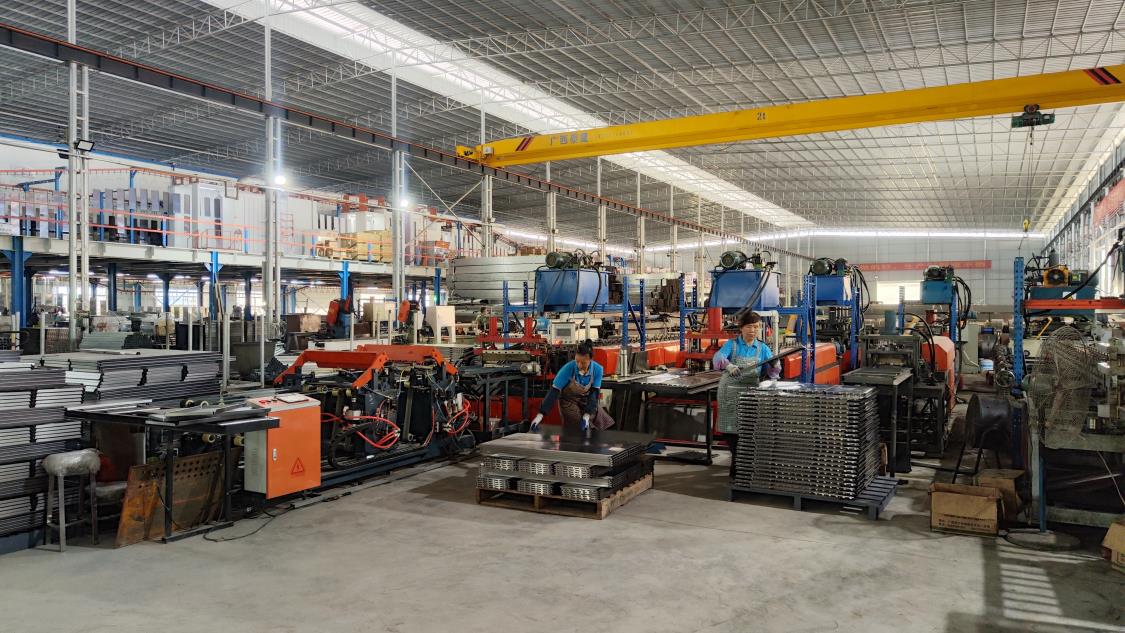
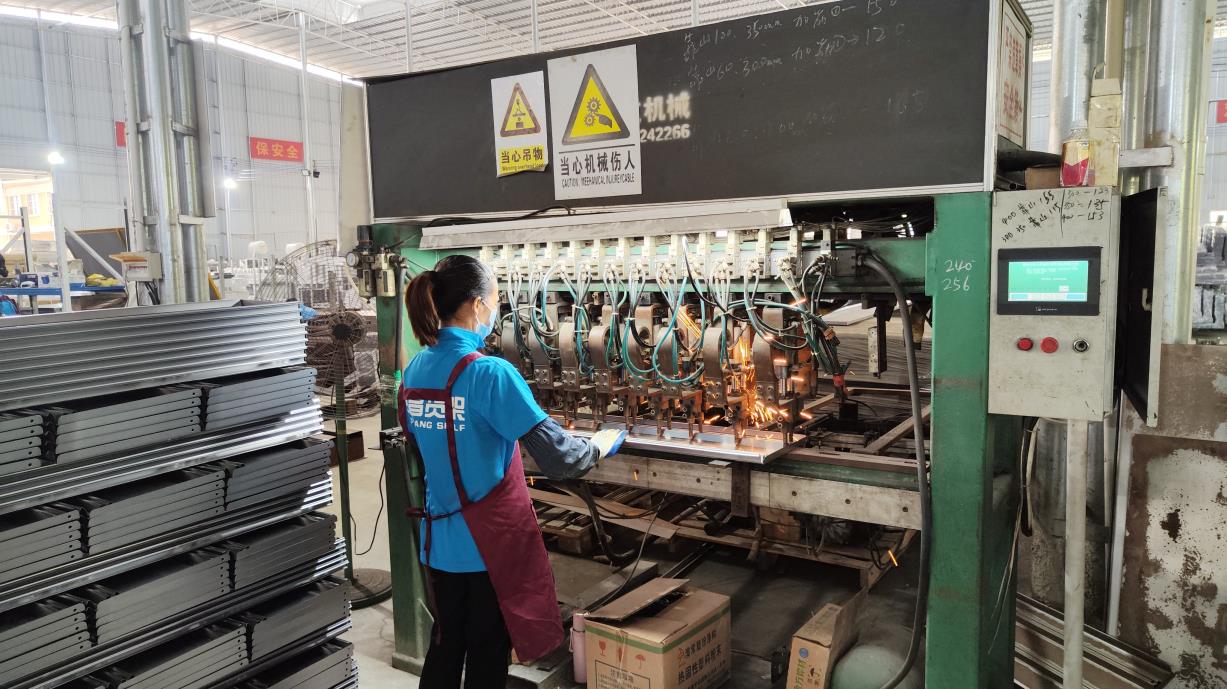
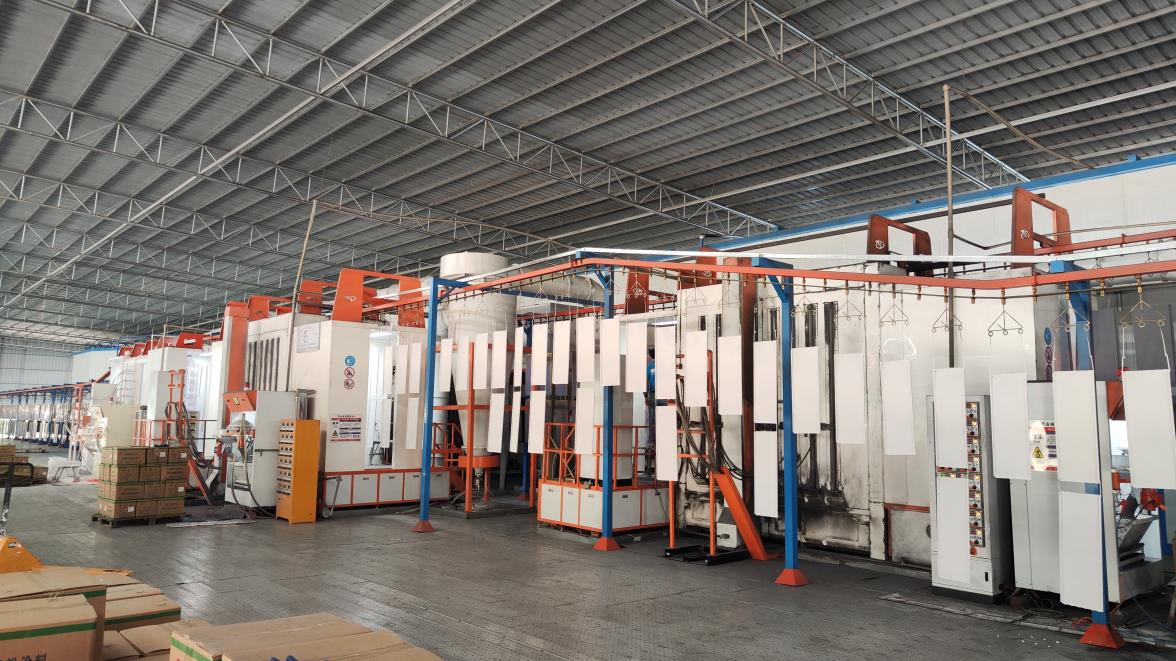
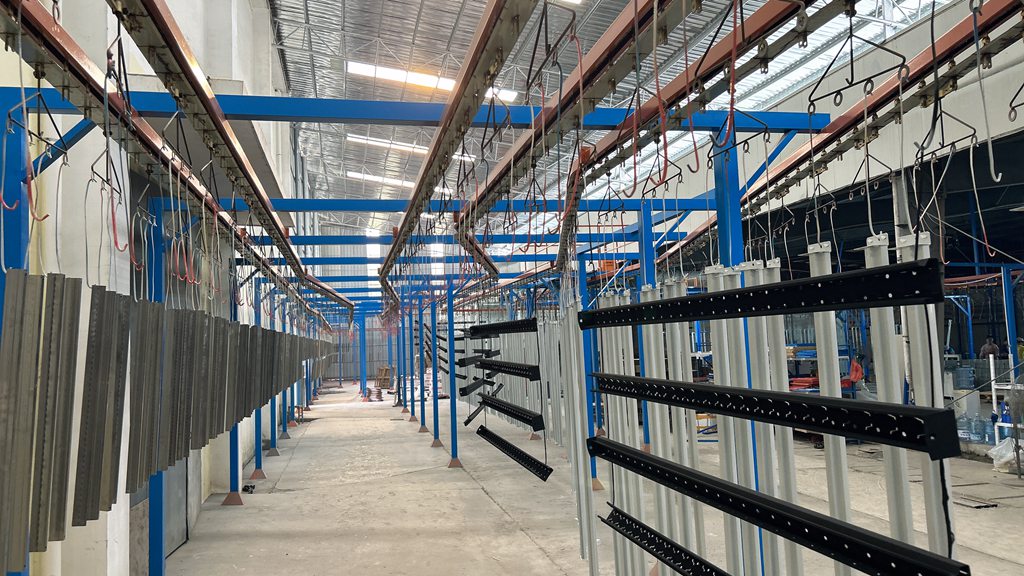
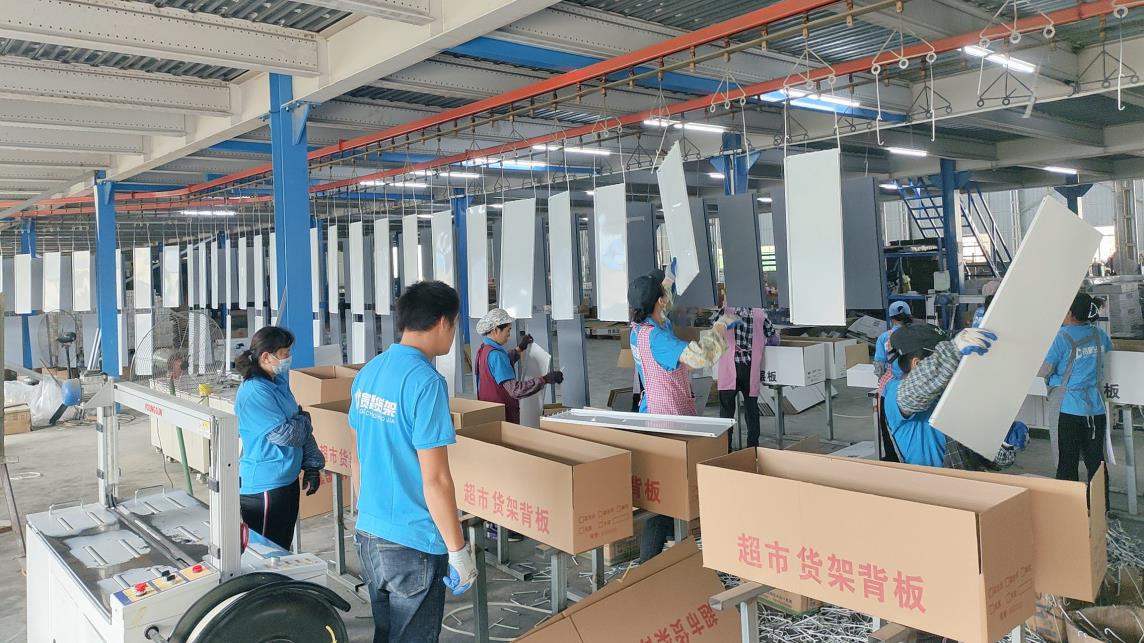
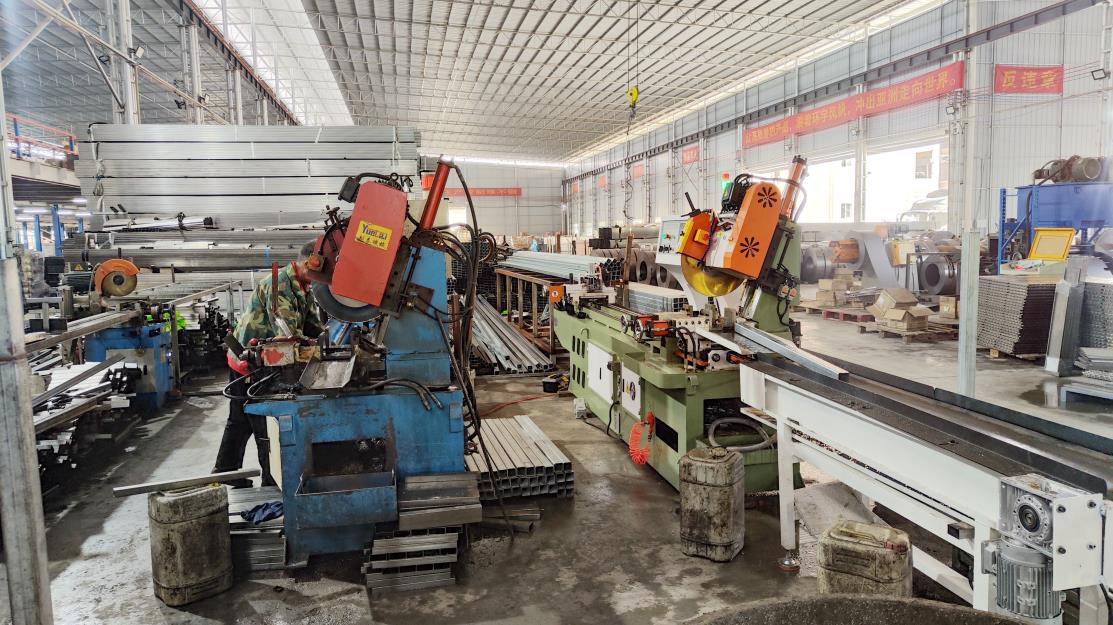
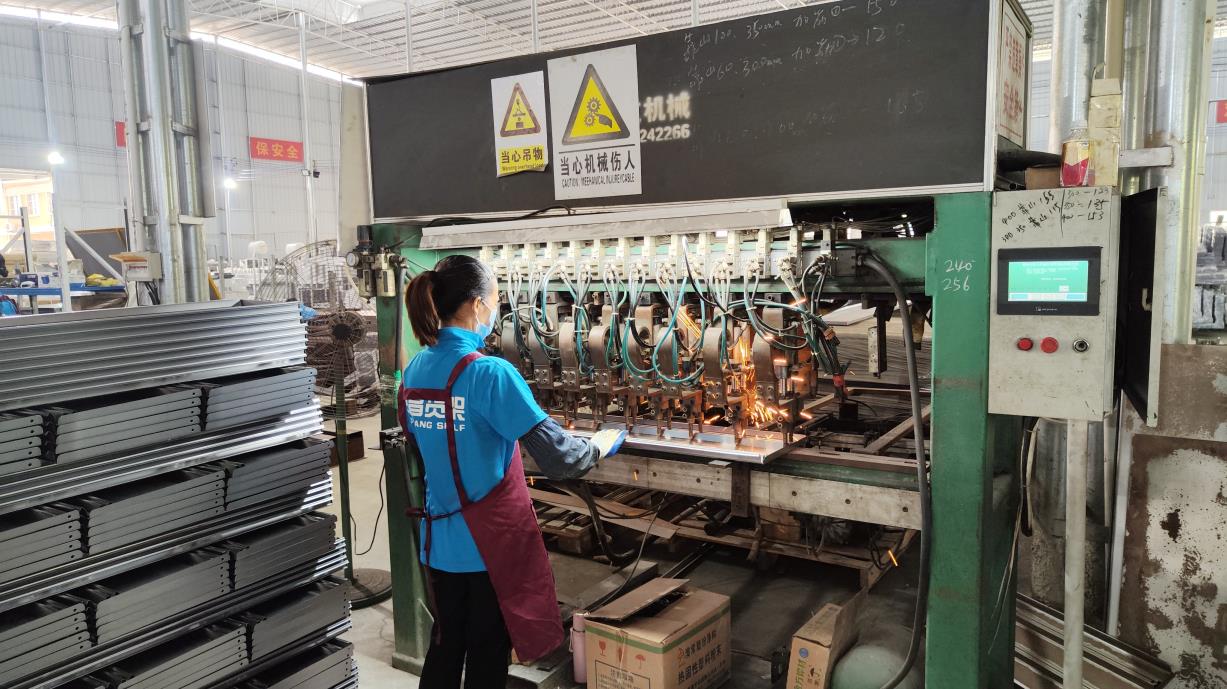
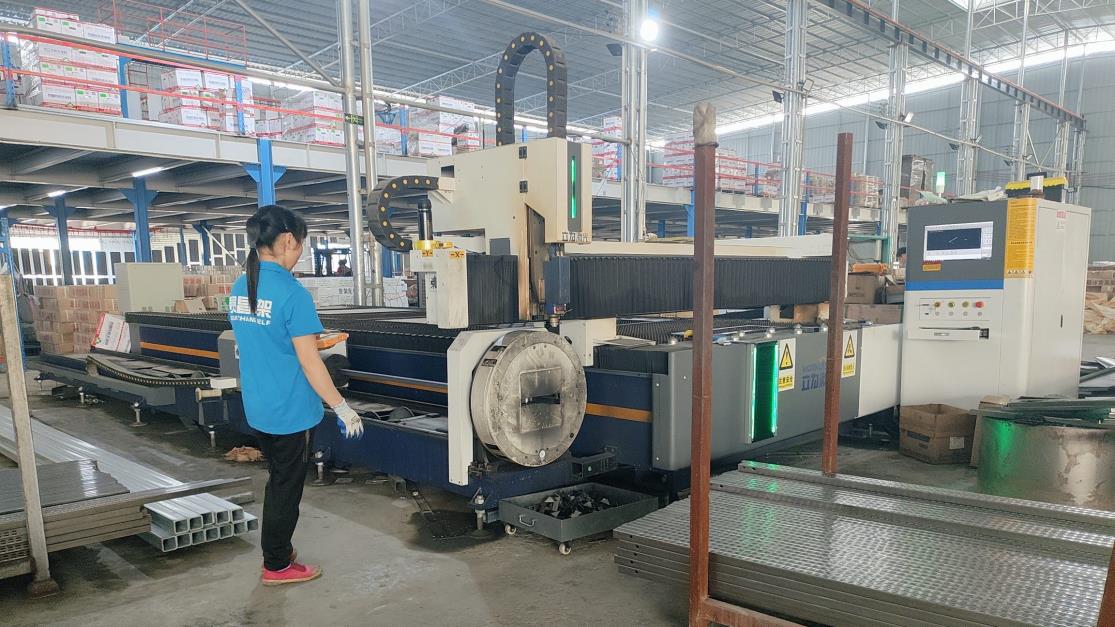
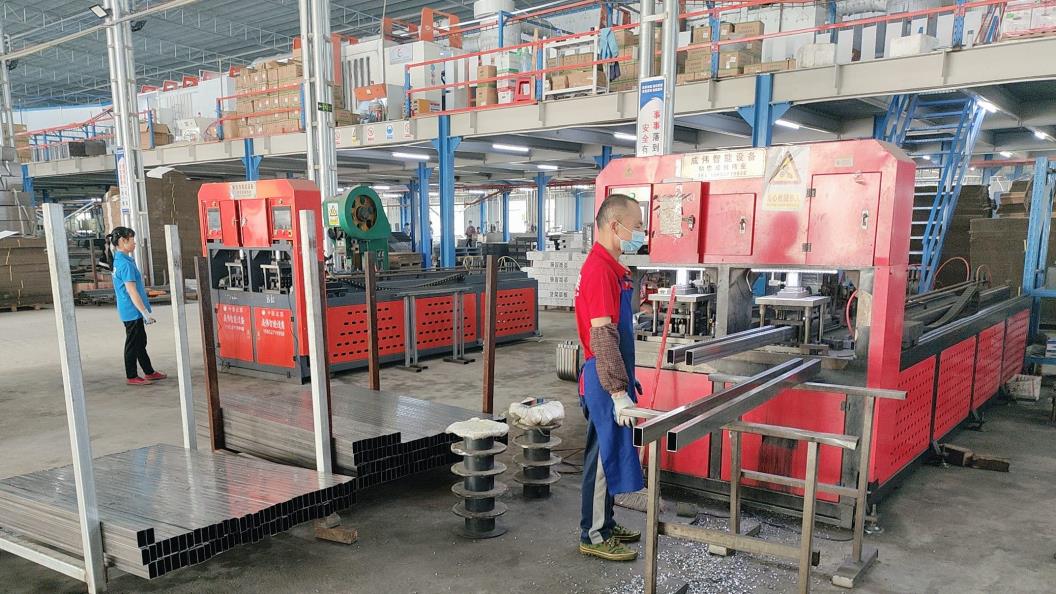
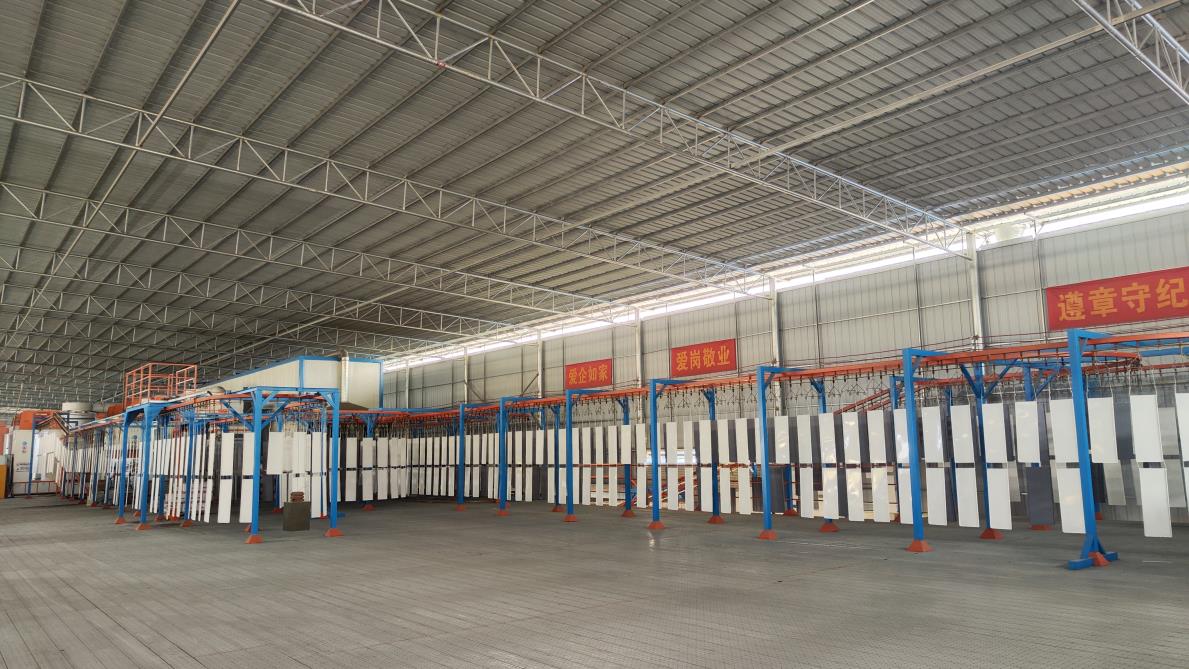
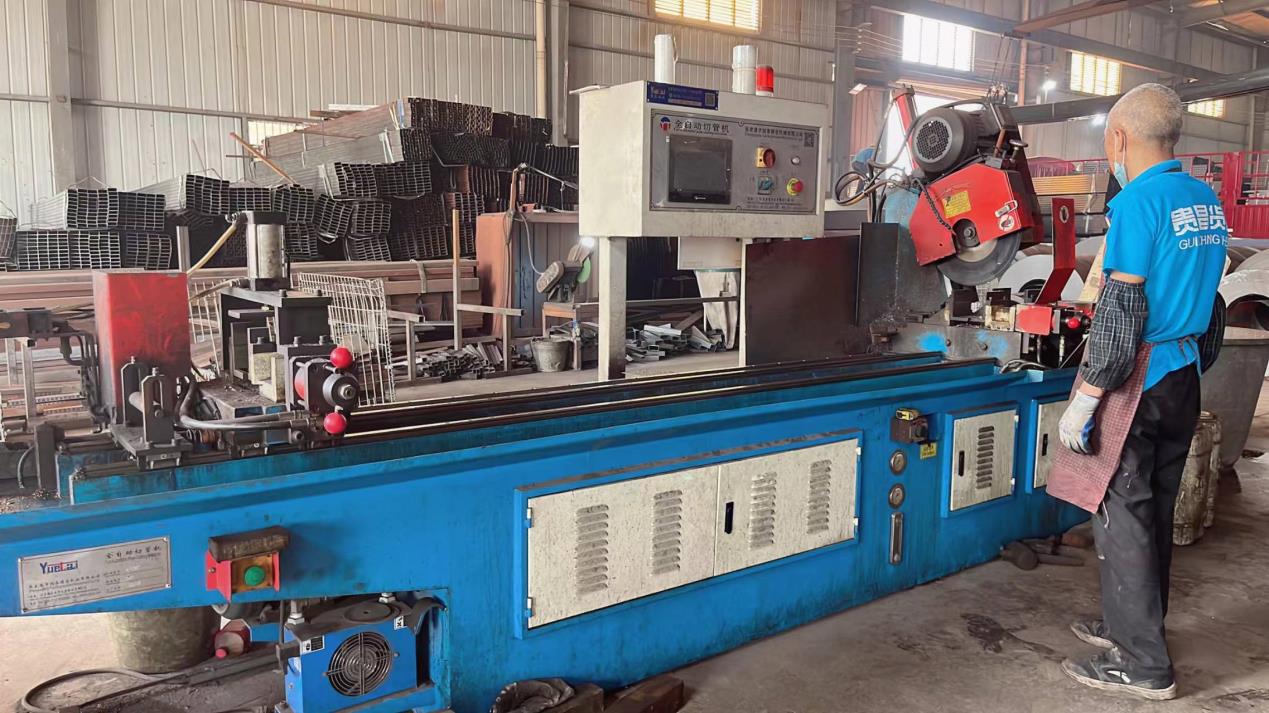
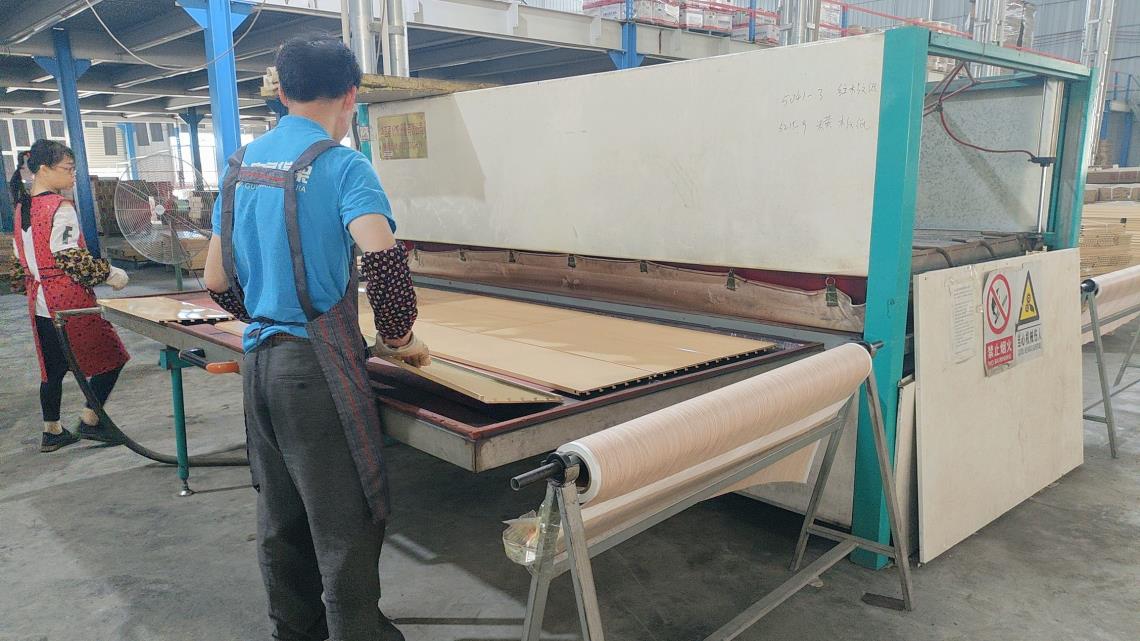
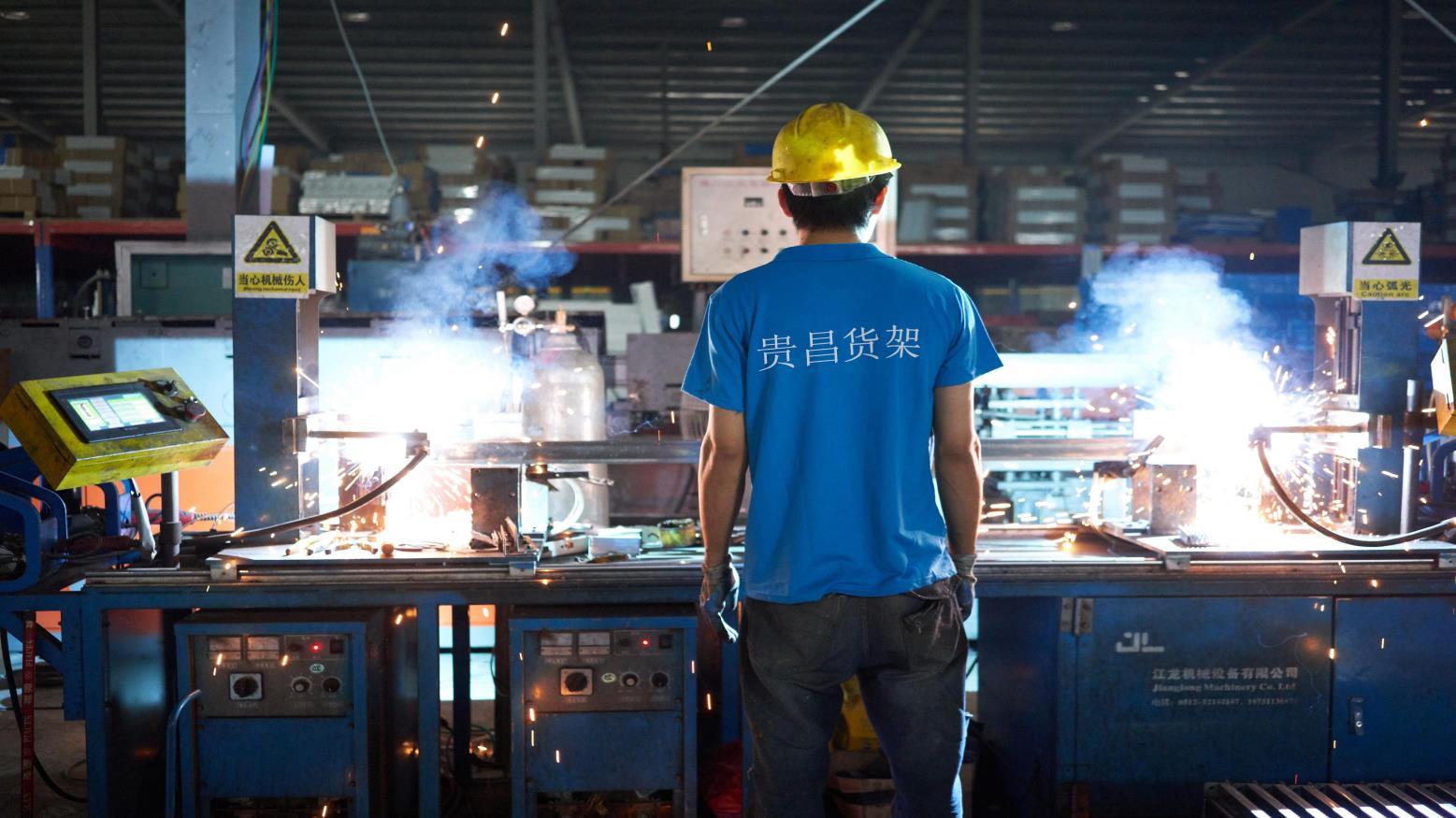
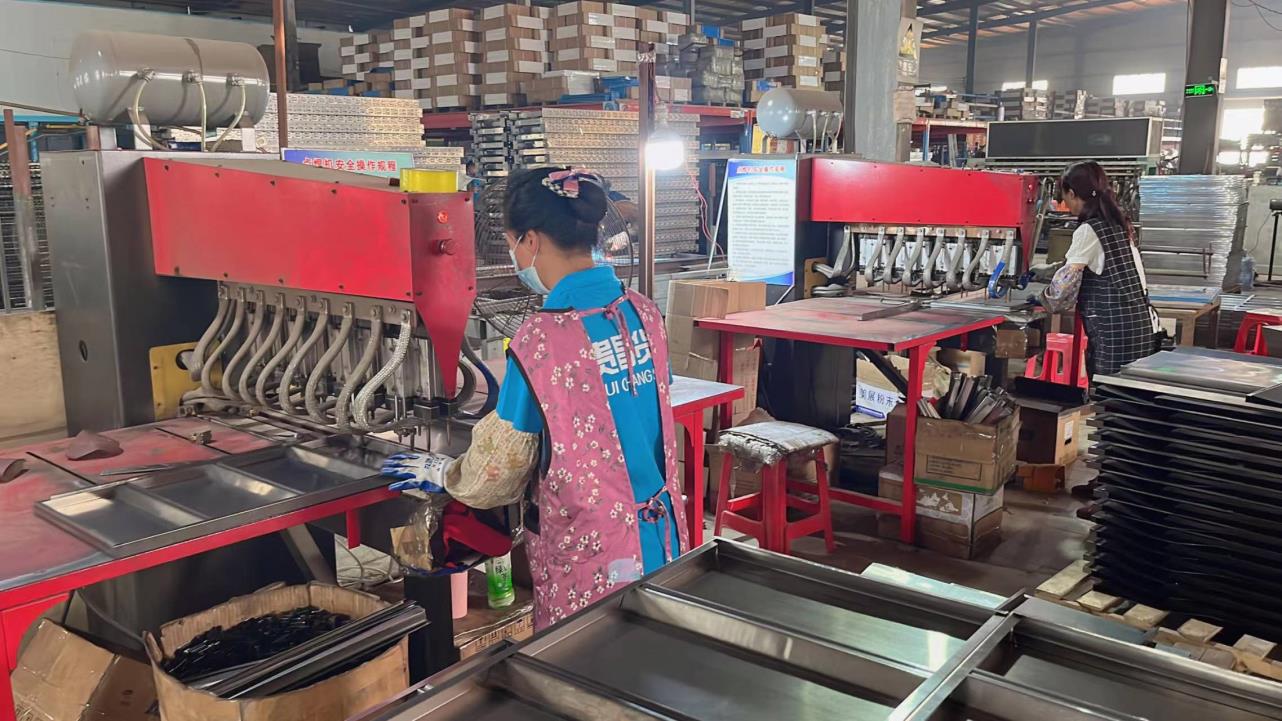
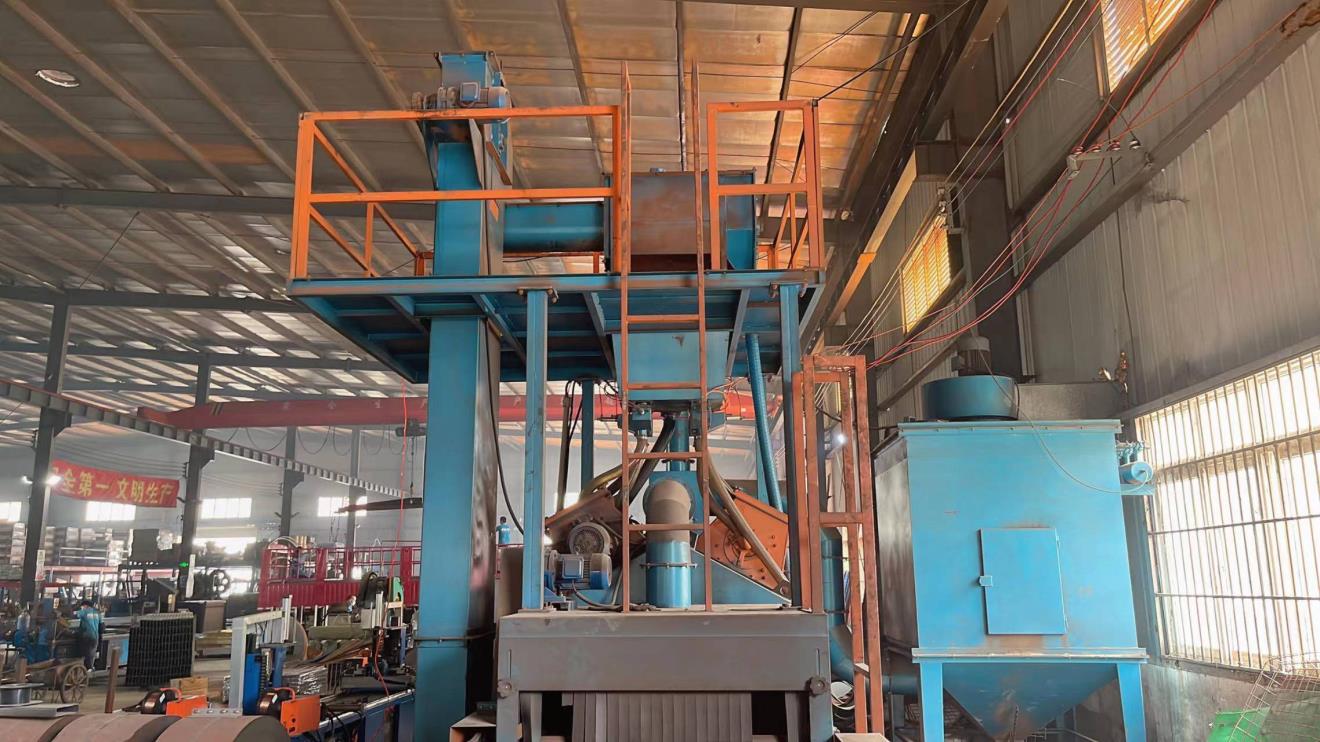
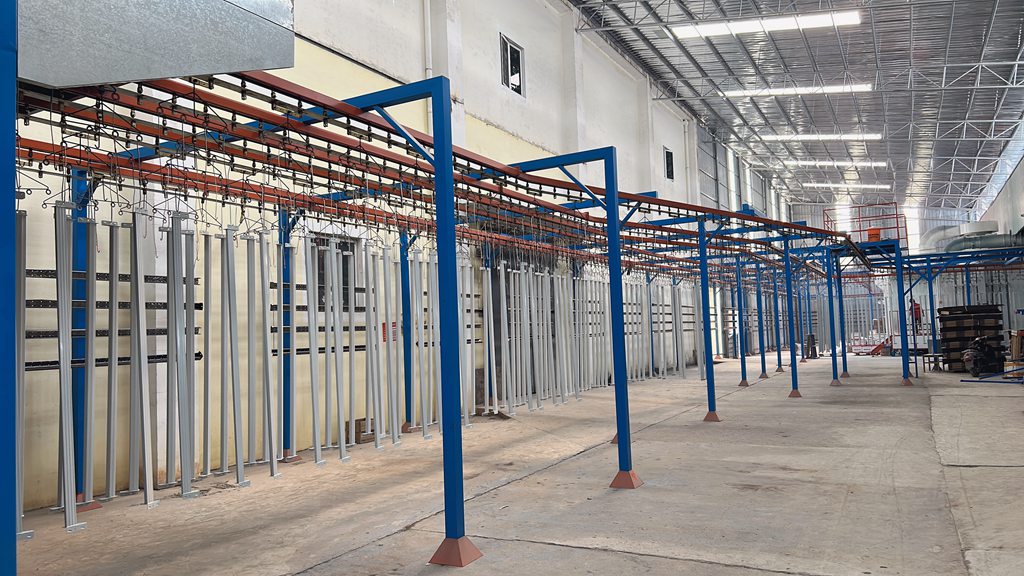
By maintaining 100% control over the manufacturing lifecycle—from raw material inspection to automated welding and multi-stage powder coating—we ensure industrial-grade reliability.
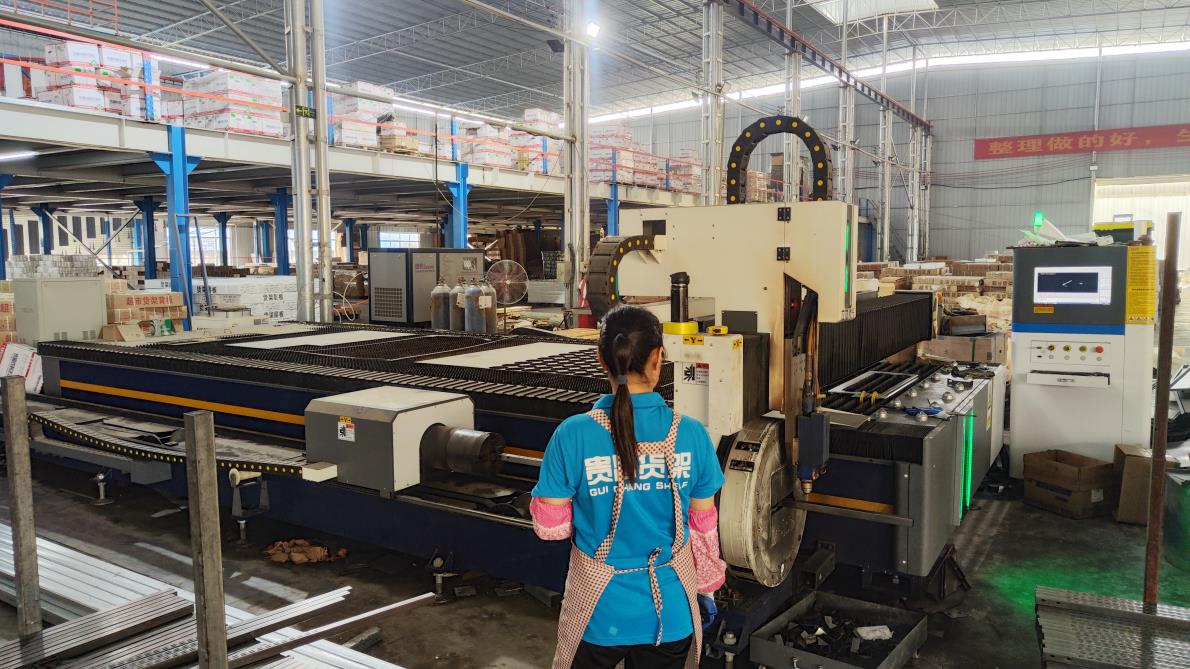
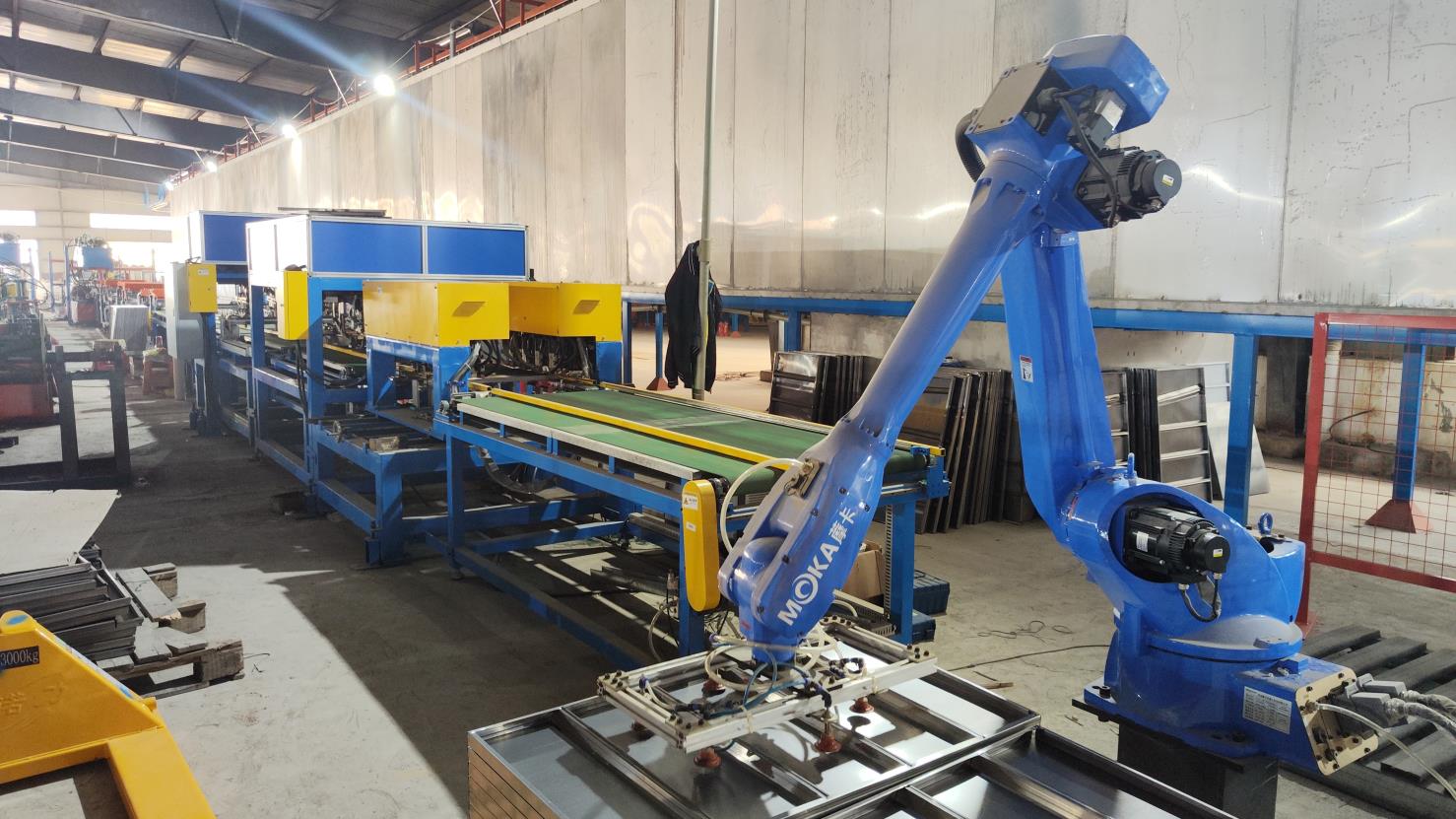
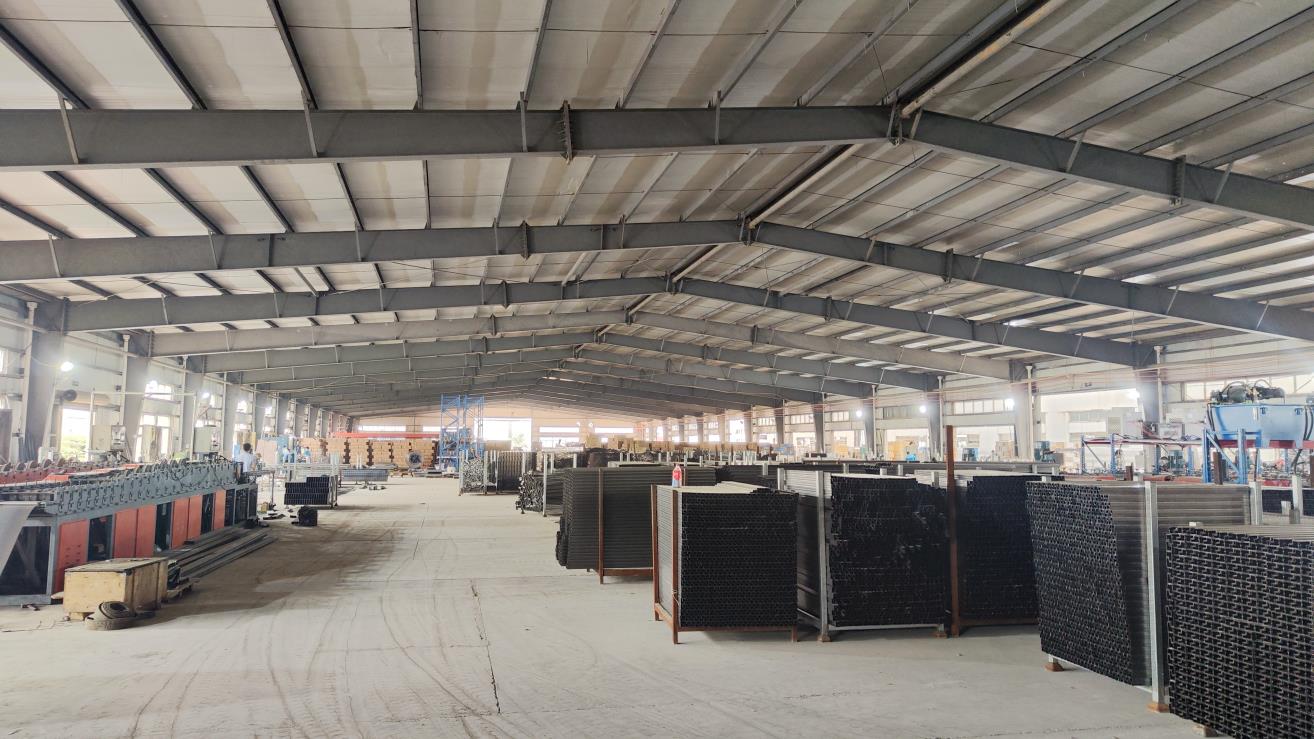
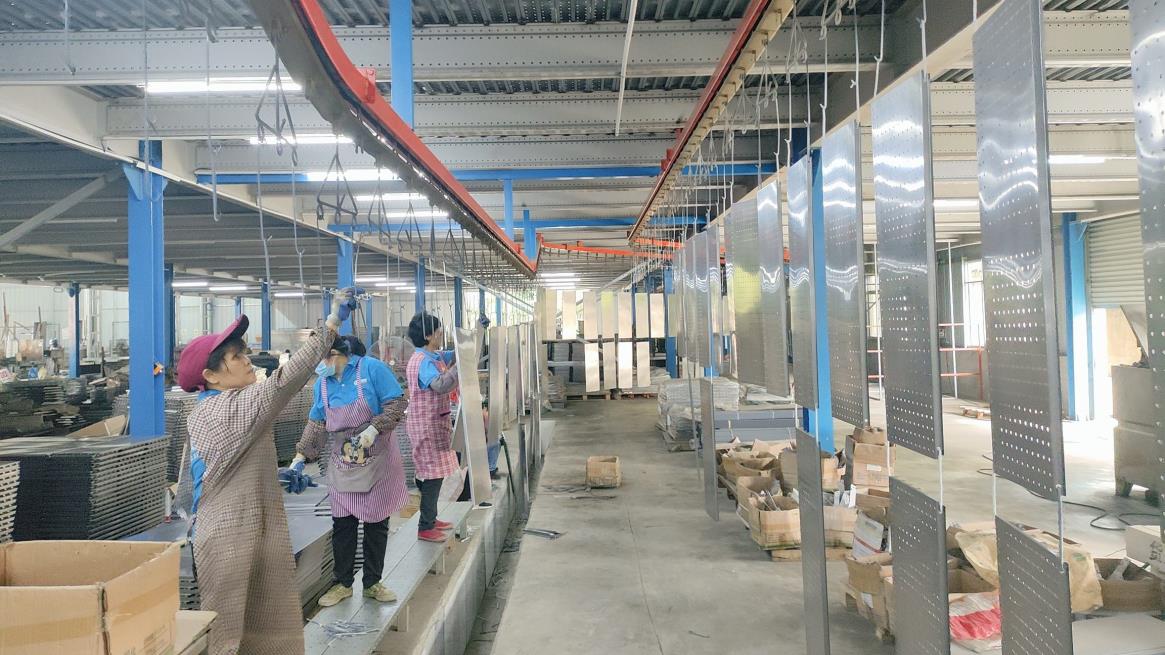
Safety is the primary metric for high-bay warehousing in seismic zones. Our engineering division relies on Finite Element Analysis (FEA) to verify the stress behavior of racking systems under cyclic seismic loads. We simulate specific ground acceleration profiles typical of Japan's Nankai Trough earthquake predictions, ensuring that frame structures withstand local tectonic movements without collapse.
By designing dynamic upright column profiles and utilizing custom lock pins, our systems guarantee structural load retention. The integration of high-elasticity beam connections reduces stress concentration points, protecting cold-rolled steel columns from buckling under dynamic structural shifts.
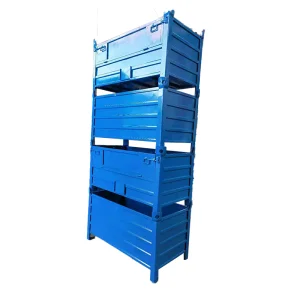
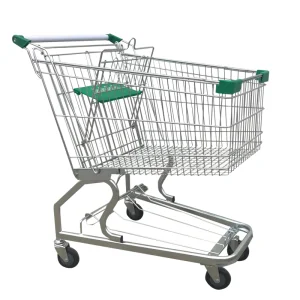
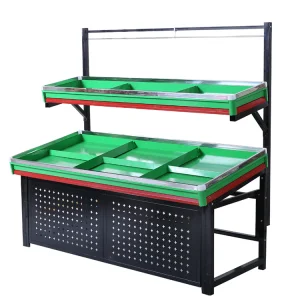
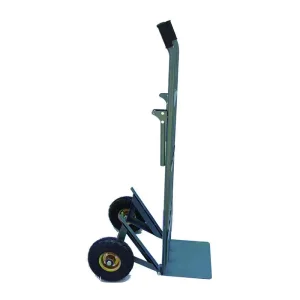
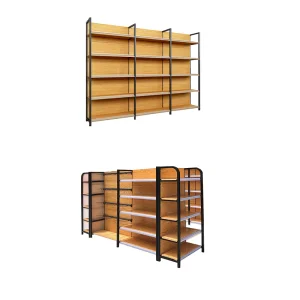
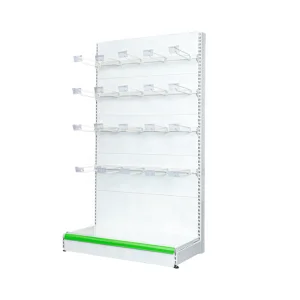
Heavy-duty transport pallets, modular retail display racks, and specialized industrial hand trucks optimized for the Kansai regional market.
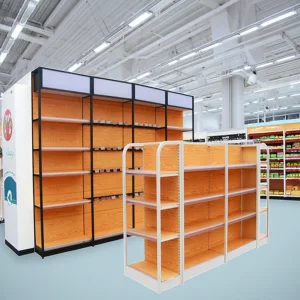
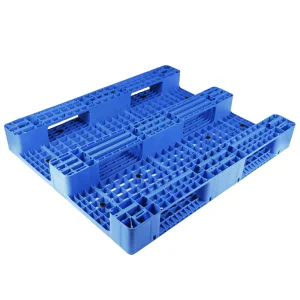
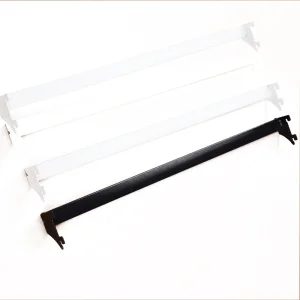
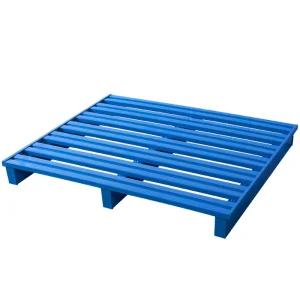
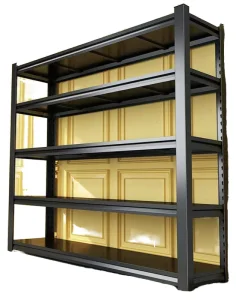
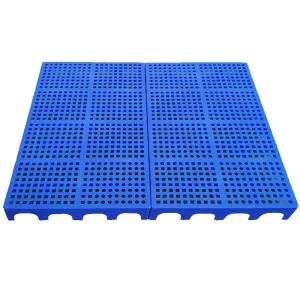
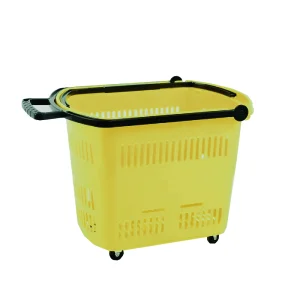
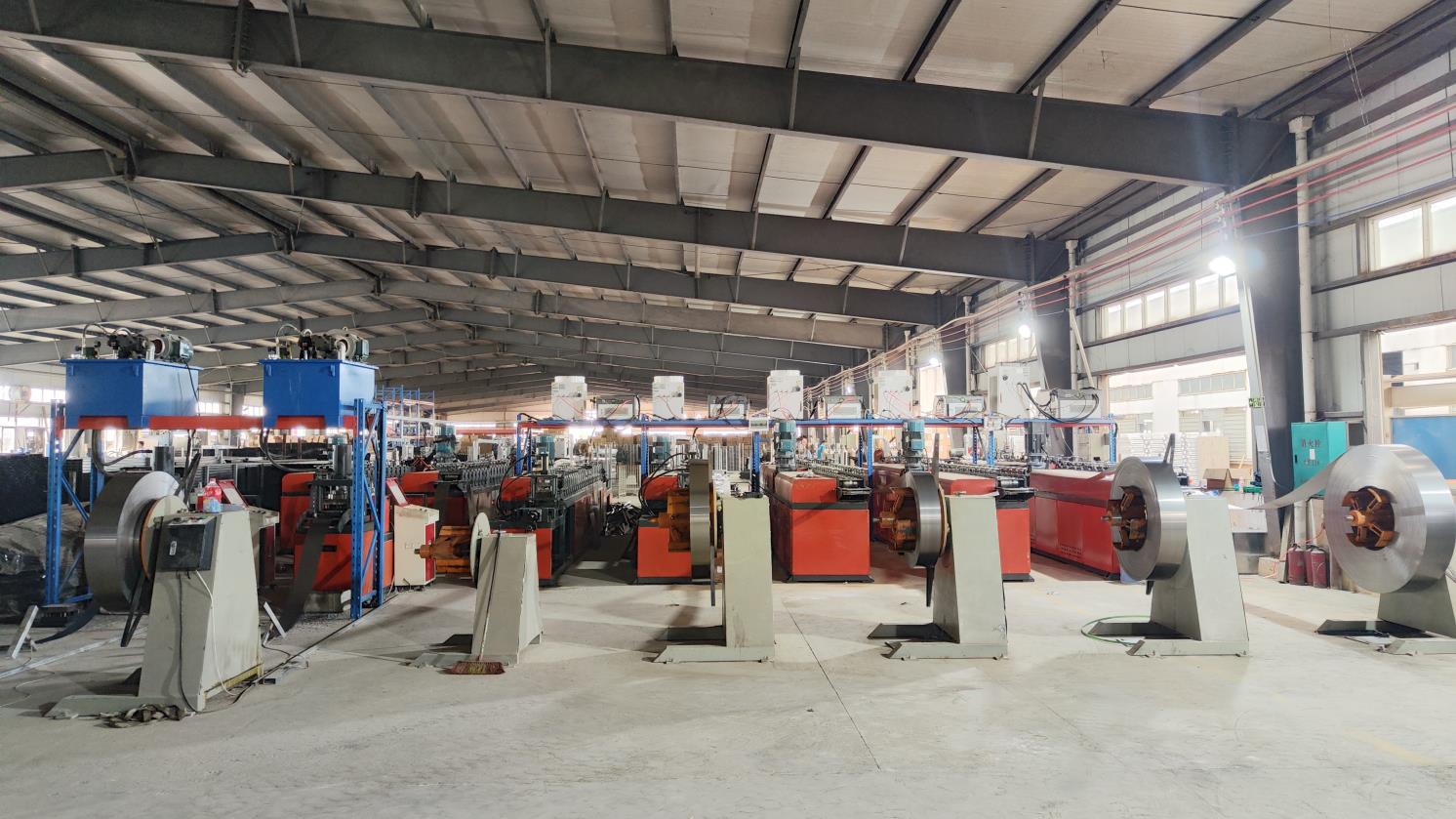
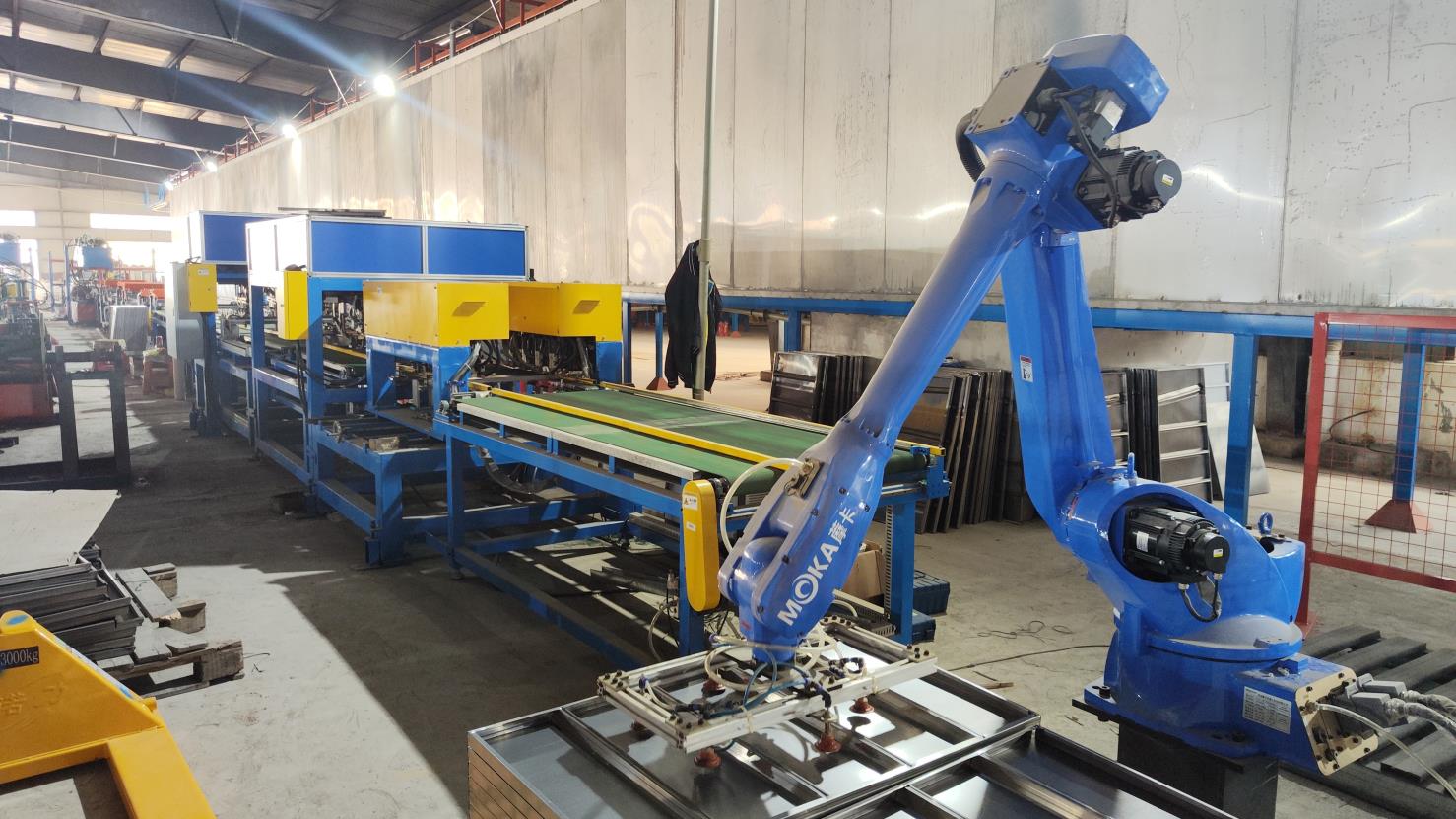
Sourcing directly from our production base in Foshan enables Japanese companies to circumvent domestic procurement premiums. Our highly automated roll-forming and robotic welding facilities output consistent, high-volume batches with dimensional tolerances below 0.5mm. Supported by over 850 strategic partners, we purchase raw structural steel in high-tonnage batches, isolating clients from market cost fluctuations.
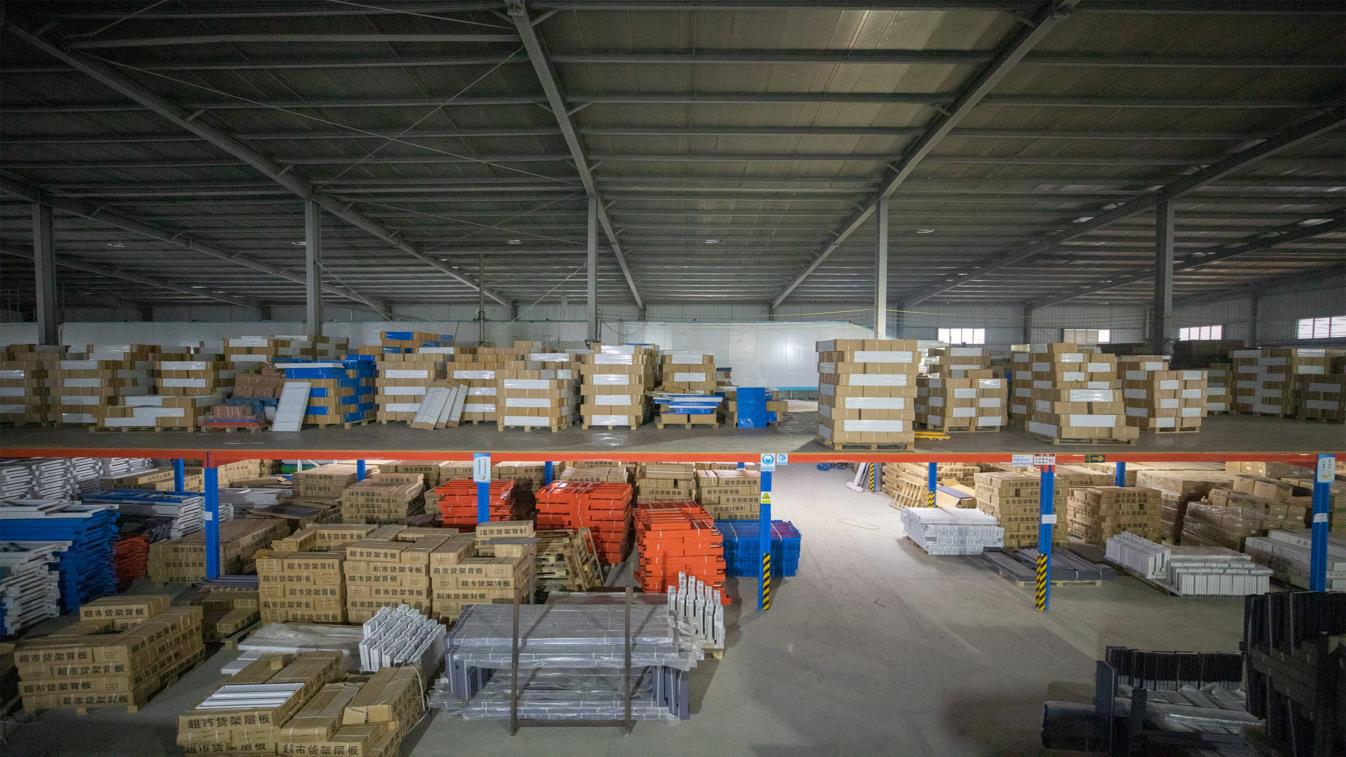
Foshan’s proximity to major international shipping ports guarantees reliable maritime transit to Japan. We offer rapid consolidation, optimized container packing configurations to prevent shipping damage, and complete custom documentation handling to streamline Japan Custom clearances at Kobe and Osaka ports.
The warehousing sector is moving rapidly toward automation. Our product R&D roadmap focuses on engineering racking structures that integrate seamlessly with Automated Storage and Retrieval Systems (AS/RS), Shuttle Cars, and Automated Guided Vehicles (AGVs).
Ensuring compatibility with automated machinery requires tighter dimensional tolerances. While traditional hand-loaded shelving accepts variations of up to 3mm, our robotic manufacturing lines produce frame segments with variance profiles below 1mm. This degree of structural precision prevents automated cranes from catching on structural beams, reducing automated facility downtime.
Technical answers regarding seismic structural engineering, customization, import procedures, and compliance for the Japanese industrial storage sector.
 Guichang Rack