Q:
What primary factors should be considered when designing a warehouse racking system?
You need to analyze the storage capacity requirements, pallet dimensions, maximum load weights, ceiling height clearance, forklift turning radius, and product circulation frequency (such as FIFO or LIFO inventory methods).
Q:
Are these storage systems customizable for specific heavy-duty loading requirements?
Yes, high-durability racking configurations are custom-engineered. Beams, upright frames, and bracing structures can be adjusted in thickness and width to safely handle heavy loads ranging from hundreds to thousands of kilograms per level.
Q:
What kind of surface finish protection is standard for metal racking?
Standard protection includes high-grade electro-static powder coatings or hot-dip galvanized finishes. These coatings offer exceptional resistance to scratches, rust, moisture, and extreme temperature variations in warehouses.
Q:
How do safety components prevent accidental dislodgement of support beams?
Heavy-duty beam connectors feature built-in safety locking pins or clips. These automatic locking systems ensure that during loading operations, forklifts cannot accidentally lift or dislodge the structural beams.
Q:
Can these racking structures be adjusted easily if warehouse needs change?
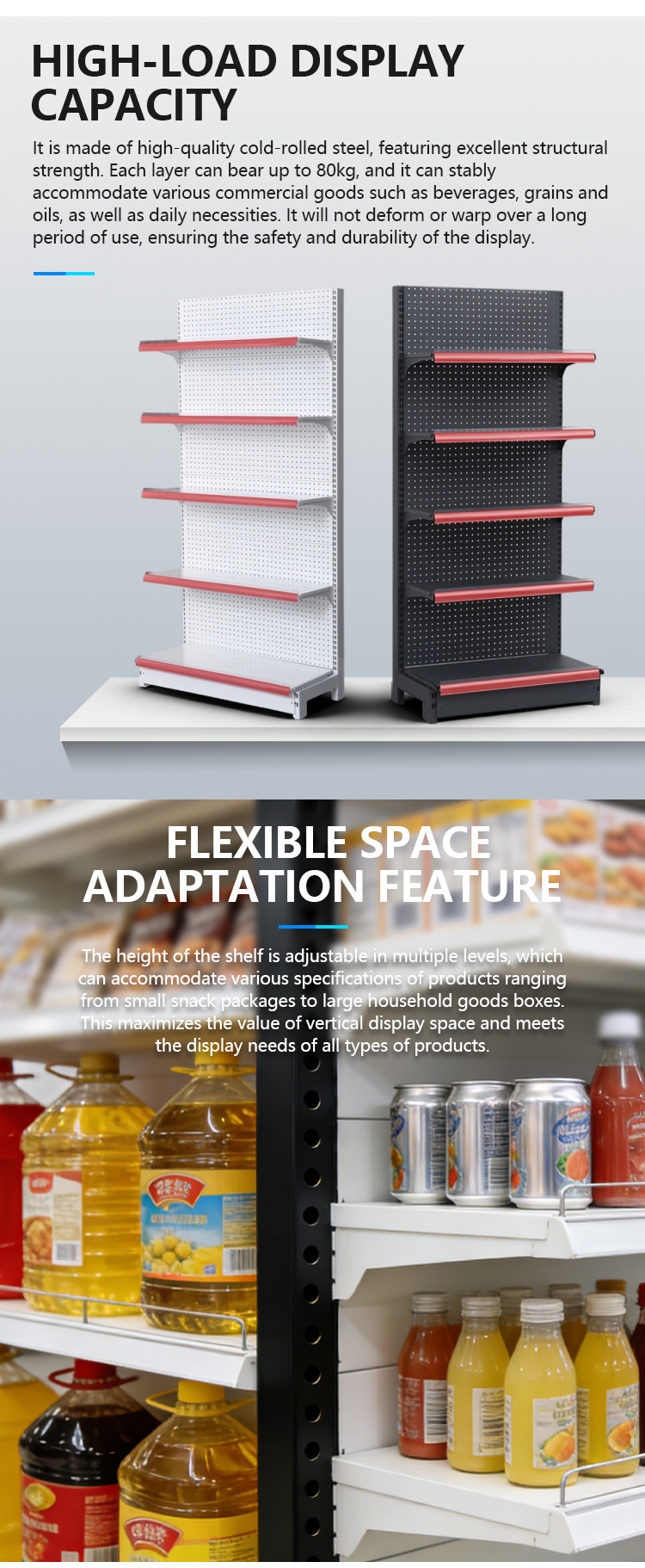
Absolutely. The upright frames are designed with punch holes at regular intervals (typically 50mm or 75mm pitches), allowing vertical beam levels to be easily reconfigured or expanded without modifying the base steel frames.
 Guichang Rack