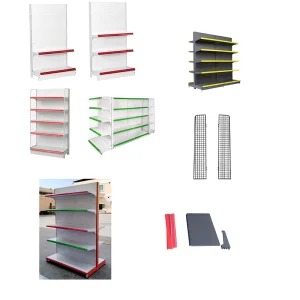
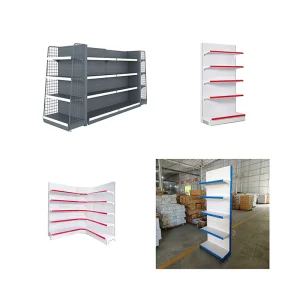
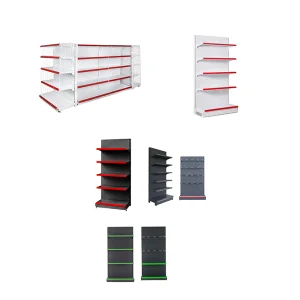
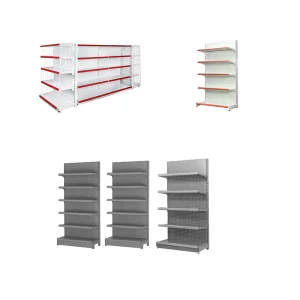
Supermarket Shelves Factories & Suppliers in United States

High-Density Modular Retail Displays & Heavy-Duty Racking Systems: Elevating US Commercial Infrastructure

The Landscape of Supermarket Shelving in the United States

Navigating structural compliance, modern store dynamics, and procurement strategies.

The supermarket shelving and commercial retail display market in the United States is undergoing a profound transformation. Driven by high consumer expectations and the rapid integration of multi-channel grocery strategies, traditional retailers are redesigning physical spaces. Supermarket layouts are moving away from monotonous, industrial-looking aisles toward immersive, lifestyle-centric designs. The structural demands remain high: dynamic load ratings, long-term durability, visual appeal, and flexibility are paramount.

In the US, regional compliance standards like ANSI/MH28.1 govern the design of multi-level shelving, ensuring commercial structures remain safe under heavy loads and during seismic events. As major supermarket chains expand their footprint across states like California, Texas, New York, and Florida, they prioritize modular systems that can adjust to ever-changing SKU distributions. A key material differentiator is the transition to steel-and-wood hybrid designs. Hybrid shelves combine the high load capacity of premium Q235 steel with custom-printed wood grain finishes, offering a cozy aesthetic that increases average shopper dwell time.

Key Insight for US Procurement Directors: Modern supermarket layouts now require shelving that matches architectural details. Retail spaces that implement yellow wood grain finishes on structural steel frames experience a measurable increase in category sales for premium organic foods, health supplements, and boutique pharmacy lines.

Evolving Industry Trends in US Retail Shelving

According to recent commercial data, several trends are dictating the shape of supermarket shelves across North America:

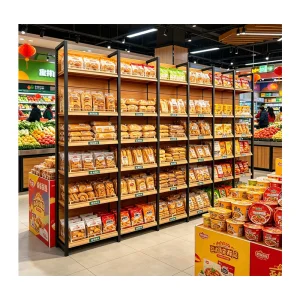
  • Modular Gondola Layouts: Fixed, unalterable shelving systems are no longer viable. Today's supermarket chains mandate modular gondola designs with height-adjustable shelving intervals and interchangeable backs (pegboard, slatwall, or wire mesh). This allows swift adjustments between bulk dry goods and lighter pharmacy items.
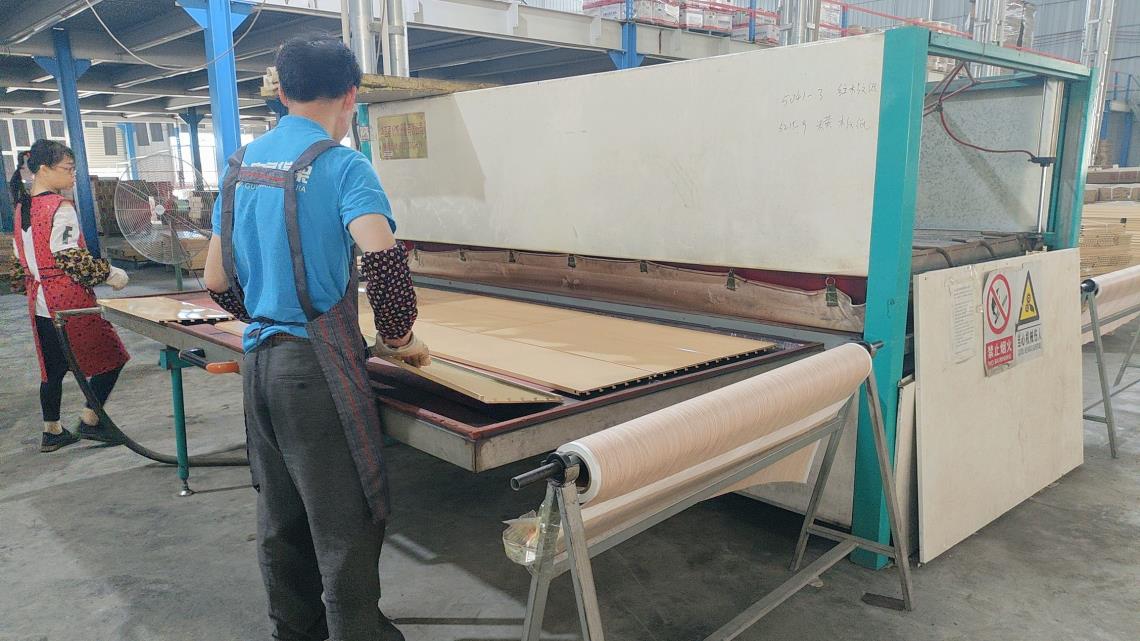
  • Biophilic and Premium Finishes: The "natural foods" boom has spurred high demand for wood grain finishes. Electrostatic powder-coating methods combined with thermal transfer print technology yield durable metal panels mimicking wood grain finishes without warping or fading over time.
  • Heavy Load Optimization: Bulk club stores and hypermarkets require reliable shelving that supports 40-80kg per layer. Structural stability relies on 4-post upright designs and reinforced base legs, ensuring structural integrity even under unevenly distributed loads.
  • Integration of Micro-Fulfillment Zones: Many US grocery giants are converting rear store areas into mini-fulfillment centers. Shelving must handle dual roles: presenting aesthetic displays on the retail floor and supporting rapid pick-and-pack operations behind the scenes.
38,000㎡
Modern Manufacturing Facility
12+ Yrs
Deep Racking Industry Experience
$25M+
Annual Export Revenue
850+
Global Supply Chain Partners

Chinese Factory 4.0: Supply Chain Resilience & Efficiency

How Foshan Guichang leverages automation to deliver high-quality, cost-efficient shelving solutions.

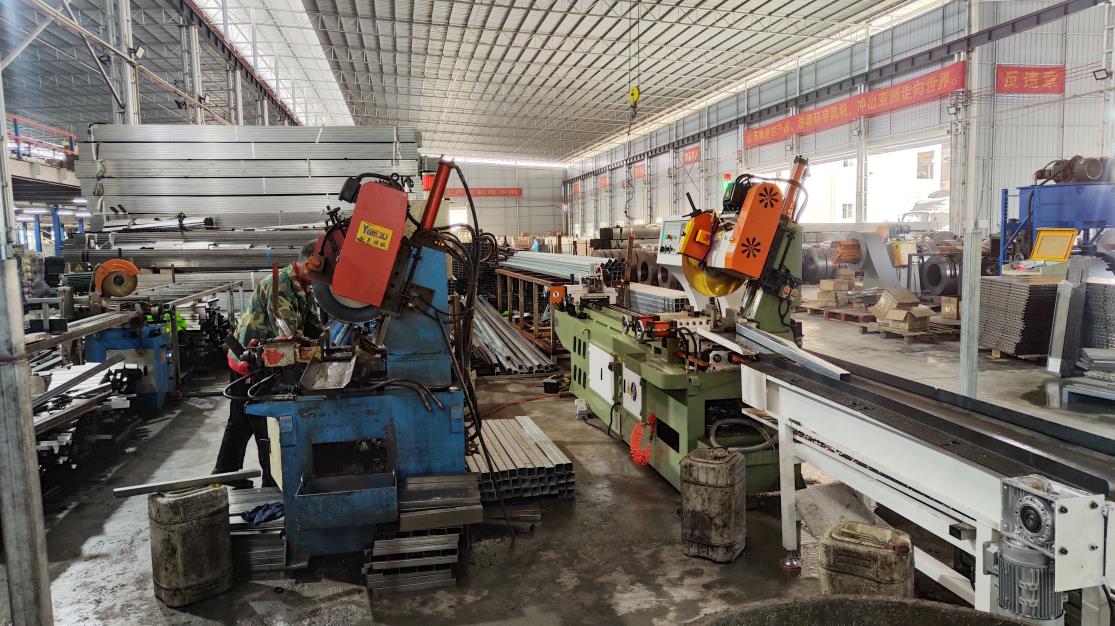
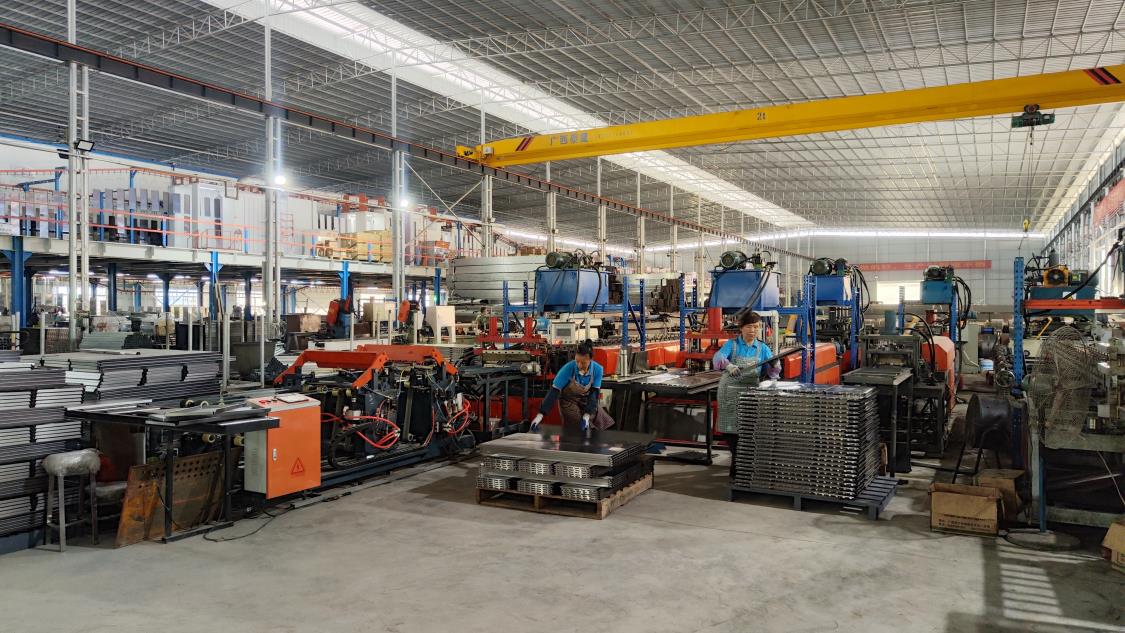
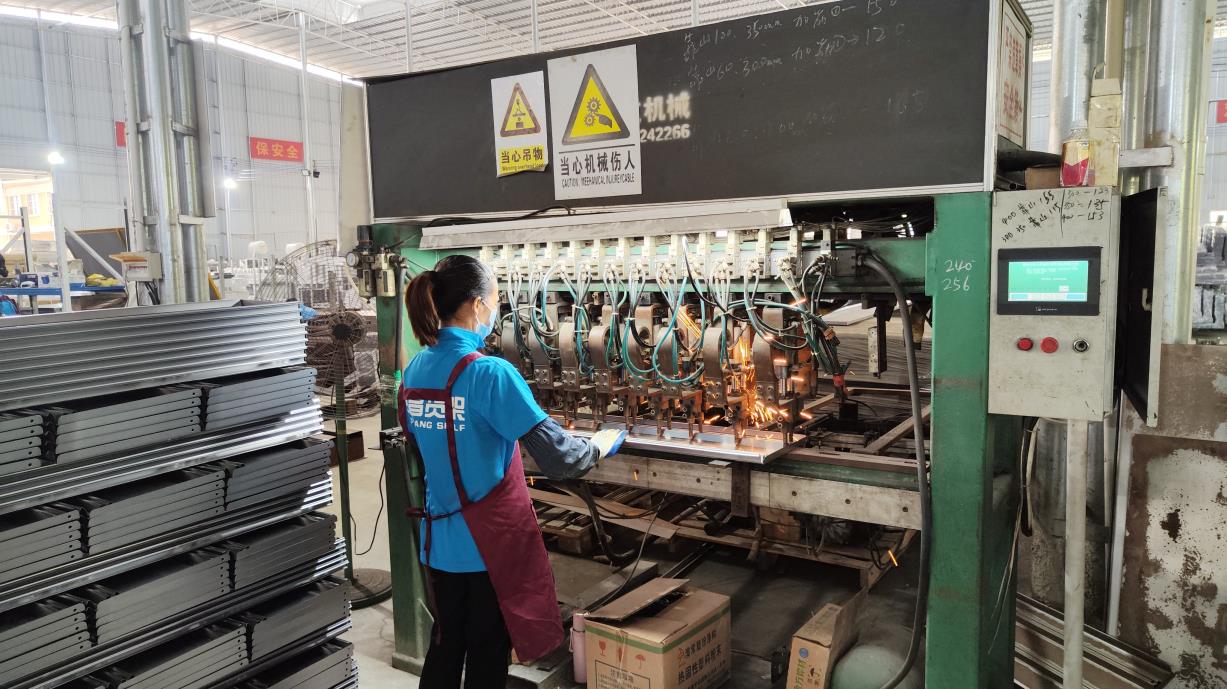
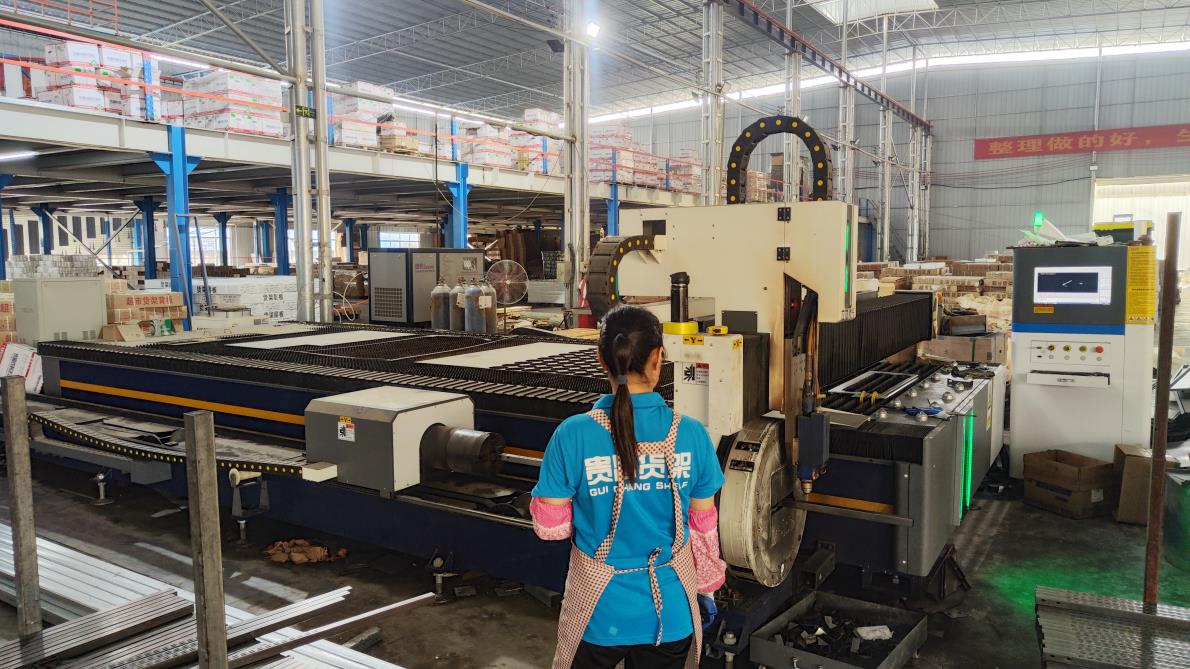
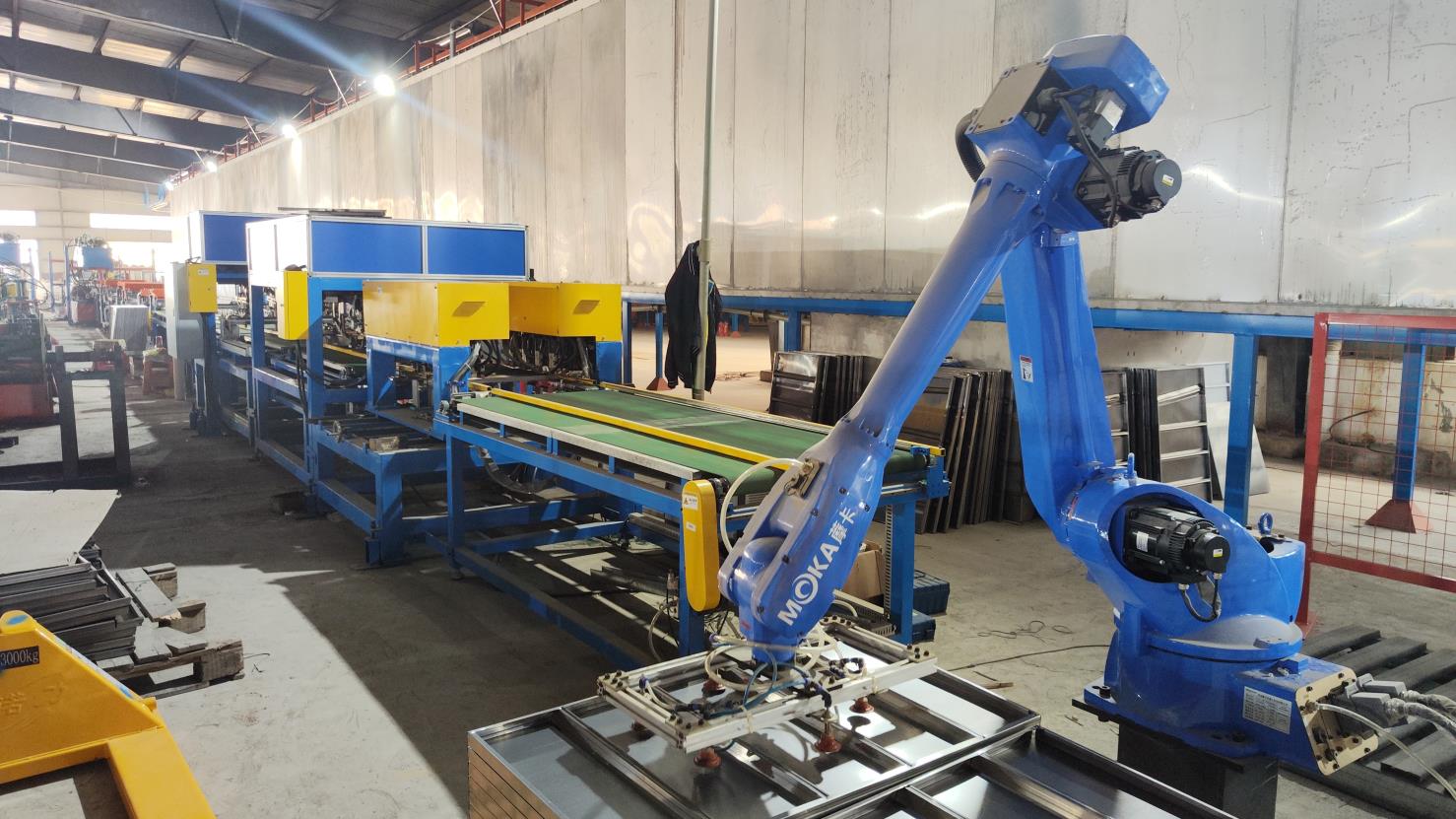
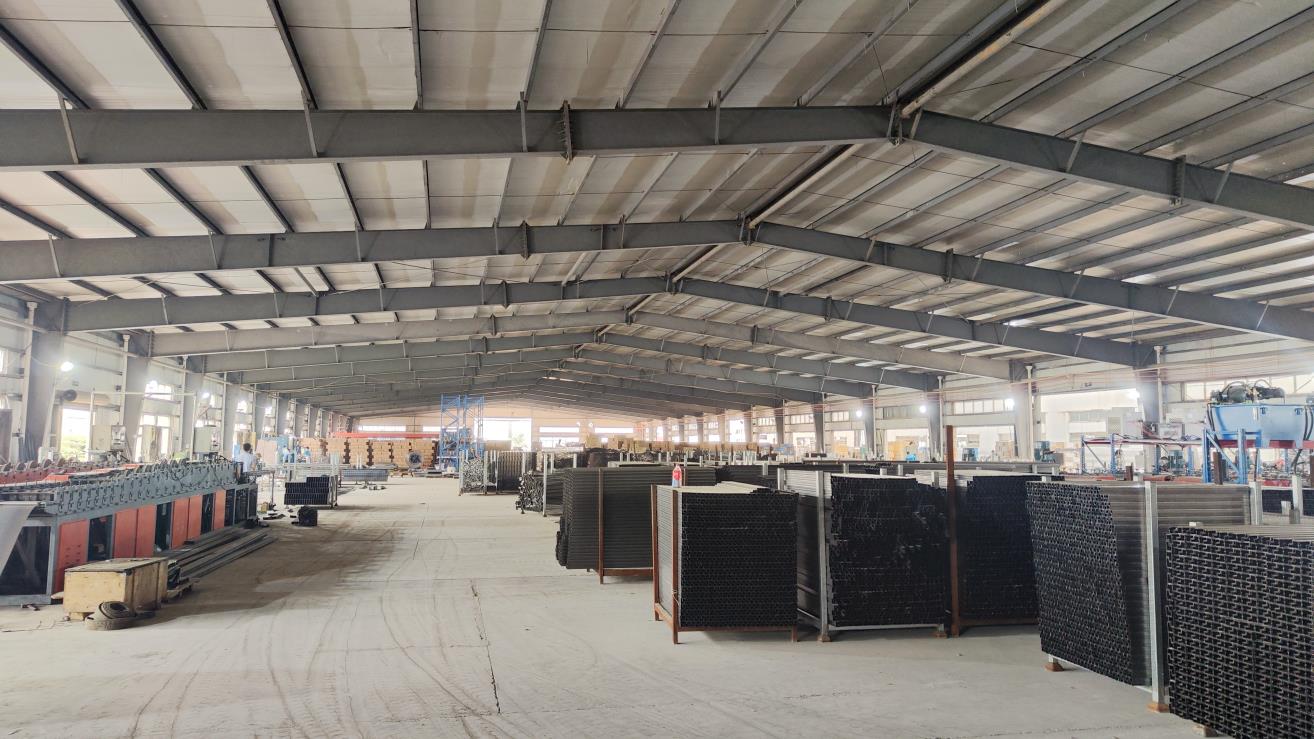
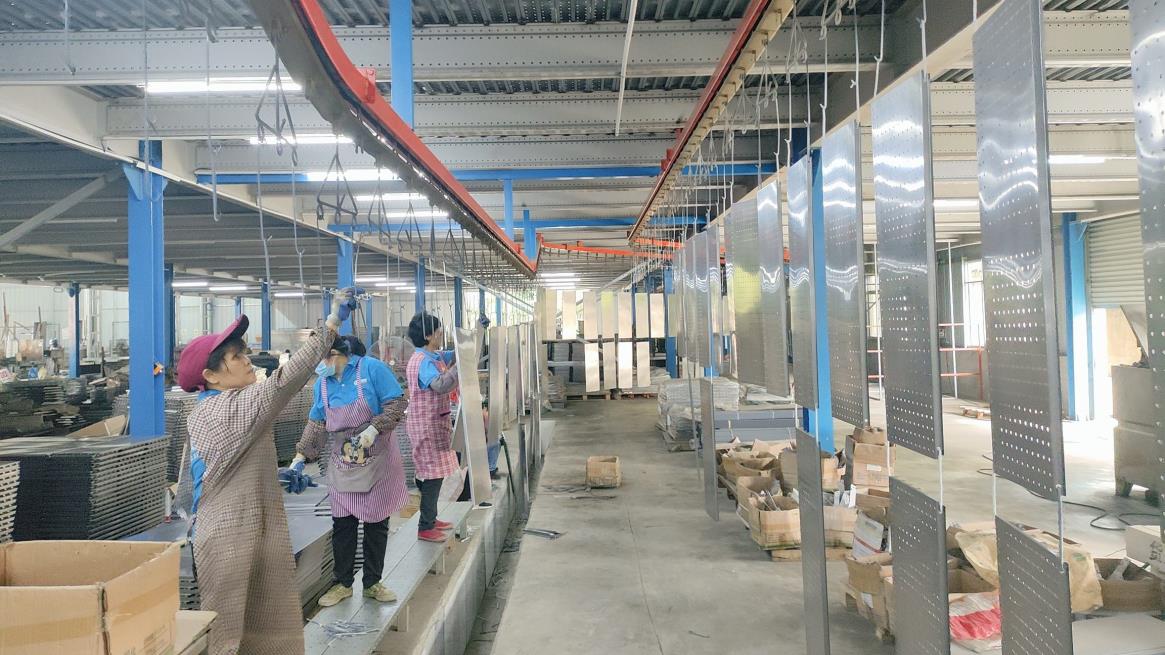
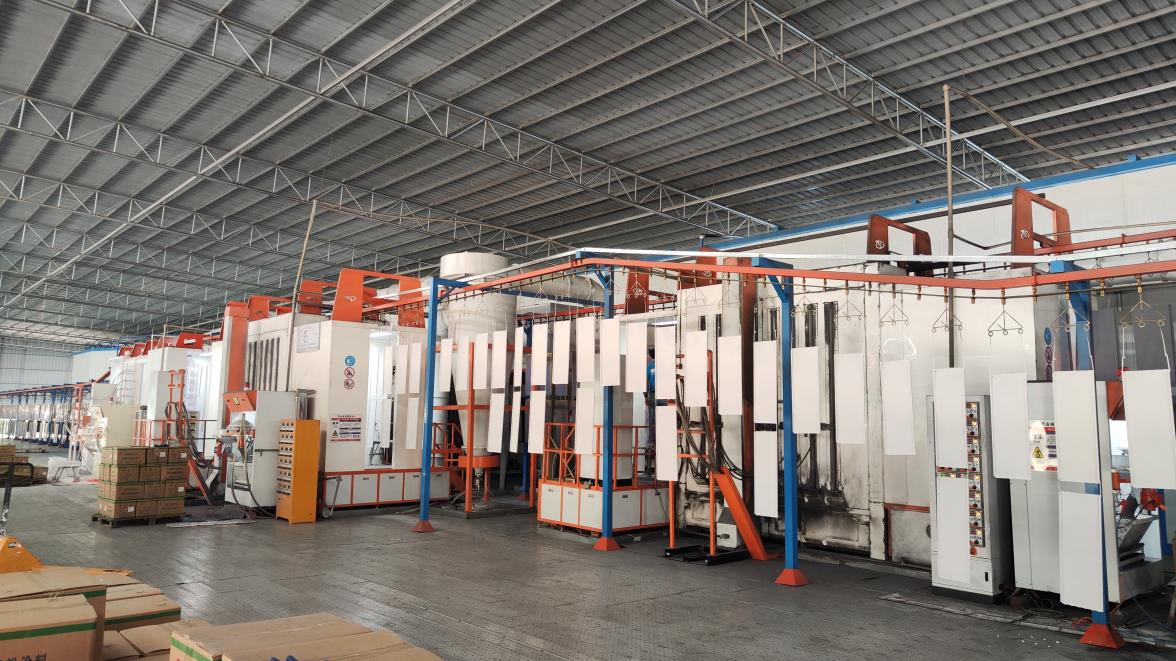
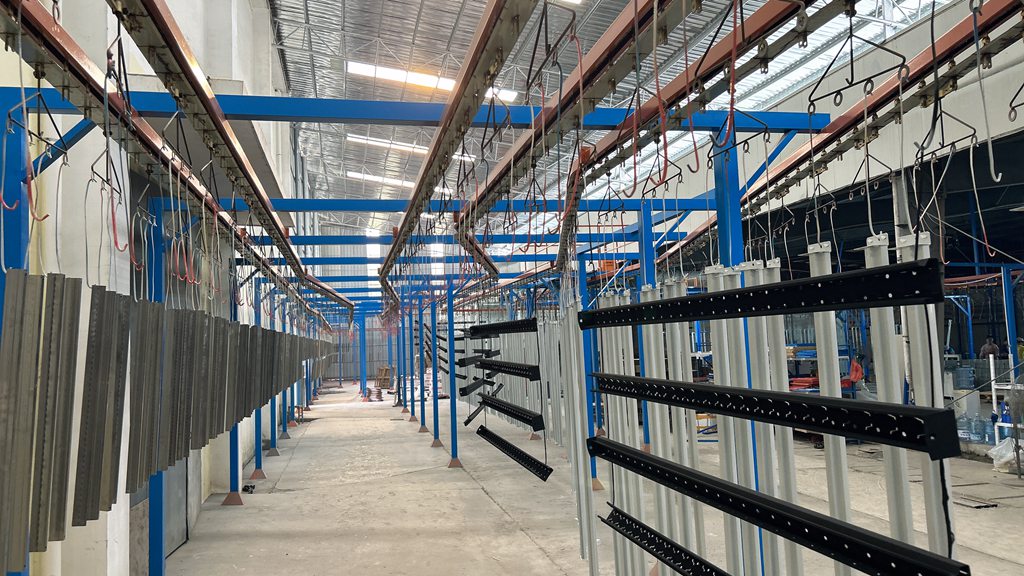
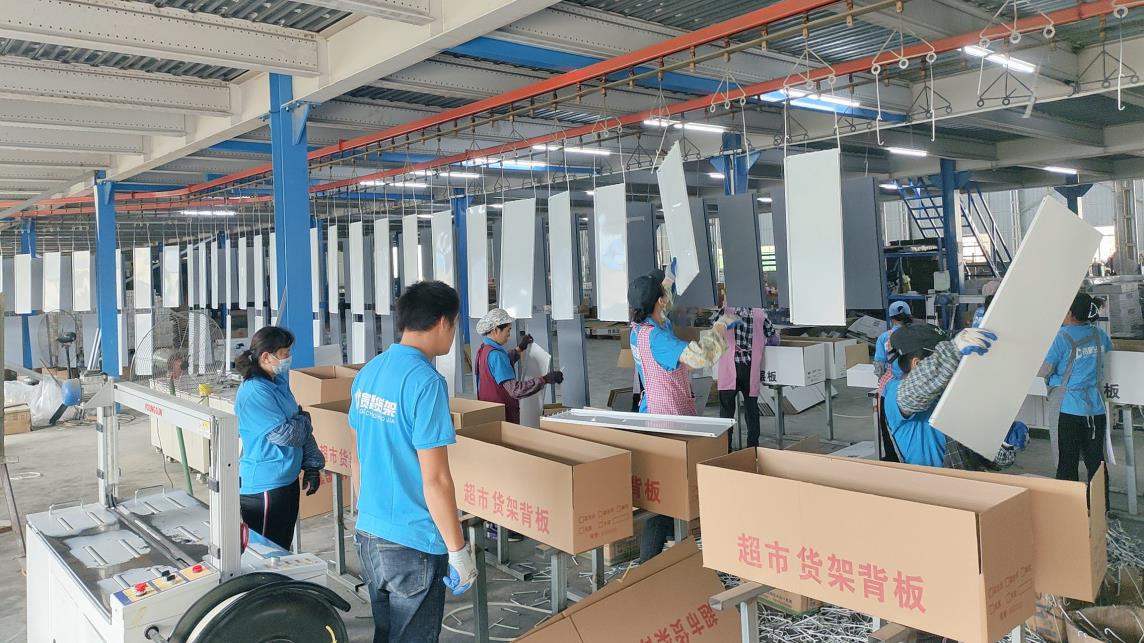
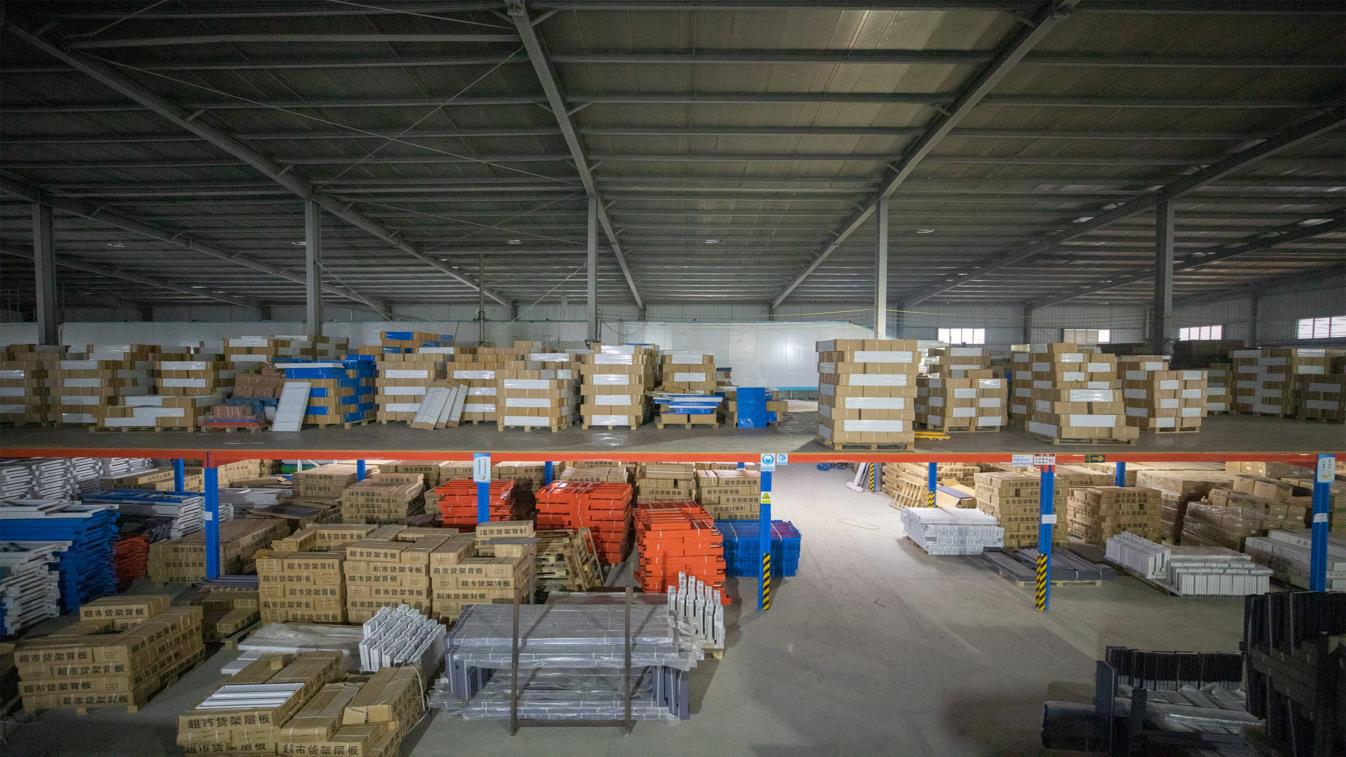
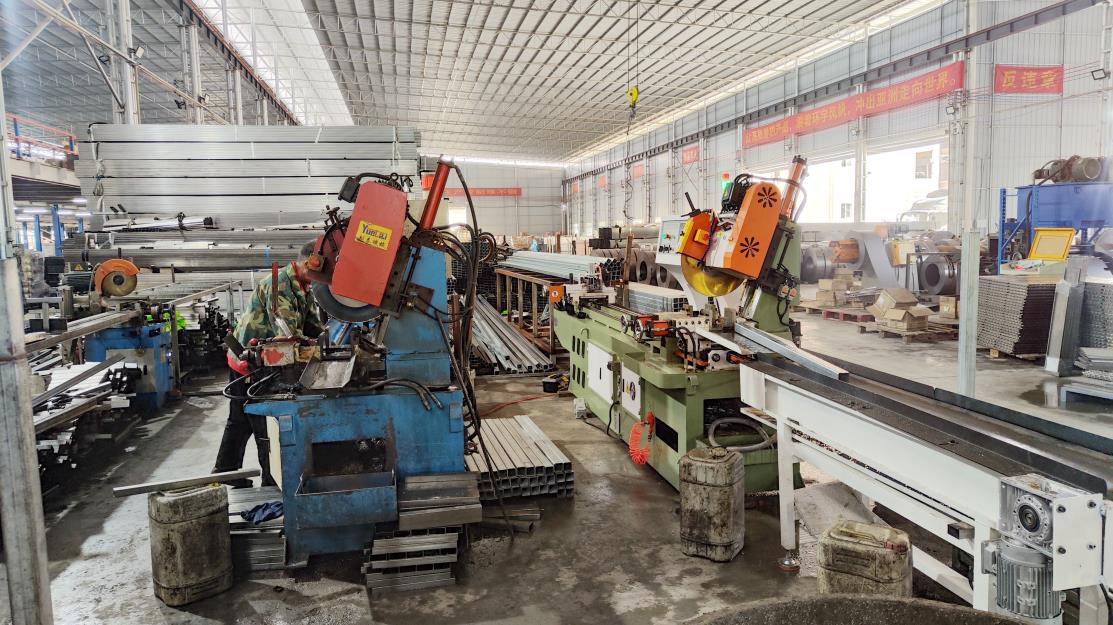
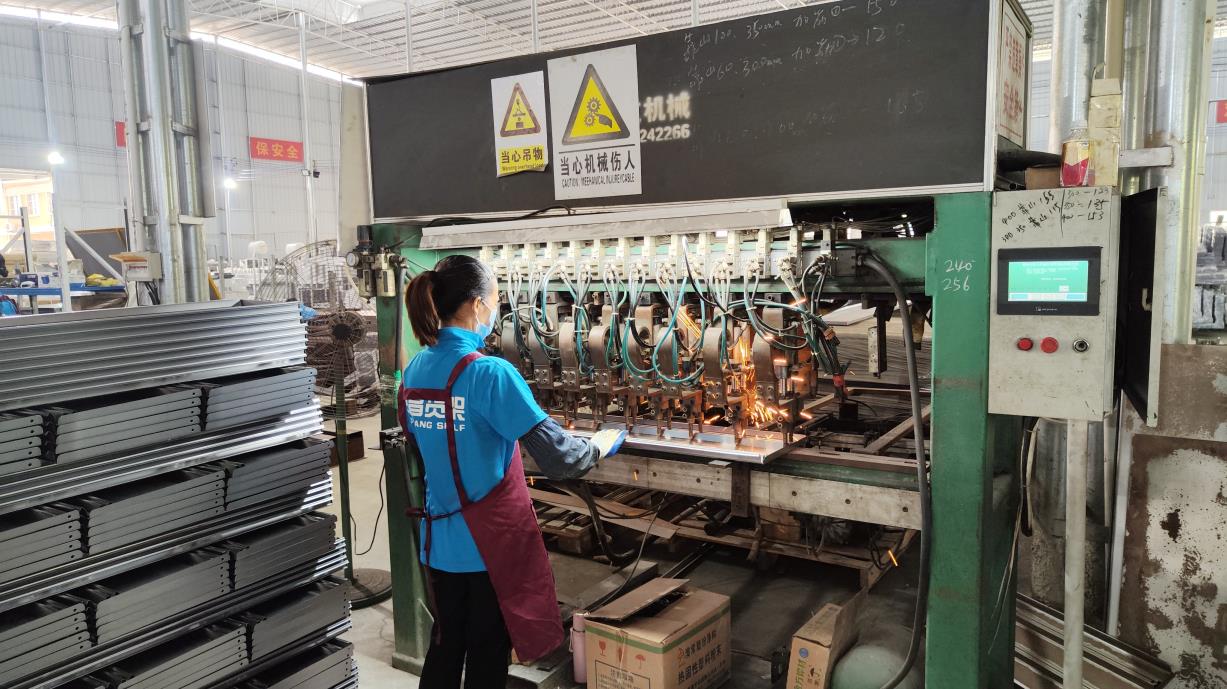
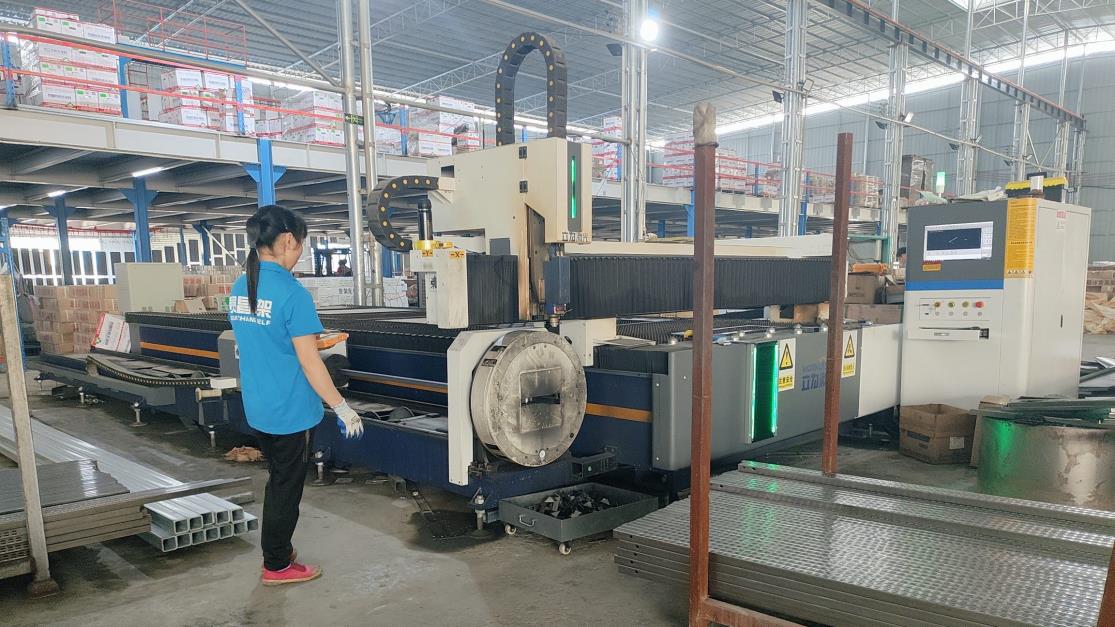
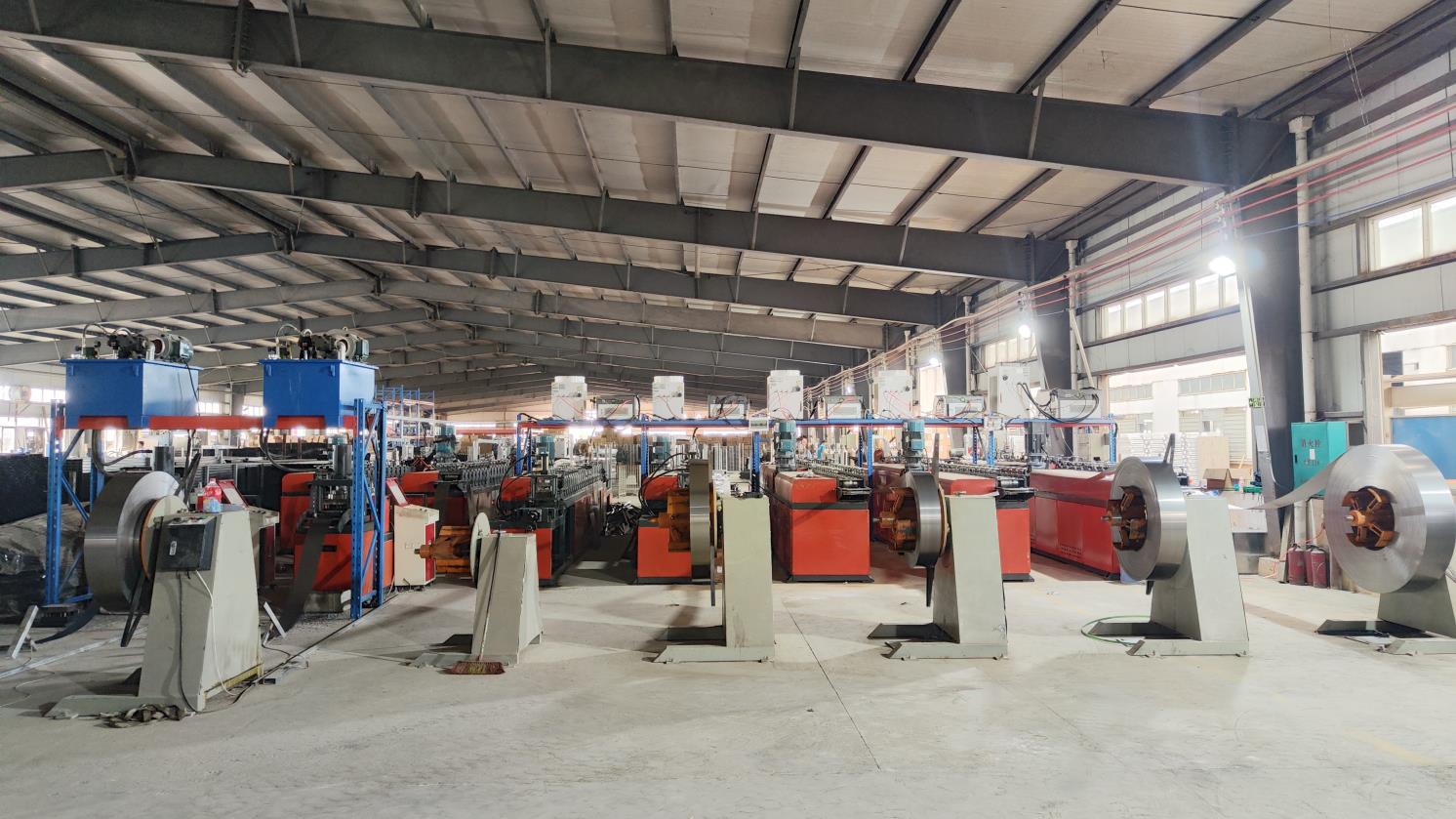
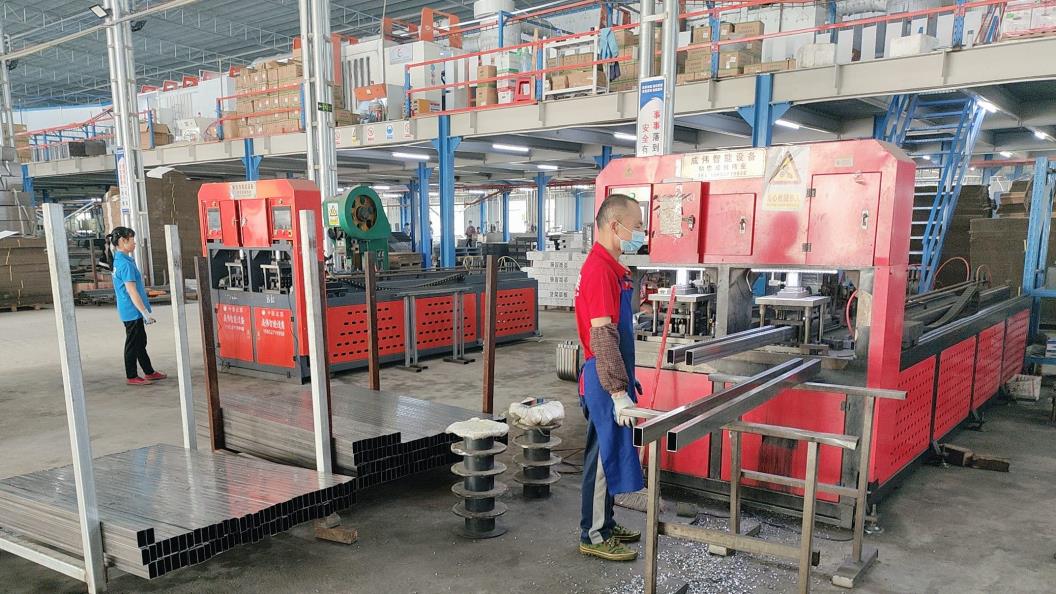
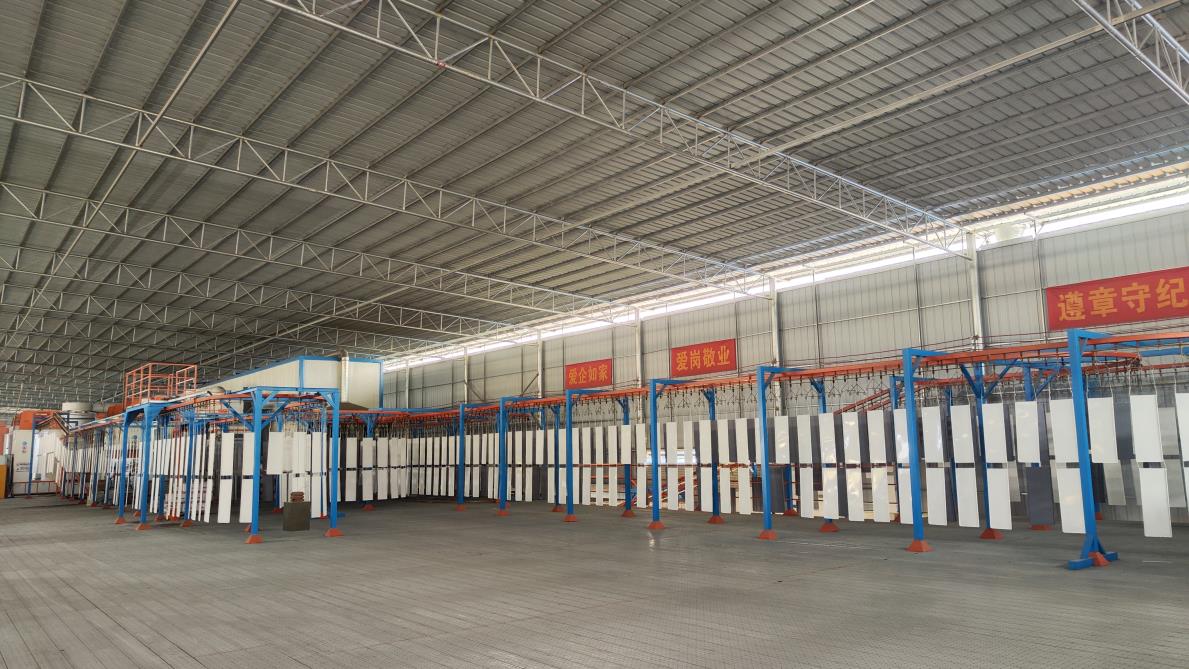
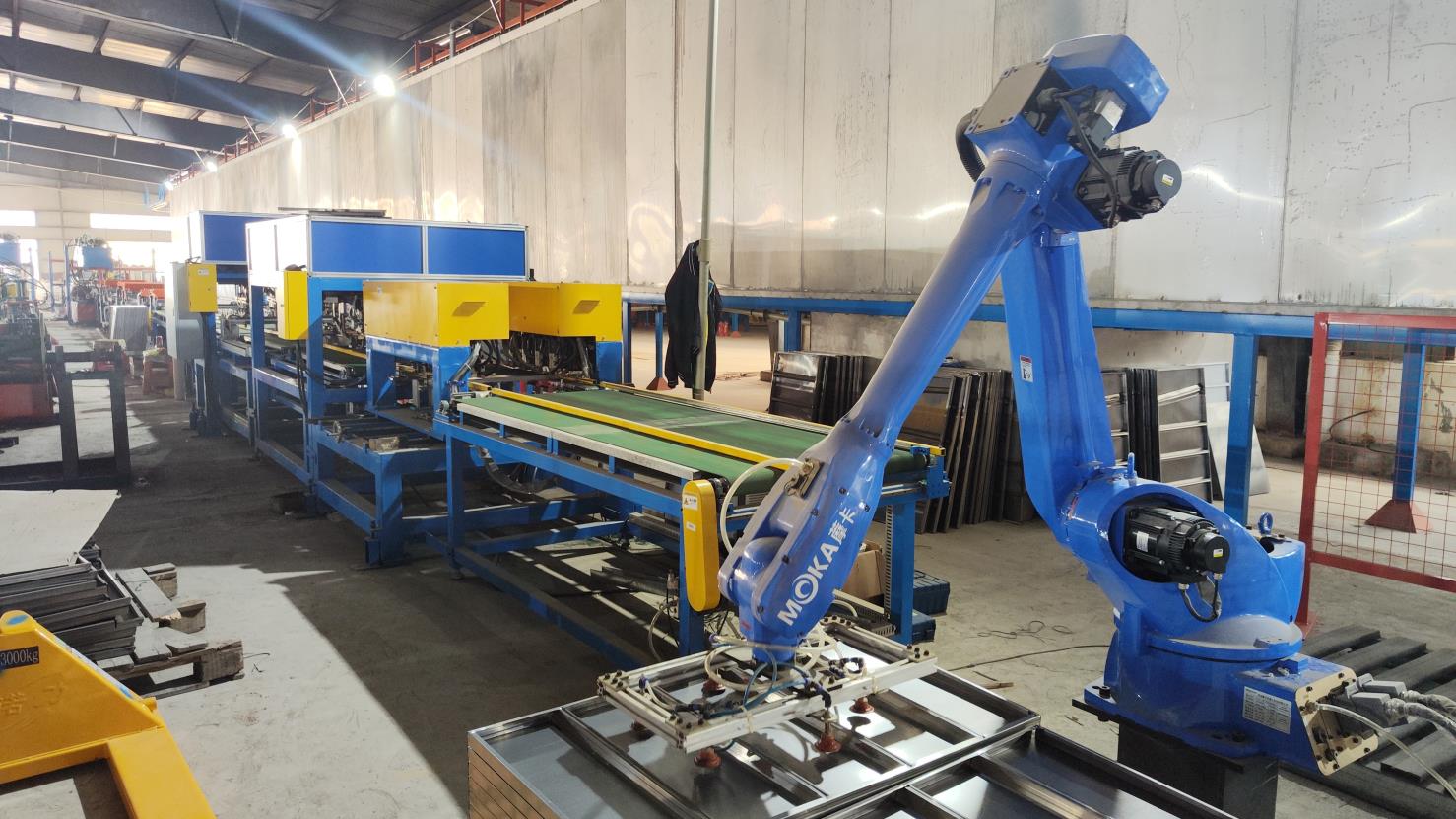
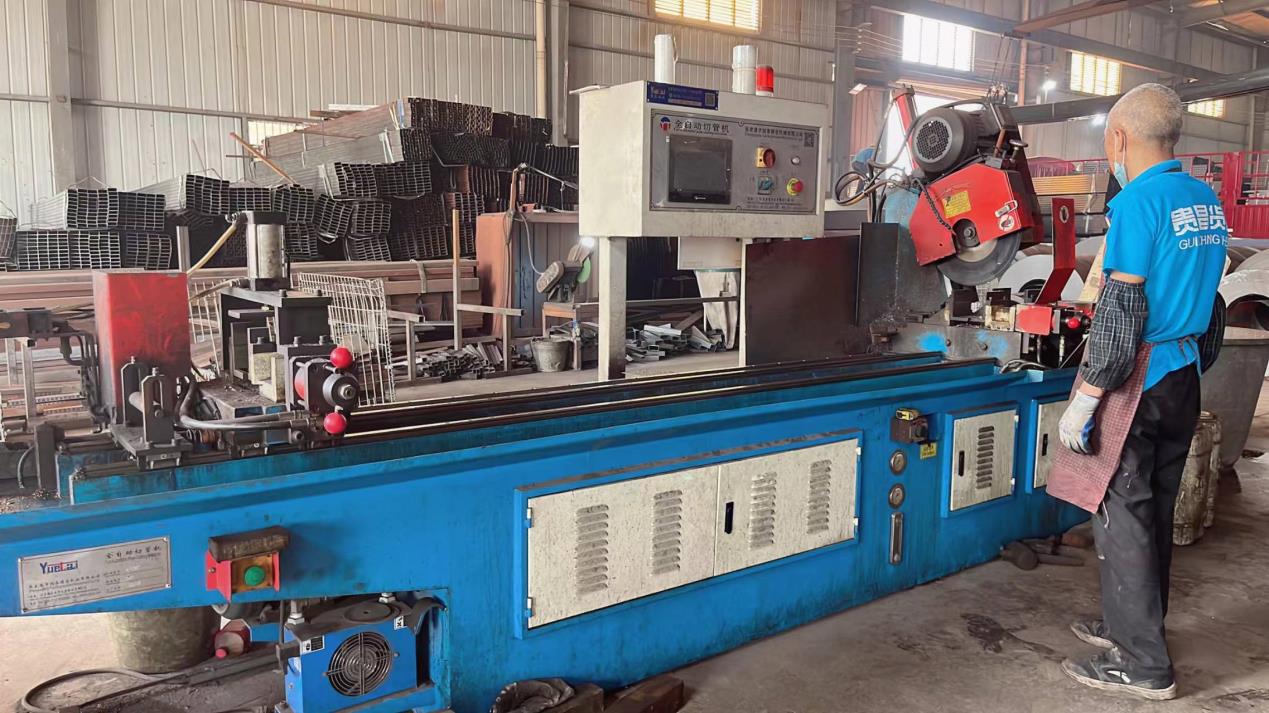
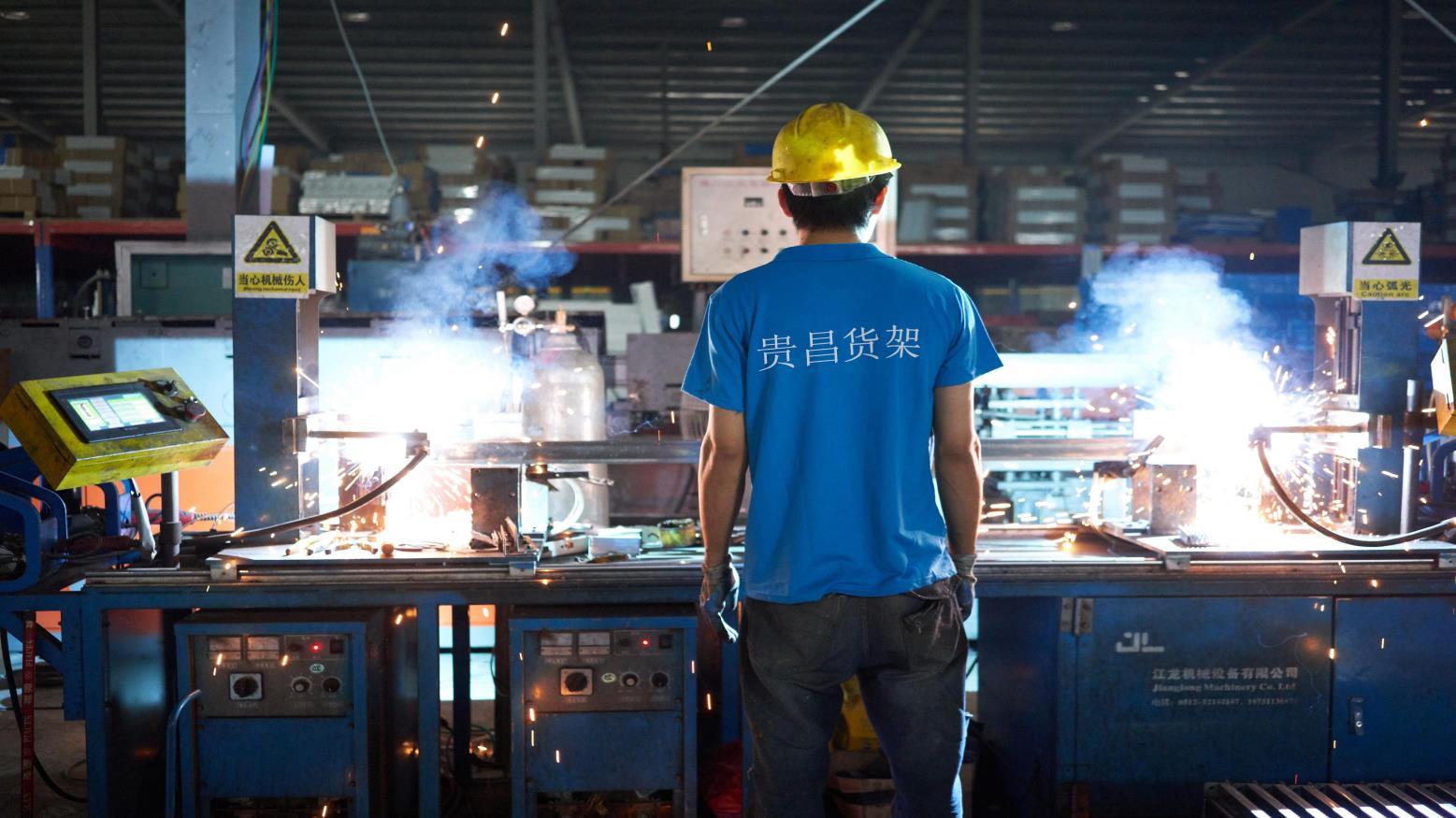
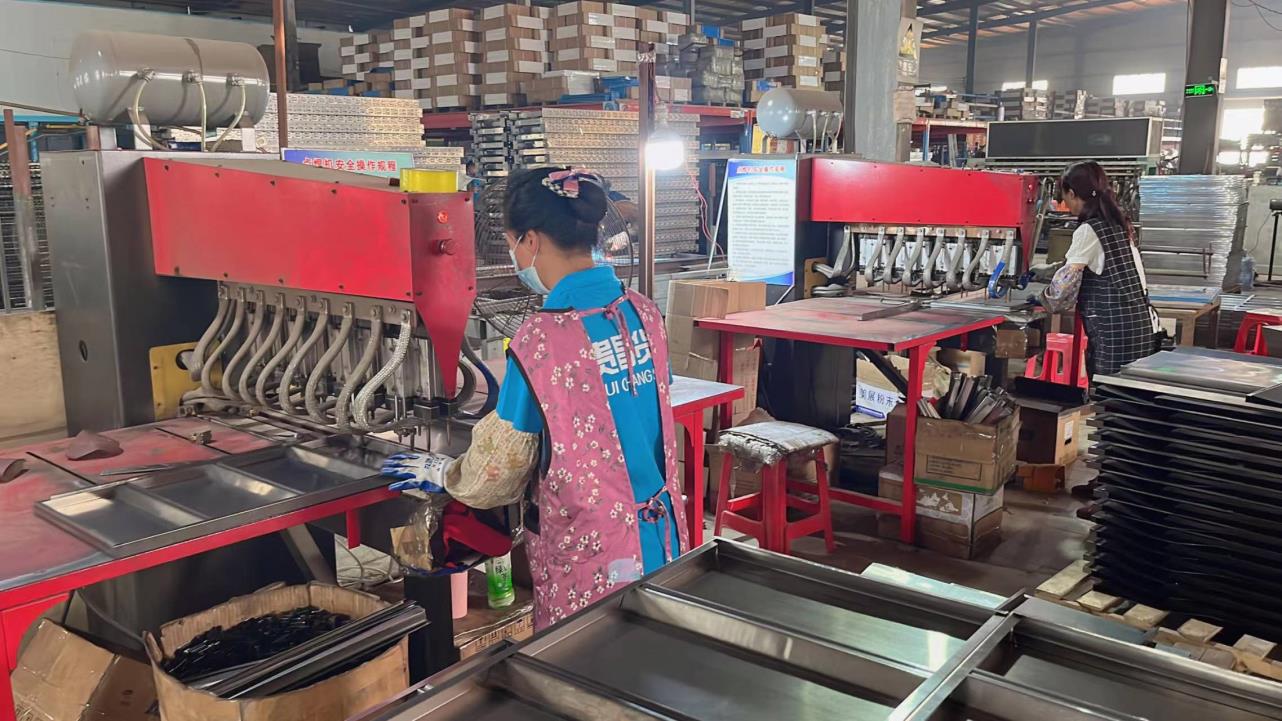
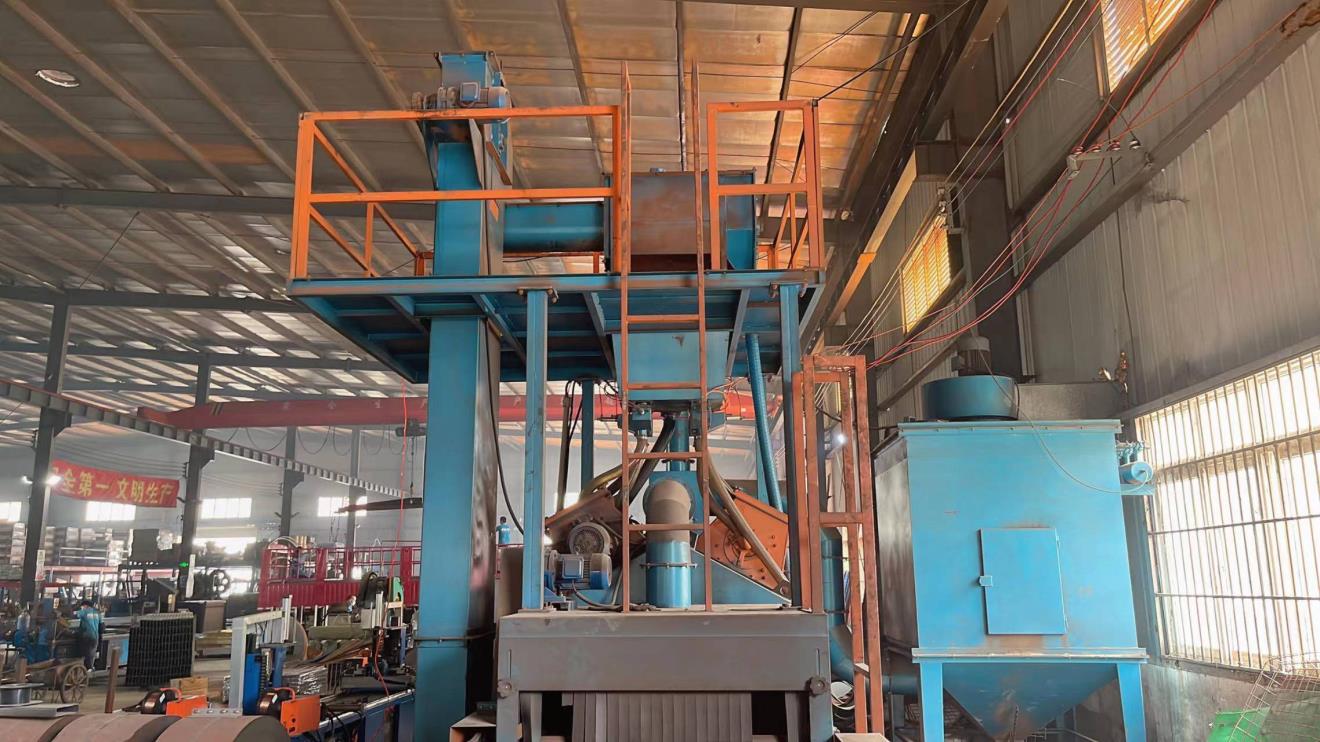
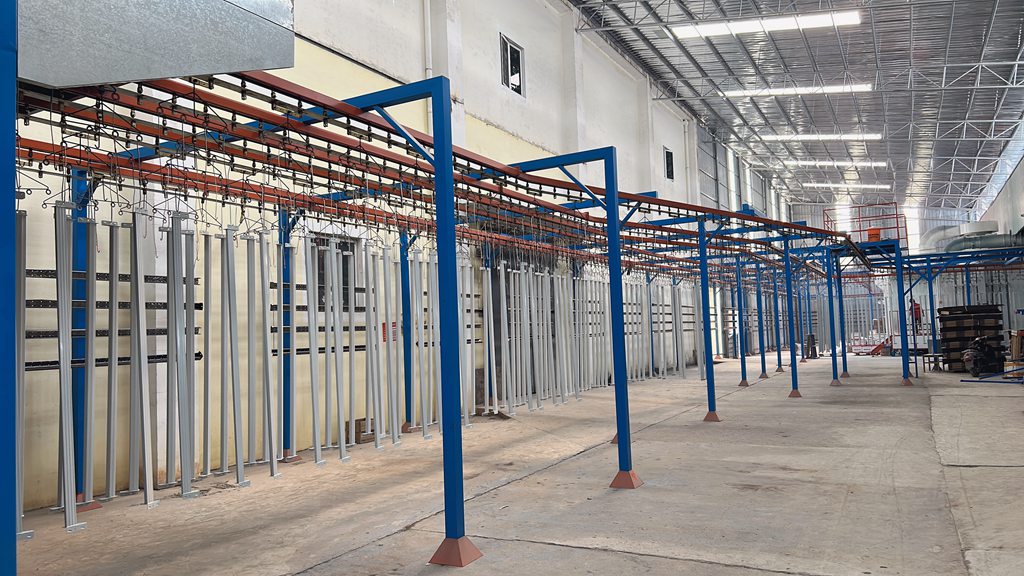
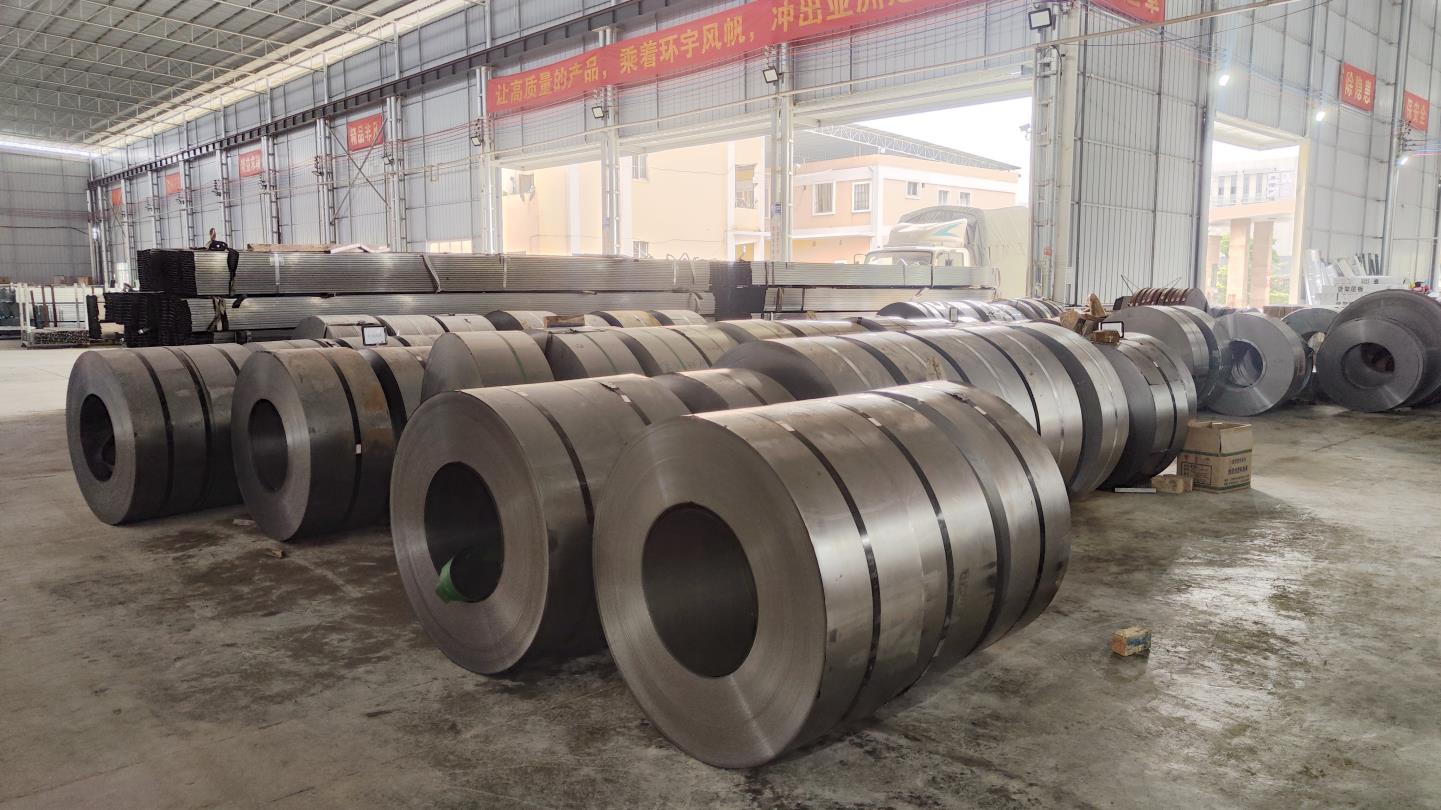
For US buyers facing rising domestic production costs and supply chain constraints, partner selection is critical. Foshan Guichang Shelves Manufacturing Co., Ltd. operates a modern manufacturing facility covering 38,000 square meters. Operating from a strategic industrial hub in China, we manage a direct factory infrastructure that yields over $25 million USD in annual export revenue. Supported by over 850 supply chain partners, we maintain full operational control over raw material sourcing, automated roll-forming, robotic welding, and automated powder coating processes.

Our commitment to Industry 4.0 principles ensures production accuracy and consistent quality across bulk production runs. Standardizing on precision robotic welding, automated laser cutters, and continuous multi-stage powder coating lines allows us to produce high-tolerance supermarket fixtures that fit together during assembly. This automation yields significant cost advantages and mitigates lead-time volatility, ensuring US retailers receive equipment on schedule.

Rigorous Quality Control & Material Standards

Quality and structural safety are central to our manufacturing philosophy. Our quality management system is fully ISO9001 certified, backed by a dedicated team of 28 QC specialists. Every order undergoes rigorous four-stage quality inspections:

  • Raw Material Testing: Spectrographic steel composition analysis and tensile strength verification of every coil of high-tensile steel.
  • In-Process Inspection: Automated online weld seam ultrasonic flaw detection and laser dimensional verification.
  • Surface Coating Inspection: Salt spray corrosion testing (following ASTM standards) and digital coating thickness measurement.
  • Finished Product Testing: 3D laser structural alignment and real-scenario 150% maximum load endurance testing.

Material & Load Technical Specifications

Specification Feature Standard Parameters Testing Protocol / Compliance
Primary Material High-strength Q235 Carbon Steel (equivalent to ASTM A36) Spectrographic Composition Analysis
Layer Load Capacity 40kg to 80kg per shelf (uniformly distributed load) 150% structural endurance load test
Surface Coating Electrostatic powder coat (epoxy polyester blend) Salt spray corrosion test & impact test
Upright Profiles Heavy-gauge 4-post design with 50mm adjustments ANSI/MH28.1 standard configuration compatibility
Wood Grain Finishes Thermal transfer print over steel base plate Cross-cut adhesion test (ASTM D3359)

Factory & Manufacturing Operations Process

Tailored Store Layout Configurations for US Retailers

Designing optimized zoning layouts to enhance product visibility and customer traffic flow.

Every commercial retail layout in the US has distinct operational requirements. Our engineering team assists store designers in configuring layouts that align with their merchandise strategy:

1. Premium Organic Grocers & Farm Markets

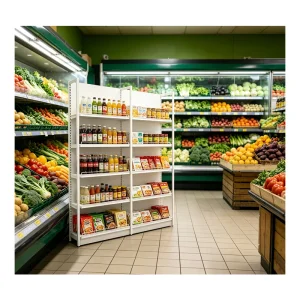
Aesthetics are key to establishing premium value. In organic food sections, we recommend Yellow Wood Grain print metal gondolas. These match natural, warm-toned lighting and highlight organic items without the warping risk associated with solid timber shelves in refrigerated or high-humidity zones.
2. Large-Format Supermarkets & Regional Chains

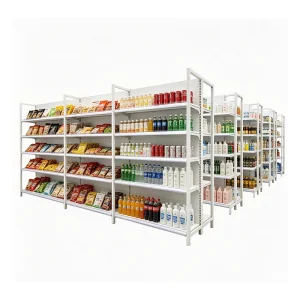
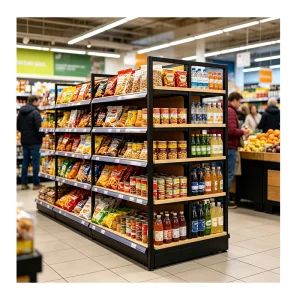
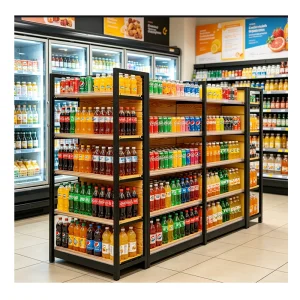
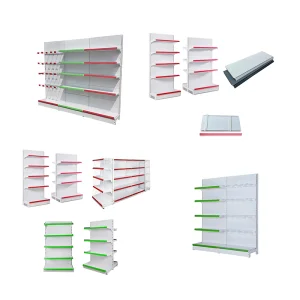
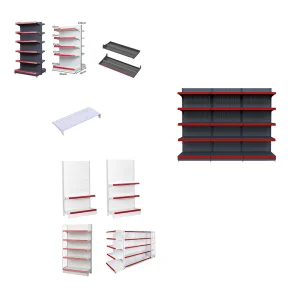
High sales volume requires durable shelving. Standard layouts utilize double-sided island shelving down central aisles, bookended by heavy-duty end caps that capture impulse purchases. With load ratings of 40-80kg per shelf, these configurations support heavy cans and bottles without sagging.
3. Commercial Pharmacies & Health Outlets

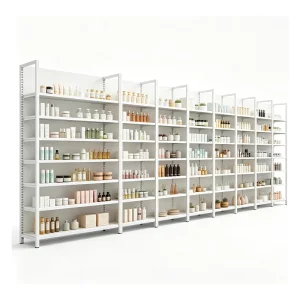
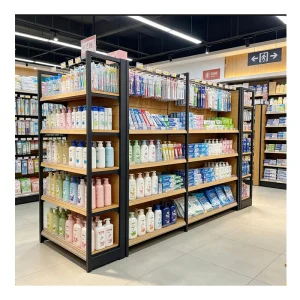
Sparsely arranged medicine displays call for clean, sterile environments. Our customizable steel gondolas, finished in white or wood-grain prints, adapt to variable layouts. Optional pegboards and wire dividers keep smaller pharmacy items sorted and front-faced.

Need a Custom Space Layout and Pricing Estimate?

Work directly with our engineering team to generate 2D/3D CAD layouts that optimize space utilization and comply with local safety guidelines.

Send Inquiry Now

Frequently Asked Questions & Purchasing Insights

Answering common questions for retail developers, project planners, and supply chain managers.

What steel grade is used, and how does it compare to US standards? +
Our supermarket shelving is constructed from high-tensile Q235 steel, which is structurally equivalent to ASTM A36 carbon steel. This provides an excellent balance of load-bearing strength, ductility, and welding reliability. The steel sheets are cold-rolled to precise profiles to ensure high yield strength across all load ratings.
How does the wood grain print hold up in high-traffic stores? +
Unlike plastic laminates or natural timber veneers, our wood grain finishes are produced using advanced thermal transfer printing over an electrostatically applied powder coating base. This creates a highly scratch-resistant, UV-stable finish that will not peel, bubble, or warp under temperature swings or exposure to cleaning detergents.
Can these shelving systems be customized to meet ANSI/MH28.1 seismic standards? +
Yes, our in-house engineering team uses FEA (Finite Element Analysis) to simulate load patterns and structural performance during seismic events. We can customize upright gauges, footplate sizes, and floor anchorages to comply with specific local building codes across seismic zones in the US.
What are the lead times for custom OEM/ODM production runs? +
Standard OEM production runs are typically completed within 20 to 30 days after drawing approval. The lead time includes raw material processing, automated welding, surface coating, and rigorous quality inspection. Shipping times vary depending on the destination port in the United States.
Do you offer design support for supermarket layouts? +
Yes, we have 18 senior mechanical and structural engineers who can draft CAD layouts and 3D visual mockups based on your store's architectural floor plans. This service is included with large-scale projects to ensure optimal product placement and traffic flow.
How are the products packaged to prevent damage during sea transport? +
All shelving components are securely packed using protective bubble wraps, multi-layer corrugated cartons, and heavy-duty wooden crates. Uprights are bundled with steel strapping, and delicate components are individually wrapped to prevent surface scratches during transit.