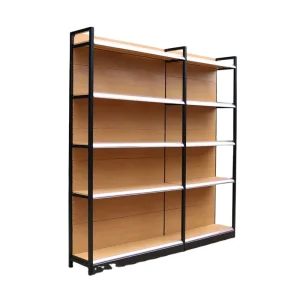
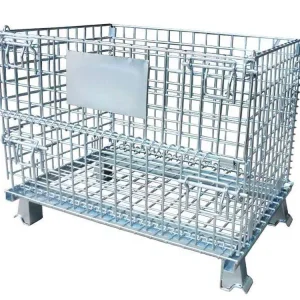
Select engineering-grade loading racks, steel pallets, and logistics handling equipment configured for high-capacity warehouse environments.
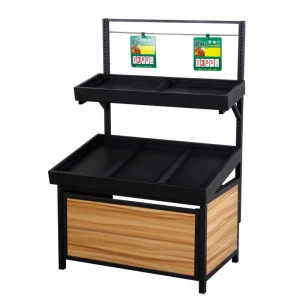
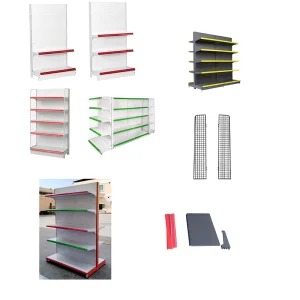
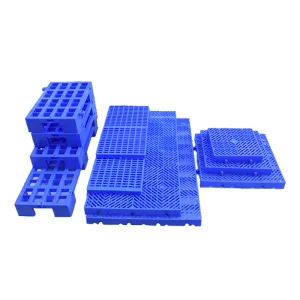
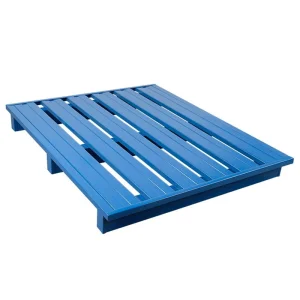
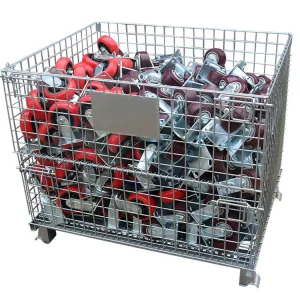
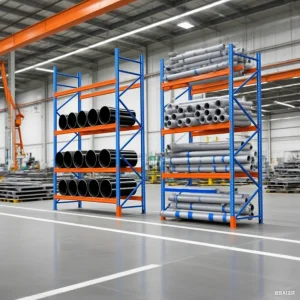
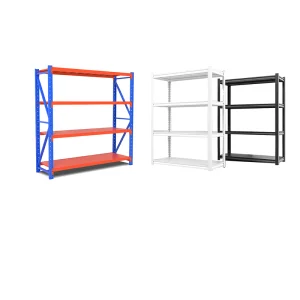
Founded in 2014, Foshan Guichang Shelves Manufacturing Co., Ltd. is a premier structural engineering manufacturer specializing in industrial warehouse storage systems, heavy-duty pallet racking, and customizable product presentation configurations. Over the course of 12 years of industry innovation and 8 years of dedicated international export operations, we have established ourselves as a reliable strategic supplier for regional distribution hubs, logistics firms, 3PL partners, and industrial equipment sourcing groups globally.
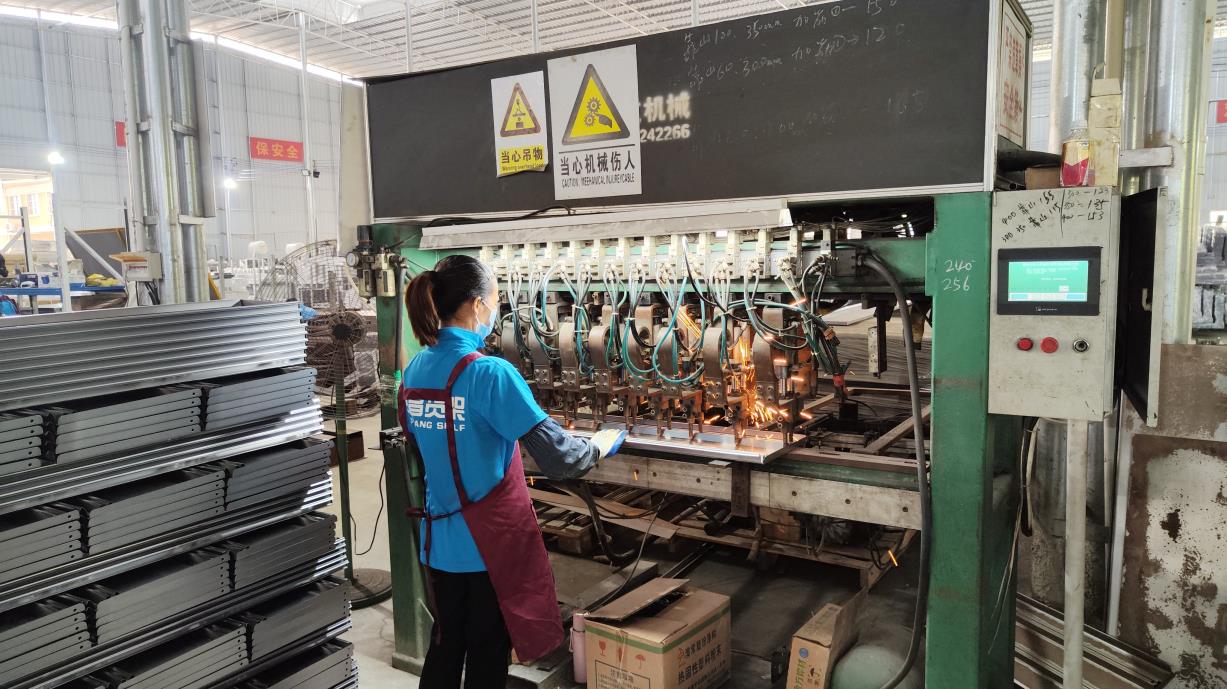
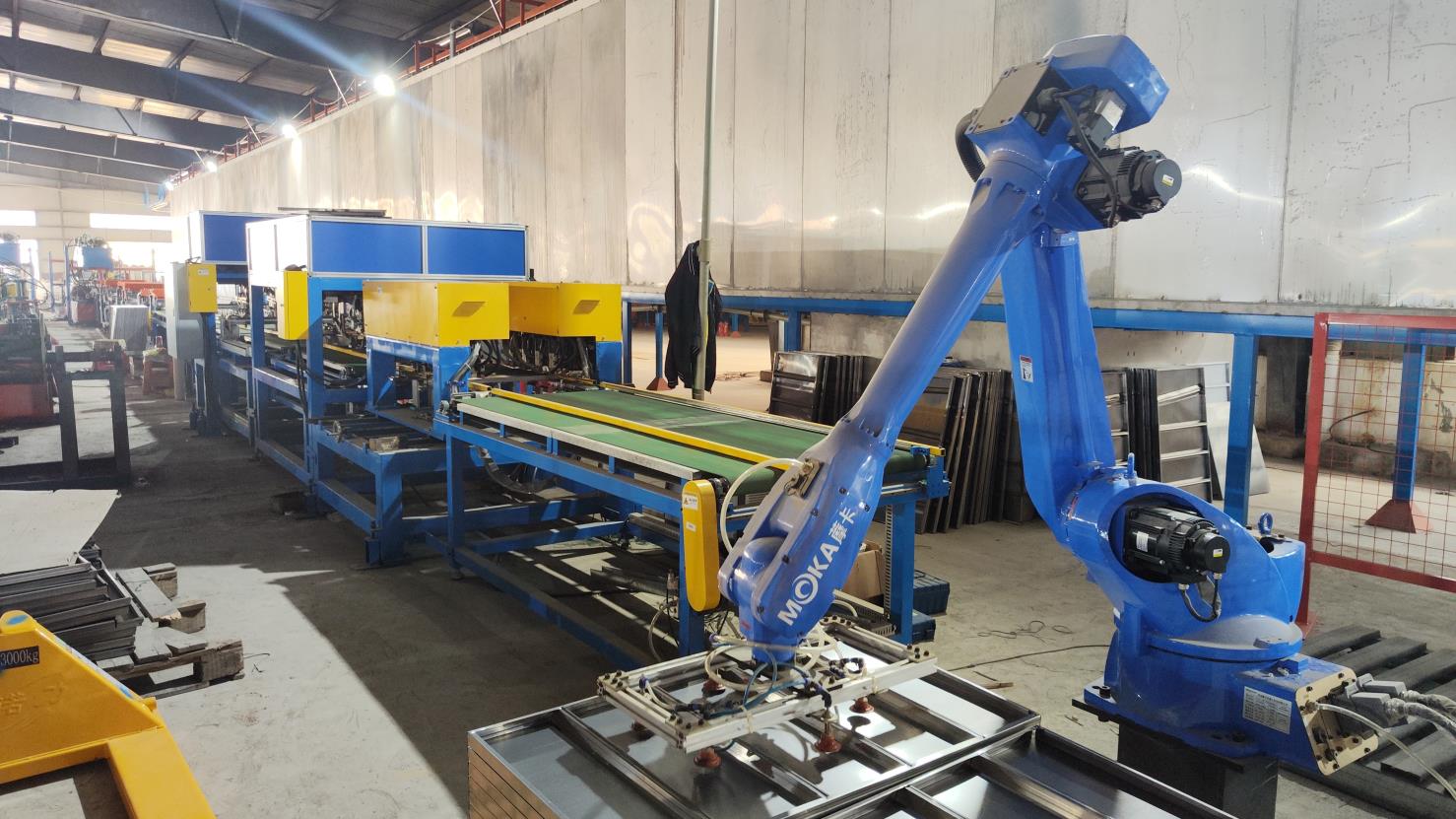
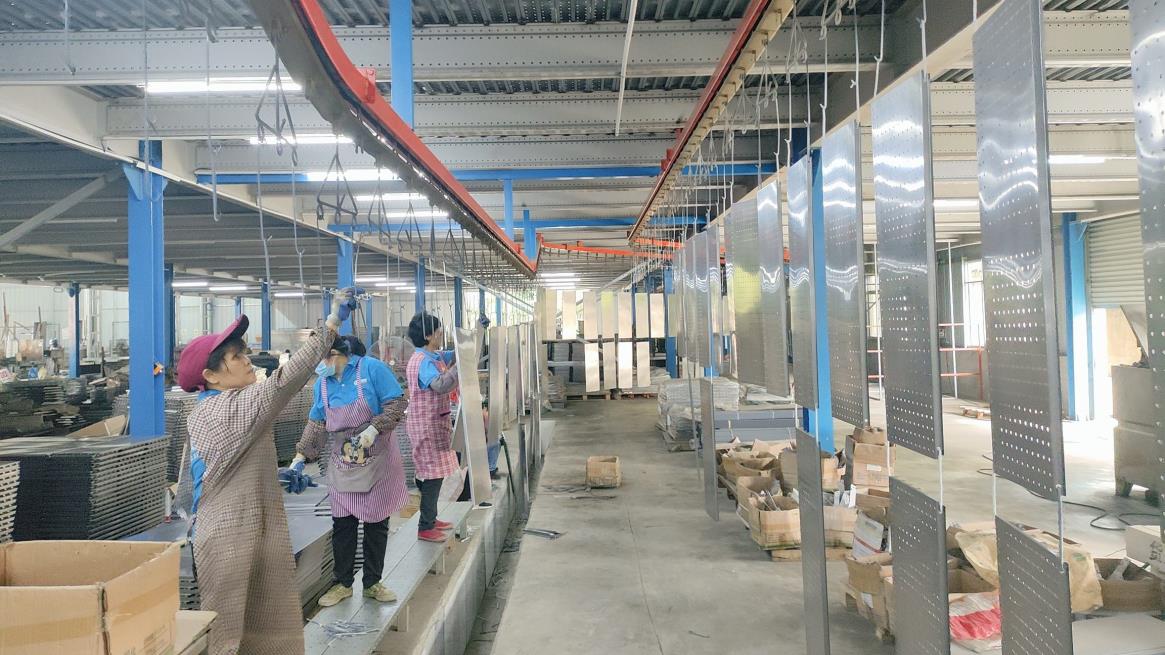
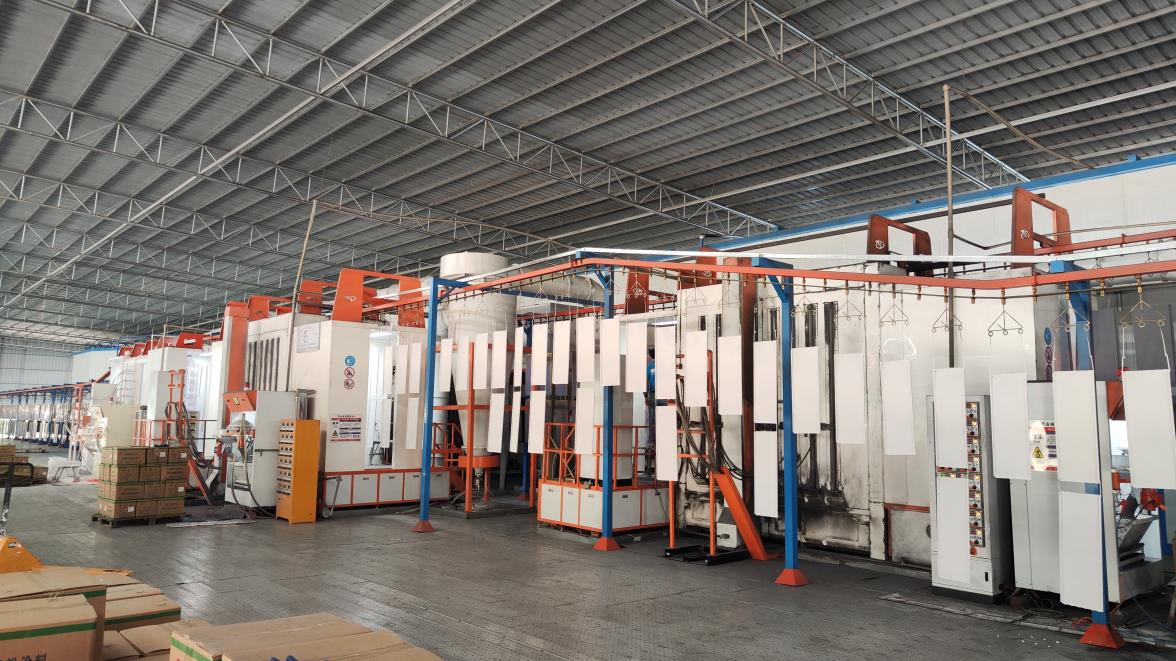
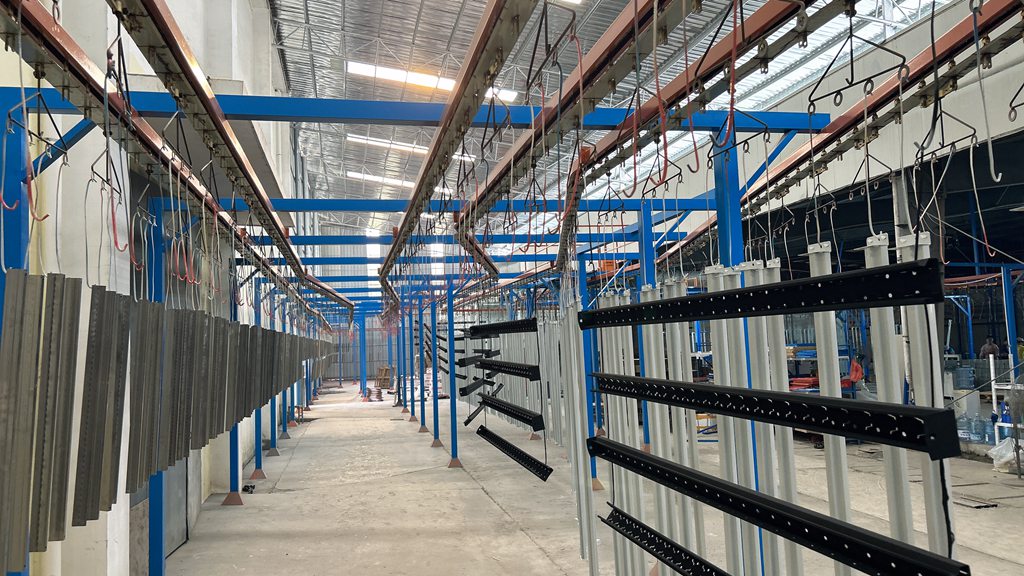
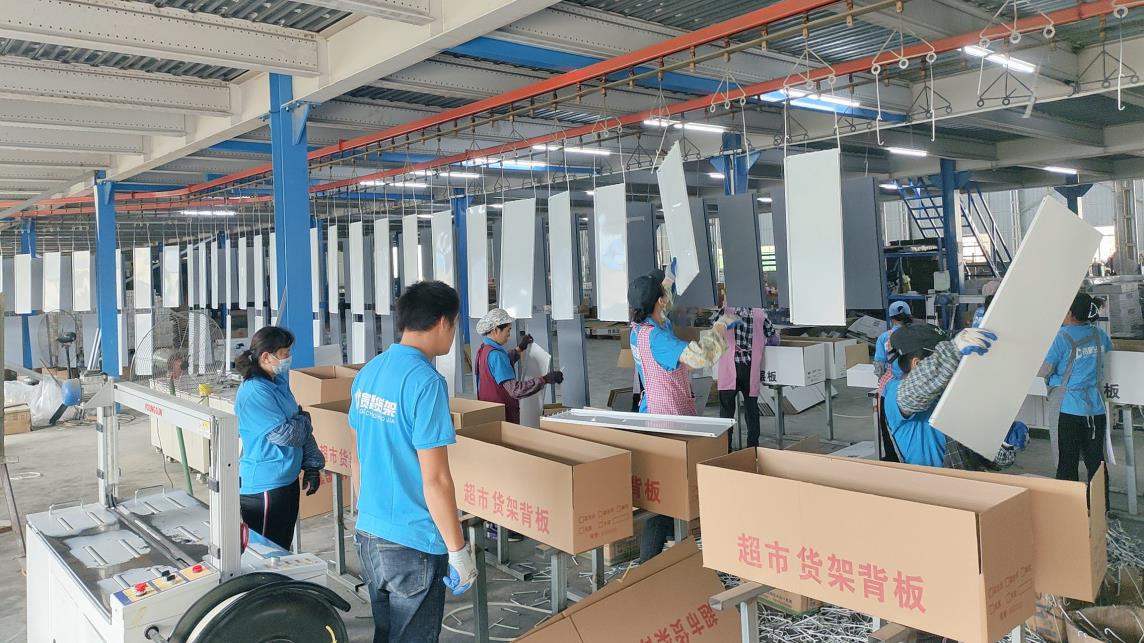
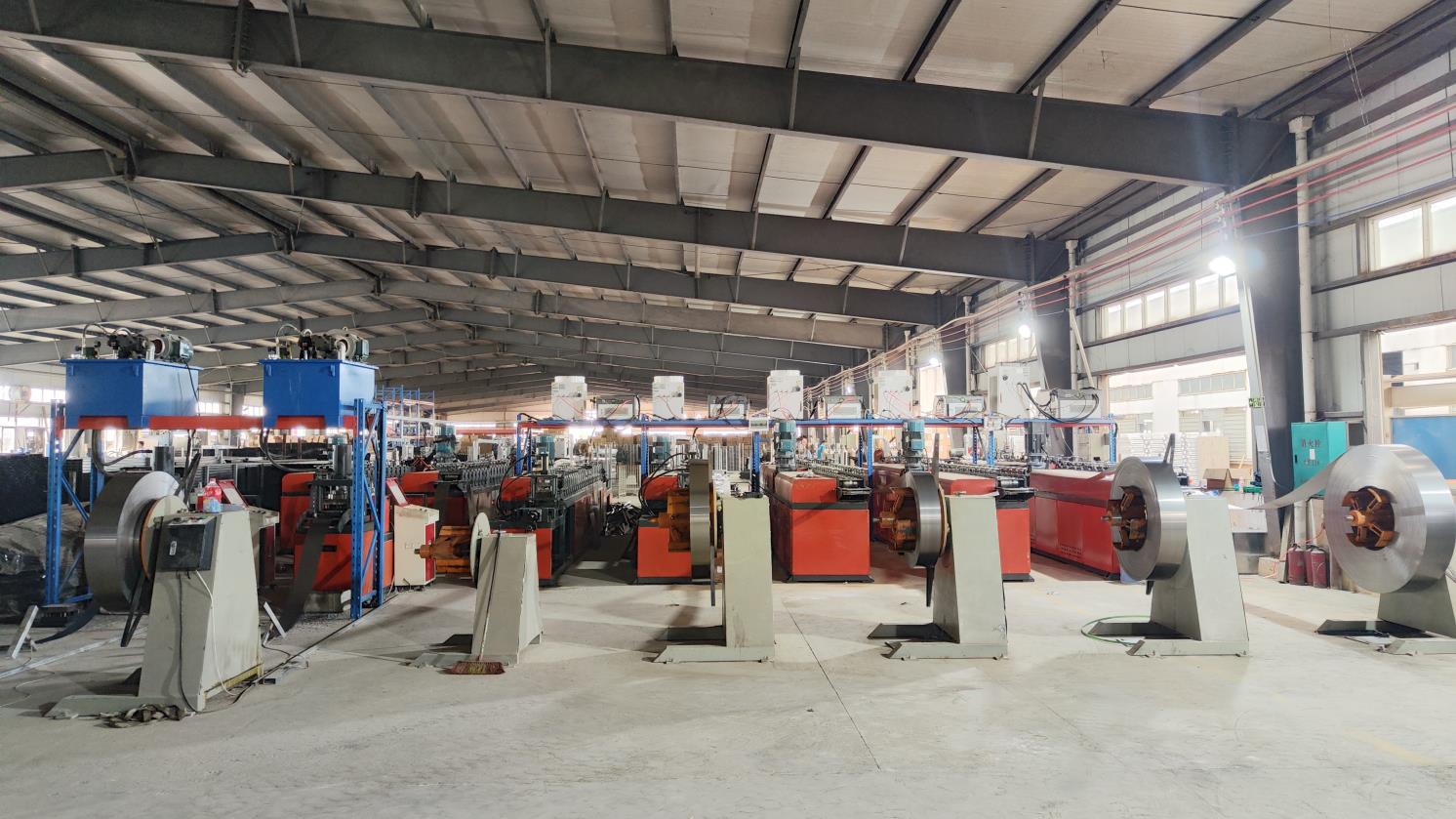
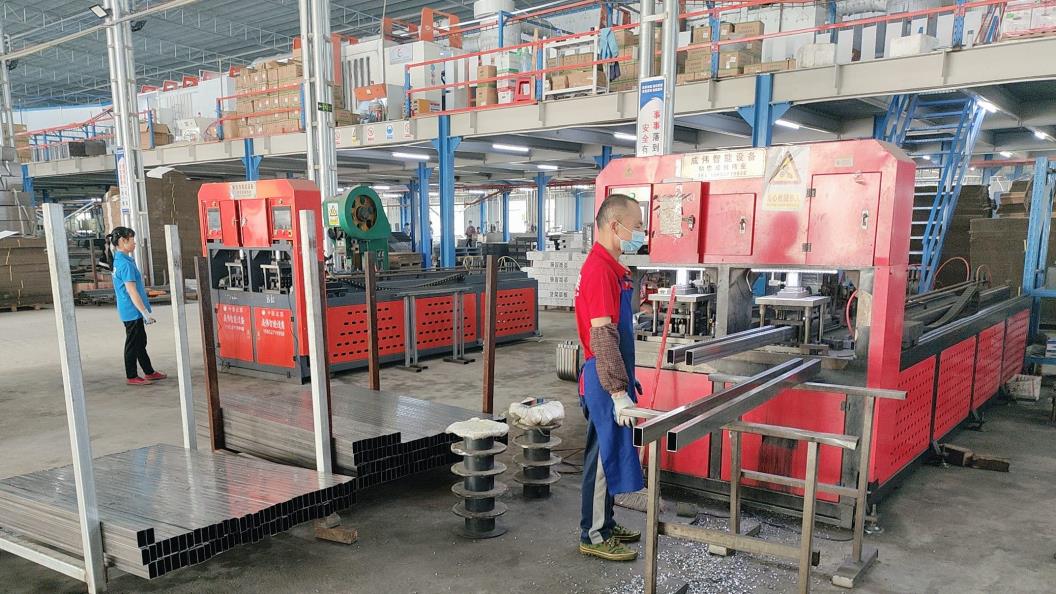
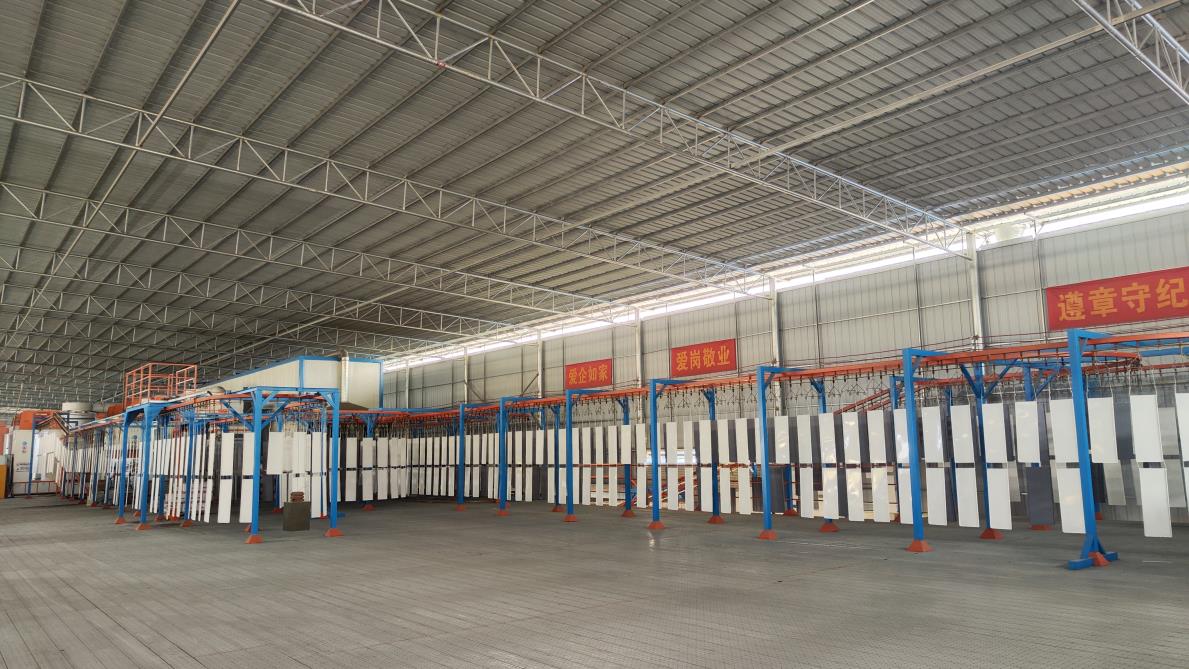
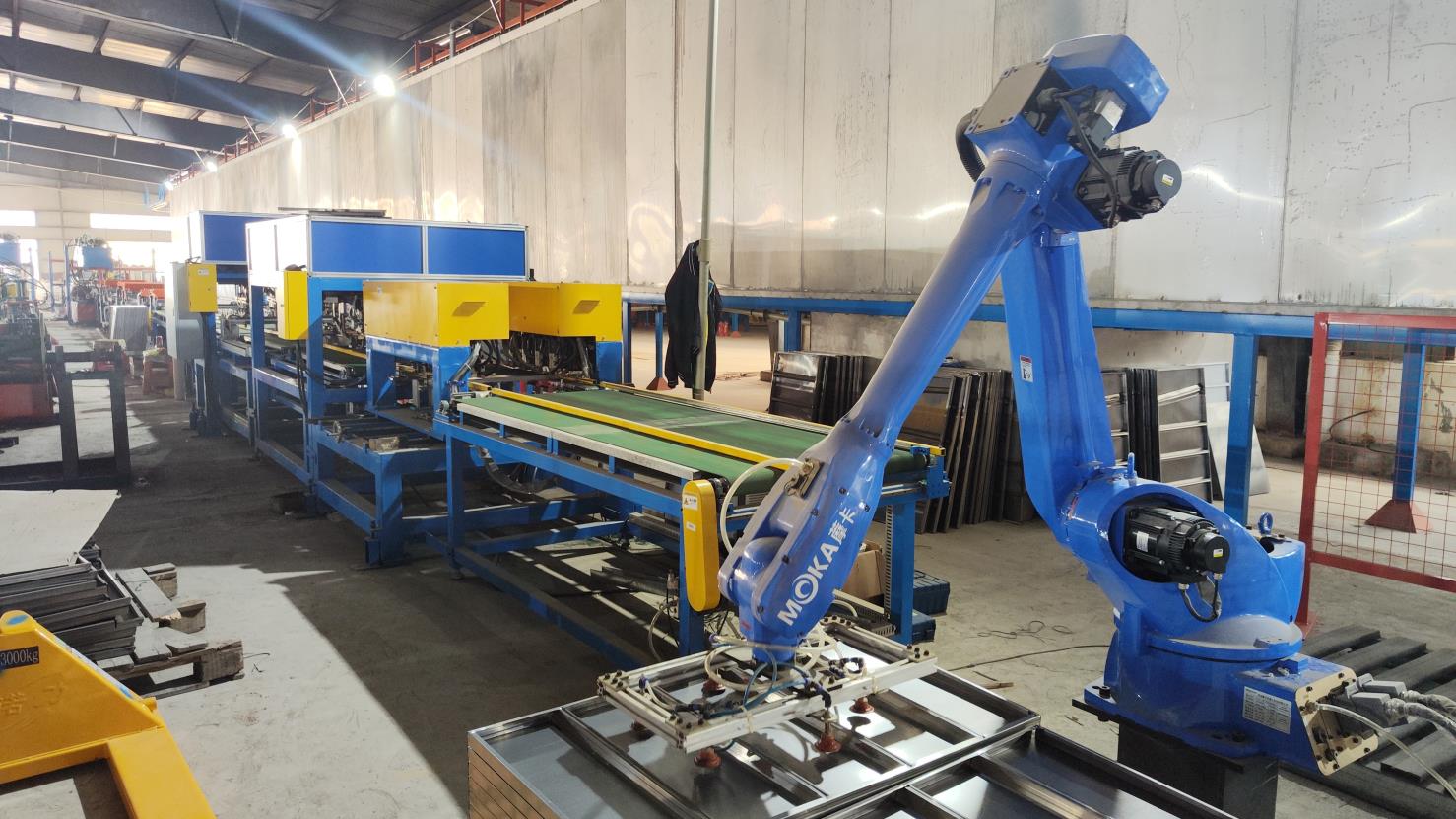
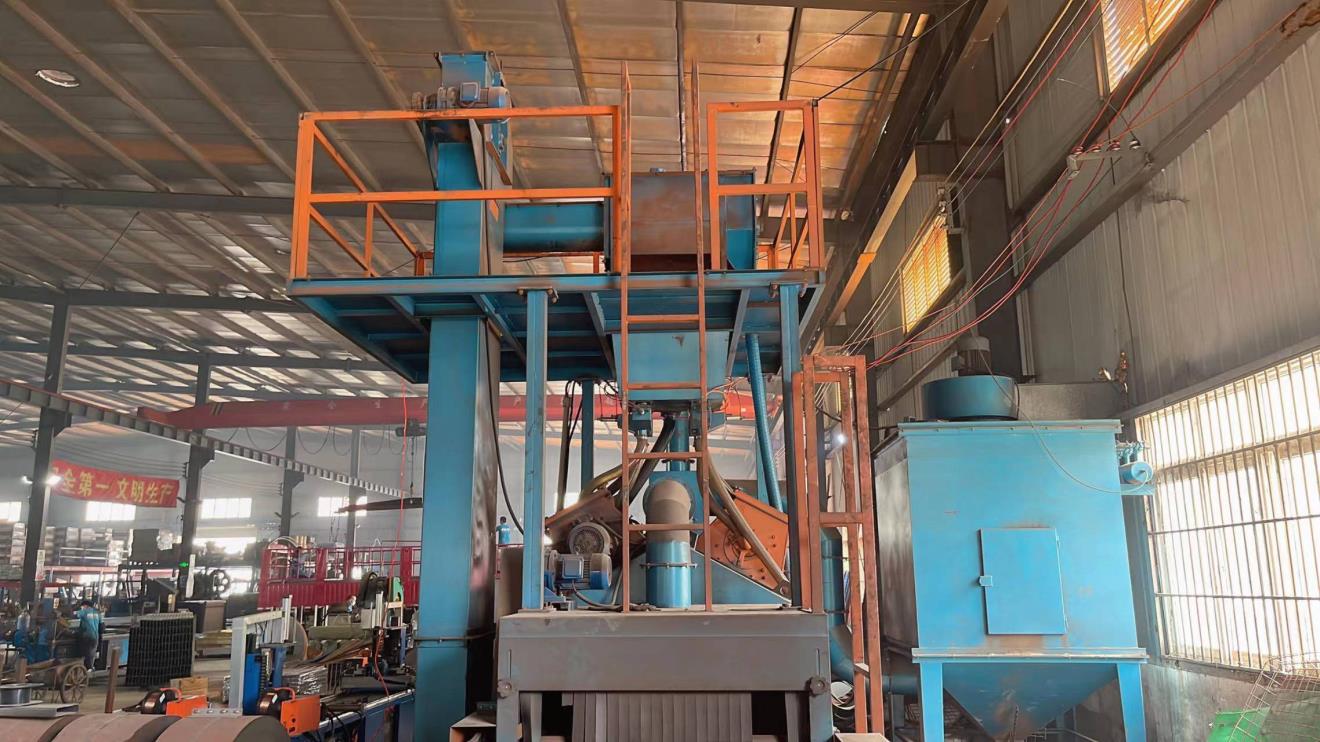
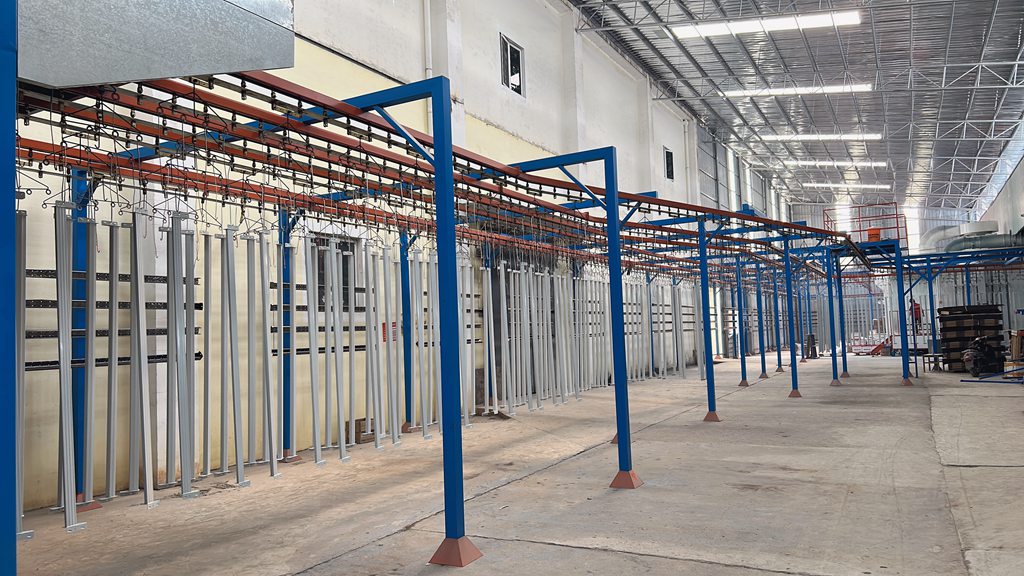
We manage all engineering processes under a centralized facility, enabling meticulous oversight of structural design, cold roll-forming, automated robotic MIG welding, and electrostatic powder coating. This ensures that every racking system shipped complies with modern safety codes, mechanical weight distribution standards, and longevity parameters required in modern high-density environments.
An authoritative comparative directory analyzing global storage system developers based on engineering capacity, structural steel grades, and system integration depth.
| Manufacturer Name | Primary Regions Served | Key Product Specializations | Structural Compliance / Standard |
|---|---|---|---|
| 1. Foshan Guichang Shelves Co., Ltd. | Global (North America, EU, SE Asia, Middle East) | Heavy-duty loading racks, roll-formed pallet racking, retail storage solutions | ISO9001, AS4084, EN 15512 Compliance |
| 2. Mecalux S.A. | Europe & Latin America | AS/RS automated systems, conventional pallet racking, warehouse software | FEM, EN standard metrics |
| 3. SSI Schaefer Group | Global (HQ Germany) | Modular container storage, automated racking, heavy logistics machinery | ISO9001, DIN Standard Certification |
| 4. Stow International | Europe, APAC | Heavy duty racking racks, drive-in systems, cantilever shelves | EN 15512 structural specifications |
| 5. Interlake Mecalux Inc. | North America | Roll-formed racking, selective loading racks, structural steel bays | RMI (Rack Manufacturers Institute) Standard |
| 6. Dexion Group | APAC, Europe | Compactus storage systems, speedlock racking, industrial heavy shelving | AS4084 (Australian Standard), FEM |
| 7. Steel King Industries | North America | Structural channel racking, industrial loading rack assemblies, safety guardrails | RMI standards, AISC structural welding |
| 8. Jungheinrich AG | Global (HQ Germany) | Mobile shuttle systems, integrated materials handling, dynamic pallet flow | European EN and CE Machinery Directive |
| 9. Ridg-U-Rak Inc. | North America | Seismic-resistant racking, selective loading docks, push-back storage systems | RMI Standard, IBC Seismic Code |
| 10. Kardex Group | Global (HQ Switzerland) | Vertical lift modules, automated material handling, dynamic tray storage | ISO9001, TÜV Product Safety Certification |
Technical checkpoints that global supply chain directors, procurement leads, and design engineers evaluate during supplier vetting.
Racking structures must utilize Q235B or Q355B structural steel to yield high elasticity and load capability. Cold-roll-formed profiles require accurate punch patterns to avoid structural micro-fractures during loading stress.
Racks must maintain a structural safety factor of at least 1.5 to 1.8 times the maximum rating limit. The allowable beam deflection under full capacity is typically constrained to L/300 (span divided by 300) to ensure structural stability.
Supply chain depots located in seismic zones require footplates, base anchoring bolts, and heavy-duty frame configurations verified through FEA (Finite Element Analysis) in compliance with local structural codes.
How structural loading racks are engineered differently across major global industrial sectors to streamline processing speeds.
Focuses on density, high turnover, and automation compatibility. These environments utilize multi-tier mezzanine layouts, dynamic pick-faces, and carton-flow systems to optimize travel paths for pickers and AGVs.
Requires custom steel treatment that remains ductile at sub-zero temperatures. Low-temperature powder coating and galvanized structures are mandatory to resist rust and dynamic structural stresses down to -30°C.
Demands high-load racking capabilities. Structural steel channels, rather than thin roll-formed columns, are integrated with heavy coil cradles and raw material staging grids to withstand forklift impacts and high concentrated weights.
The convergence of heavy steel fabrication with digital technologies to create modern, responsive material handling infrastructure.
The next generation of racking features optical sensors and strain gauges to track deflection rates and prevent overloads in real-time.
The manufacturing blueprint for modern racking systems has shifted from static frame assemblies to automation-compatible elements. Modern rack systems are designed to integrate seamlessly with Autonomous Mobile Robots (AMRs) and Automated Storage and Retrieval Systems (AS/RS).
Additionally, green coating protocols represent a major industry transition. Volatile Organic Compound (VOC)-free powder coatings, thermal curing efficiency, and closed-loop water treatment systems in manufacturing plants are standard practices for supply chain networks seeking to meet global carbon reduction goals.
How Foshan Guichang leverages technological manufacturing to provide a balance of structural quality, lead-time control, and cost advantages.
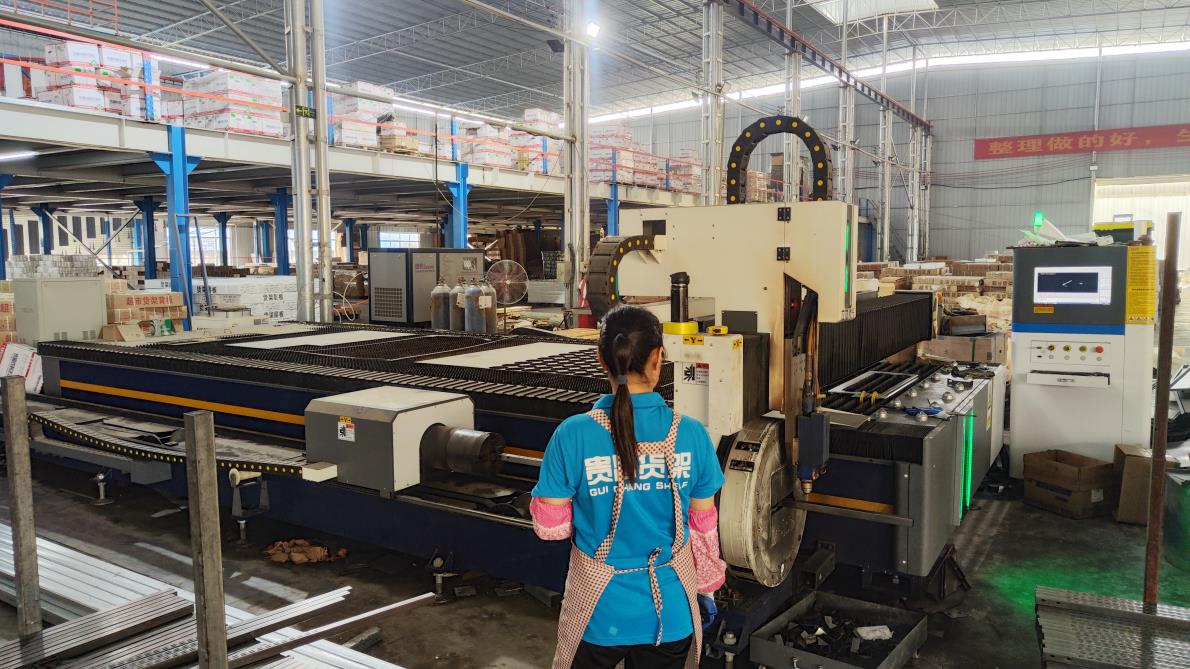
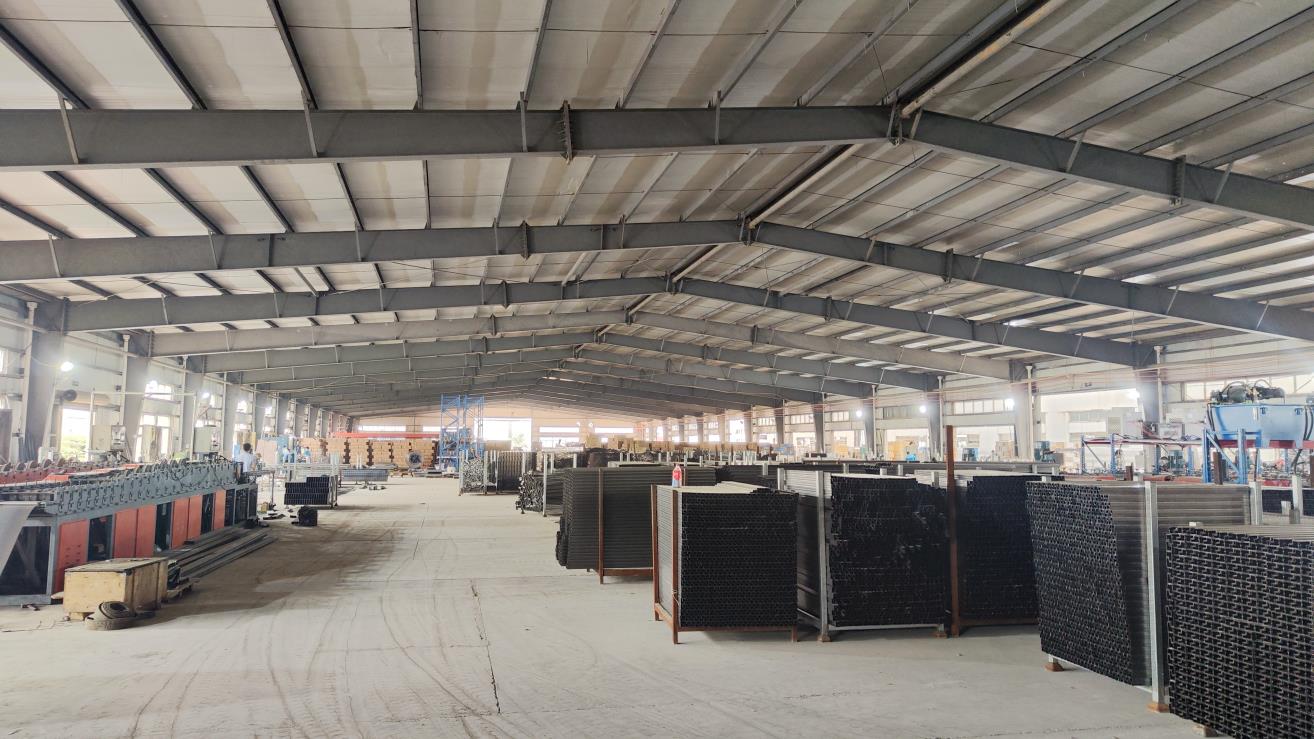
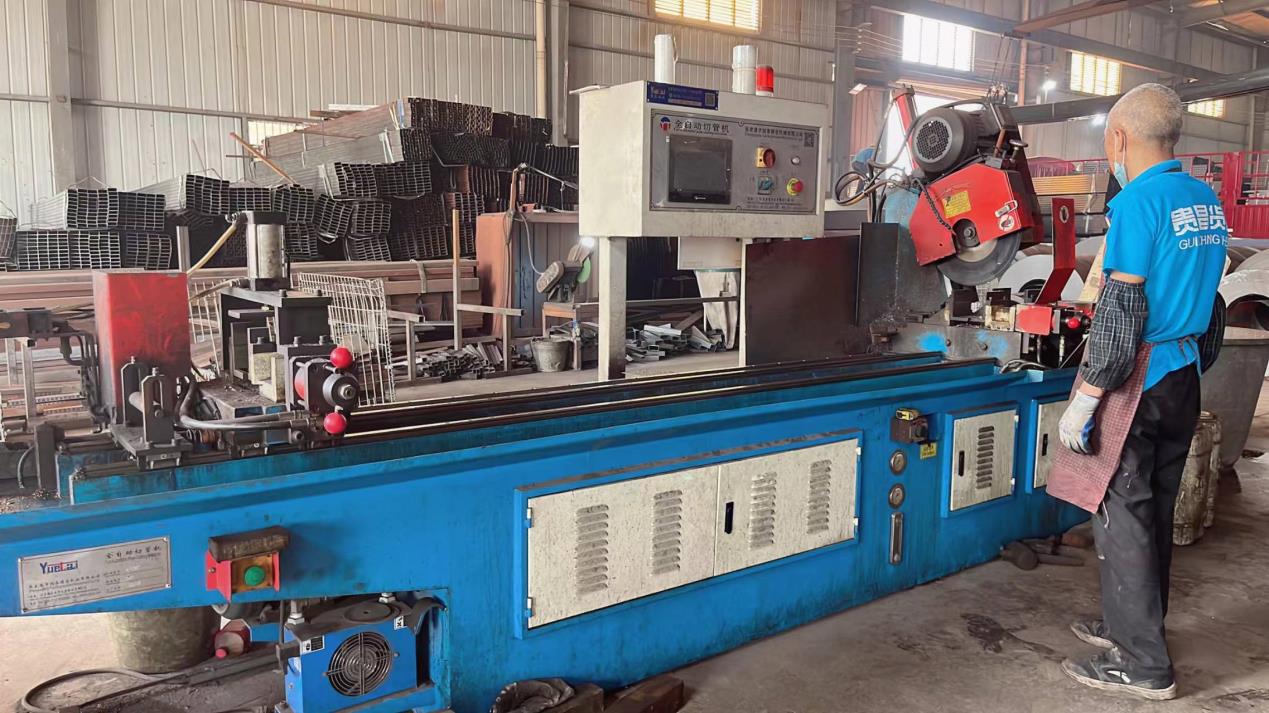
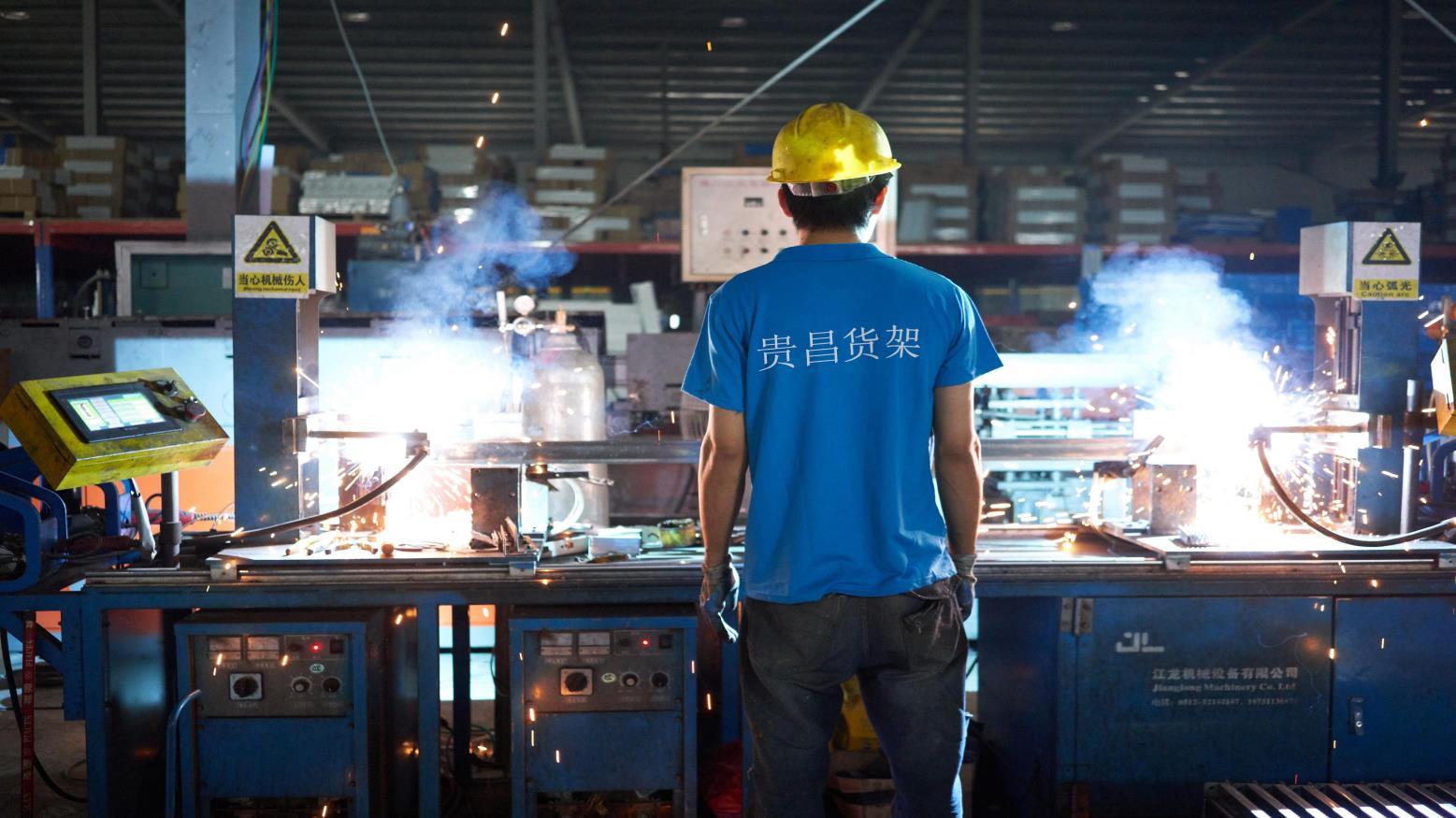
Operating a modernized 38,000 square meter facility allows for complete process integration. Structural roll-forming lines, automated laser cutting systems, and specialized robotic welders ensure consistent weld penetration and dimensional precision.
By bypassing middle-tier sourcing channels and raw material brokers, Guichang maintains direct supply relationships with primary steel mills. This structure insulates our production lines from metal market volatility and guarantees material traceability from primary raw coils down to individual structural upright profiles.
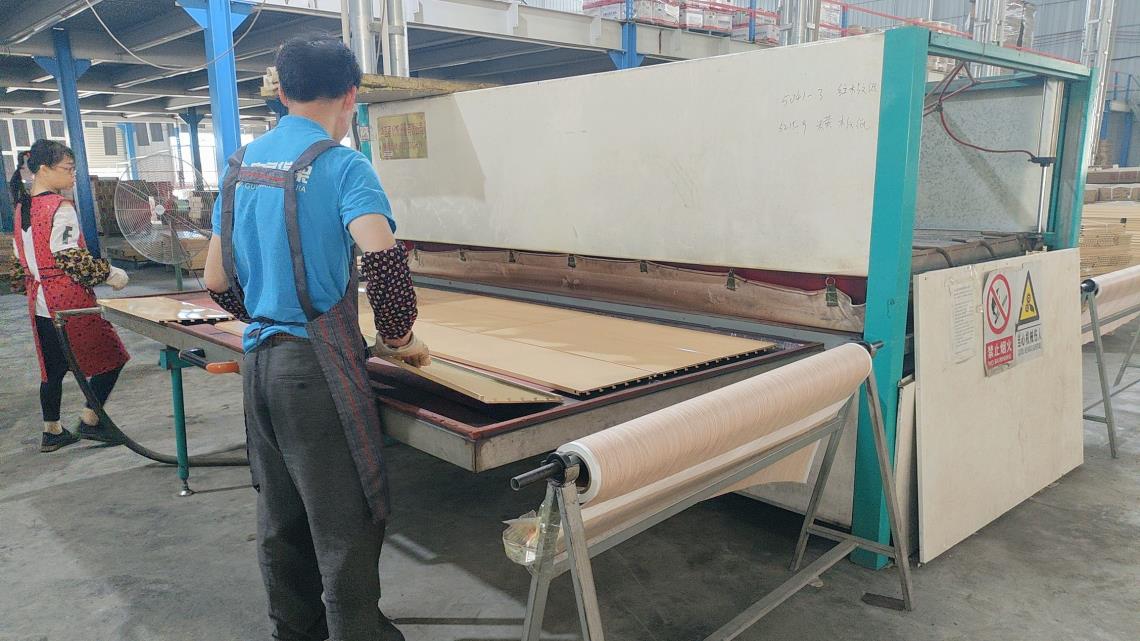
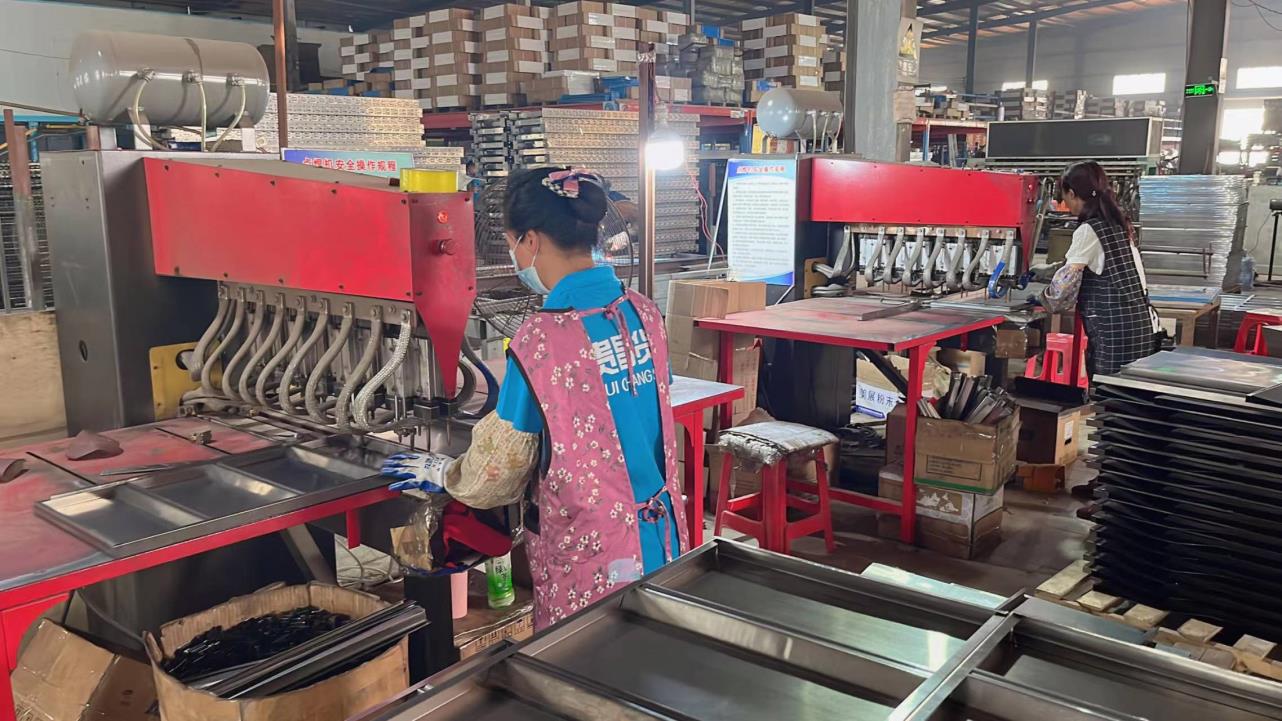
Every storage structure undergoes a rigorous manufacturing flow, monitored by certified testing systems from raw steel sourcing to packaging.
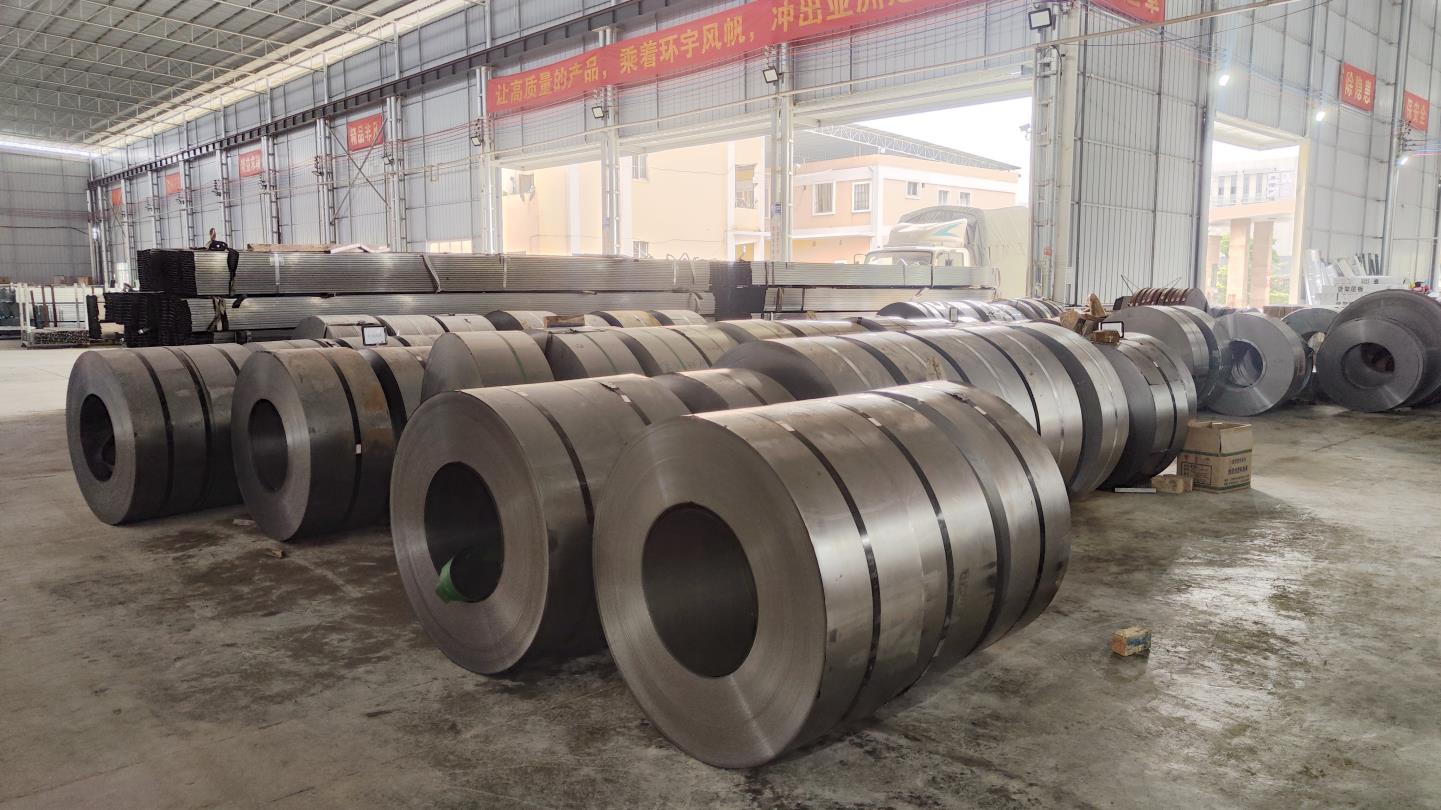
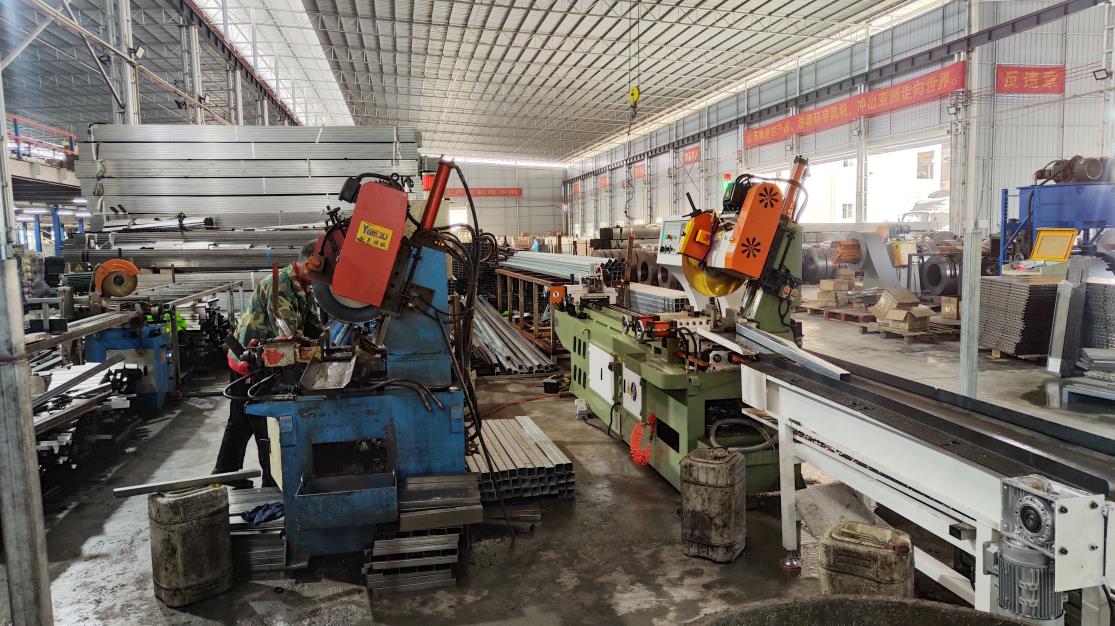
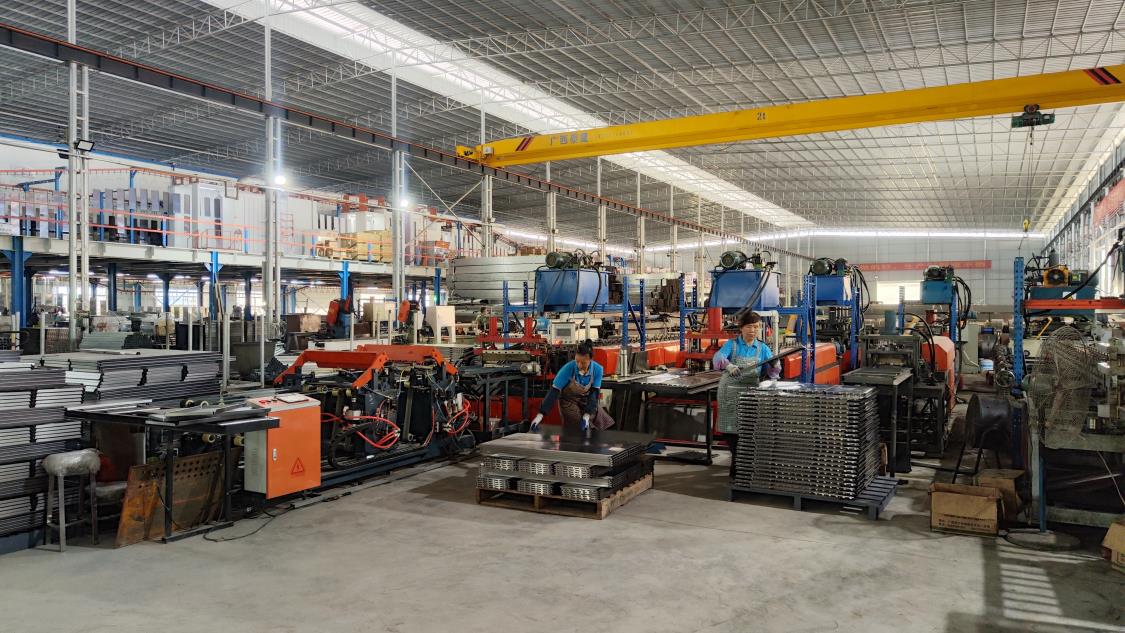
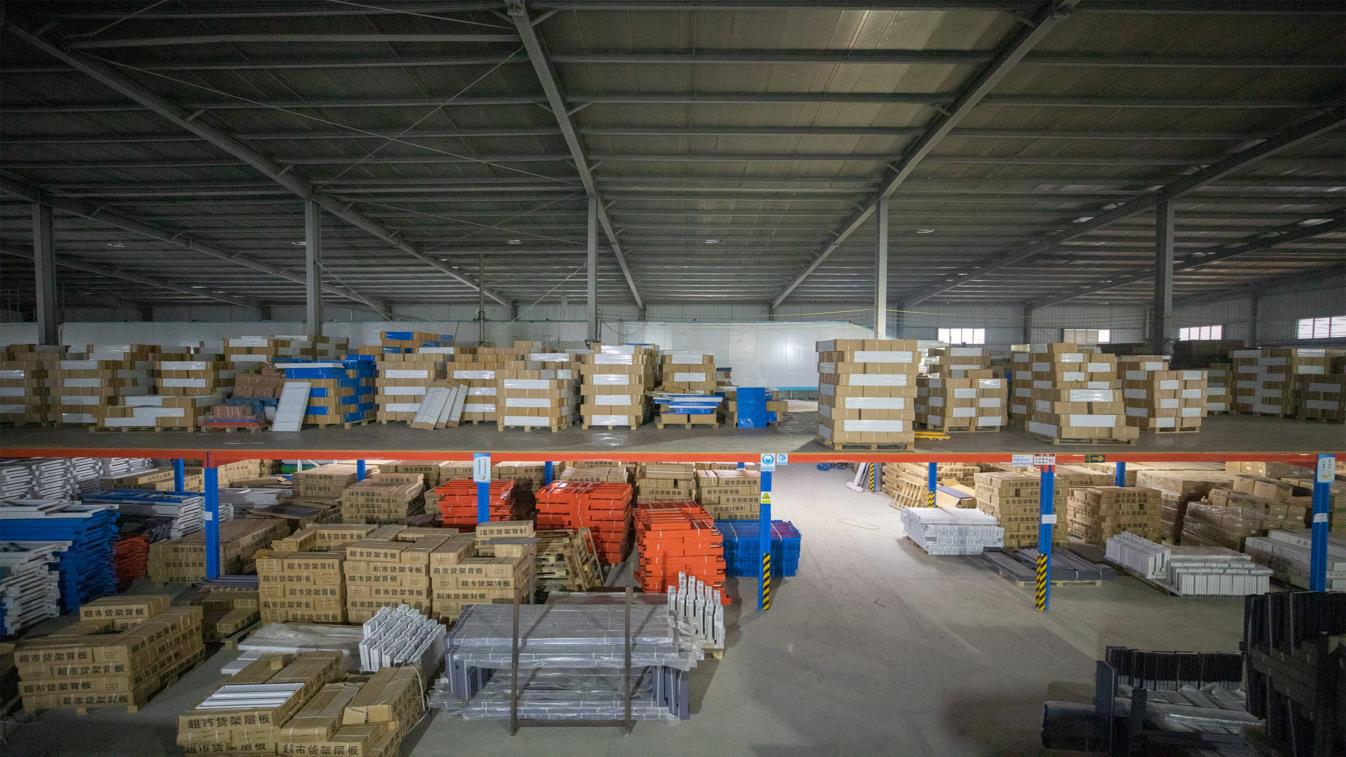
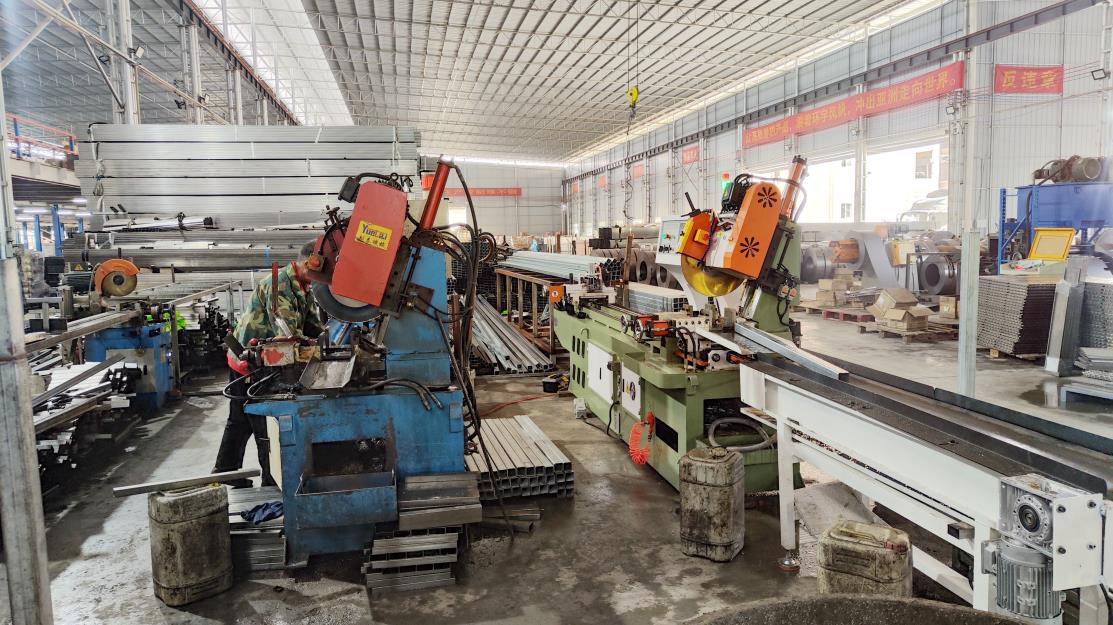
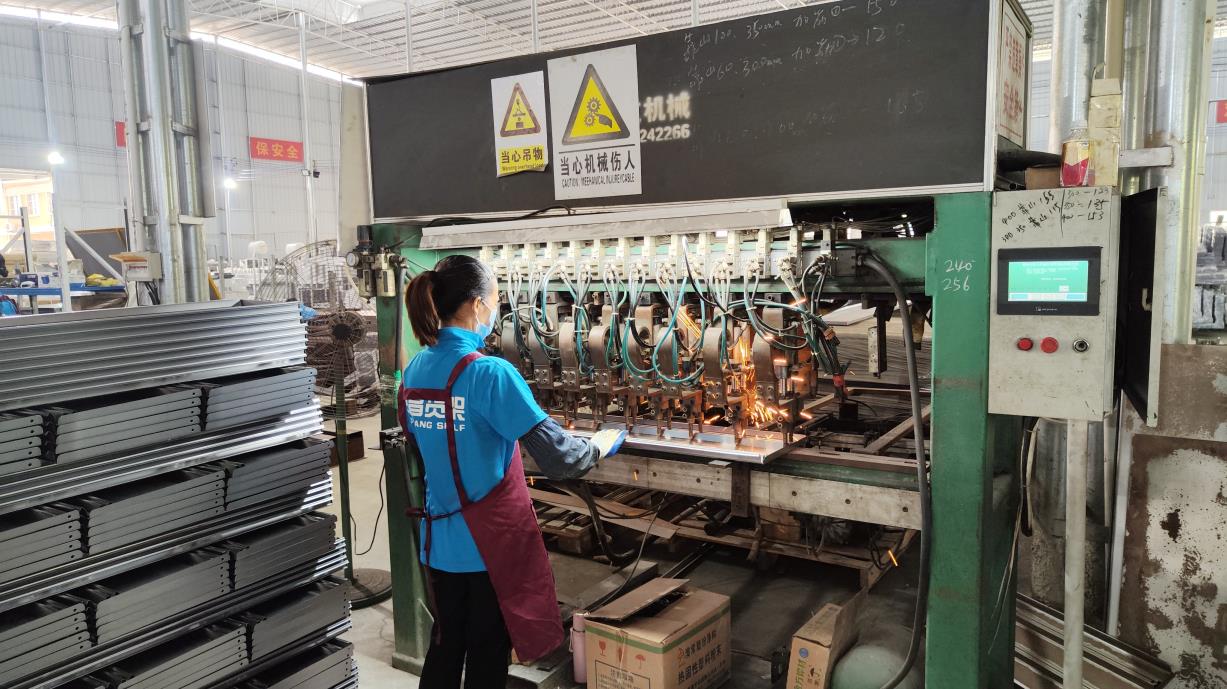
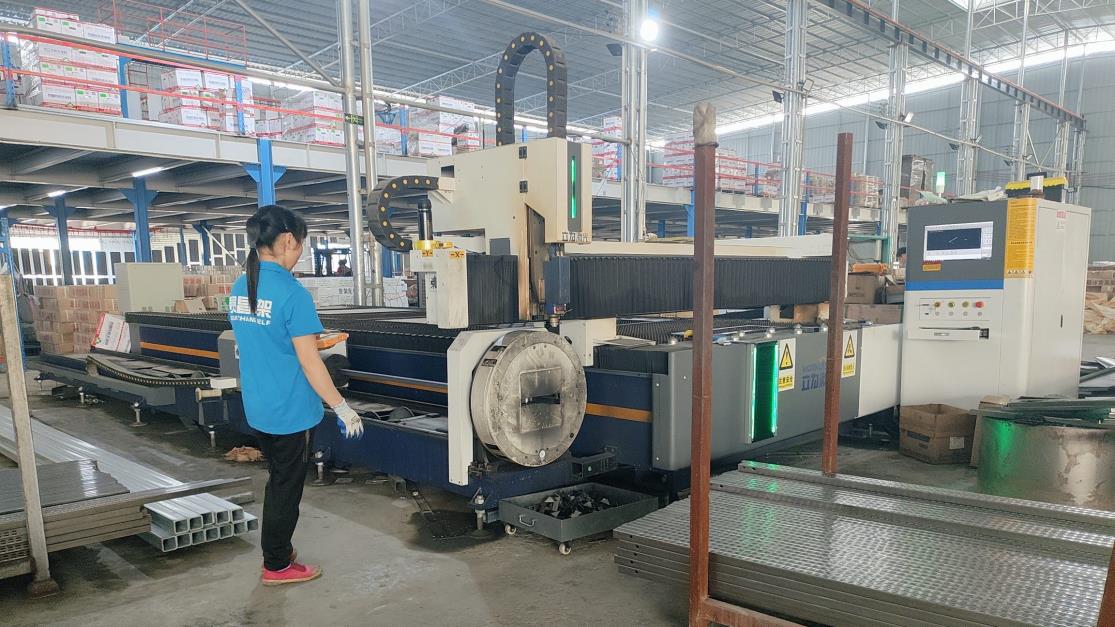
Navigating regional building guidelines and engineering safety certification requirements across active distribution jurisdictions.
Every dynamic warehouse structure exists inside local regulatory oversight. For installations in the United States and Canada, racks must meet the Rack Manufacturers Institute (RMI) specification standards and conform to localized seismic anchoring metrics detailed in the International Building Code (IBC).
For installations in EU member states, specifications defined in EN 15512 and the Fédération Européenne de la Manutention (FEM) apply. These standards dictate structural tolerances, connection joint rigidities, and load profiling calculations that differ from North American configurations.
Guichang supports overseas distribution networks, field operators, and engineering firms by providing detailed mechanical blueprints, structural calculations, and Finite Element Analysis (FEA) reports. This simplifies the process of obtaining local construction and occupancy permits.
✓ ANSI MH26.2 (US)
✓ AS 4084-2012 (AU)
✓ EN 15512 (EU)
✓ ISO 9001:2015
Technical clarifications on industrial storage frames, loading capacities, and customization capabilities.
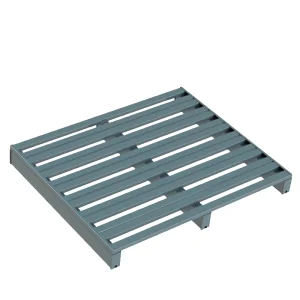
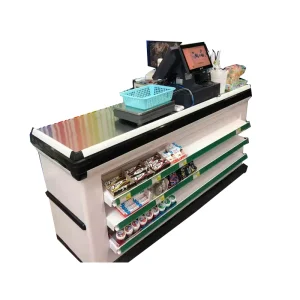
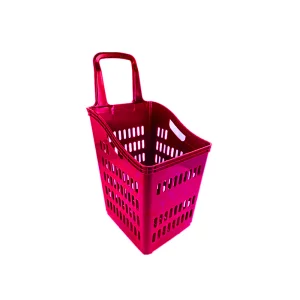
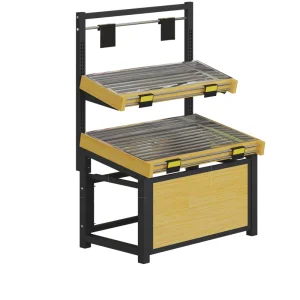
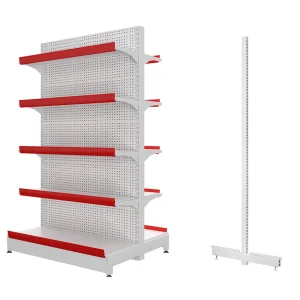
Engineered high-load racks, display fixtures, and transport logistics accessories configured for high throughput.
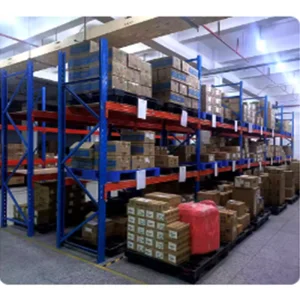
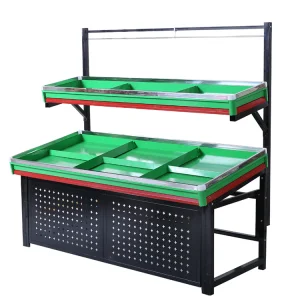
 Guichang Rack