Explore our elite products manufactured under ISO9001 quality guidelines, designed for high safety capacities, structural elasticity, and extreme load dynamics.
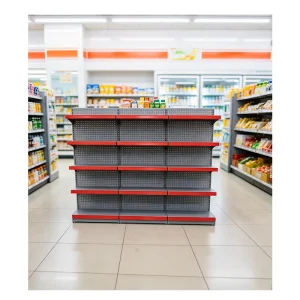
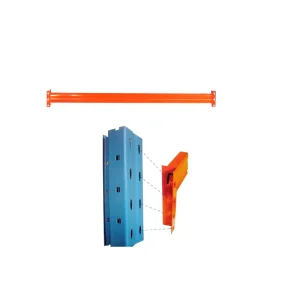
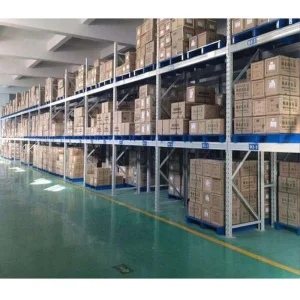
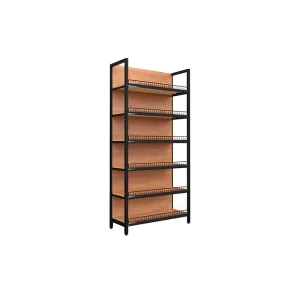
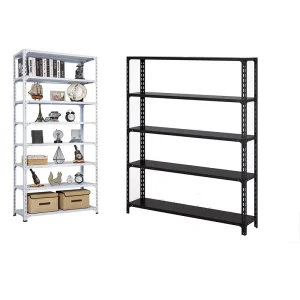
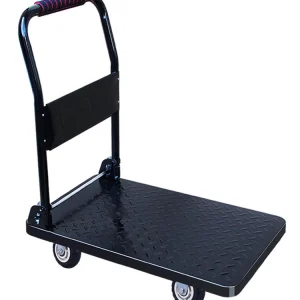
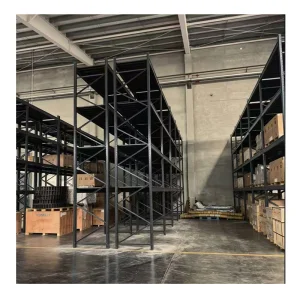
In modern industrial facilities, the term "Impact Racks" refers to heavy-duty storage structures specifically reinforced to survive repetitive mechanical impact, typically caused by forklift trucks, reach-stackers, and automated guided vehicles (AGVs). Standard racking configurations function perfectly under static load variables, but fail catastrophically when horizontal shear stress or kinetic kinetic impact energy is introduced during logistics maneuvers.
For operations directors and engineering leads sourcing racking equipment, finding a qualified supplier requires looking deeper than mere steel weight. Sourcing criteria should include metallurgical configurations, weld certifications (such as AWS and EN codes), structural elasticity coefficients, and impact dampening design additions. High-impact uprights, reinforced post designs, heavy-duty floor anchors, and integrated deflectors serve to isolate impact zones, protecting the structural integrity of the racking system and preventing inventory damage or catastrophic rack collapse.
SEO Insight & Information Gain: Yield strength in racking systems matters. Standard Q235 carbon steel exhibits a yield strength of 235 MPa, suitable for moderate loads. In contrast, heavy impact-prone systems require Q355 steel (355 MPa) or cold-rolled profiles with thickness tolerances exceeding 2.0mm to guarantee energy absorption without permanent plastic deformation.
Racks are dynamically load-tested at 150% maximum limit to safely absorb sudden shifts in cargo weight during forklift placement.
Angled steel floor barriers and column guards redirect horizontal forklift impact forces away from the load-bearing columns.
Hot-rolled structural channel steel offers significantly higher impact resistance than standard thin-walled, roll-formed columns.
A Decennial Standard of Excellence in Industrial Engineering
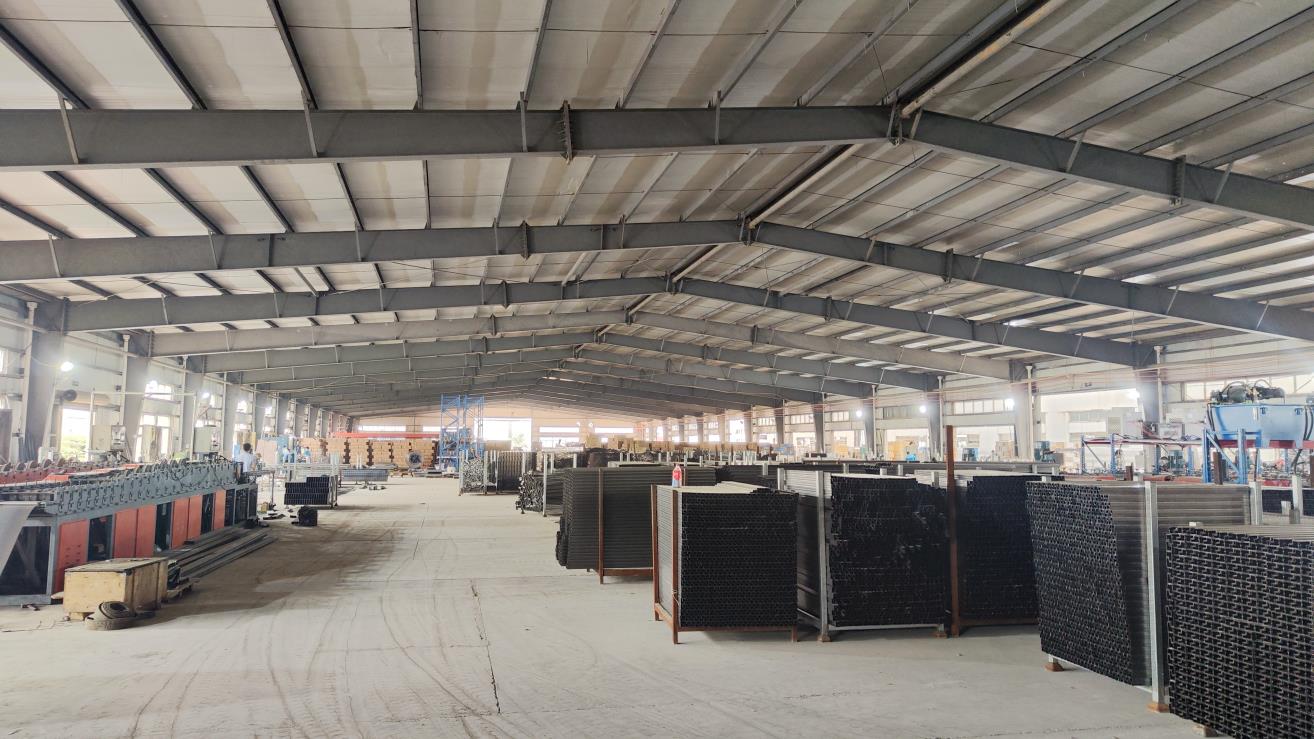
Founded in 2014, Foshan Guichang Shelves Manufacturing Co., Ltd. is a leading manufacturer specializing in industrial warehouse storage systems, heavy-duty pallet racking, and custom shelving solutions. Backed by 12 years of deep industry experience and 8 years of international export expertise, we serve global logistics hubs, e-commerce fulfillment centers, third-party logistics (3PL) providers, and industrial equipment distributors across North America, Europe, Southeast Asia, and the Middle East.
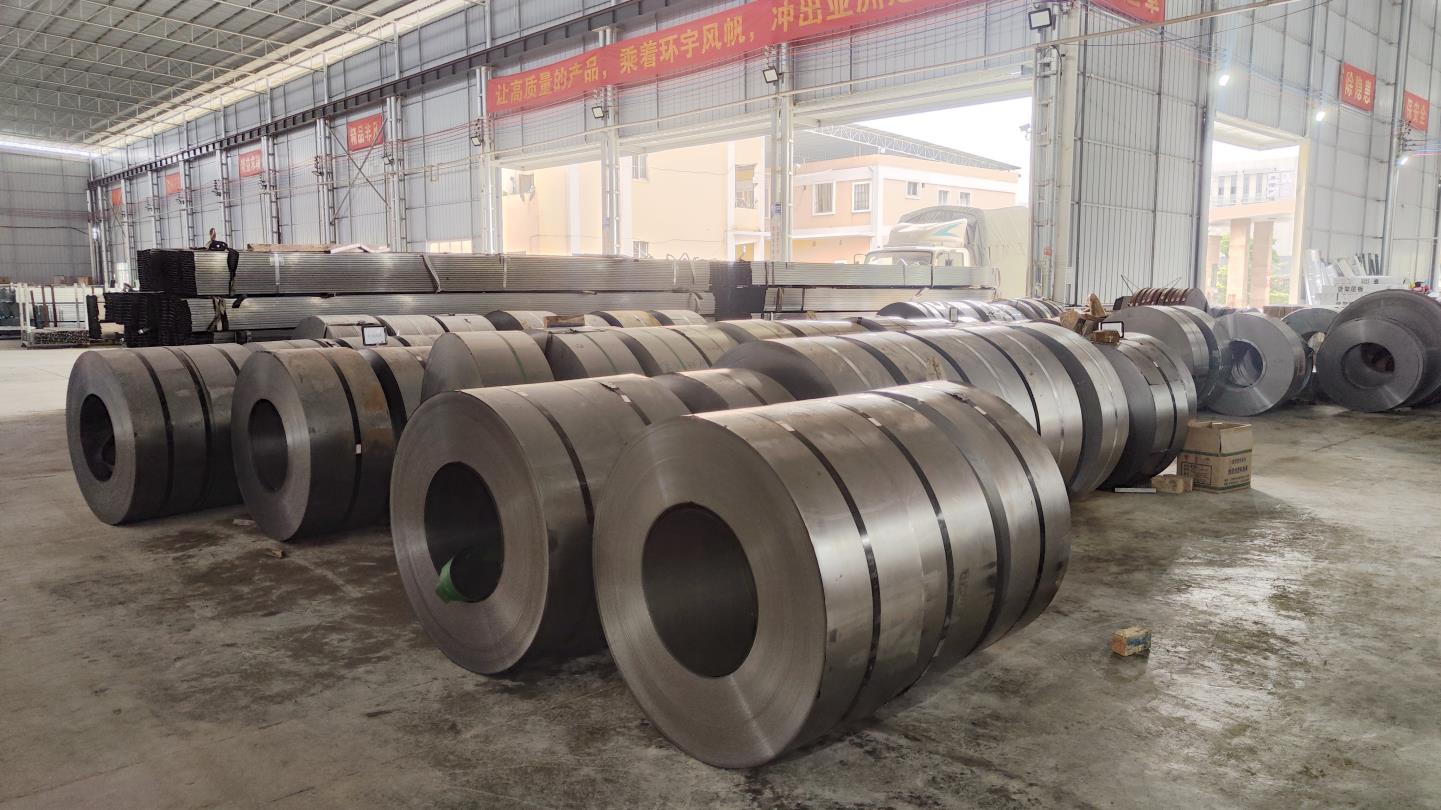
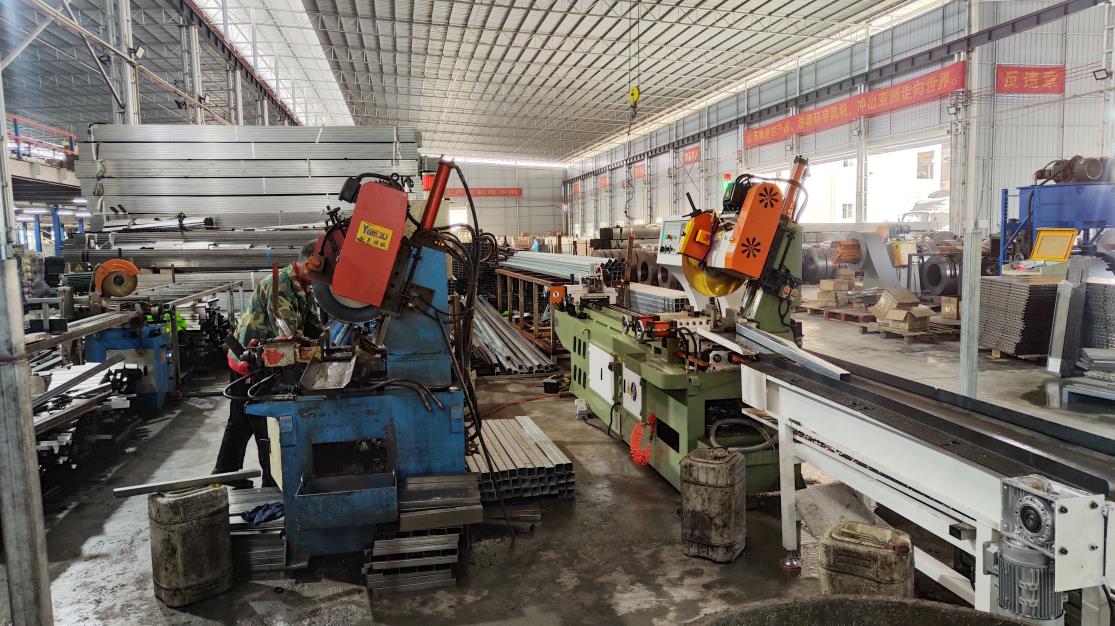
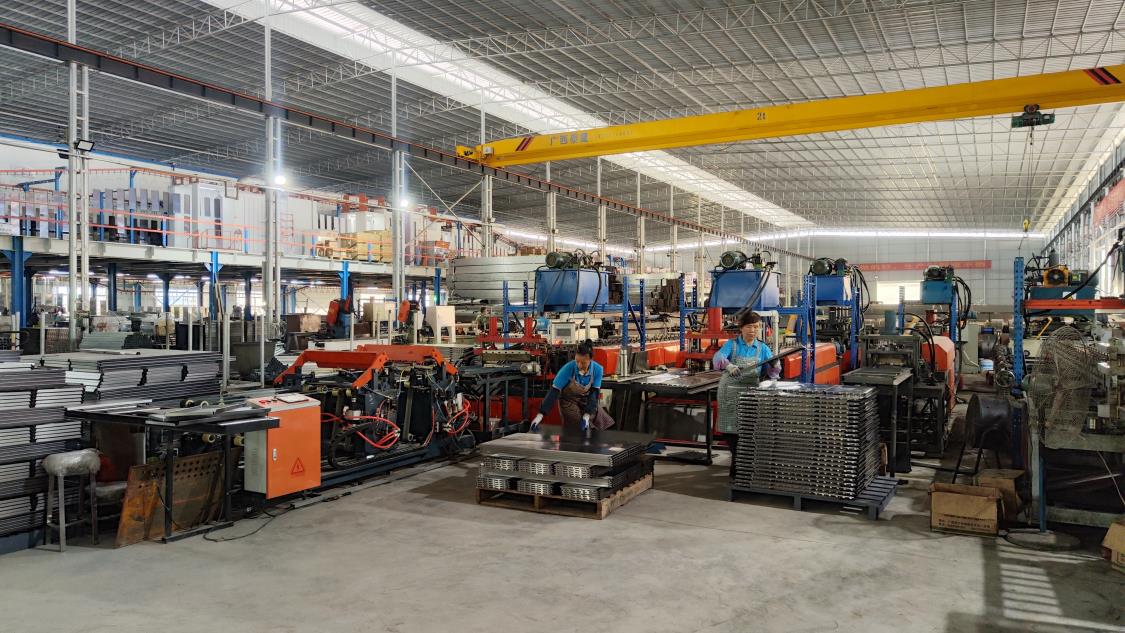
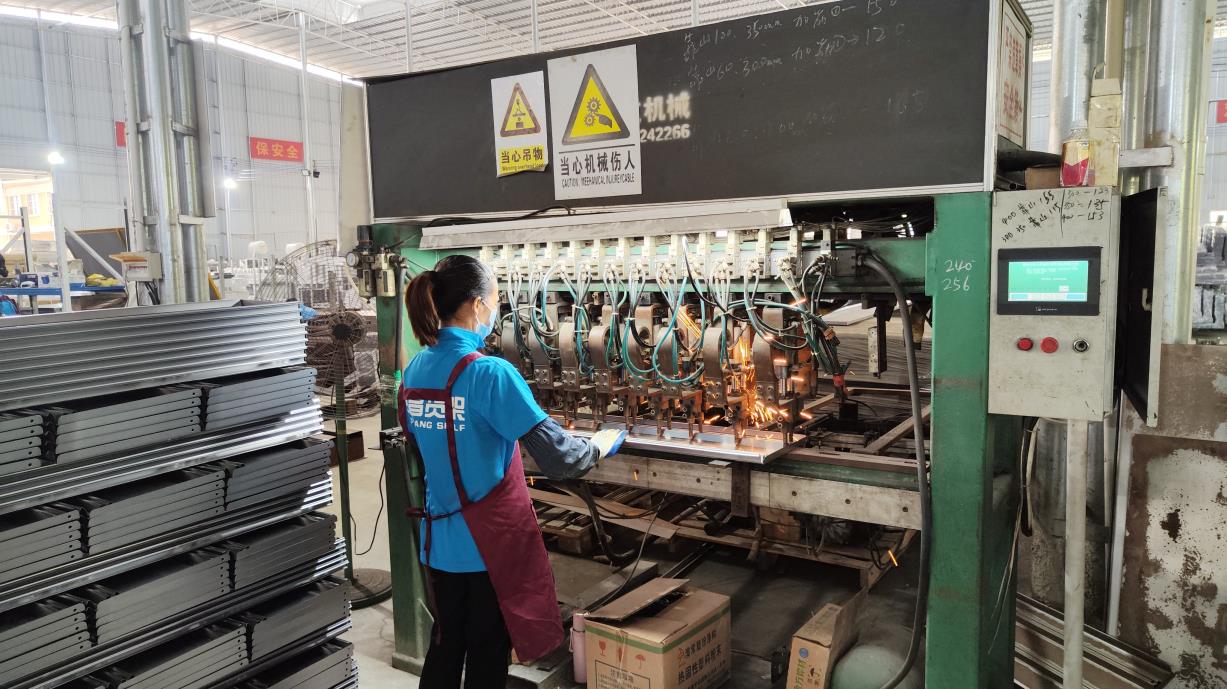
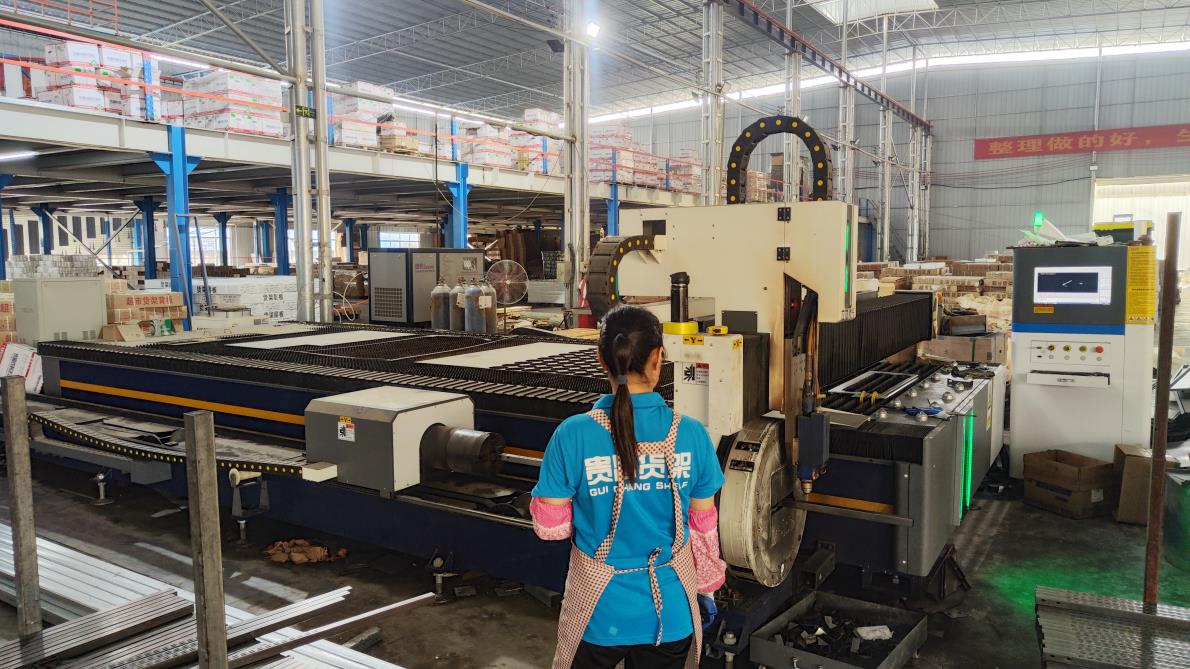
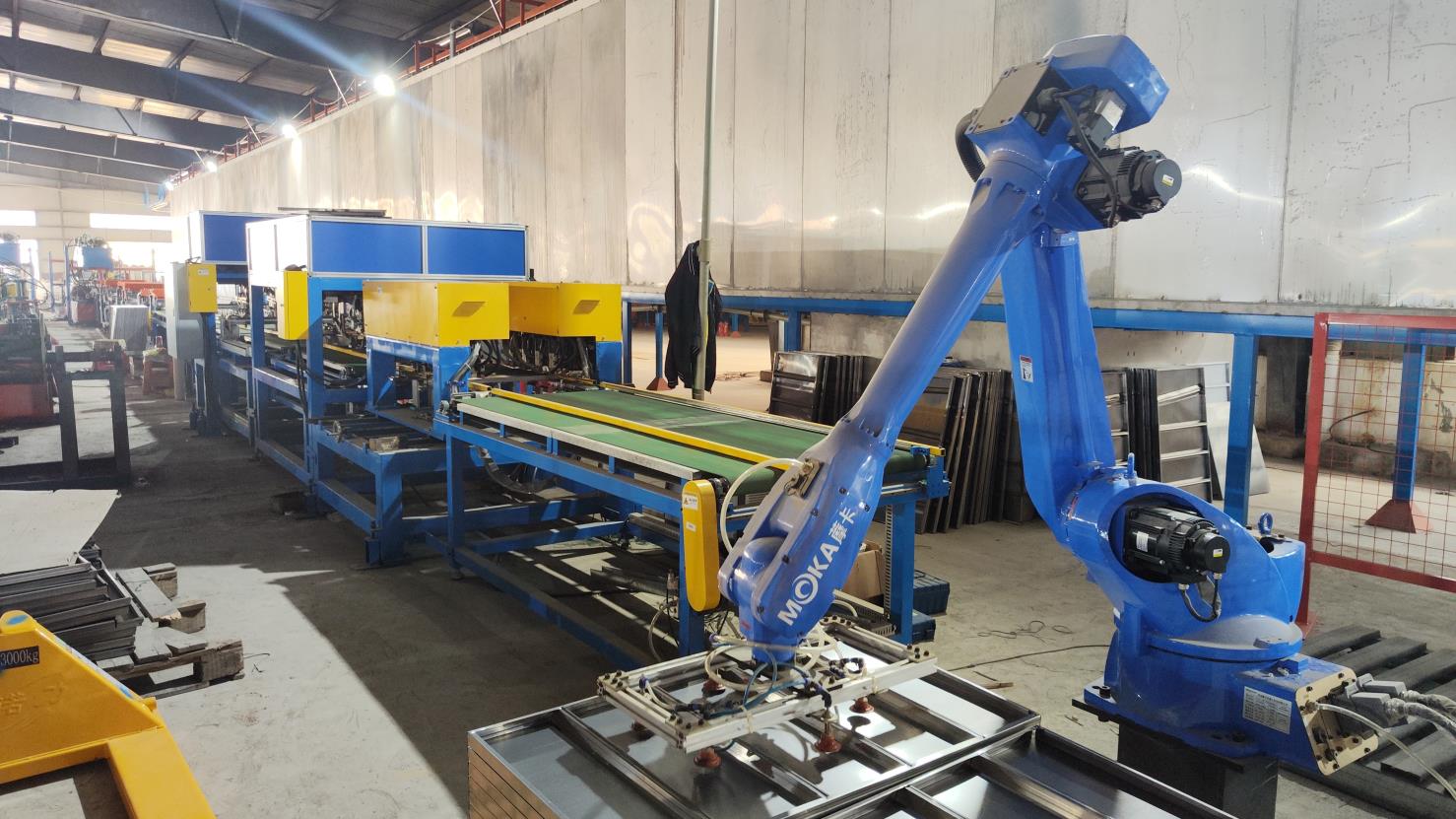
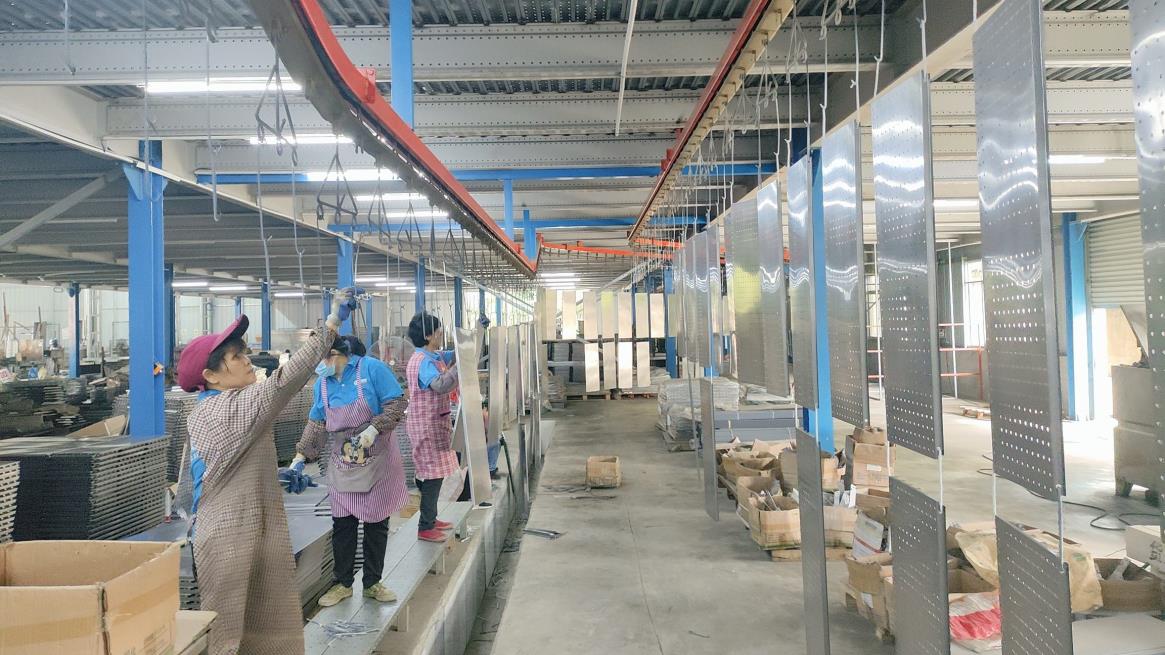
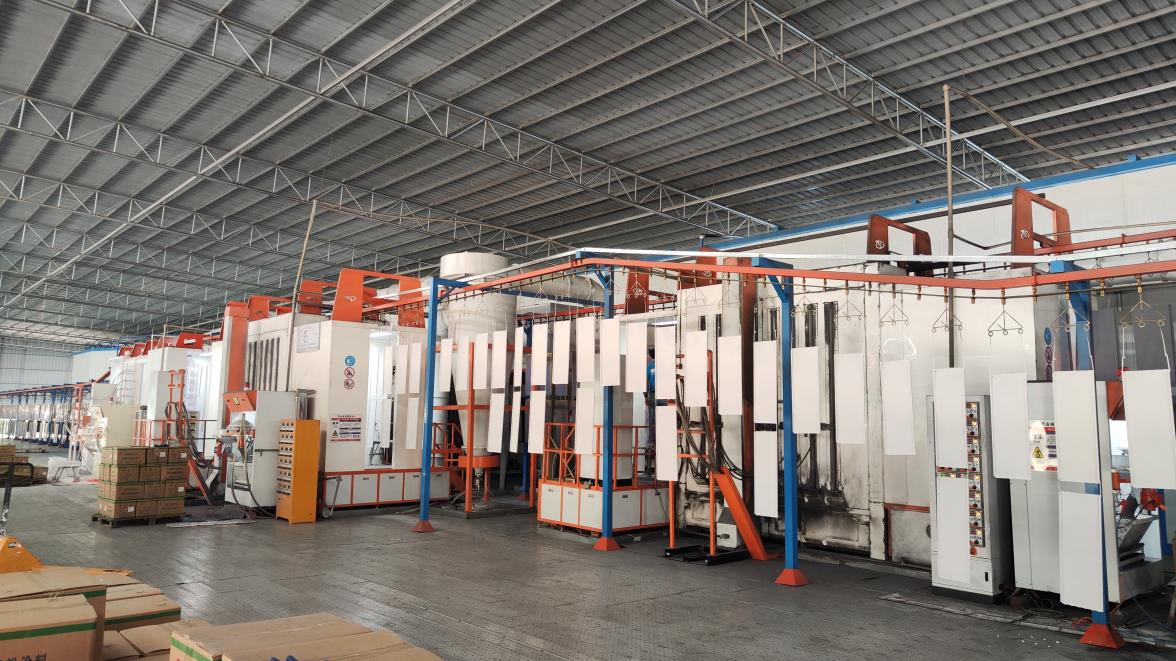
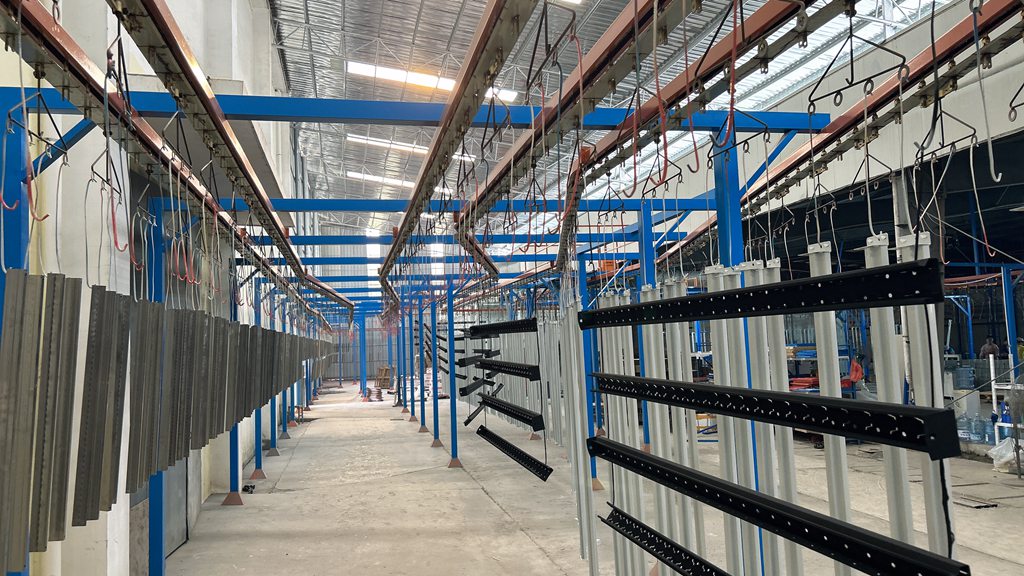
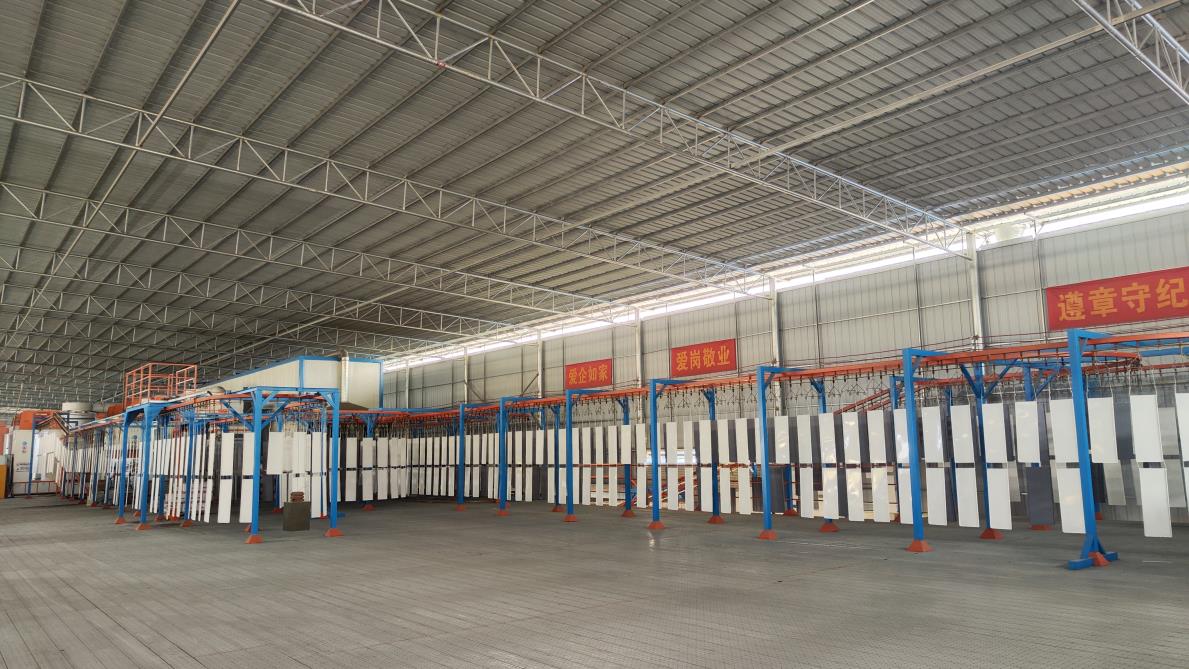
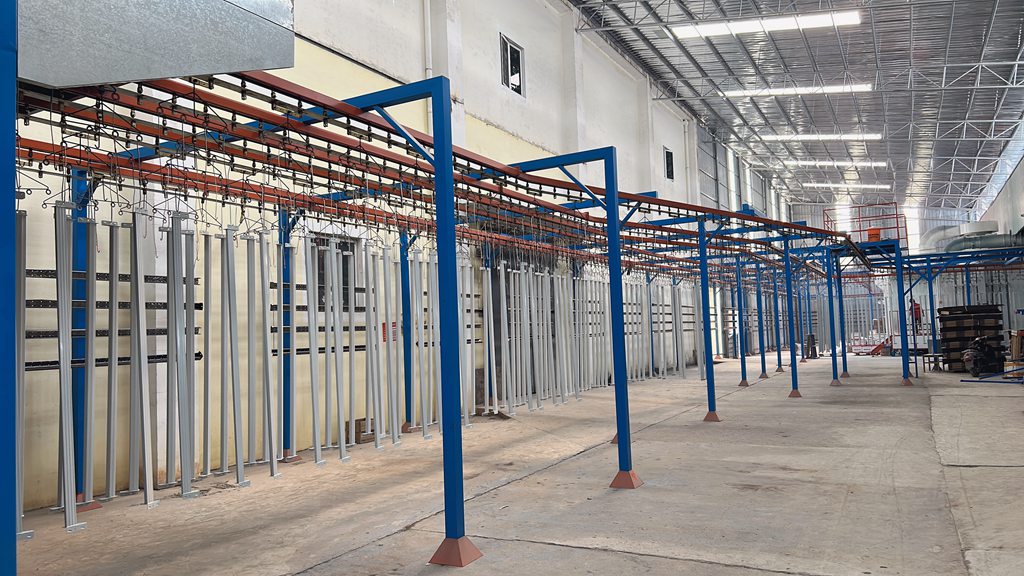
Operating out of a modern manufacturing facility covering 38,000 square meters, our direct factory infrastructure generates over $25 million USD in annual export revenue. Supported by a robust network of over 850 supply chain partners, we maintain full operational control over raw material sourcing, automated roll-forming, robot welding, and powder coating processes.
Quality and safety are at the core of our manufacturing philosophy. Our quality management system is fully ISO9001 certified, backed by a dedicated team of 28 QC specialists. Every order undergoes rigorous four-stage quality inspections:
Spectrographic steel composition analysis and tensile strength verification on every incoming batch of carbon steel.
Automated online weld seam ultrasonic flaw detection and precise physical dimension verification using laser trackers.
Salt spray corrosion chamber tests and digital coating thickness measurement to guarantee paint thickness and rust resistance.
3D laser structural alignment checks and real-scenario 150% maximum load endurance testing under dynamic cycles.
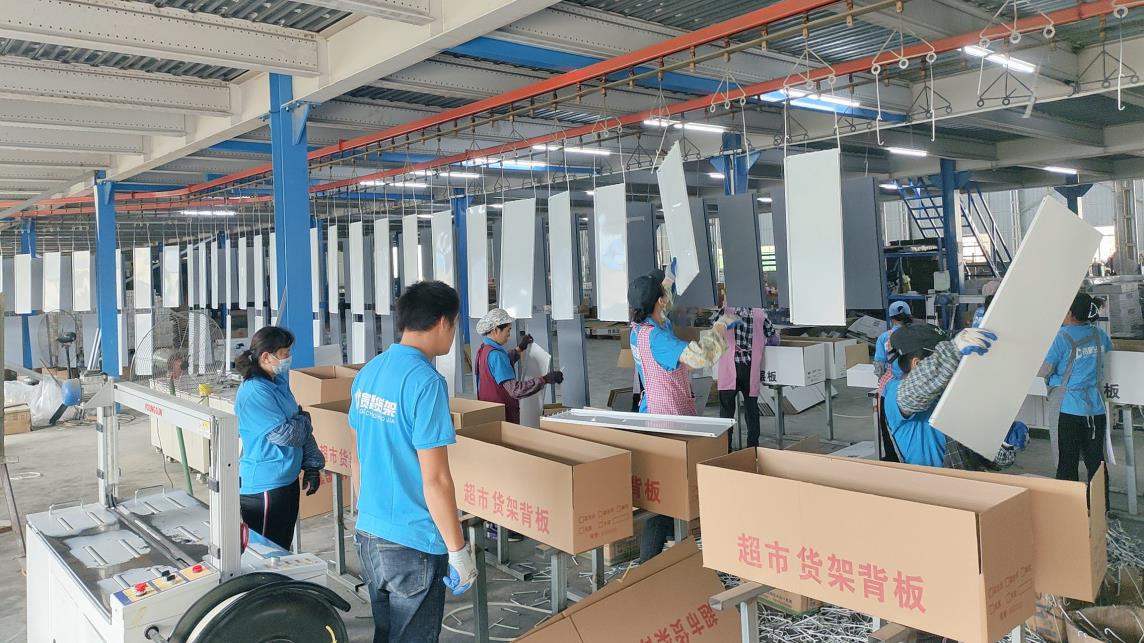
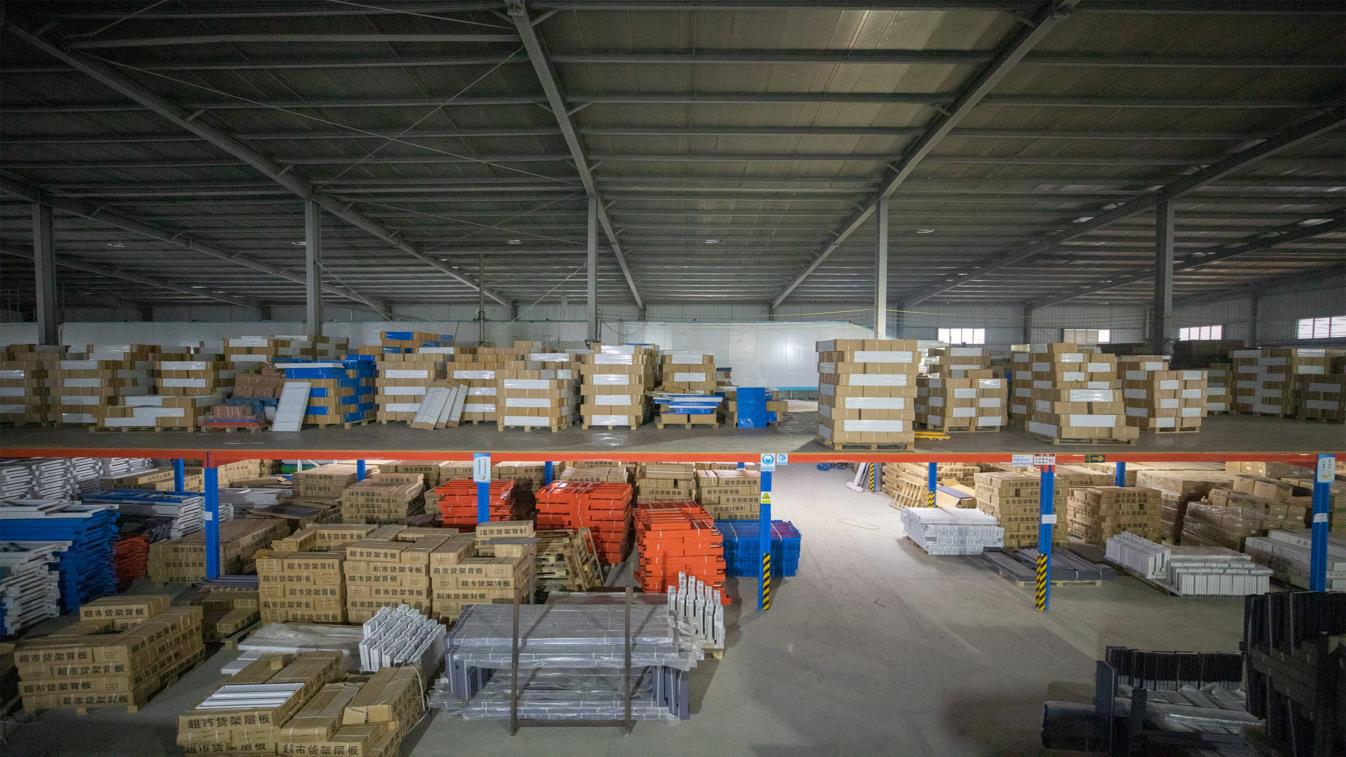
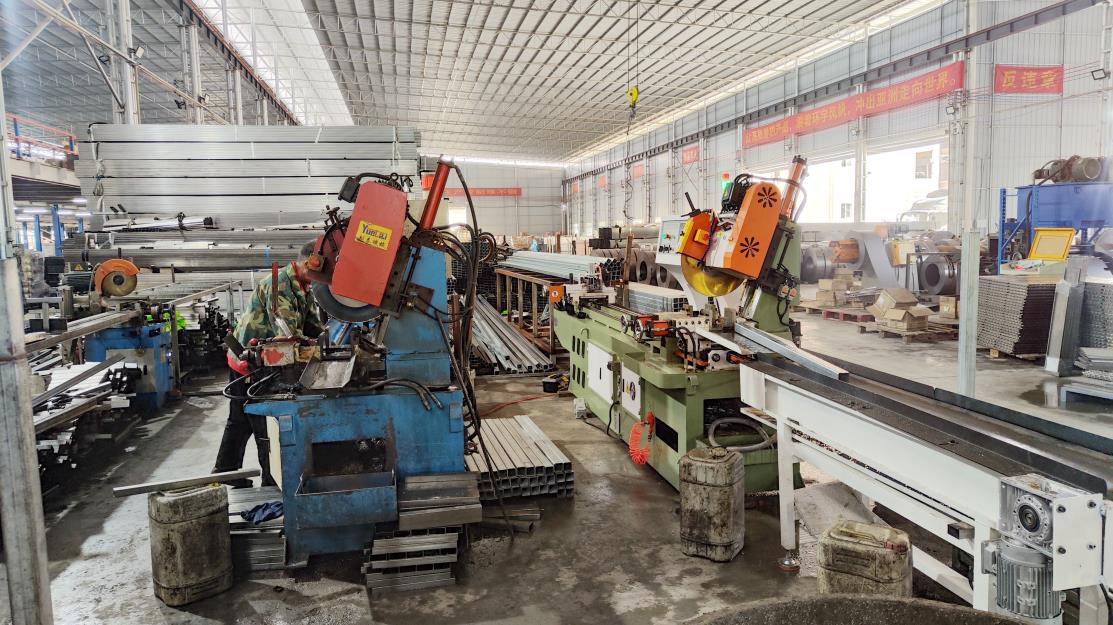
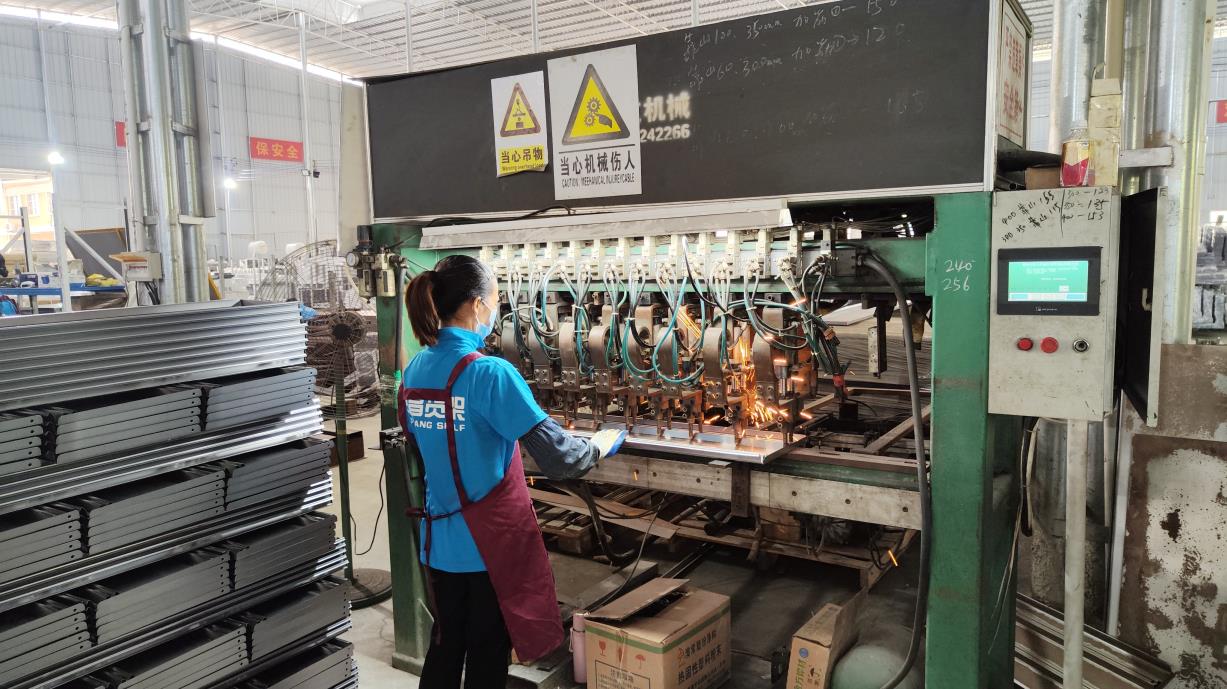
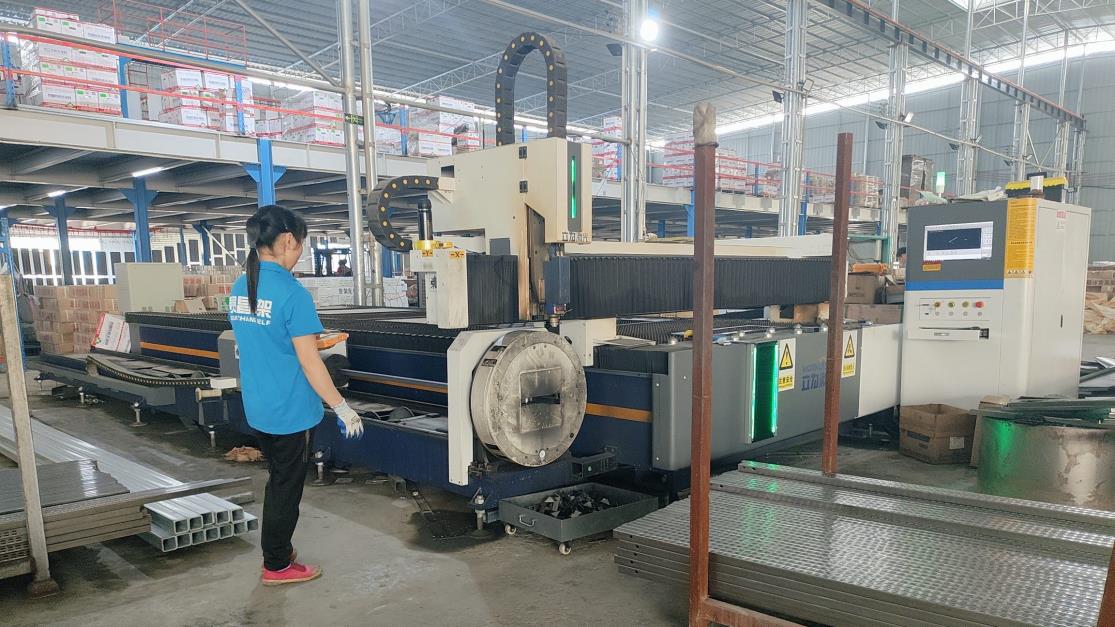
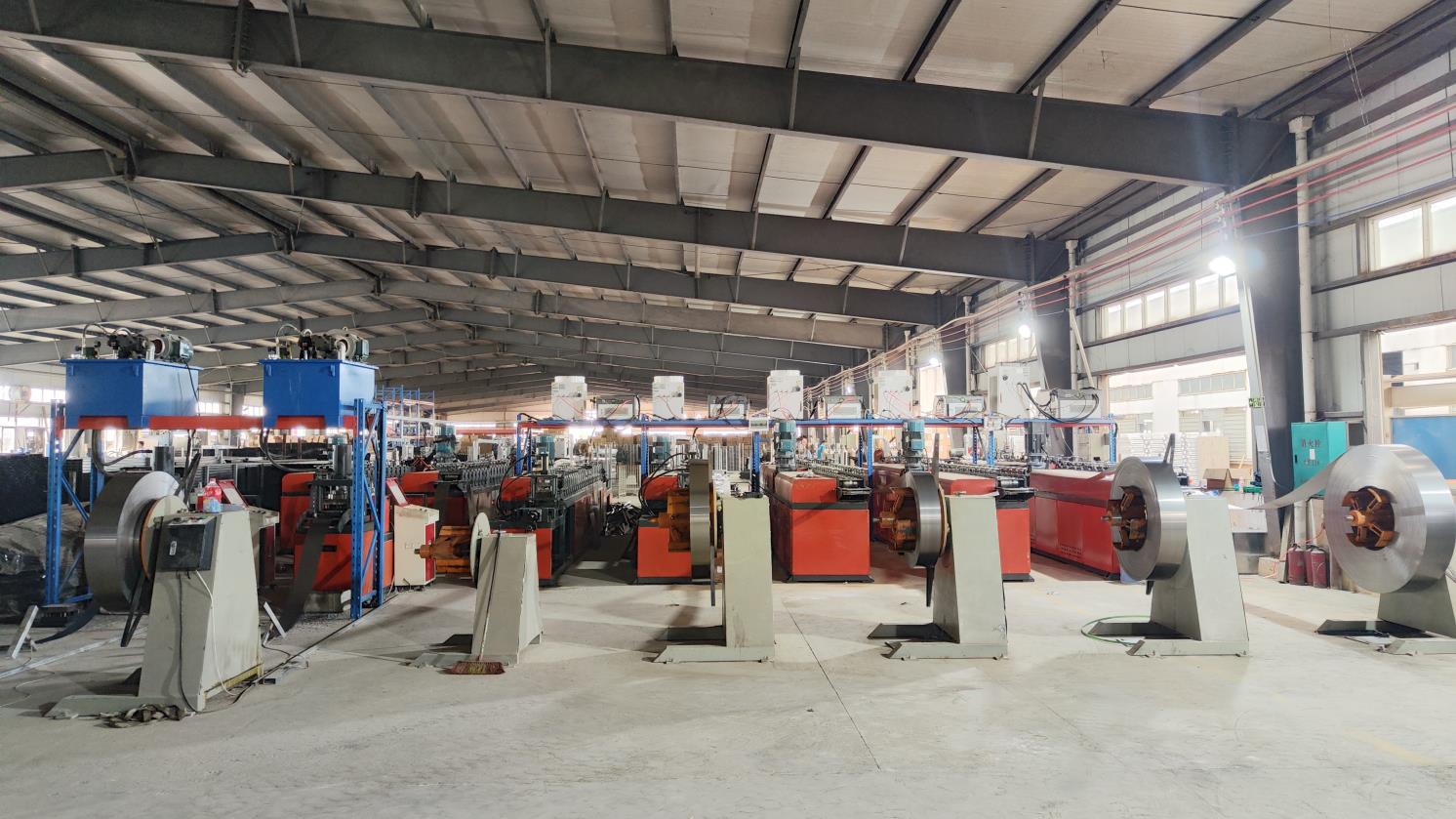
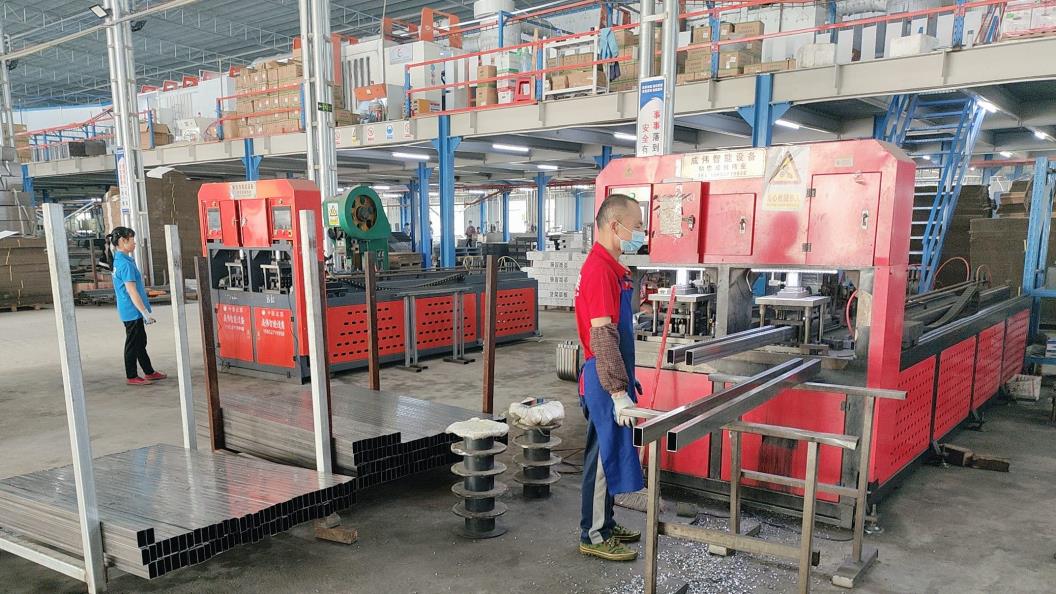
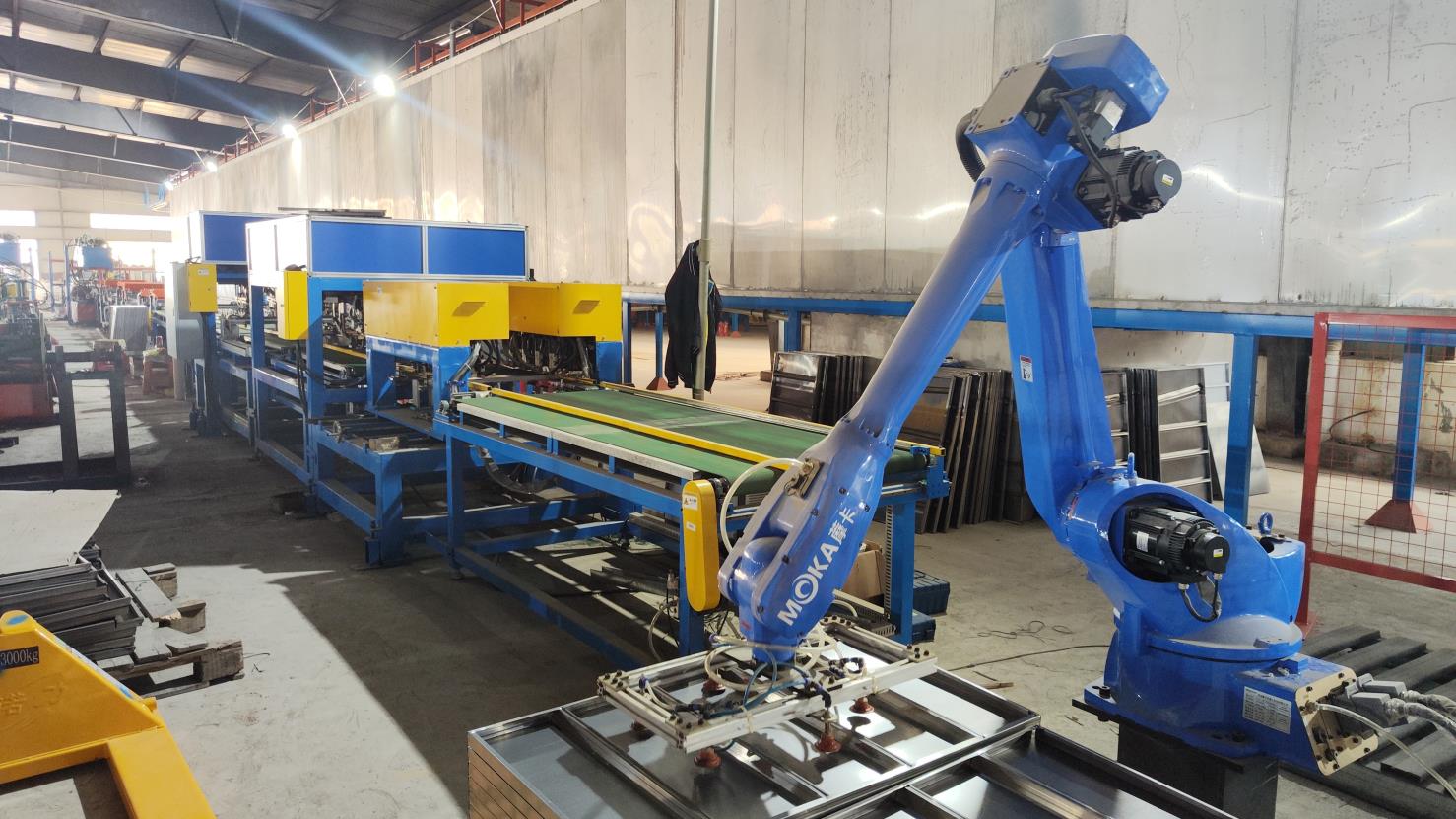
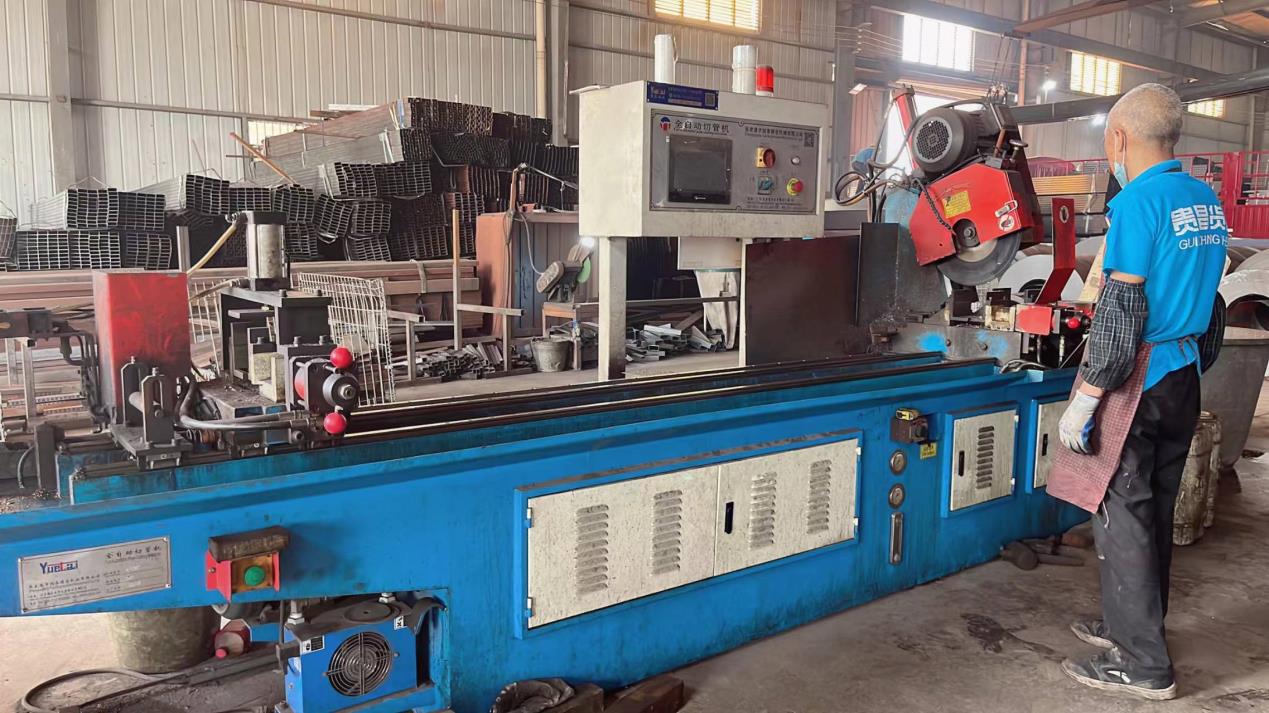
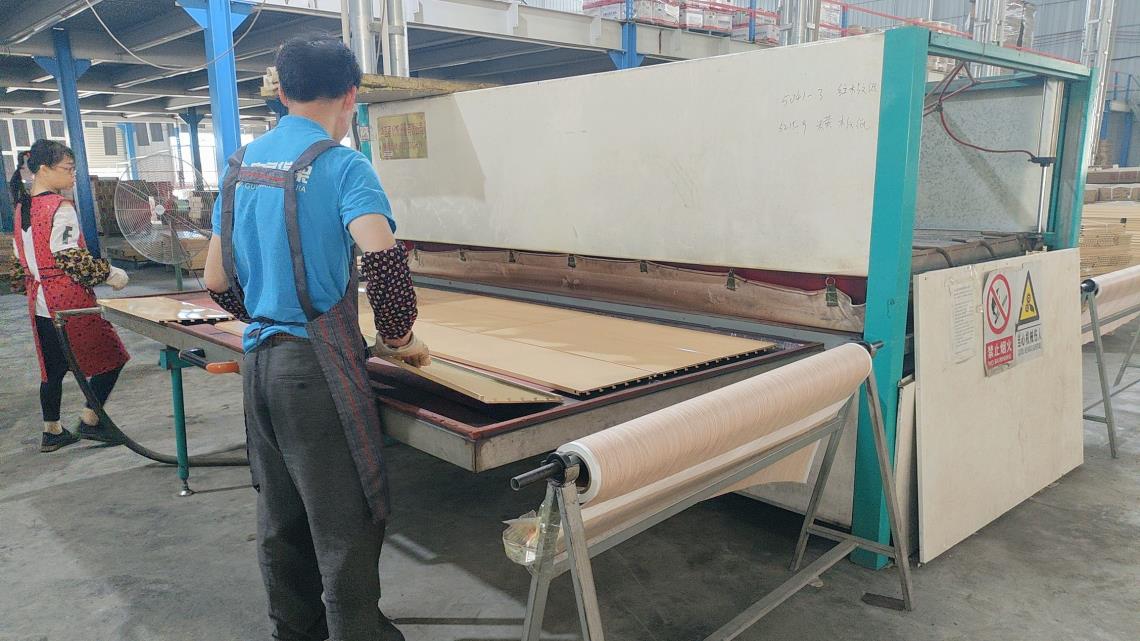
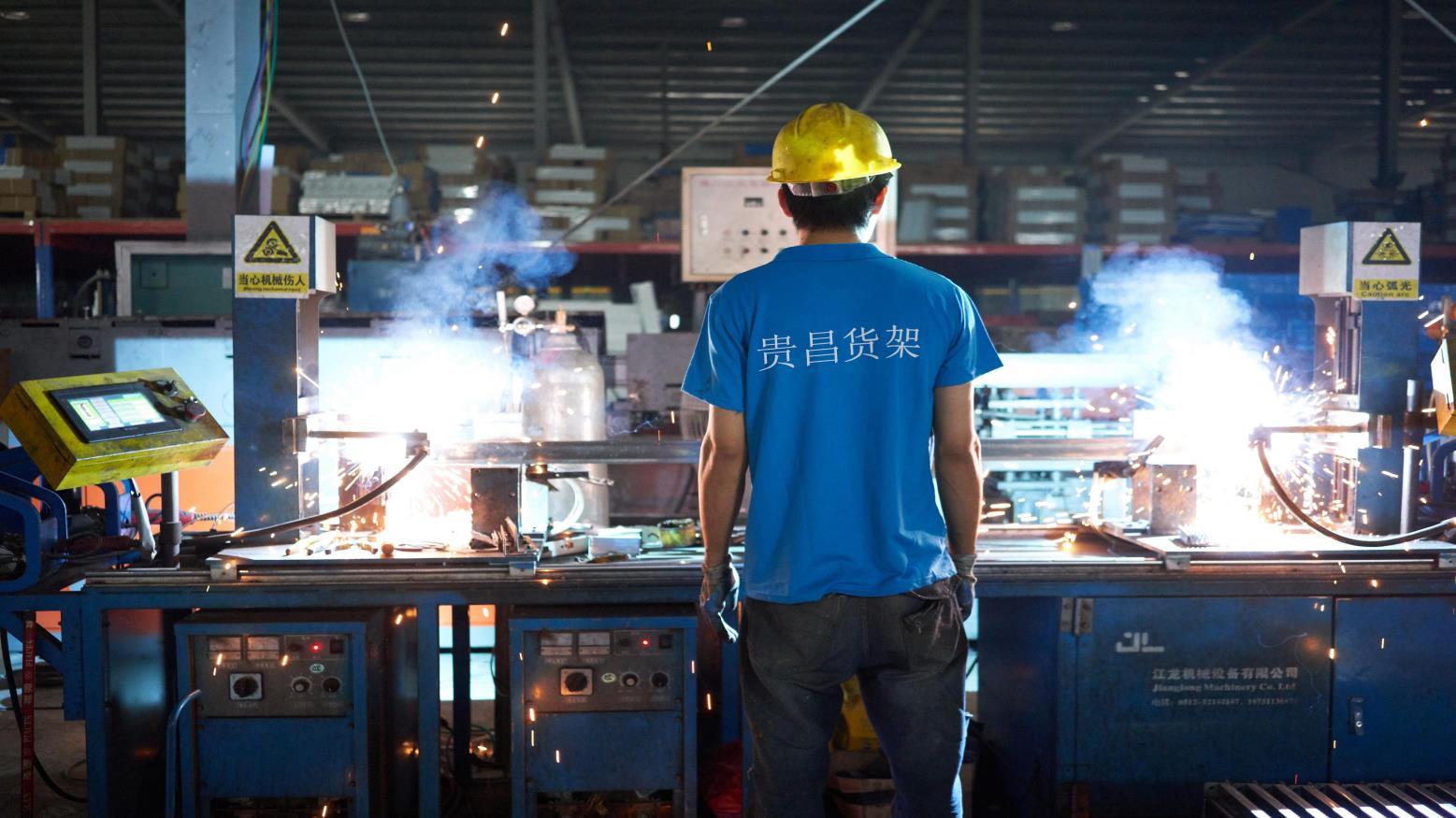
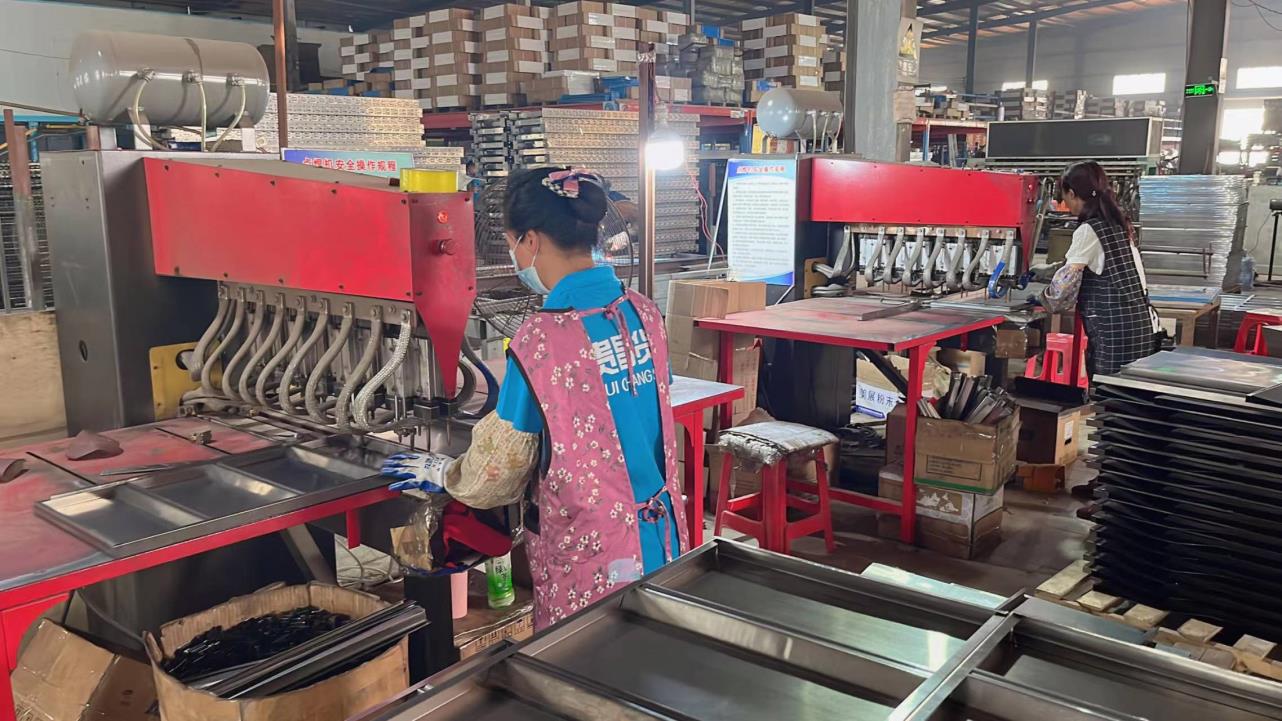
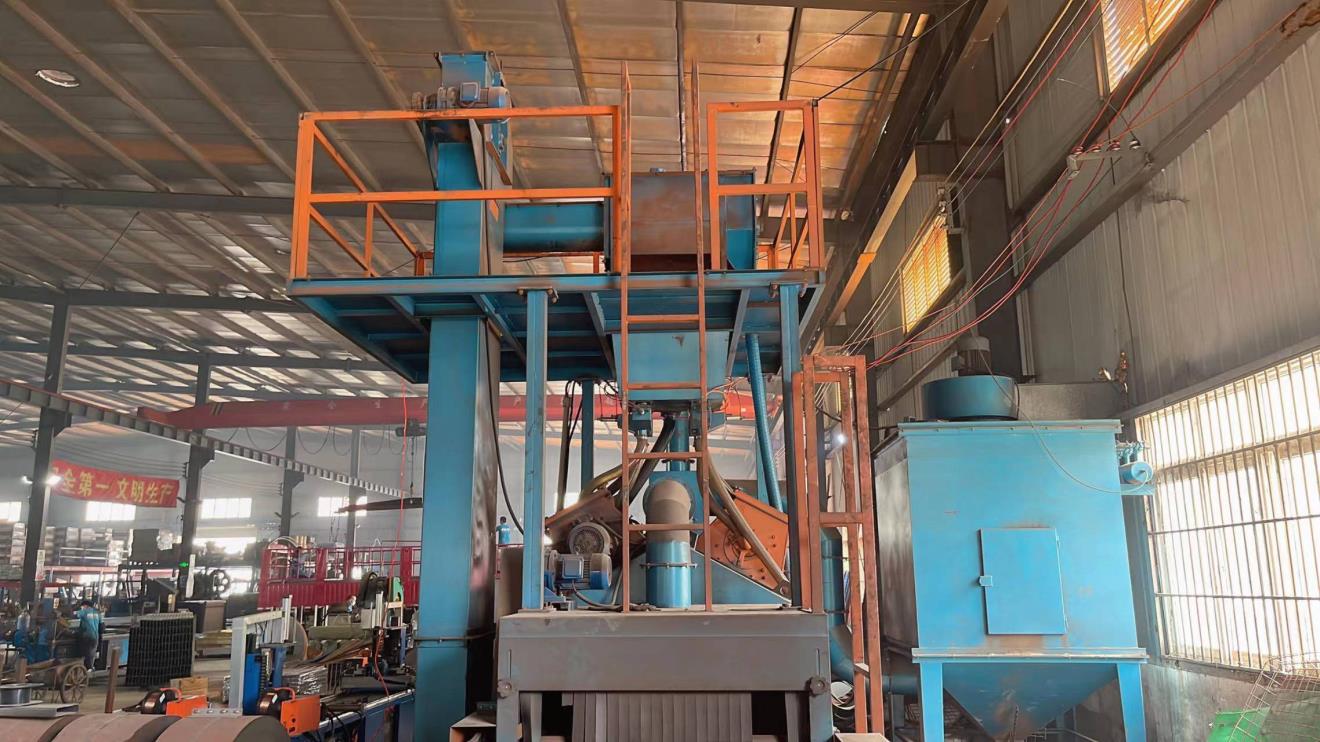
Our 38,000 sqm automated smart factory relies on advanced robotic welding and precise CNC roll-forming machinery to guarantee clean cuts, consistent welds, and reliable load profiles.
As micro-fulfillment centers, e-commerce giants, and cold chain distribution centers scale globally, procurement teams face new structural challenges. Heavy-duty logistics operations are shifting away from traditional static racking systems toward modular, high-impact structural designs that integrate seamlessly with automation. Analyzing high-load impact protection involves several key aspects:
With an in-house engineering team of 18 senior structural and mechanical engineers, Foshan Guichang delivers advanced R&D capabilities, including FEA (Finite Element Analysis) load simulations, custom CAD layout drafting, and structural optimization. We offer complete end-to-end OEM and ODM customization services—tailoring load capacities, dimensions, column profiles, surface finishes, and color schemes to meet specific regional building codes and warehouse operational demands. Driven by continuous innovation, our R&D team launched 45 new modular racking and automation-compatible product designs last year alone.
Global enterprises no longer purchase simple steel shelves; they source fully integrated storage infrastructure. Modern installations demand compatibility with AS/RS (Automated Storage and Retrieval Systems) crane systems, automated shuttle carts, and seismic-rated baseplate designs. Additionally, the transition to green steel supply chains has forced manufacturers to implement eco-friendly powder coating technologies, drastically reducing volatile organic compound (VOC) emissions during the curing process.
| Feature / Standard | Standard Racking Systems | Heavy Industrial Impact Racks | Guichang Custom Heavy Racks |
|---|---|---|---|
| Steel Yield Grade | Q235 Carbon Steel (Light duty) | Q345/Q355 High Tensile Steel | Premium Q235B / Q355 High Tensile Steel |
| Collision Resistance | Low (Deforms on minor forklift contact) | Medium (Requires bolt-on deflectors) | High (Thickened baseplate, integrated deflector) |
| Seismic Coefficient | Not rated / Basic calculations | Designed for Moderate Seismic Zones | FEA-Tested under Dynamic Seismic Simulations |
| Surface Protection | Single liquid spray paint coating | Powder Coating / Hot-Dip Galvanizing | Electrostatic Double Spray cured at 200°C |
Different jurisdictions enforce strict regulatory codes on warehouse racking systems. In North America, structural calculations must comply with the Rack Manufacturers Institute (RMI) MH16.1 standards. In Europe, the EN 15512 and FEM 10.2.02 codes dictate structural deflection parameters and dynamic safety factors. Purchasing from a factory that doesn't verify chemical composition and structural certifications leaves buyers open to code violations and liability risks.
Guichang addresses these requirements by validating raw materials through spectrographic chemical testing, generating mill inspection certificates for trace compliance, and providing localized layout engineering documents that simplify structural approvals worldwide.
Over the next decade, racking infrastructure will evolve beyond static steel columns. Industry innovators are developing "Smart Racks"—integrating strain-gauge arrays and IoT shock sensors directly into the vertical uprights. These smart nodes instantly log forklift collision vectors, alerting warehouse managers to potential structural safety hazards via centralized fleet management software.
Furthermore, structural optimization is moving toward hybrid material science. Combining high-yield structural steel profiles with shock-absorbing polyurethane cores in critical impact zones allows racking columns to dissipate kinetic energy more effectively. This hybrid design minimizes stress on concrete floor anchors, preventing micro-fractures in slab foundations over years of heavy warehouse operation.
Key technical queries and engineering insights concerning structural layout, materials, and international standards.
Roll-formed steel racking is manufactured from thin sheets of cold-rolled steel shaped into columns through series of forming rollers. It is cost-effective, versatile, and suitable for standard inventory. Structural steel racking is produced from hot-rolled C-channel profiles. Because of its thicker metal sections and heavy-duty bolted design, structural steel absorbs significant vehicle collisions without structural failure, making it ideal for food distribution, high-traffic cold rooms, and heavy-duty manufacturing environments.
Our engineering department conducts Finite Element Analysis (FEA) based on localized building code data (e.g., IBC codes for North America). We adjust baseplate dimensions, anchor bolt sizes, and structural steel thickness (up to Q355B high-tensile rating) to withstand horizontal seismic forces and pass structural review inspections.
We provide two primary options for harsh environments: 1) Electrostatic powder coating baked at 200°C for smooth, non-porous surfaces that resist rust and bacterial growth. 2) Hot-Dip Galvanizing (HDG) coating, which creates an alloy layer that protects steel from rust in temperatures as low as -30°C.
We calculate our load capacity using a 1.5x to 2.0x safety factor, complying with ANSI/RMI and FEM design requirements. A system rated for a 2000KG capacity is physically tested with a 3000KG load to guarantee structural safety under static load peaks and minor dynamic impacts.
Once engineering plans and drawings are confirmed, standard production takes 20 to 30 days. This timeline includes raw material testing, structural roll-forming, automated robotic welding, powder coating, and load testing. Lead times may vary based on order volume and customization requirements.
Yes. Automated warehouse installations require high precision. Our manufacturing tolerances are restricted within +/- 0.5mm, ensuring our racking systems align correctly with AGV scanners, laser guides, and automated high-reach stackers.
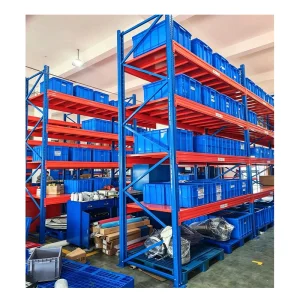
Integrate heavy-duty platforms, storage components, and logistics support structures to optimize spatial density and maintain high safety standards.
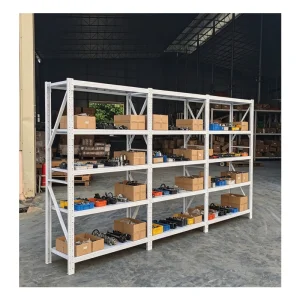
 Guichang Rack