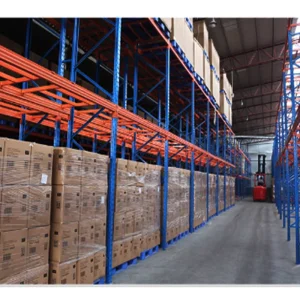
Engineered for durability, maximum storage density, and strict safety compliance across global distribution hubs.
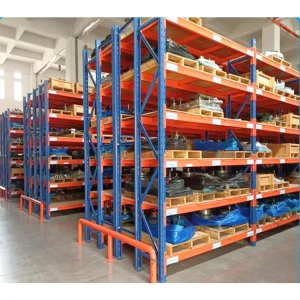
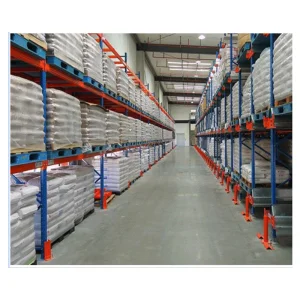
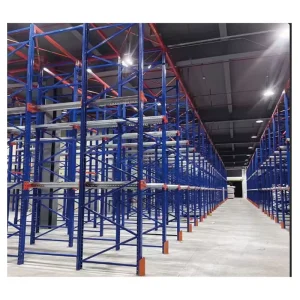
In modern industrial logistics, optimizing physical footprint and vertical cubic space is paramount. Drive-in storage systems (also referred to as drive-in racking or high-density pallet racking) stand out as the preeminent mechanical solution for storing large quantities of homogeneous goods. By eliminating dedicated forklift aisles, drive-in structures reduce the required storage footprint by up to 60-80% compared to standard selective pallet racking systems. Operating on a LIFO (Last-In, First-Out) inventory management principle, this engineering choice is highly suited for cold storage, chemical warehousing, bulk raw materials, and batch-produced consumer packaged goods.
As global distribution corridors face rising land prices and construction bottlenecks, the demand for highly reliable structural steel components has surged. This white paper serves to analyze the critical design considerations, manufacturing innovations, quality verification standards, and procurement dynamics that differentiate top-tier drive-in racking exporters from entry-level fabricators. We map out the industrial evolution toward heavy-duty automated integrations, evaluate structural safety considerations, and establish an engineering checklist for supply chain executives searching for high-performance warehousing partners.
Founded in 2014, Foshan Guichang Shelves Manufacturing Co., Ltd. has established itself as an industry-leading manufacturer specializing in heavy-duty industrial warehouse storage systems, precision roll-formed pallet racking, and customizable commercial shelving. Backed by over 12 years of deep engineering experience and 8 years of international export expertise, the company services multi-tier logistics hubs, global e-commerce fulfillment centers, third-party logistics (3PL) providers, and industrial hardware distributors across North America, Europe, Southeast Asia, and the Middle East.
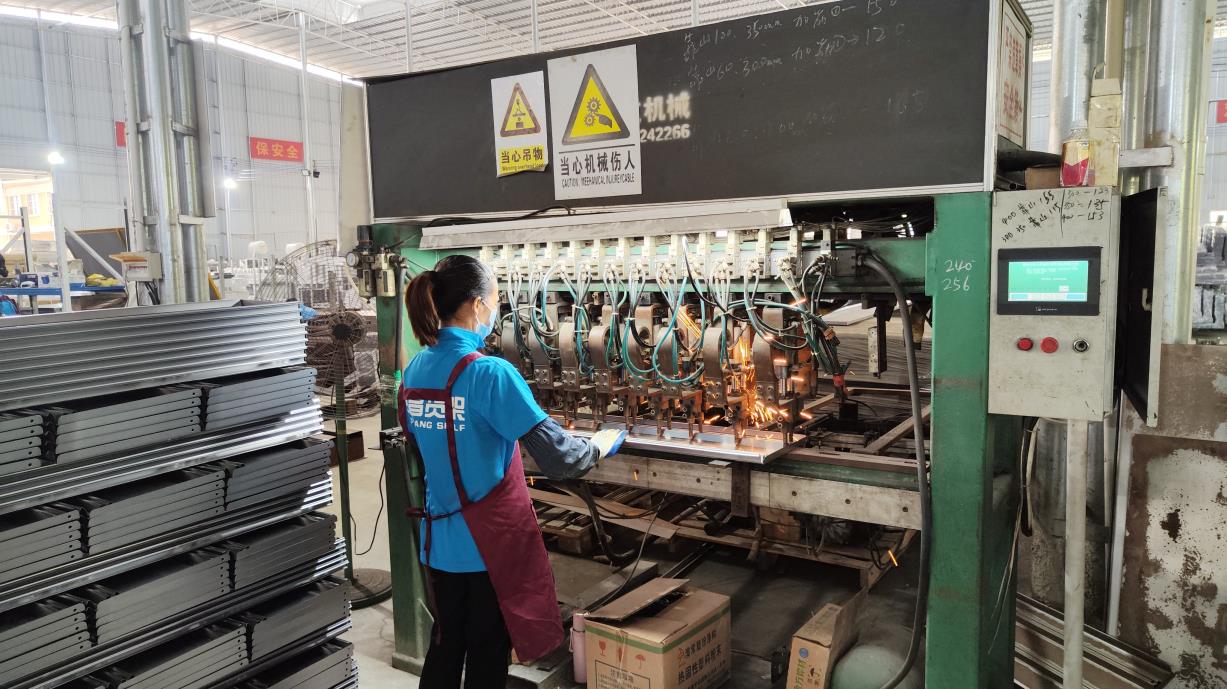
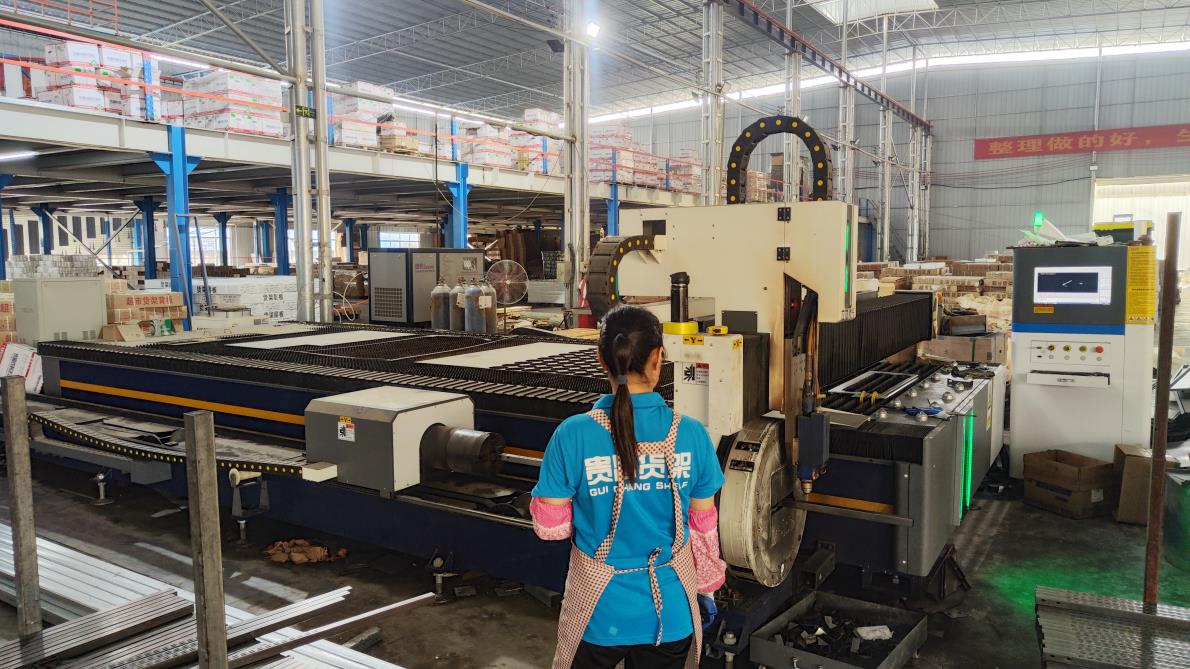
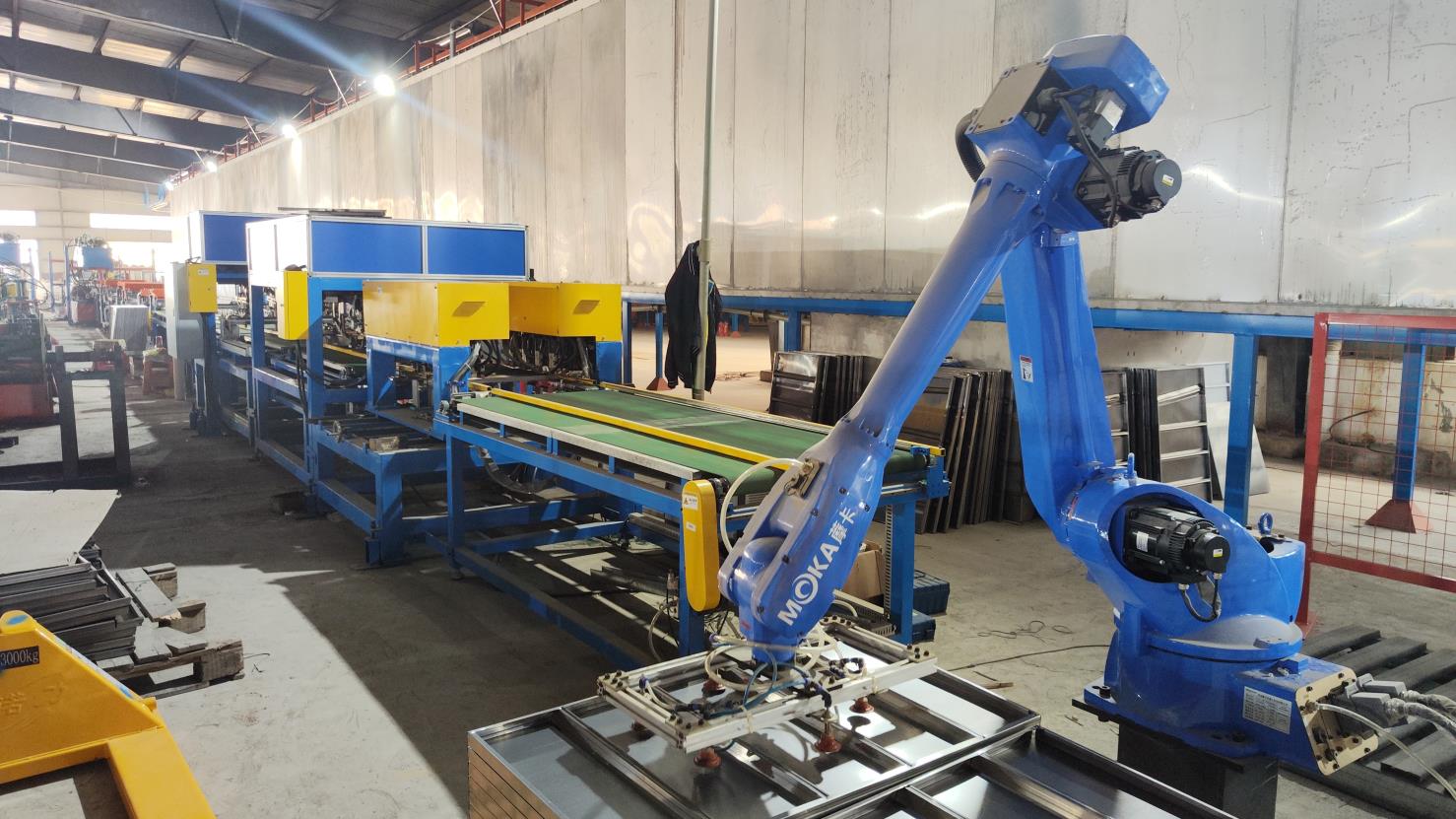
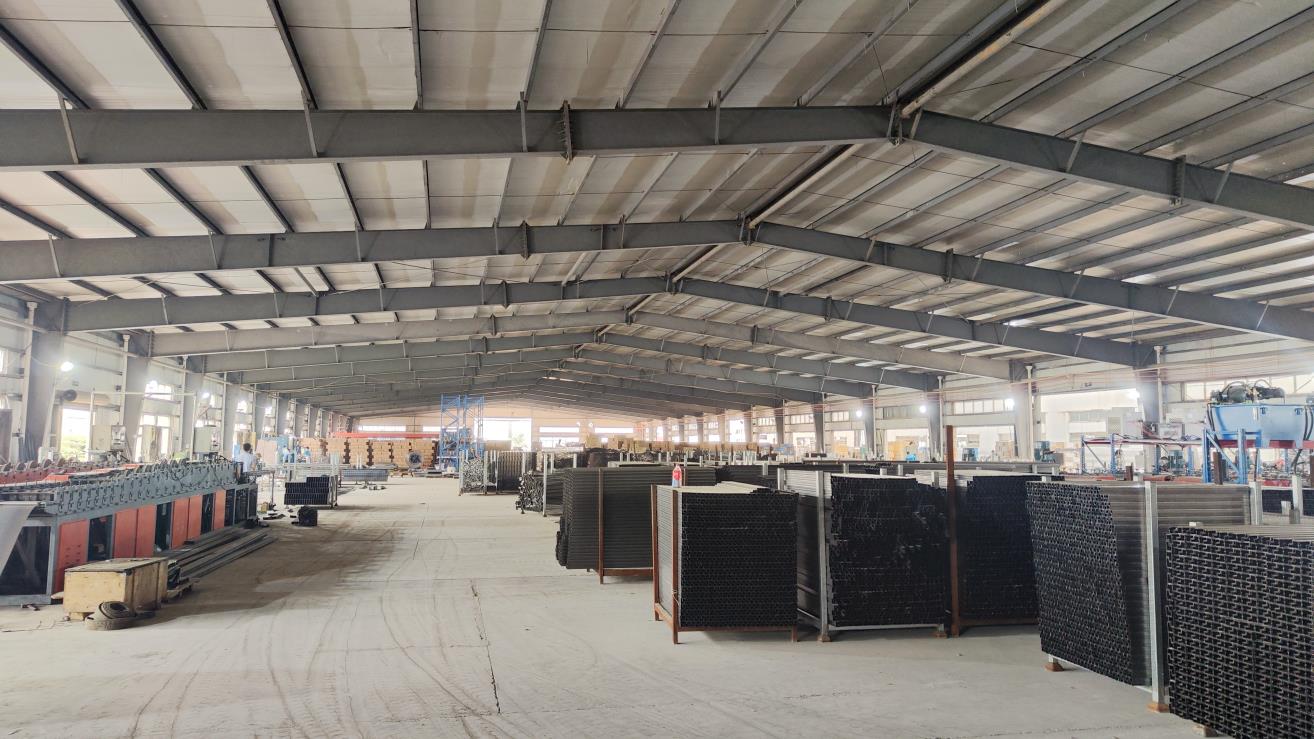
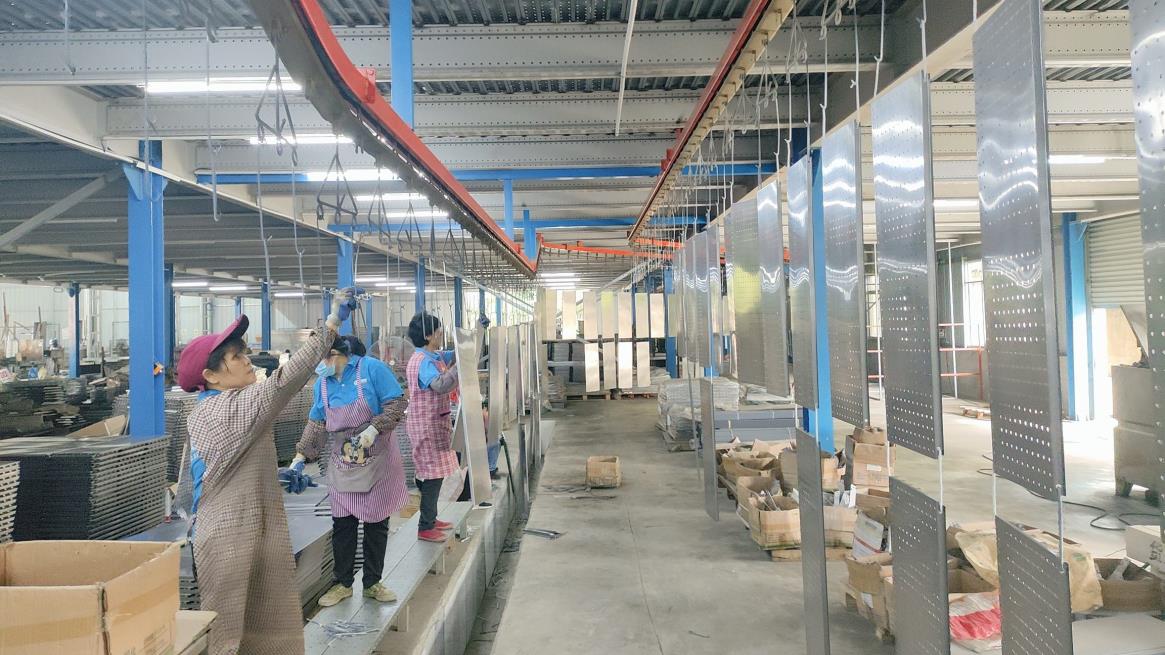
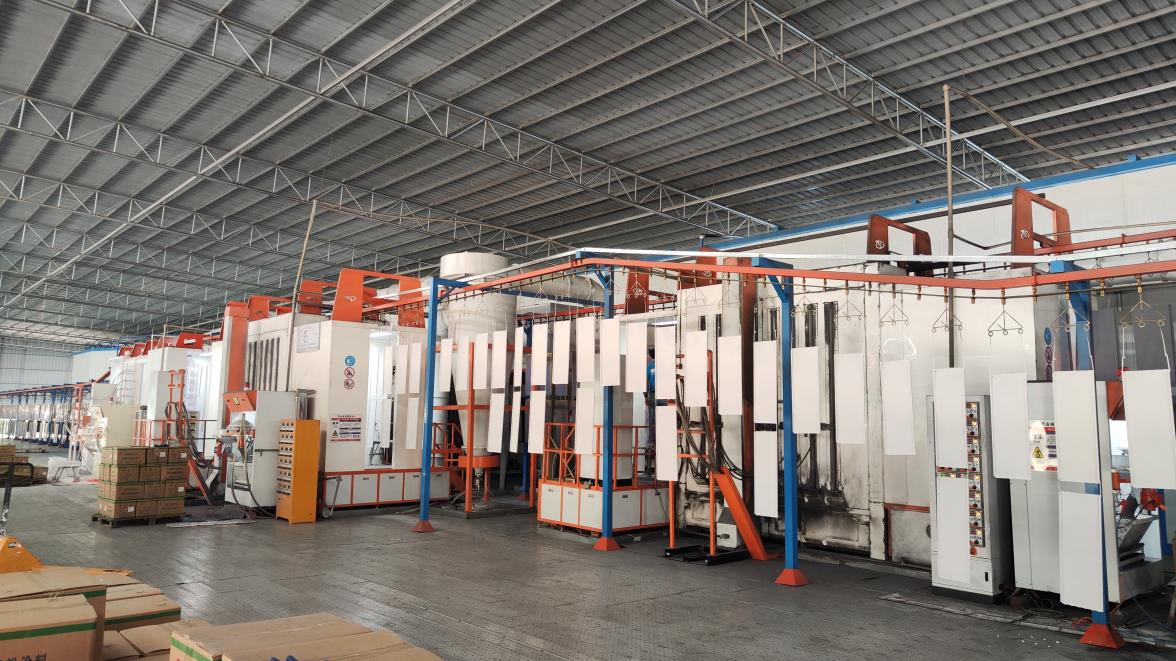
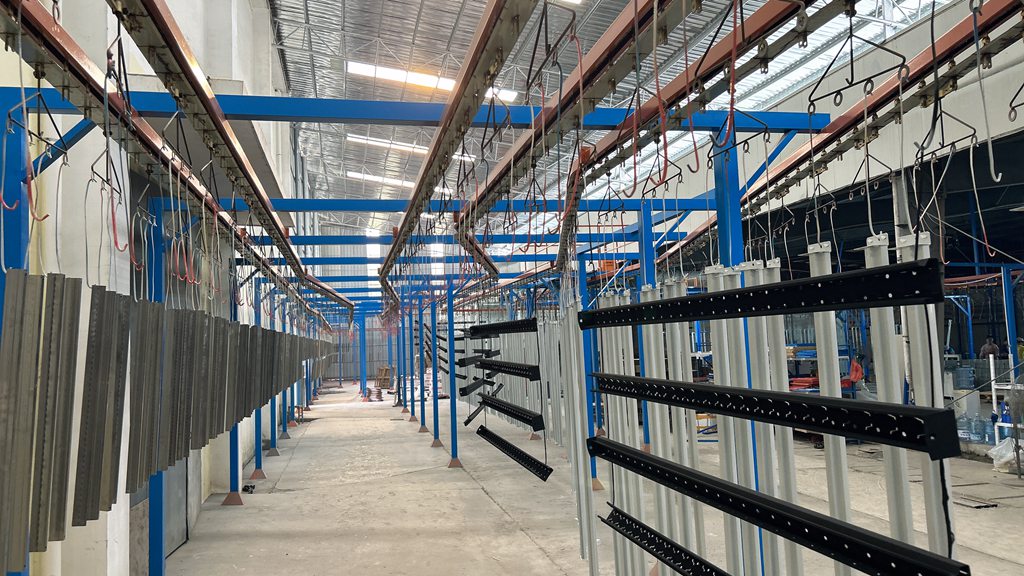
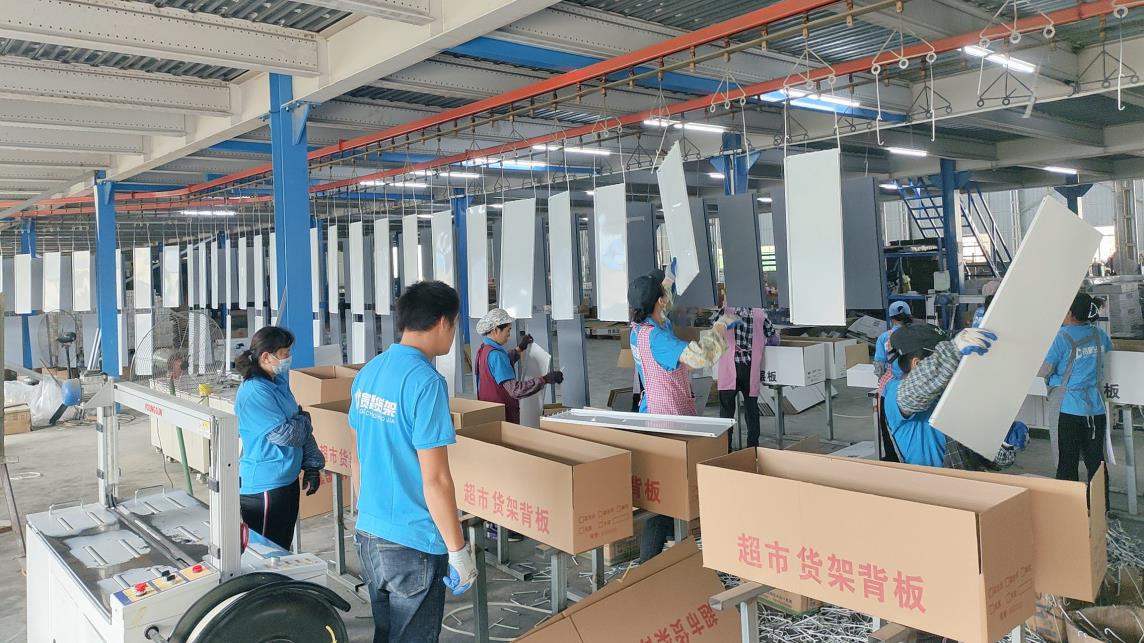
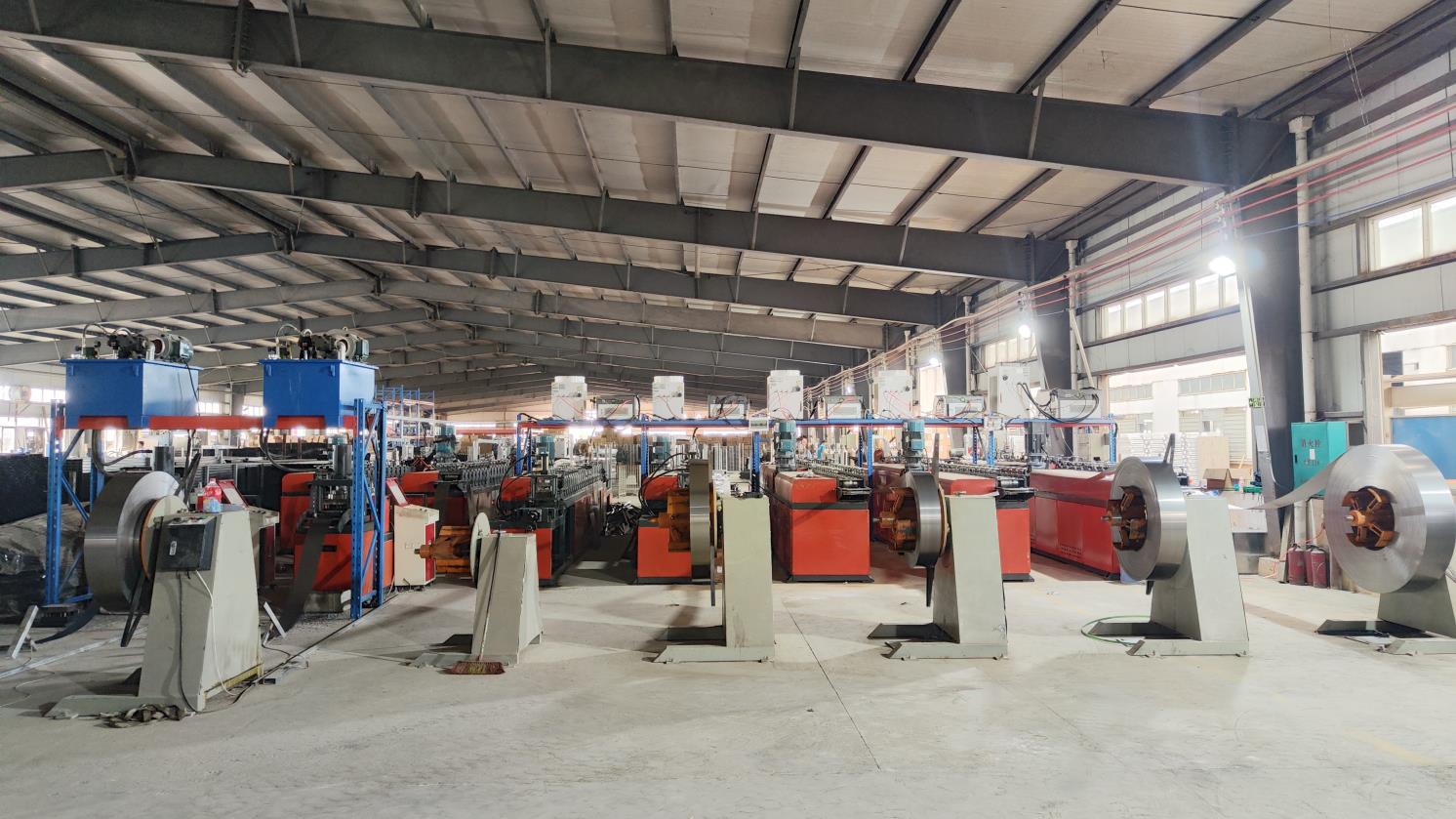
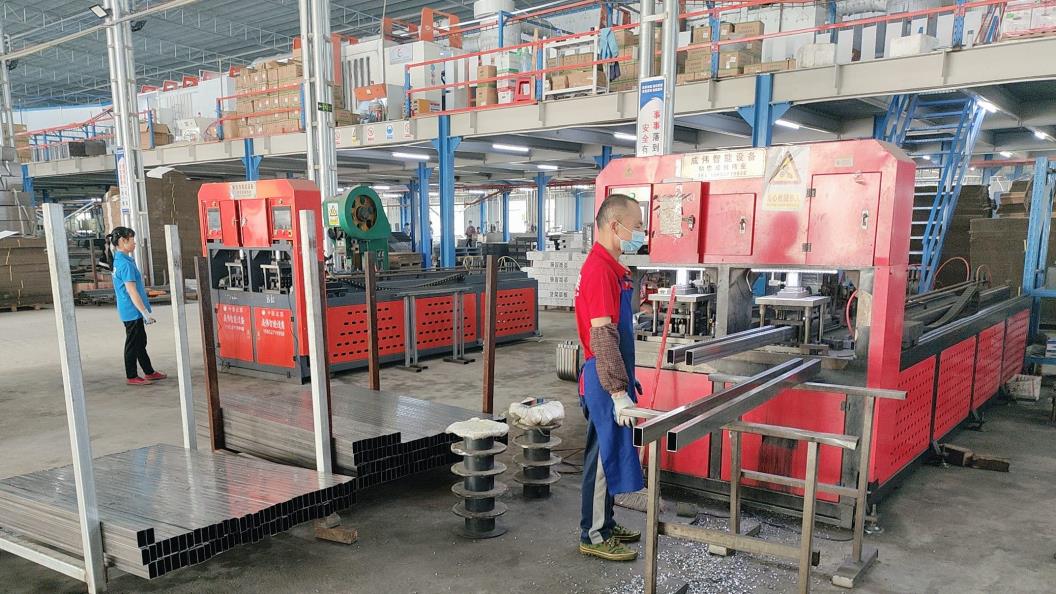
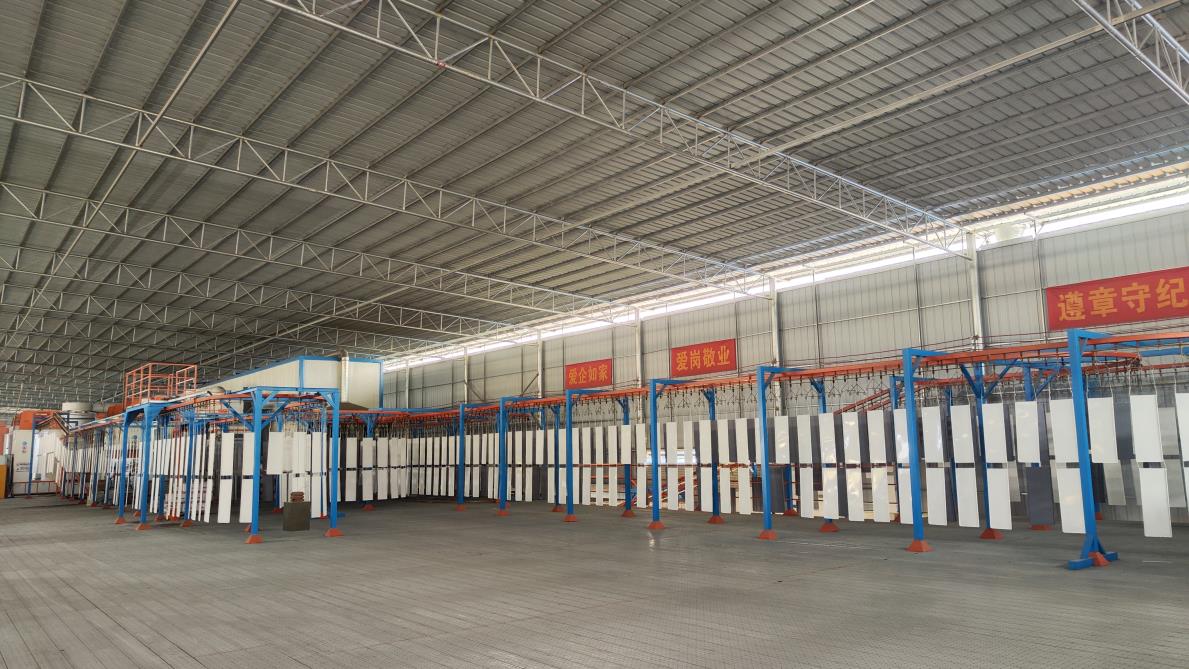
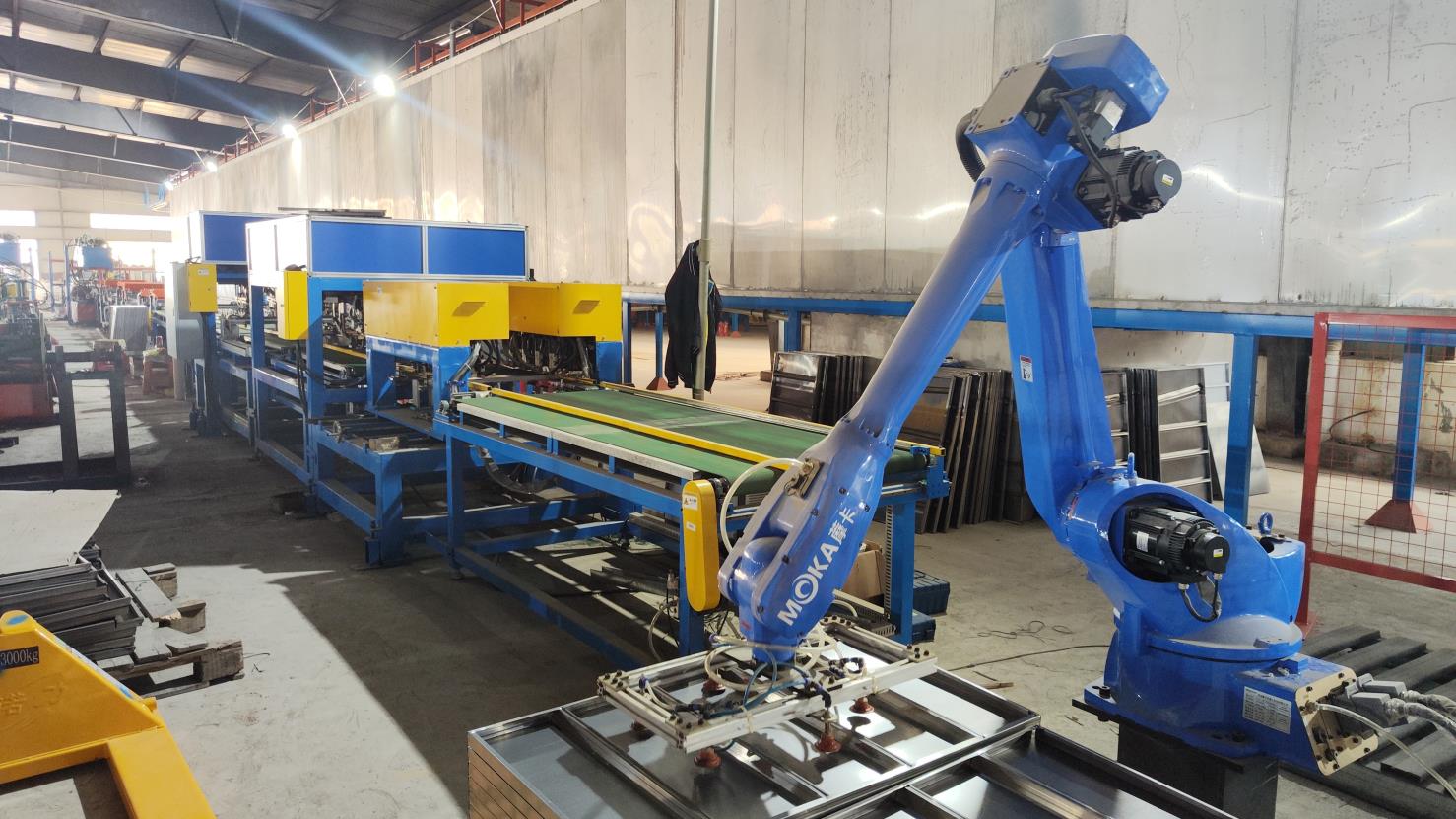
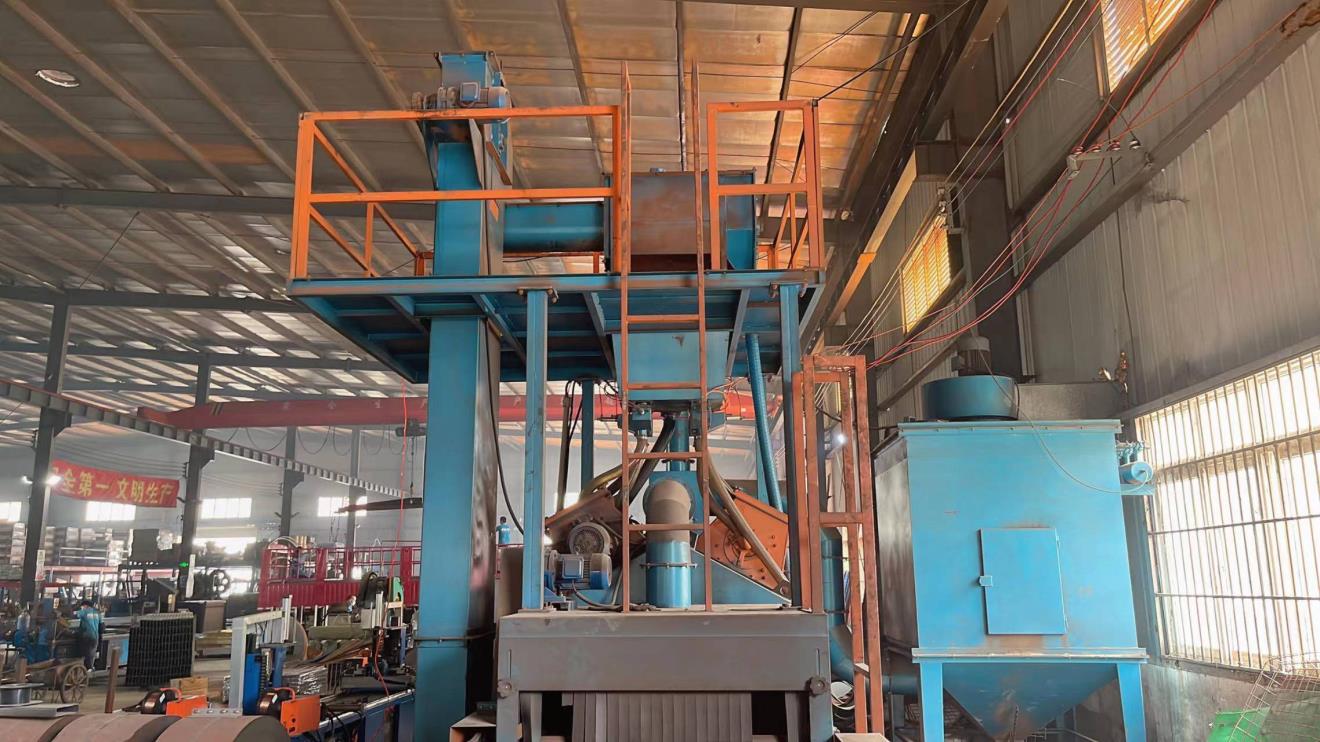
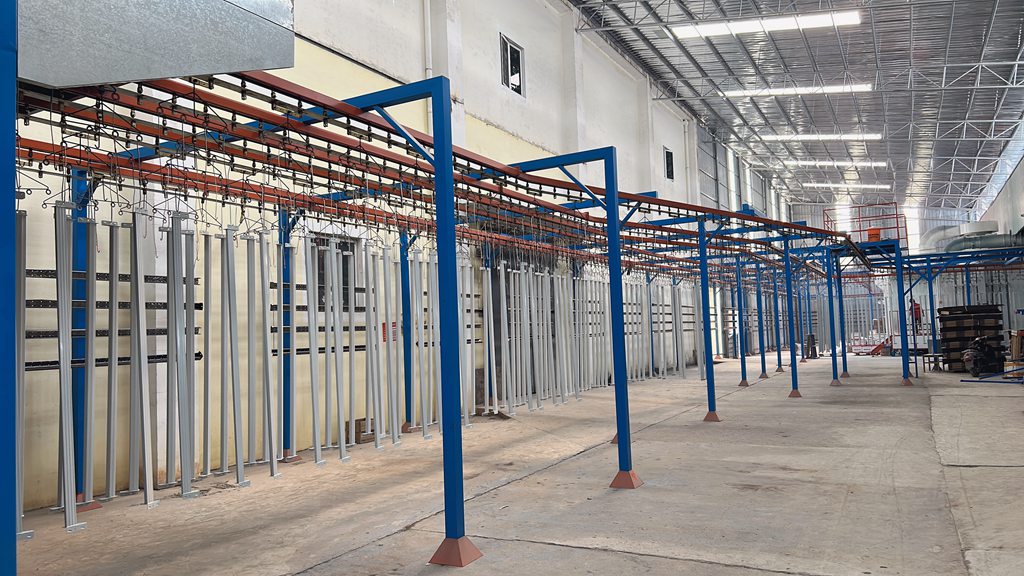
Operating from a state-of-the-art manufacturing facility covering 38,000 square meters, our direct-to-factory infrastructure generates over $25 million USD in annual export revenue. Supported by a robust network of over 850 trusted supply chain partners, we maintain full quality control and end-to-end traceability—from structural raw material sourcing to automated cold-roll forming, robotic welding, and powder coating processes.
In high-density racking environments, load stability and physical integrity are critical safety concerns. Drive-in systems require forklifts to enter the racking structure itself, which heightens the probability of frame collisions and structural impact. At Foshan Guichang, our ISO9001 certified manufacturing process is monitored by a team of 28 dedicated Quality Control (QC) specialists. Every production run undergoes rigorous, documented testing at four distinct developmental stages:
Spectrographic analysis of steel composition (principally Q235B and Q345B grades) and physical tensile strength verification to guarantee load capacity under static and dynamic stress.
Online weld-seam ultrasonic flaw detection, CNC dimensional tolerance verification, and cold-rolling profile angle validation to prevent structural deviations during fabrication.
Salt spray corrosion testing (ASTM B117 standards) and digital magnetic coating thickness measurement to confirm the durability of the electrostatic powder-coated finish.
Destructive and non-destructive 3D laser-aligned structural tests under 150% of the maximum rated load limit. This ensures consistent performance in heavy seismic zones.
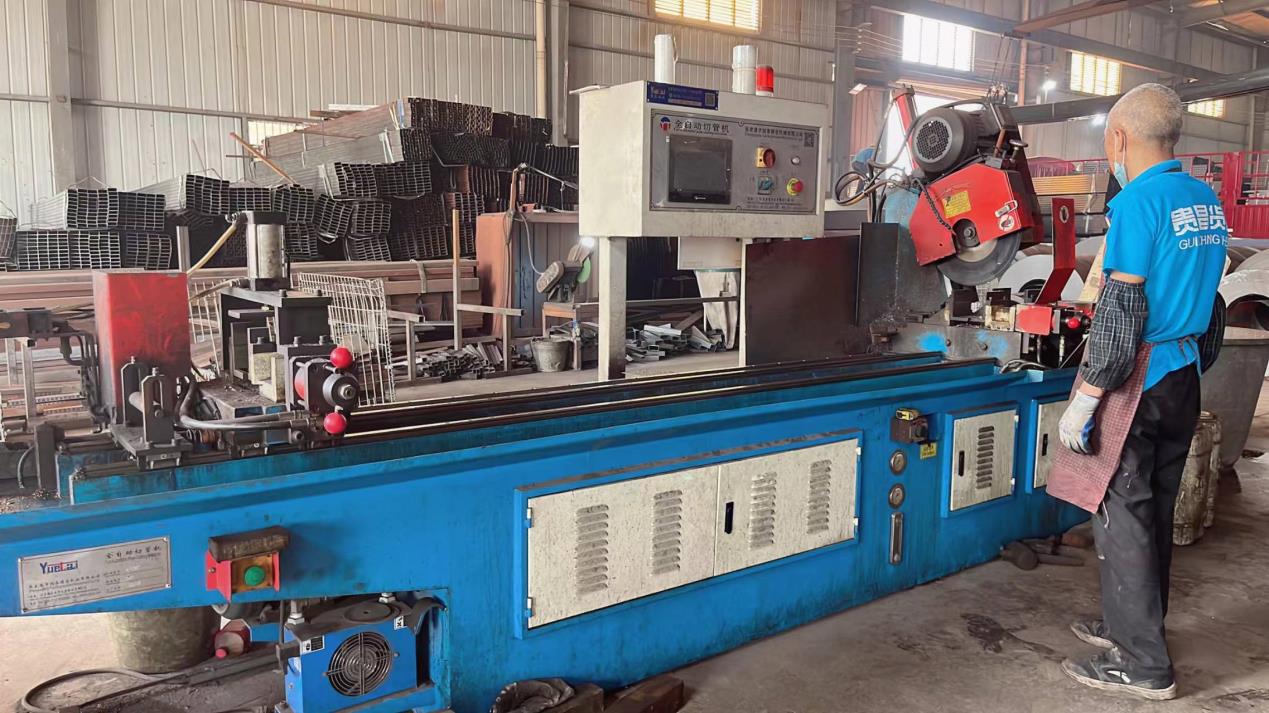
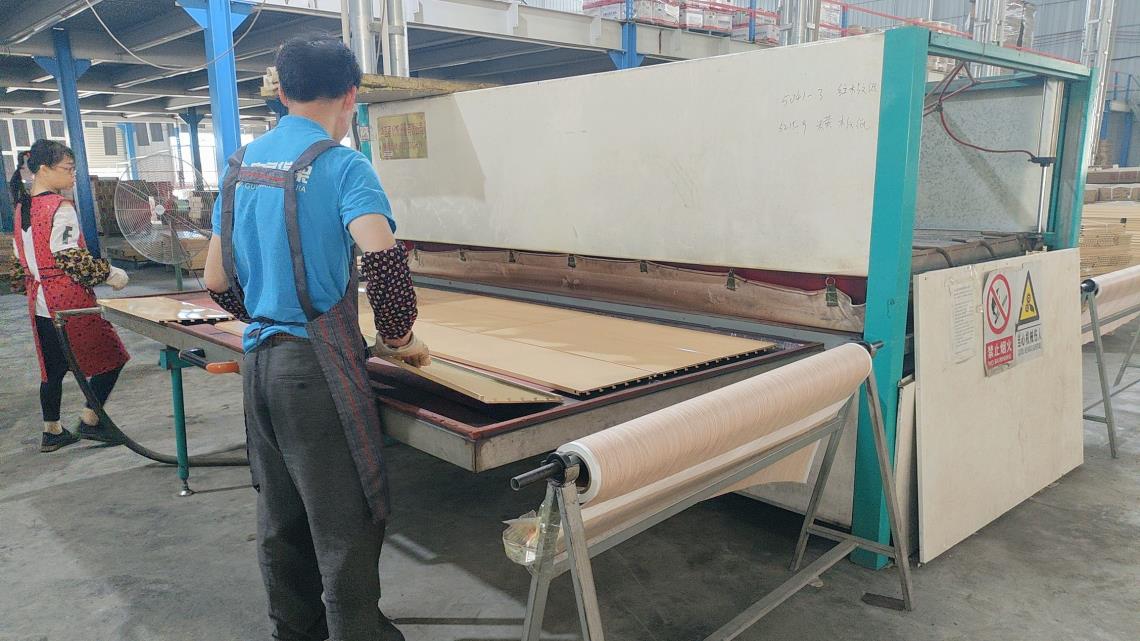
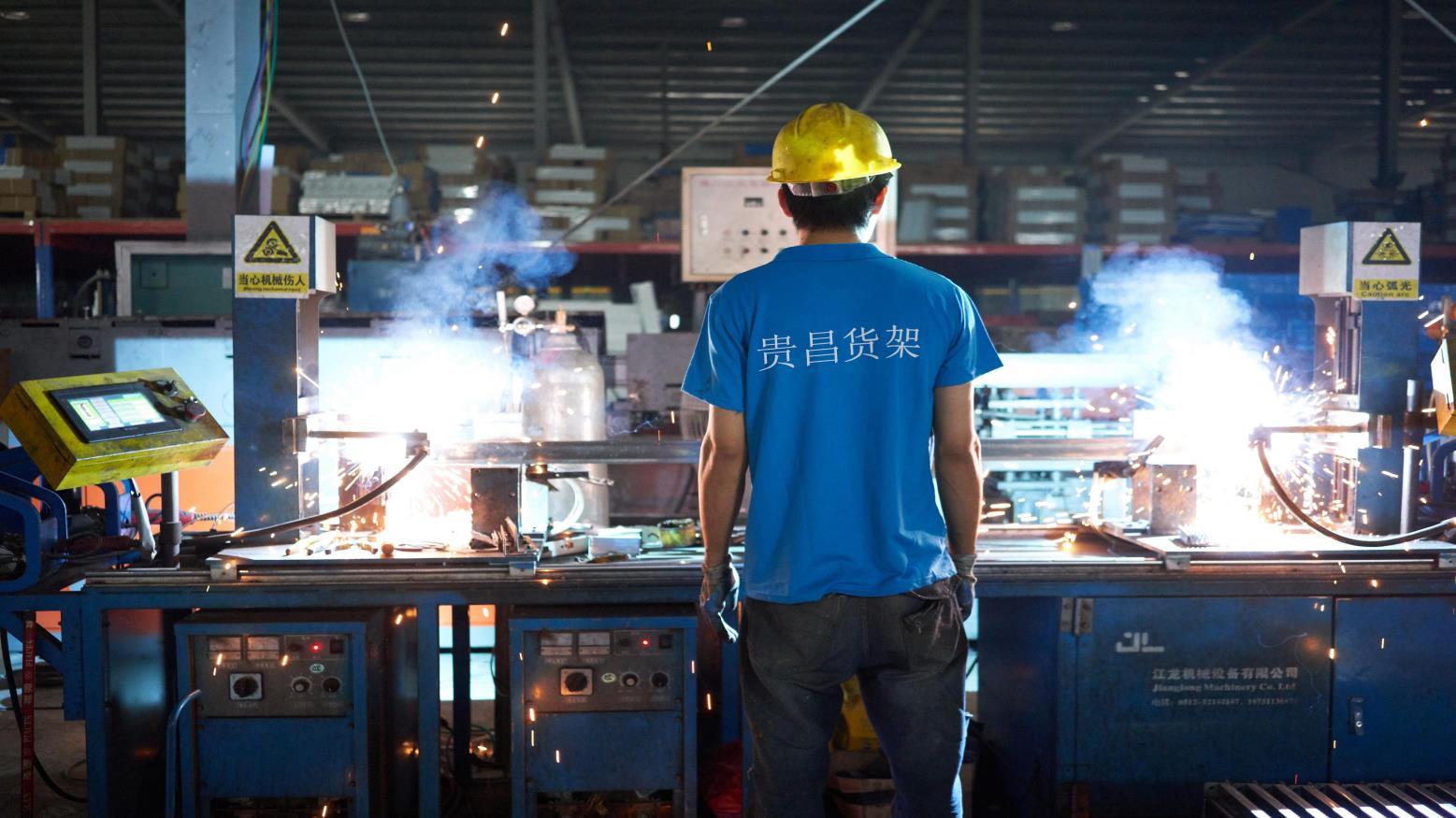
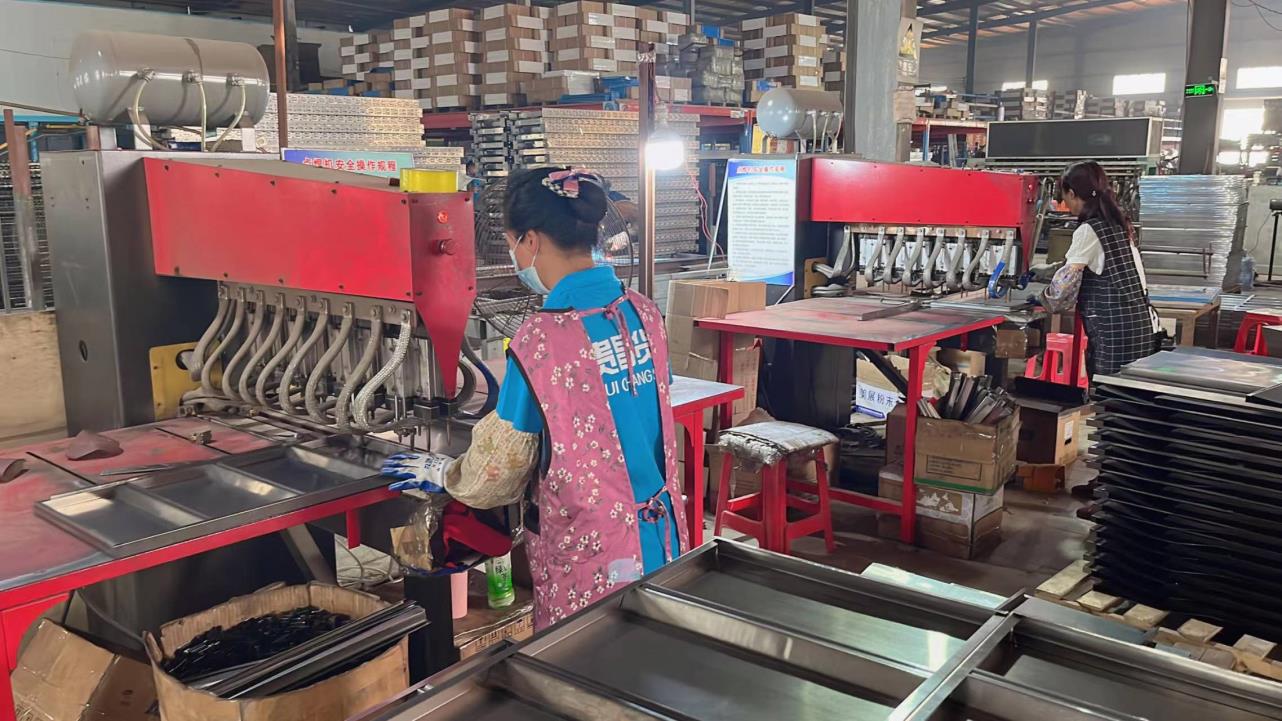
Our 38,000m² facility integrates CNC machinery, automated production lines, and high-precision welding stations.
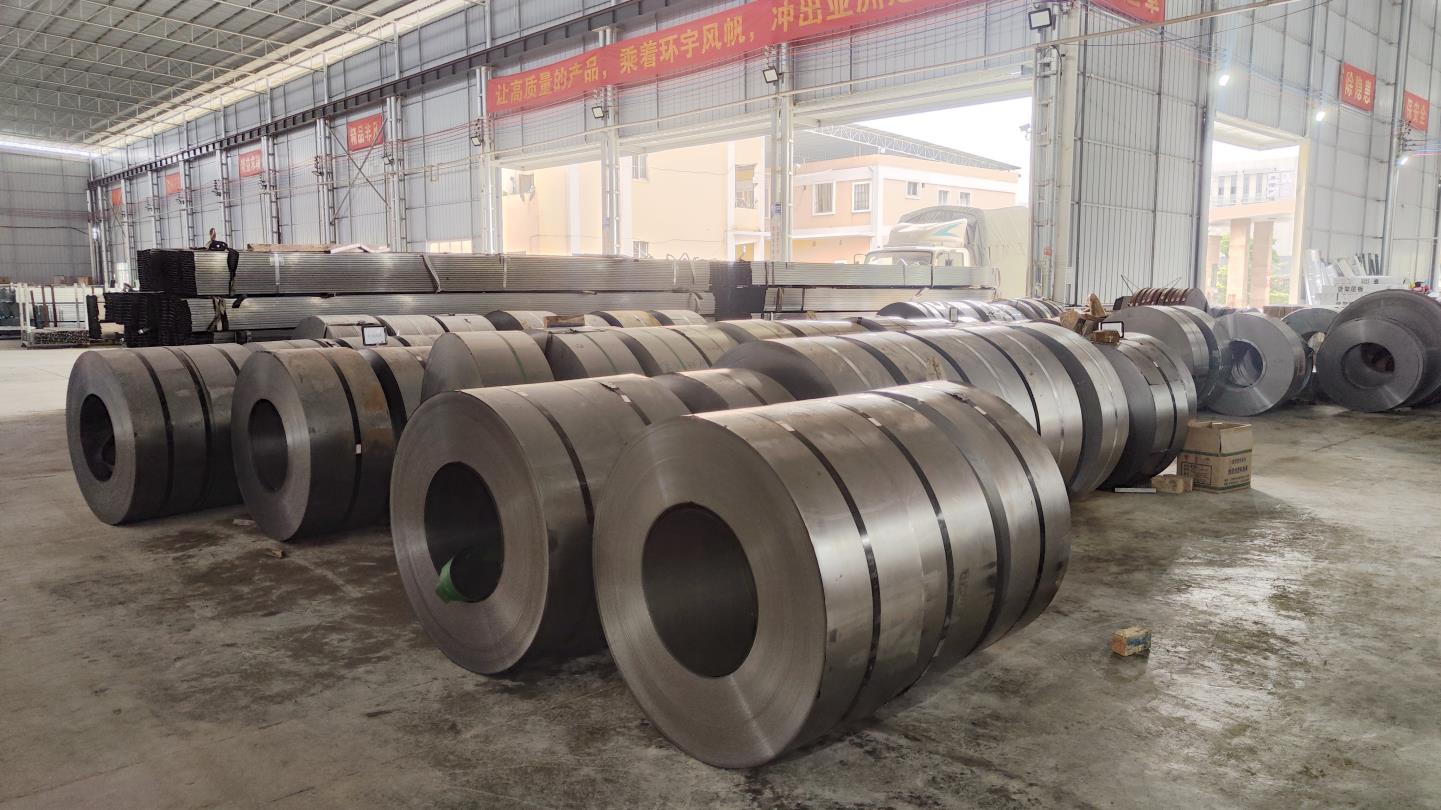
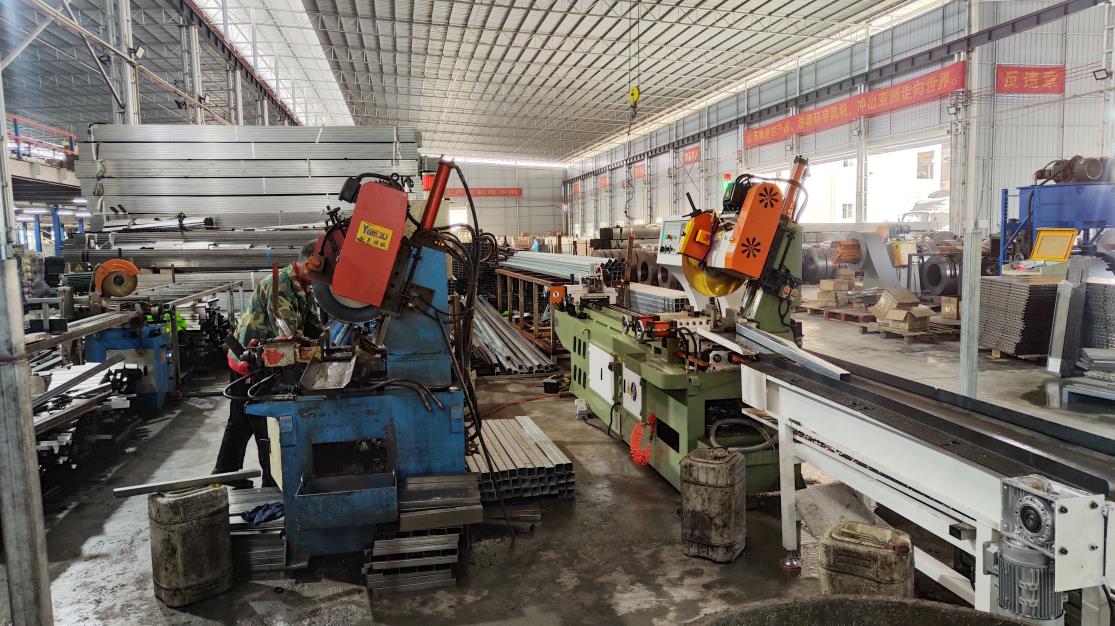
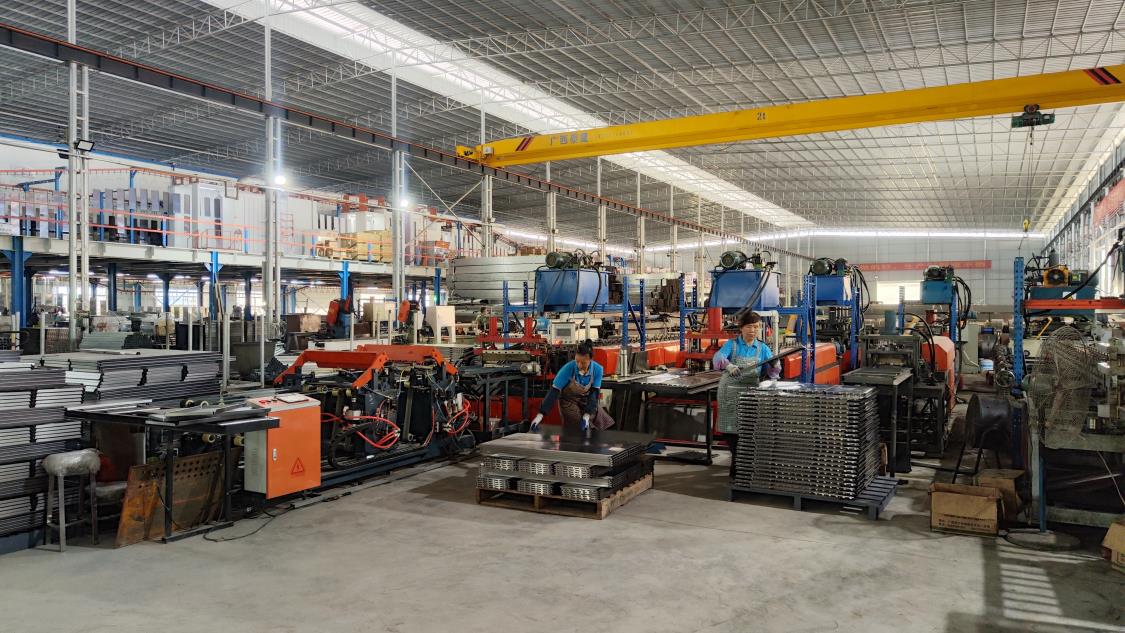
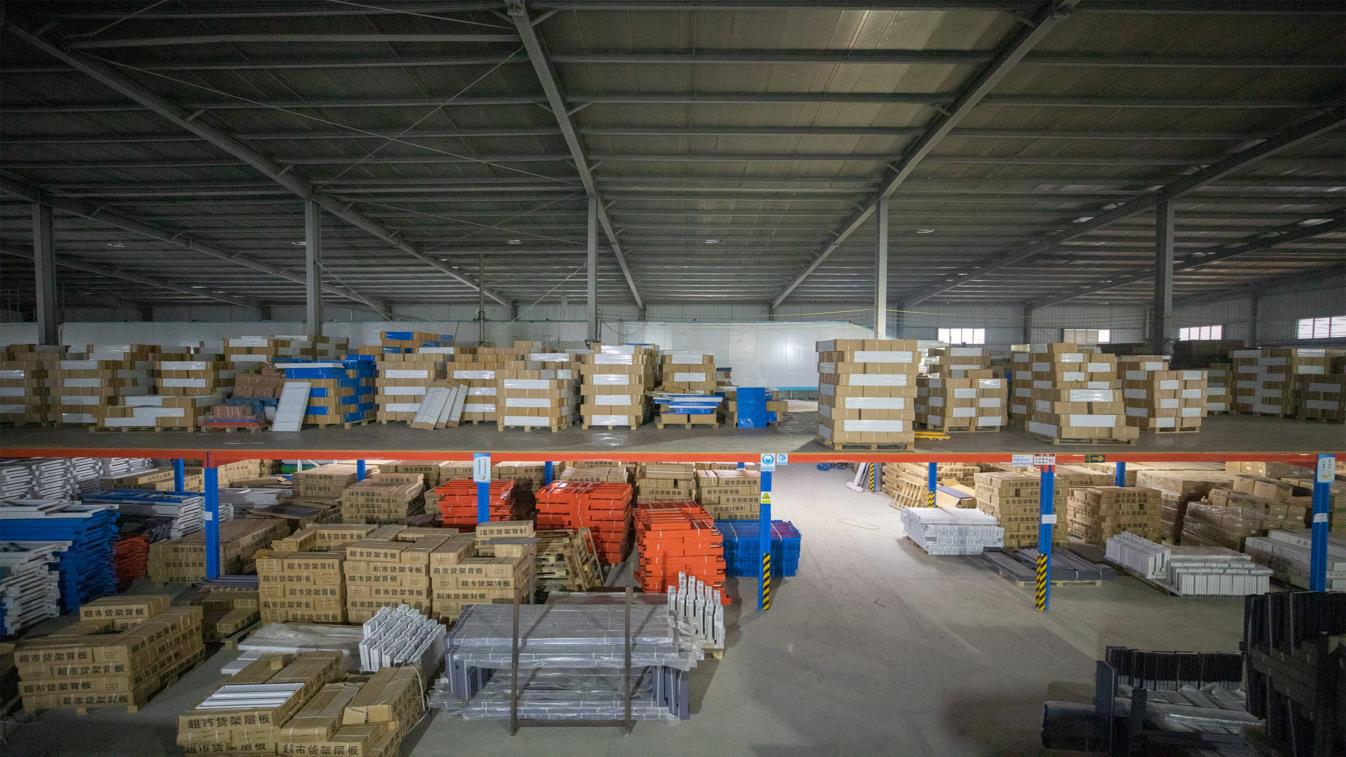
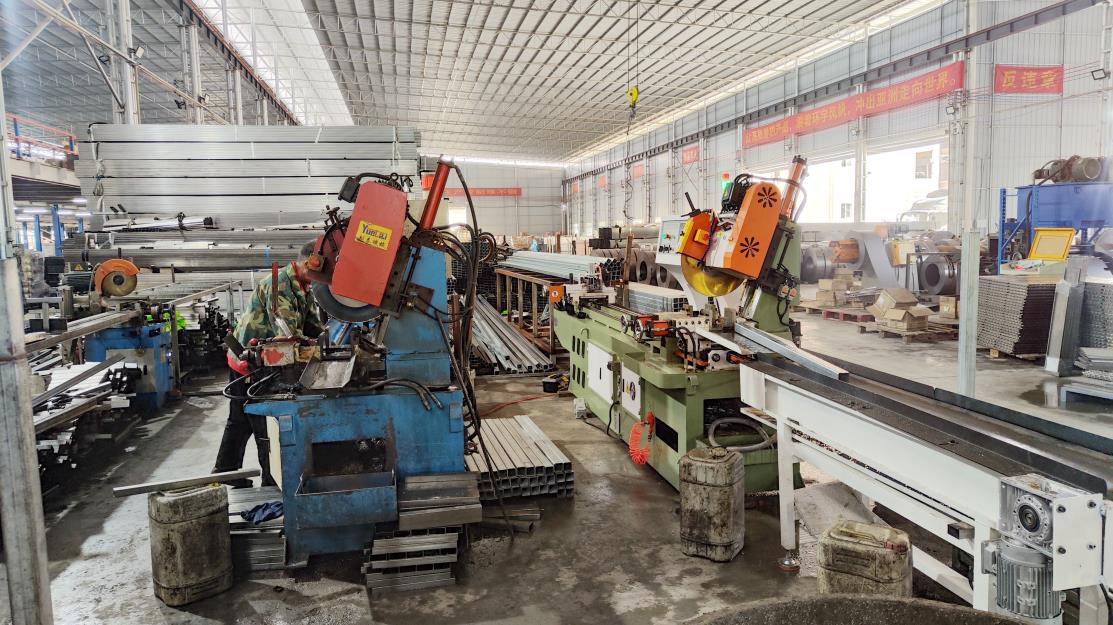
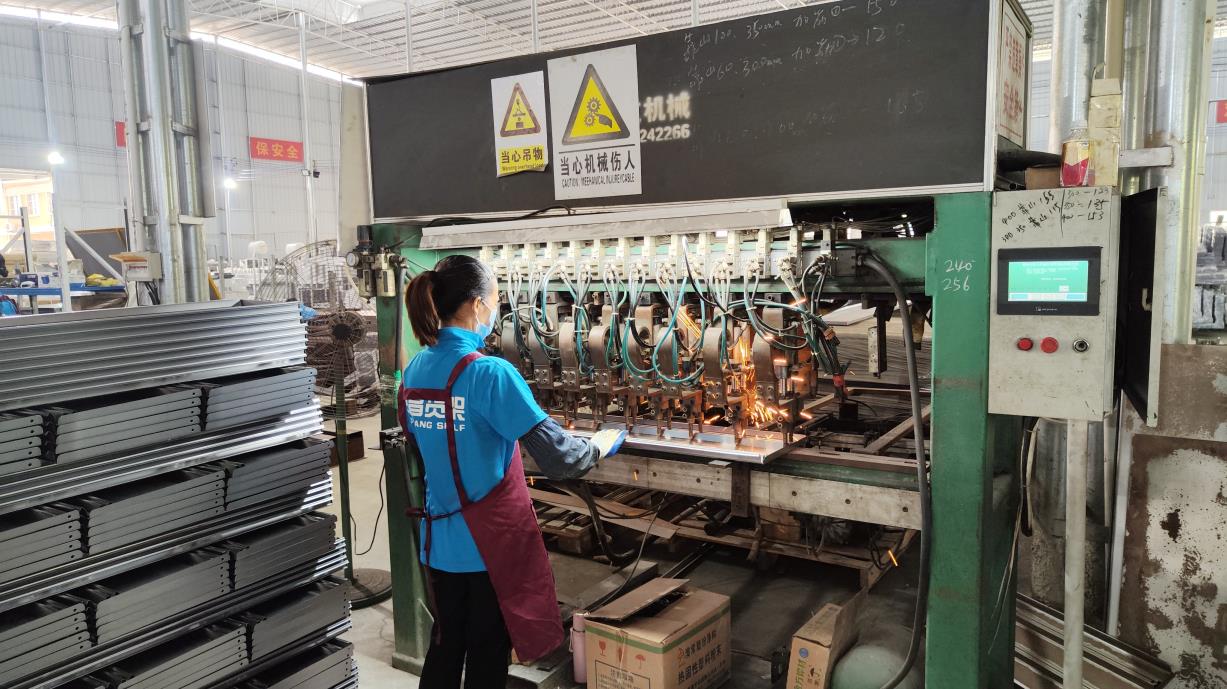
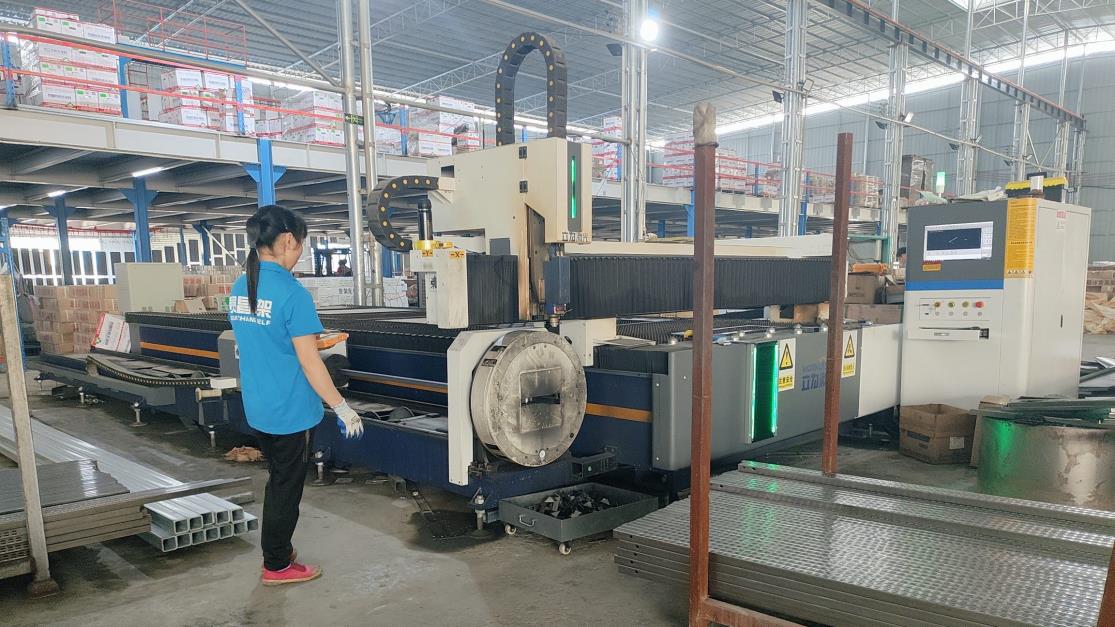
The engineering landscape of static industrial storage is transforming rapidly. Standard drive-in storage designs are increasingly integrated with automation-compatible sub-systems. Foshan Guichang is at the forefront of this evolution, advancing safety margins and efficiency through research and development. Our engineering roadmap focuses on key technological areas:
Utilizing high-end FEA simulation software to model real-world stress states. This enables our structural engineers to design thinner yet stronger upright columns, reducing material costs without compromising safety.
Upgrading standard drive-in racking layouts to support semi-automated radio shuttles. Shuttles carry pallets inside the channels, eliminating the need for forklifts to enter the racking lanes, which reduces collision risks and increases loading speeds.
Configuring racking base designs, guide rails, and entry tolerances to match automated guided vehicles (AGVs) and AMRs. This ensures seamless integration into smart, dark warehouses.
Industrial storage configurations must satisfy varying regulatory requirements and seismic conditions. Every major market—North America, Europe, Australia, and the Middle East—maintains specific building codes that govern racking engineering and installations. When selecting a Chinese racking manufacturer, international purchasers must verify compatibility with these standards.
We ensure compliance with the Rack Manufacturers Institute (RMI) standards for North American projects, verifying seismic calculations, frame punch patterns, and safety locking clips.
For European installations, we design systems that conform to EN 15512 structural limits and EN 15635 operation/maintenance regulations, ensuring safety factor tolerances are met.
Ensuring compliance with local load ratings, structural test procedures, and installation safety requirements. This includes the integration of heavy-duty column guards and row protectors.
Beyond regulatory compliance, industrial solutions must be customized for their specific storage environment. For instance, Cold Chain Storage projects require hot-dip galvanized steel components or custom low-temperature powder coatings to prevent corrosion and cracking. By contrast, Fast-Moving Consumer Goods (FMCG) distribution hubs favor drive-in configurations with guide rail entry systems to optimize throughput and reduce forklift cycle times.
Critical engineering and logistics questions answered by our structural design department.
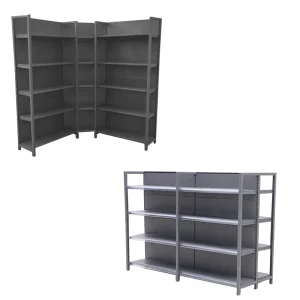
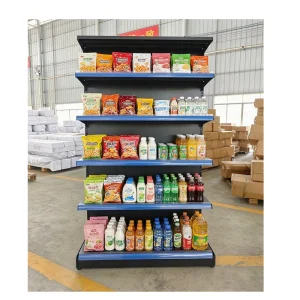
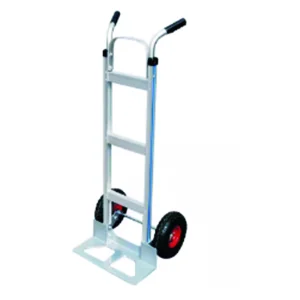
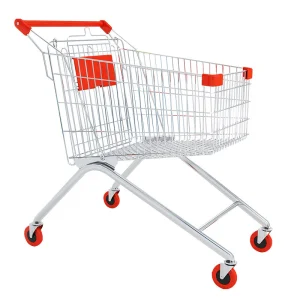
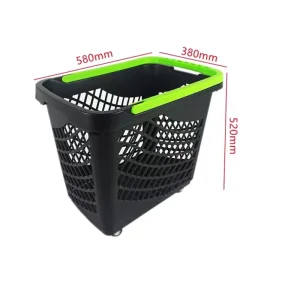
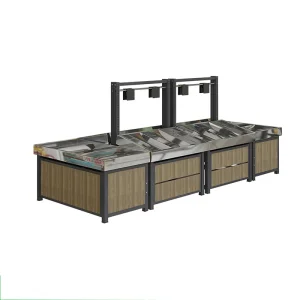
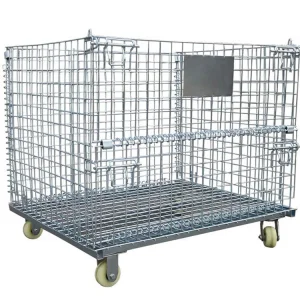
Expand your operations with our high-quality warehouse cages, display stands, transport carts, and logistics components.
 Guichang Rack