Exploring the commercial and industrial drivers of advanced warehousing integration.
The modern supply chain is undergoing an unprecedented paradigm shift. With the explosion of e-commerce, strict omni-channel fulfillment cycles, and critical global labor shortages, traditional static racking systems are rapidly giving way to dynamic Automated Storage and Retrieval Systems (AS/RS). Industrial operators can no longer afford the spatial inefficiencies and human latency associated with manual forklift operations.
Today's modern distribution hubs leverage automated shelving systems to optimize the physical footprint, shifting from horizontal expansion to vertical utilization. Integrated systems like Vertical Lift Modules (VLMs), multi-shuttles, and autonomous mobile robot (AMR) racks enable warehouses to shrink their footprint by up to 85% while boosting throughput speeds by 300% to 400%.
Crucially, high-performance automated systems require a robust mechanical foundation. Automated cranes and shuttle systems move at speeds exceeding 5 meters per second with tight tolerances. Any minor structural deviation, deflection under load, or seismic instability in the steel structure will trigger emergency system shutdowns. Hence, choosing a top-tier manufacturer capable of engineered, high-precision racking structures is the key first step in any automation roadmap.
Analytical evaluation of technology leaders in the automated warehousing ecosystem.
Headquartered in Switzerland, Kardex is a pioneer in Vertical Lift Modules (VLMs) and vertical carousel systems. Their Kardex Shuttle series is widely recognized as the industry benchmark for high-density dynamic storage, offering seamless integration with custom WMS software to facilitate micro-fulfillment.
Modula is an Italian titan specializing in automated vertical storage. Their engineering focus is on maximum load capacities and high speeds, providing vertical trays that can carry up to 990 kg each, heavily utilized in heavy manufacturing and automotive parts supply chains.
SSI SCHAEFER is a global market leader in complete intralogistics systems. They design and manufacture advanced shuttle systems (such as the SSI Cuby) and heavy-duty automated crane racking systems, offering end-to-end integration for large-scale distribution centers.
Operating under the KION Group, Dematic designs highly intelligent software-driven AS/RS solutions. Their multishuttle systems are praised for rapid order consolidation in e-commerce fulfillment, backed by robust software controls (Dematic iQ) for intelligent route planning.
Mecalux is a prominent European manufacturer specializing in high-performance steel pallet racking structures compatible with clad-rack warehouses. They excel in supplying automated stacker cranes for pallets and miniload systems for smaller cardboard boxes.
An integrator of world-class robotic technologies, Swisslog specializes in AutoStore integrations and their proprietary CarryPick mobile robot systems. They combine physical mechanical precision with advanced AI to orchestrate synchronized robot swarms.
A Toyota Advanced Logistics company, Bastian Solutions is a premier North American system integrator. They focus on tailor-made AS/RS systems utilizing custom racking, AGVs, and advanced robotic pick-and-place arms for high-volume distributions.
Hänel is a historical leader in vertical carousels (Rotomat) and vertical lift systems (Lean-Lifter). Their core strength lies in precision high-density design, maintaining reliable operation even under extreme industrial environmental conditions.
Daifuku is one of the largest material handling automation suppliers in the world. Their systems handle everything from heavy-duty industrial vehicles down to high-speed pharmaceutical mini-loads, backed by global engineering networks.
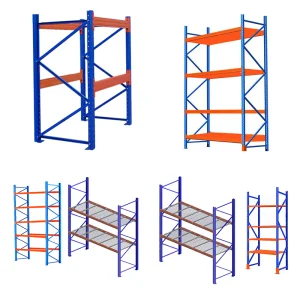
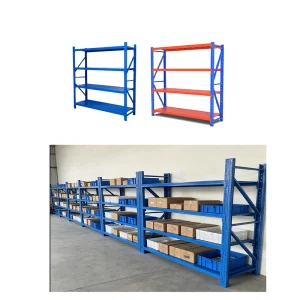
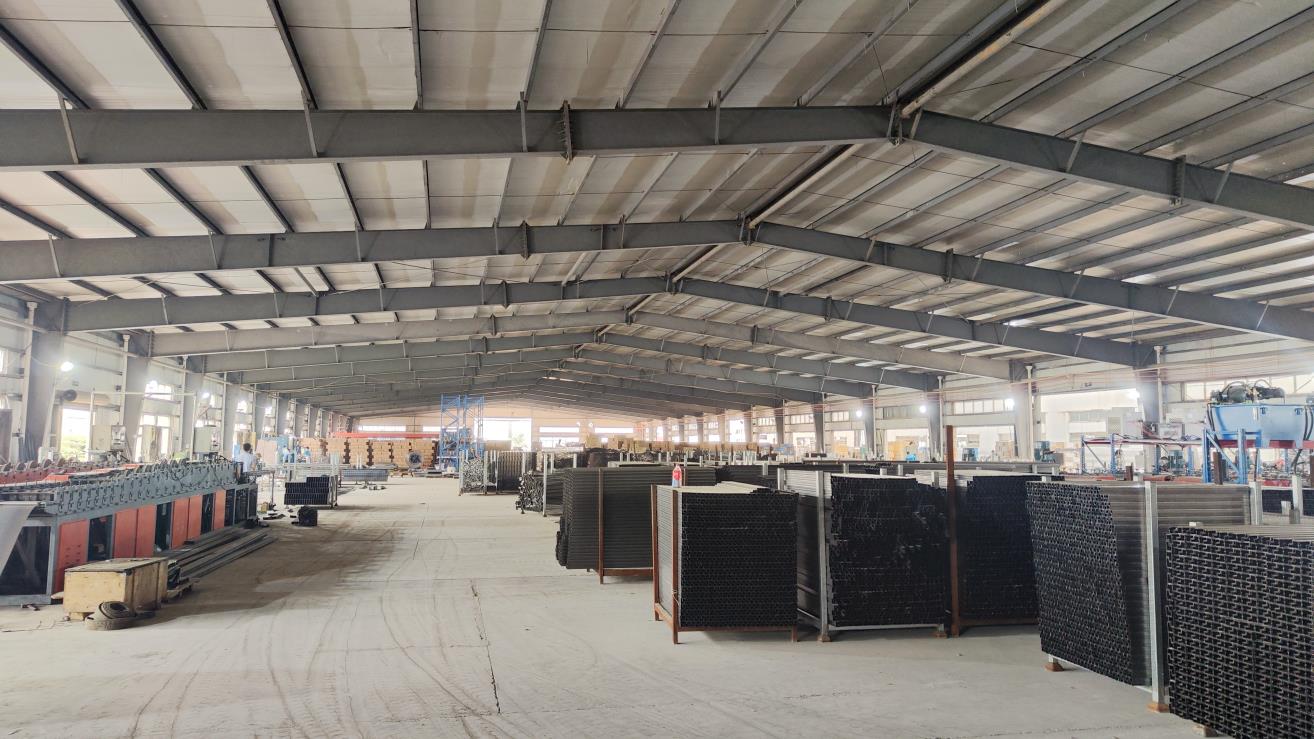
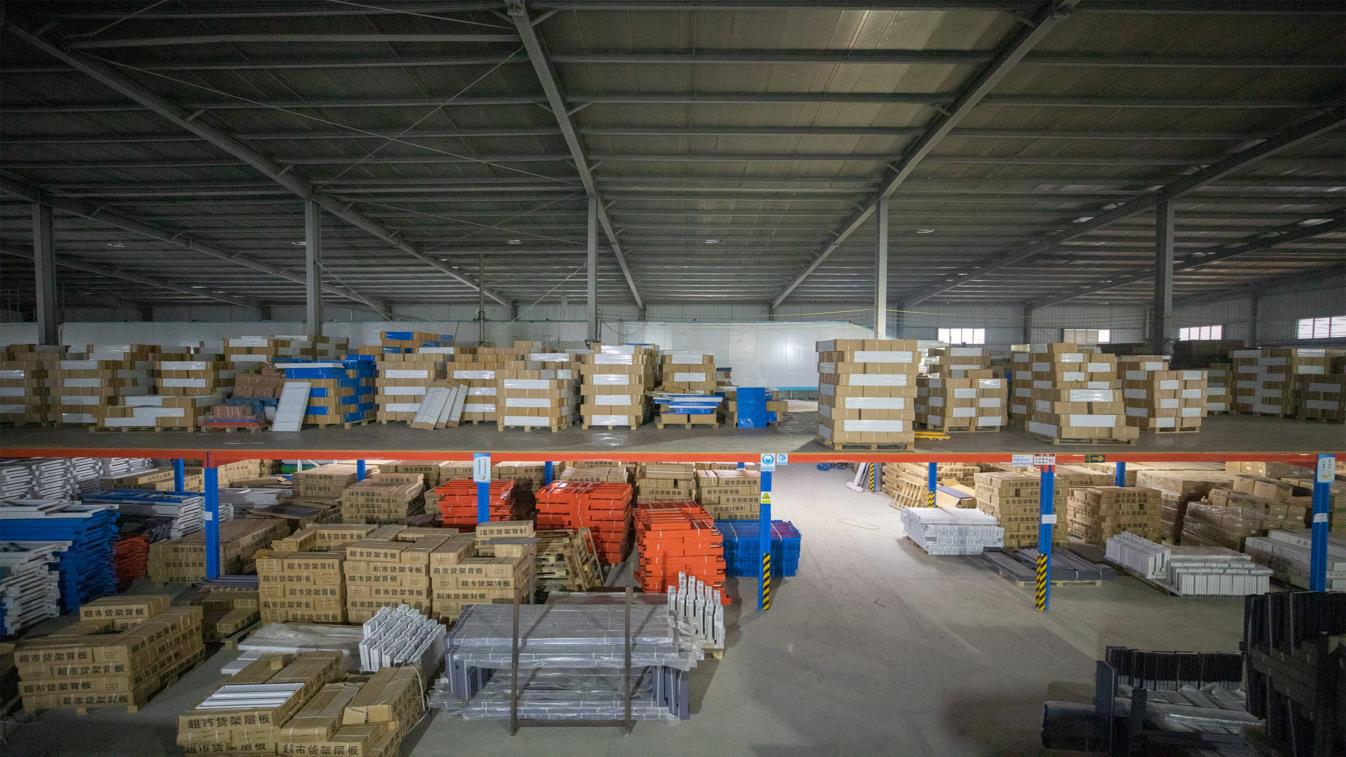
Founded in 2014, Foshan Guichang Shelves Manufacturing Co., Ltd. is a leading manufacturer specializing in industrial warehouse storage systems, heavy-duty pallet racking, and custom shelving solutions. Backed by 12 years of deep industry experience and 8 years of international export expertise, they serve global logistics hubs, e-commerce fulfillment centers, third-party logistics (3PL) providers, and industrial equipment distributors across North America, Europe, Southeast Asia, and the Middle East.
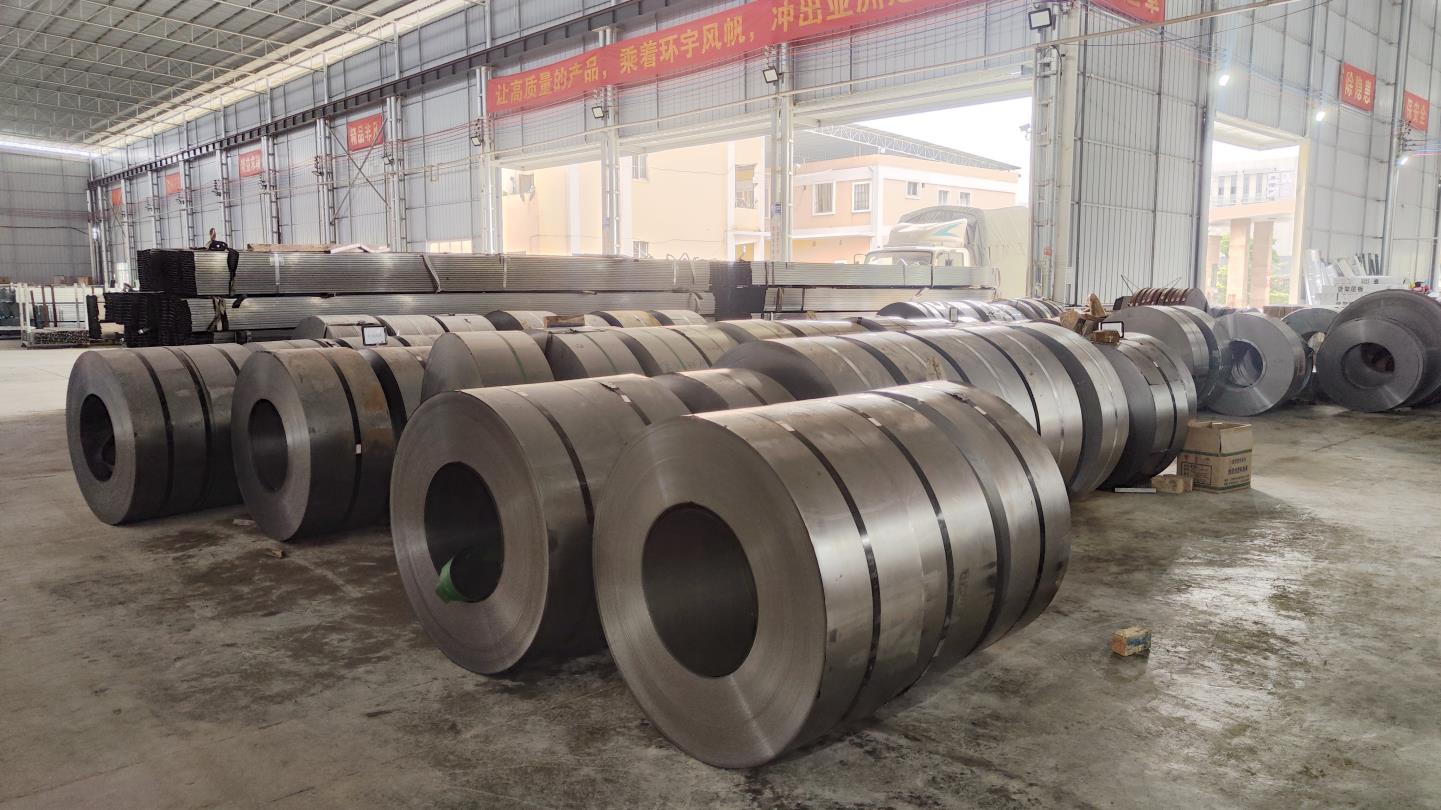
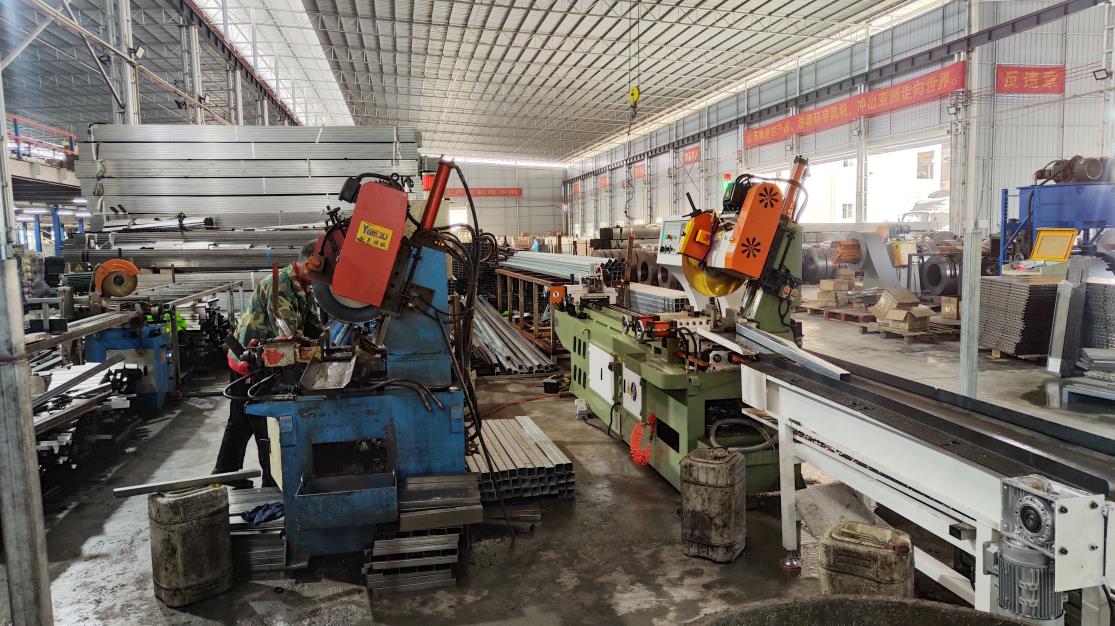
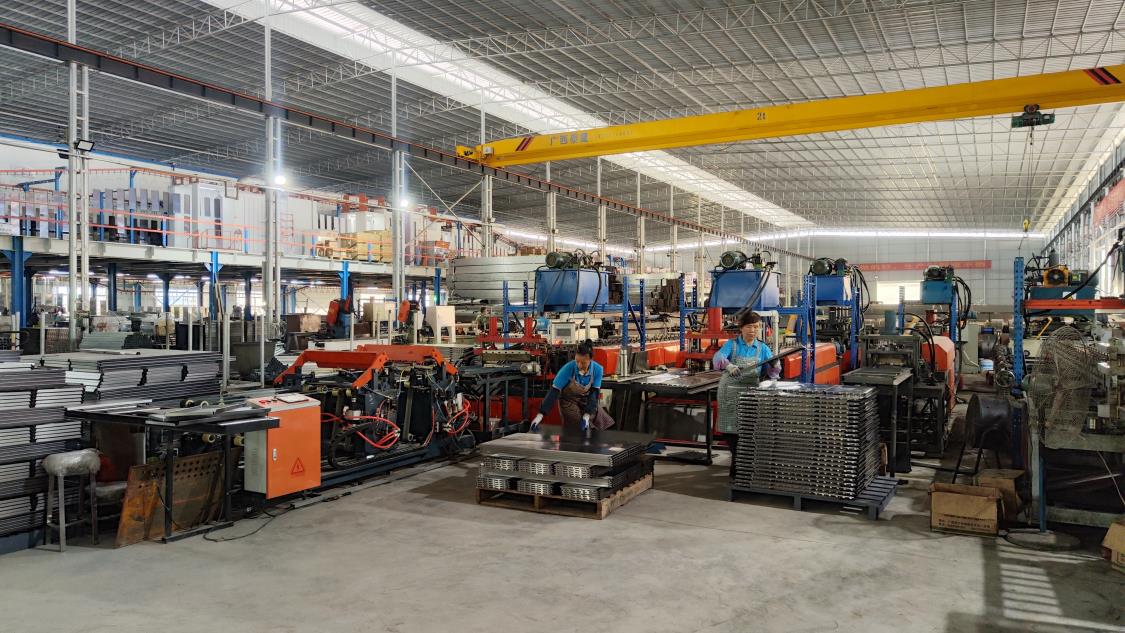
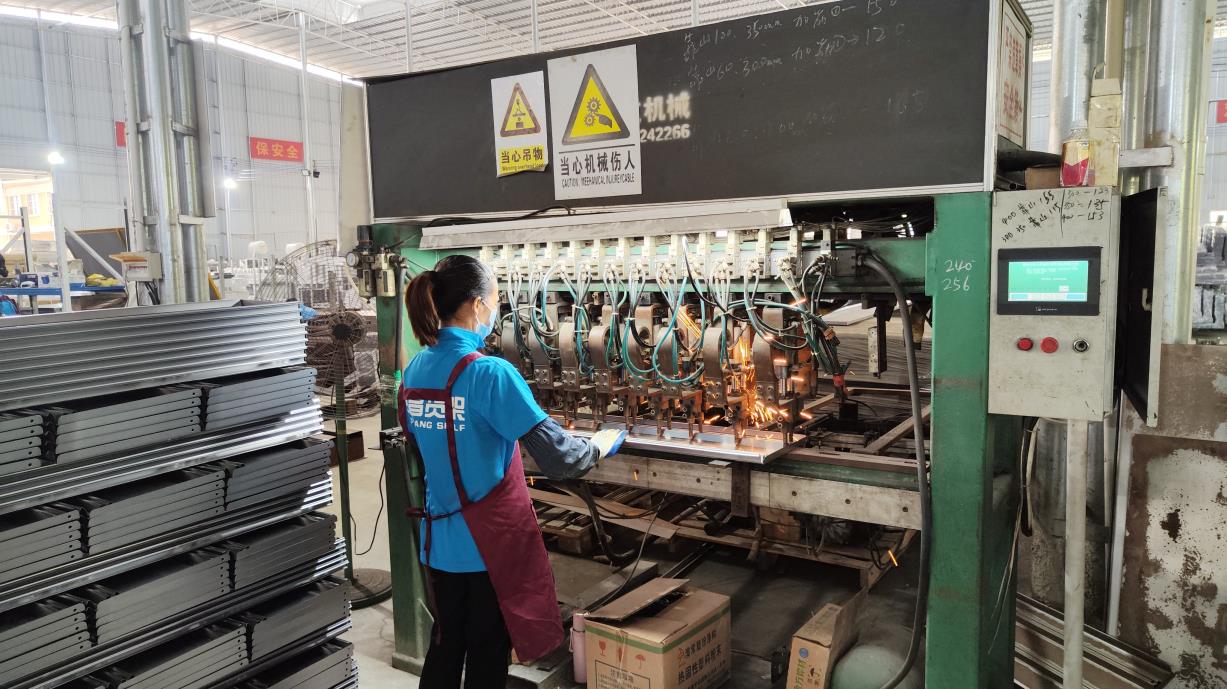
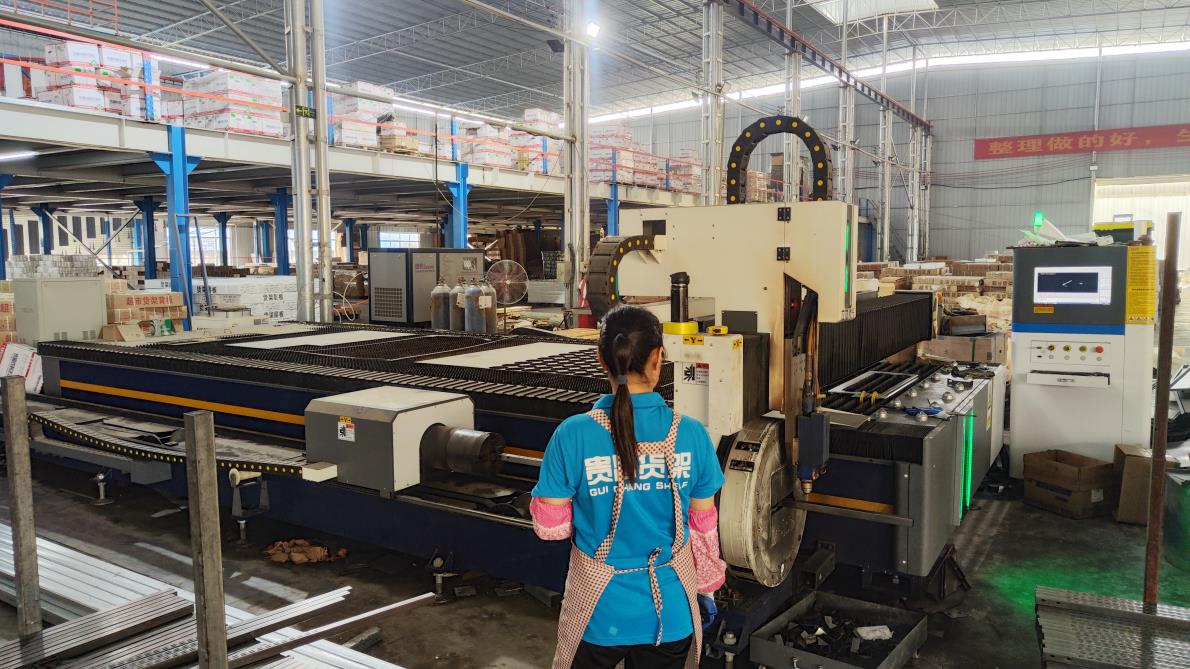
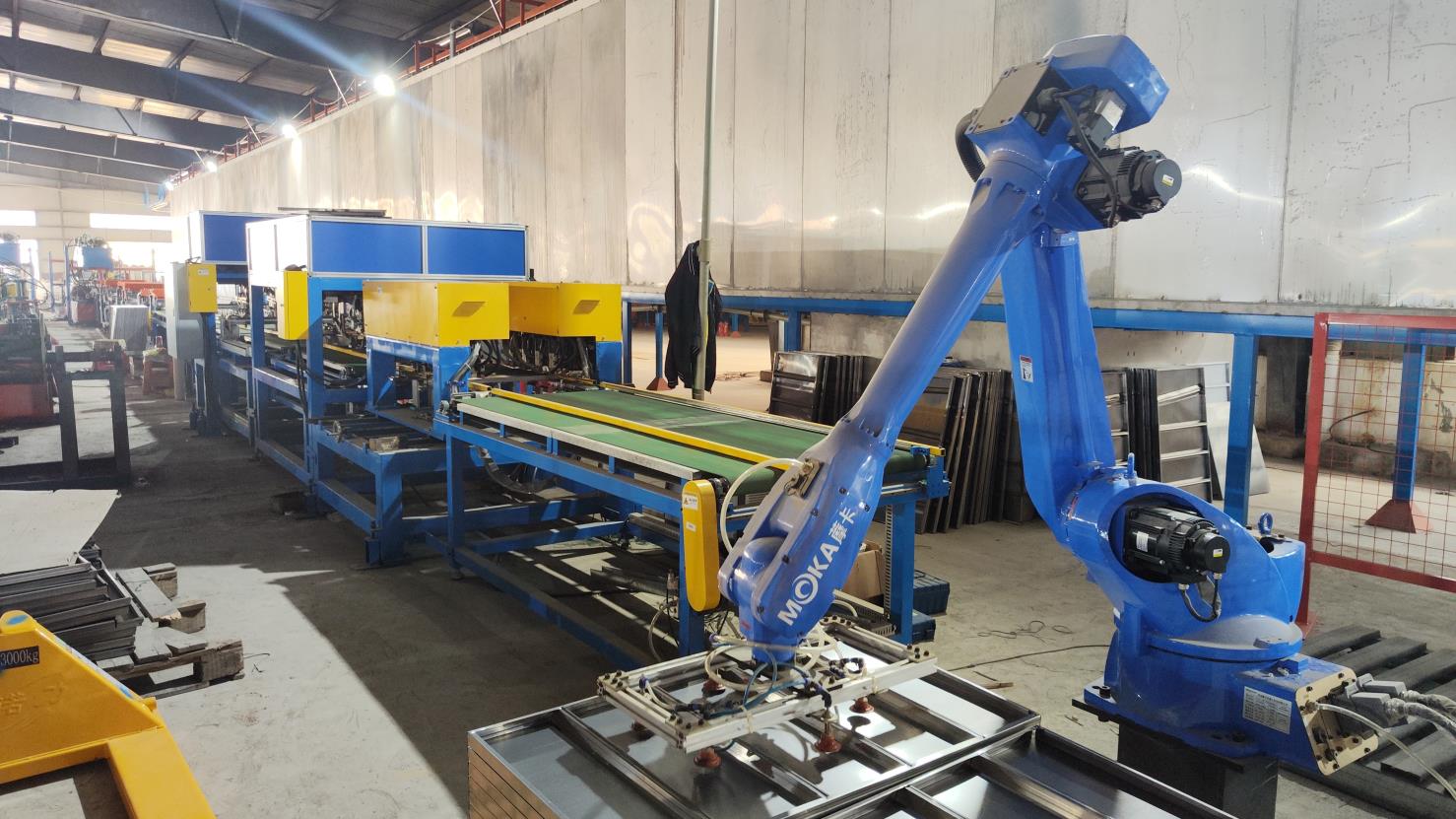
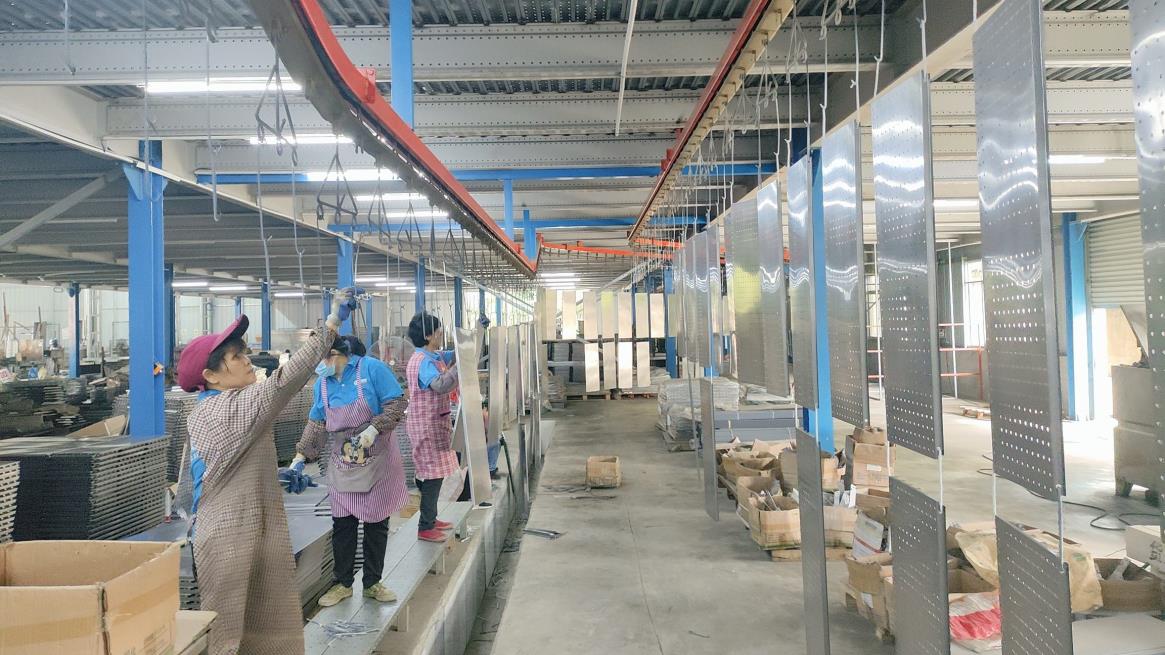
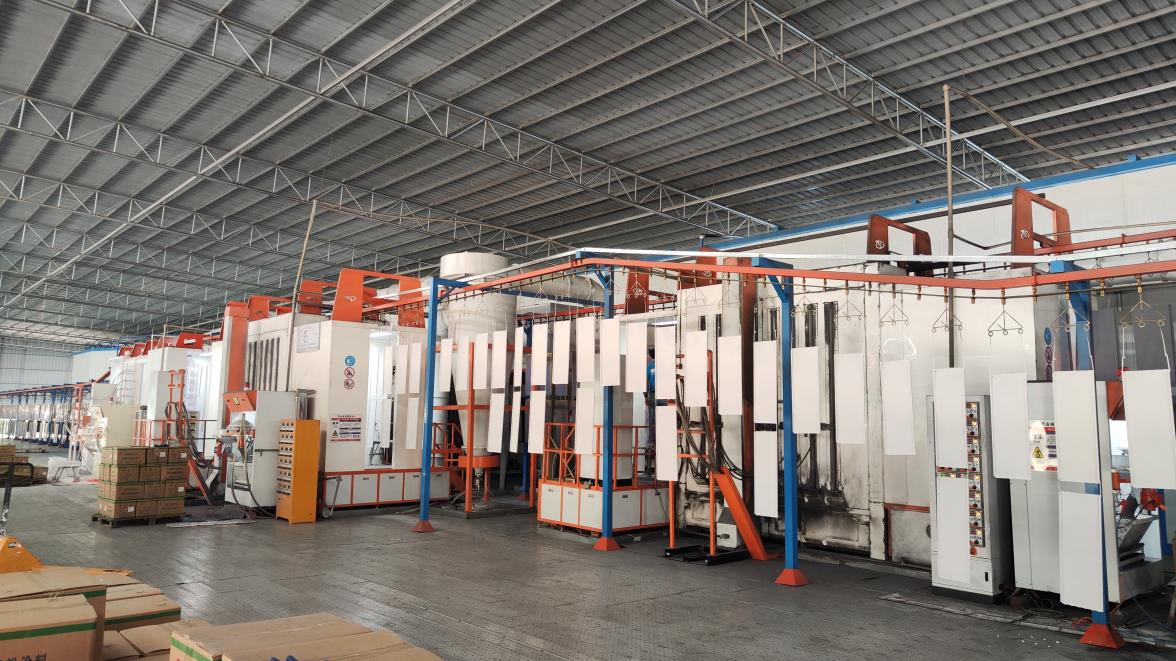
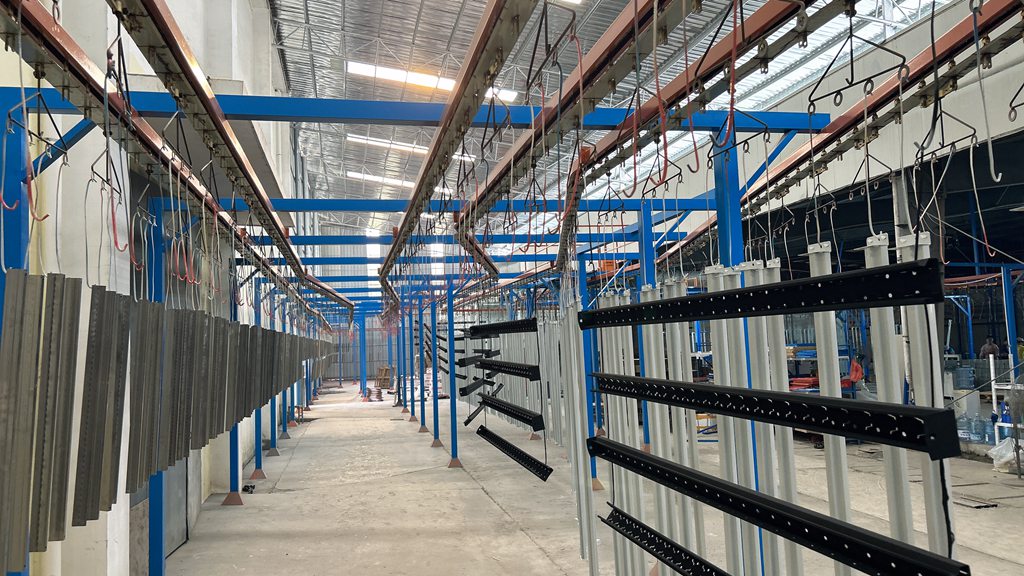
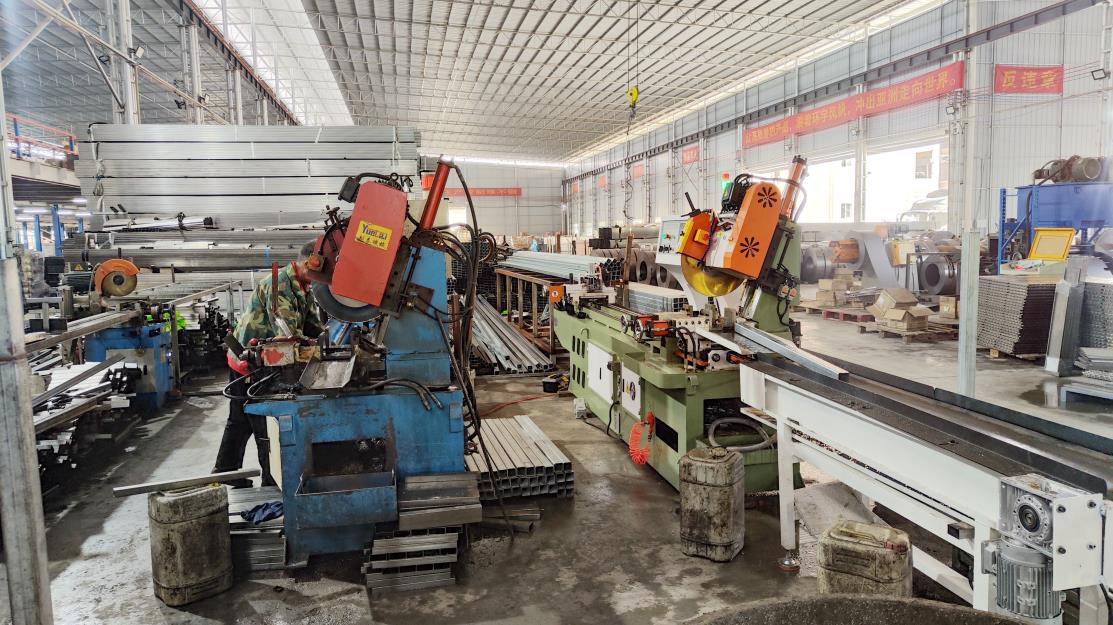
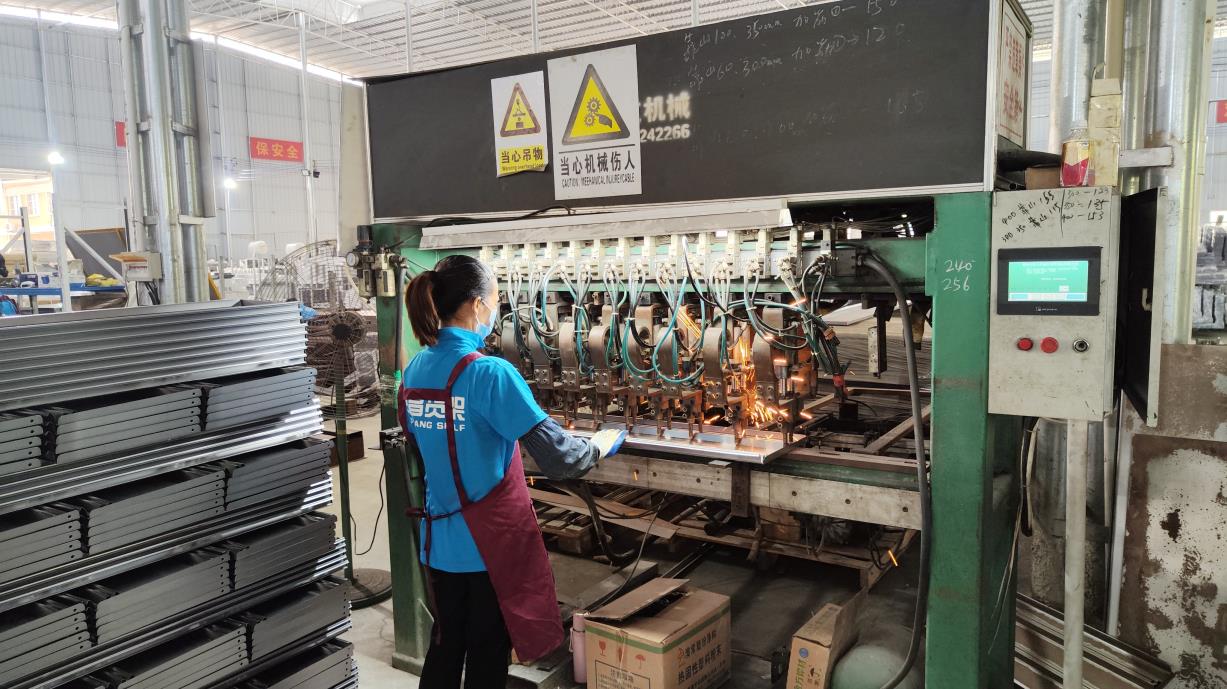
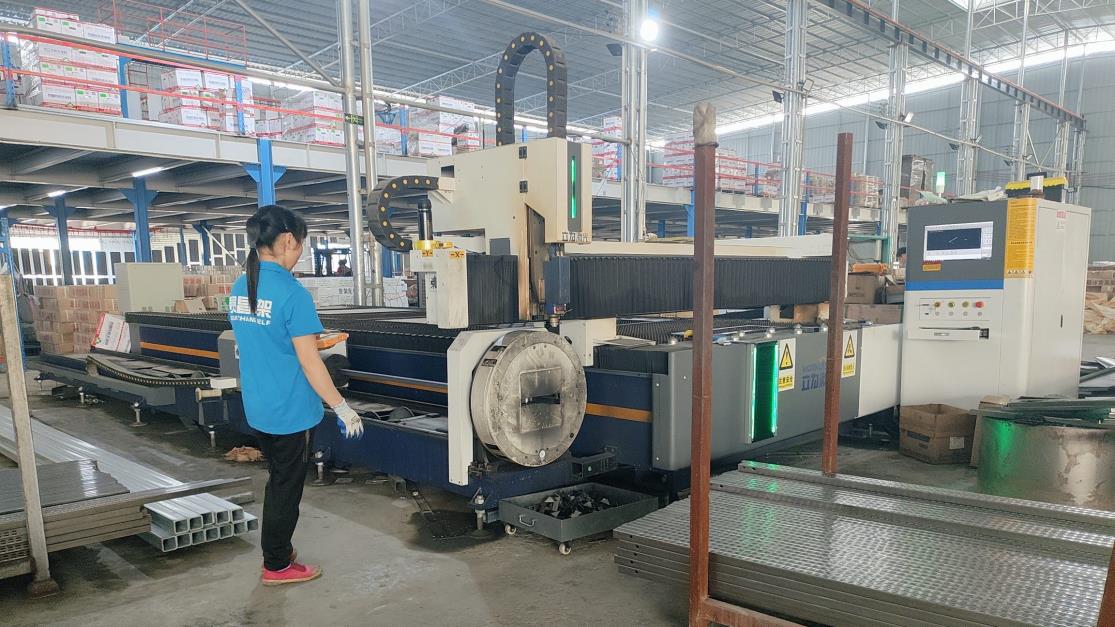
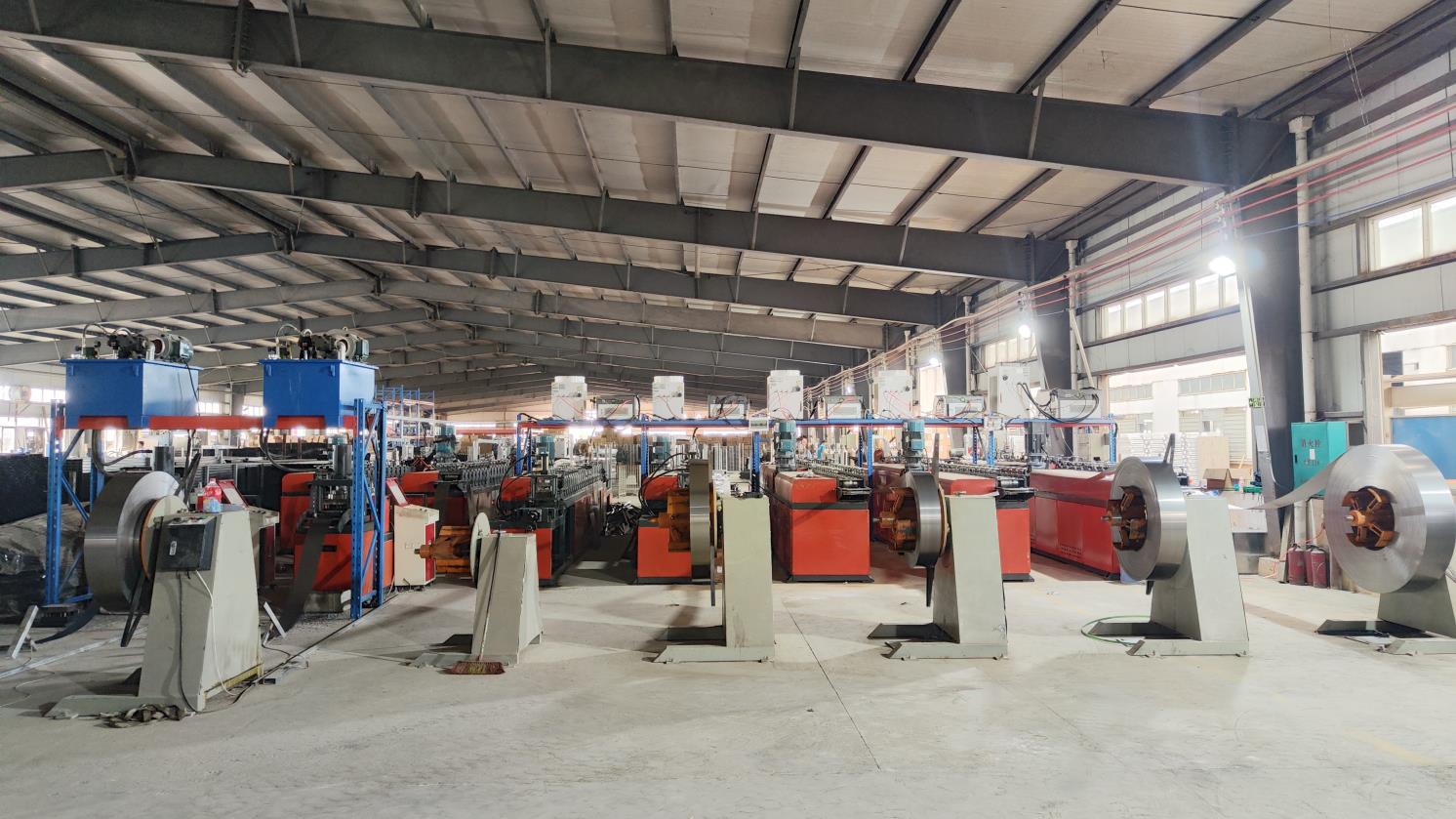
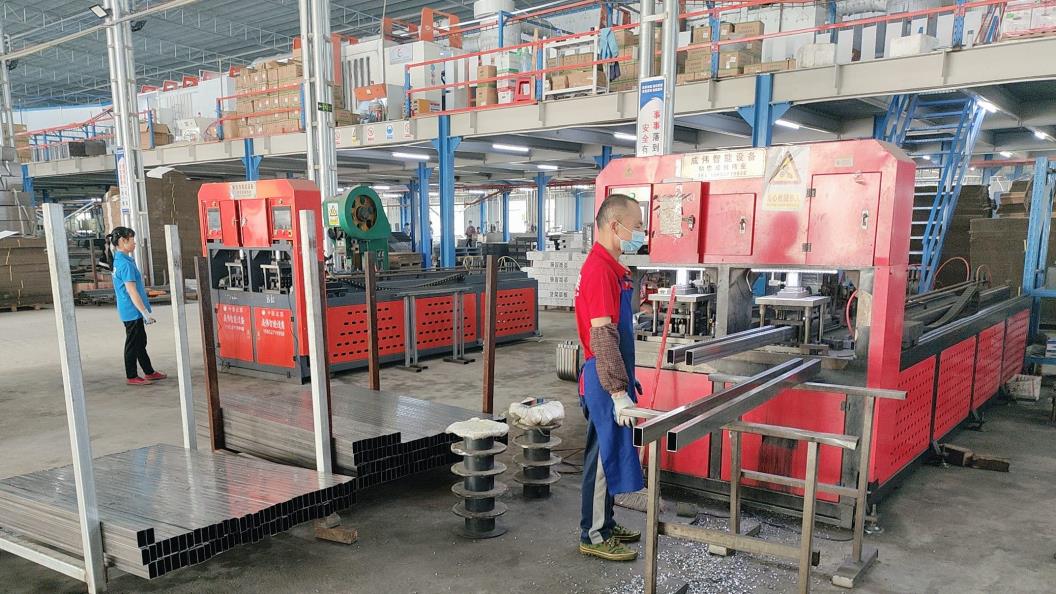
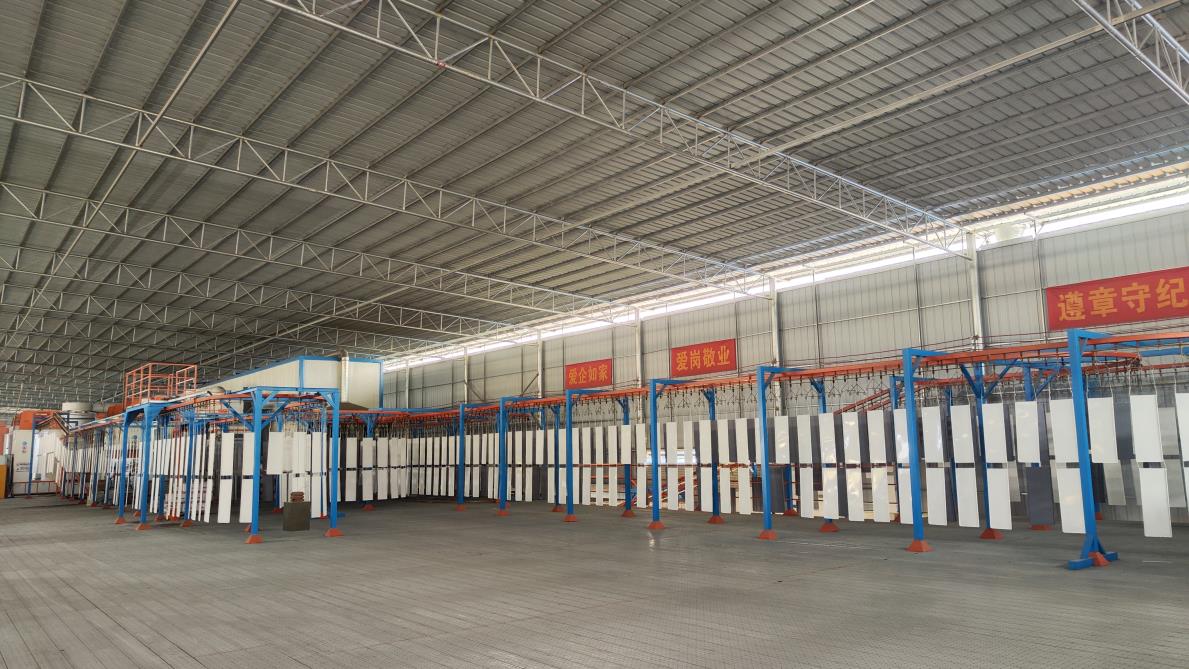
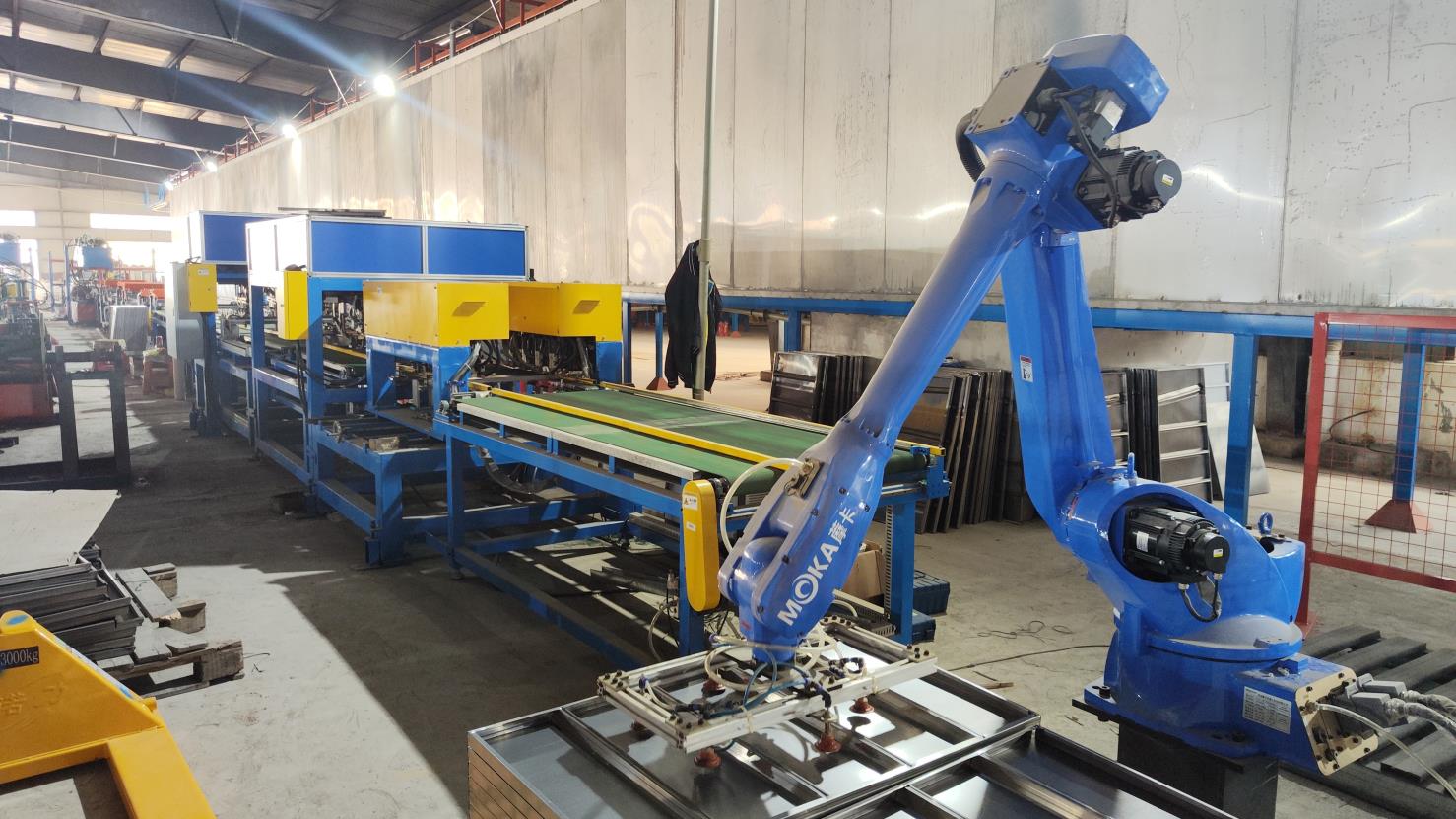
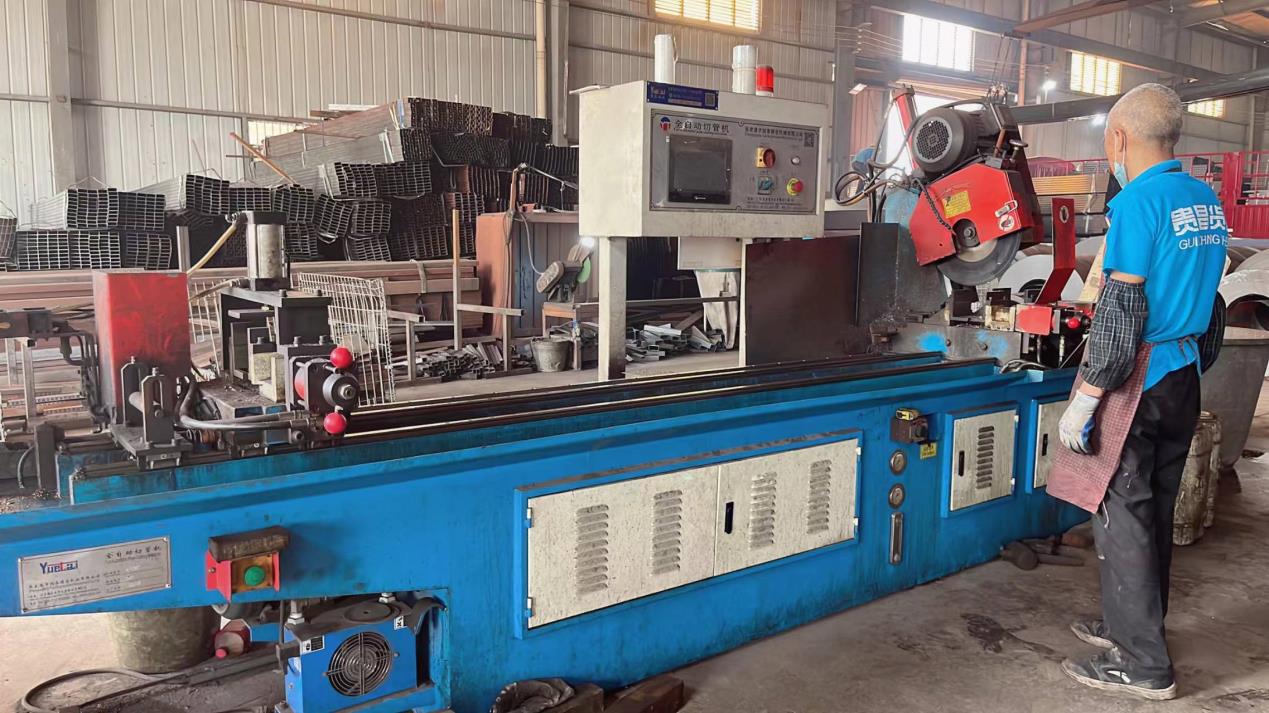
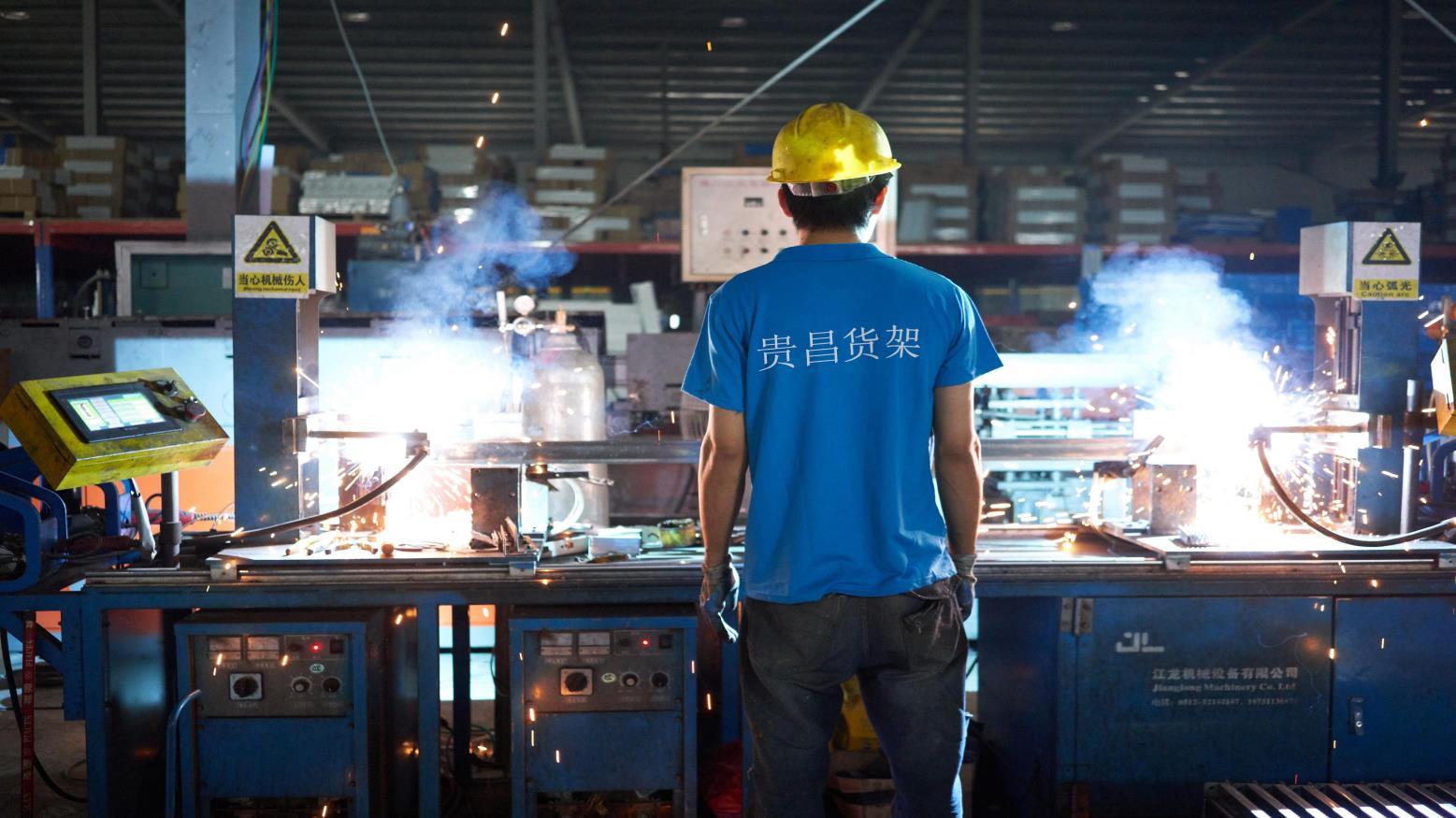
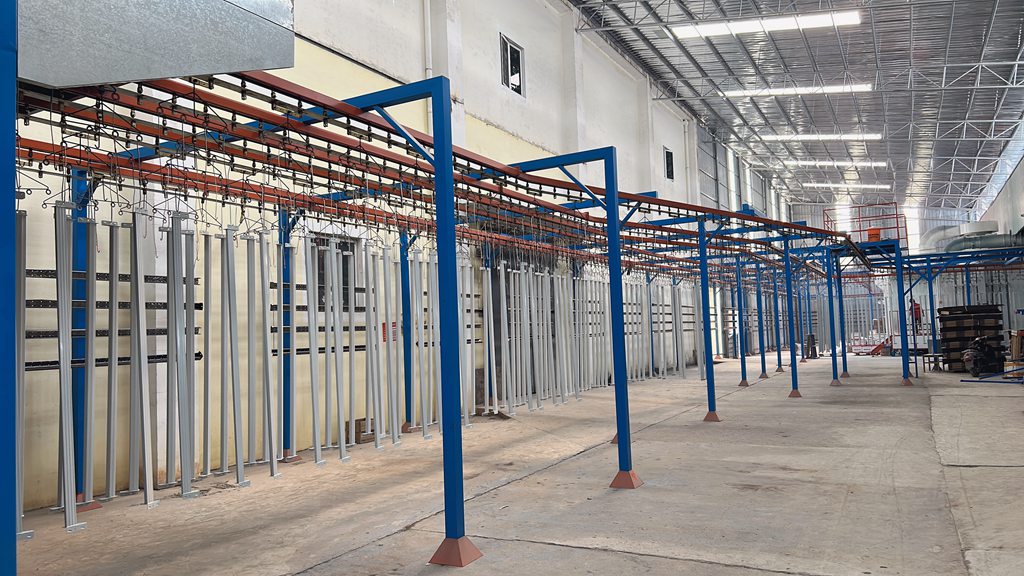
Operating out of a modern manufacturing facility covering 38,000 square meters, their direct factory infrastructure generates over $25 million USD in annual export revenue. Supported by a robust network of over 850 supply chain partners, they maintain full operational control over raw material sourcing, automated roll-forming, robot welding, and powder coating processes, making them the premier choice for automation-ready structural racking.
Why manufacturing precision and quality control govern automated intralogistics stability.
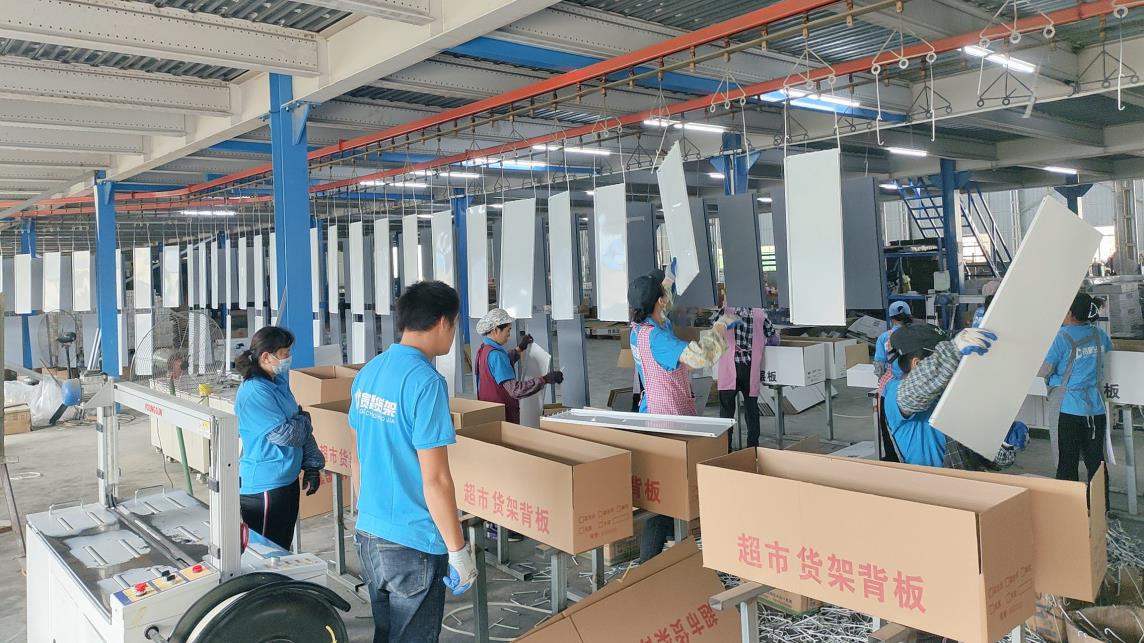
Quality and safety are at the core of the manufacturing philosophy for high-performance storage. Fully ISO9001 certified, backed by a dedicated team of 28 QC specialists, the manufacturing workflow undergoes rigorous four-stage quality inspections to guarantee structural integrity:
With an in-house engineering team of 18 senior structural and mechanical engineers, Foshan Guichang delivers advanced R&D capabilities, including FEA (Finite Element Analysis) load simulations, custom CAD layout drafting, and dynamic seismic structural optimization.
We offer complete end-to-end OEM and ODM customization services—tailoring load capacities, dimensions, column profiles, surface finishes, and color schemes to meet specific regional building codes and warehouse operational demands. Driven by continuous innovation, the R&D team launched 45 new modular racking and automation-compatible product designs last year alone to meet evolving industry standards.
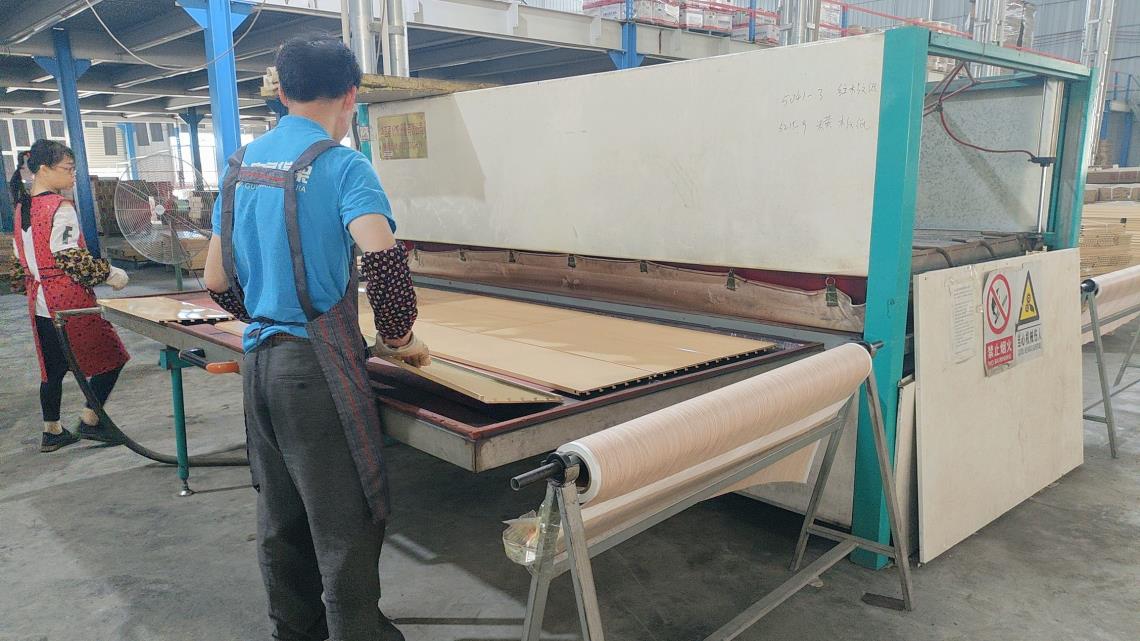
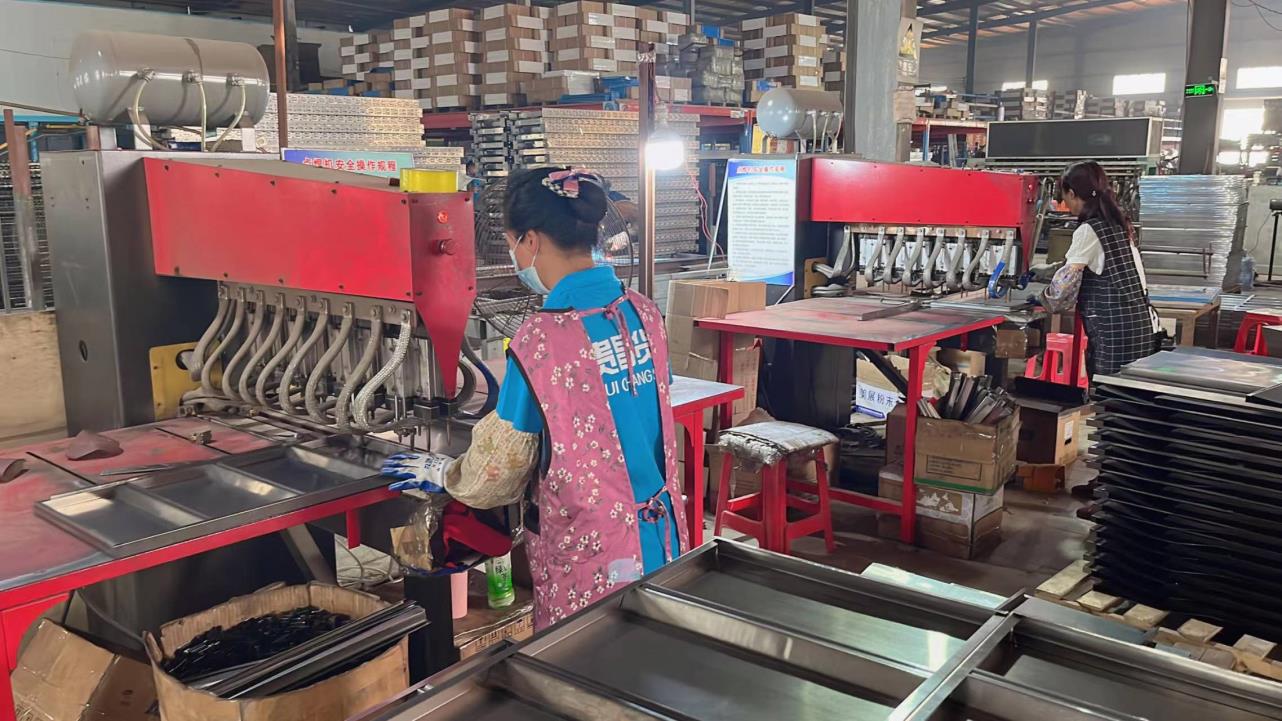
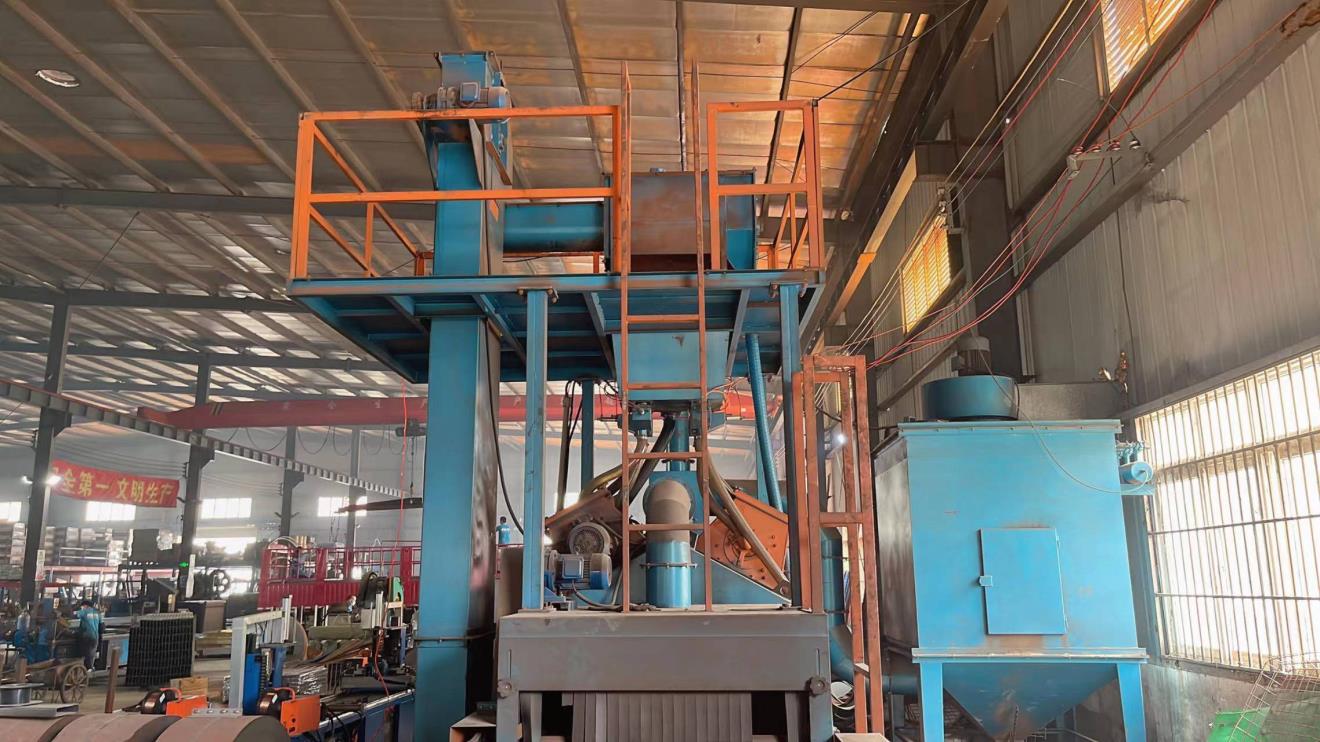
A visual walkthrough of state-of-the-art production lines, guaranteeing structural tolerances down to the millimeter.
How regional compliance, spatial configurations, and building regulations drive design paradigms.
Automated shelving cannot follow a "one-size-fits-all" framework. In seismic zones like the West Coast of the United States, Japan, or parts of Southern Europe, racks must feature seismic-isolated structural bases, thicker gauge structural steel (Q355B or Grade 50), and specialized bracing patterns in compliance with RMI (Rack Manufacturers Institute) or FEM 10.2.02 standards.
Additionally, local fire regulations (such as NFPA 13 in North America) mandate custom-engineered flue spaces and integrated in-rack sprinkler systems. When deploying AS/RS solutions globally, integrating localized engineering configurations during the structural design phase avoids costly project delays during municipal inspections.
Analyzing how integrated supply chains, automated logistics, and vertical production capabilities benefit global buyers.
By sourcing high-grade steel directly from premium national mills and utilizing in-house automated roll-forming and robotic welding, Chinese manufacturers like Guichang mitigate steel price volatility and assure structural reliability.
The resilience of the Chinese manufacturing model lies in deep industrial cluster networks. Based in Foshan, Guichang benefits from immediate access to the world's most robust metalworking ecosystem. This proximity allows for the rapid sourcing of specialized structural accessories, custom fasteners, and advanced powder-coating compounds.
Furthermore, local automated logistics infrastructure allows Chinese suppliers to deliver custom containerized shipments within compressed timeframes. Unlike domestic suppliers in Western markets that are plagued by extensive order backlogs, Chinese factories utilize highly agile production schedules, accelerating lead times by 30% to 50% without compromising on the strict quality baselines required for automated installations.
Decarbonization, smart sensors, and advanced AI automation integrations.
Future automated racking structures will integrate micro-electromechanical sensors (MEMS) within column bases to continuously monitor real-time strain, load distribution, and structural deflection. These active structural health monitoring networks feedback telemetry directly to WMS, warning managers of load issues before structural fatigue occurs.
Decarbonization is reshaping industrial design. Top-tier manufacturers are transiting to zero-VOC thermal curing powder coatings and sourcing certified "Green Steel" processed through electric arc furnaces (EAF). This change helps global operators align with Scope 3 carbon emission reduction mandates.
The reliance on massive, fixed bolt-down AS/RS structures is shifting towards hybrid layouts. Modular rack pods designed specifically for quick mechanical lift and transport by Autonomous Mobile Robots (AMRs) offer unparalleled flexibility, allowing operators to reorganize their warehouse layout in a single weekend.
Technical and procurement compliance questions resolved by industry specialists.
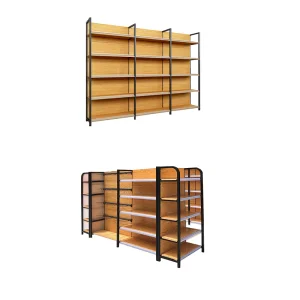
 Guichang Rack