OEM/ODM Push-Back Storage Manufacturer & Suppliers

High-Density Industrial Pallet Racking Engineered for Space Optimization & Peak Performance Logistics

The Strategic Imperative of High-Density Push-Back Storage Systems

Analyzing macro-logistics shifts and why enterprise supply chains are moving away from traditional selective racking.

As global industrial spaces continue to experience soaring land values and climbing operational rents, international supply chains are under immense pressure to maximize footprint volumetric efficiency. The modern distribution paradigm demands high-density, dynamically accessible storage configurations that can accommodate rapid throughput without requiring specialized loading equipment. This is where the structural engineering of Push-Back Storage Systems acts as an essential catalyst for return-on-investment (ROI).
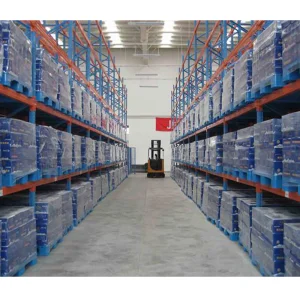
Operating on a Last-In, First-Out (LIFO) material flow principle, push-back storage systems rely on nested telescoping carts moving on an inclined track assembly. By using the forklift to physically push back the existing pallets on their nested carts to deposit new ones, these racks eliminate multi-lane access aisles. This unlocks up to 90% higher density than typical selective racking configurations and drastically reduces travel times for forklift operators.

Why Global Procurement Managers Source OEM/ODM Racking Systems:

A standardized racking layout does not exist. Environmental variations—such as seismic hazard parameters in North America and Japan, cold chain thermal challenges in Northern Europe, and extreme humidity profiles in Southeast Asia—necessitate structural customized manufacturing. Partnering with a dedicated OEM/ODM manufacturer guarantees that steel grades, cart tracking slopes, and weldment tolerances conform precisely to local regulations (such as RMI guidelines and FEM standards).

Cold Storage Integration

Push-back systems minimize the cubic volume needing temperature control, driving down electric utility costs in deep-freeze logistics cells.

Product Protection

Pallets sit on heavy-duty structural steel carts rather than sliding over rolls, virtually eliminating damage risks associated with gravity-flow lanes.

Dynamic SKU Turn

Unlike Drive-In systems that require a single SKU per lane, Push-Back allows distinct SKUs per level, improving operational SKU depth.

Engineering & Structural Specifications of Push-Back Racks

From structural physics to finite element analysis (FEA), explore the mechanics behind safe high-density storage.

Push-Back storage mechanics function on gravity and momentum control. Nested, heavy-duty steel carts slide along inclined steel rails. The slope angle must be precisely engineered: too steep, and the forklift operator must use excessive force, resulting in structural impact damage; too shallow, and pallets may fail to slide forward smoothly (hang-up issues) when the front pallet is retrieved. Typically, our engineering team optimizes this rail incline between 2.5% and 3.0%, depending on the dynamic coefficient of friction of our polyurethane or steel wheel bearings and the target pallet load.
Racking Feature Roll-Formed Steel System Structural Steel Racking (Heavy-Duty) Foshan Guichang Custom Specifications
Load Capacity Range 500 kg - 1,200 kg per pallet 1,000 kg - 2,000 kg per pallet Customized up to 2,500 kg per slot
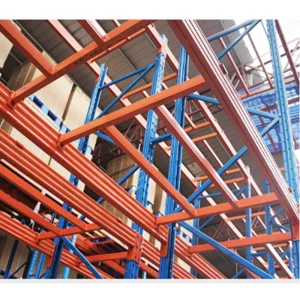
Structural Profile Upright C-Channel Profile, 80/90/100/120mm Structural Channel, C3/C4 Hot-Rolled Custom tailored (FEA simulation optimized)
Steel Material Grade Q235B Cold-Rolled Steel Q355B Hot-Rolled Carbon Steel Q235B / Q355B (Certified Mill Test Reports)
Depth Configuration 2-Deep to 4-Deep Systems 2-Deep to 6-Deep Systems Fully modular nested carts, up to 6-Deep
Impact Resistance Standard - Requires column guards High structural integrity against forklift strikes Reinforced baseplates & dual post protectors
At Foshan Guichang, we employ advanced Finite Element Analysis (FEA) to simulate local environmental variables. We analyze how vertical load distribution, dynamic horizontal braking forces, and structural buckling characteristics play out during minor seismic incidents or accidental forklift impacts. This mathematical modeling informs the steel thickness selection, beam connection locking-mechanism designs, and safety anchor layouts.

Foshan Guichang Shelves Manufacturing Co., Ltd.

A Trustworthy Global Manufacturer with Modernized Direct-Factory Infrastructure.

Founded in 2014, Foshan Guichang Shelves Manufacturing Co., Ltd. is a leading manufacturer specializing in industrial warehouse storage systems, heavy-duty pallet racking, and custom shelving solutions. Backed by 12 years of deep industry experience and 8 years of international export expertise, we serve global logistics hubs, e-commerce fulfillment centers, third-party logistics (3PL) providers, and industrial equipment distributors across North America, Europe, Southeast Asia, and the Middle East.
38K+
Square Meters Facility
$25M+
Annual Export Revenue (USD)
850+
Supply Chain Partners
18
Senior R&D Engineers
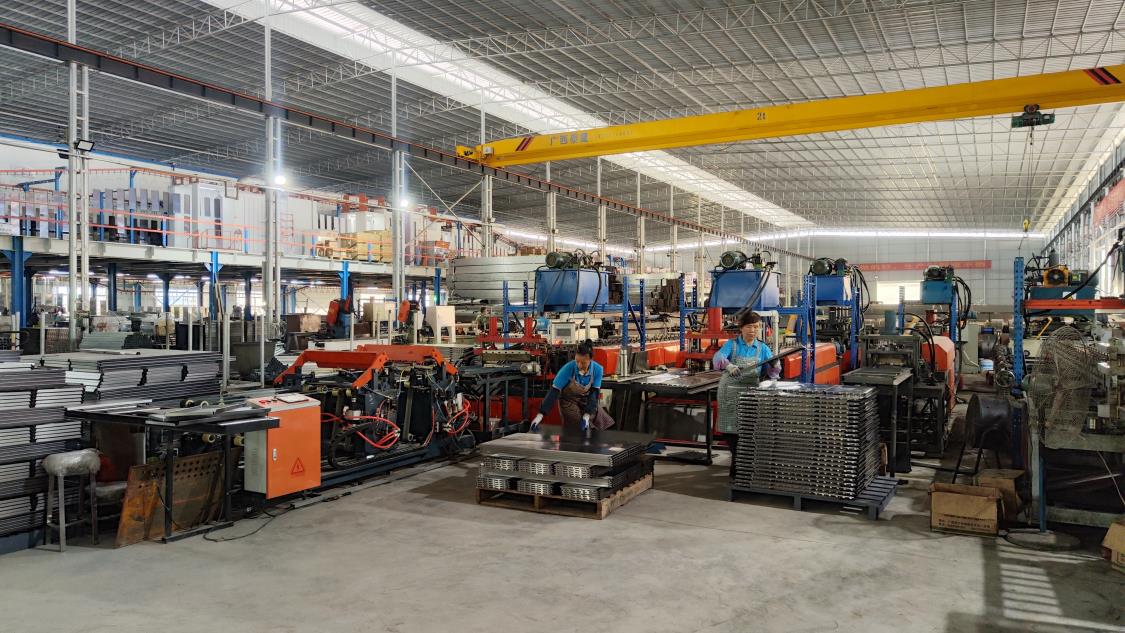
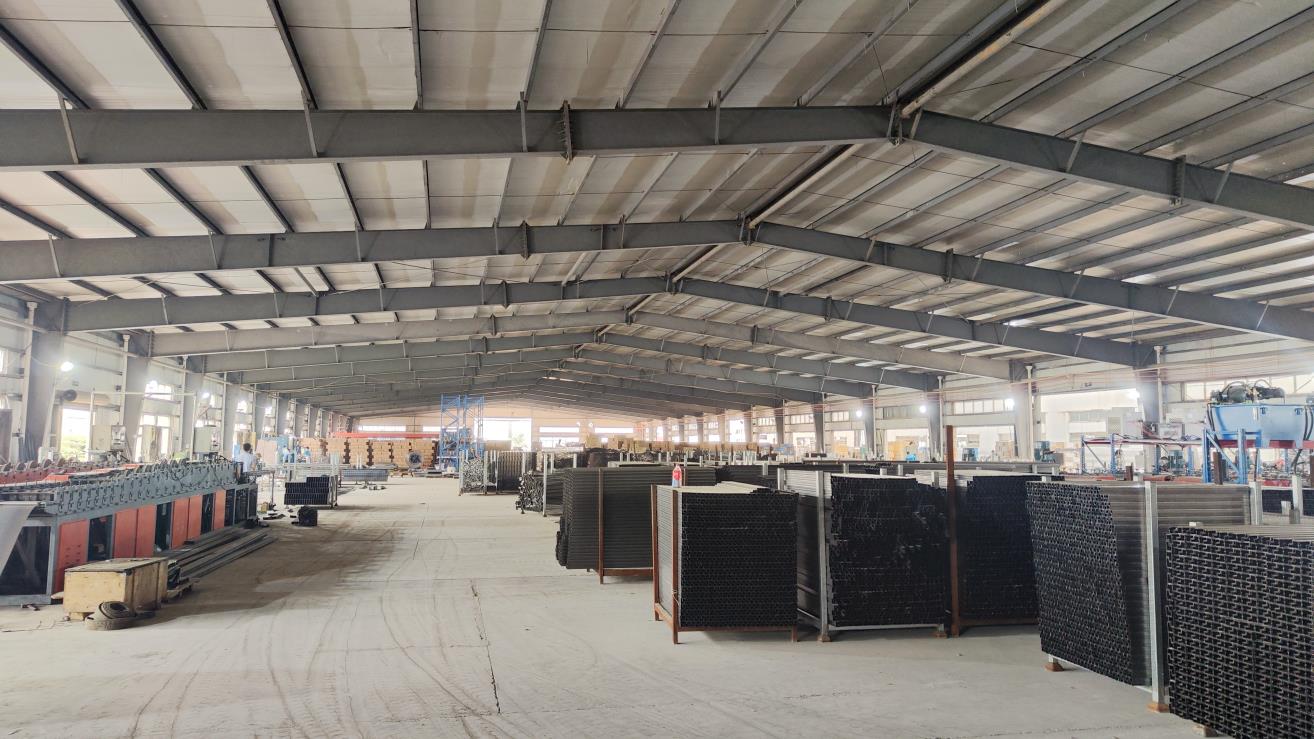
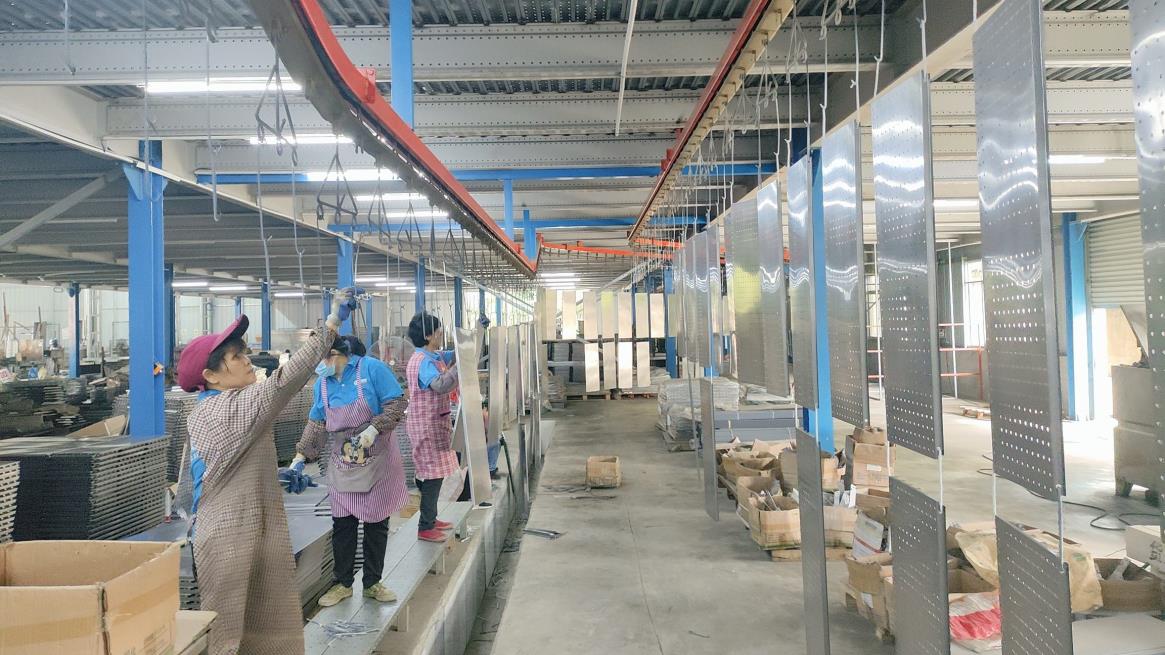
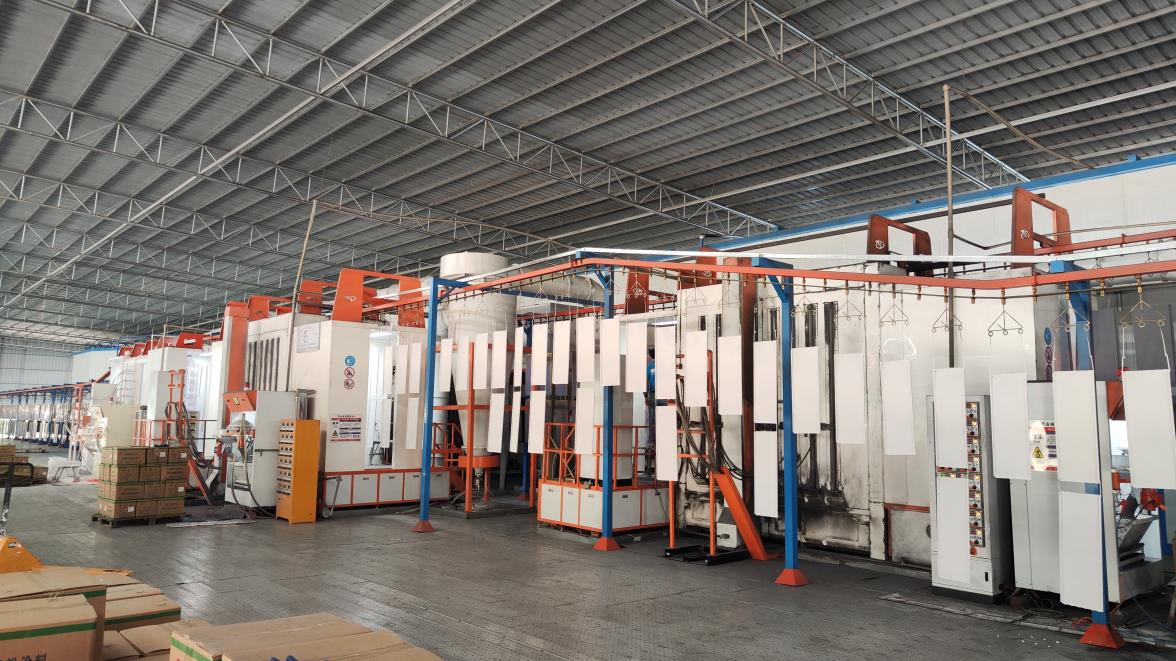
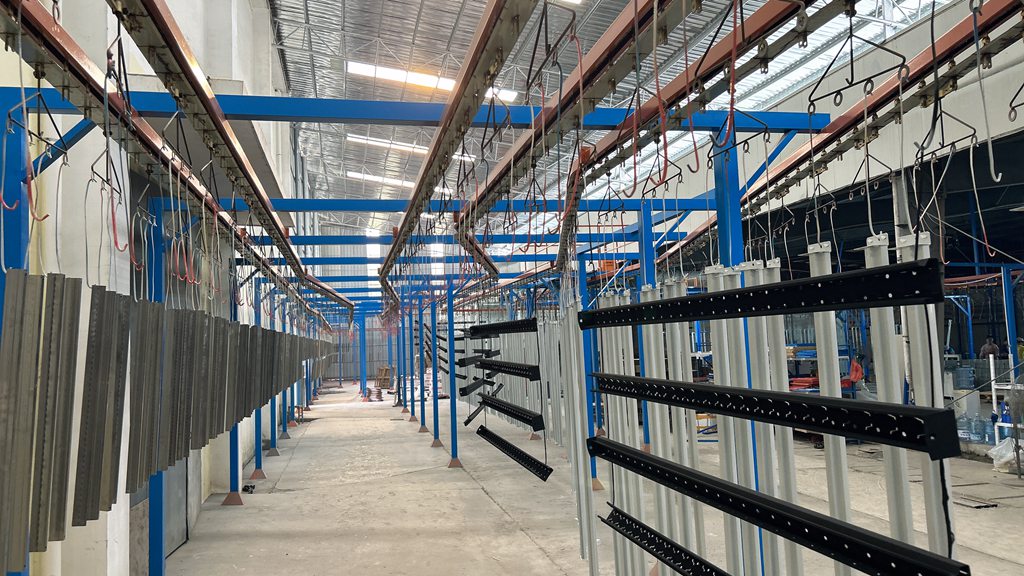
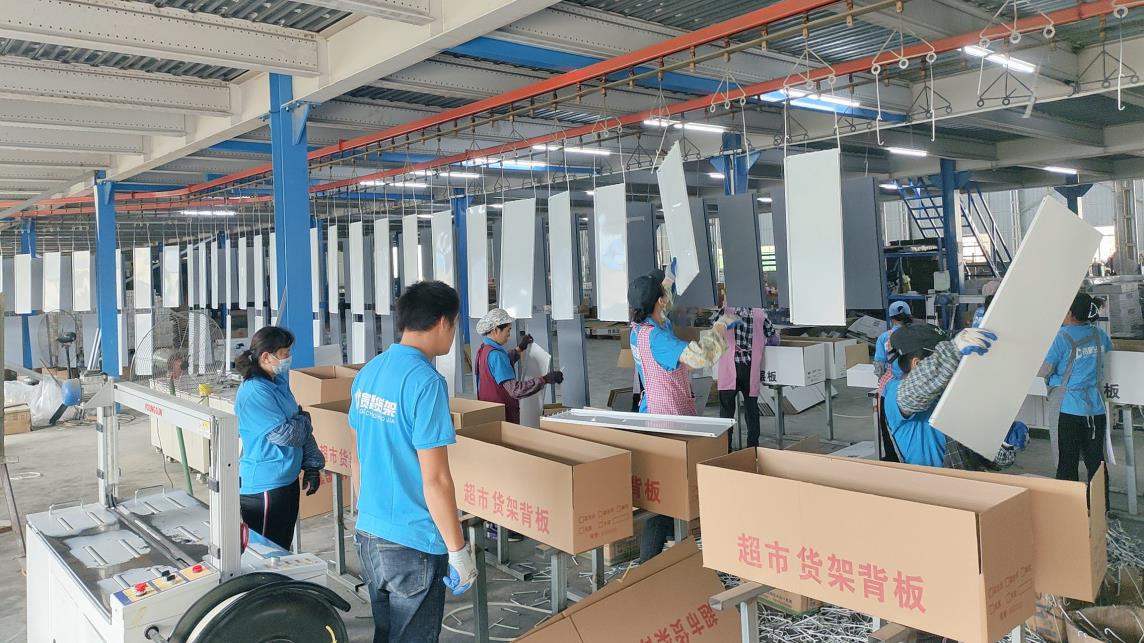
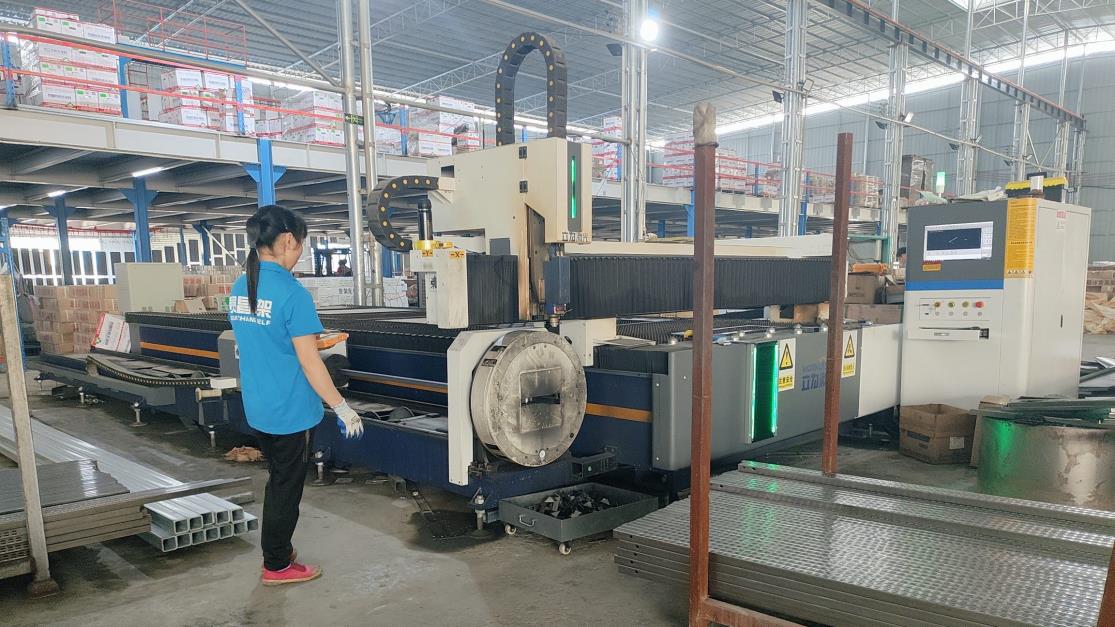
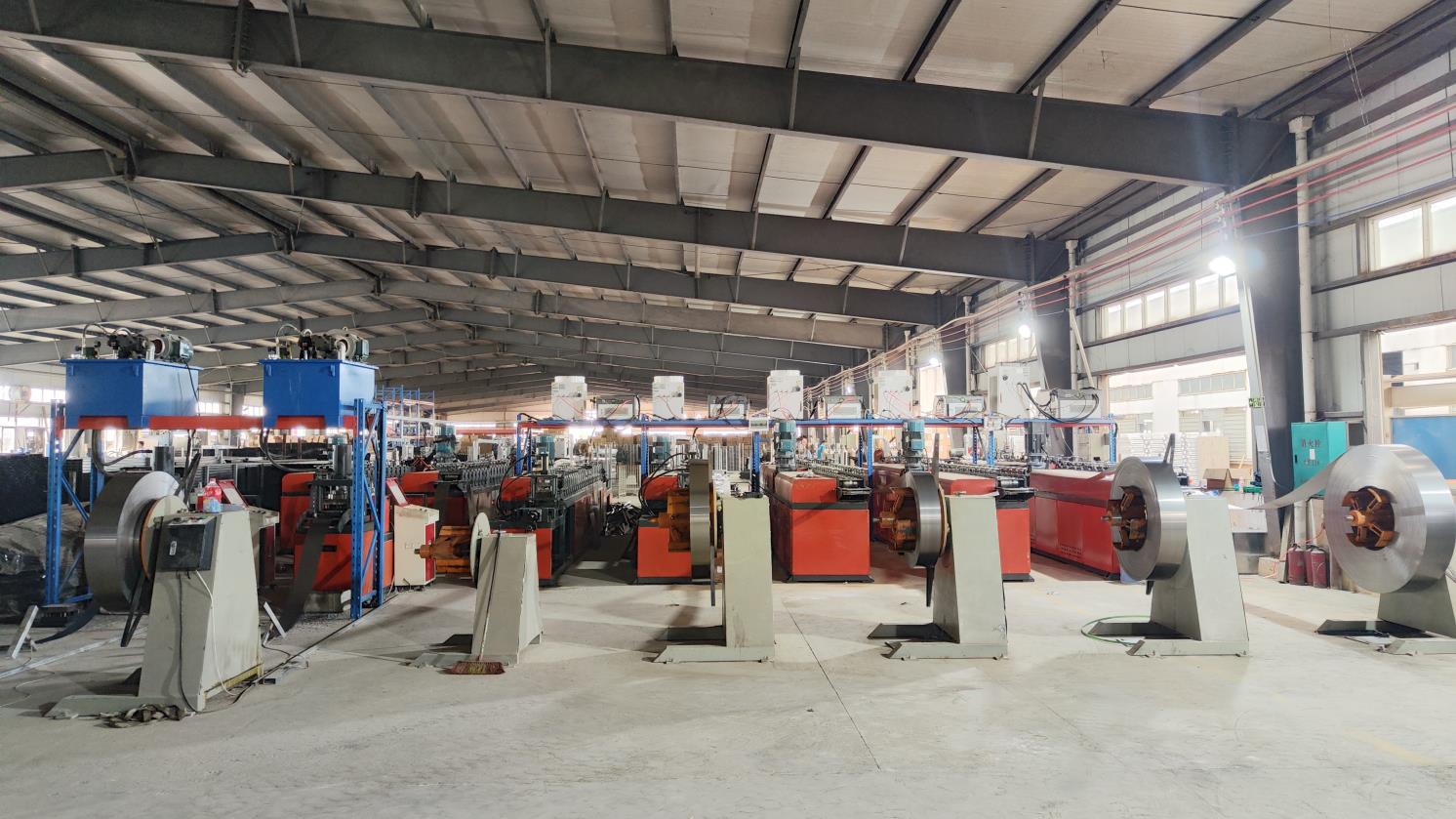
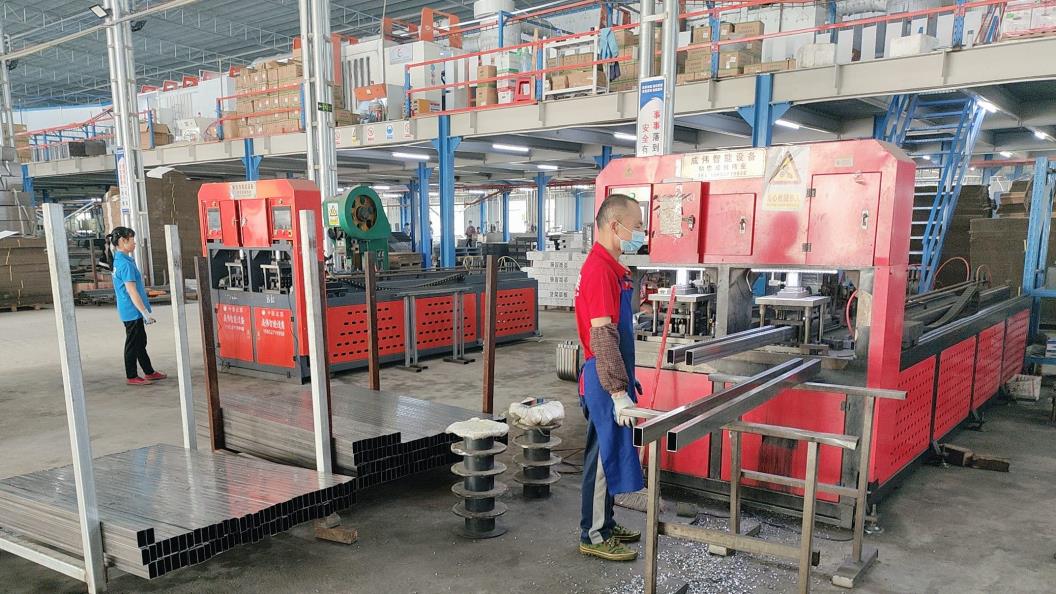
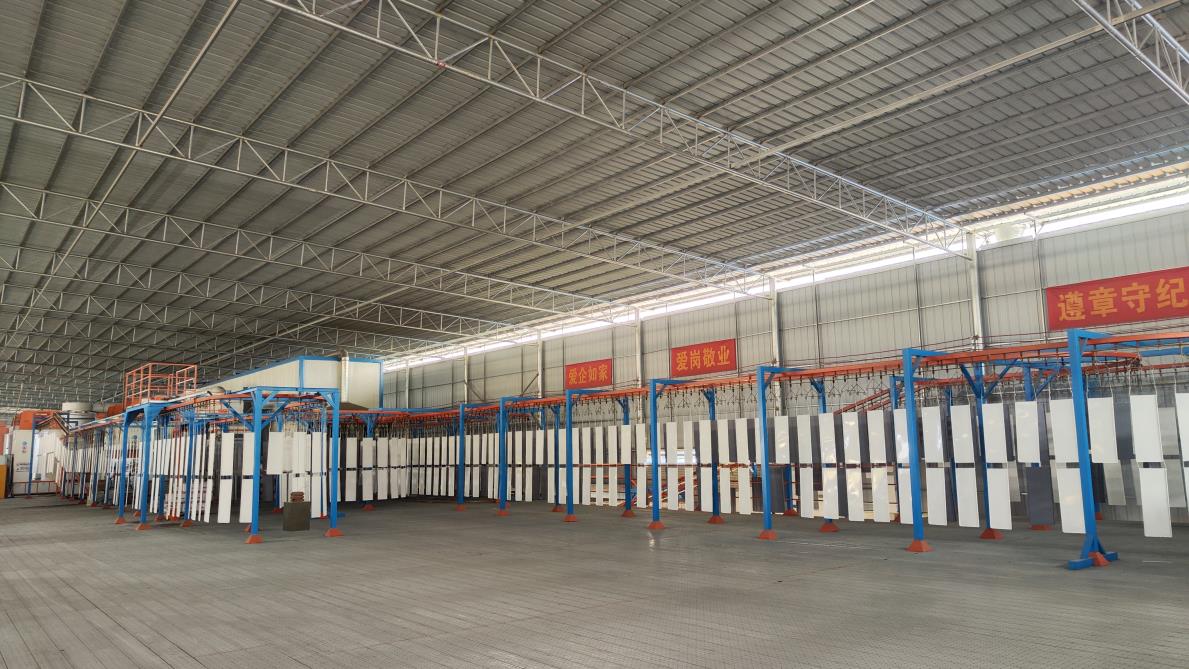
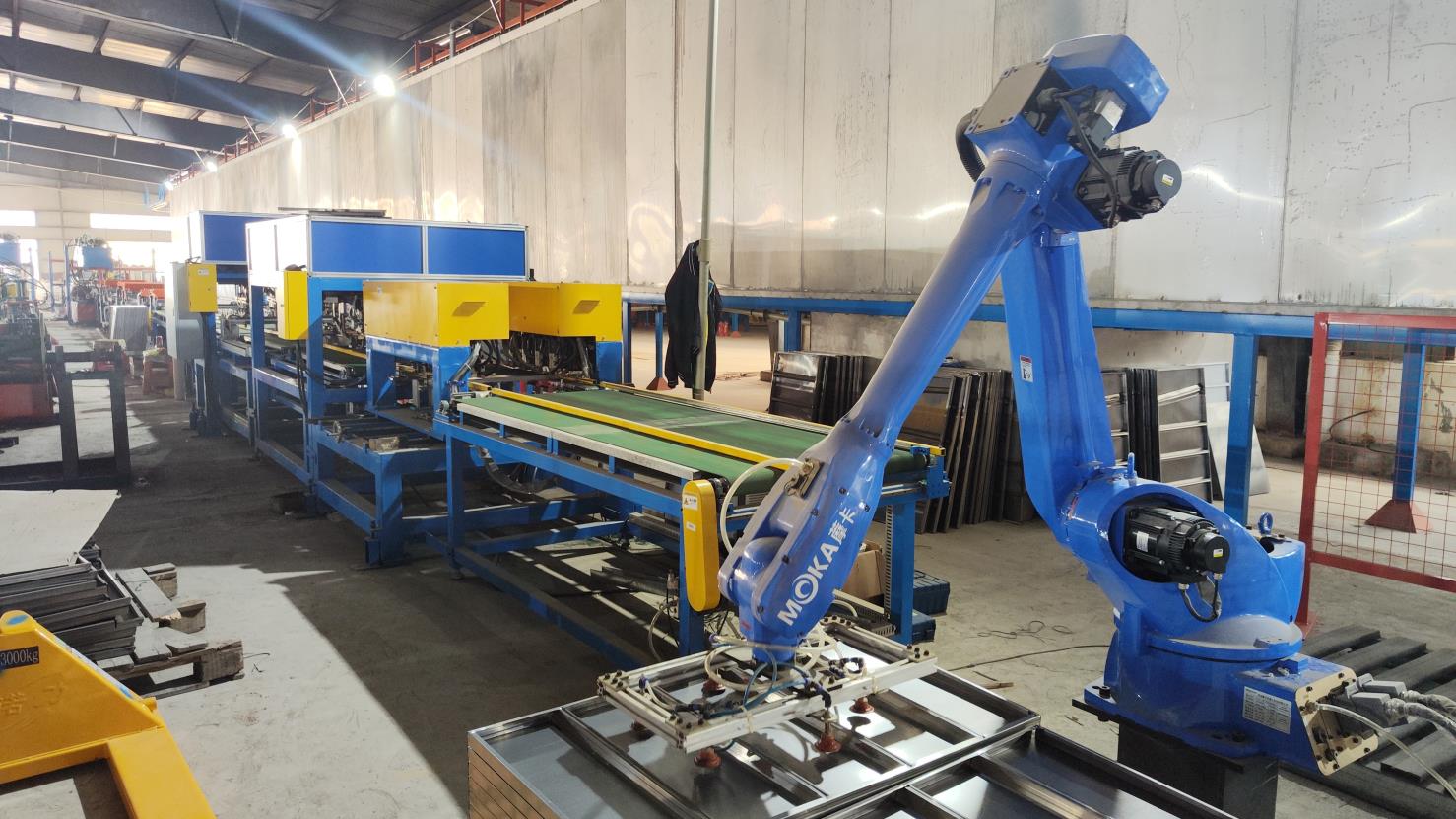
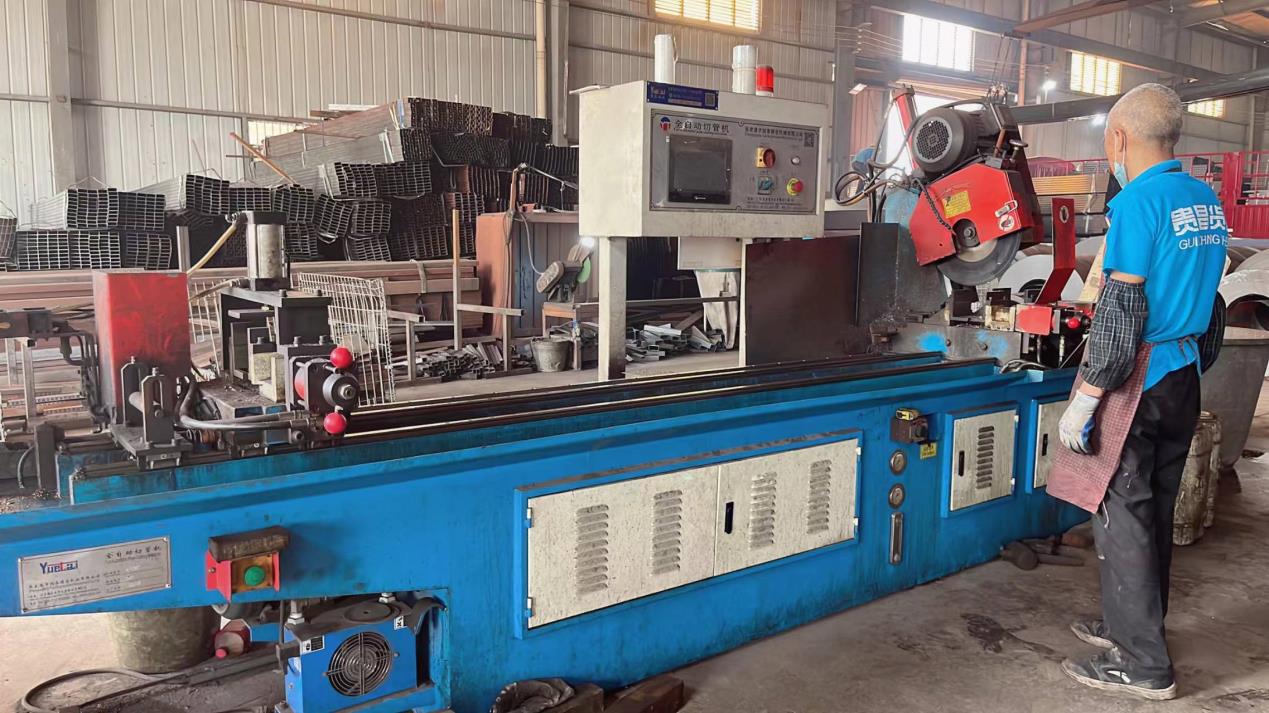
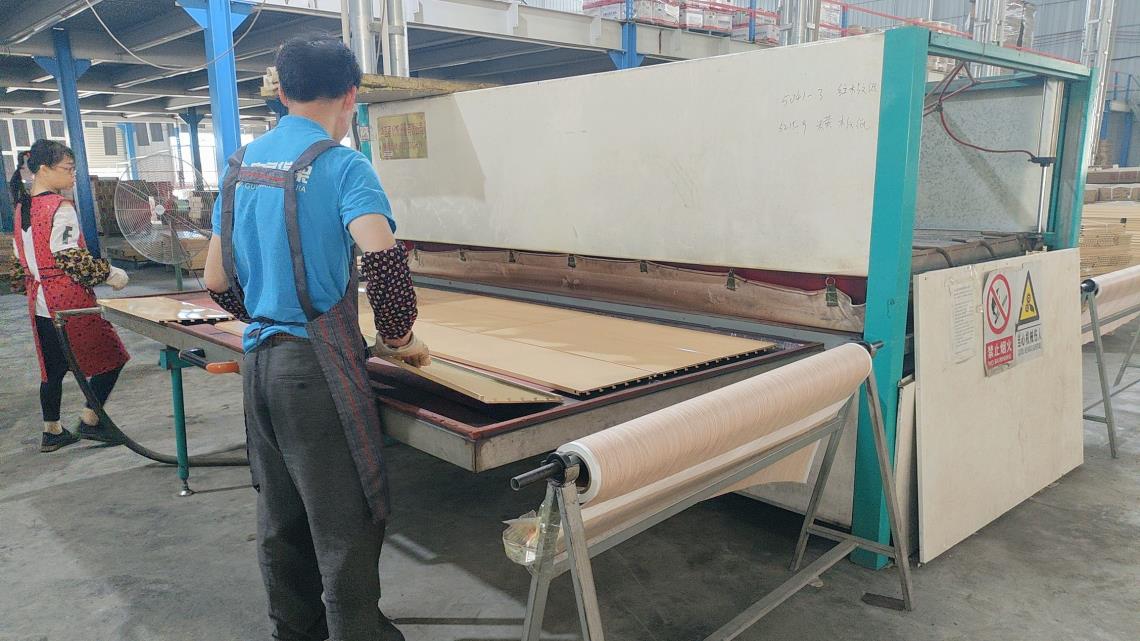
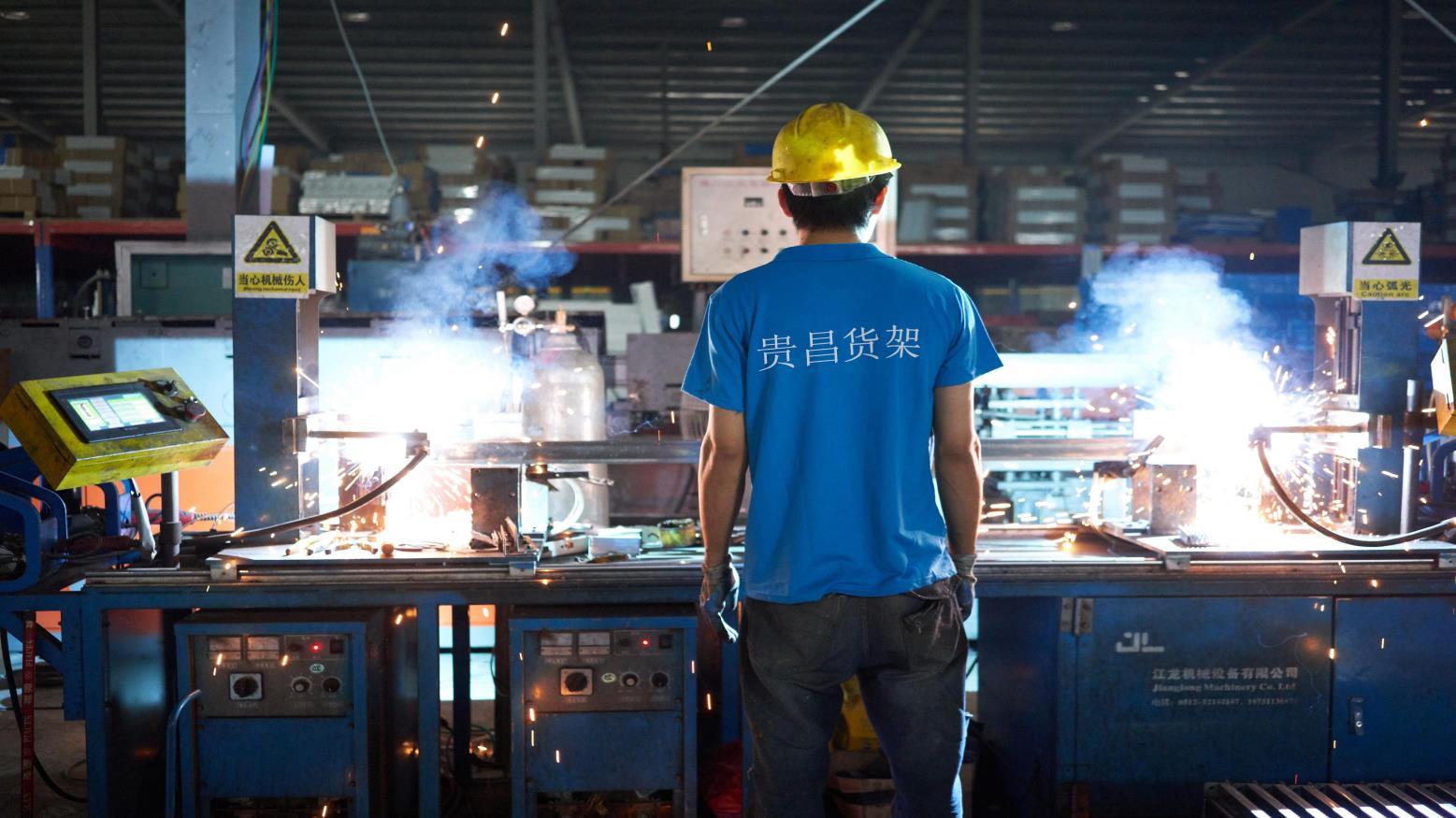
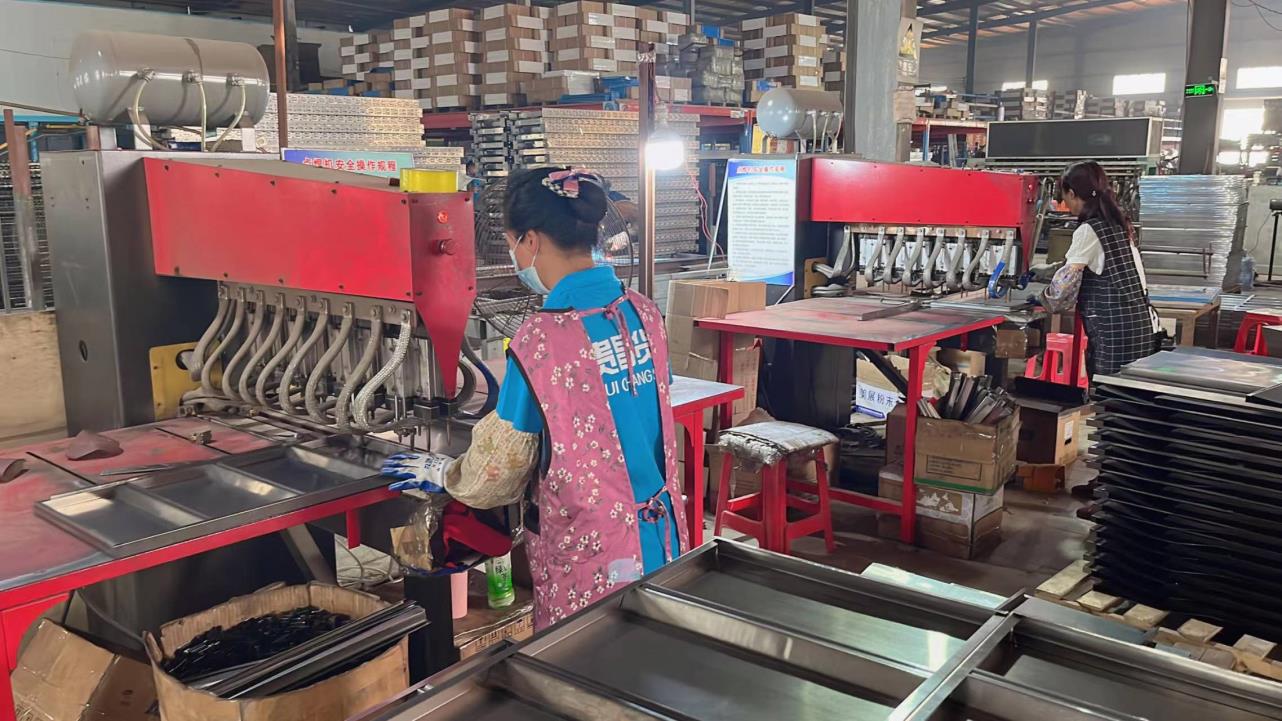
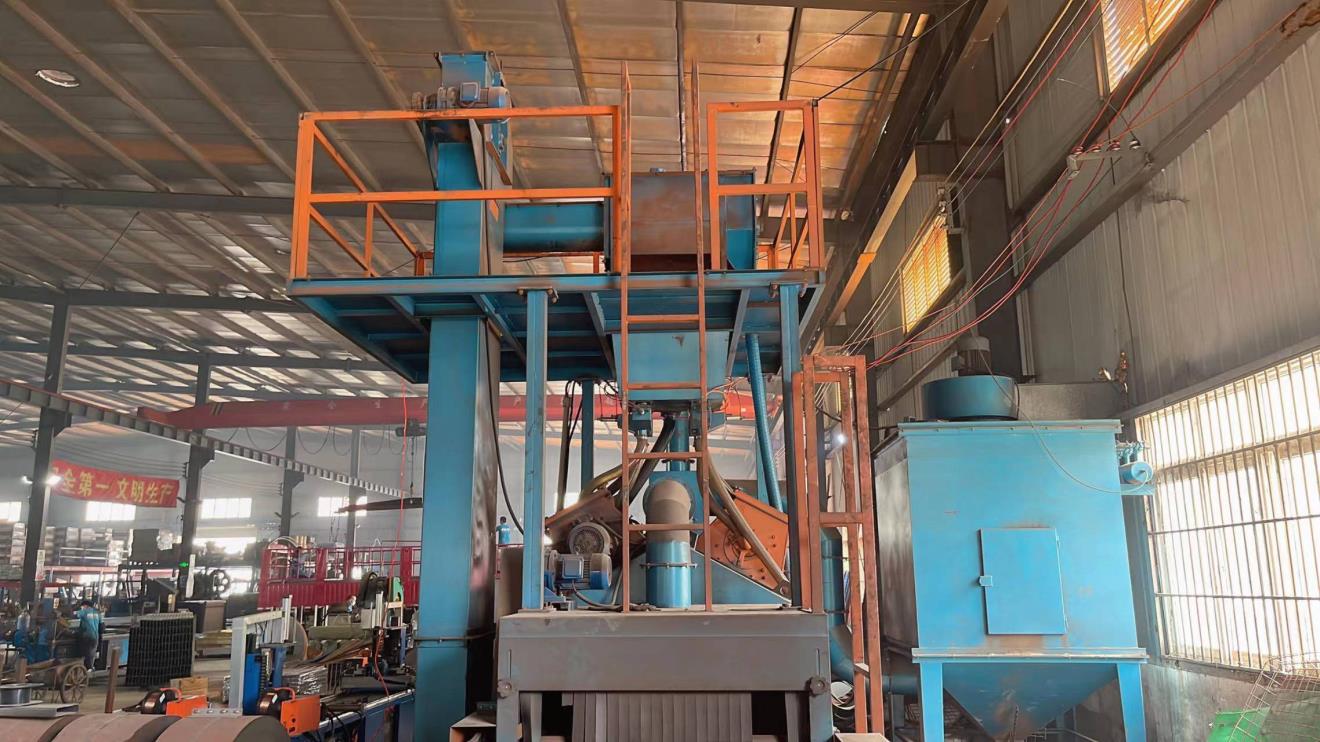
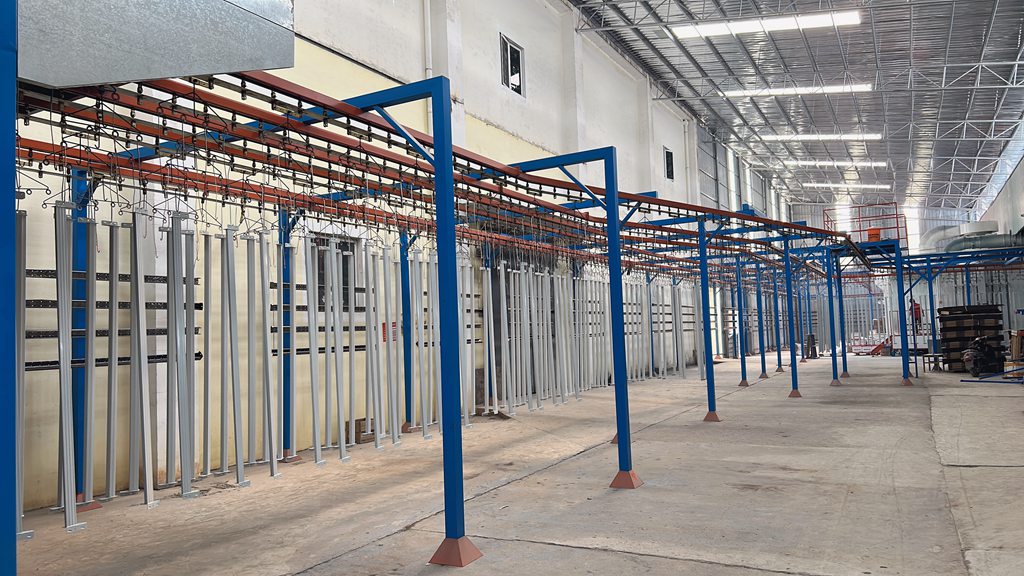
Operating out of our modern manufacturing facility covering 38,000 square meters, our direct factory infrastructure generates over $25 million USD in annual export revenue. Supported by a robust network of over 850 supply chain partners, we maintain full operational control over raw material sourcing, automated roll-forming, robot welding, and powder coating processes.

Rigorous Quality Control & Customization Capabilities

Underpinned by ISO9001 certification and comprehensive laboratory verification systems.

The Four-Stage QC Standard

Quality and safety are at the core of our manufacturing philosophy. Our quality management system is fully ISO9001 certified, backed by a dedicated team of 28 QC specialists. Every order undergoes rigorous four-stage quality inspections:

  • Raw Material Testing: Spectrographic steel composition analysis and tensile strength verification.
  • In-Process Inspection: Automated online weld seam ultrasonic flaw detection and dimensions verification.
  • Surface Coating Inspection: Salt spray corrosion testing and digital coating thickness measurement.
  • Finished Product Testing: 3D laser structural alignment and real-scenario 150% maximum load endurance testing.

Engineering & Custom Design Scope

With an in-house engineering team of 18 senior structural and mechanical engineers, Foshan Guichang delivers advanced R&D capabilities, including FEA (Finite Element Analysis) load simulations, custom CAD layout drafting, and structural optimization.

We offer complete end-to-end OEM and ODM customization services—tailoring load capacities, dimensions, column profiles, surface finishes, and color schemes to meet specific regional building codes and warehouse operational demands. Driven by continuous innovation, our R&D team launched 45 new modular racking and automation-compatible product designs last year alone.

Whether you require hot-dip galvanized finishes for high-moisture/outdoor environments or custom orange/blue warning colors to enhance operator safety, we adapt our roll-forming and robotic welding lines to align with your project parameters.

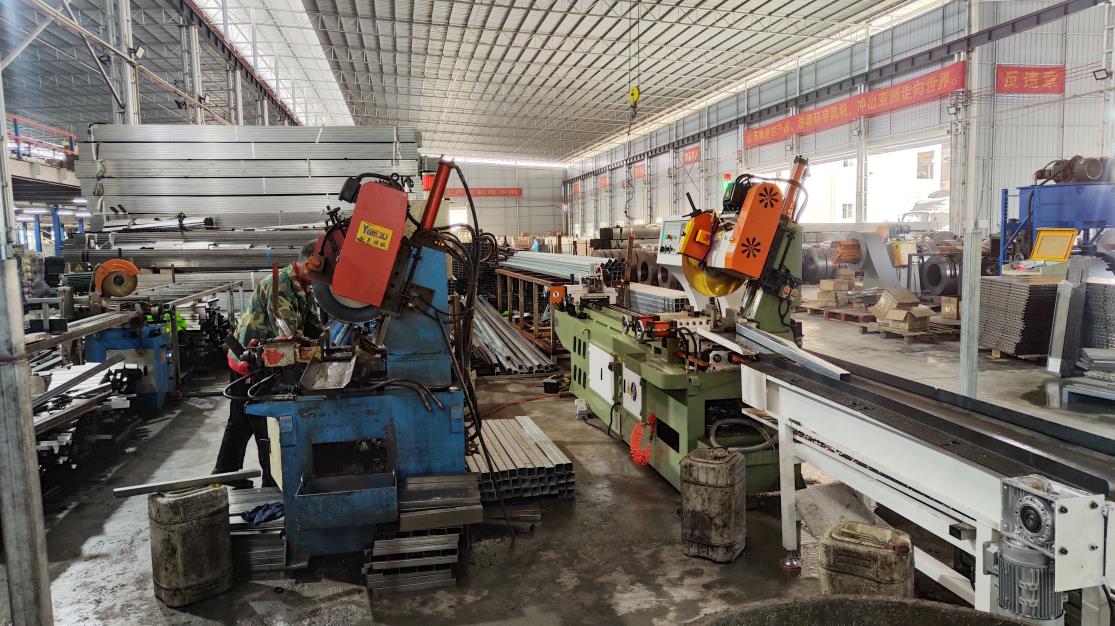
Full-Cycle Direct Manufacturing & Advanced Machinery Showcase

Step-by-step visual map of our production process, raw material sourcing, and specialized heavy machinery.
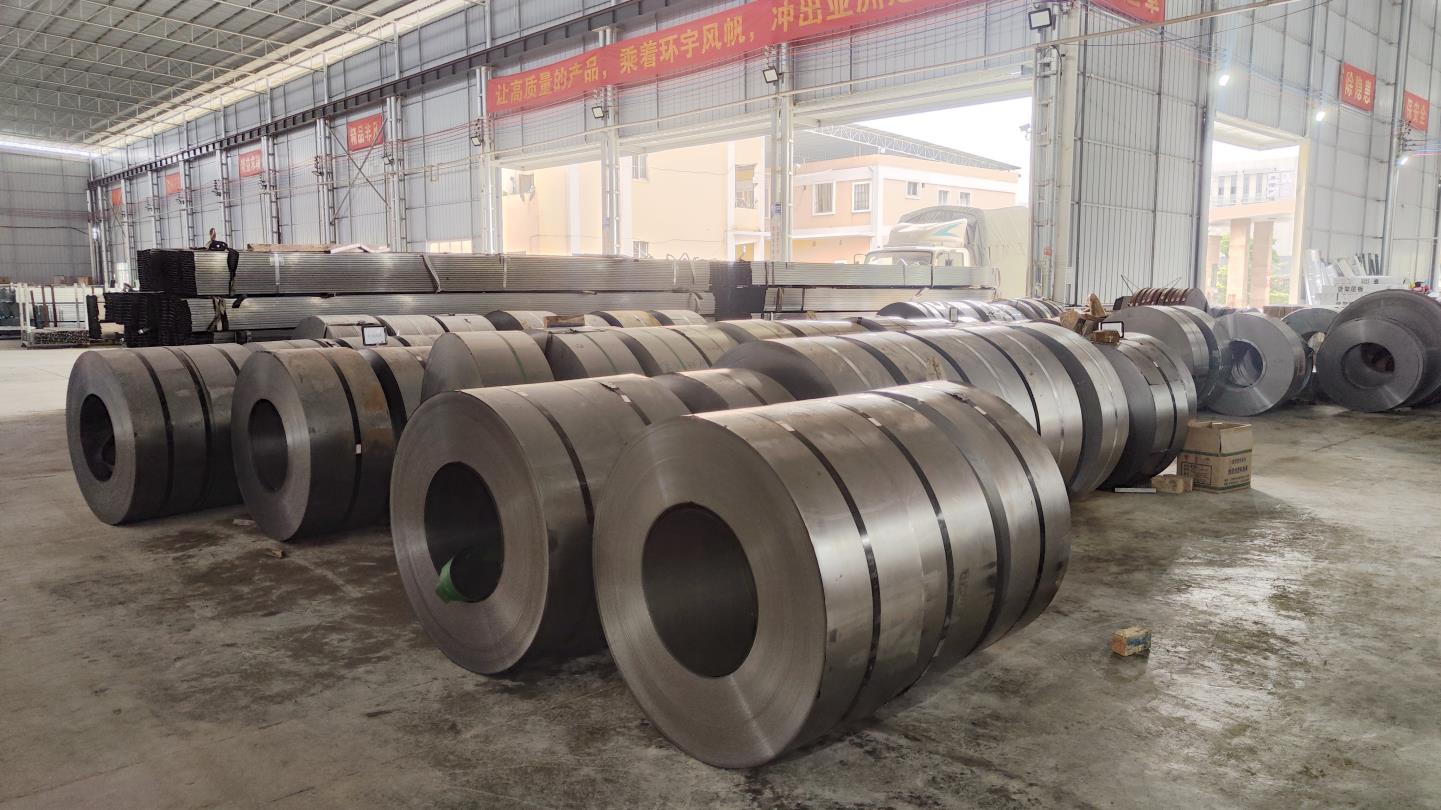
Raw Materials
Raw Materials
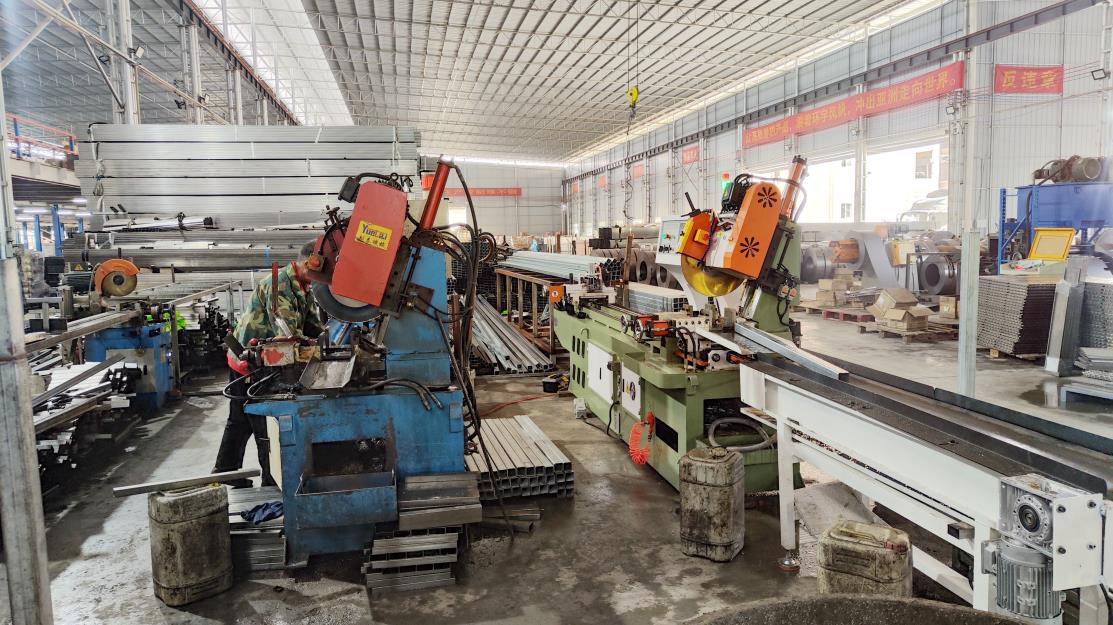
Cutting
Cutting
Molding
Molding
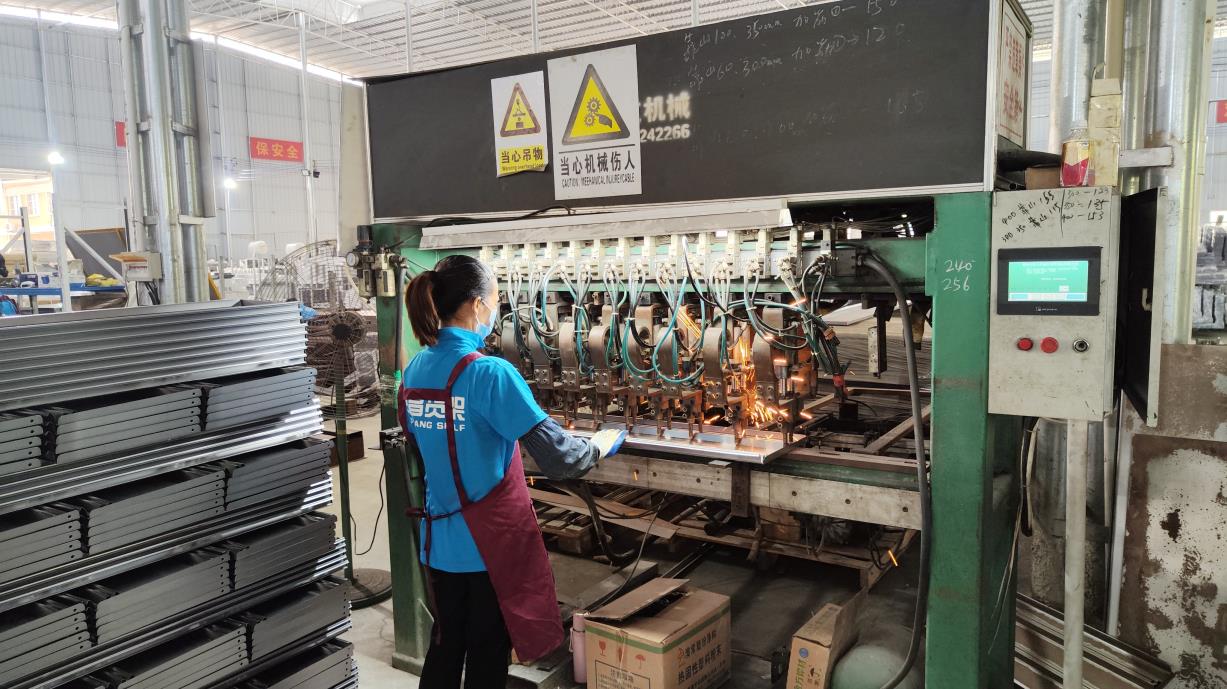
Welding
Welding
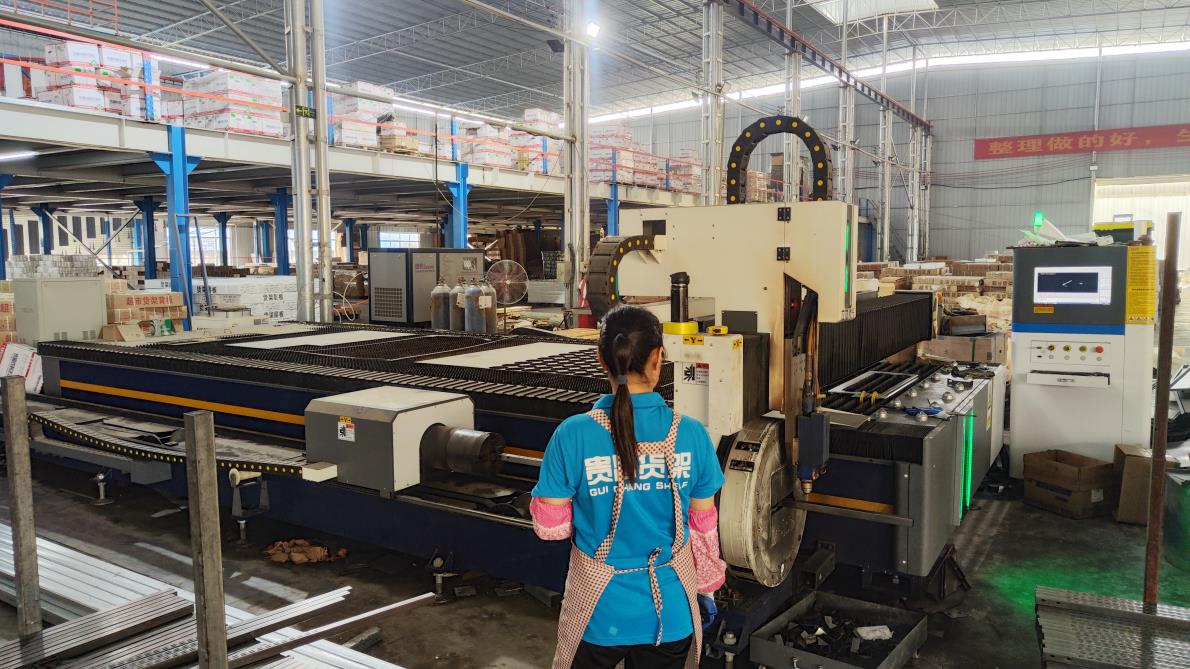
Laser Cutting
Laser Cutting
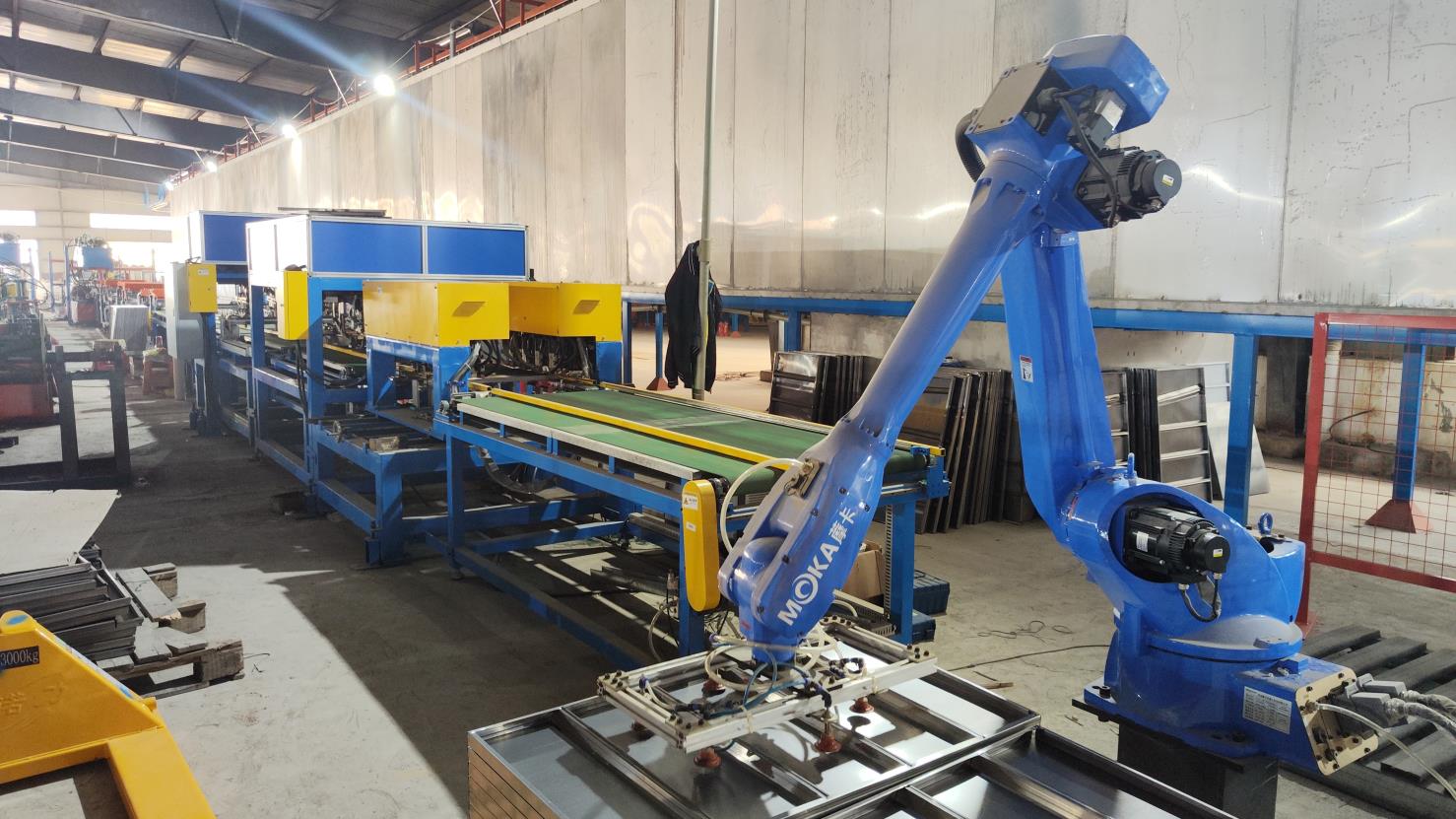
Automatic Production
Semi-Finished Product
Pendant
Pendant
Spray Lacquer 1
Spray Lacquer 1
Spray Lacquer 2
Spray Lacquer 2
Packing
Packing
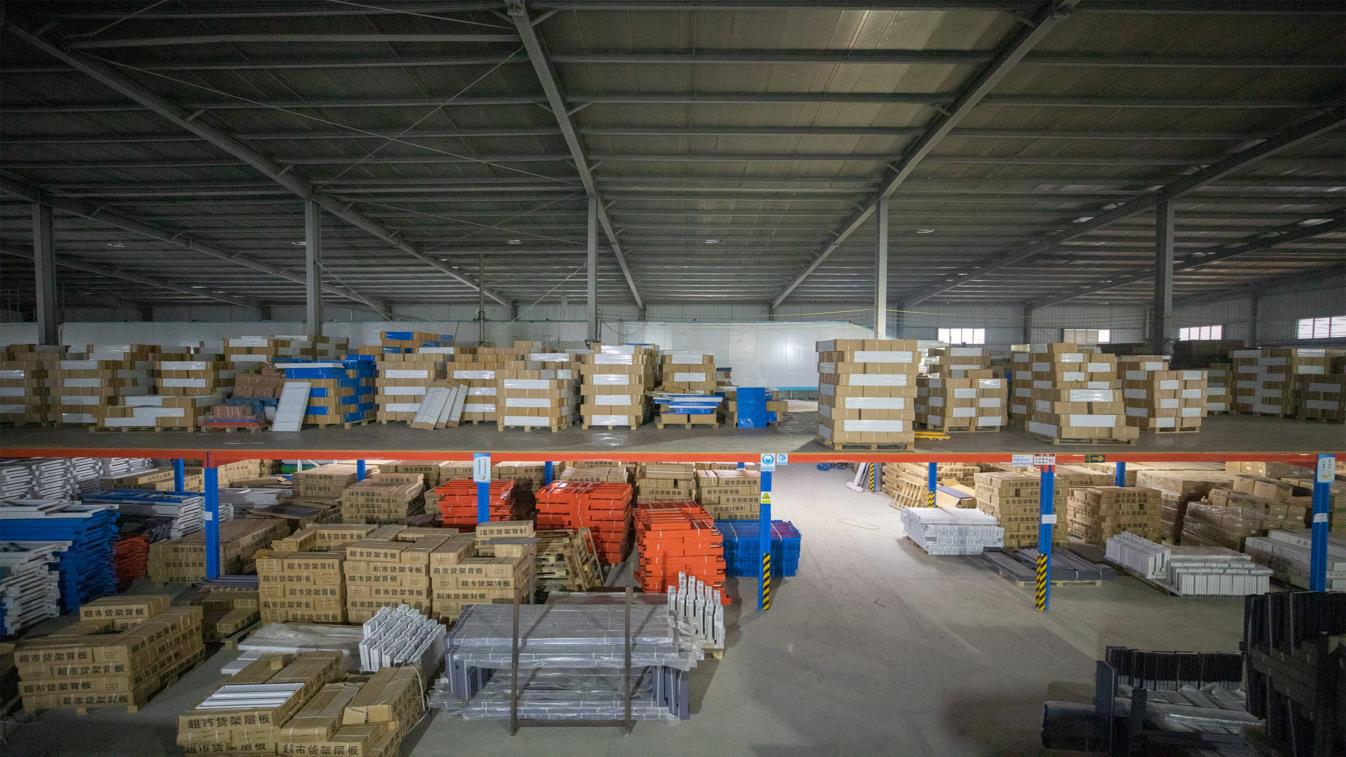
Warehouse
Warehouse
Cutting Machine 1
Cutting Machine 1
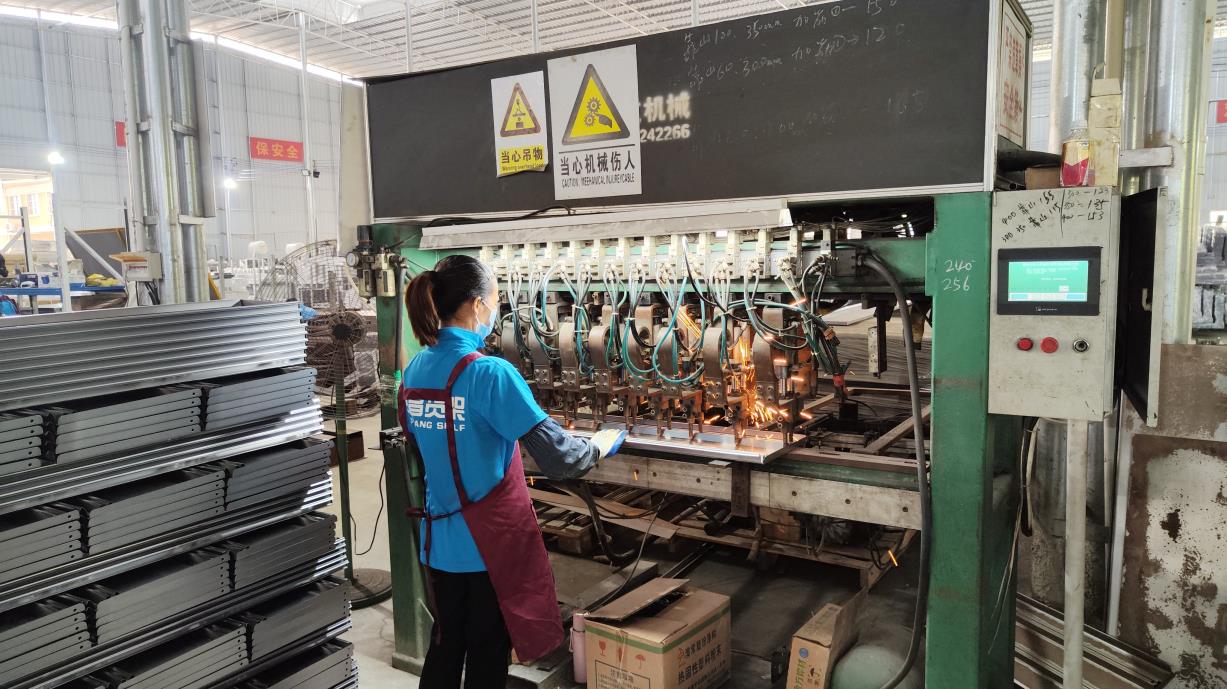
Welding Machine
Welding Machine
Laser Cutting Machine
Make-Up Machine
Make-Up Machine
Eyelet Machine
Eyelet Machine
Paint Production Line
Automatic Production Line
Cutting Machine 2
Cutting Machine 2
Thermal Transfer Print
Automatic Welder
Automatic Welder
Mash Welder
Mash Welder
Sand-Making Machine
Sand-Making Machine
Spraying Production Line

Global Compliance & The Future Racking Roadmap

How we design to survive seismic shifts and prepare for automated warehouse environments (AS/RS).

As material handling logistics shift towards industry 4.0 automation, push-back storage systems must adapt. Our engineering roadmap includes building automation-ready push-back racks. Standard gravity-fed push-back racks are integrated with electronic sensors and optical reflectors. This allows Automated Guided Vehicles (AGVs) to verify cart positions before placing or picking up loads. By bridging traditional mechanical systems with modern computer vision, we provide a cost-effective path to partial automation.
On the compliance front, global export requirements demand strict conformity to building regulations. For seismic zones, like California (IBC standards) or New Zealand (AS/NZS standards), we design using reinforced column-to-baseplate welds and heavier structural concrete anchors. We calculate dynamic lateral movements under maximum capacity using localized ground acceleration factors. This guarantees structural stability during earthquakes, protecting your warehouse staff and operations.

Industrial Push-Back Racking: Technical FAQ

Frequently asked questions by logistics directors, structural consultants, and global sourcing teams.

What is the standard lead time for OEM/ODM push-back storage systems?
Typically, standard structural custom systems require 4 to 6 weeks for manufacturing, following final engineering approval of layout diagrams and structural computations. Shipping times vary depending on the destination port, with direct routes to North American and European ports taking approximately 15 to 30 days.
How do you address the risk of "pallet hang-up" on the inclined rail assembly?
Pallet hang-ups occur when the rolling assembly fails to slide forward due to debris, pallet deflection, or incorrect rail pitch. To prevent this, we use dual-sealed precision bearings inside polyurethane-coated steel wheels and set a precise, calibrated incline angle (between 2.5% and 3.0%). We also design the track profile to self-clean by allowing debris to fall through.
Can you provide calculations and certification documents for local building permits?
Yes, our engineering department provides comprehensive CAD drawings and Finite Element Analysis (FEA) reports. We work with certified engineering networks worldwide to sign off and stamp structural calculations. This ensures compliance with local municipal codes and safety standards (such as RMI, AS4084, and FEM 10.2.02).
How does your factory manage Quality Control for overseas shipments?
We employ an in-house laboratory to perform tensile strength, impact, and chemical composition tests on every batch of raw steel coils. Additionally, we run 150% static load tests on sample structures. Our packing process includes protective foam wrapping, strapping, and custom steel frames. This prevents paint chipping, deformation, or structural damage during sea transit.