Engineered for structural efficiency, material durability, and optimized space utilization with a minimized carbon footprint.
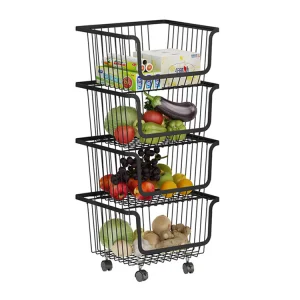
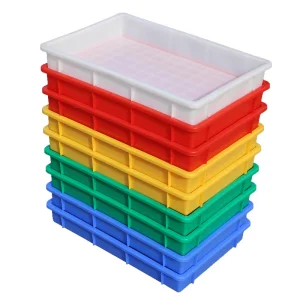
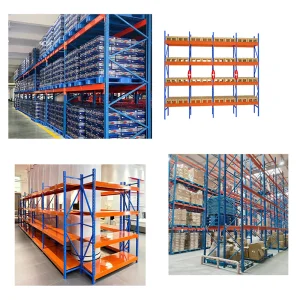
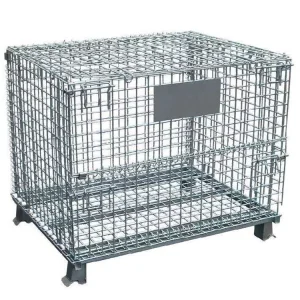
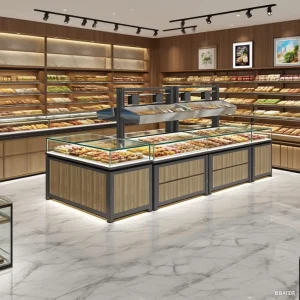
Analyzing global procurement demand, carbon compliance rules, and green industrial building pathways.
Global supply chains are moving toward high-efficiency operations. Multi-national corporations now mandate quantifiable carbon accounting. Choosing green storage racks helps facilities align with carbon-reduction targets, supporting green building certifications like LEED, BREEAM, and DGNB.
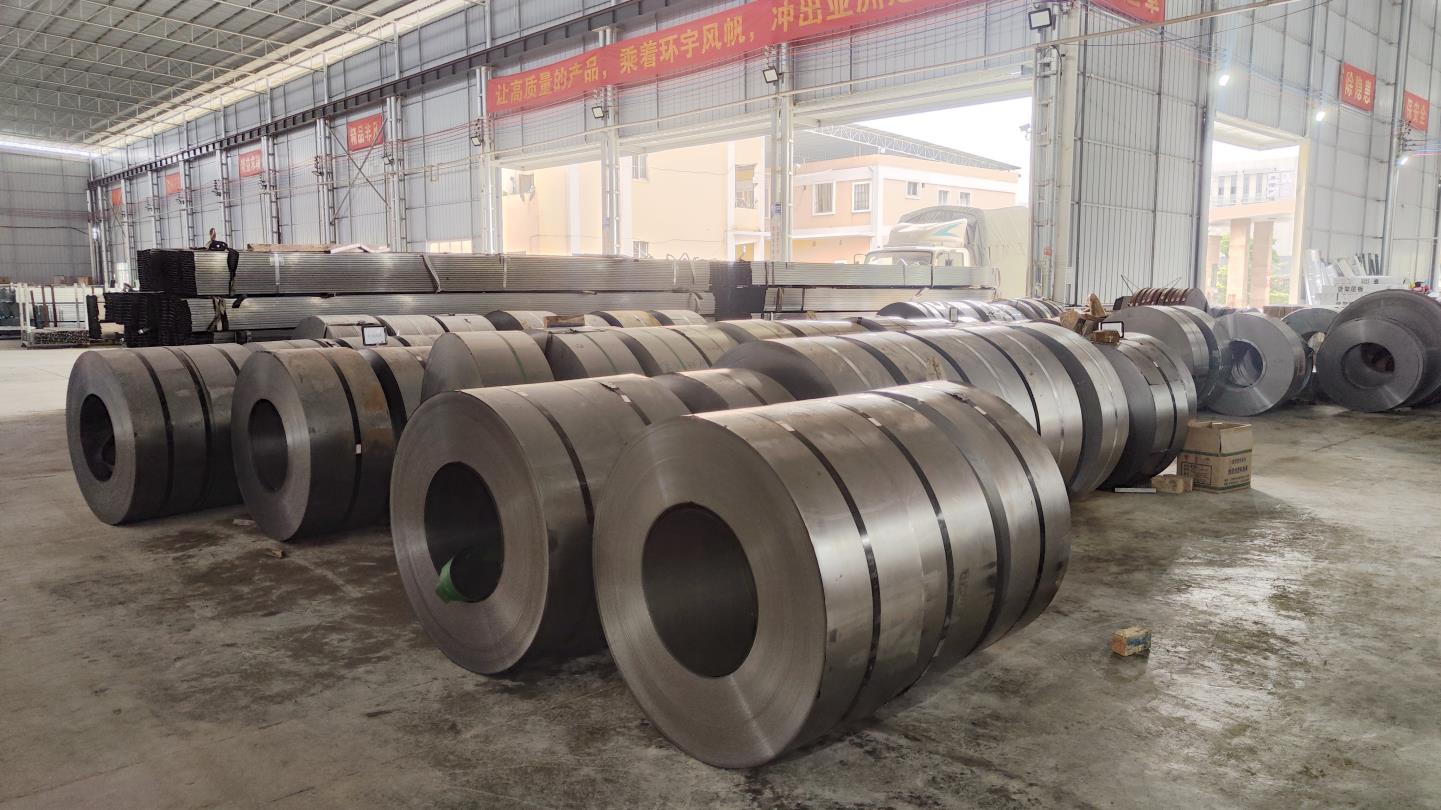
Using high-tensile alloy structural steel, such as Q235B and Q355B, reduces material mass without compromising load capacity. Advanced roll-forming patterns minimize raw material use while maintaining load limits, cutting both primary logistics emissions and steel consumption.
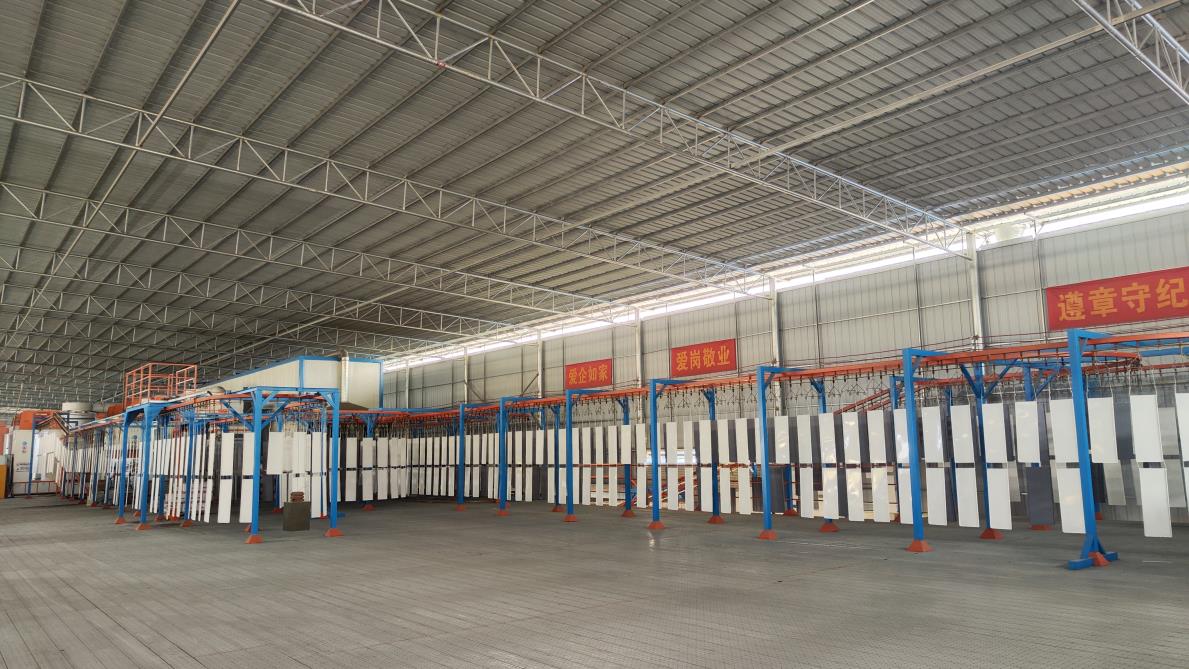
Our electrostatic powder coating process is heavy-metal-free, VOC-free, and TGIC-free. This creates a durable finish that resists scratching, moisture, and chemical exposure, extending product lifespan and minimizing the need for replacement.
Modern distribution facilities require customizable systems designed to match specific load capacities, pallet dimensions, automation profiles, and environmental footprints.
Founded in 2014, Foshan Guichang Shelves Manufacturing Co., Ltd. specializes in industrial warehouse storage solutions, heavy-duty pallet racking, and custom commercial shelving.
With 12 years of industry experience and 8 years of international export operations, we serve logistics hubs, fulfillment centers, 3PL providers, and commercial equipment distributors across North America, Europe, Southeast Asia, and the Middle East.
Our in-house design capabilities are backed by 18 senior structural and mechanical engineers. Last year, the engineering team introduced 45 new modular racking and automation-compatible product designs.
A step-by-step look at our automated fabrication process, quality controls, and material handling systems.
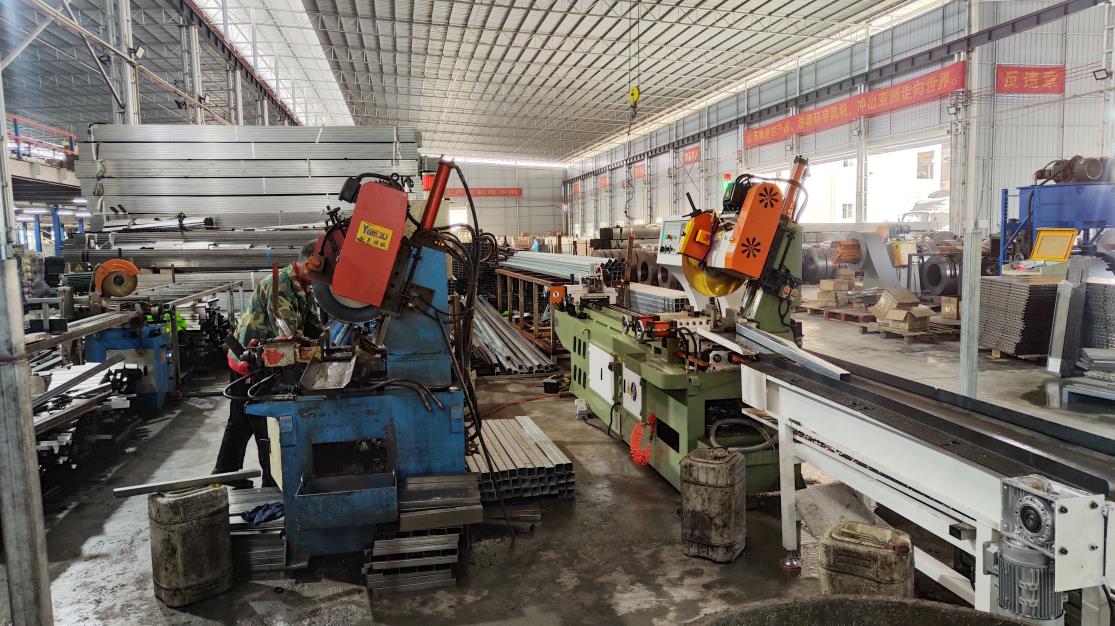
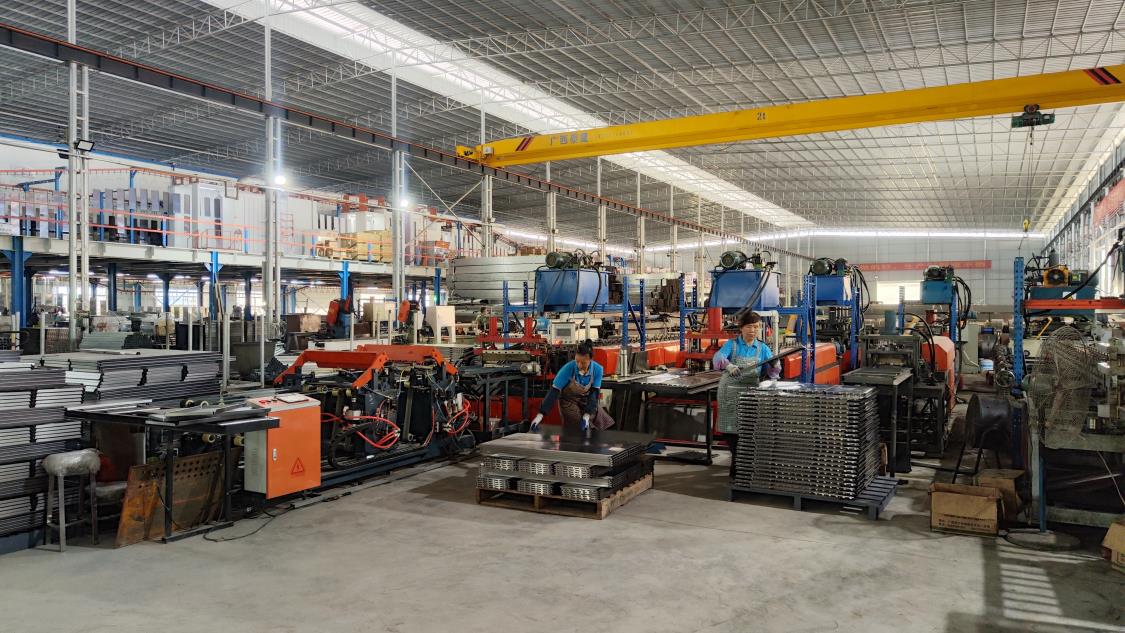
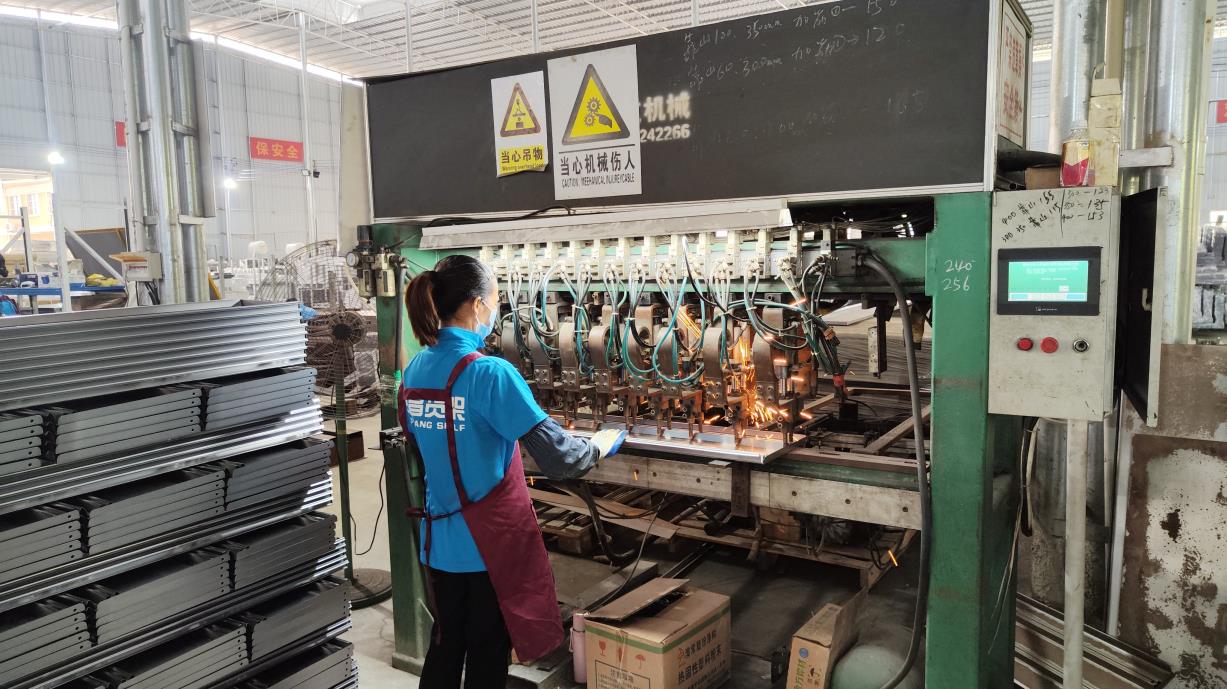
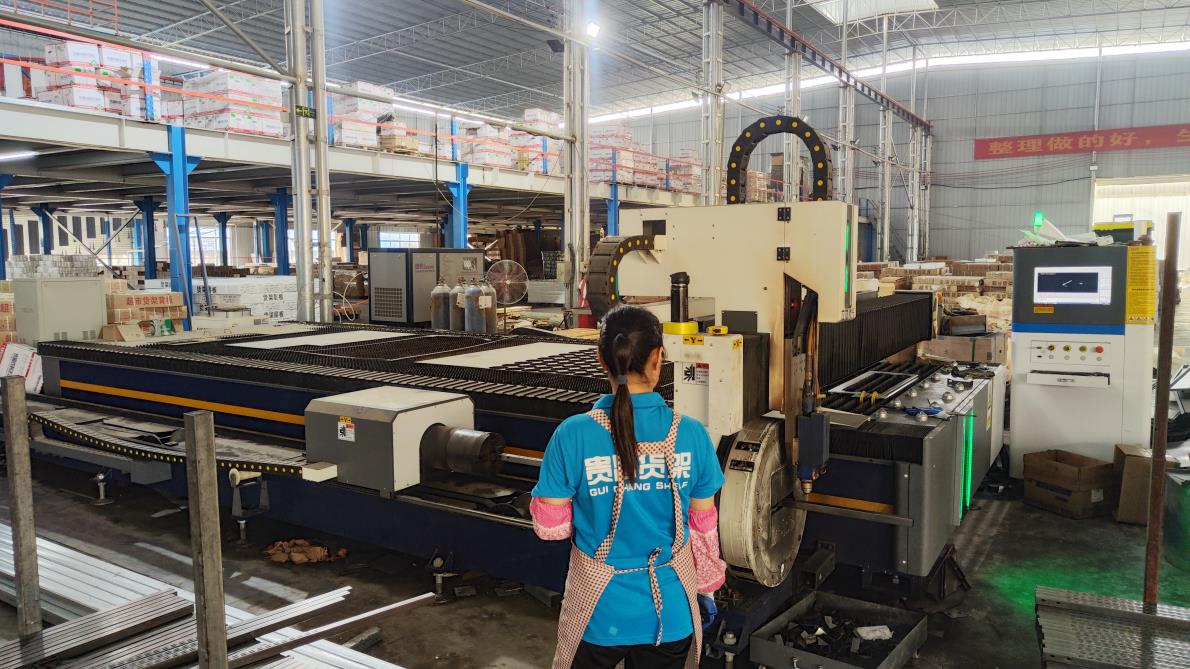
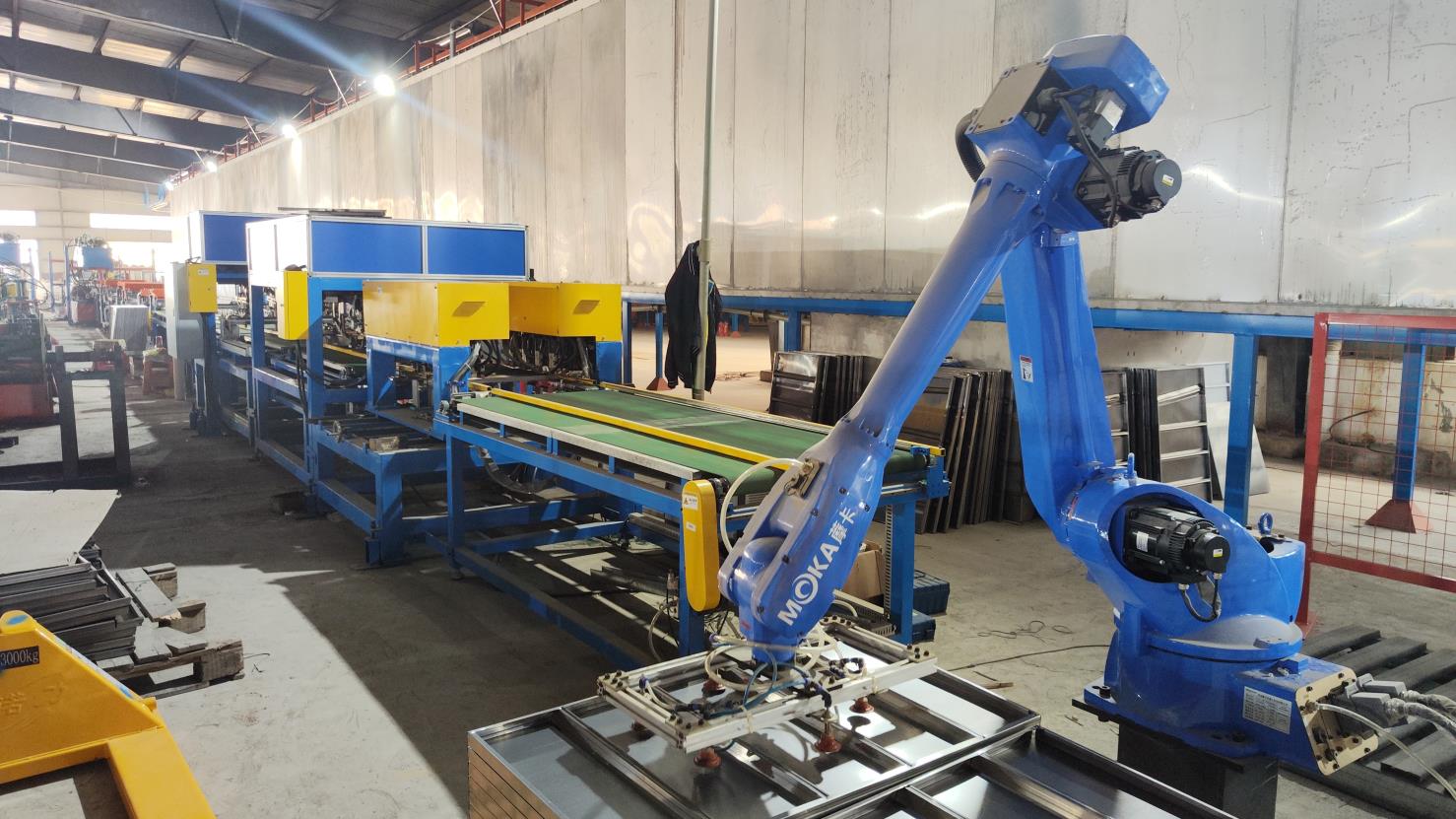
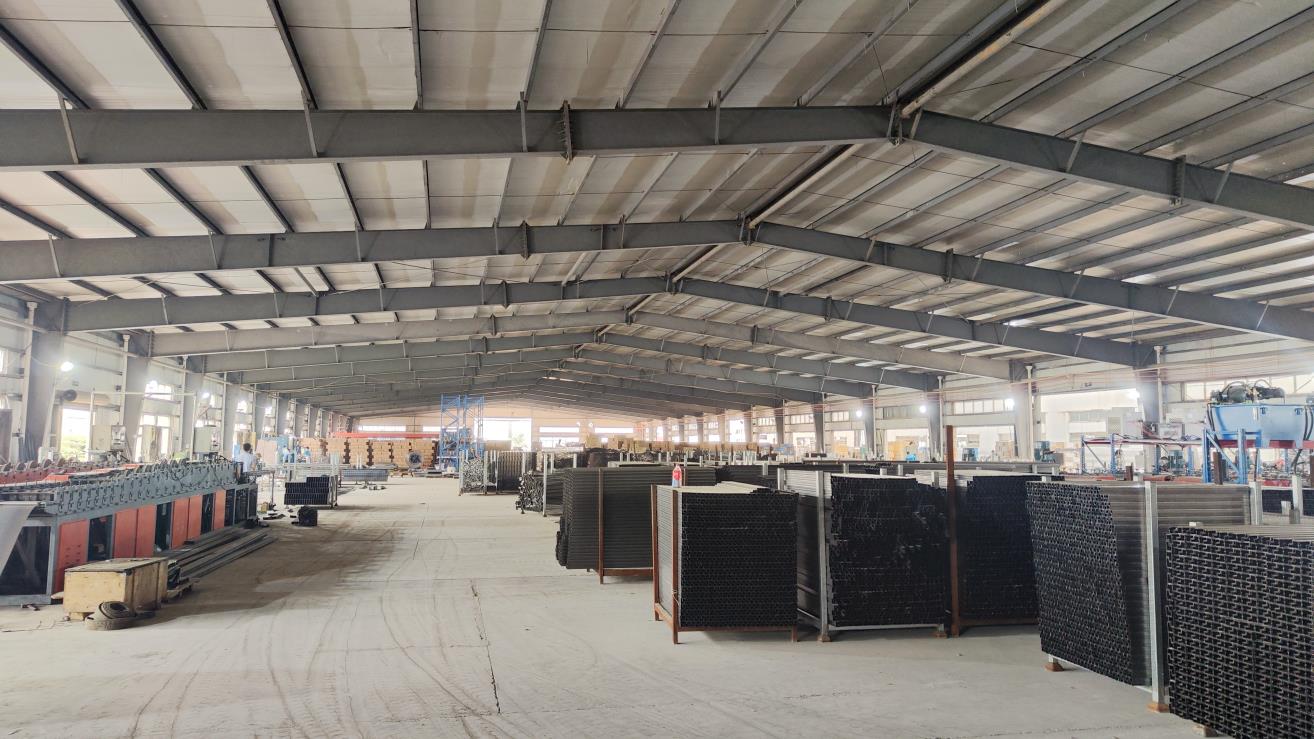
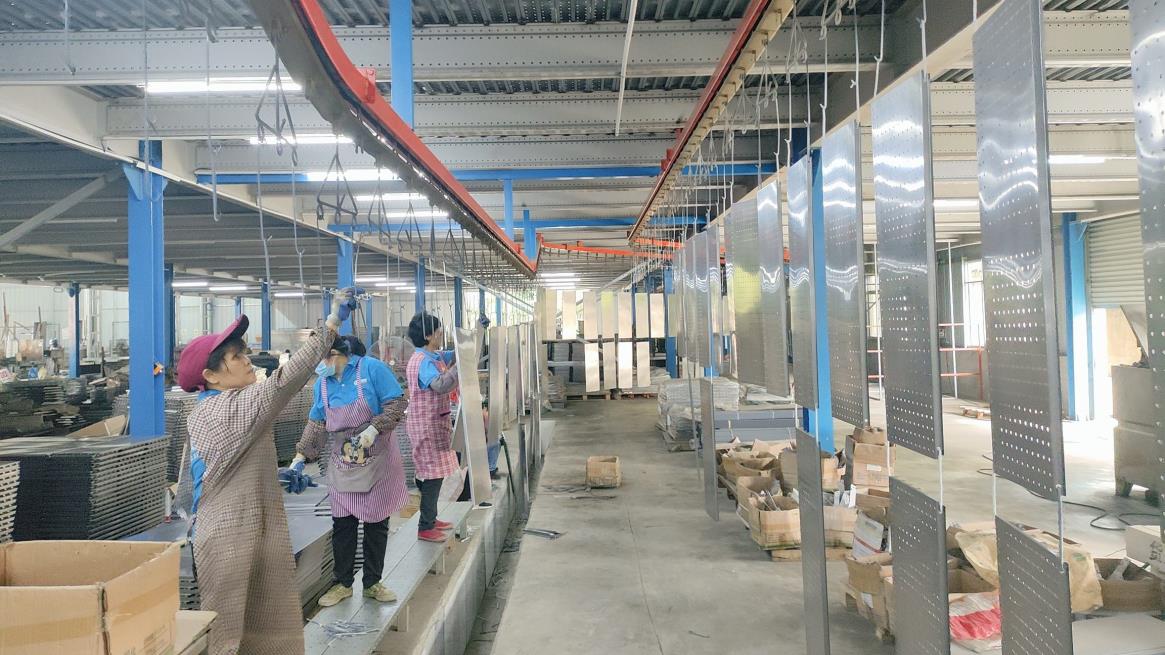
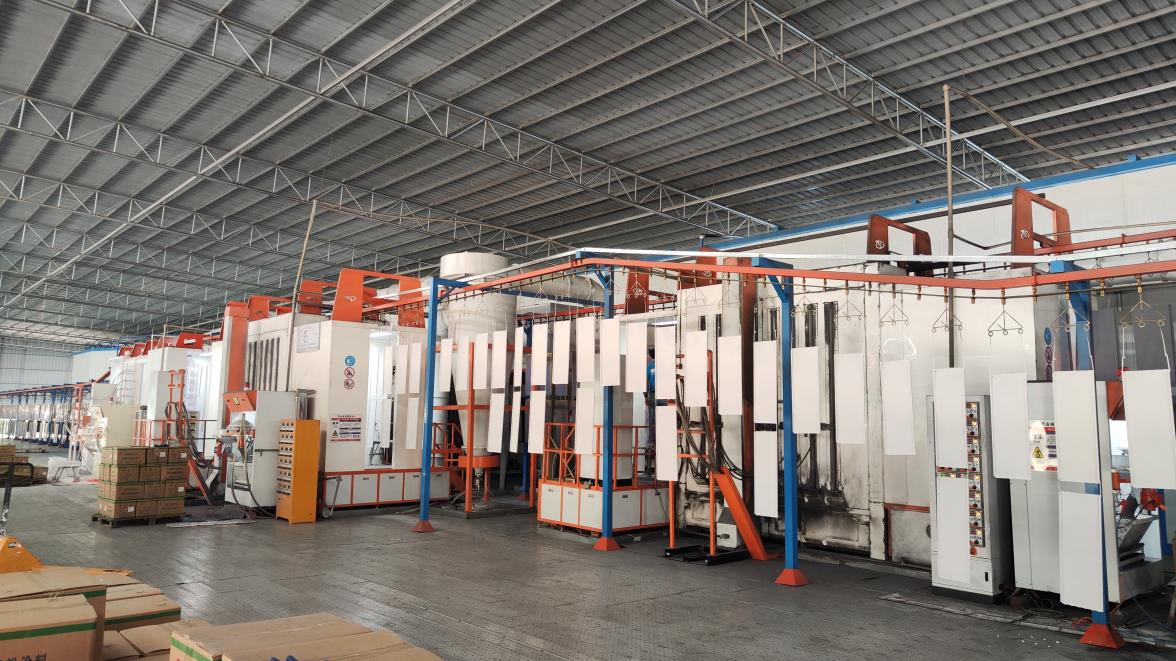
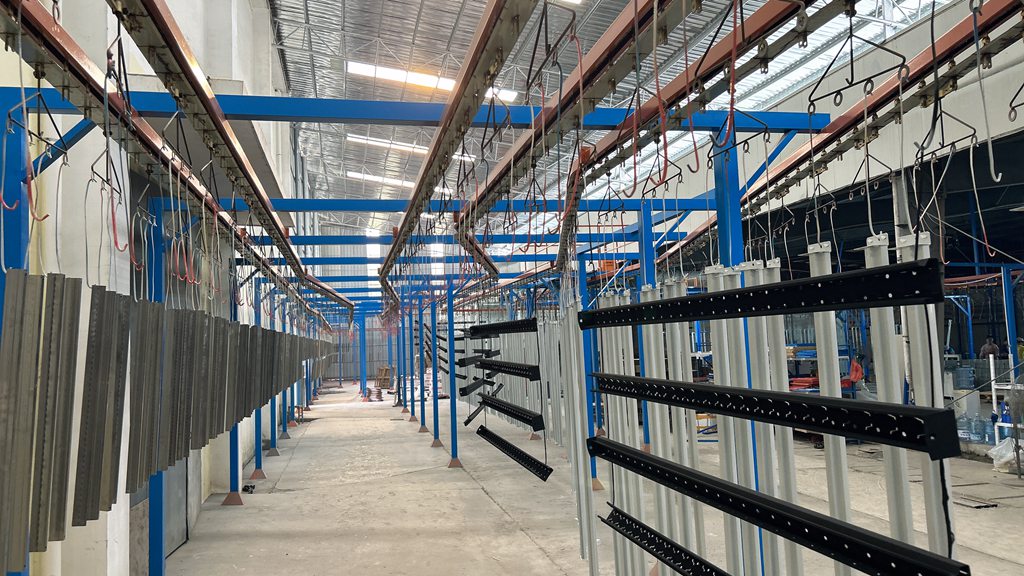
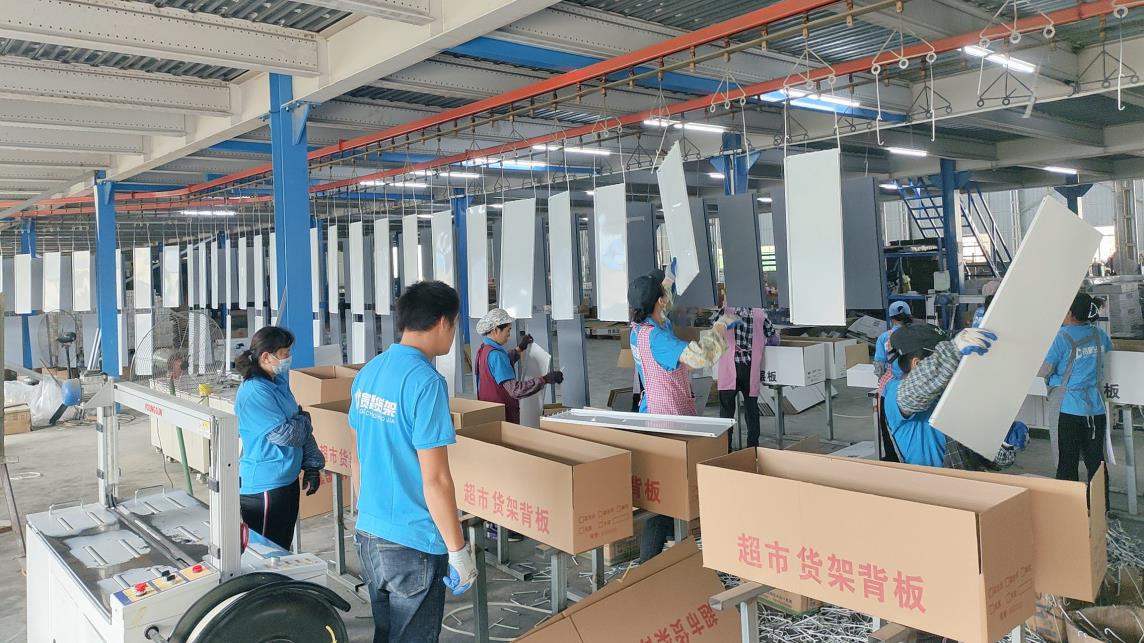
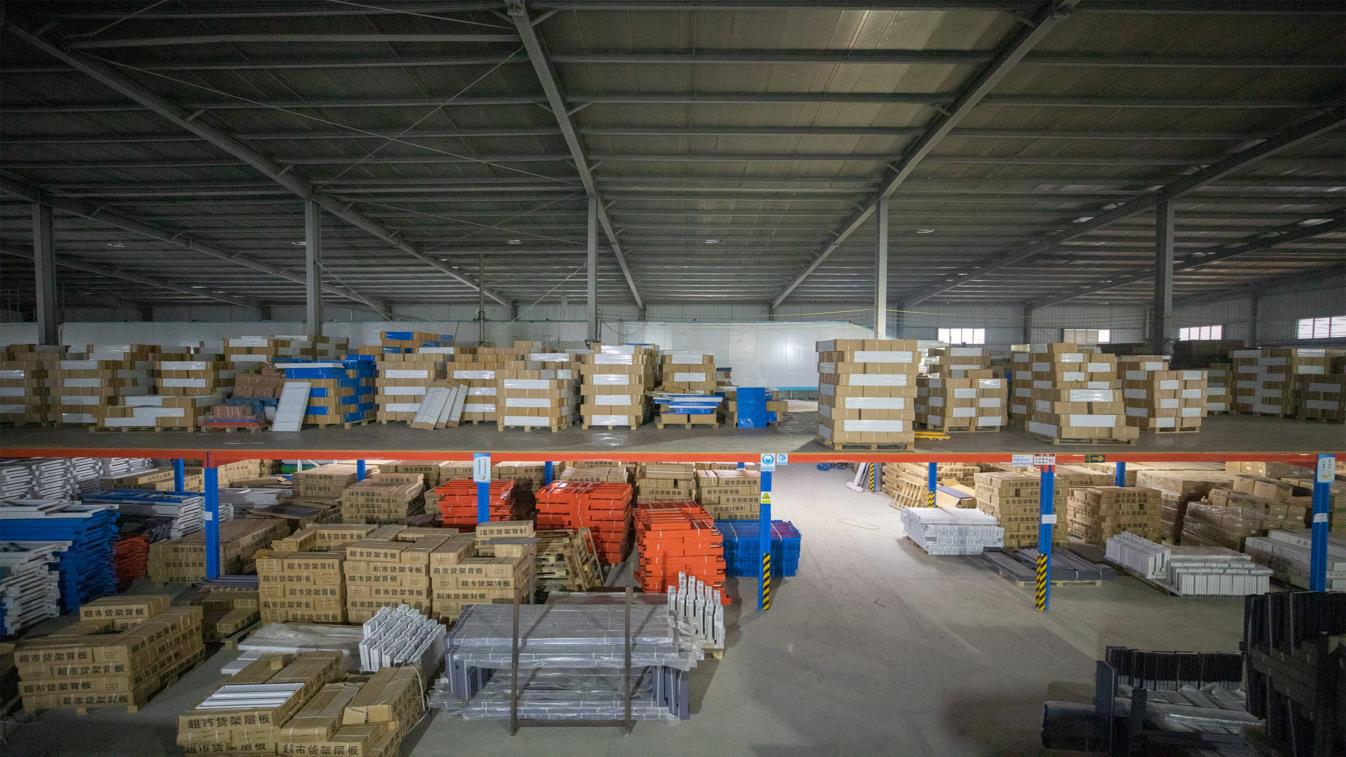
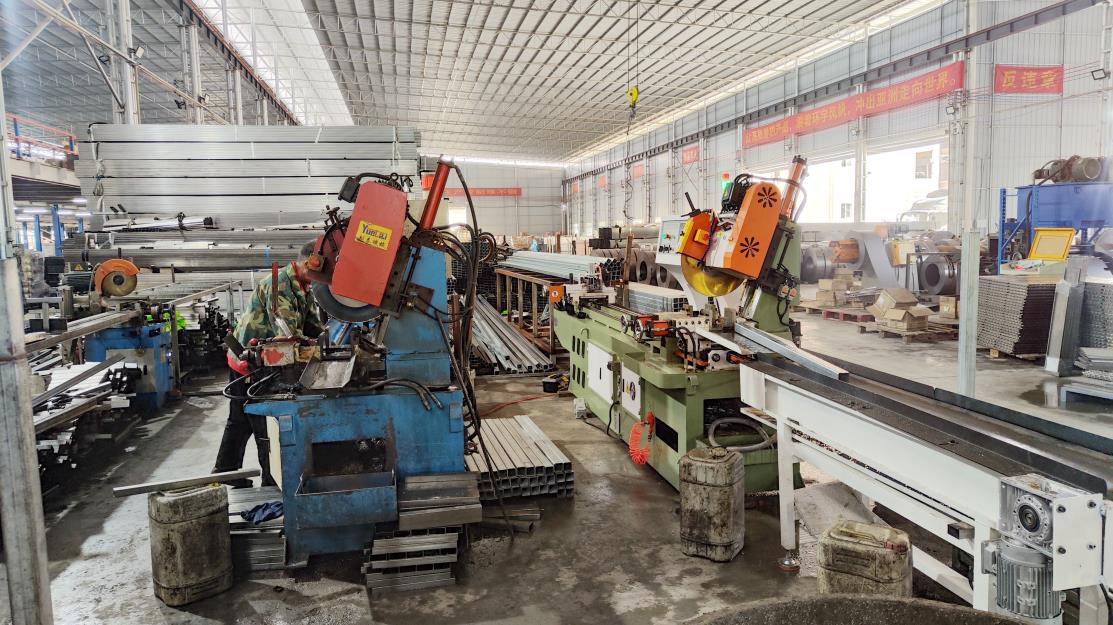
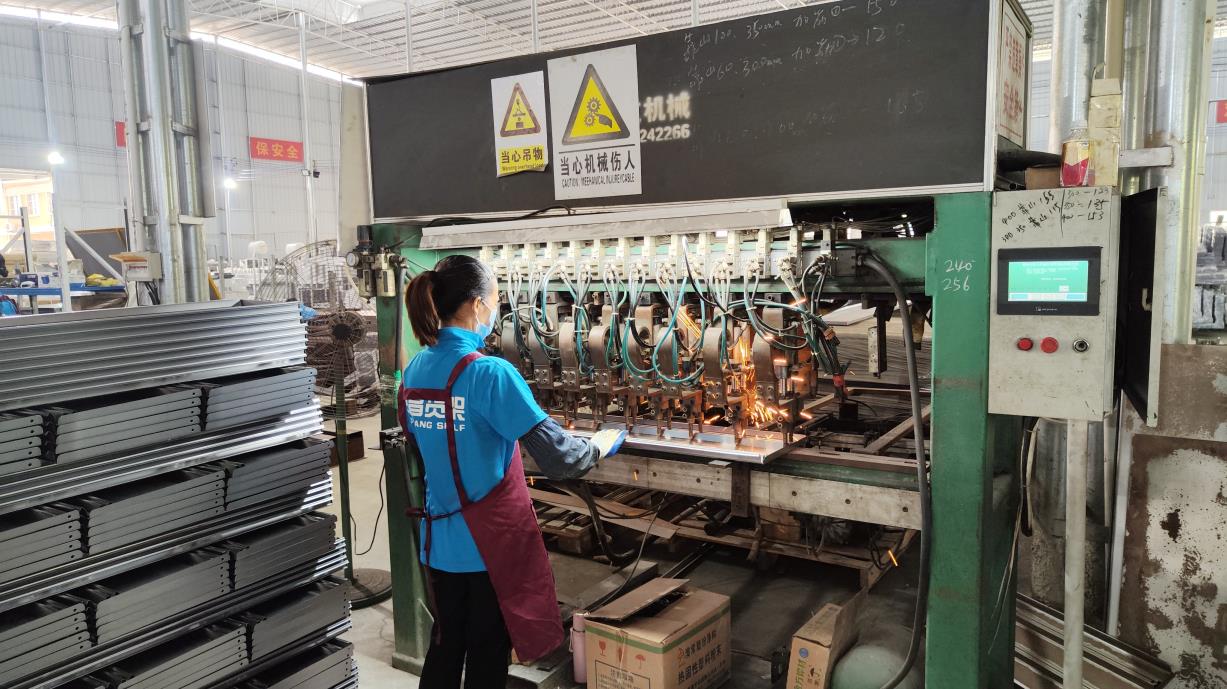
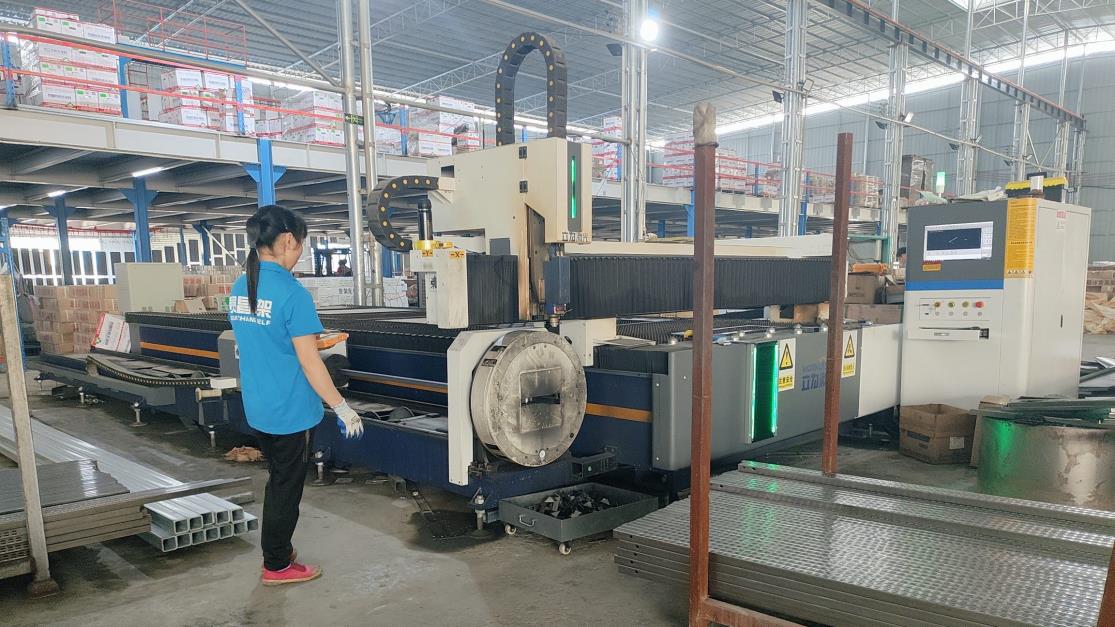
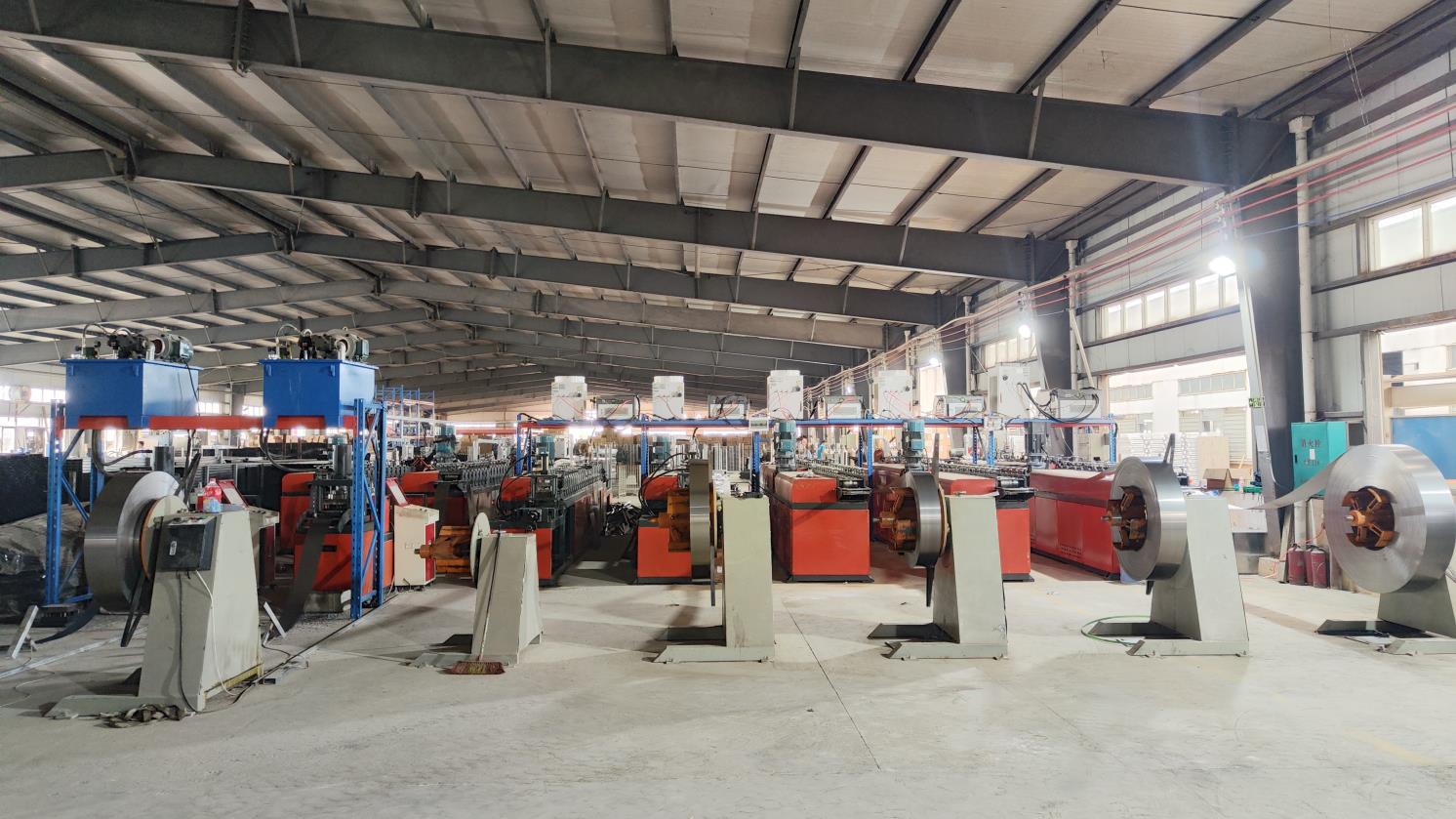
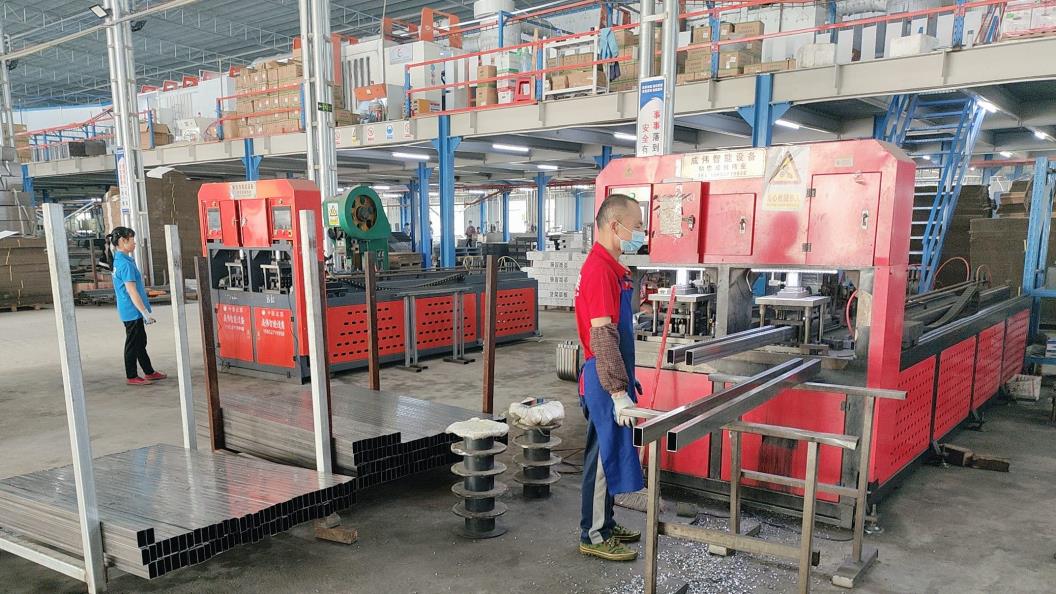
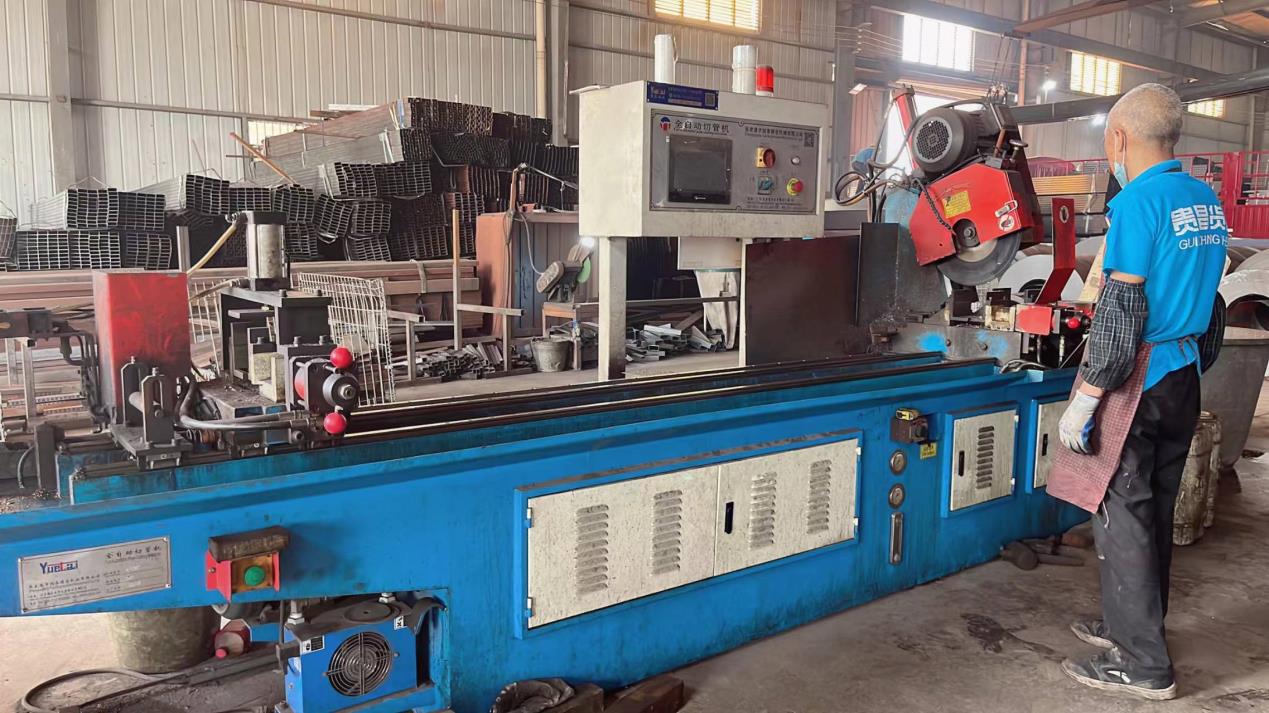
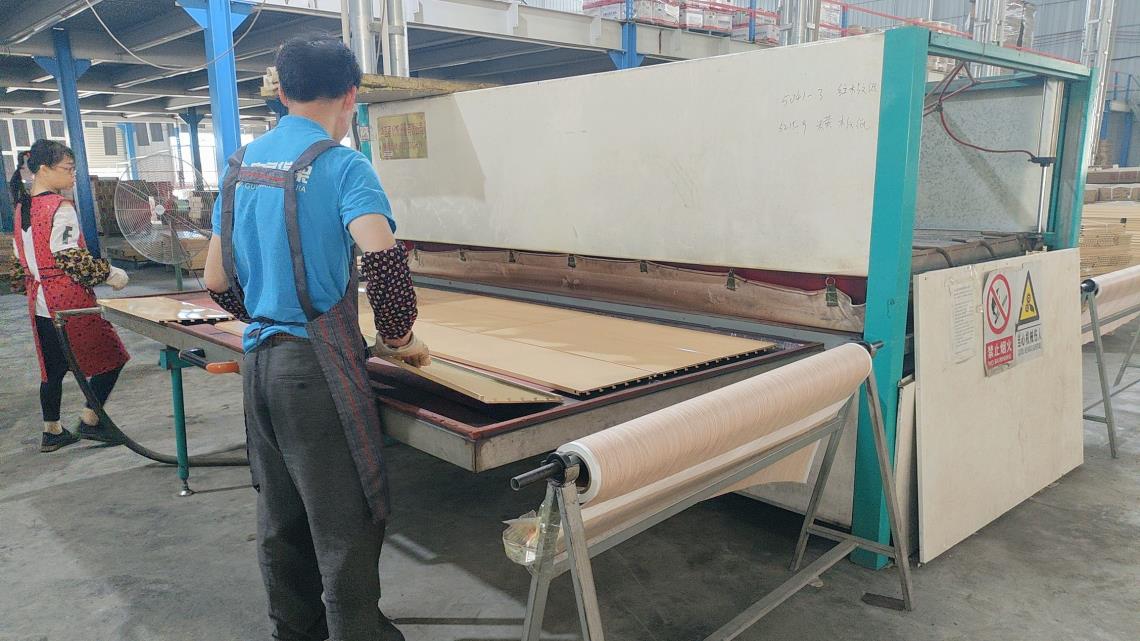
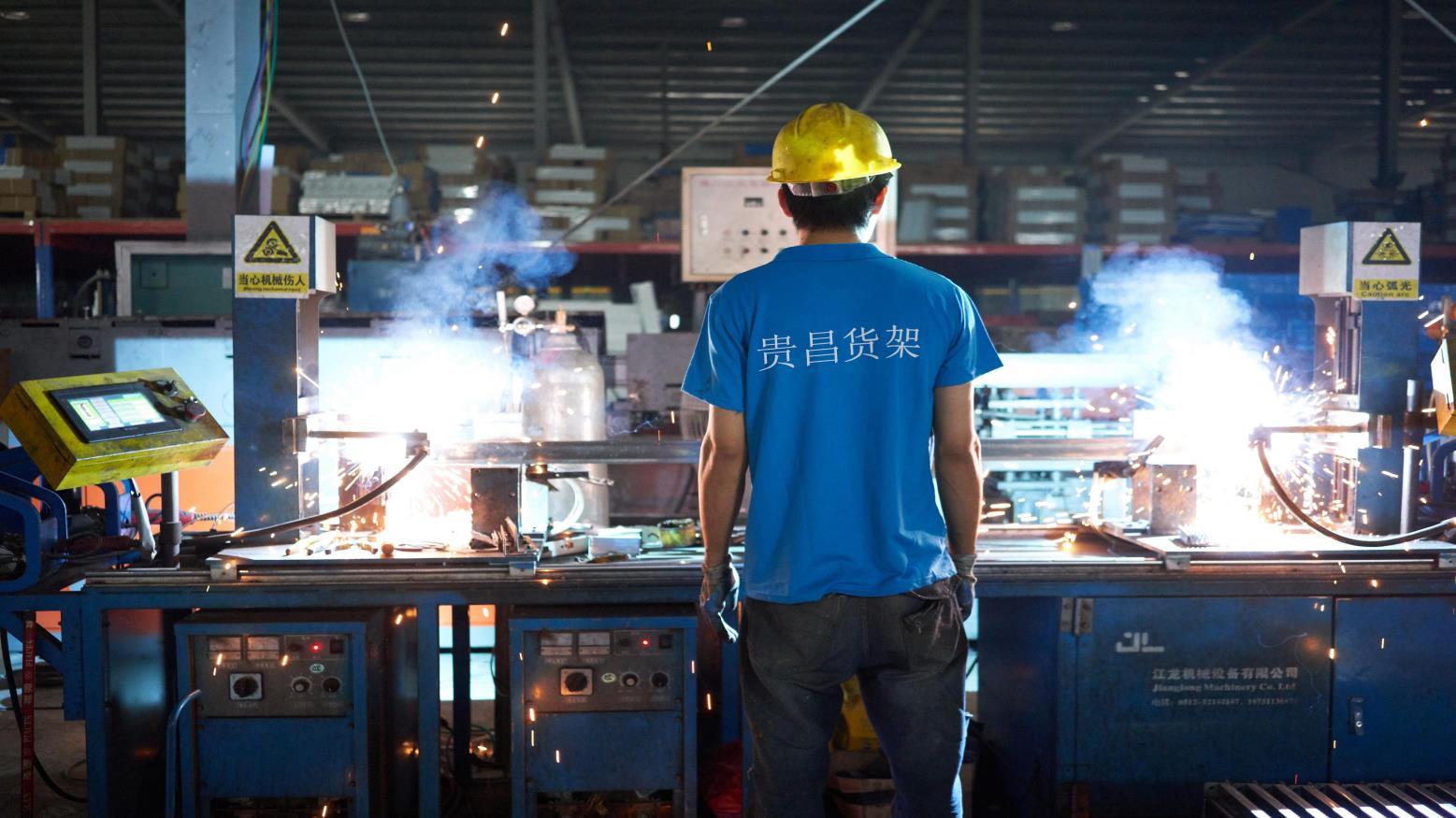
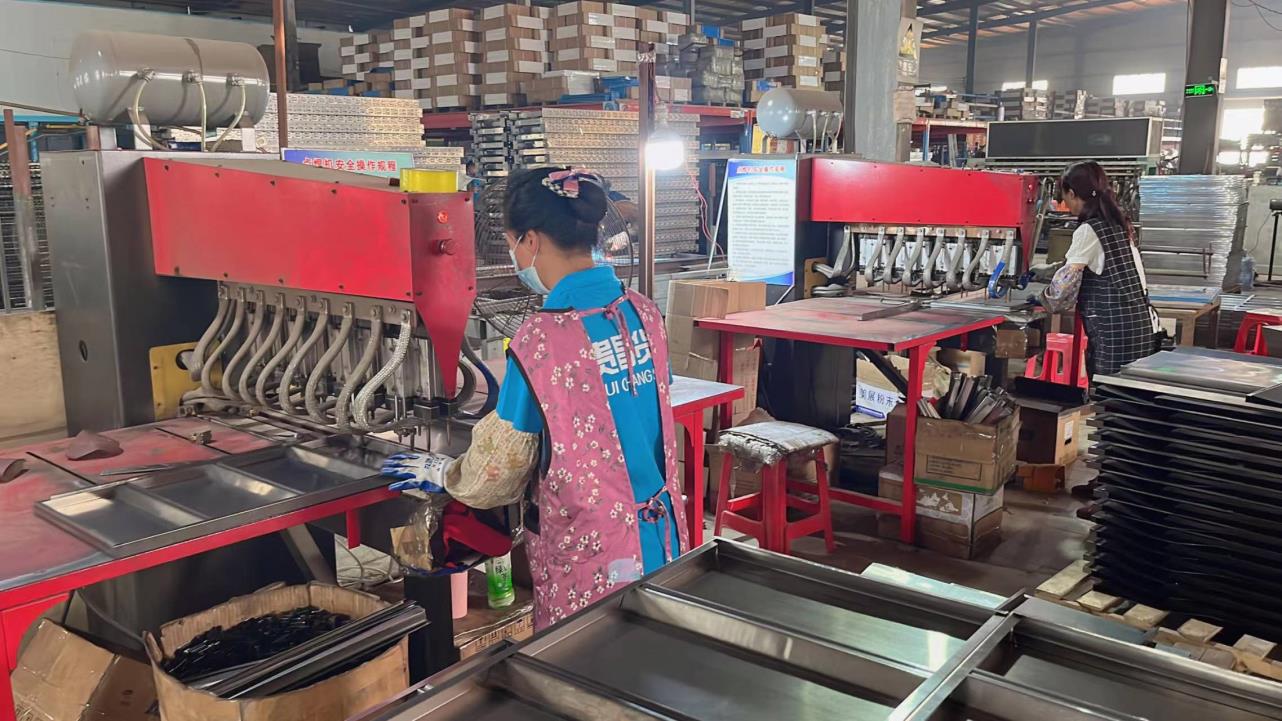
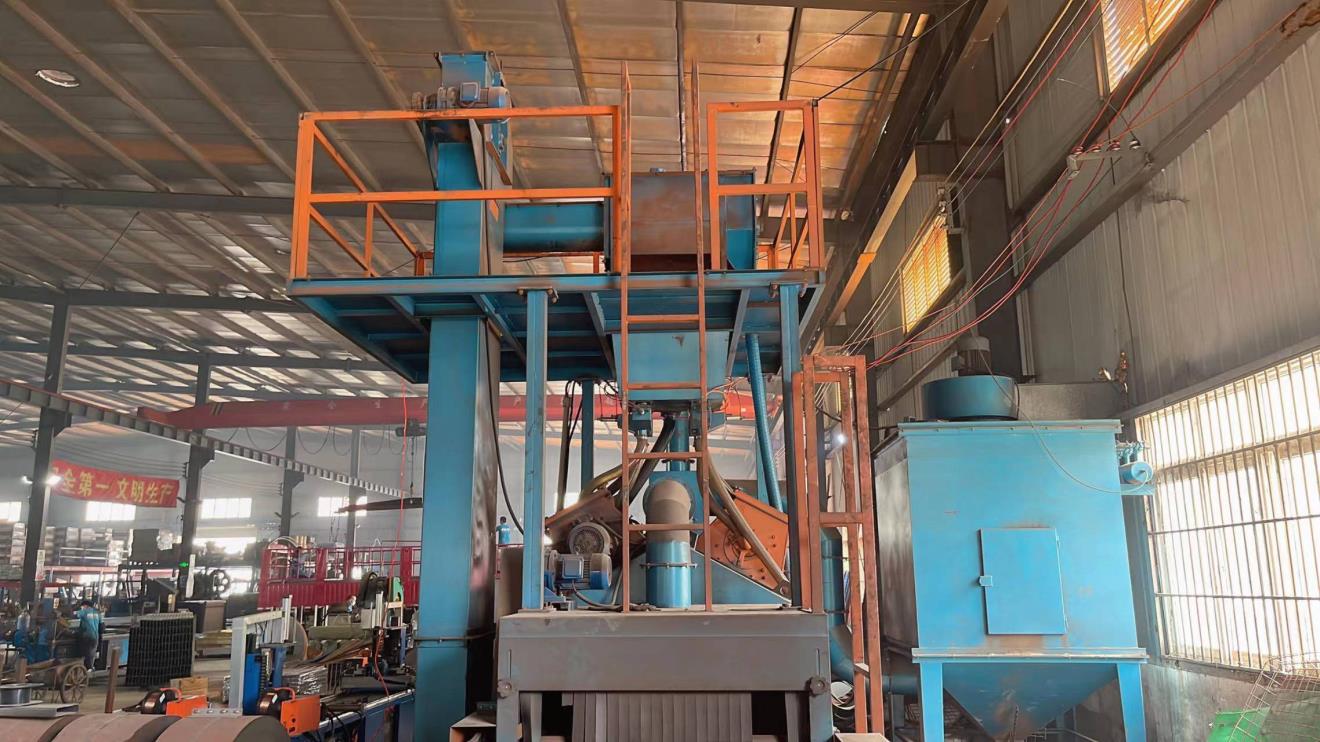
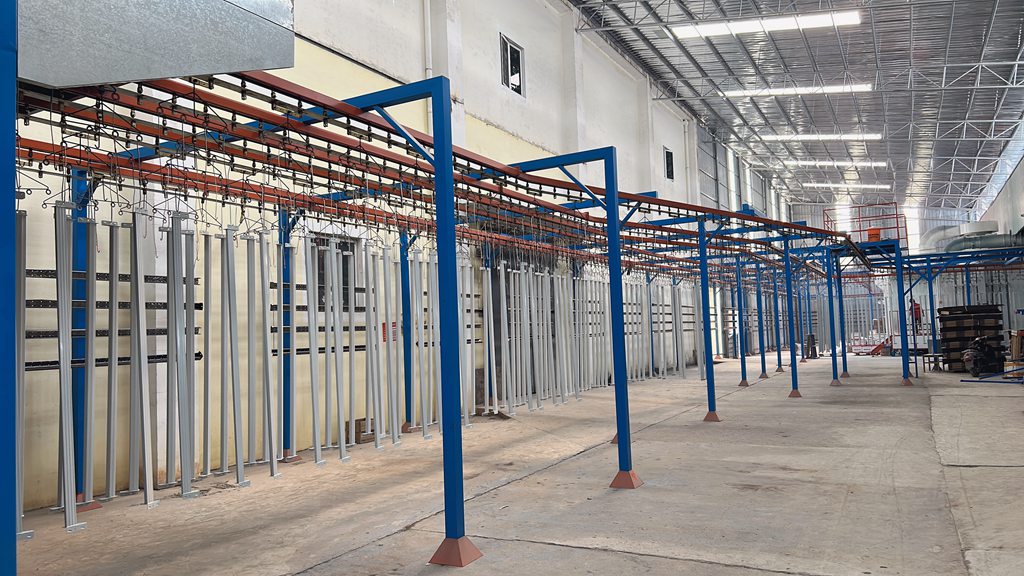
Our ISO9001 certified quality management system is supported by a dedicated team of 28 QC specialists overseeing a four-stage inspection workflow.
We perform spectrographic steel composition analysis and tensile strength verification on Q235B and Q355B grades to verify raw material quality before production begins.
Automated online weld seam ultrasonic flaw detection and 3D coordinate dimensional tracking verify structural integrity during the manufacturing process.
Salt spray corrosion testing and digital coating thickness measurements verify finish consistency and corrosion resistance for long-term durability.
We run physical 150% maximum load endurance testing alongside FEA simulation models to confirm compliance with global safety standards, including ANSI/RMI and FEM 10.2.02.
Supporting international distribution centers with localized engineering services, regional regulatory compliance, and modular configurations.
We design and engineer our racking solutions to comply with localized building standards, wind ratings, and seismic requirements across target regions:
We continuously develop new designs to support the evolving requirements of material handling operations:
Key information regarding materials, loading limits, customization workflows, and environmental certifications.
What steel grades and material certifications are utilized in fabrication?
We primarily use high-strength, structural carbon steel grades Q235B and Q355B, which offer consistent mechanical properties, weldability, and load capacity. Material test certificates (MTC) detailing chemical composition and yield strength are provided with every batch.
How does the eco-friendly coating process compare to conventional paint finishes?
Our automated powder coating line uses TGIC-free, heavy-metal-free thermosetting polyester powders. This dry electrostatic process eliminates VOC emissions and reduces energy consumption compared to wet-paint operations, while providing high resistance to impact, corrosion, and wear.
Can your racking systems be configured for seismic zones?
Yes, our engineering team performs structural design calculations using Finite Element Analysis (FEA) to account for regional seismic factors. We customize footplates, bracing, and column sizes to meet local building safety codes, such as RMI and AS4084 regulations.
What is the typical lead time for custom OEM/ODM racking designs?
Standard CAD layouts and static engineering assessments are generally completed within 3 to 5 business days. Once drawings and structural calculations are approved, production lead times range between 20 and 30 days, depending on order volume and configuration complexity.
How do you ensure structural alignment and quality across large production runs?
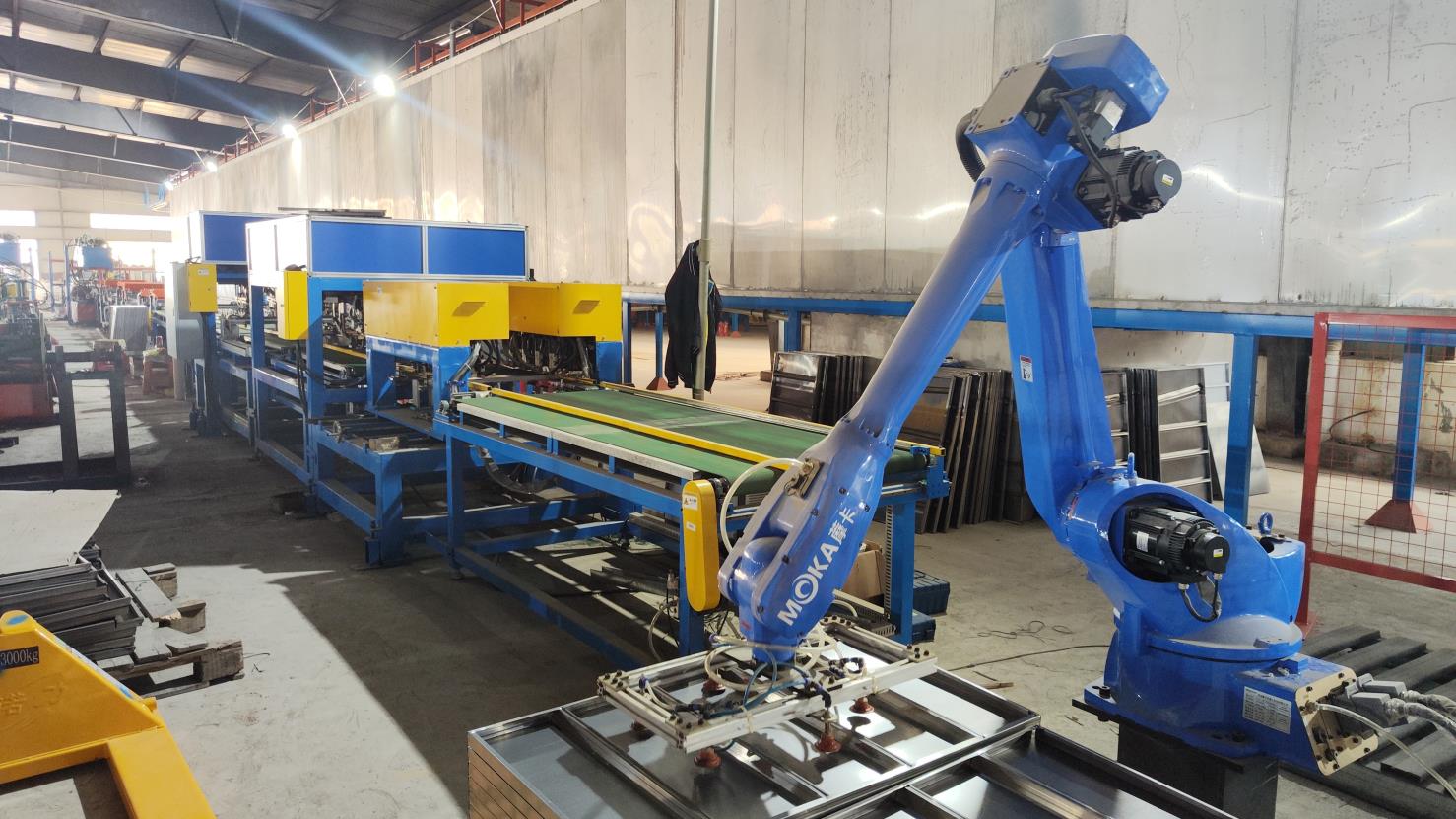
We use automated roll-forming and robotic welding cells to maintain tight dimensional tolerances (within ±0.5mm). Additionally, our 28 QC specialists perform physical inspections at four stages—raw materials, forming, coating, and pre-shipment assembly verification.
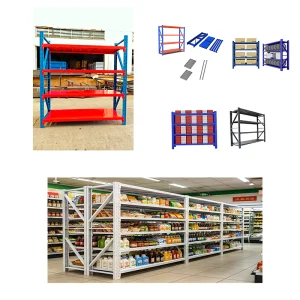
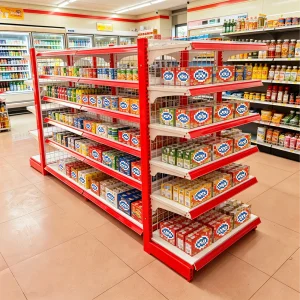
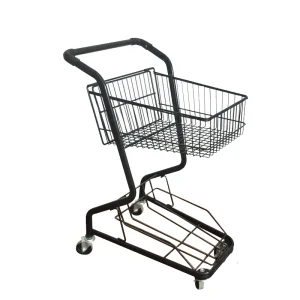
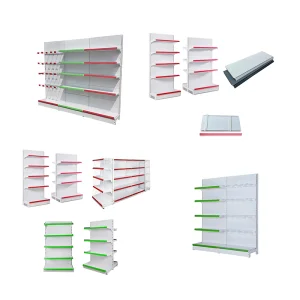
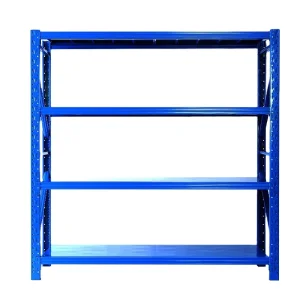
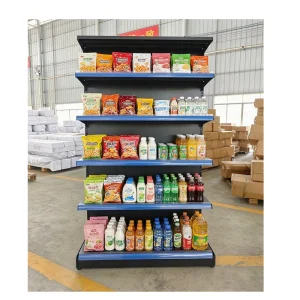
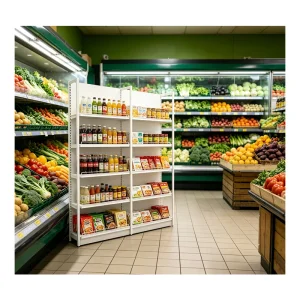
Versatile display and logistics storage designs built to support grocery, retail, and commercial operations.
 Guichang Rack