China Wholesale Mould Rack Factories & Exporter

High-Density Heavy-Duty Die & Mould Storage Solutions Integrated with Precision Manufacturing

2014
Established Year
38,000 m²
Production Area
$25M+
Annual Export (USD)
850+
Supply Chain Partners

Foshan Guichang: Industry-Leading Rack Engineering

Founded in 2014, Foshan Guichang Shelves Manufacturing Co., Ltd. is a leading manufacturer specializing in industrial warehouse storage systems, heavy-duty pallet racking, and custom shelving solutions. Backed by 12 years of deep industry experience and 8 years of international export expertise, we serve global logistics hubs, e-commerce fulfillment centers, third-party logistics (3PL) providers, and industrial equipment distributors across North America, Europe, Southeast Asia, and the Middle East.

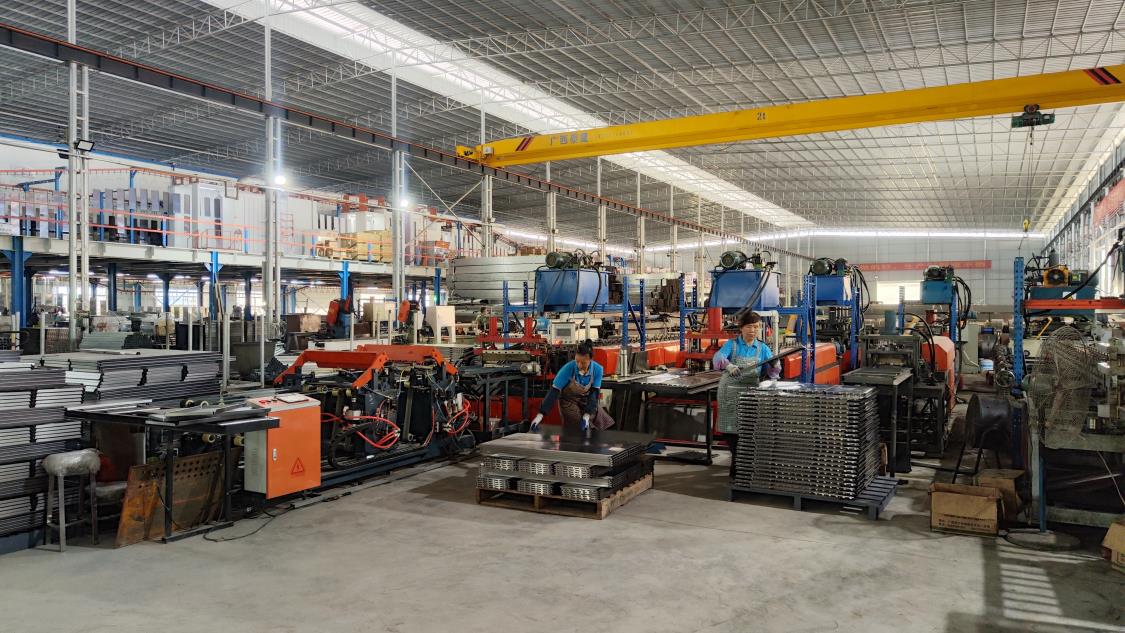
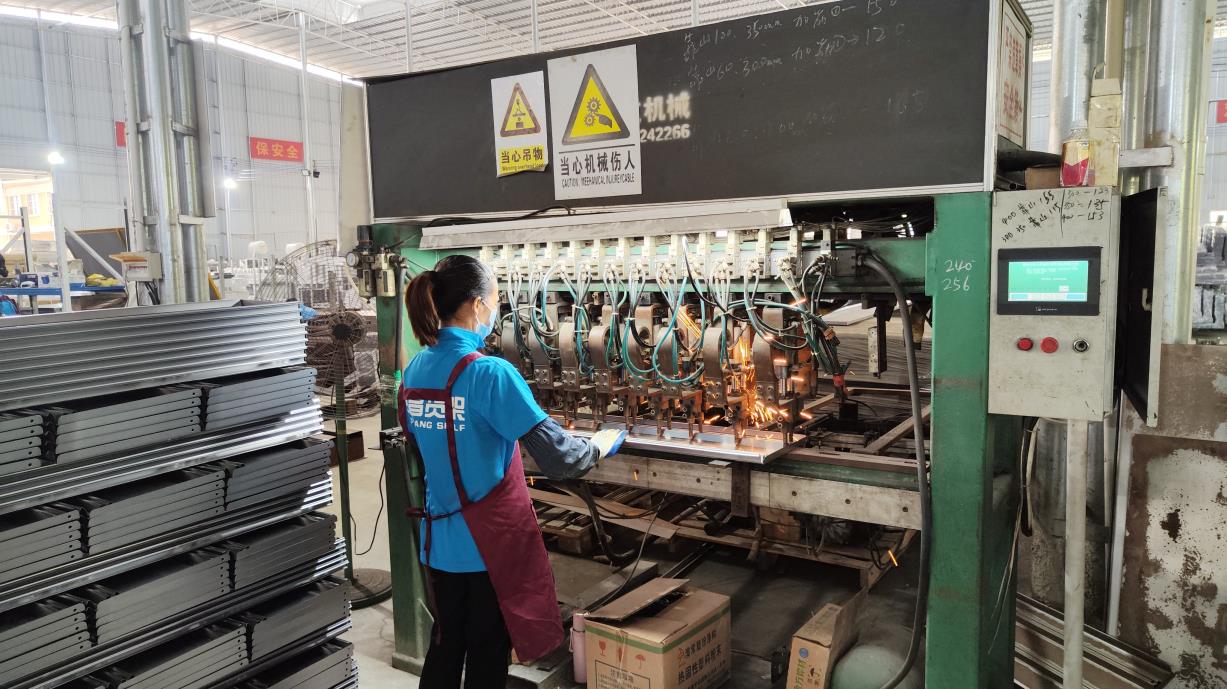
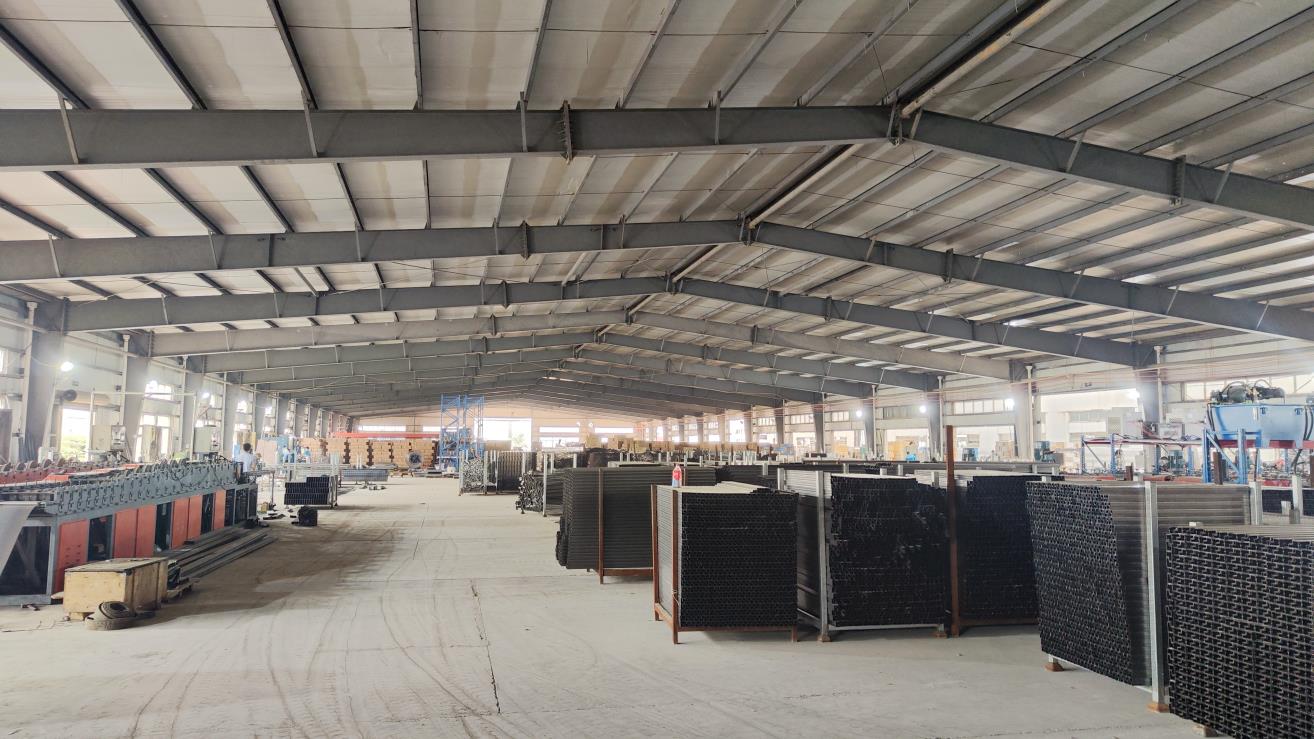
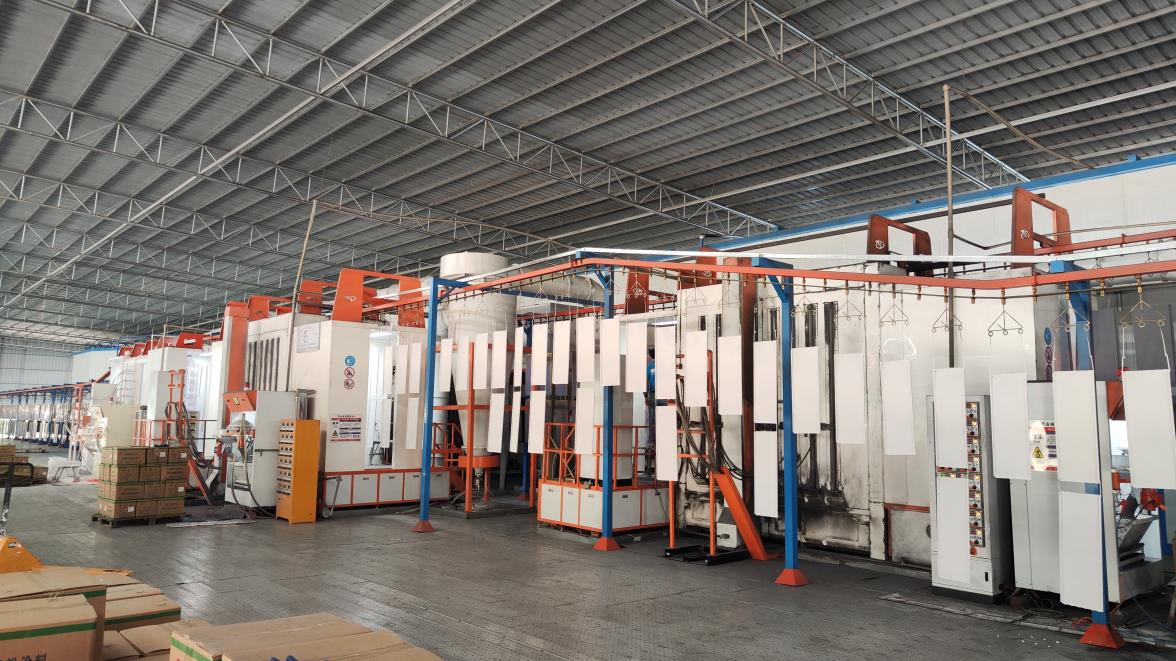
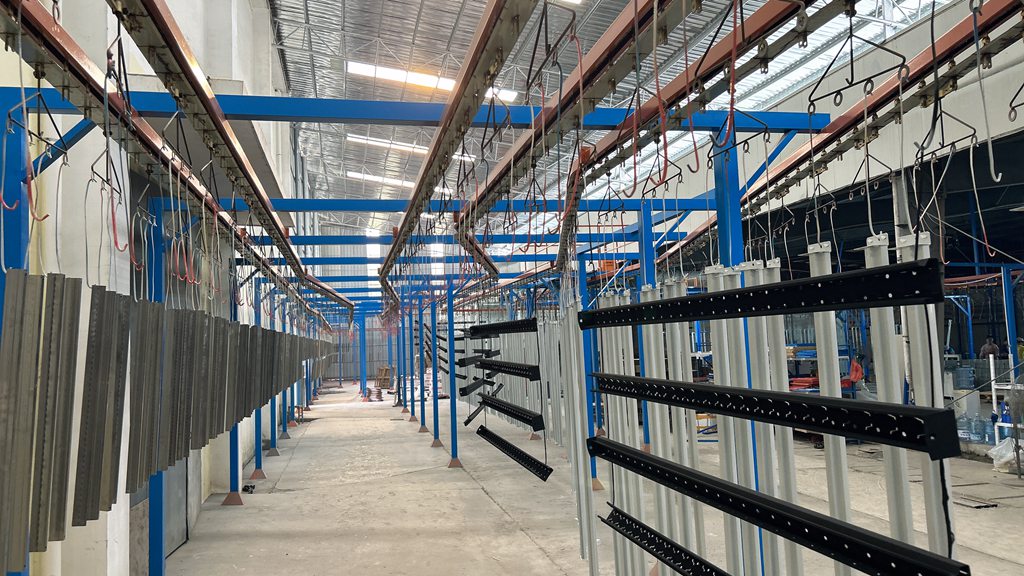
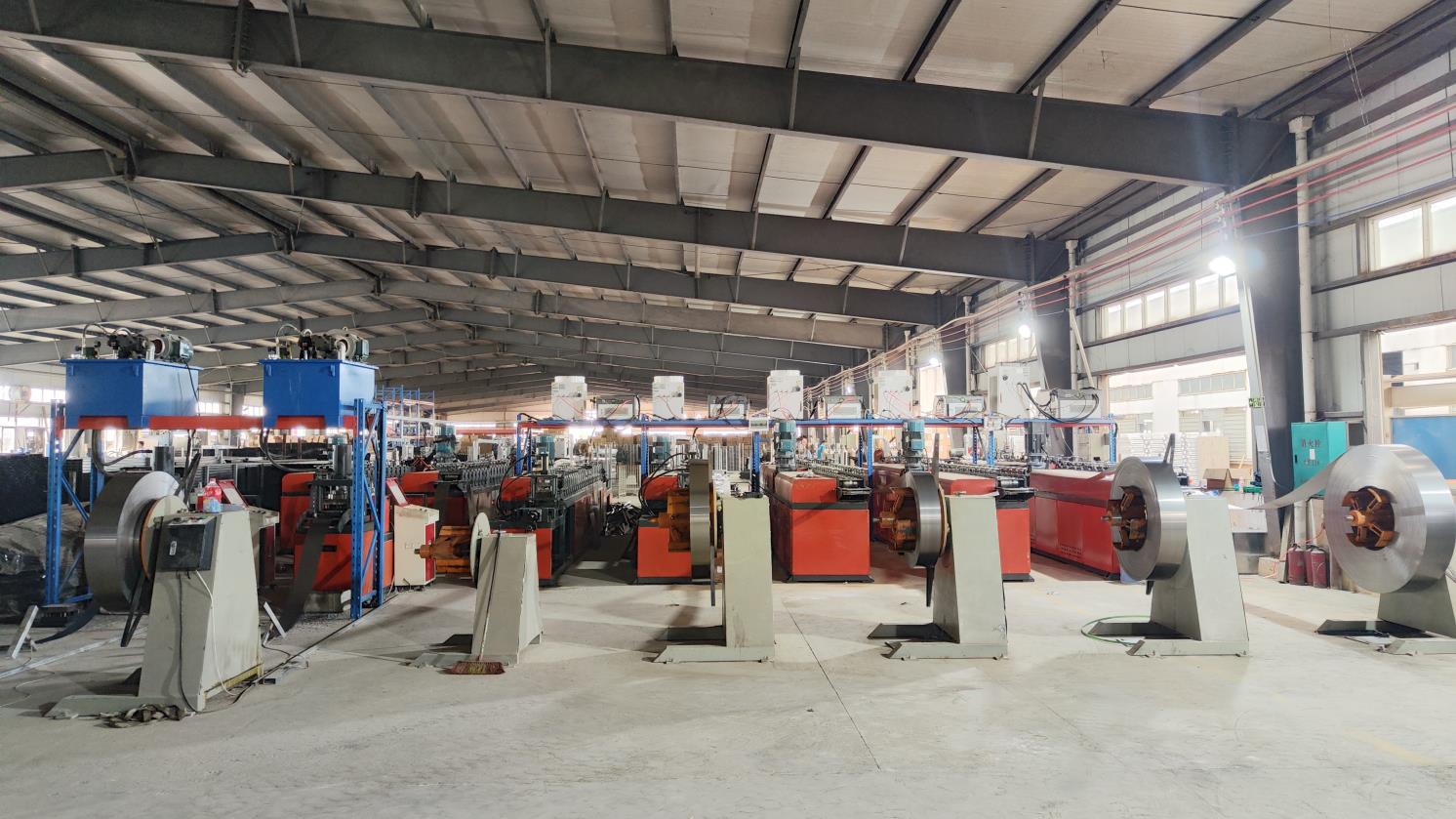
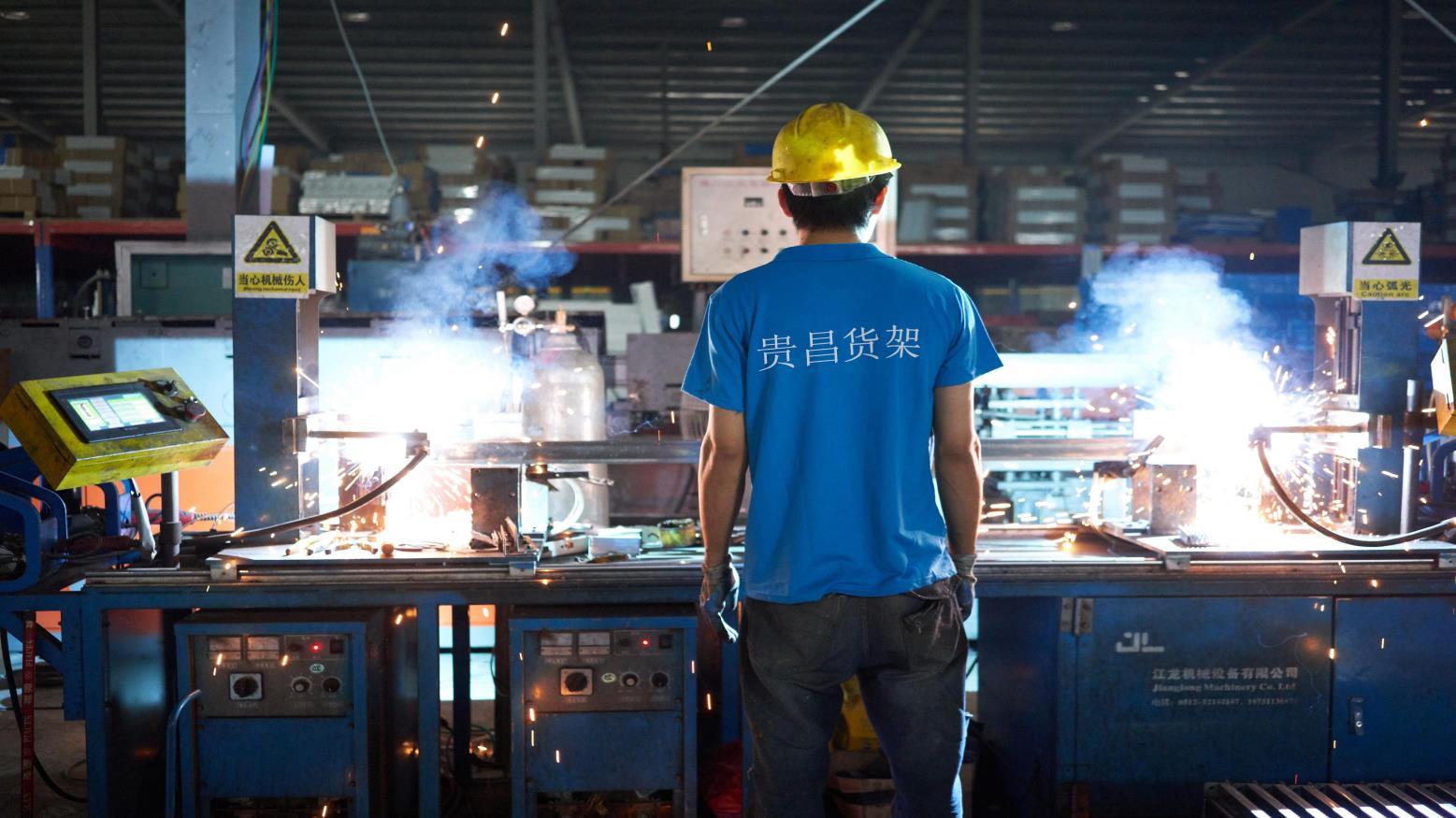
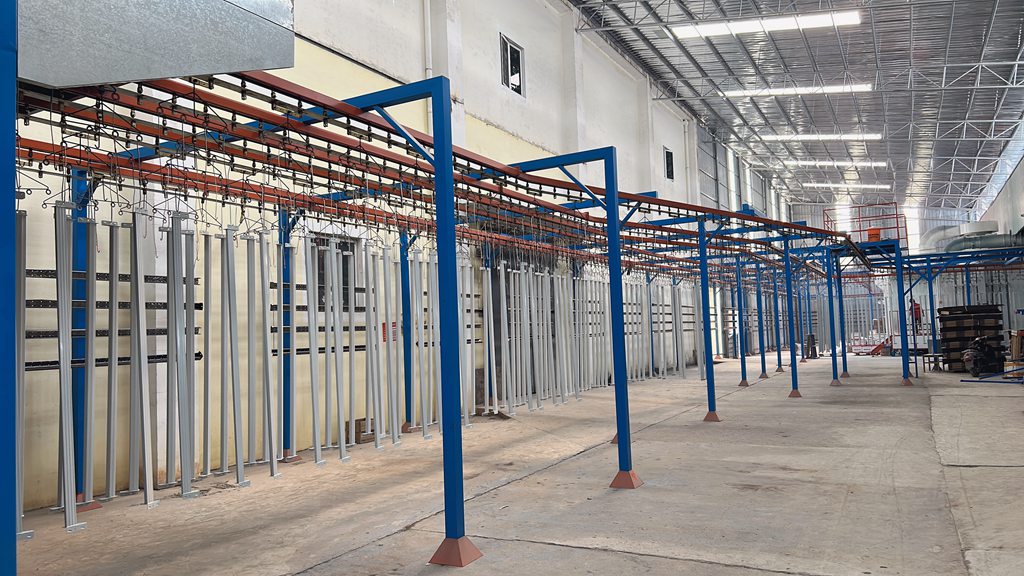
Operating out of a modern manufacturing facility covering 38,000 square meters, our direct factory infrastructure generates over $25 million USD in annual export revenue. Supported by a robust network of over 850 supply chain partners, we maintain full operational control over raw material sourcing, automated roll-forming, robot welding, and powder coating processes.

  • Precision Mechanical Integrity

    FEA (Finite Element Analysis) verification ensures stable structural geometry for molds weighing up to 3,000kg+ per deck.

  • Highly Automated Production

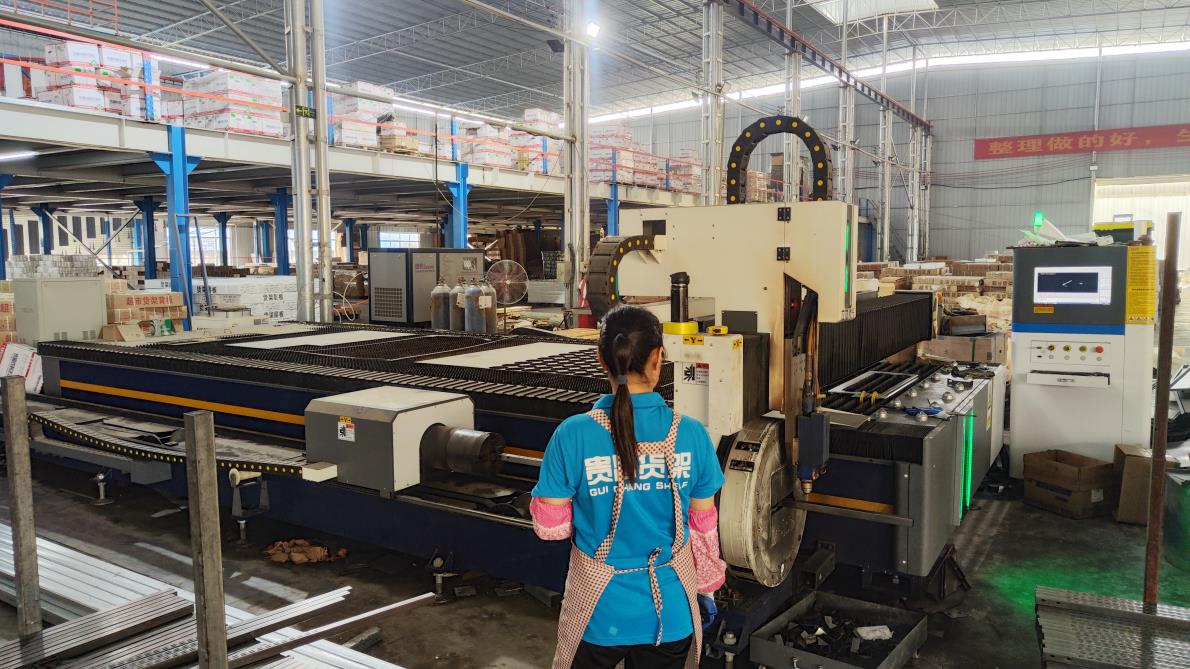
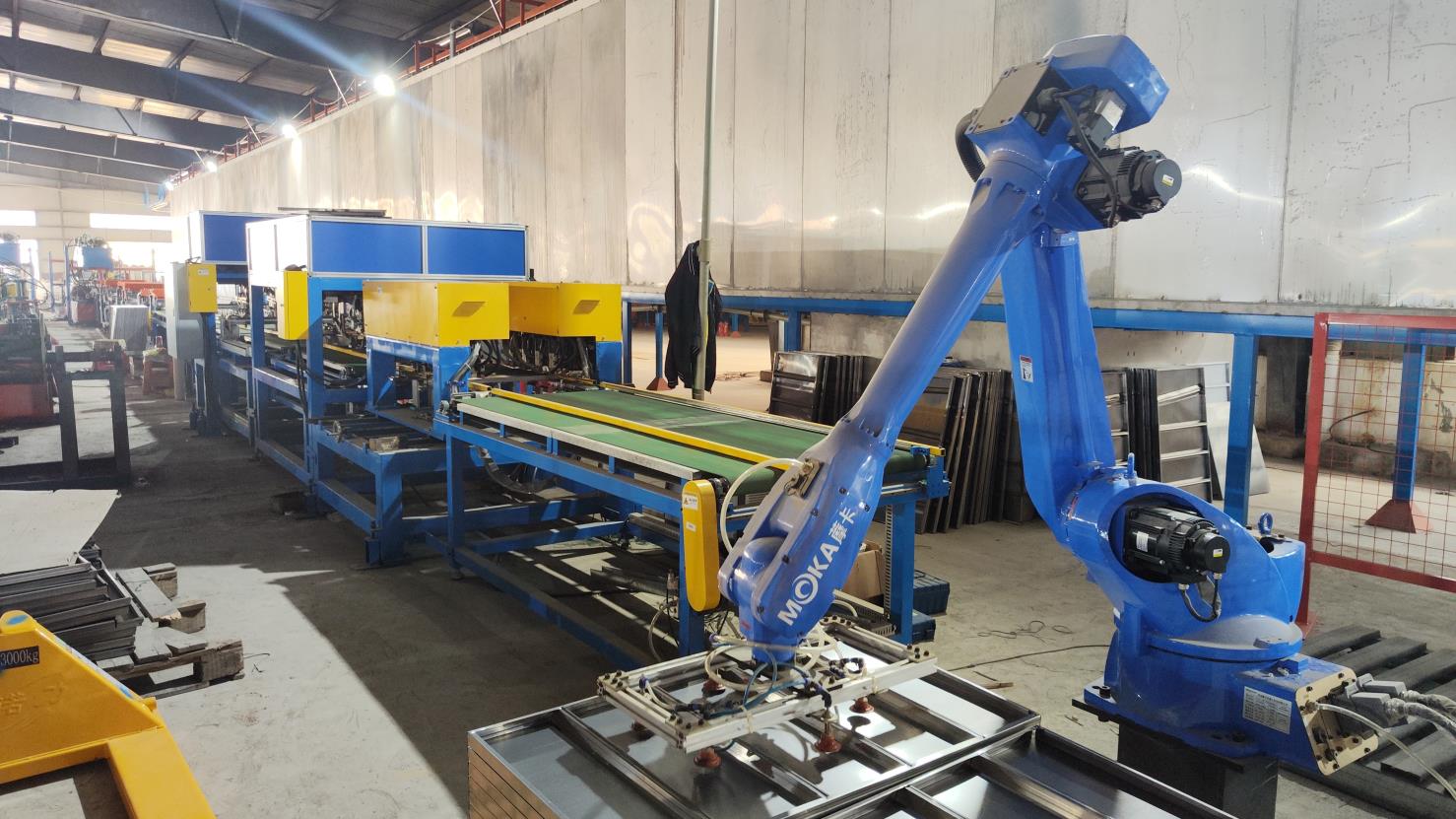
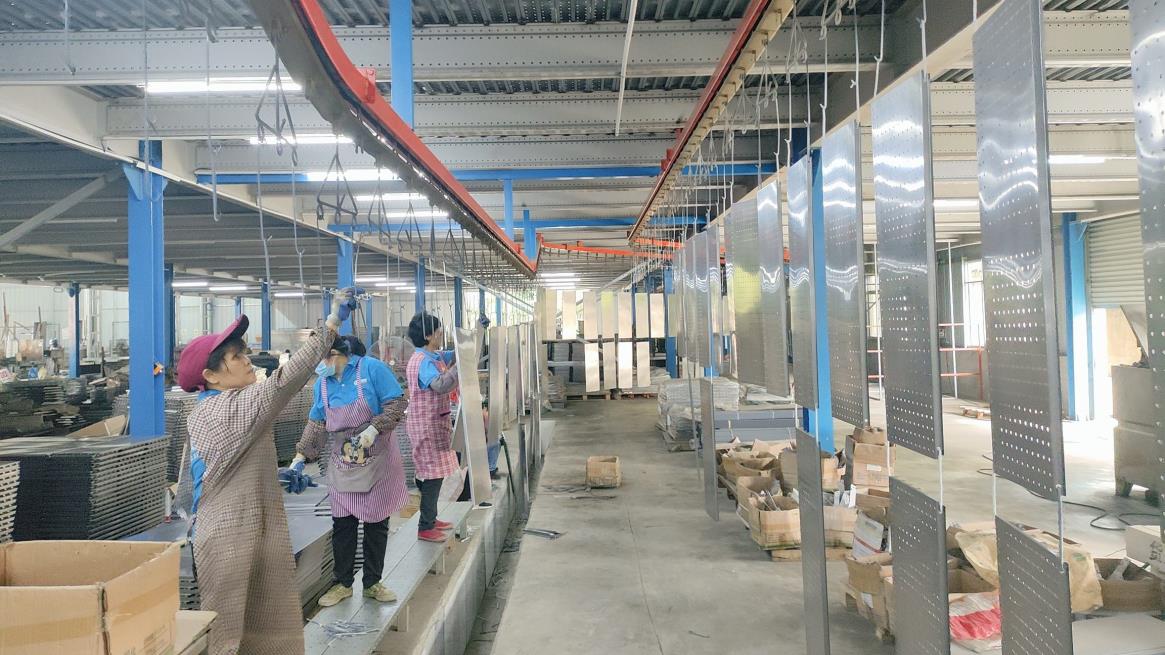
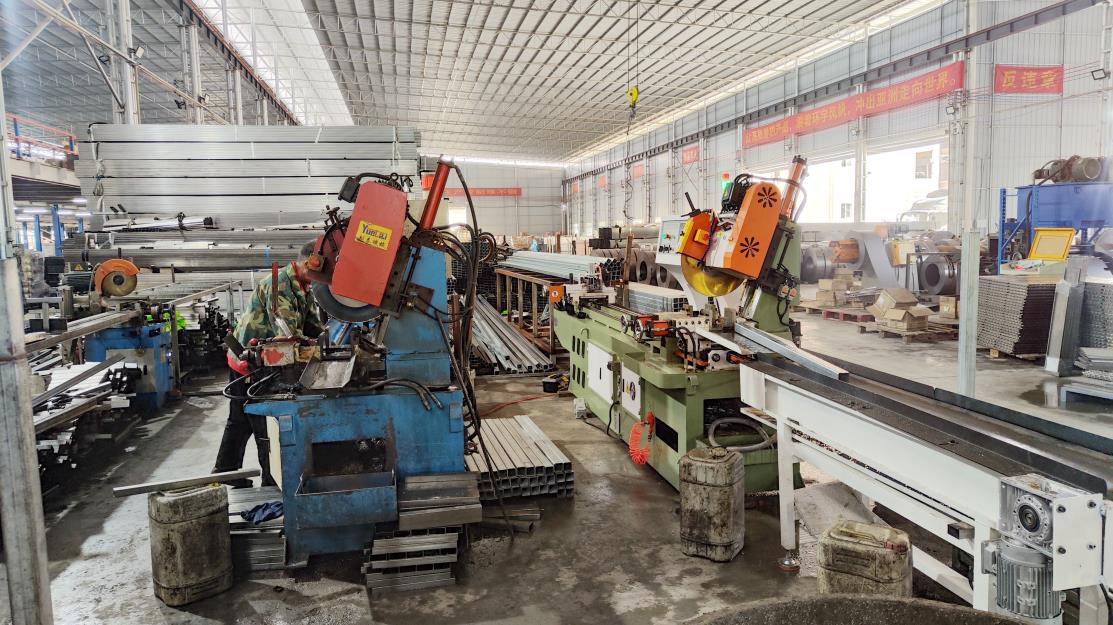
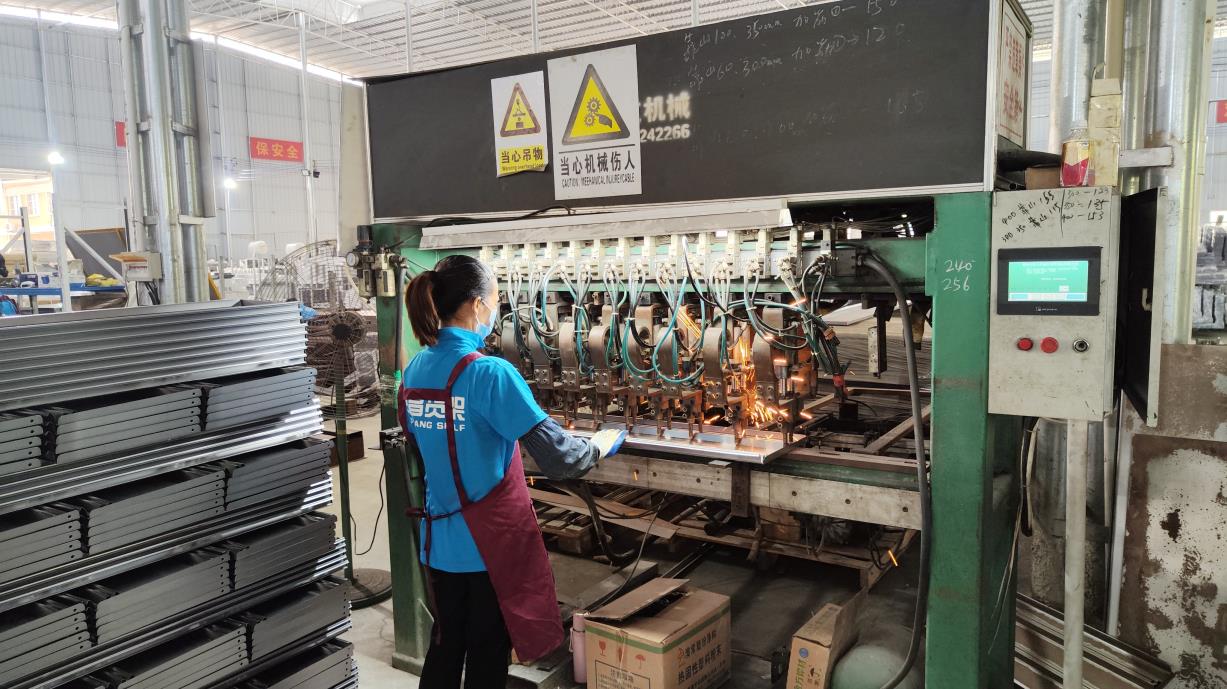
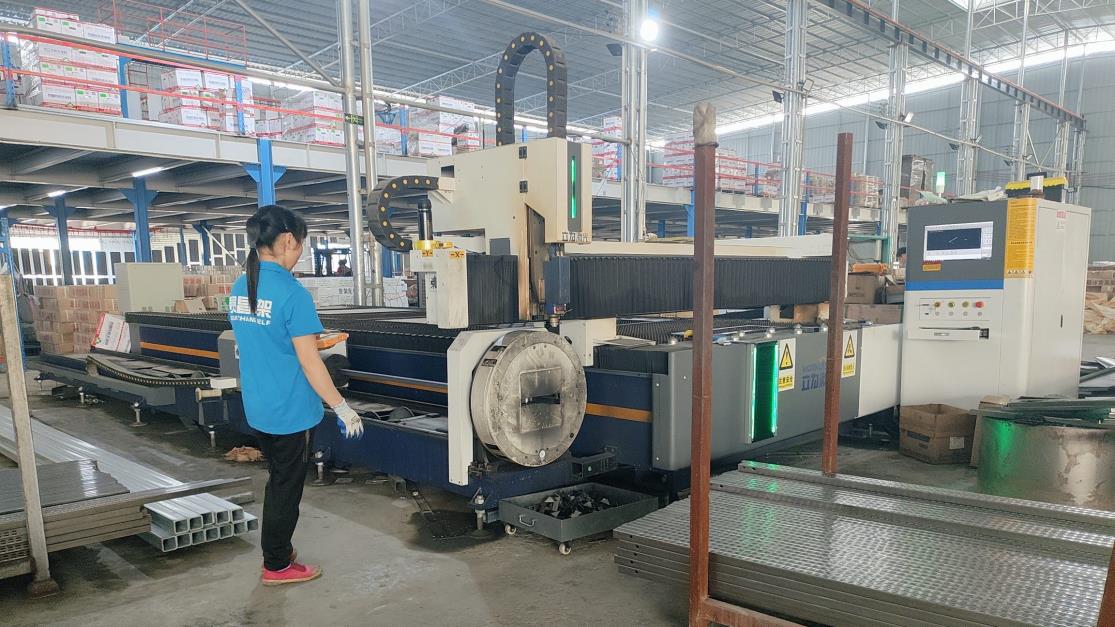
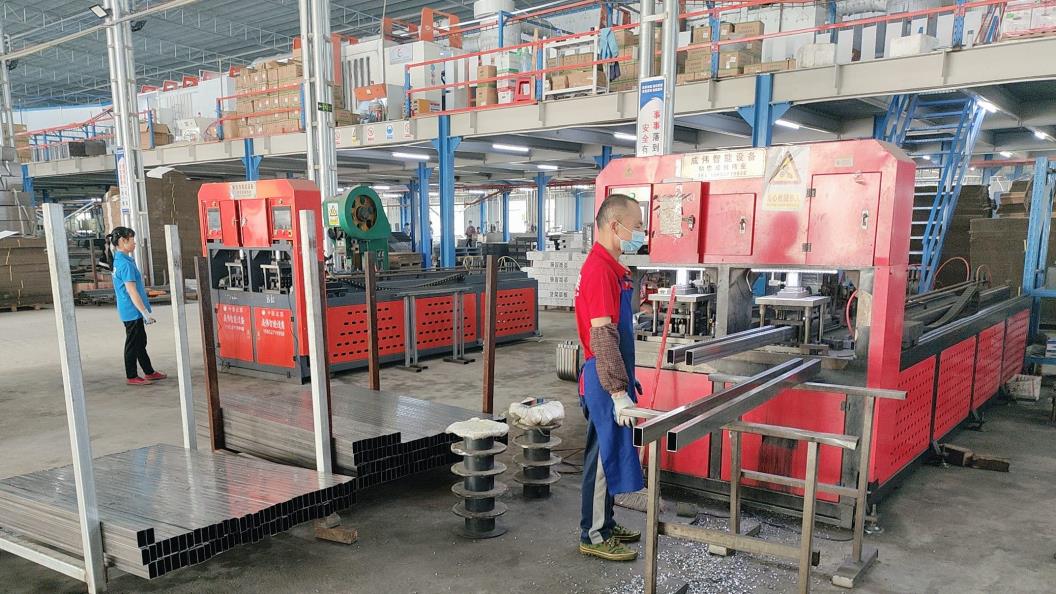
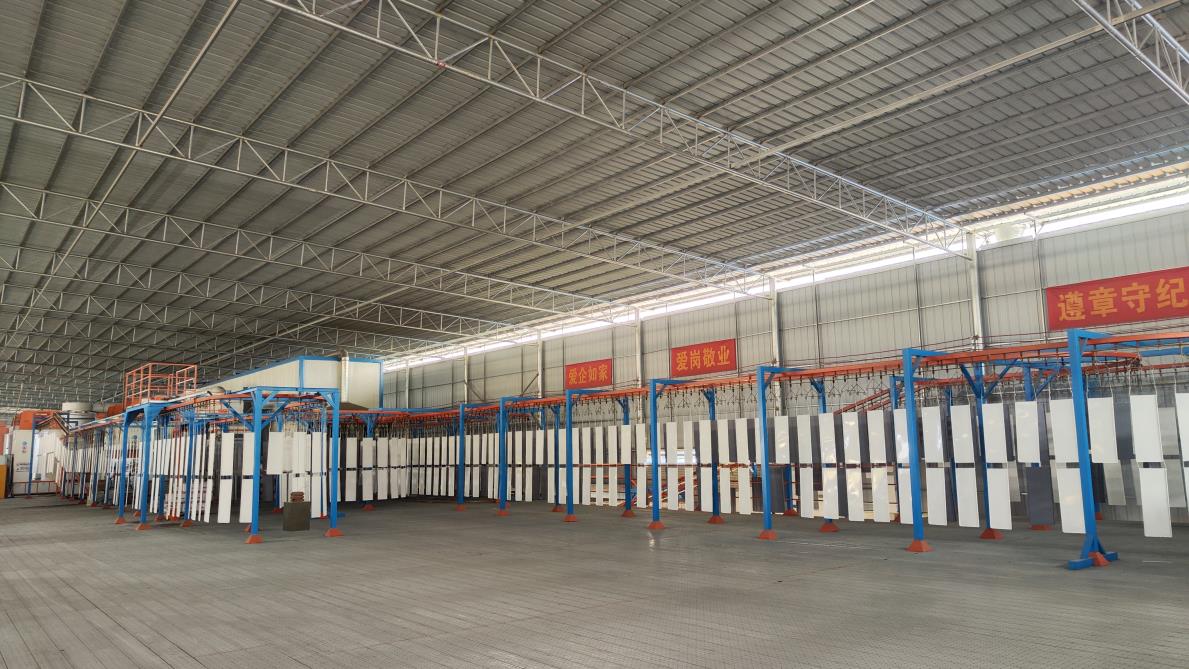
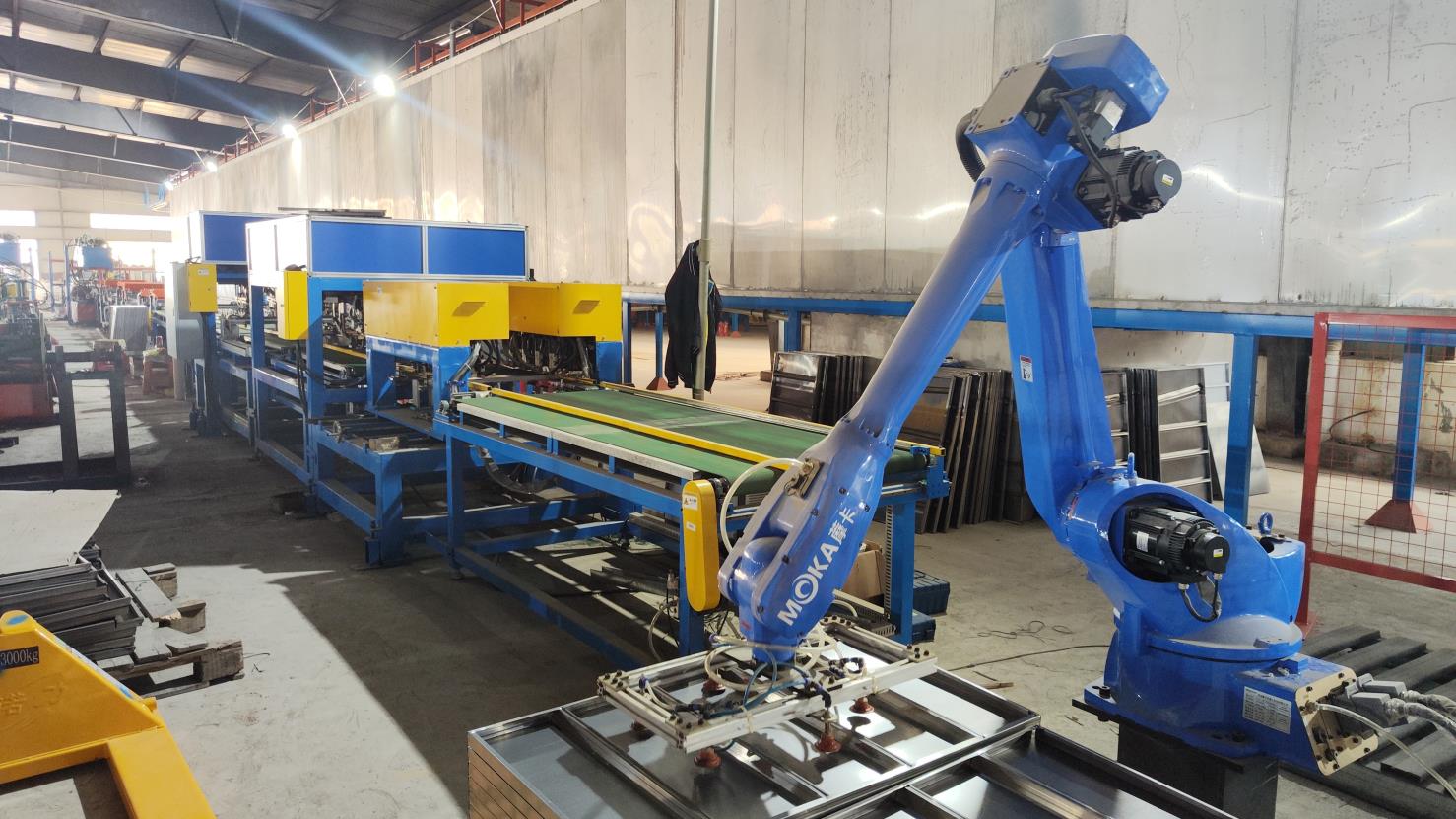
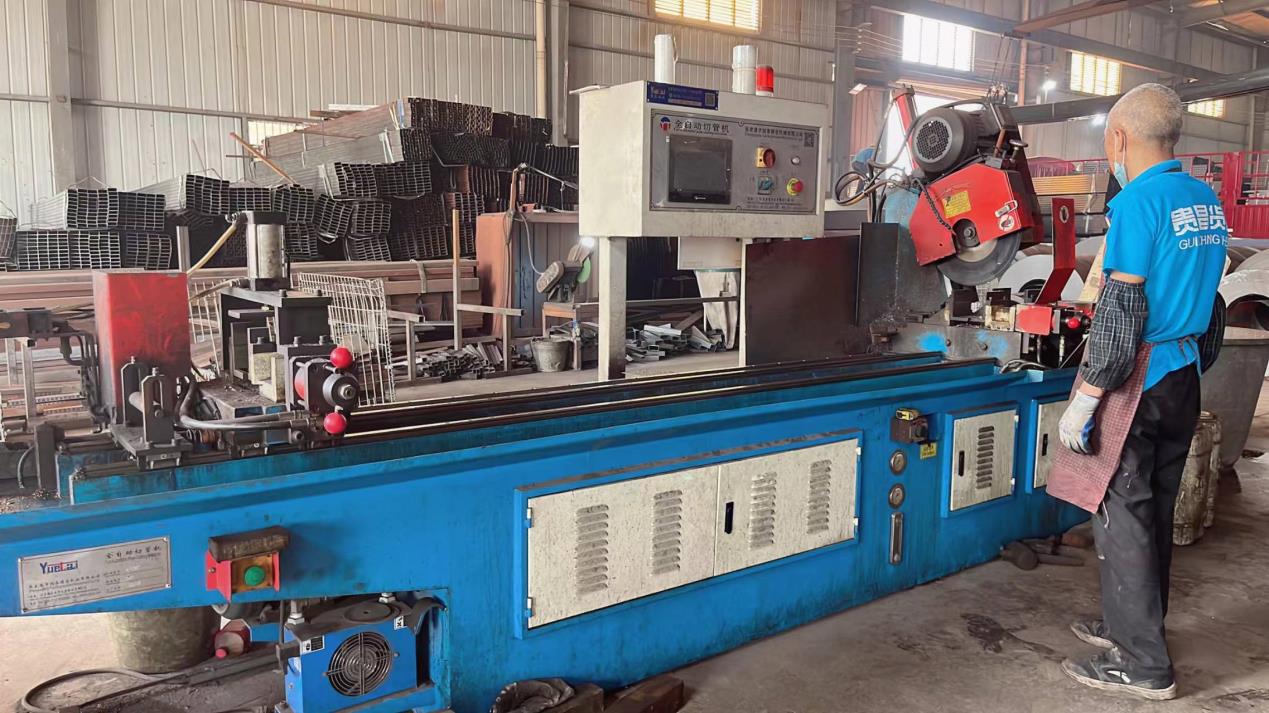
    From laser cutting and high-tolerance punch presses to multi-axis robotic welders and advanced powder-coating lines.

  • Rigorous Inspection Standard

    ISO9001 certified QA workflows spanning raw steel inspection to 150% maximum load static tests.

Deep Dive: Heavy-Duty Mould Storage and Rack Systems in Global Manufacturing

1. The Critical Role of Mould Storage in Modern Smart Factories

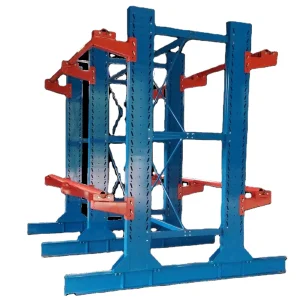
In modern plastic injection moulding, metal stamping, and casting industries, dies and moulds represent some of the most critical capital investments. Improper storage not only results in spatial inefficiencies but also exposes these high-precision tools to corrosion, physical damage, and alignment displacement. Mold racks (also known as drawer racks, mold shelf systems, or die storage racks) are engineered structures designed to optimize safety and vertical density.

Historically, heavy molds were stored on factory floors or basic warehouse shelves, resulting in high hazard rates and prolonged tooling setup times. Today's lean manufacturing paradigms, such as Six Sigma and 5S, demand organized, high-density shelving solutions. Mold racks incorporate sliding shelves (drawers) configured with safety locks and mechanical rollers. This allows heavy machinery cranes and forklift systems to access high-value tooling assets rapidly, safely, and with zero impact damage.

2. Why Global Buyers Source Heavy-Duty Die Racks from Chinese Factories

China has established an unrivaled global dominance in the industrial racking and storage market. This competitive moat is built upon:

  • Direct Access to High-Grade Steel (Q235 & Q345): China is the largest global producer of structural carbon steel. Factories in Guangdong and Jiangsu provinces source high-yield-point steel sheets, profiles, and tubes directly from national steel mills, ensuring material traceability and uniform mechanical properties.
  • Advanced R&D and Customization Cadence: As demonstrated by Foshan Guichang's team of 18 senior mechanical engineers, Chinese manufacturers leverage advanced CAD layout drafting and Finite Element Analysis (FEA) to simulate localized seismic activities and dynamic weight load impacts. This allows for rapid OEM/ODM design pivots.
  • Advanced Process Control: Automated roll-forming systems, laser-cut vertical columns, robotic welding arrays, and electro-static powder-coating systems guarantee that rack assemblies remain perfectly parallel, resisting structural deformation and atmospheric corrosion over long life cycles.

3. Global Applications of Mould Racking Systems

Mould racks are vital utility systems across various fast-paced industrial sectors globally:

  • Automotive Stamping & Body Assembly: Stamping dies for vehicle doors, hoods, and chassis are extremely heavy (often exceeding 3,000kg). Heavy-duty drawer-style racks, configured with heavy-duty overhead hoists or crane assemblies, facilitate safe storage and fast die-change routines.
  • Plastic Injection Moulding Facilities: High-precision injection molds for consumer electronics, packaging, and household appliances require dust-proof, moisture-controlled environments. Sliding drawers allow operators to pull out specific molds for inspection and maintenance safely.
  • Aerospace & High-Speed Rail Components: Advanced manufacturing hubs require customized structural shelving systems capable of holding lengthy, complex tooling profiles without structural flexing.

4. Technical Guide to Industrial Racking Selection and Purchasing

When procurement managers look to source heavy-duty racks, they should prioritize several key variables:

  1. Dynamic vs. Static Load Ratings: Ensure the manufacturer provides certified load charts. A typical heavy-duty drawer mold rack must safely handle 1,000kg to 3,000kg per shelf level under dynamic sliding conditions.
  2. Safety Locking Mechanisms: Each drawer must feature an independent mechanical lock. This prevents multiple shelves from sliding open simultaneously, which could offset the rack's center of gravity and cause tip-overs.
  3. Overhead Crane Integration: Racks designed for heavy molds should feature structural mountings for integrated manual or electric monorail hoists, simplifying loading and unloading.
  4. Anchor Systems & Seismic Stability: Quality racks require heavy-duty floor plates anchored via chemical or expansion bolts to the concrete slab to absorb ground vibration and lateral forces.

Quality Control & Inspection Standard

Our quality management system is fully ISO9001 certified, backed by a dedicated team of 28 QC specialists. Every order undergoes rigorous four-stage quality inspections:

Raw Material Testing

Spectrographic steel composition analysis and tensile strength verification on every batch of structural steel.

In-Process Inspection

Automated online weld seam ultrasonic flaw detection and precise physical dimension verification.

Surface Coating Inspection

Salt spray corrosion testing and digital coating thickness measurement to ensure extreme long-term resistance.

Finished Product Testing

3D laser structural alignment and real-scenario 150% maximum load endurance testing to confirm safety margins before dispatch.

R&D and Customization Capabilities

With an in-house engineering team of 18 senior structural and mechanical engineers, Foshan Guichang delivers advanced R&D capabilities, including FEA (Finite Element Analysis) load simulations, custom CAD layout drafting, and structural optimization.

We offer complete end-to-end OEM and ODM customization services—tailoring load capacities, dimensions, column profiles, surface finishes, and color schemes to meet specific regional building codes and warehouse operational demands. Driven by continuous innovation, our R&D team launched 45 new modular racking and automation-compatible product designs last year alone.

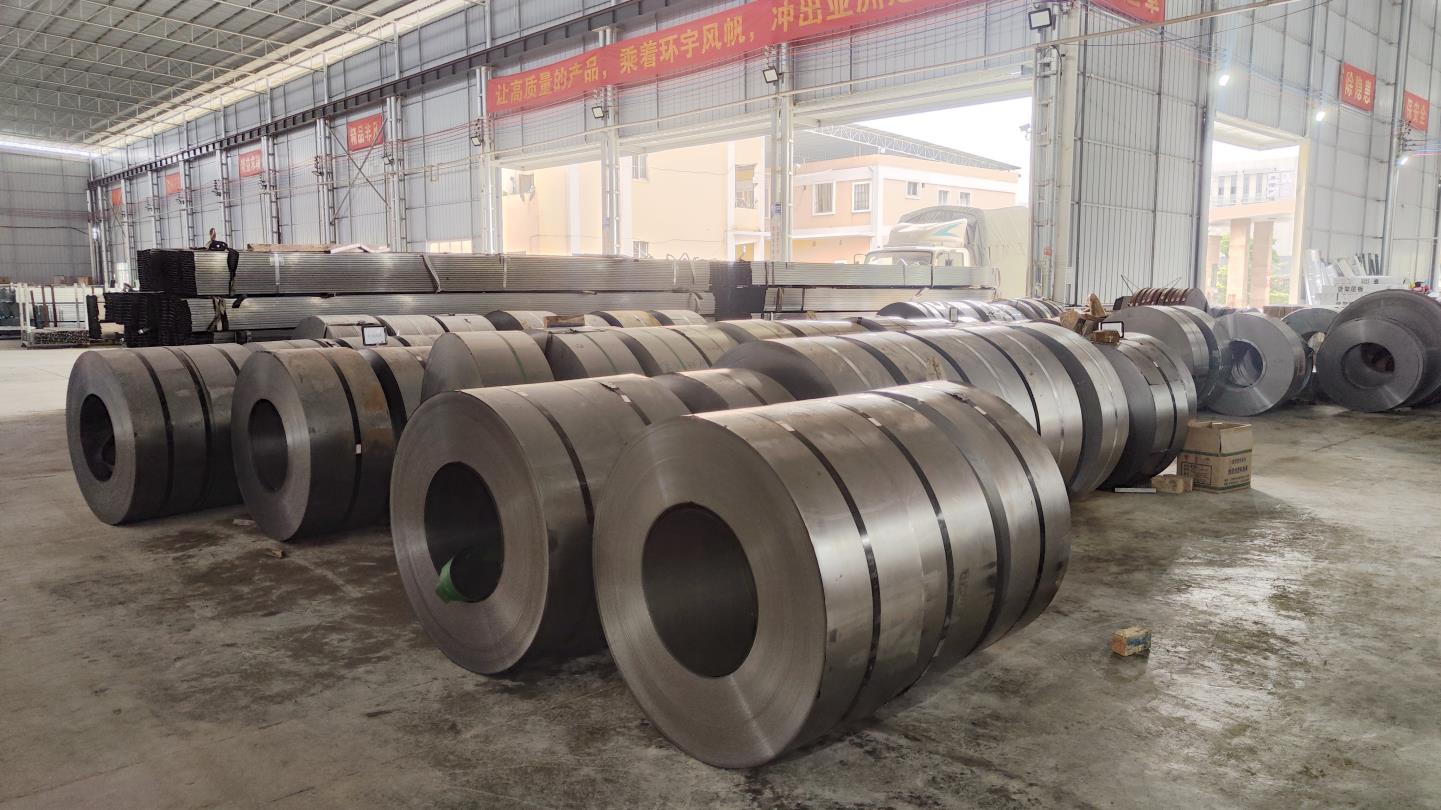
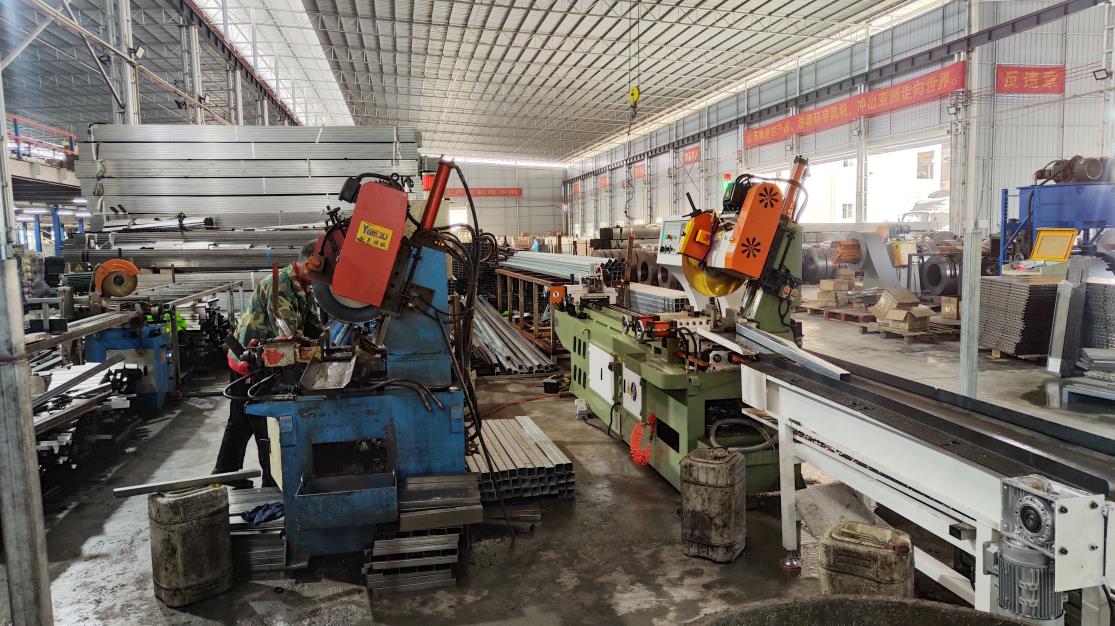
Smart Manufacturing & Facilities Showcase

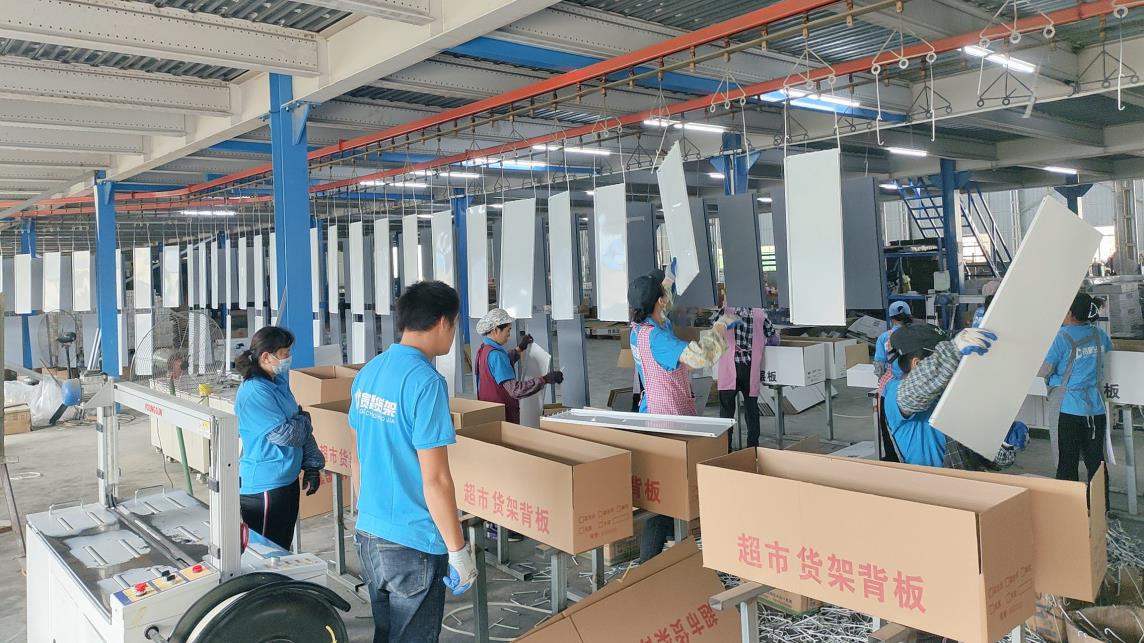
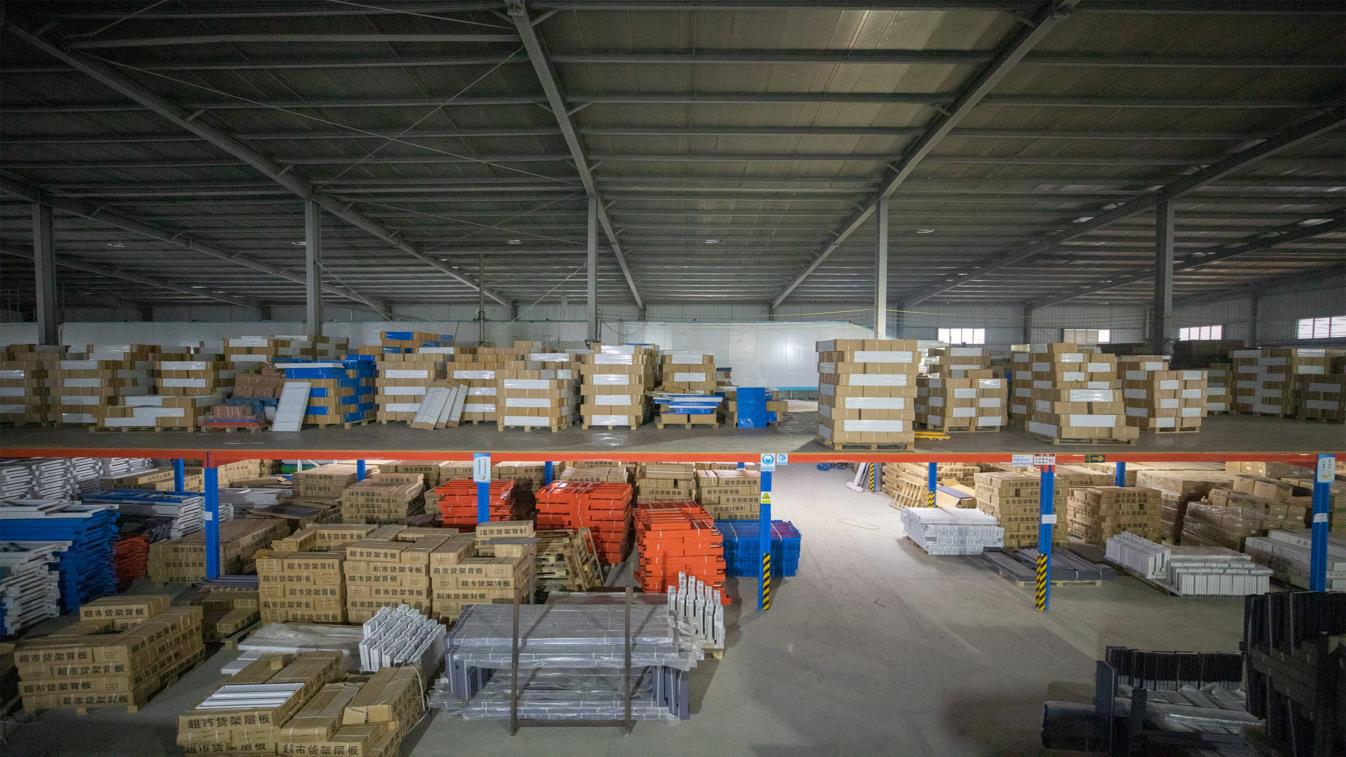
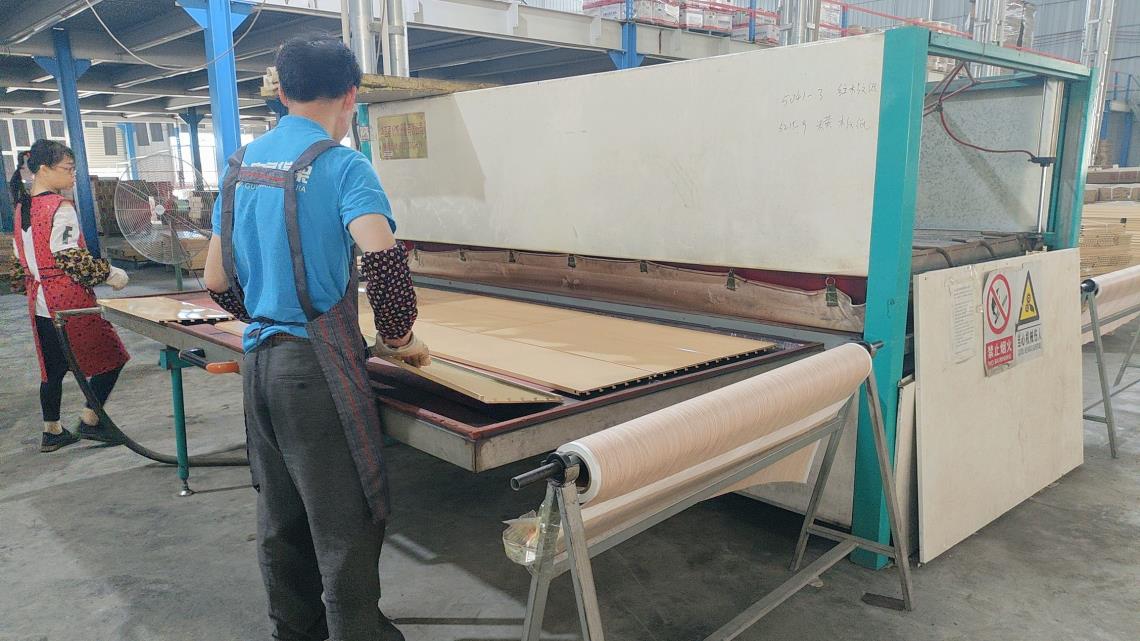
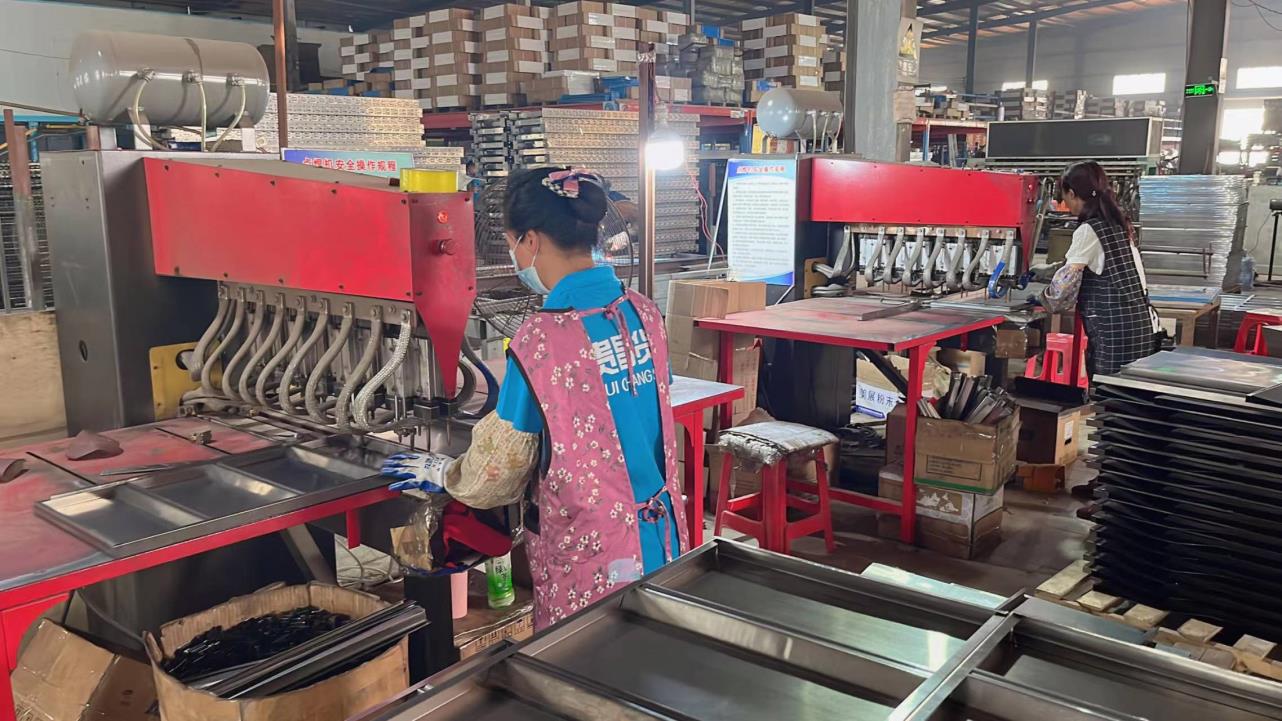
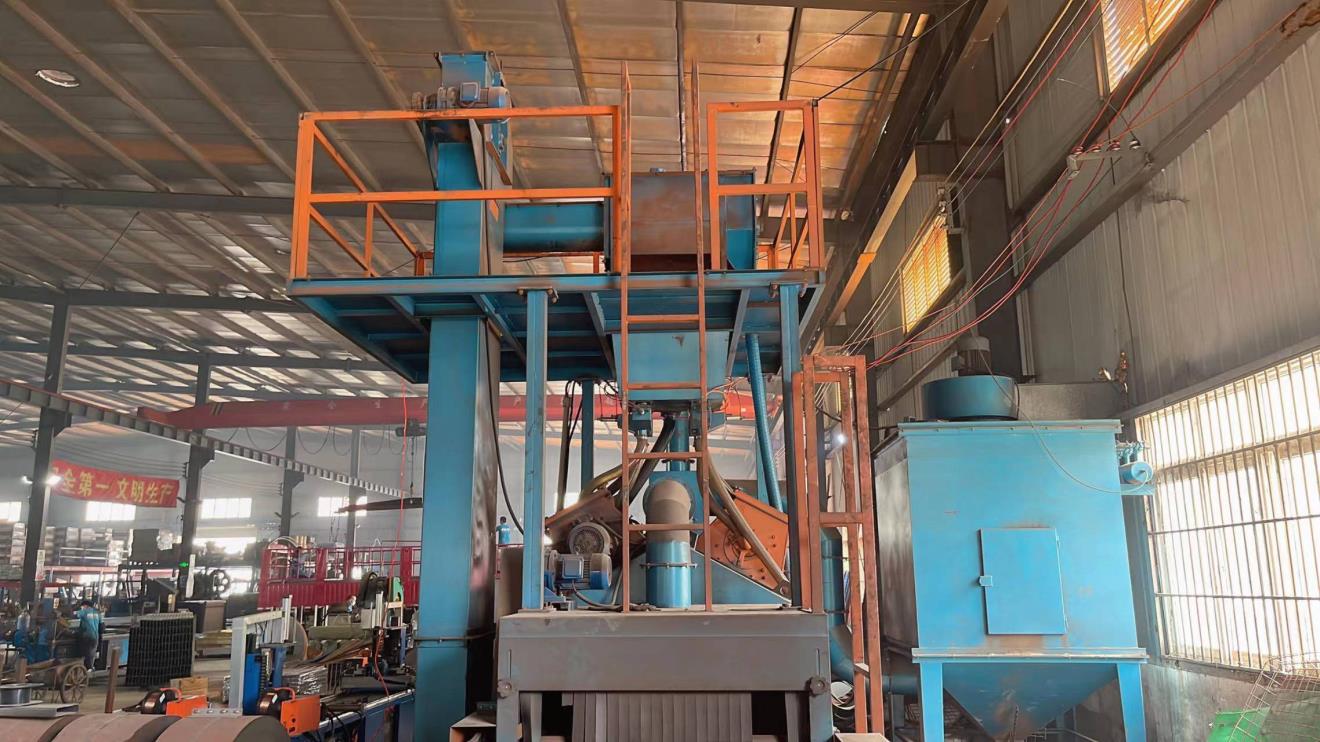
Take a look inside our 38,000 m² state-of-the-art manufacturing plant. Witness our advanced heavy-duty tooling, machinery, and strict processing stages.
Expert Q&A: Industrial Mould Racking Systems

In-depth responses to critical design, safety, and logistical queries frequently raised by manufacturing facility managers.

What are the core structural parameters that differentiate a mould rack from a standard pallet rack?
Mould racks must support high, highly concentrated point loads rather than distributed pallets. They feature dynamic rollers, heavy-duty drawer slides, and automatic locks. Standard pallet racks rely on static crossbeams, whereas mould racks use horizontal structural drawers, structural steel pins, and custom guidance tracks to prevent tip-overs.
How does Foshan Guichang ensure the structural integrity of custom mold drawer capacities of 3,000kg+?
We use high-tensile Q235B or Q345B steel uprights and frames. Our structural design undergoes Finite Element Analysis (FEA) testing under maximum load limits. All robotic welding runs undergo ultrasonic inspection, and prototype designs must pass static load testing to 150% of nominal capacity without exceeding permanent deflection thresholds.
What safety mechanisms are integrated into your heavy-duty drawer-style mould shelves?
Our systems include a mechanical interlocking safety mechanism. This restricts operators to pulling out only one drawer level at a time, protecting the system's structural center of gravity. Additionally, heavy-duty manual structural pins lock each drawer when fully closed or fully extended.
Can you customize configurations for factories in seismic zones?
Yes. Our R&D team configures upright baseplate structures, anchor setups, cross bracing, and structural steel thicknesses to comply with regional seismic requirements (such as AS4084 or RMI standards), ensuring safe operation in high-seismicity areas.
How is shipping and containerization handled for heavy, high-volume racks?
Components are packaged as modular knock-down configurations. Structural columns are bundled, while drawer assemblies, rollers, and mechanical hardware are crated in high-strength wooden boxes. This maximizes container cube utilization and protects paint and mechanical assemblies from salt spray rust during sea transit.
What surface finish protocols do you apply to protect industrial racks from harsh chemical environments?
We apply a multi-stage pre-treatment wash (pickling and phosphating) followed by an electrostatic thermo-hardened epoxy powder coating. The resulting surface coating undergoes digital thickness inspections and salt spray test sweeps to confirm scratch resistance, impact durability, and corrosion protection.