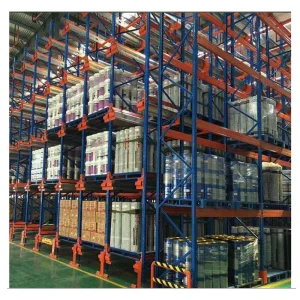
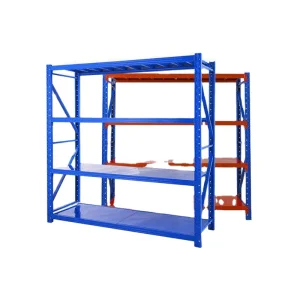
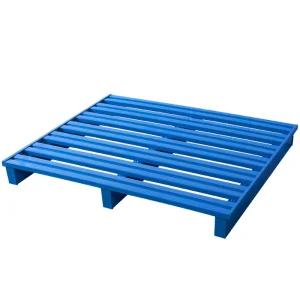
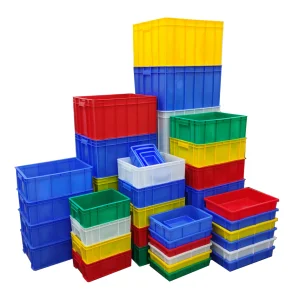
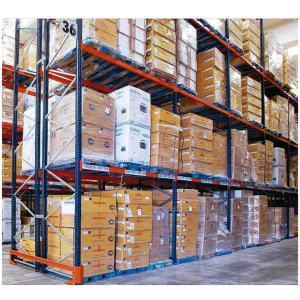
Explore our premium range of heavy-duty racking, customizable wire/metal pallets, and space-saving container systems engineered for peak performance.
In the modern era of automated logistics, smart warehousing, and high-density material handling, the humble stackable container has transformed from a basic utility into a highly engineered strategic asset. Across global supply chains, from high-throughput retail fulfillment networks in North America to precision automotive assembly plants in Europe and agricultural processing centers in Southeast Asia, industrial stackable containers serve as the backbone of material handling efficiency.
The contemporary warehouse is no longer just about horizontal square footage; it is defined by vertical volume optimization. According to recent industrial real estate studies, warehouse leasing costs have climbed by an average of 18% globally over the last three years. This shift forces third-party logistics (3PL) providers and manufacturing hubs to adopt space-saving techniques. Metal and plastic stackable containers resolve this challenge by allowing stable vertical columns to reach heights of six units or more without the need for dedicated structural pallet racking, effectively quadrupling the storage density of floor footprints.
Moreover, the integration of automation (AGVs and AS/RS systems) requires stackable systems to be manufactured with strict dimensional tolerances. A deformation of just 2mm can lead to system errors in robotic grabbers. As a result, global enterprises are turning away from low-spec regional fabricators in favor of tier-1 manufacturers who combine automated production processes with comprehensive testing parameters.
Founded in 2014, Foshan Guichang Shelves Manufacturing Co., Ltd. combines advanced manufacturing facilities with deep engineering expertise to deliver robust storage solutions.
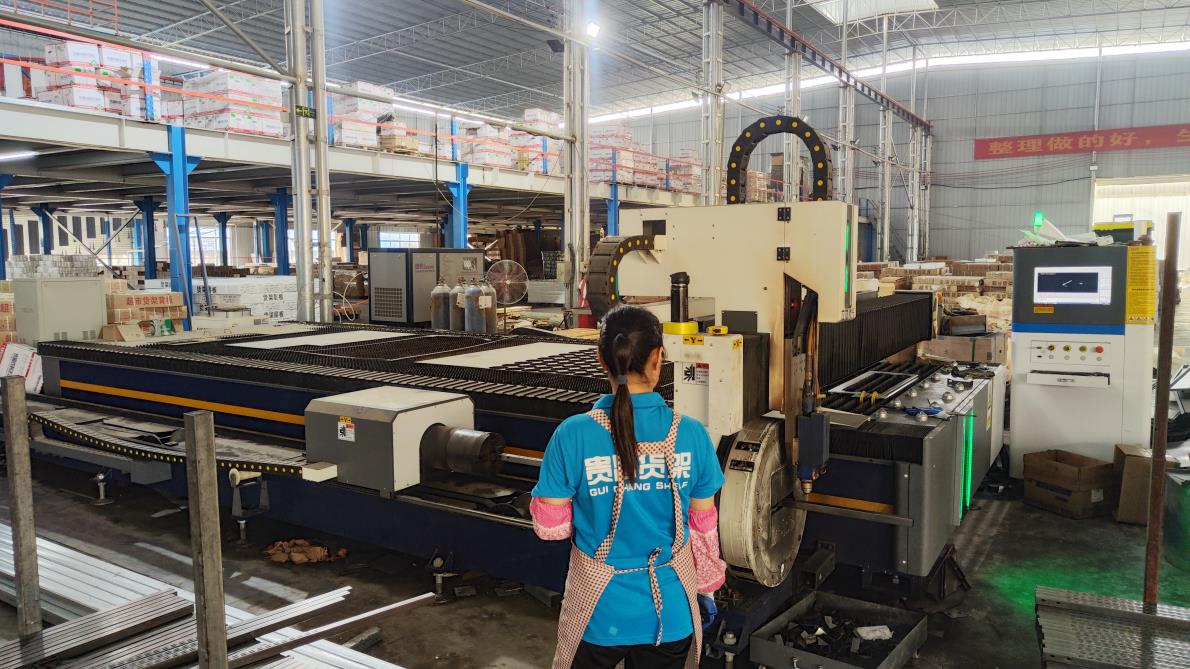
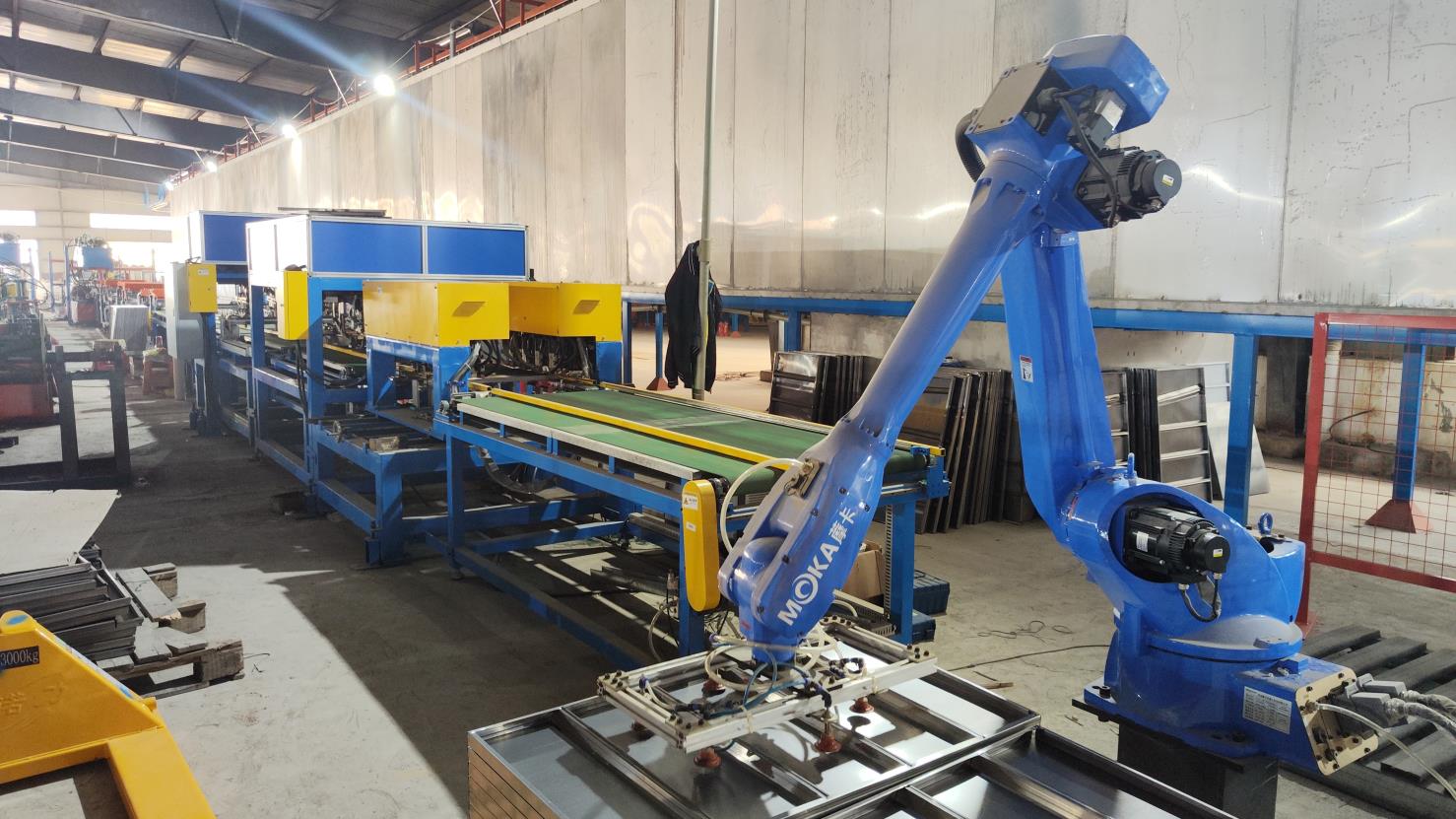
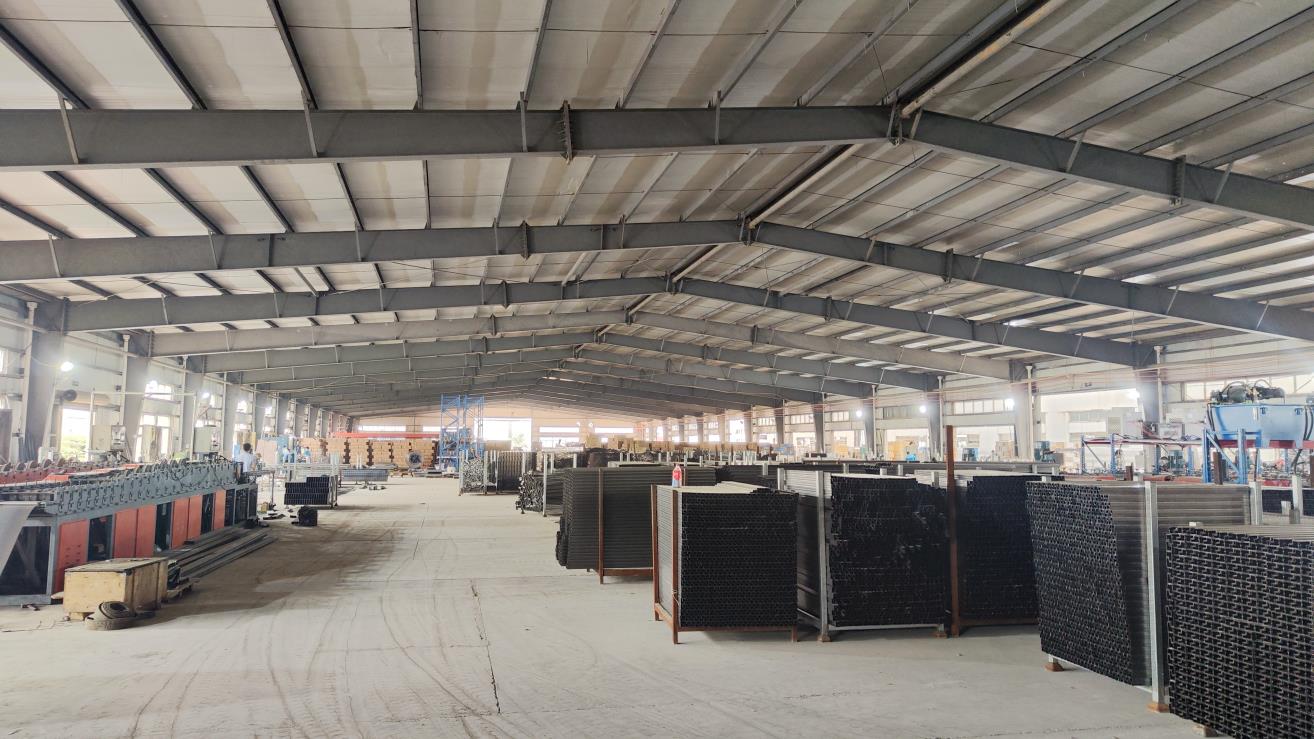
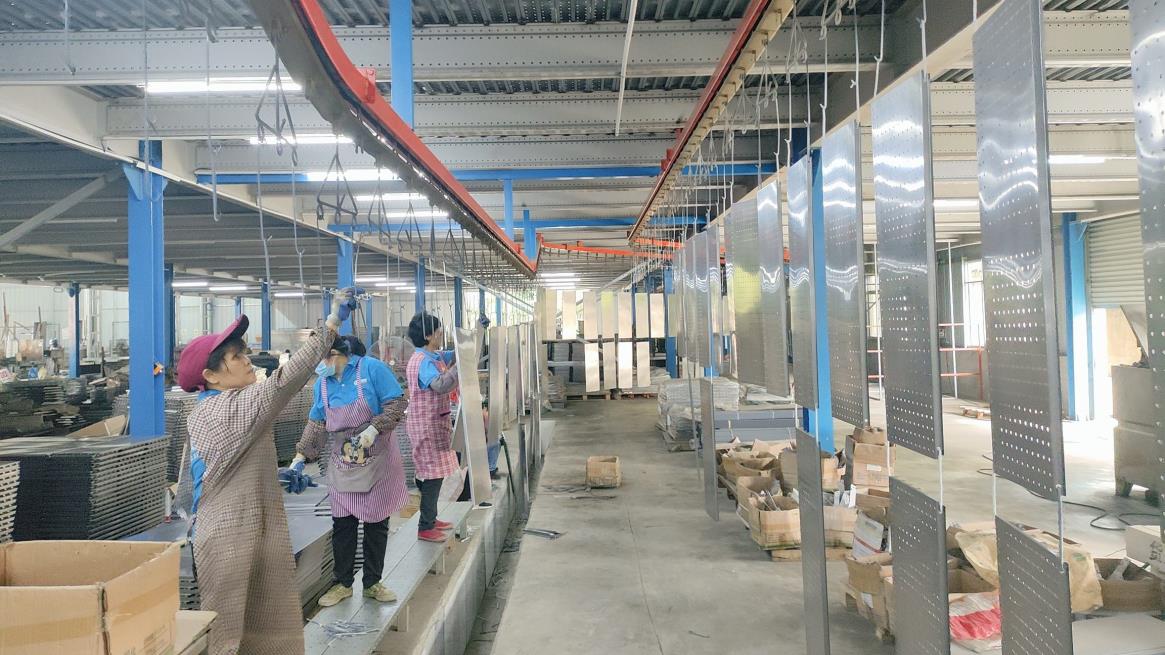
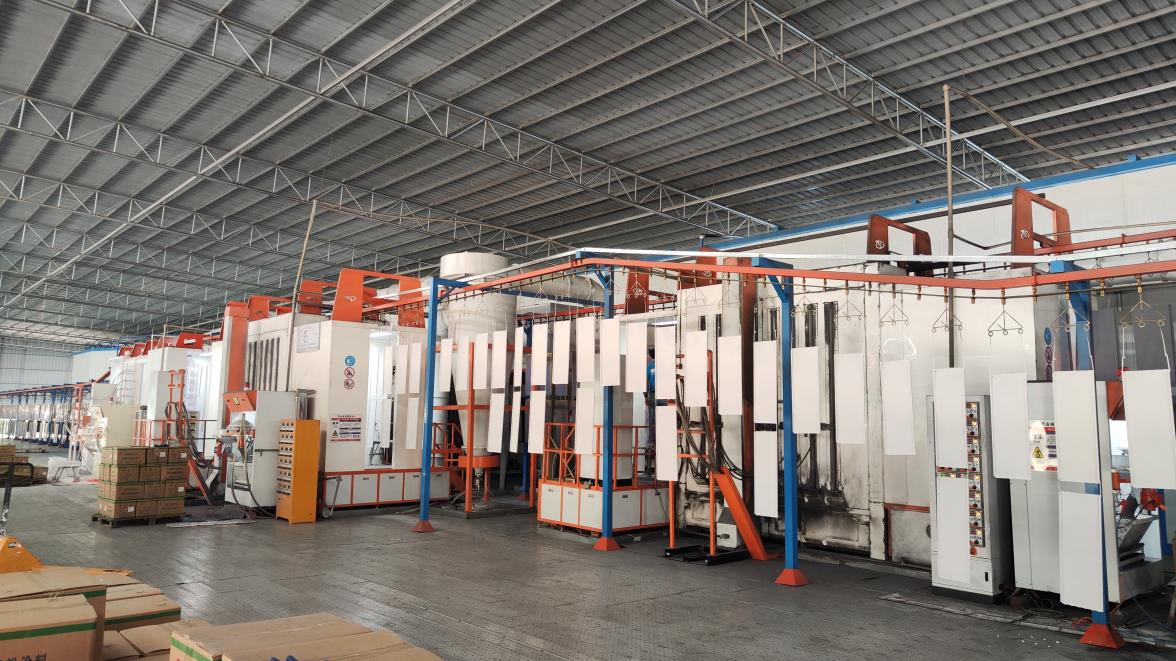
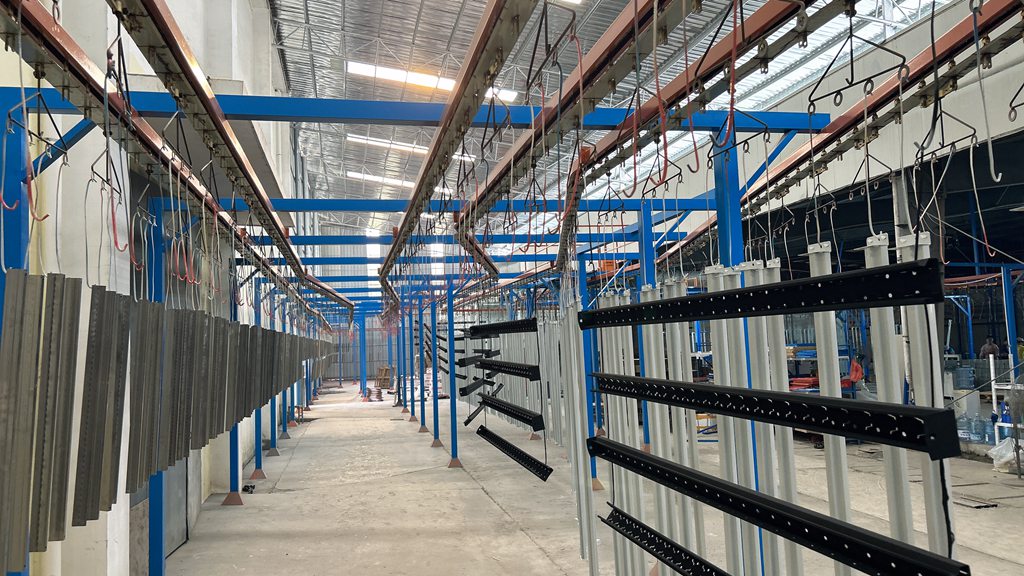
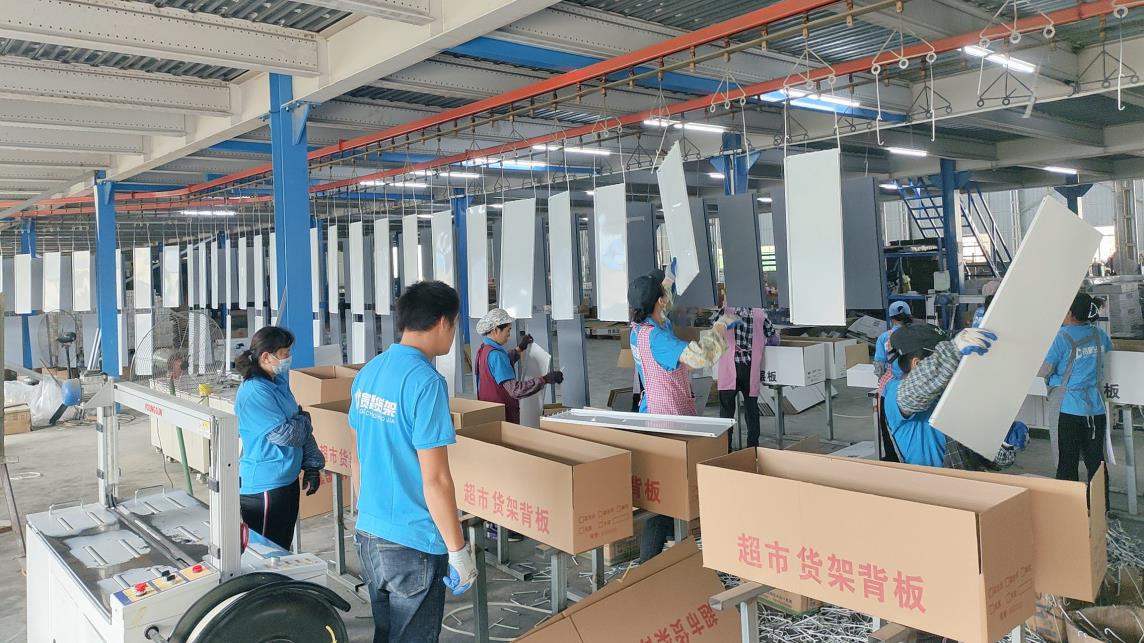
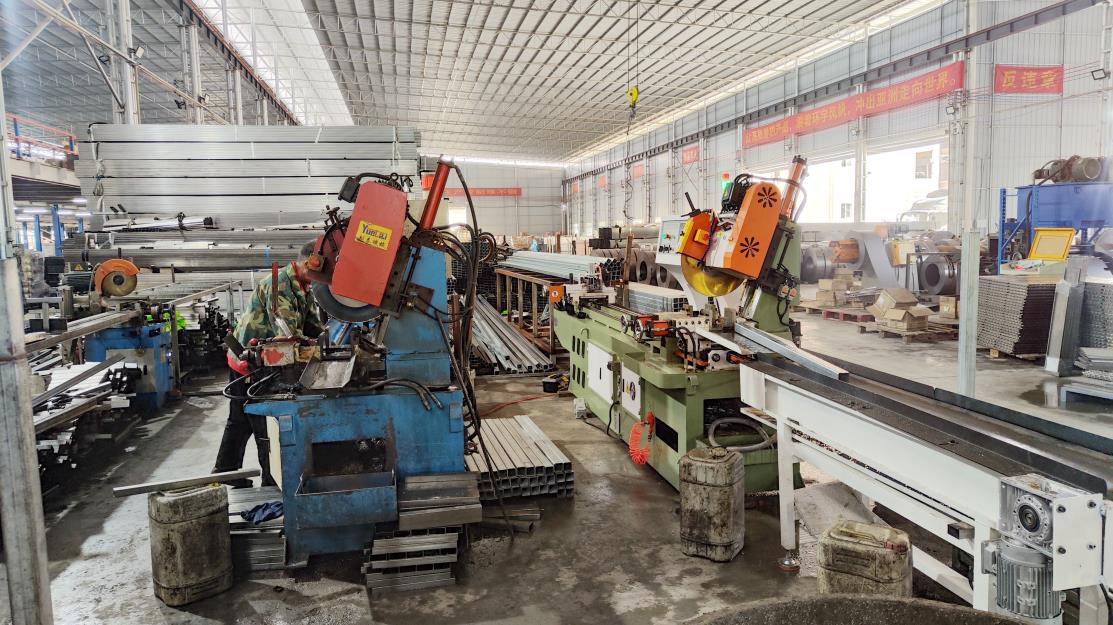
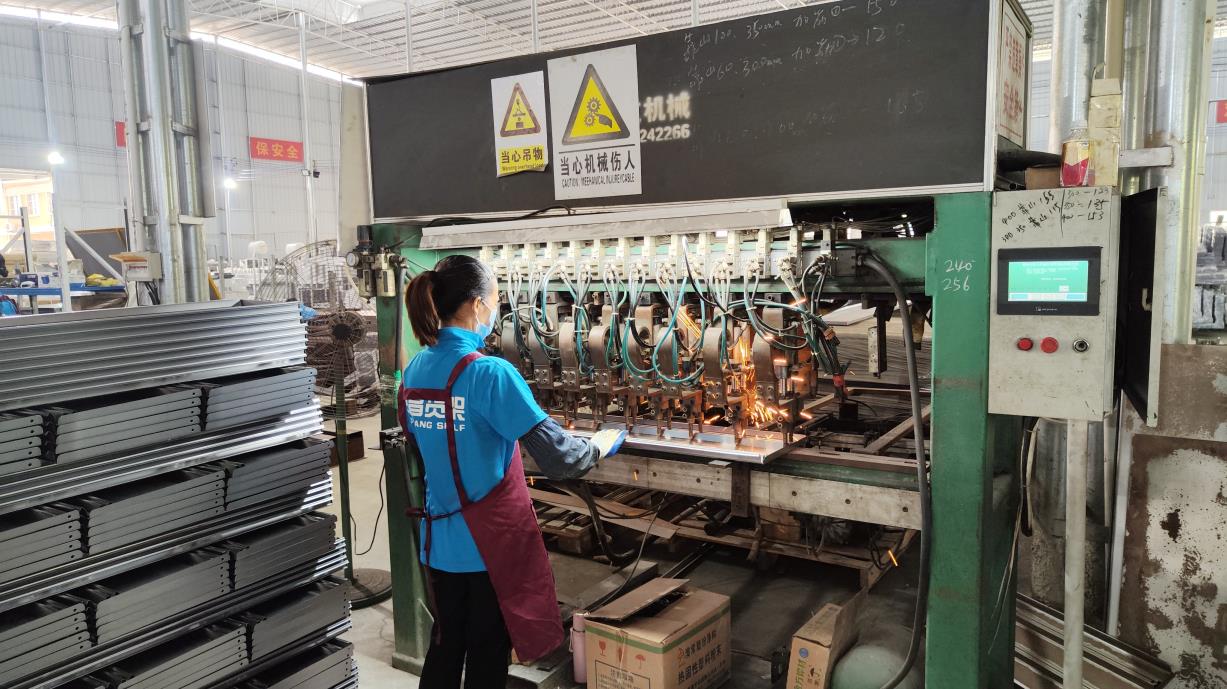
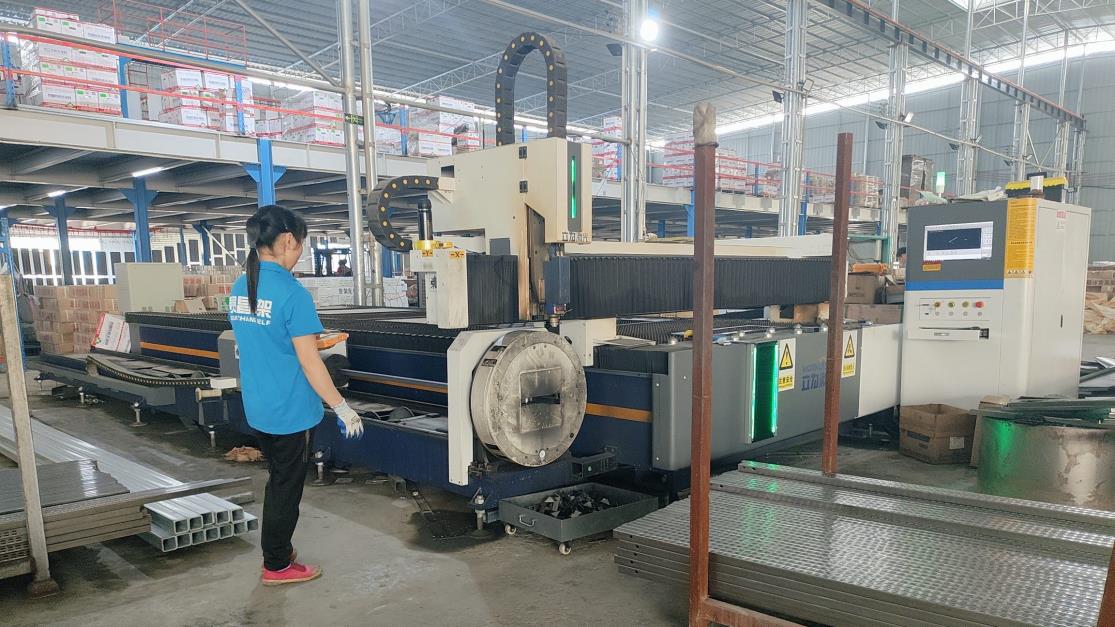
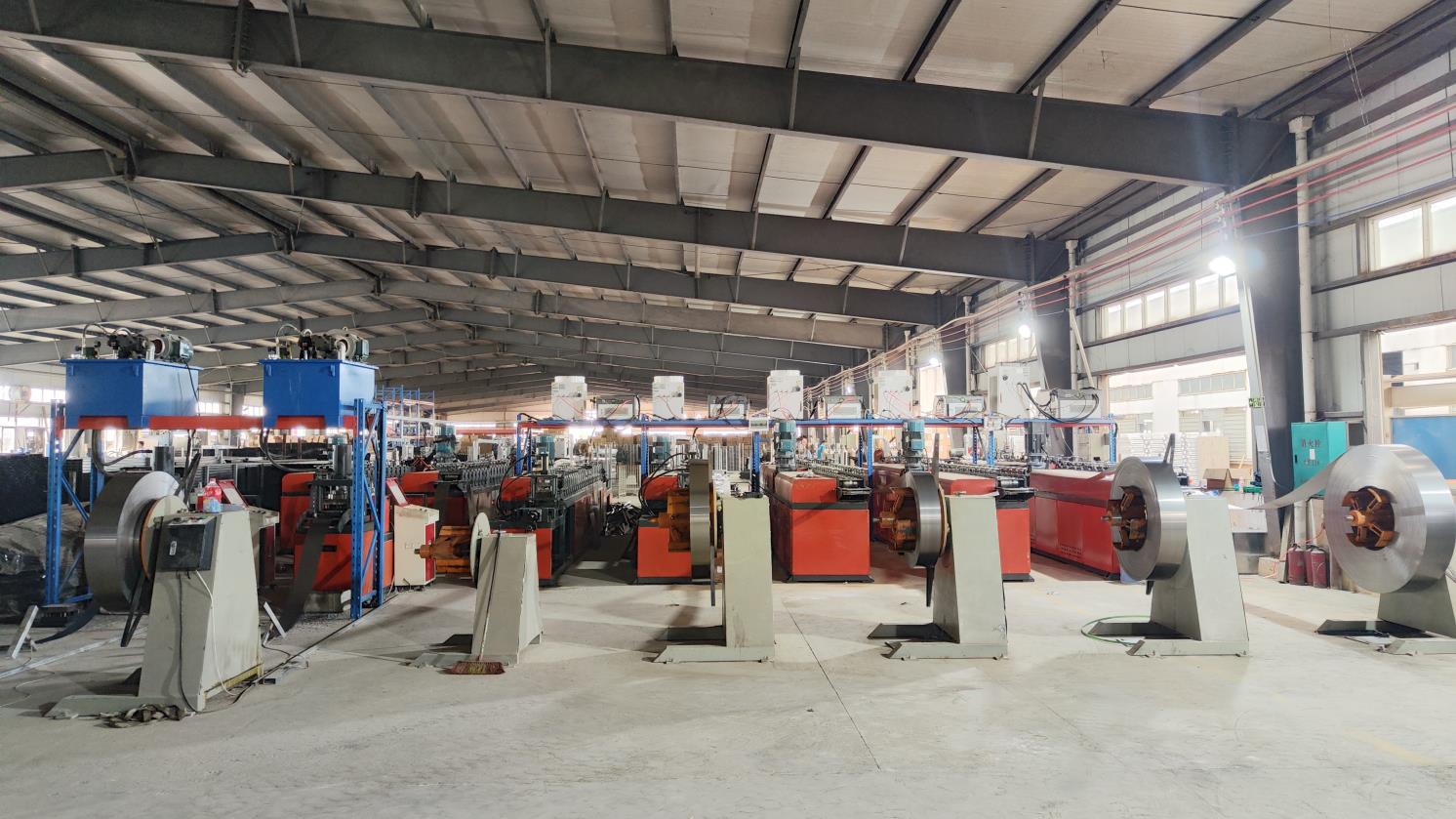
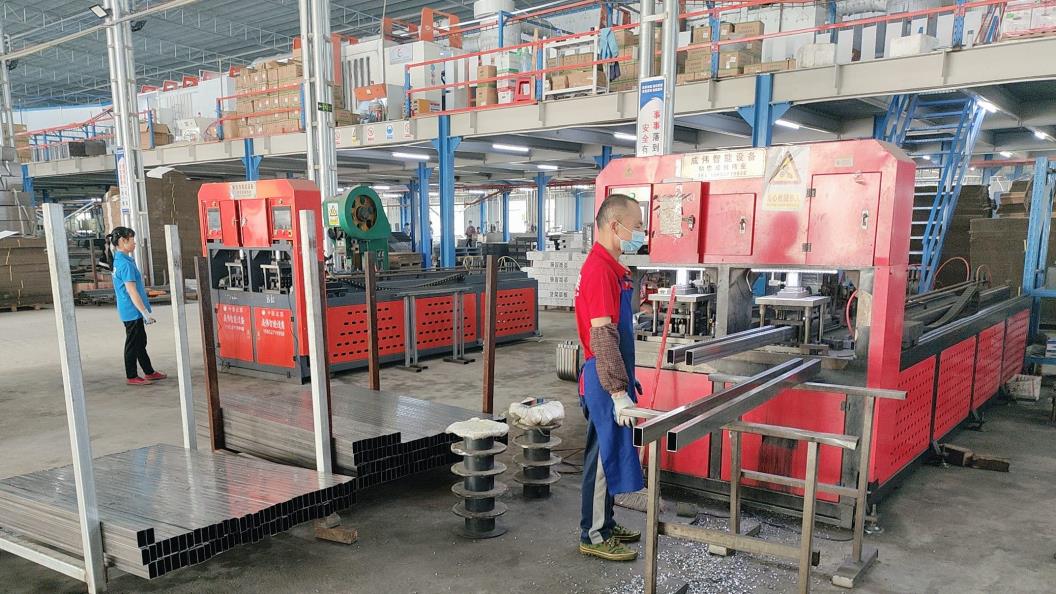
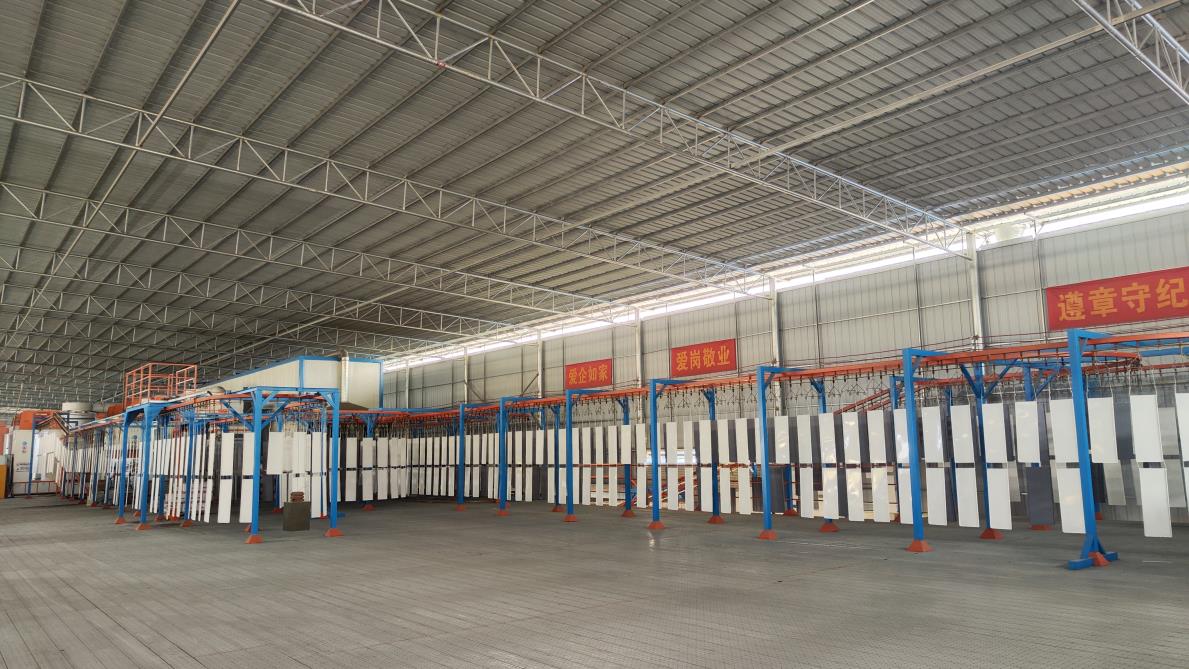
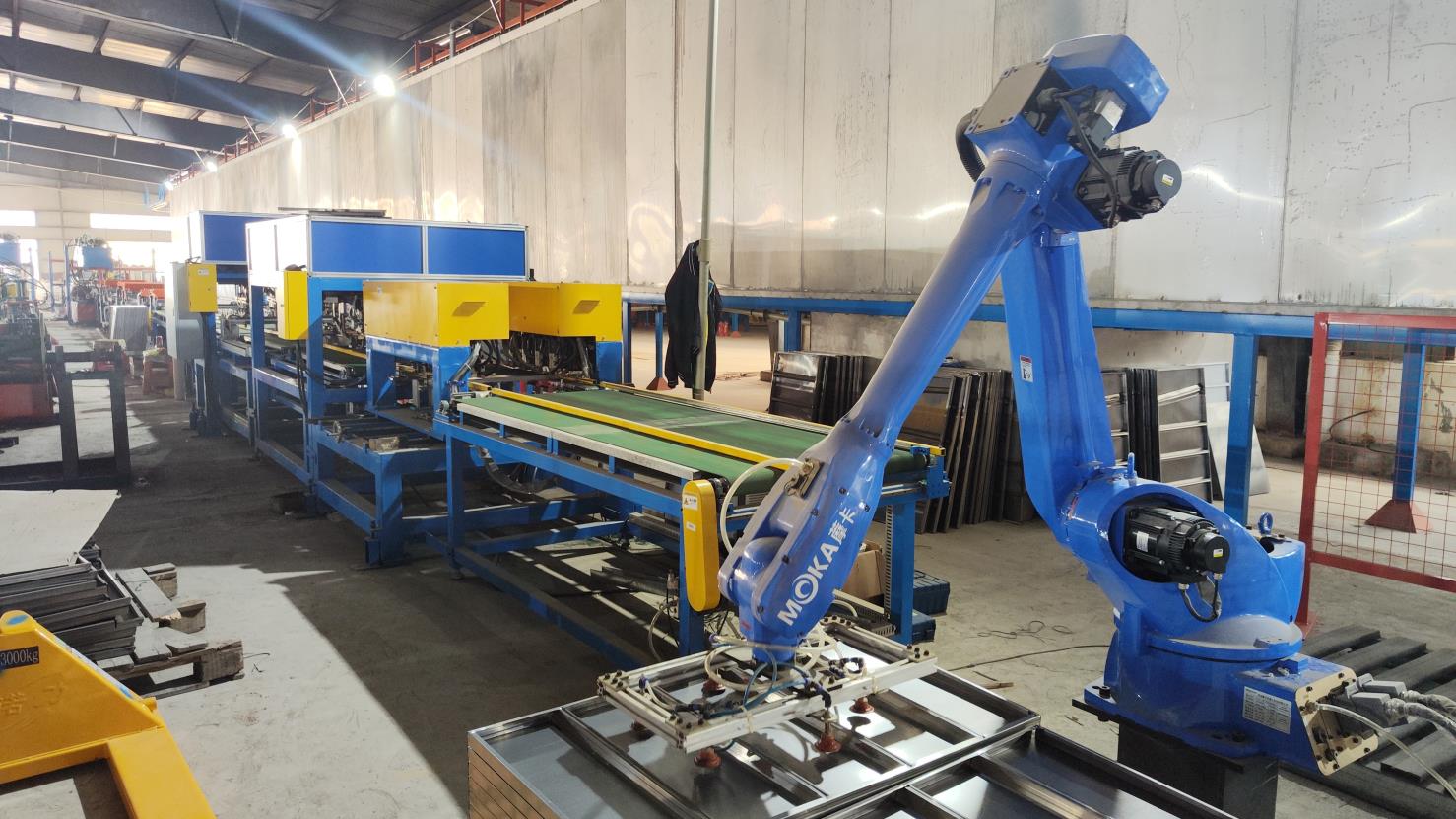
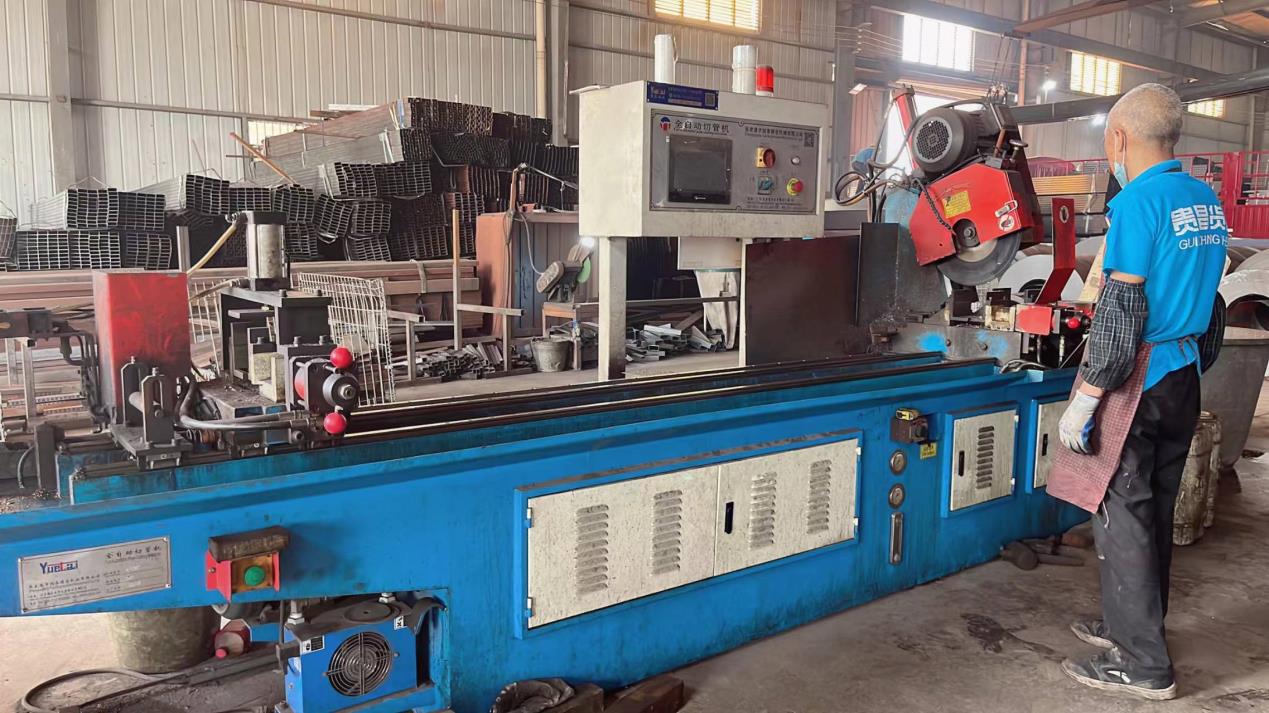
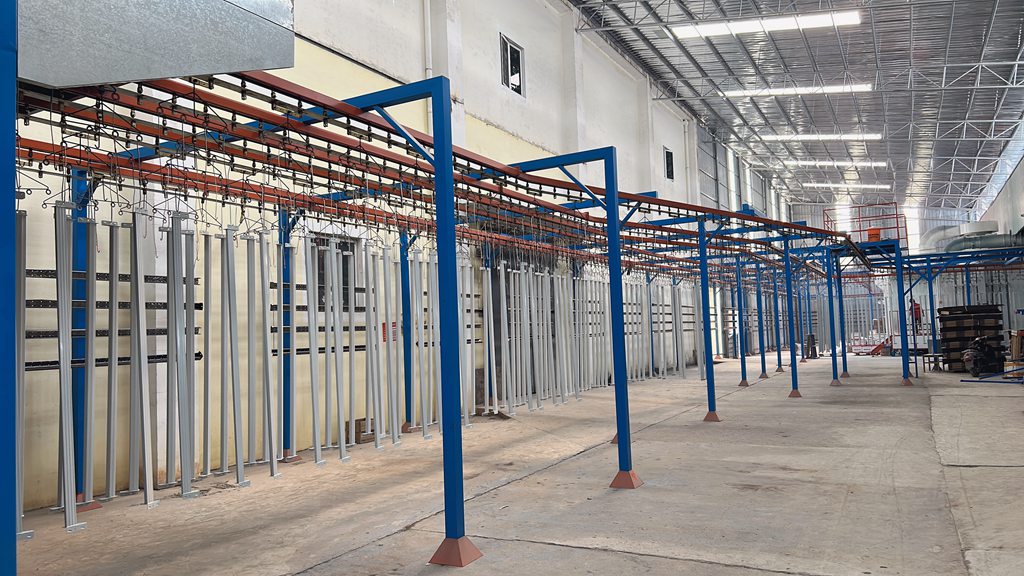
Operating a state-of-the-art facility spanning 38,000 square meters, our direct factory infrastructure handles volume projects from initial steel coil slitting to automated robot welding and electrostatic powder coating, generating over $25 million USD in annual export revenue.
Backed by an in-house team of 28 QC specialists, our processes are ISO9001 certified. We enforce strict quality protocols, conducting raw material spectrographic analysis, weld seam ultrasonic flaw detection, and real-scenario 150% maximum load endurance testing.
Our engineering division of 18 senior structural and mechanical engineers executes Finite Element Analysis (FEA) load modeling, creating tailored modular solutions that align with regional building regulations. Last year, we launched 45 new racking and container designs.
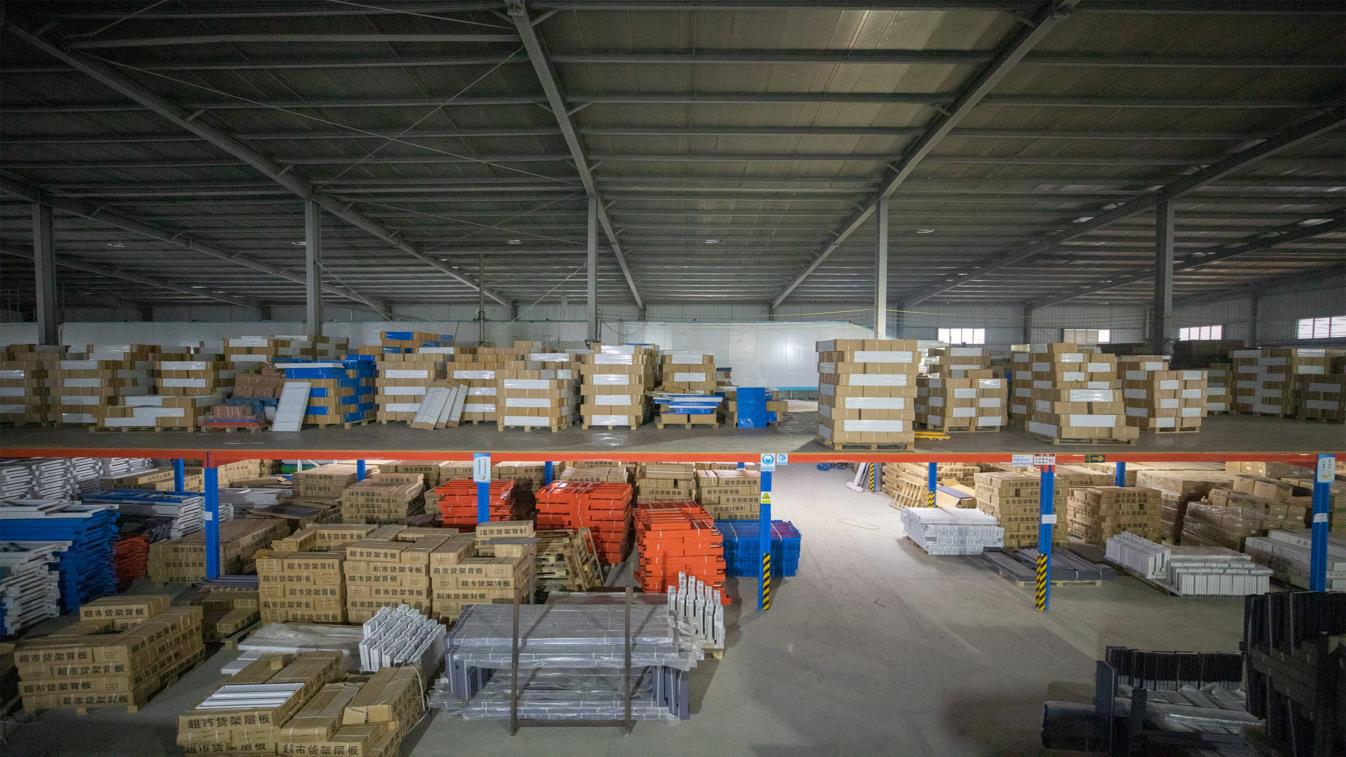
A transparent look inside our manufacturing floor, showcasing the automated machinery, production lines, and quality verification processes behind our products.
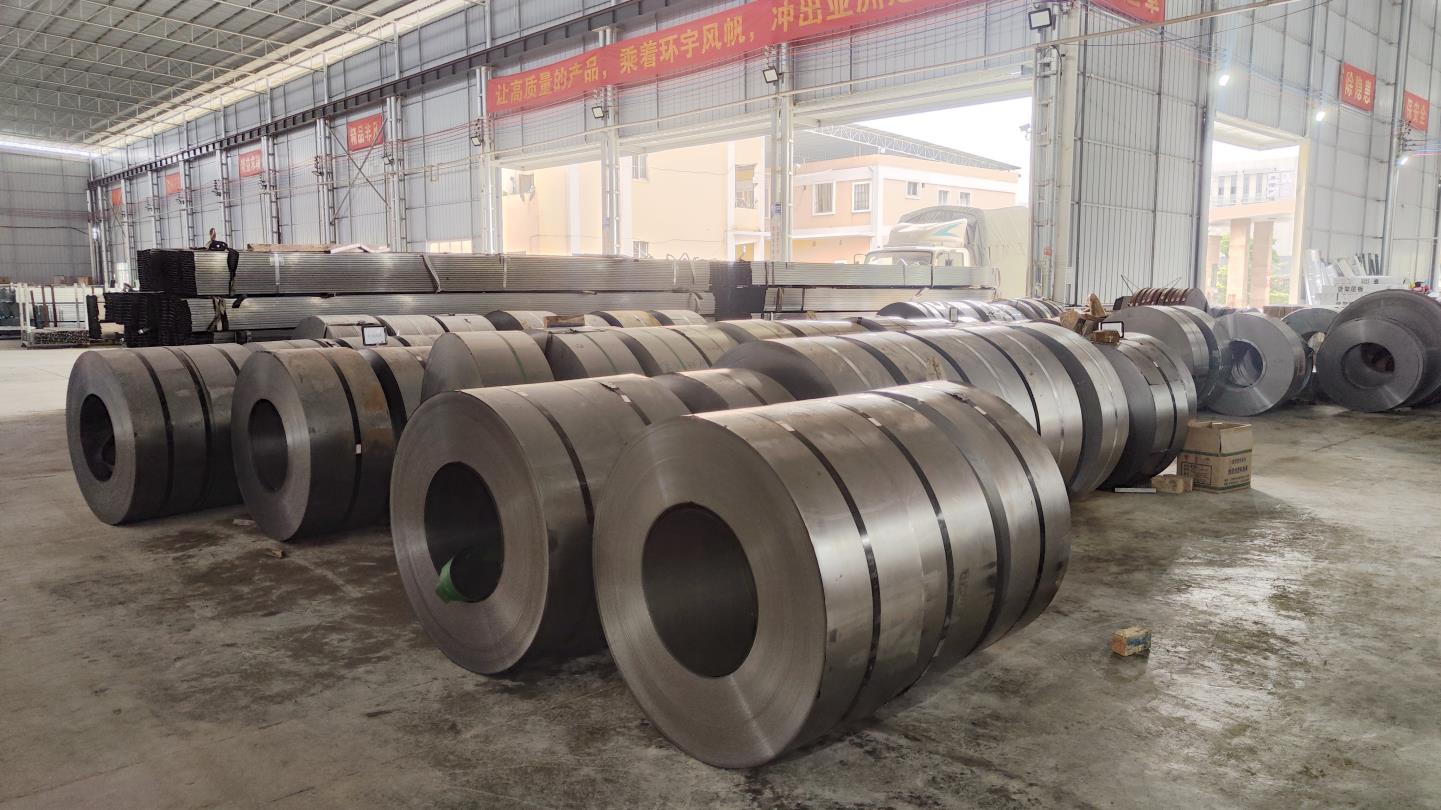
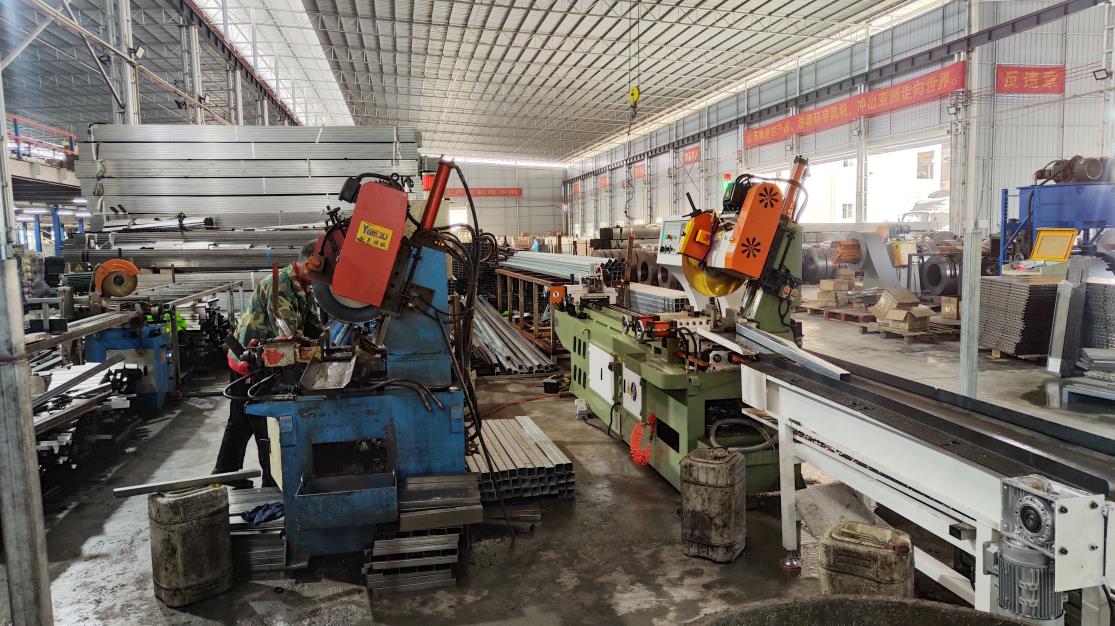
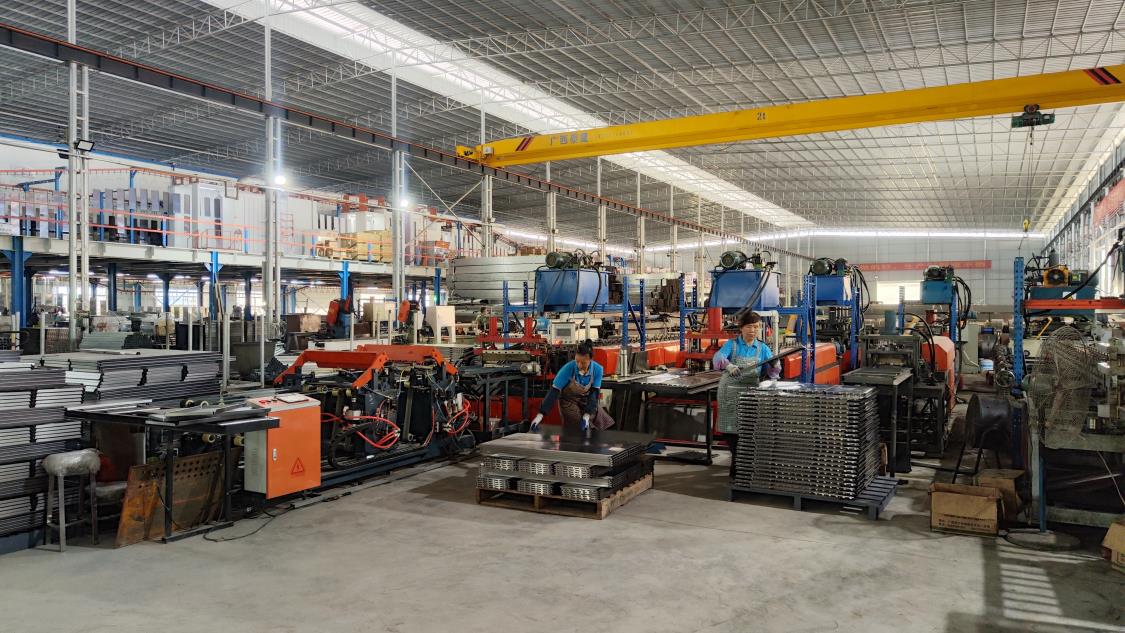
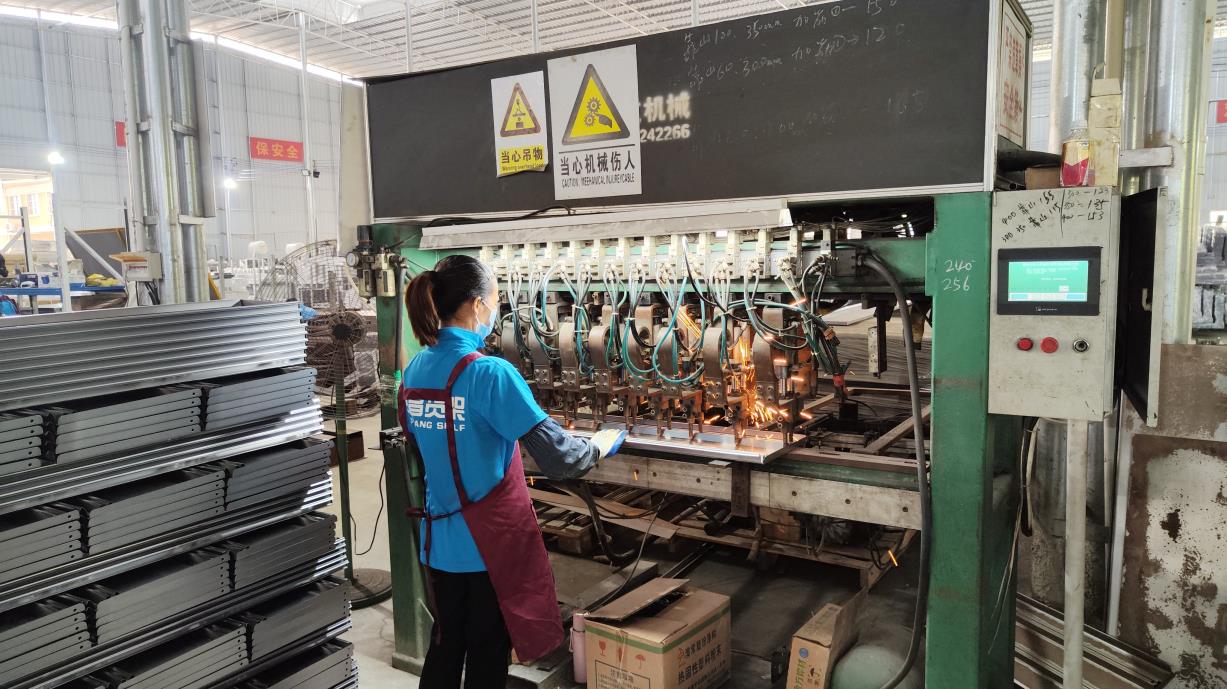
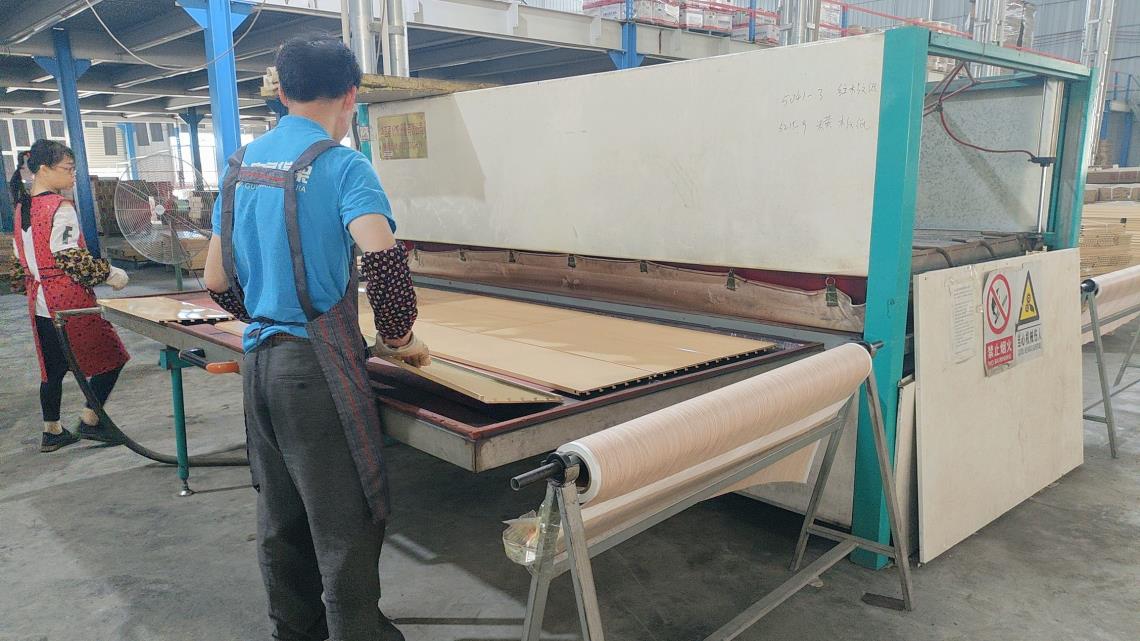
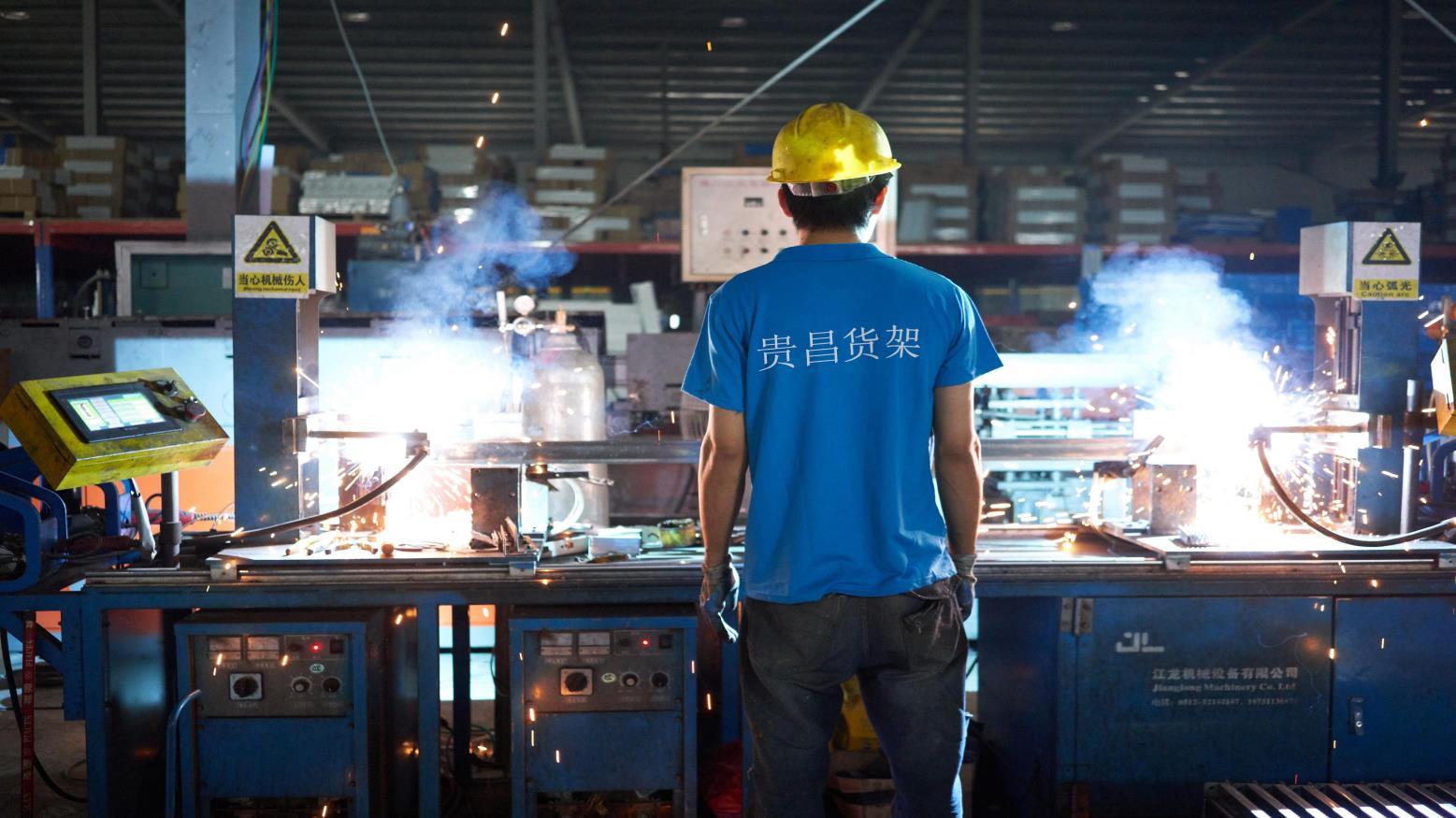
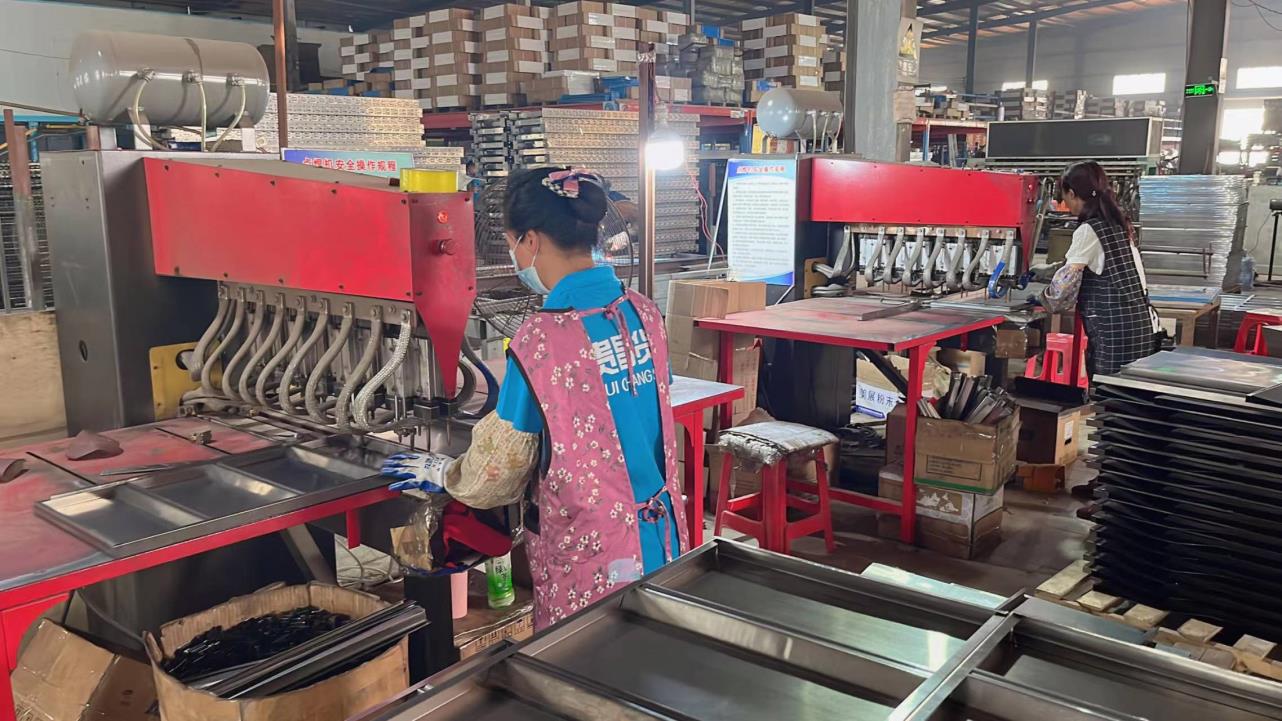
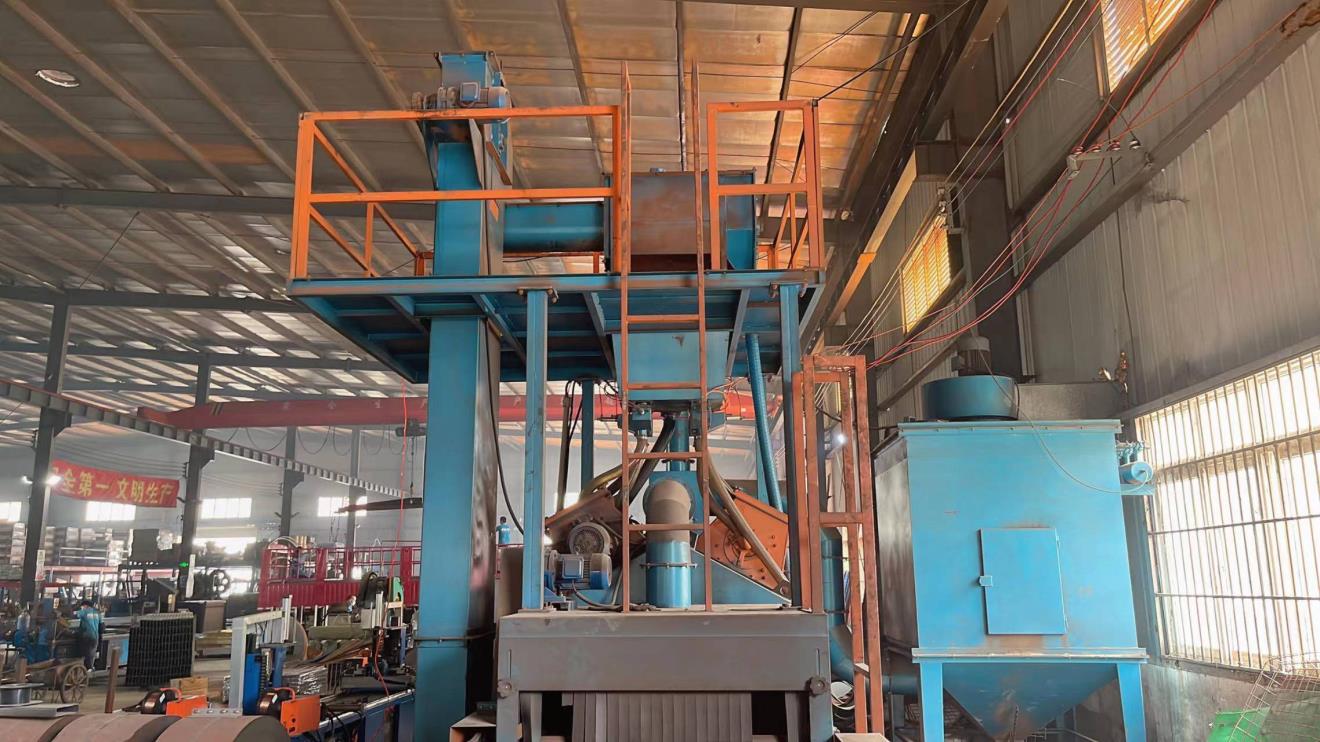
The industrial stackable container sector is undergoing a material science revolution. Historically, logistics managers accepted high tare weights as the price of heavy-duty load capacities. Today, however, engineering focus has pivoted toward optimizing strength-to-weight ratios. By implementing cold-formed micro-alloy steels and structural reinforcements through advanced geometric ribbing, modern containers can support larger payloads while reducing tare weight by up to 25%. This optimization directly lowers fuel consumption in return logistics.
Industrial warehousing environments subject equipment to severe stress, temperature extremes, and chemical exposure. To guarantee a long operational service life, Foshan Guichang applies advanced finishing technology. Our automatic electrostatic powder coating line applies a cross-linked polymer coating that resists chipping, scratching, and chemical degradation. For cold chain operations or high-humidity facilities, we utilize hot-dip galvanization (HDG) treatments, which provide sacrificial zinc barrier protection and maintain corrosion resistance even if scratched.
As automated facilities transition toward lights-out warehousing, stackable containers are adapted for seamless machine integration. Traditional containers lacked consistent reference points for robotic vision systems. Modern stackable containers feature designated zones for barcode labels, RFID tags, and target marks for optical guidance systems. Our engineers ensure that product profiles maintain strict spatial configurations under maximum stress, preventing misalignment when handled by robotic cranes.
To maintain reliable load limits and prevent structural failure under load pressure, every batch of steel containers follows a strict inspection process.
We analyze the metallurgical structure and tensile strength of inbound steel coils, rejecting materials that fall below structural requirements.
Automated online ultrasonic scanners detect microscopic flaws in weld seams, ensuring clean joint penetration.
We execute salt-spray tests to simulate years of marine transport, alongside digital thickness checks to confirm uniform coating application.
We subject finished products to 150% maximum load limits using physical testing equipment to verify safety margins.
Answers to common questions regarding structural engineering, material options, custom sizes, and logistics configurations.
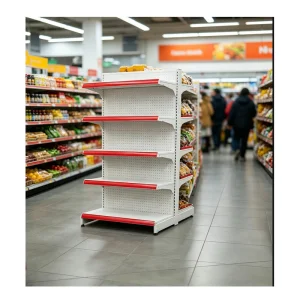
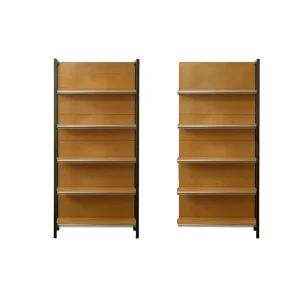
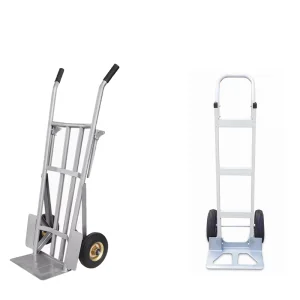
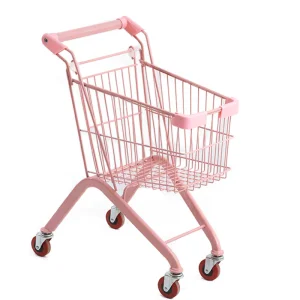
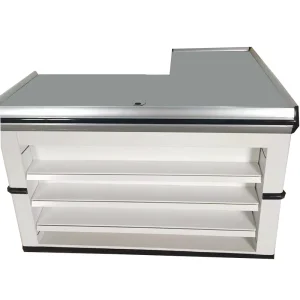
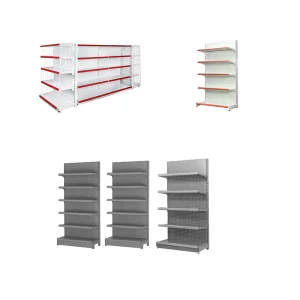
Complete your facility setup with our heavy-duty steel shelves, supermarket display racks, and supporting transport equipment.
 Guichang Rack