Wire Shelving looks simple until a loaded shelf starts to sag, or a caster catches on a floor joint. The details matter. Wire diameter, weld consistency, finish quality, and post spacing all affect how a unit performs in a real storeroom. For buyers comparing China’s manufacturers and suppliers, a clear specification is a better starting point than a polished catalog image.
Taiichi Ohno, the Toyota production engineer, is widely associated with the principle, “Where there is no standard, there can be no kaizen.” That idea applies to sourcing, too. Compare suppliers using the same checks: stated load capacity, shelf dimensions, coating options, sample quality, packaging, and production lead times. Ask how the supplier verifies welds and load performance. Request written answers. Small gaps in a specification can become expensive surprises.
This guide examines China-based Wire Shelving manufacturers and suppliers through practical purchasing criteria, product range, customization, and communication. It also considers whether a supplier can support repeat orders, not just one attractive sample. A sample is useful. It is not proof of every production run. That distinction is easy to overlook, and worth remembering. Supplier details and capabilities can change, so confirm current specifications directly before ordering.
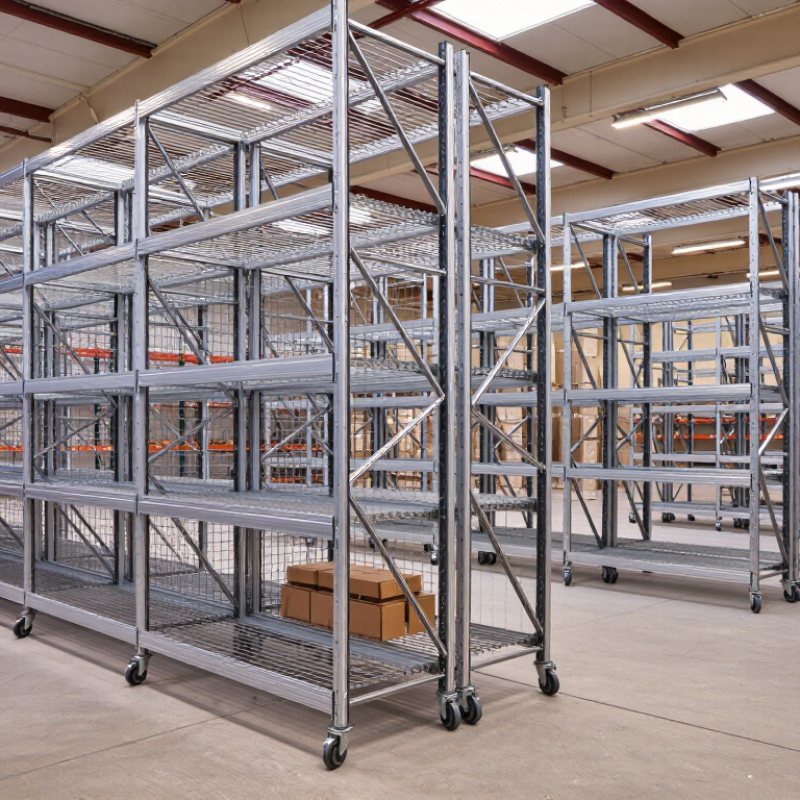
Wire shelving made in China ranges from light-duty kitchen racks to heavy-duty warehouse systems. Chrome-plated steel suits dry indoor storage, while epoxy-coated finishes can offer added protection in damp rooms. Stainless steel is often selected for frequent washdown, but the grade and cleaning conditions should be checked. Mobile units use locking casters; fixed systems usually rest on leveling feet.
Applications include restaurant back rooms, medical supply storage, retail stockrooms, and industrial picking areas. Open wire decks allow air and light to pass through, making stored items easier to see. A practical detail: measure cartons and doorways before ordering. Small details matter. Shelves that look spacious in a catalog may feel cramped once bins are loaded.
Core components include upright posts, wire shelves, plastic shelf clips or collars, and feet or casters. Some systems add wall ties or cross-braces to reduce sway. Buyers should confirm shelf dimensions, finish, assembly method, and load rating per shelf. Ratings may assume evenly distributed weight, not a heavy object placed in one corner. Ask suppliers how they test capacity and whether replacement clips are available. One weakness in many product descriptions is vague load information; it deserves a second look.
Steel shelving performance starts with the metal specification, not the finish color. ASTM A653/A653M covers zinc-coated steel sheet and identifies coating and steel-grade requirements. For wire shelving, buyers should check whether the standard applies to the specific components, such as sheet parts, rather than assume every welded wire detail is covered. Ask for a material certificate or product specification. Details matter.
Chrome finishes give shelving a bright, smooth appearance and are often selected for dry indoor areas. They can be scratched, though, and damaged plating may expose the metal underneath. Powder coating adds a colored protective layer and can resist everyday scuffs when the surface is properly prepared. Look closely at welds, corners, and cut ends; thin or uneven coverage there may become a weak spot. A clean-looking sample does not tell the whole story.
Match the finish to the actual room. Humidity, cleaning routines, and handling all affect service life. For damp storage areas, request corrosion-test information and ask how the steel is pretreated before coating. I would not judge durability by finish names alone. That is easy to overlook. Compare specifications, inspect edges, and confirm that the selected grade and finish suit the load and environment.
ASTM G coating designations indicate the nominal total zinc coating mass on both sheet surfaces. Values shown are conversions from the designation values in ounces per square foot to grams per square metre. Chrome and powder coating are distinct finish options and are not directly comparable using this zinc-coating measure.
When comparing China wire shelving manufacturers and suppliers, read dimensions beside capacity, not as separate specifications. A 900 × 450 mm shelf may have a different load rating from a 1200 × 600 mm shelf, even with similar wire construction. Longer spans can flex more, while deep shelves may place weight toward the front edge. Check whether the stated kilograms refer to an evenly distributed static load across the shelf. Not a point load.
A quoted “100 kg per shelf” is incomplete without test conditions. Ask whether the rating assumes level installation, fitted support clips, and weight spread across the surface. Confirm the shelf dimensions and upright spacing. Estimate the weight of stored items, then leave a practical safety margin rather than loading to the limit every day. Ratings may not cover impacts, rolling loads, or repeated handling.
Supplier data should identify dimensions, material or wire gauge, finish, and load capacity per shelf. For critical applications, request test details or inspect a sample. Load representative cartons and check for center sag. Comparisons are not always tidy: suppliers may use different test methods, and product sheets can omit them. Ask for missing details in writing. A small trial helps. Examine corners and clips after loading, since actual storage conditions may differ from test conditions.
Wire shelving quality begins at the weld. Inspectors should check joint continuity, smooth edges, and dimensional consistency across sample units. A loose cross-wire can flex under a loaded shelf, even when the finish looks uniform. Small details matter. Practical checks include visual inspection, load testing, and documented sampling during production. Suppliers should record test conditions and corrective actions, not just pass-or-fail results.
Corrosion testing also needs careful interpretation. The NACE IMPACT study estimated corrosion costs at US$2.5 trillion worldwide, equal to 3.4% of global GDP. That 2013 report underscores the value of prevention, but a salt-spray result cannot predict exact service life in every warehouse. ASTM B117 exposure can compare coating performance under controlled conditions; buyers should ask for the test duration and specimen details. ISO 9001 supports consistent quality-management processes, but it does not certify that a specific shelf is defect-free. The ISO Survey 2022 recorded more than 1.2 million ISO 9001 certificates worldwide. That scale is meaningful, yet paperwork alone is not proof. Ask for traceable inspection records, weld criteria, and batch-level corrosion results. A missing record is worth questioning.
| Manufacturing or Quality Area | Typical Control or Test | Relevant Standard or Reference | What the Check Evaluates | Acceptance Basis and Records |
|---|---|---|---|---|
| Incoming wire and steel inspection | Verify material grade and supplied dimensions against the purchase specification; inspect certificates and sample measurements. | Purchase specification and applicable material standard | Material identity, wire diameter, surface condition, and traceability to the received lot. | Compare results with the approved drawing and purchase requirements; retain inspection results and material documents. |
| Wire cutting and forming | Check cut lengths, formed geometry, grid spacing, and shelf dimensions using suitable gauges or measuring equipment. | Approved product drawings and inspection plan | Dimensional consistency and fit with the specified posts, clips, and accessories. | Use drawing tolerances and sampling rules defined for the order; document measured results and any corrective action. |
| Welding process control | Control the welding procedure and check representative joints for consistent weld placement and appearance. | ISO 3834 provides quality requirements for fusion welding of metallic materials; ISO 5817 defines quality levels for imperfections in fusion-welded joints in steel, nickel, titanium, and their alloys. | Weld continuity and visible imperfections, such as cracks, excessive spatter, or incomplete-looking joints. | Specify the applicable requirements in the product or inspection specification. ISO 5817 quality levels are not automatically product acceptance criteria. |
| Weld-joint verification | Visual examination and, where required by the product specification, mechanical or other appropriate testing. | Applicable welding procedure, drawing, and inspection plan | Whether welded connections meet the specified construction and performance requirements. | Record the inspection method, sampling plan, results, and disposition of nonconforming parts; set acceptance limits before production. |
| Surface finishing and coating | Inspect coating coverage and appearance; measure coating thickness when required by the finish specification. | Approved finish specification; coating test method selected for the coating system | Coverage, visible defects, and conformance to the specified coating or plating requirements. | Evaluate against the agreed finish, thickness, and appearance requirements. Requirements vary by coating type and intended use. |
| Corrosion resistance | Salt spray testing of finished samples when specified, followed by examination for corrosion and coating defects. | ISO 9227 or ASTM B117 | Resistance of the tested coating system to a controlled salt-laden atmosphere under the selected test conditions. | Define test duration, sample preparation, and pass/fail criteria in advance. These methods do not establish one universal exposure time or guarantee service life. |
| Assembly and load performance | Check assembly fit and, when required, conduct load or deflection tests using the specified test setup. | Product drawings, customer specification, or applicable product test protocol | Stability and performance of the assembled shelving system under the stated loading conditions. | State the load location, loading method, duration, and allowable deflection or deformation in the test specification; retain test records. |
| Quality management system | Review documented processes, internal audits, corrective actions, and control of inspection records. | ISO 9001:2015 | Whether the organization operates a quality management system that meets the standard’s requirements. | Verify certification scope and validity with the issuing certification body when certification is claimed. ISO 9001 certification is not product certification. |
| Final inspection and shipment | Check finished quantities, dimensions, finish condition, packaging, labels, and order-specific documents. | Approved order requirements and final inspection plan | Conformance of the completed shipment to the agreed specification and packaging instructions. | Maintain inspection and release records, including traceability information where required by the order. |
When comparing Chinese wire shelving suppliers, request the minimum order quantity for each finish and configuration. A low MOQ may apply only to standard sizes, not custom dimensions or color coatings. Ask for a sample, a production schedule, and a written explanation of what could delay shipment. Small trial orders help. Still, one sample cannot prove consistent weld quality across a full container.
Separate lead time into material sourcing, production, inspection, and port handling. Ask the supplier to define when its quoted clock starts. The World Bank’s Logistics Performance Index 2023 ranked China 19th among 139 economies, but national logistics scores cannot guarantee one factory’s delivery. Build in inspection and shipping buffers. I would not treat a promised date as firm until milestones and delay procedures are documented.
For customization, confirm wire diameter, shelf load rating, dimensions, finish, packaging, and drawing approval in writing. Request test records that match the actual product specification. Export quotations should identify the Incoterms 2020 rule and named port or place, plus who pays freight, insurance, and customs charges. Compare quotes on the same basis. A cheaper unit price can hide costly packaging or transport. Check payment milestones, carton labels, and remedies for shortages before paying a deposit. One detail is easy to miss: revised drawings can reset production timing. The World Bank report is a useful context, not a supplier audit.
Chrome-plated steel is often chosen for dry areas because it has a bright, smooth surface. Check for scratches that could expose the metal.
It may resist everyday scuffs, but performance depends on surface preparation and coverage. Inspect welds, corners, and cut ends. Names alone are not enough.
It is often selected for frequent washdown. Confirm the steel grade and cleaning routine suit the room.
Measure cartons, bins, and doorways, not just the empty room. Measure twice. A shelf that looks roomy in a catalog may feel cramped when loaded.
Common parts include upright posts, wire shelves, shelf clips, and feet or locking casters. Wall ties or cross-braces can help reduce sway.
Ask for the rating per shelf and its test details. Ratings may assume evenly spread weight, not a heavy box in one corner.
Put dimensions, wire thickness, finish, load rating, packaging, and approved drawings in writing. Revised drawings may reset production timing.
Separate material sourcing, production, inspection, and port handling. Confirm the named shipping place, freight costs, insurance, and customs charges. Build in a buffer.
This guide explores Wire Shelving made in China, including common designs, applications, and key components such as posts, shelves, clips, and leveling feet. It explains how steel grades and finishes—including ASTM A653/A653M galvanized steel, chrome plating, and powder coating—can affect durability, appearance, and suitability for different environments. Shelf dimensions and load ratings are also compared, with capacity expressed in kilograms per shelf to help buyers assess storage needs.
The article outlines manufacturing and quality-control considerations, including welding consistency, corrosion testing, and ISO 9001 quality-management practices. It also offers a practical framework for evaluating suppliers by comparing minimum order quantities, production lead times, customization options, and export terms. Together, these points help buyers make informed decisions about product specifications, supplier capabilities, and purchasing requirements.

Guichang Rack