In today's fast-paced global market, efficient storage solutions are essential for businesses. Shelving systems play a significant role in organizing inventory and optimizing space. For buyers in China, understanding various shelving options is crucial. This article presents the top 10 shelving systems available, catering to diverse needs and preferences.
The importance of selecting the right shelving systems cannot be overlooked. Each business has unique requirements, which may complicate decision-making. Factors such as load capacity, material quality, and design must all be considered. Moreover, navigating the diverse market can be overwhelming for international buyers.
While many options exist, not every shelving system will suit every business. Some may falter under heavy loads, while others might take up too much space. In this guide, we will explore various shelving solutions. Hopefully, this will help buyers make informed choices. We aim to balance quality with affordability, ensuring that all businesses find suitable options.
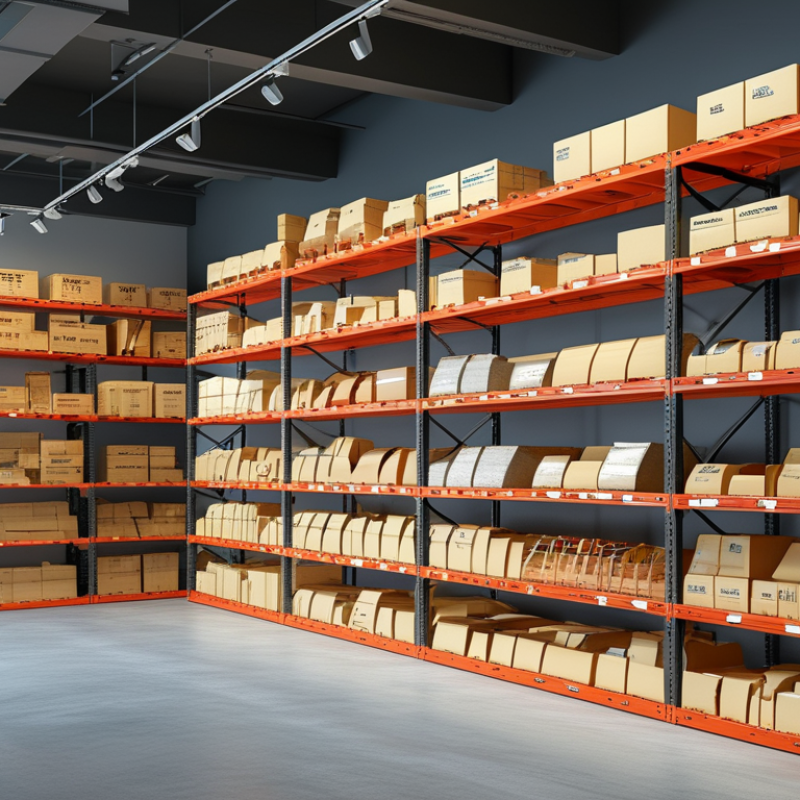
In China, a wide variety of shelving systems cater to different needs and preferences. These systems are essential for homes, offices, and warehouses alike. Popular materials include metal, wood, and plastic. Each material offers unique strengths, such as durability or aesthetics. Metal shelving, for instance, is sturdy and often used for industrial purposes. Wooden systems, on the other hand, provide warmth and style, making them great for living spaces.
When exploring shelving options, it’s crucial to consider storage capacity. Many buyers underestimate their needs. A shelving unit may seem sufficient, but it can quickly become overwhelmed with belongings. Adjustable shelves can be a game-changer, allowing users to adapt to changing needs. Some systems are designed for heavy loads, while others focus on lightweight items. Properly assessing weight limits can save time and frustration.
Installation is another aspect to ponder. Some shelving systems require professional help, while others are DIY-friendly. This can impact the overall cost and time investment. Users often find assembly instructions unclear, leading to mistakes. Thorough research can ease this process. Different sizes and configurations are available, but not all may fit perfectly in every space. Understanding available dimensions is critical for effective use.
When selecting a shelving system, several factors play a crucial role. Capacity is important. Determine the weight each shelf must support. This ensures safety and efficiency. Materials also matter. Metal, wood, and plastic each offer unique advantages. For heavy-duty needs, metal is often preferred. However, wood adds aesthetic value and warmth to retail spaces.
Consider the design and layout. A versatile shelving system can enhance accessibility. Adjustable shelves allow for customization. This flexibility helps to accommodate various products. Make sure to measure the available space accurately. Overcrowding or, conversely, wasted space can hinder performance.
Accessibility is another key factor. Ensure that items are easy to reach. Consider the height of the shelves. Often, users overlook the importance of ergonomic design. It can significantly impact daily operations and employee satisfaction.
For practical applications, think about modular systems. They can adapt to changing needs. This adaptability can save costs in the long run. As markets change, so should your shelving solutions. Don't rush into a decision. Research, compare, and gather user feedback. Over time, re-evaluate your setup to ensure it continues to meet needs.
The demand for efficient shelving systems has surged among global buyers. Various types exist, each tailored to meet specific storage needs. Wire shelving is popular for its lightweight design. It offers excellent ventilation, making it ideal for kitchens and pantries. Buyers often appreciate its easy assembly and adjustability.
Wood shelving is another favored option. It adds warmth to any space and can handle heavier items. Customers enjoy its aesthetic appeal and durability. However, finding a balance between weight capacity and design can be a challenge. Metal shelving provides robust support and is preferred in industrial settings. Its longevity in tough conditions makes it a reliable choice. Yet, the heavy-duty nature may not suit every environment.
Aspects like size and style play crucial roles in buyers' decisions. Many opt for customizable options to fit unique spaces. Some systems include integrated lighting, enhancing visibility. However, the complexity of installation can deter some buyers. Understanding these factors helps in selecting the right shelving system. Solid research and expert advice remain key elements in making informed choices.
When analyzing shelving systems available for global buyers in China, pricing and features are critical. Many systems differ significantly in price, often reflecting material quality and design complexity. For example, basic systems made from particle board are usually more affordable than those crafted from metal or solid wood. Buyers should keep in mind the durability and maintenance costs associated with these materials.
Another essential factor is the functionality offered by different shelving systems. Some provide adjustable heights, while others include integrated lighting options. Buyers should assess their specific needs, as not all features might be necessary. For instance, a simple shelving unit may suffice for storage, but a more complex design could enhance aesthetics in a retail setting. Balancing cost against functionality is often a challenge.
Moreover, it’s worth exploring local suppliers. They may offer competitive pricing and quicker delivery times. However, this could lead to concerns about quality variations in materials and craftsmanship. Thorough research and comparisons between products are vital. This process can be time-consuming, but it is necessary to ensure satisfaction with the final choice.
The global shelving solutions market is evolving. Recent reports show a projected growth rate of 5.2% through 2026. This trend highlights the increasing demand for innovative and flexible shelving systems. Buyers are now prioritizing adaptability to fit diverse spaces, from retail to warehouses.
Sustainability is becoming a key concern. Nearly 70% of consumers favor products made from eco-friendly materials. Shelving manufacturers are responding by incorporating renewable resources and minimizing waste. Many systems now feature modular designs, allowing easy reconfiguration and reducing the need for new purchases.
However, challenges remain. Not all manufacturers provide transparency in sourcing or production processes. Buyers have to navigate through a landscape of options. With the rise of e-commerce, expectations for quick delivery times also complicate logistics. It prompts stakeholders to rethink their strategies and invest in technology to meet consumer needs effectively.
: Common materials include metal, wood, and plastic. Each offers different benefits like durability or aesthetics.
Many buyers underestimate their storage needs. A unit may seem big enough but can quickly become overfilled.
Adjustable shelves allow users to change their height and configuration. This flexibility accommodates changing storage needs.
No, some systems are DIY-friendly. However, others may need professional installation, which can affect cost and time.
Wire shelving is lightweight and offers good ventilation. It's perfect for kitchens and pantries, plus it's easy to assemble.
Wood adds warmth and style, ideal for homes, while metal is robust and suited for industrial areas. Each has its challenges.
Many assembly guides lack clarity. This can lead to mistakes and longer installation times. Research can help avoid issues.
Not all shelving systems fit every space. Understanding dimensions is key for effective use and satisfaction with the product.
Customizable options can include shapes, sizes, and integrated lighting. These enhancements improve visibility and fit unique spaces.
Finding shelving that looks good and supports weight can be tough. It requires careful consideration and sometimes compromises.
This article provides a comprehensive overview of shelving systems available in China, catering to the needs of global buyers. It outlines essential factors to consider when selecting a shelving system, including material, durability, and design flexibility. The article presents a curated list of the top 10 shelving systems that are popular among international buyers, highlighting their features and pricing.
Additionally, a comparative analysis offers insights into the cost-effectiveness and functionality of various shelving options, helping purchasers make informed decisions. The discussion also touches on future trends in shelving solutions, emphasizing the evolving preferences in international markets and the importance of adaptability in design to meet diverse requirements. Ultimately, this guide serves as a valuable resource for those seeking optimal shelving systems in a competitive global landscape.

Guichang Rack