Top 10 Narrow Aisle Storage Solutions for Global Buyers

Time:2026-09-29 Author:Charlotte
0%

Narrow Aisle Storage can help global buyers gain pallet capacity without expanding a building’s footprint. But tighter aisles alone do not make a warehouse more efficient. The right solution depends on pallet dimensions, load weight, order frequency, floor condition, and the trucks that will serve each bay. A few centimeters matter. So does operator visibility.

Warehouse expert James A. Tompkins is known for emphasizing that warehouse design must fit operational needs. A useful paraphrase of that principle is: “Storage should serve the work, not the other way around.” That distinction guides this overview of the top 10 Narrow Aisle Storage solutions. It considers selective narrow-aisle racks, very-narrow-aisle systems, mobile shelving, and other configurations, while noting where each may fit. Buyers should also examine aisle width, rack height, fire protection, seismic requirements, and compatibility with existing equipment. Product specifications and local engineering review matter more than a headline capacity claim.

A compact layout can look excellent on a drawing. On the floor, a turning forklift, a chipped pallet, or a blocked picking face may tell a different story. Real operations are messy. This guide compares practical trade-offs in storage density, access, throughput, and installation complexity. It is not a substitute for a site survey. Use it as a grounded starting point, then test shortlisted designs against actual inventory data and daily workflows. Sometimes the best answer is less ambitious.
Top 10 Narrow Aisle Storage Solutions for Global Buyers

What Narrow-Aisle Storage Means for Global Warehousing

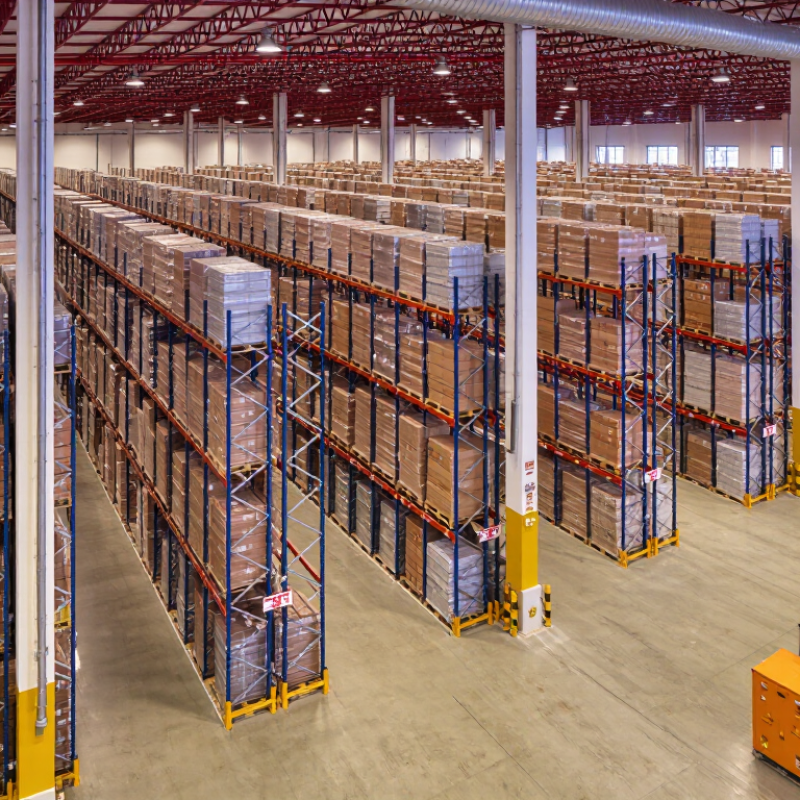
Narrow-aisle storage reduces the space between rack rows, often from conventional widths to roughly 1.5–2.0 meters. This change can increase pallet positions without expanding the building footprint. It also changes daily work. Operators need guided equipment, clear floor markings, and disciplined traffic control. A small alignment error can damage a pallet or rack upright. That risk is easy to underestimate.

For global buyers, the meaning is broader than saving floor space. A narrow-aisle system must fit local pallet dimensions, ceiling height, load weights, temperature conditions, and maintenance skills. Rack beams should display rated capacities clearly. Sensors, rails, or wire guidance may improve accuracy, but they add training and service requirements. In humid ports, dust control and corrosion-resistant finishes may matter more than maximum density. Local safety inspections and building rules also shape the final design.

During warehouse planning, measure real travel paths, not only the drawing. Check turning clearances beside fire exits, charging areas, and picking faces. Leave room for damaged pallets and unexpected repairs. Capacity is not everything. Some sites gain storage density but lose flexibility when product sizes change. Start with a trial. Test one aisle using actual loads before approving every row. This practical step can expose blind spots in productivity, visibility, and operator comfort.

Key Factors for Evaluating Narrow-Aisle Storage Systems

Evaluating narrow-aisle storage begins with the building, not the rack. MHI’s 2024 Annual Industry Report found that 83% of supply-chain professionals consider innovation important. Yet, 55% still report labor shortages. This makes safe, productive equipment selection essential for global buyers.

Measure the actual load first. Record pallet length, width, weight, overhang, and storage height. Then compare these figures with the truck’s turning radius and required aisle clearance. ANSI/ITSDF B56.1 provides guidance for powered industrial trucks, while OSHA requires aisles to remain clear and suitably marked. Measure twice. A few centimeters can affect turning, replenishment, and emergency access.

Assess floor flatness, rack tolerance, battery charging space, sprinkler clearance, and local fire rules. Request independent load calculations and documented operator training. Ask for throughput data under realistic conditions, not only catalogue capacity. Energy use and maintenance access also influence lifetime cost. MHI’s report highlights continuing pressure to invest in technology, but automation is not automatically economical. Not every site fits. A slightly wider aisle may reduce collisions, training complexity, and downtime. That trade-off deserves a careful review, especially when local labor, building codes, and service availability differ across markets.

Top 10 Narrow-Aisle Storage Solutions for Global Buyers

Top 10 Narrow-Aisle Storage Solutions for Global Buyers

Narrow-aisle storage is not one rack type; it is a set of systems shaped around inventory, handling equipment, and available building height. Common choices include selective narrow-aisle racks, very-narrow-aisle racks, double-deep racks, drive-in racks, drive-through racks, pallet-flow racks, push-back racks, carton-flow shelving, mobile bases, and automated vertical lift modules. Each trades something: access speed, storage density, equipment cost, or selectivity. A pallet-flow lane can move fast-moving goods toward a picking face, while mobile racks reduce fixed aisles but require careful floor and workflow planning. The best fit may be less obvious than it looks.

MHI’s 2023 Annual Industry Report reported that 76% of surveyed supply-chain professionals expected to adopt robotics and automation within five years. That figure supports evaluating automated handling alongside rack design, but it does not prove automation suits every warehouse. Measure actual pallet dimensions, load weights, order profiles, and clearances before comparing proposals. A few centimeters matter. Check floor condition, sprinkler coverage, seismic requirements, and local operating practices with qualified professionals; rack capacity depends on the complete installation, not a brochure rating. Leave room for maintenance and imperfect inventory data. A denser layout can disappoint if operators cannot replenish it reliably.

How to Compare Costs, Capacity, and Operational Performance

Top 10 Narrow Aisle Storage Solutions for Global Buyers

Comparing narrow aisle storage solutions means looking beyond the purchase price. A lower-cost system may require more floor preparation, specialized equipment, or extra training. Ask suppliers for a full installation estimate, including racks, floor checks, aisle markings, and commissioning. Then compare usable pallet positions, not just the advertised maximum. A warehouse with 1,000 positions on paper may offer fewer once fire lanes and picking zones are included.

Capacity matters only when daily operations can use it. Check load ratings against your actual pallet weights and sizes. Measure turning space with the trucks you plan to operate, including mast height and load dimensions. A small mismatch can slow every shift. Visit a working site if possible, and ask operators how often they reposition loads or wait for equipment. These details are easy to overlook. I would not rely on a drawing alone; real sites can be less tidy than plans suggest.

Tips: Compare cost per usable pallet position and expected handling time. Request references from similar warehouses, and check maintenance access before signing. If figures seem unusually precise, ask what assumptions produced them. You may still miss something. That is worth admitting early, while changes are easier.

Safety, Installation, and Maintenance Requirements by Region

Narrow aisle storage can increase pallet capacity, but tighter clearances leave less room for error. Before selecting a system, buyers should compare aisle width, floor condition, forklift type, load dimensions, and sprinkler access. A rack that fits a warehouse drawing may not suit its daily traffic. Measure real pallet overhangs, too.

Safety requirements differ by region and building type. In the European Union, buyers should check applicable workplace rules and relevant rack design standards; in the United States, local building codes, fire requirements, and occupational safety rules may apply. Other markets may require separate seismic or wind assessments. Ask a qualified local engineer to verify floor capacity, anchoring, and clearances. Keep load notices visible, and protect exposed uprights where trucks turn. Small details matter.

Installation should follow approved drawings, with rack rows checked for alignment and anchors inspected before loading. Regional seismic risks can affect bracing and installation methods. Maintenance needs a named owner and a simple inspection log. Look for bent uprights, loose anchors, damaged beams, and missing locking devices. Record damage promptly. Repairs should follow the rack supplier’s approved procedure, not an improvised weld or patch. Some warehouses skip inspections during busy seasons; that is understandable, but it is exactly when impacts become easy to miss.

Top 10 Narrow Aisle Storage Solutions for Global Buyers

Indicative aisle-width planning ranges by storage solution (metres)

How to use this chart: Ranges are indicative planning values, not design specifications. Actual aisle widths depend on the handling equipment, load dimensions, rack layout, and operating clearances.

Regional checks: Before installation, confirm local fire and building codes, sprinkler and egress clearances, rack design and anchoring requirements, and inspection procedures. Requirements differ by jurisdiction—for example, OSHA rules in the United States, applicable EU and national rules in Europe, and local workplace-safety and building regulations elsewhere. Maintain racks and handling equipment to their manufacturers’ instructions and inspect after damage or layout changes.

FAQS

What is narrow-aisle storage?

It is a group of storage systems designed to use less aisle space. These systems include selective racks, double-deep racks, flow lanes, mobile bases, and vertical lift units. Each option changes access, density, cost, or handling speed.

How should buyers choose the right system?

Start with actual pallet sizes, weights, order patterns, and building height. Measure everything.Consider truck dimensions, turning space, replenishment routines, and maintenance access. A dense system may fail if workers cannot restock it smoothly.

How can storage costs be compared fairly?

Compare the cost per usable pallet position, not the advertised rack capacity. Include floor preparation, aisle markings, installation, equipment, training, and commissioning.A layout showing 1,000 positions may provide fewer after fire lanes and picking areas are added. The paperwork can look better than reality.

What equipment information is important?

Measure truck mast height, load dimensions, turning radius, and operating clearance. Check whether the planned equipment can reach every position safely.A few centimeters can slow each shift. That detail is easy to miss.

Are automated systems suitable for every warehouse?

No. Automation can support handling, but it does not solve poor inventory data or weak workflows. Review order volume, product movement, maintenance skills, and available space.Leave room for service work. Automation still needs people.

What safety checks should be completed before installation?

Check floor condition, load capacity, sprinkler access, aisle width, and building clearances. Review local fire, workplace, seismic, and wind requirements with a qualified professional.Protect exposed rack uprights near turning areas. Keep load notices visible.

How should rack installation be managed?

Use approved drawings and inspect row alignment before loading. Check anchors, bracing, beam connections, and clearances during installation.Do not load a system that has not been properly inspected. That sounds obvious, yet busy projects sometimes rush this step.

What maintenance routine is recommended?

Assign a named person to maintain a simple inspection log. Look for bent uprights, loose anchors, damaged beams, and missing locking devices.Record damage quickly. Use approved repair methods, not improvised patches or welds.

Conclusion

Narrow Aisle Storage is a practical approach for global warehouses that need to increase pallet capacity while making better use of limited floor space. By reducing aisle width and selecting suitable equipment, businesses can improve storage density without sacrificing inventory access. This article explains the main factors for evaluating narrow-aisle systems, including load capacity, rack configuration, ceiling height, product turnover, handling equipment, and warehouse layout.

It also presents ten adaptable storage solutions for international buyers, covering options for different facility sizes, inventory profiles, and operating conditions. Readers will learn how to compare total costs, usable capacity, picking efficiency, energy consumption, and long-term operational performance. The discussion also highlights regional considerations for safety, installation, inspections, worker training, and maintenance, helping companies select a reliable system that supports compliance, productivity, and sustainable warehouse growth.

Charlotte

Charlotte

Charlotte is a seasoned marketing professional with a deep understanding of the company's portfolio and a passion for elevating its presence in the market. With a keen eye for detail and a commitment to excellence, she ensures that our professional blog is regularly updated with insightful articles......