Radio Shuttle Storage is becoming a pivotal solution in modern warehousing. According to the latest industry report by Logistics Management, the global warehouse automation market is projected to reach $30 billion by 2026. The rise of e-commerce and consumer demand drives this growth. Radio Shuttle Storage systems play a critical role by enhancing storage efficiency and maximizing space utilization.
These systems allow pallets to be stored and retrieved automatically with minimal human intervention. They can increase storage density by up to 60%, making facilities more productive. Such automation reduces labor costs and minimizes human error, thus improving accuracy in inventory management. According to a recent study by MHI, 80% of warehouse operators are interested in automation solutions like Radio Shuttle Storage.
Despite the benefits, challenges exist. Companies must carefully assess implementation costs and the required infrastructure. Not all facilities are suitable for these systems. Space constraints or existing inventory systems may limit integration. Therefore, thorough planning is essential for effective deployment. Overall, Radio Shuttle Storage holds significant potential, yet careful consideration is necessary for successful implementation.
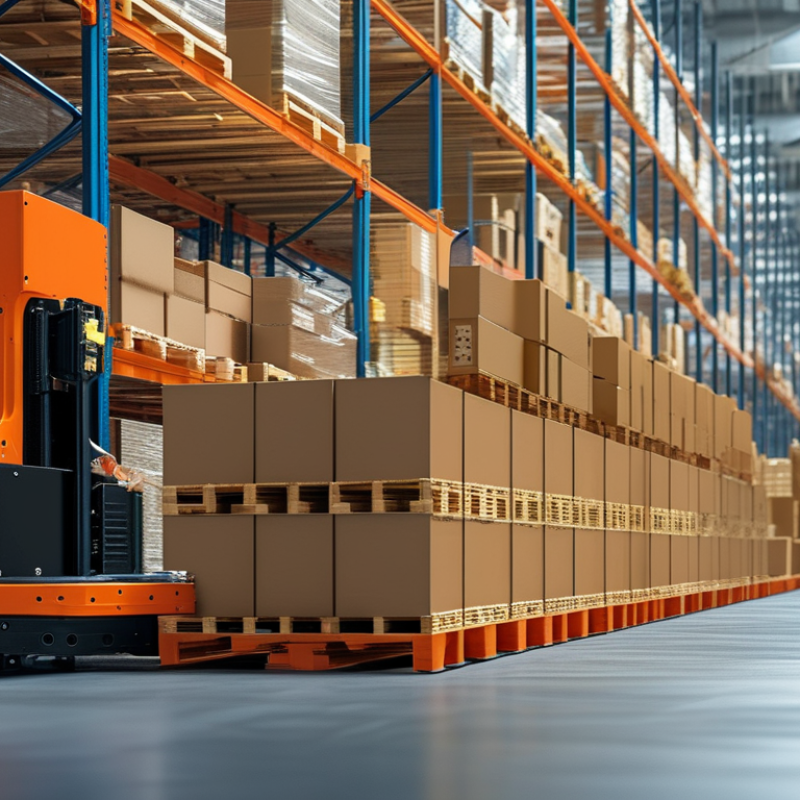
Overview of Radio Shuttle Storage System
The Radio Shuttle Storage System is an innovative solution for warehousing challenges. It enhances space utilization and streamlines the picking process. This system uses shuttles that move autonomously on tracks within storage racks. These shuttles can independently transport goods in and out of the storage area, which significantly reduces labor costs.
In busy warehouses, efficiency is key. A Radio Shuttle System can increase storage density, allowing for more items in a limited space. Additionally, it optimizes inventory management by enabling real-time tracking of products. Efficient space use leads to reduced operational costs and faster retrieval times, beneficial for high-volume operations.
Tips: Regular maintenance of shuttles is crucial. Neglect can lead to downtimes. Consider training staff on the system's operation to maximize efficiency. Periodically assess storage needs to adapt the system according to changes in inventory. Flexibility in design can help accommodate new products or different business models in the future.
Key Benefits of Implementing Radio Shuttle Storage
Radio shuttle storage systems present numerous advantages for modern warehouses. Their design enhances space efficiency, allowing for the storage of goods in a compact manner. According to a 2022 industry report, warehouses implementing these systems can increase storage capacity by up to 40%. This is critical, especially as e-commerce grows and space becomes a premium commodity.
One significant benefit is improved inventory management. These systems facilitate faster access to products. A study highlighted that businesses could reduce picking times by 30% when employing radio shuttle technology. This translates to a more streamlined operation and increased productivity. Moreover, reduced labor intensity means fewer workplace injuries, contributing to better employee well-being.
Cost efficiency is another key benefit. While initial setup costs can be high, the long-term savings are notable. A 2023 analysis showed that companies could see a return on investment within three years due to decreased operational costs. However, some businesses may initially struggle with the transition process. Adapting to new technologies can pose challenges. This transition requires careful planning and training, which often goes overlooked. It’s important that businesses assess their readiness before implementation.
What is Radio Shuttle Storage Benefits and Applications?
| Dimension |
Description |
| Space Efficiency |
Maximizes storage density by utilizing vertical space. |
| Improved Accessibility |
Enhances access to goods with automated retrieval systems. |
| Reduced Labor Costs |
Minimizes physical labor, reducing workforce expenses. |
| Flexibility |
Easily adjustable to accommodate different pallet sizes. |
| Increased Inventory Control |
Enhances tracking and management of stock levels. |
| Safety Improvements |
Reduces the risk of accidents through automated guidance. |
| Energy Efficiency |
Utilizes less energy compared to traditional storage systems. |
Applications of Radio Shuttle Storage in Various Industries
Radio Shuttle Storage systems have gained traction across various industries for their ability to optimize warehouse space and enhance operational efficiency. In the automotive sector, for instance, companies have reported a 30% increase in storage density by implementing these systems. The auto industry needs high-speed access to parts, and Radio Shuttle solutions deliver that effectively. They reduce the retrieval time for parts, enabling just-in-time manufacturing practices that are critical for modern production lines.
In the food and beverage industry, the importance of efficient storage is paramount. A 2023 report indicated that implementing Radio Shuttle Storage systems reduced waste by approximately 25%. Perishable goods benefit from faster stock rotation. This system allows for increased capacity without sacrificing accessibility. It addresses the industry's need for rapid inventory turnover and minimizes spoilage, which is crucial for maintaining quality.
The pharmaceutical industry also sees significant advantages. Storage regulations demand tight control over inventory. Radio Shuttle systems simplify tracking and retrieval processes, streamlining compliance with federal guidelines. With a 20% reduction in labor costs linked to pick efficiency, facilities can reallocate resources to quality control. As industries adapt, Radio Shuttle technology continues to prove its versatility and robustness in meeting complex storage demands.
Comparison of Radio Shuttle Storage with Traditional Methods
Radio shuttle storage systems offer several advantages over traditional storage methods. These automated solutions optimize space utilization significantly. According to a report by the Warehousing Association, companies can achieve up to a 50% increase in storage density using shuttle technology. This is crucial as industries face the challenge of maximizing limited warehouse space. Traditional methods often rely on static shelving, which limits flexibility and scalability.
Furthermore, the operational efficiency of radio shuttle systems surpasses that of conventional methods. A study by the Logistics Research Institute indicates that these automated systems can reduce picking times by as much as 30%. This enhances inventory turnover and responsiveness to market demands. Traditional storage can often result in congestion and delays due to manual handling and retrieval processes. The automated nature of shuttle systems minimizes these issues, streamlining operations.
However, it's essential to consider the initial investment cost associated with radio shuttle systems. The upfront expenses can be a barrier for some organizations. Additionally, maintenance and training are ongoing challenges that companies must address to ensure optimal performance. While the benefits are noteworthy, the transition from traditional methods requires careful planning and consideration.
Comparison of Radio Shuttle Storage Benefits and Applications
Future Trends and Innovations in Radio Shuttle Storage
The future of radio shuttle storage is poised for remarkable transformations. As warehouses increasingly embrace automation, radio shuttle systems save space and improve efficiency. The latest reports from the logistics industry suggest a projected growth rate of 12% annually for automated storage solutions. This shift indicates an escalating demand for intelligent storage systems that can adapt quickly.
Innovations in artificial intelligence and machine learning are facilitating these advancements. For instance, predictive analytics are optimizing inventory management, reducing waste, and enhancing order fulfillment. Experts predict that by 2025, around 30% of all warehousing operations will incorporate such technologies, creating a seamless link between storage and demand forecasting.
However, challenges remain. Integrating new technologies can be costly. Some operators express concerns over the steep learning curve for staff. There's a need for ongoing training to fully utilize these innovations. Moreover, the potential for data security risks in automated systems requires constant vigilance. As radio shuttle storage evolves, these issues will need to be addressed to ensure sustainable growth.
Conclusion
Radio Shuttle Storage is an innovative warehousing solution designed to enhance the efficiency of inventory management. This system utilizes automated shuttles that transport pallets within a racking structure, allowing for rapid retrieval and storage. One of the key benefits of implementing Radio Shuttle Storage is its ability to maximize space utilization while reducing labor costs and increasing throughput. Moreover, this technology adapts well to various industries, including food and beverage, retail, and manufacturing, showcasing its versatility.
Comparing Radio Shuttle Storage to traditional storage methods reveals significant advantages in speed and efficiency. With its automation capabilities, businesses can achieve faster inventory turnover and improved accuracy in order fulfillment. Looking ahead, future trends in Radio Shuttle Storage are likely to focus on further automation, integration with advanced technologies like AI and IoT, and environmentally sustainable practices, making it an increasingly vital component of modern supply chain management.

 Guichang Rack