Pallet Flow Storage is an innovative solution in modern warehousing. With its unique design, it enhances efficiency and maximizes space. According to logistics expert, Johnathan Reed, "Pallet Flow Storage is not just a system; it's a game changer for inventory management." This method allows for FIFO (First In, First Out) inventory control, ensuring that older products are used first.
Implementing Pallet Flow Storage can significantly reduce picking time and increase throughput. The gravity-driven flow rails direct pallets smoothly, minimizing handling. However, it requires careful planning and proper layout design. Miscalculations can lead to wasted space and inefficiency.
While Pallet Flow Storage offers remarkable benefits, challenges exist. Not every warehouse or product type is suitable for this system. Companies must evaluate their inventory needs precisely. The right choice can lead to improved productivity and reduced operational costs.
Overview of Pallet Flow Storage Systems
Pallet flow storage systems are increasingly popular in warehouses. They utilize gravity to move pallets from the loading end to the picking end, ensuring efficiency. Recent industry reports indicate that these systems can increase storage density by up to 75%. With high turnover rates, this density is crucial for minimizing space and maximizing productivity.
The design of pallet flow systems allows for easy access to stock, which enhances inventory management. Typically, these systems can be configured to handle various pallet sizes and weights, providing versatility. According to research, companies that implement pallet flow solutions see a 30% reduction in order picking time. This improvement is vital for operations that require fast turnaround.
However, there are challenges. Not all products are suitable for pallet flow storage. Fragile or irregularly shaped items may not perform well. Furthermore, maintenance and potential repair costs can accumulate over time. Organizations must balance these factors against efficiency gains. Continuous evaluation of storage needs is essential for optimal use of pallet flow systems.
Key Benefits of Implementing Pallet Flow Storage
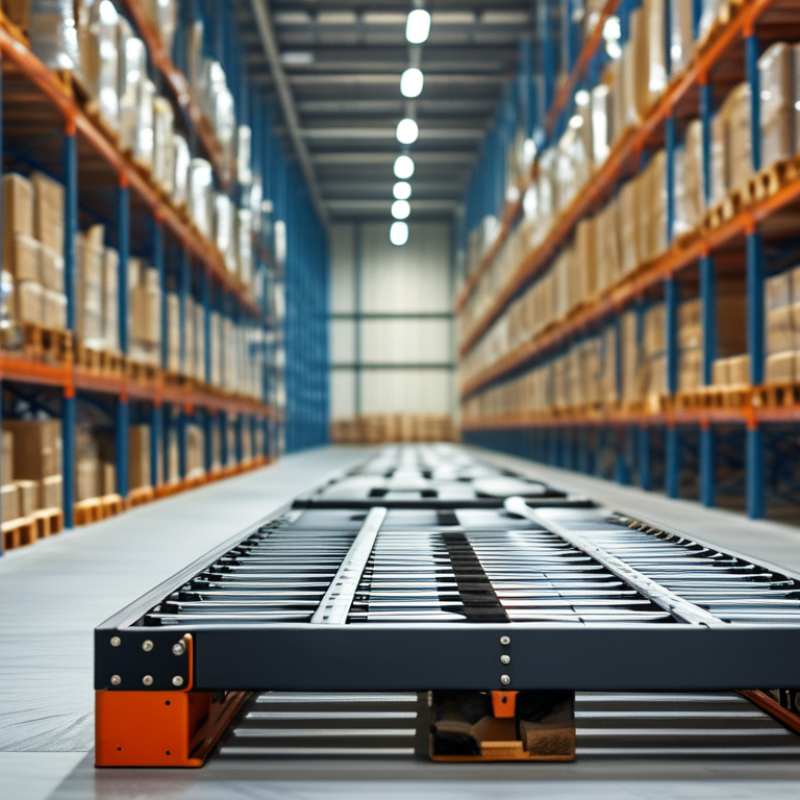
Pallet flow storage has emerged as a vital solution for warehouses seeking efficiency. This system utilizes gravity to move pallets through inclined rails. As pallets are loaded from one end, those at the other end roll forward, ensuring a seamless and organized flow. This design saves space, allowing more products to be stored within a smaller footprint.
One of the key benefits of pallet flow storage is increased picking efficiency. Workers can access goods easily without navigating around stacked pallets. This method also reduces the risk of damage. When pallets flow smoothly, there is less likelihood of accidents. Moreover, it optimizes inventory management. Products can be rotated automatically, ensuring older stock is used first.
However, implementing a pallet flow system isn't without challenges. It requires careful planning and precise installation. Miscalculations can lead to inefficiencies or space wastage. Additionally, maintenance of the rails and rollers is essential for continued operation. Regular inspections can prevent breakdowns and ensure longevity. Balancing these factors is crucial for maximizing the benefits of this storage method.
Applications of Pallet Flow Storage in Various Industries
Pallet flow storage has gained traction in various industries due to its efficiency. This system utilizes inclined tracks to allow pallets to flow from the loading end to the picking end. In the food and beverage industry, it ensures FIFO (first in, first out) inventory management. Products reach their destinations quickly. This reduces spoilage and enhances overall operational speed.
In the retail sector, pallet flow systems facilitate high-density storage. Retailers benefit from increased space utilization. These systems offer flexibility for seasonal inventory changes. However, not all products may suit this storage method. Fragile items can be a challenge, requiring careful handling.
Moreover, in the pharmaceutical industry, proper flow storage enhances compliance. Accurate product rotation is crucial for safety. The system helps maintain the integrity of medicines. This precision reinforces the reliability of pharmaceutical operations. Nevertheless, implementing such a system requires a thorough assessment of inventory types. Choosing the right application is essential for success.
Comparing Pallet Flow Storage with Other Storage Solutions
Pallet flow storage systems offer unique features that distinguish them from other storage solutions. Unlike traditional racking, this method uses a sloped design. Products move forward using gravity. This results in a first-in, first-out (FIFO) inventory management system. It is particularly beneficial for perishable goods and items with high turnover rates.
When comparing pallet flow storage to bulk storage, consider efficiency. Bulk storage relies on stacking, which limits accessibility. Pallet flow allows for quick retrieval. This can speed up operations in busy warehouses. Integrating this system can streamline inventory management significantly.
Tips: Regular training on flow system maintenance can enhance efficiency. Ensure staff understands gravity's role in this setup. Monitor stock levels frequently. This will prevent overloading and ensure smooth operation. A system that isn’t correctly maintained may lead to retrieval errors. Remember, every storage solution has trade-offs. Assessing the unique needs of your facility is crucial for effective storage management.
What is Pallet Flow Storage Benefits and Applications?
| Feature |
Pallet Flow Storage |
Drive-In Rack |
Static Rack |
Push Back Rack |
| Space Efficiency |
High |
Medium |
Low |
Medium |
| Picking Efficiency |
High |
Medium |
Low |
Medium |
| Accessibility |
Good |
Limited |
Very Good |
Good |
| Initial Investment |
Medium |
Low |
Very Low |
Medium |
| Inventory Management |
FIFO |
LIFO |
Static |
FIFO |
Best Practices for Maximizing Pallet Flow Storage Efficiency
Pallet flow storage systems offer several advantages in warehouse operations. Maximizing efficiency is crucial for businesses aiming for cost-effective inventory management. One key practice is optimizing the layout. Placing fast-moving items near the loading area can reduce travel time. According to a report by the Warehousing Education and Research Council (WERC), efficient layout design can enhance order picking speed by up to 25%.
Another important aspect is choosing the right flow rail. Using rails that support the weight and dimensions of specific pallets is essential. A mismatch can lead to damage and inefficiency. A study revealed that up to 30% of warehouse injuries stem from improper storage practices, highlighting the need for careful planning.
Regular maintenance of the pallet flow system is often overlooked. Ensuring that rails are clean and free from obstructions enhances flow and reliability. Also, training staff on best practices can minimize errors and accidents. According to a National Safety Council report, well-trained employees reduce workplace incidents by 35%, underscoring the value of human factors in optimizing efficiency.
Pallet Flow Storage Benefits and Applications
FAQS
: They are systems that use gravity to move pallets efficiently from loading to picking ends.
They can increase storage density by up to 75%, maximizing the use of warehouse space.
They enhance picking efficiency, allowing workers to easily access goods without navigating obstacles.
Yes, fragile or irregular items may not perform well in these systems, limiting their use.
Regular inspections and maintenance of rails and rollers are essential to prevent breakdowns.
Miscalculations in planning and installation can lead to inefficiencies or wasted space.
They automatically rotate stock, ensuring older products are used first and reducing waste.
While there are initial costs and potential upkeep, they can significantly improve efficiency in the long run.
Fragile and oddly shaped items may struggle in these systems and cause disruptions.
It's crucial; regular assessments help optimize the use of pallet flow systems and reflect changing inventory demands.
Conclusion
Pallet Flow Storage is an innovative warehousing solution designed to enhance efficiency in the storage and retrieval of pallets. This system utilizes a gravity-fed design that allows pallets to flow smoothly from the loading end to the picking end, optimizing space and improving access to inventory. The key benefits of implementing Pallet Flow Storage include increased storage density, reduced handling time, and improved inventory turnover, making it a valuable asset in various industries such as food and beverage, pharmaceuticals, and retail.
Furthermore, Pallet Flow Storage can be compared to other storage solutions, showcasing its unique advantages in speed and efficiency. To maximize the effectiveness of this storage system, companies should follow best practices, such as ensuring proper layout, regular maintenance, and staff training. By understanding and leveraging the benefits of Pallet Flow Storage, organizations can significantly enhance their operational efficiency and streamline their logistics processes.

 Guichang Rack