As global commerce continues to evolve, optimizing Mezzanine Systems becomes crucial for businesses looking to maximize their operational efficiency. According to a recent report from the Warehousing and Logistics Association, the demand for innovative mezzanine solutions is expected to grow by 15% annually. This shift is largely driven by increased e-commerce activity and the need for flexible space management.
Industry expert, Dr. John Miller, emphasizes the importance of adaptation. He states, "Mezzanine Systems are not just a trend; they are essential for effective space utilization in warehouses." His insights underscore the potential of these systems in providing additional space without extensive renovations. However, challenges remain. Many companies underestimate the significance of proper design, leading to inefficiencies.
To truly optimize Mezzanine Systems, businesses must embrace a strategic approach. This includes considering load capacities, accessibility, and integration with existing infrastructure. As the industry evolves, the ability to reflect on past installations and learning experiences will be paramount. The journey is ongoing, but the potential for improvement is substantial.
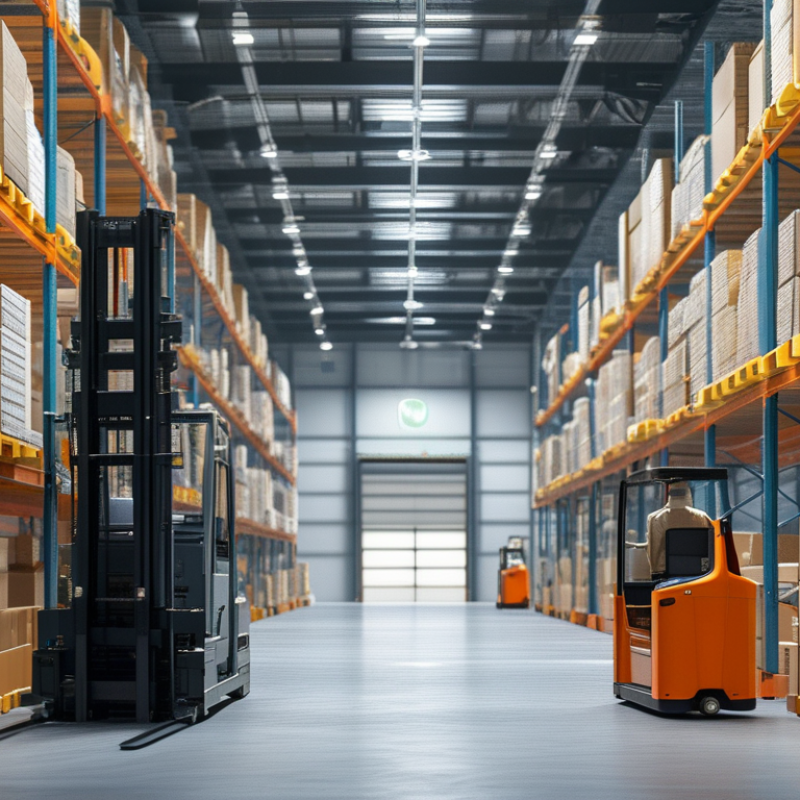
Mezzanine systems are vital in modern infrastructure. They enhance space utilization by providing an additional elevation within a building. Understanding their key components is crucial for global buyers. These systems typically consist of steel frameworks, flooring systems, and safety rails. A well-designed mezzanine can increase operational efficiency and improve workflow.
Safety is a primary concern. Each component must meet stringent safety standards. Buyers should consider load capacities, material strength, and structural integrity. Consulting with experts can help identify potential weaknesses. It's essential to perform regular inspections and maintenance. This ensures the systems remain reliable and safe over time.
Not all mezzanine systems fit every space. Customization might be necessary to address specific needs. Buyers should reflect on their operational requirements and future growth. Creating a balance between functionality and aesthetics is important. Feedback from end-users can lead to valuable insights. Ultimately, effective optimization involves both understanding the components and evaluating real-world applications.
| Component | Function | Material | Load Capacity (lbs) | Height (ft) |
|---|---|---|---|---|
| Decking | Provides surface for storage | Steel | 2500 | 10 |
| Support Columns | Stabilizes and supports the system | Steel | 5000 | 12 |
| Ladders | Access to upper levels | Aluminum | 300 | 8 |
| Handrails | Safety and fall protection | Steel | N/A | N/A |
| Safety Gates | Prevents fall hazards | Steel | N/A | N/A |
: Global trends show a rise in demand for efficient storage and flexible systems. Complexity in supply chains drives this need.
Implement adjustable shelving and modular designs. These features improve adaptability and maximize storage efficiency.
Assess load capacity, design versatility, and safety standards. Each industry has specific needs that influence system effectiveness.
Different regions have unique building codes. It's crucial to understand these to avoid costly redesigns and ensure compliance.
Safety standards like load-bearing capacities and fire regulations are critical. Ignoring them can have serious legal consequences.
Regularly consult local authorities for updates. Engaging with legal experts can also provide valuable insights on compliance.
Flexibility allows for adjustments and testing of different layouts. This adaptability can lead to significant operational improvements.
Yes, thoughtful small changes can yield substantial benefits. Regularly reassessing your layout helps meet current demands efficiently.
Retail spaces may focus on aesthetics and customer accessibility, while manufacturing emphasizes strength and durability for functionality.
Materials like lightweight steel improve durability without adding weight. They enhance performance while ensuring compliance with safety standards.
The article titled "2026 How to Optimize Mezzanine Systems for Global Buyers?" examines the essential components and functions of mezzanine systems, highlighting their significance in various industries. It explores the current global market trends that influence the optimization of these systems, emphasizing the need for efficiency and adaptability.
Strategies for enhancing the performance of mezzanine systems are discussed, alongside best practices for selecting the most suitable designs tailored to different sector requirements. Furthermore, the article addresses critical regulatory and compliance factors that must be considered in mezzanine system design, ensuring that global buyers can implement solutions that meet both functional and legal standards.

 Guichang Rack