China Top Medium Duty Storage Suppliers and Prices?

Time:2026-09-09 Author:Amelia
0%

China’s warehouse sector is expanding, but product selection remains more complicated than a simple price comparison. China Federation of Logistics and Purchasing data reported that China’s total social logistics value reached approximately RMB 360.6 trillion in 2024. This represented year-on-year growth of about 5.8%. Such movement supports continued demand for practical warehouse infrastructure, including Medium Duty Storage systems.

Medium Duty Storage usually serves cartons, spare parts, tools, packaged goods, and manually handled inventory. Typical systems support moderate loads, often between 200 and 800 kilograms per level. Exact capacity varies by beam profile, upright thickness, decking, and installation method. Supplier quotations may range from roughly US$40 to US$150 per square metre for basic racking. Complete projects can cost more. Freight, galvanising, safety accessories, and local installation may change the final figure significantly.

The comparison should examine more than the lowest offer. Technical drawings, load tests, steel grades, coating thickness, and replacement support matter. Reports from Grand View Research and Mordor Intelligence describe warehouse racking as a growing market, driven by e-commerce, distribution centres, and inventory expansion. However, their broad market figures do not establish a universal China price. That limitation deserves attention.

In practice, experienced buyers request a complete bill of materials and a site-specific layout. Ask for beam deflection data. Confirm seismic requirements where relevant. Check whether quoted prices include delivery and assembly. Supplier reputation also requires verification through factory audits, project records, inspection documents, and responsive after-sales service. Cheap may be useful. It may also hide missing components. This guide compares leading Chinese suppliers, realistic pricing factors, and the technical details behind dependable Medium Duty Storage decisions.
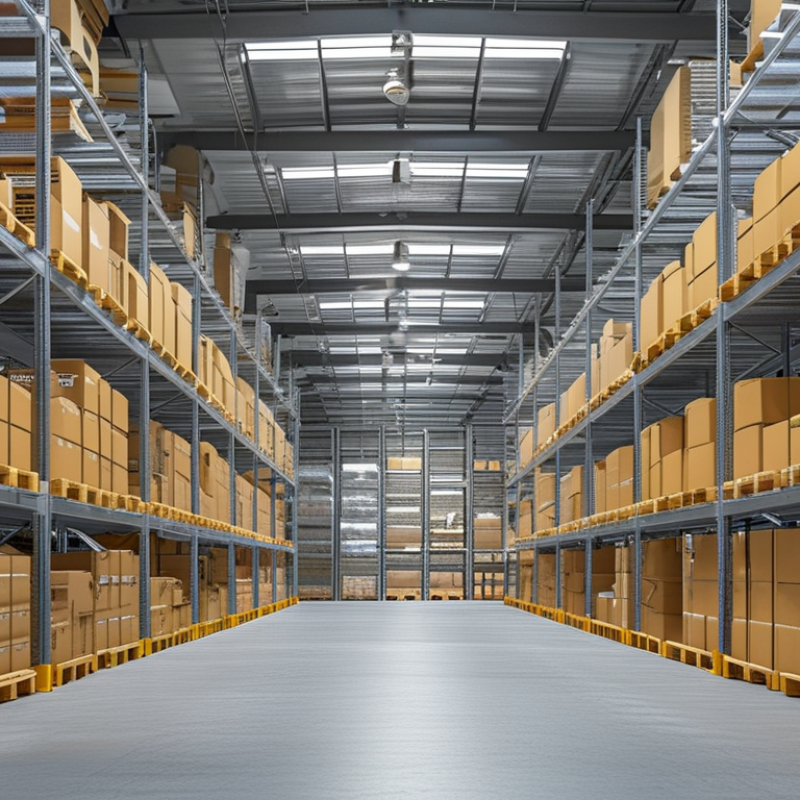
China Top Medium Duty Storage Suppliers and Prices?

What Is Medium-Duty Storage and Where Is It Used?

Medium-duty storage sits between light shelving and heavy industrial racking. It usually supports 200 to 800 kilograms per level, depending on design, materials, and load distribution. Steel frames, adjustable beams, and chipboard or steel panels are common. The exact limit matters. A shelf rated for 500 kilograms may fail when weight sits at one corner. That detail is often missed. During warehouse checks, I examine upright thickness, beam connections, bracing, and floor condition. Capacity labels should be clear. They should not rely only on sales promises.

This storage suits workshops, spare-parts rooms, archives, retail backrooms, and small distribution centers. It handles cartons, tools, packaged components, and maintenance supplies. It works well where hand loading is faster than forklift work. Shelves can be adjusted as inventory changes. That flexibility saves space. However, it cannot replace pallet racking. Heavy, oversized, or frequently moved loads need another system. I have seen layouts fail because aisles were measured after installation. Leave room for workers, carts, lighting, and emergency access. Even careful plans can be wrong.

When comparing China suppliers, price depends on steel thickness, coating, shelf size, loading rating, quantity, packaging, and shipping terms. A low quotation may exclude assembly, inland delivery, or replacement parts. Ask for drawings, load-test records, tolerance details, and installation guidance. Sample units can reveal sharp edges, uneven paint, or loose fittings. Not every factory handles custom dimensions equally well. That deserves checking. A reliable quotation separates product cost from logistics and taxes, then states warranty conditions plainly. Recheck the final load plan before ordering.

Key Features of China’s Medium-Duty Storage Systems

China’s medium-duty storage systems typically support 200–800 kilograms per beam level. The exact rating depends on beam thickness, upright spacing, and floor conditions. Adjustable levels suit cartons, spare parts, and small machinery. Boltless designs also simplify installation. Yet, I would not trust a capacity label alone. A supplier should provide load tables, deflection limits, and test records.

The 2024 MHI Annual Industry Report projects warehouse robotics and automation adoption to rise from 23% to 73% within five years. This shift makes compatibility important. Medium-duty racks should leave clear aisles for carts, scanners, or future lifting equipment. Powder-coated surfaces resist daily scratches, but coating quality varies. Inspect welds, connector fit, and column straightness before ordering. Small defects become expensive when shelves are fully loaded.

Pricing is shaped by steel grade, deck type, height, quantity, packaging, and shipping terms. Basic systems may appear inexpensive, while reinforced beams and seismic accessories raise the quotation. Ask for a complete cost sheet, including installation and replacement parts. The 2023 Global Warehousing Benchmark Report also identifies space utilization and labor efficiency as major performance measures. A practical layout can therefore reduce operating costs, even when the rack price is higher. One detail is often missed: future expansion space. Shelves rarely stay empty for long.

Leading Supplier Types in China’s Storage Equipment Market

China Top Medium Duty Storage Suppliers and Prices?

China’s storage equipment market includes several supplier types. Direct manufacturers usually offer the best control over steel grade, welding, coating, and load testing. They suit projects needing custom widths, shelf levels, or colors. Medium duty shelving often costs about 25 to 80 USD per unit before shipping. Actual pricing depends on dimensions, steel thickness, order volume, and packaging.

OEM factories produce equipment for overseas distributors and warehouse contractors. Their strength is repeat production and flexible specifications. Many provide drawings, sample assembly, and static load reports. Trading companies offer broader product choices and easier communication. However, their prices may include extra coordination fees. Integrated storage solution providers can design layouts, supply racks, and arrange installation support. They are useful when aisle spacing and workflow require careful planning.

Regional distributors keep common sizes in stock. This can reduce delivery time for smaller orders. Yet, inventory may limit customization. A supplier should provide material details, load ratings, inspection records, and replacement-part policies. Ask whether quoted prices include powder coating, cartons, taxes, or port delivery. These details change the final budget. A low quote can hide thin steel or weak connectors. That risk deserves attention. Supplier evaluations are not always perfect, especially when documents look complete but production samples differ. Reviewing a physical sample and checking measurements remains a practical safeguard.

Medium-Duty Storage Prices and Main Cost Factors

Medium-duty storage prices in China vary with load capacity, dimensions, steel grade, and order volume. Standard steel shelving often costs about USD 45–120 per unit, while heavier modular systems may reach USD 150–400. These figures are practical reference ranges, not fixed offers. A quote can change after drawings, packaging, and delivery terms are confirmed.

The largest cost factor is material weight. A shelf rated for 300 kilograms needs stronger beams than one rated for 150 kilograms. Upright thickness, beam profiles, surface coating, and reinforcement also affect the price. Powder coating usually costs more than basic spraying, but it can provide better wear resistance in busy warehouses. Custom heights, unusual bay widths, and special access requirements add fabrication and inspection costs.

Freight is easy to underestimate. A compact design may reduce shipping volume, yet overloaded pallets can increase handling charges. Suppliers with documented load tests, clear tolerance data, and consistent inspection records deserve closer attention. Ask for a full specification sheet, sample photographs, packing details, and replacement-part terms before comparing prices. Very low quotes often exclude installation, taxes, or local transport. That is where budgets become inaccurate. I would also question impressive capacity claims without test conditions. Real warehouse floors are rarely perfect, and uneven loading can reduce safe performance. A small pilot order may reveal assembly problems before a full purchase.

How to Select a Reliable Chinese Storage Supplier

Selecting a reliable Chinese storage supplier requires more than comparing the lowest quotation. The 2023 World Bank Logistics Performance Index ranked China 19th globally, showing strong logistics capability, but national performance does not guarantee factory quality. Request company registration, export records, production photos, and recent inspection reports. Verify whether the supplier manufactures racks or only trades them.

Ask for steel grade, beam capacity, coating thickness, weld standards, and load-test results. A typical medium-duty rack may cost about 70–180 US dollars per pallet position, excluding freight, installation, and taxes. Prices change with height, decking, bracing, and order quantity. The quotation should separate every cost. Hidden charges can damage an otherwise good project.

Use a sample order before signing a large contract. Measure upright thickness with a micrometer and check beam deflection under the stated load. ISO 9001 certification can support process control, but it is not proof of every product’s safety. The 2024 MHI Annual Industry Report highlights continuing investment in warehouse efficiency and automation, increasing demand for adaptable storage systems. Ask whether the supplier can provide replacement parts for five years. That answer reveals practical reliability.

I have seen attractive samples followed by weaker production batches. It happens. Require third-party inspection before shipment, with payment linked to accepted results. Keep drawings, test records, and installation instructions in one file. A dependable supplier accepts technical questions, admits limits, and corrects mistakes without vague promises. Price matters, but repeatable quality matters more.

China Top Medium Duty Storage Suppliers and Prices? - How to Select a Reliable Chinese Storage Supplier

Evaluation Dimension Typical Medium-Duty Specification Indicative China Export Price Recommended Verification Method Selection Notes
Boltless steel shelving 4–5 adjustable levels; approximately 180–300 kg per level; common sizes from 900 × 400 × 1,800 mm to 1,200 × 600 × 2,000 mm US$45–130 per unit, excluding freight and taxes Request a load test report, steel thickness, beam profile, and installation drawings Suitable for cartons, tools, spare parts, and general warehouse inventory
Long-span shelving 2–4 levels; approximately 300–800 kg per level; shelf lengths commonly 1,500–2,400 mm US$90–260 per bay, excluding freight and taxes Confirm uniformly distributed load capacity and deflection limits in the quotation Better for bulky cartons, long products, and hand-loaded warehouse storage
Multi-tier shelving Two or more storage levels with stairs, walkways, handrails, and structural framing US$120–300 per square metre for the shelving structure; project design priced separately Require structural calculations, floor-load assessment, guardrail details, and emergency-access planning Use a supplier experienced in site measurement and project installation
Light pallet racking Typical beam load of about 500–1,000 kg per level; upright height commonly 2,000–4,500 mm US$80–220 per frame-and-beam bay, excluding accessories and freight Check pallet dimensions, beam load, upright load, anchoring method, and impact-protection requirements Select only after confirming forklift type, aisle width, and warehouse clear height
Material and finish Cold-rolled steel with powder coating; galvanized finishes available for humid or outdoor conditions Powder coating is usually included; galvanizing may add approximately 10–25% Request coating thickness, surface-treatment process, colour standard, and corrosion-test information Confirm whether the quoted steel thickness is nominal or actual thickness
Load rating documentation Load capacity should be stated per shelf, beam level, frame, or bay, together with the load-distribution condition Normally included in technical documentation; engineering calculations may incur a separate fee Ask for signed drawings, test records, allowable deflection, and safety-factor assumptions Never compare prices without comparing the same load definition and configuration
Minimum order quantity Small standard orders may start at 10–50 units; customised projects often require a larger production batch Small orders generally have a higher unit price due to packing and setup costs Request separate pricing for trial quantity, repeat order, and full-container quantity Clarify whether accessories and replacement parts are subject to separate minimum quantities
Production lead time Standard products commonly require 15–30 calendar days; customised systems may require 30–60 days Expedited production may involve additional charges and is subject to material availability Obtain a written production schedule covering drawing approval, fabrication, inspection, and packing Do not treat the lead time as confirmed until technical drawings are approved
Packaging and shipping Knock-down packaging with cartons, woven bags, steel straps, or protective corner materials Packaging is often included; international freight, insurance, duties, and destination handling are extra Request packed dimensions, gross weight, loading plan, Incoterm, and container utilisation estimate Compare landed cost rather than factory unit price alone
Quality-control process Incoming material checks, dimensional inspection, weld inspection, coating inspection, and final quantity verification Pre-shipment inspection may be arranged independently or through a third-party inspection service Use approved samples, inspection checklists, photographs, and random quantity checks before shipment A clear acceptance standard reduces disputes about dents, coating defects, and missing components
Compliance and safety Design should reflect the destination country’s warehouse, fire, seismic, workplace-safety, and structural requirements Compliance engineering, stamped drawings, or local certification may add project costs Ask for applicable standards, engineering responsibility, certificates, and installation instructions The buyer remains responsible for confirming local regulatory requirements before installation
Warranty and after-sales service Commercial warranties commonly cover manufacturing defects for approximately 1–5 years, depending on the contract Replacement parts, site service, and return freight may be excluded from the basic warranty Review warranty exclusions, response time, spare-parts availability, and claim evidence requirements Obtain all warranty terms in the sales contract rather than relying on verbal statements
Supplier reliability checks Relevant manufacturing experience, stable production capacity, export capability, and documented quality procedures Factory audit and independent pre-shipment inspection involve additional verification costs Verify business registration, factory address, production equipment, references, and inspection records Prioritise transparent documentation and consistent technical answers over the lowest quotation

Note: Price ranges are indicative export-market estimates for standard configurations and can vary according to steel grade, dimensions, load capacity, quantity, customisation, packaging, Incoterms, freight, taxes, and installation requirements.

FAQS

: What load capacity do medium-duty storage systems usually support?

: They commonly support 200–800 kilograms per beam level. Capacity depends on beam thickness, upright spacing, and floor conditions. Never rely on labels alone.

What items suit these storage systems?

Adjustable levels can hold cartons, spare parts, and small machinery. Shelf spacing should match actual item height. Unused space quickly disappears.

Are boltless designs easy to install?

Boltless systems can simplify assembly and future adjustments. However, connector fit still needs inspection. Easy does not mean flawless.

How can I check product quality before ordering?

Request load tables, deflection limits, test records, and specification sheets. Inspect welds, column straightness, and connector alignment. Small defects grow under heavy loads.

What warehouse features should the layout consider?

Leave clear aisles for carts, scanners, and possible lifting equipment. Reserve space for future expansion. Shelves rarely stay empty.

What affects medium-duty storage prices?

Steel grade, capacity, dimensions, quantity, coating, packaging, and shipping terms affect pricing. Custom heights and unusual bay widths cost more. Freight is often underestimated.

What price range can buyers expect?

Standard steel shelving may cost about 45–120 US dollars per unit. Heavier modular systems may reach 150–400 US dollars. These are reference ranges, not fixed offers.

Why can a very low quotation be misleading?

Low quotes may exclude installation, taxes, local transport, or replacement parts. Ask for a complete cost sheet. Cheap can become expensive.

Should buyers place a pilot order?

A small pilot order can reveal assembly, packaging, and floor-fit problems. It also tests supplier communication. I would not skip this step.

Conclusion

Medium Duty Storage refers to shelving and rack systems designed for loads heavier than light-duty shelving but lighter than industrial heavy-duty solutions. It is widely used in warehouses, workshops, retail backrooms, archives, spare-parts rooms, and small manufacturing facilities. China’s systems commonly feature adjustable beam levels, durable steel construction, modular layouts, easy installation, and finishes that support long-term use. Depending on the application, options may include boltless shelving, pallet-style racks, carton flow units, and customized storage structures.

China’s storage equipment market includes manufacturers, contract fabricators, wholesalers, and integrated project suppliers. Prices vary according to load capacity, dimensions, materials, surface treatment, accessories, customization, order volume, packaging, and shipping requirements. To select a reliable supplier, buyers should review production capability, quality-control procedures, technical drawings, load testing, communication efficiency, delivery records, and after-sales support. Clear specifications and a detailed quotation can help control costs and ensure that the chosen Medium Duty Storage system is safe, practical, and suitable for the intended working environment.

Amelia

Amelia

Amelia is a seasoned marketing professional with a wealth of expertise in our company’s core offerings. With an unwavering passion for driving growth and innovation, she plays a pivotal role in shaping our marketing strategies and enhancing brand visibility. A key aspect of her responsibilities......