Cantilever Storage is a versatile solution for managing long and bulky items. This system is designed to maximize space and enhance organization. With a robust cantilever framework, it can support various materials like lumber, pipes, and furniture. Choosing the right cantilever storage system can significantly impact efficiency.
Many businesses struggle with selecting the best system. Several factors influence this choice, including load capacity, space availability, and specific storage needs. Without proper evaluation, inefficiencies can arise, leading to wasted space and resources. It's crucial to assess these elements carefully.
Piecing together the right components can take time. Each decision affects overall functionality. Reflecting on past choices can provide valuable insights. Despite the apparent simplicity of cantilever storage, finding an ideal system requires thought and precision. Choosing wisely now can prevent issues later.
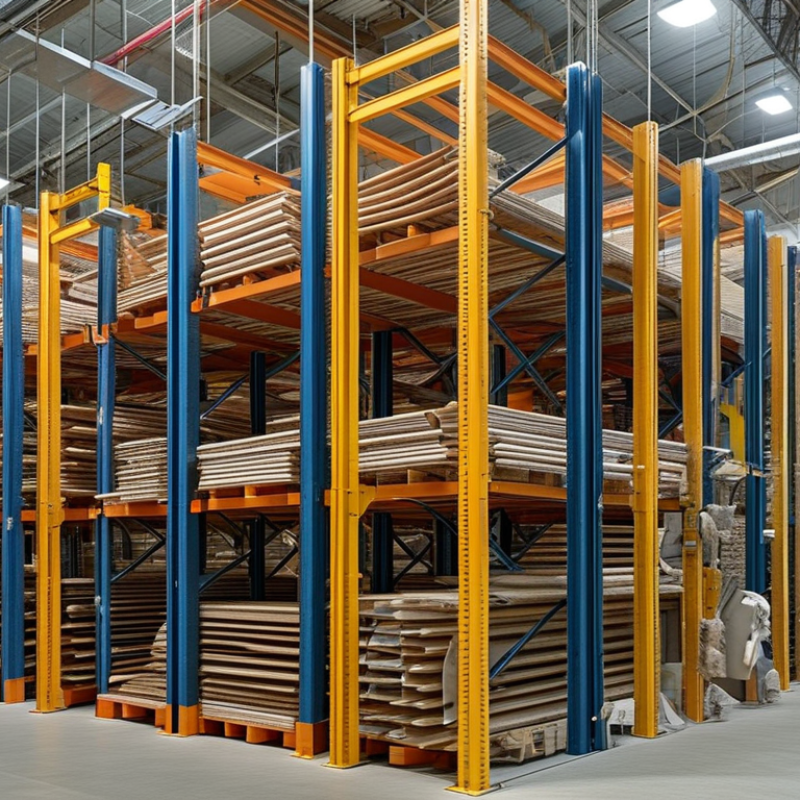
What is Cantilever Storage? An Overview of the Storage Solution
Cantilever storage is a specialized shelving solution designed to store long and bulky items. It features vertical columns with extended arms, allowing for the easy placement and retrieval of materials such as lumber, pipes, or furniture. According to industry reports, the cantilever system can increase storage efficiency by up to 40% compared to traditional shelving methods. This efficiency stems from its ability to maximize vertical space.
When considering a cantilever system, it's crucial to evaluate the weight capacity and material of the arms. Many systems can accommodate weights exceeding 5,000 pounds per arm. However, not all installations meet this standard. Some cantilever racks may have a shorter lifespan if improperly installed or overloaded, leading to potential safety hazards. It’s imperative to conduct a thorough assessment of your storage needs before making a decision.
In addition to structural integrity, the layout of your storage facility matters. A poorly designed space can lead to congestion, reducing the system's overall effectiveness. Industry studies indicate that businesses can lose up to 30% productivity due to inefficient storage layouts. Therefore, regularly reviewing and adjusting your cantilever system can provide insights into optimizing both space and workflow.
Advantages of Cantilever Storage Systems for Industrial Applications
Cantilever storage systems offer numerous advantages for industrial applications. These systems are designed to store long, bulky items such as lumber, pipes, and metal sheets. Unlike traditional shelving, cantilever racks have no front columns, allowing for easier access and maximum storage capacity. This design is particularly beneficial in warehouses where space optimization is crucial.
One key advantage of cantilever storage is its versatility. These systems can be adjusted to different heights, accommodating varying lengths of materials. This flexibility ensures that businesses can adapt to changing inventory needs. Additionally, cantilever racks are often constructed from high-quality steel, which provides durability and strength, ensuring they can support heavy loads.
Cost-efficiency is another significant benefit. While the initial investment might be higher, the long-term benefits in terms of space efficiency and organization can outweigh these costs. Moreover, proper maintenance can prevent mismanagement of materials, reducing losses. However, it's essential to train staff on safe loading practices. Improper use can lead to accidents or damage. Thoughtful planning and constant evaluation of needs are crucial for maximizing the effectiveness of cantilever storage systems.
What is Cantilever Storage and How to Choose the Best System? - Advantages of Cantilever Storage Systems for Industrial Applications
| Feature |
Description |
Advantages |
| Weight Capacity |
Cantilever storage systems can support heavy loads, making them ideal for bulk items. |
Increased storage efficiency for heavy products. |
| Material Types |
Available in steel and aluminum, providing flexible options for various materials. |
Durability and resistance to outdoor conditions. |
| Adjustability |
Features adjustable arms for varying item sizes. |
Versatile use across different types of products. |
| Space Efficiency |
Designed to maximize vertical space with minimal footprint. |
Optimizes warehouse layout and increases overall capacity. |
| Ease of Access |
Allows for easy loading and unloading from multiple sides. |
Improves workflow efficiency and reduces operational delays. |
| Cost-Effectiveness |
Lower installation and maintenance costs compared to other systems. |
High return on investment for industrial applications. |
Key Considerations When Choosing a Cantilever Storage System
When selecting a cantilever storage system, several key considerations can significantly impact efficiency. First, evaluate the load capacity. Research shows that systems vary widely, with some supporting loads over 10,000 pounds. This factor is crucial for industries managing heavy materials. Moreover, the height and length of the arms should align with your storage needs. Arms typically range from 36 to 72 inches, depending on product dimensions.
Next, consider the material of the system. Steel options generally provide higher durability and load-bearing capabilities, while lighter materials might impact mobility. According to a study by the Material Handling Industry of America, effective cantilever storage can increase space efficiency by up to 40%. Think about your facility's layout. A system that occupies minimal floor space but offers vertical storage is often more effective.
Lastly, safety features shouldn't be overlooked. Systems equipped with safety pins and load labels enhance security during operation. Regular inspections can mitigate risks associated with heavy loads. Balancing these elements requires careful thought and may lead to reflection on whether your current system meets future needs.
Industry Standards and Load Capacities for Cantilever Racking
Cantilever racking systems are essential for storing long, bulky items like timber and pipes. Understanding industry standards is crucial for choosing the right system. Load capacities determine how much weight a rack can safely hold. These capacities vary based on design, materials, and structural integrity.
Typically, cantilever racks are rated for different weight classes. Each arm has a maximum load limit to ensure safety and stability. Manufacturers generally provide guidelines based on the rack’s configuration. It's vital to adhere to these standards to prevent accidents.
Monitoring the condition of your cantilever rack is equally important. Regular inspections help identify wear or damage. Overloading racks beyond their rated capacity can lead to disastrous failures. Users often overlook maintenance, which can lead to significant risks. Knowledge of proper loading techniques is essential for optimal performance. Practical experience with these systems reinforces the importance of adhering to weight limits and guidelines.
Comparative Analysis of Cantilever Storage vs. Traditional Racking Systems
Cantilever storage systems offer distinct advantages over traditional racking systems. They are designed to hold long or bulky items, providing flexibility in storage. These systems feature arms that extend horizontally, allowing for easy access to stored goods. In contrast, traditional racks can be limiting for oversized products. They often require careful planning to maximize space.
When comparing the two, durability plays a significant role. Cantilever racks are generally more robust, accommodating heavier loads. However, this strength comes at a cost. Installation can be more complex, and improper assembly may lead to safety issues. Traditional racking systems may be simpler to install but might not handle diverse product shapes effectively.
Accessibility is another concern. Cantilever systems allow for easier retrieval of large items, reducing handling time. Yet, if not organized properly, they can lead to clutter. Ensuring a balance between storage capacity and accessibility is crucial. Businesses must reflect on their specific needs before making a decision. Each storage option presents unique challenges that require careful consideration.
FAQS
: Cantilever storage is a shelving solution for long, bulky items. It features vertical columns with extended arms.
It can increase storage efficiency by up to 40%. This is due to its ability to maximize vertical space.
Evaluate the weight capacity of the arms. Check if it matches your storage needs and materials.
Many systems support over 5,000 pounds per arm. However, capacity can vary by installation and design.
Improper installation can reduce lifespan and create safety hazards. Always follow manufacturer guidelines.
A poorly designed layout can cause congestion. This inefficiency can lead to up to 30% productivity loss.
Regular checks can identify wear or damage. Neglecting this can lead to risks and potentially hazardous failures.
Overloading exceeds weight limits and can lead to failures. This may cause equipment damage or safety issues.
Regular inspections and adherence to weight limits are crucial. Maintenance is often overlooked but is essential for safety.
Items like lumber, pipes, and furniture are ideal. Ensure proper handling techniques to maximize the system's effectiveness.
Conclusion
Cantilever Storage is a specialized racking solution designed to hold long, heavy, or irregularly shaped items that traditional racking systems may struggle to accommodate. This system offers several advantages for industrial applications, including improved accessibility, enhanced space utilization, and the ability to support varying load capacities, making it an ideal choice for warehouses dealing with bulky materials like timber, metal, and pipes.
When selecting a cantilever storage system, it's essential to consider key factors such as load requirements, available space, and the specific nature of the items being stored. Additionally, adhering to industry standards ensures safety and efficiency in operation. A comparative analysis shows that while cantilever storage provides significant benefits over traditional racking systems, understanding the particular needs of your storage environment is crucial for maximizing its effectiveness.

 Guichang Rack