Choosing among the 10 Best Steel Platforms for Industrial Applications requires more than comparing prices or photographs. Steel Platforms support workers, tools, pipes, valves, inspection equipment, and maintenance routines. Their performance depends on load capacity, span, height, corrosion exposure, access design, and installation conditions.
Fazlur Rahman Khan once said, “The technical man must not be lost in his own technology.” His reminder fits industrial platform selection well. A strong platform still needs practical stairs, clear handrails, safe grating, and sensible maintenance access. On a busy factory floor, a few missing details can slow inspections or create avoidable risks.
This guide examines ten platform solutions used across manufacturing plants, warehouses, processing facilities, energy sites, and logistics operations. It considers structural strength, modularity, surface protection, customization, and long-term service demands. Galvanized steel may suit humid environments, while painted carbon steel can offer a cost-conscious option indoors. Stainless steel remains valuable where cleaning chemicals or persistent moisture are present.
The best choice is rarely universal. That deserves attention. A compact mezzanine may outperform a larger structure when floor space is limited. Conversely, a heavy-duty access platform may justify its higher initial cost through safer maintenance and longer service life. The discussion also recognizes an uncomfortable point: published specifications do not always reflect real operating conditions.
Each option will be viewed through practical engineering judgment, manufacturer credibility, applicable safety expectations, and field usability. The goal is not to promote one design blindly. It is to help readers identify the platform that genuinely fits their facility, workforce, environment, and future operating needs.
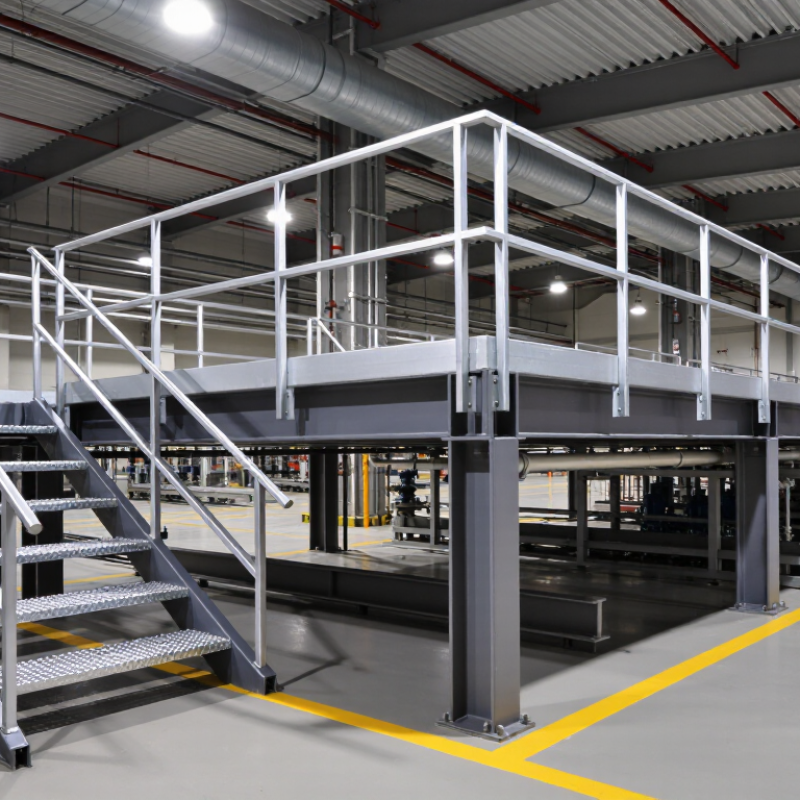
Safety comes first. Engineers normally review live loads, dead loads, impact forces, vibration, deflection, and connection strength before fabrication. Platform decks may use steel grating, checker plate, or solid panels, depending on drainage and foot traffic. Guardrails, toe boards, stairs, ladders, and handrails reduce fall and access risks. Details matter. A platform should also match the surrounding process, including pipe routes, cleaning needs, lighting, and emergency movement.
Field inspections often reveal problems that drawings miss. A support may block a valve, or a narrow stair may slow maintenance work. Small issues become expensive during shutdowns. Corrosion near washdown areas deserves special attention, even when the frame looks strong. Protective coatings help, but they are not permanent. Regular inspection should check welds, bolts, grating clips, anchors, corrosion, and unusual movement. I have found that the “best” platform is rarely the heaviest one. It is the one that carries its intended load, allows practical access, and remains inspectable over time. Some designs still need revision after workers use them. That is not failure; it is useful evidence.
10 Best Steel Platforms for Industrial Applications?
Key Criteria for Evaluating Industrial Steel Platforms
Selecting an industrial steel platform requires more than comparing prices or photographs. Start with the working load, equipment weight, impact forces, and foot traffic. A platform that feels rigid during a brief inspection may still deflect under repeated loading. Check the design calculations, steel grade, weld quality, bolt strength, and allowable span. Ask for inspection records and traceable material certificates.
Site conditions matter just as much. Moisture, chemicals, heat, and abrasive dust can shorten service life. Galvanized or coated steel may help, but surface preparation remains critical. Look closely at drainage points, grating openings, stair angles, handrails, toe boards, and access clearances. Small gaps can collect dirt. Poorly placed braces can obstruct maintenance work. These details affect daily safety and productivity.
In industrial surveys, I have found that installation quality often changes the final result. Uneven foundations, missing washers, or poorly aligned connections can undermine a sound design. Independent inspection is worthwhile before commissioning and after major modifications. The platform should also include a clear maintenance plan, load signage, and practical access for future repairs. A low initial price can mislead. Recheck assumptions with a qualified structural engineer, especially when vibration, elevated temperatures, or changing equipment loads are involved. Even experienced teams occasionally overlook user movement patterns. Watch the platform in operation, not only on paper.
| Rank | Platform Type | Typical Industrial Use | Typical Clear Span | Typical Design Load | Decking / Surface | Corrosion Protection | Key Evaluation Criteria | Commonly Referenced Standards |
|---|---|---|---|---|---|---|---|---|
| 1 | Heavy-Duty Maintenance Platform | Access around pumps, compressors, conveyors, turbines, and process equipment. | 1.2–3.0 m | 4.8–7.5 kPa | Steel bar grating with serrated load bars; slip-resistant surface. | Hot-dip galvanizing or an industrial paint system; stainless steel may be selected for aggressive environments. | High live-load capacity, low deflection, guardrail strength, toe-board protection, and safe maintenance access. | EN ISO 14122; applicable national structural and workplace-safety codes. |
| 2 | Modular Bolted Access Platform | Production lines, warehouses, utility areas, and facilities requiring future reconfiguration. | 0.9–2.4 m | 2.5–5.0 kPa | Interchangeable grating panels or checker plate with formed anti-slip pattern. | Galvanized structural members with zinc-coated fasteners or a compatible protective coating. | Connection repeatability, ease of assembly, modular expansion, transportability, and inspection access. | EN ISO 14122; ISO 1461 for hot-dip galvanized components where specified. |
| 3 | Industrial Mezzanine Platform | Additional storage, work areas, packaging operations, and production-floor space. | 3.0–9.0 m | 3.5–10.0 kPa | Steel deck with concrete topping, structural panels, or heavy-duty steel plate. | Primed and painted steel for indoor areas; galvanizing or a duplex system for humid or exposed locations. | Column layout, floor vibration, fire strategy, impact protection, stair integration, and load transfer to the building slab. | Applicable structural steel design code; ASCE 7 or EN 1991 for imposed loads, as required by jurisdiction. |
| 4 | Steel Catwalk Platform | Long-distance pedestrian access above conveyors, tanks, ducts, and processing equipment. | 1.0–2.0 m width | 2.5–4.0 kPa | Open steel grating with serrated bars and drainage-friendly geometry. | Hot-dip galvanized steel is commonly selected for outdoor and washdown conditions. | Walking width, clear headroom, continuous handrails, anti-slip performance, drainage, and escape routes. | EN ISO 14122; local requirements for industrial stairs, walkways, handrails, and fall protection. |
| 5 | Loading and Transfer Platform | Material handling, pallet transfer, truck loading zones, and warehouse interfaces. | 1.5–4.0 m | 5.0–12.5 kPa | Heavy checker plate or reinforced grating designed for pallet trucks and localized wheel loads. | Galvanized, painted, or zinc-rich primer systems depending on traffic and weather exposure. | Point-load resistance, edge protection, vehicle impact barriers, dock-level differences, and drainage. | Applicable building, loading-dock, forklift, and structural design requirements. |
| 6 | Roof Service Platform | Safe access to rooftop HVAC units, filters, fans, cable routes, and inspection points. | 0.8–1.8 m width | 2.0–3.0 kPa | Lightweight galvanized grating or anti-slip steel walkway panels. | Hot-dip galvanizing with sealed or protected cut edges; stainless fasteners may be used in coastal areas. | Roof membrane protection, wind exposure, drainage, safe transitions, guardrails, and access from fixed ladders. | EN ISO 14122; applicable roof-access and fall-protection regulations. |
| 7 | Stair-Integrated Steel Platform | Multi-level access between production floors, service decks, and elevated workstations. | 1.0–2.0 m width | 2.5–5.0 kPa | Anti-slip grating, perforated plate, or formed steel stair treads with visible nosing. | Powder coating, industrial paint, or galvanizing selected according to exposure and cleaning method. | Riser and tread consistency, landing size, handrail continuity, headroom, stair angle, and emergency egress. | EN ISO 14122; applicable stair geometry and accessibility requirements. |
| 8 | Machine Access Platform | Operator access to filling machines, presses, packaging systems, and inspection stations. | 0.8–2.0 m span | 2.5–4.0 kPa | Perforated anti-slip plate or close-mesh grating to reduce small-object drop-through. | Painted carbon steel for controlled interiors; stainless steel or specialized coatings for hygienic areas. | Machine guarding interfaces, cleanability, vibration control, ergonomic reach, and prevention of dropped objects. | EN ISO 14122; machinery safety requirements applicable to the installation. |
| 9 | Chemical-Process Service Platform | Access around reactors, vessels, pipe racks, dosing systems, and treatment equipment. | 1.0–2.5 m | 3.0–5.0 kPa | Open grating selected for drainage, with close-mesh or solid sections where spill control is needed. | Coating system based on chemical exposure; galvanized steel is suitable only where compatible with the process environment. | Chemical compatibility, drainage, slip resistance, inspection frequency, containment, and resistance to process splash. | EN ISO 14122; project-specific corrosion-control and process-safety requirements. |
| 10 | Temporary or Relocatable Steel Platform | Shutdown maintenance, construction work, equipment installation, and short-term access requirements. | 0.6–2.4 m span | 2.0–4.0 kPa | Removable anti-slip grating or steel panels with positive locking connections. | Painted or galvanized steel; exposed components should be checked after each relocation. | Rapid assembly, ballast or anchorage, stability, lifting points, inspection records, and protection against unintended movement. | Applicable temporary-works, access-equipment, and workplace-safety regulations. |
| The dimensions and load values shown are typical preliminary ranges for comparison, not final design limits. Actual capacity must be verified by a qualified structural engineer using the governing local codes, support conditions, span, concentrated loads, vibration requirements, corrosion environment, guardrail loads, and emergency-access provisions. | ||||||||
Steel platforms serve different industrial needs, and selecting the right type requires more than checking dimensions. Work platforms provide stable standing areas beside machines, while mezzanine platforms create useful upper-level storage or production space. Catwalks connect processing zones and support regular foot traffic. Maintenance platforms give technicians safer access to motors, valves, and elevated components. Loading platforms support the transfer of pallets, drums, and packaged materials between vehicles and buildings.
Equipment platforms carry pumps, compressors, control cabinets, and other heavy units. Access platforms surround tanks or vessels, allowing operators to inspect fittings without awkward climbing. Stair landing platforms improve movement between levels and offer a secure resting area. Modular platforms suit changing facilities because workers can extend or relocate sections. Tank-top platforms provide working space above storage vessels, especially during inspection and servicing. Every design needs verified load calculations, suitable corrosion protection, guardrails, and a clear access route.
Field experience shows that small details often decide whether a platform remains useful. A narrow maintenance platform may meet the drawing but frustrate technicians carrying tools. Wet floors also expose weaknesses in drainage and surface selection. No platform is perfect. Regular inspections should check welds, bolts, grating, handrails, and unexpected deflection. Engineers should also review operating habits, because real users may place loads differently from the original plan.
Choosing among ten industrial steel platform designs requires more than comparing quoted load ratings. A welded heavy-duty platform handles concentrated loads from pumps and storage tanks. Bar grating reduces water buildup and improves drainage. Checker plate offers a solid walking surface, but it can collect oil and debris. Modular bolted platforms simplify relocation and future expansion. Cantilever platforms save floor space, though their support connections need careful analysis. Load capacity depends on span, beam size, bracing, connections, and live-load patterns. A platform rated for 500 kilograms may perform poorly when several workers and tools gather at one edge.
Design details influence daily safety and productivity. Mezzanine platforms provide valuable storage, while access platforms improve inspection work around machinery. Skid-mounted platforms suit temporary equipment arrangements. Heavy maintenance platforms require wider stairs, stronger handrails, and space for replacement parts. Small details matter. Engineers should verify deflection, vibration, guardrail height, toe boards, and anchorage against applicable local standards. A stiff-looking deck is not automatically a safe deck.
Durability depends on exposure and maintenance discipline. Hot-dip galvanizing resists outdoor moisture, while protective coatings suit controlled indoor environments. Stainless or specialized steel may be necessary in corrosive process areas, but material selection should follow measured exposure data. Inspectors should check welds, bolt tension, coating damage, rust at drainage points, and standing water. Cleaning schedules often fail near hidden beam connections. My practical evaluations have shown that neglected edges deteriorate first. Still, visual checks cannot replace documented structural inspections, especially after impact, equipment changes, or unexpected vibration.
10 Best Steel Platforms for Industrial Applications?
Safety standards should guide platform selection, not only price or load capacity. A practical shortlist includes fixed mezzanines, modular work platforms, maintenance platforms, machine platforms, access platforms, crossover platforms, loading platforms, stair towers, catwalks, and mobile platforms. Each design needs verified live-load, point-load, impact, and environmental calculations. OSHA 29 CFR 1910.22 and 1910.23 address walking surfaces, fall protection, and guarding. ANSI/ASSP A1264.1 and ISO 14122 also provide useful design references for industrial access systems.
Falls remain a serious warning. OSHA reported 395 fatal falls in construction during 2022, representing 36.9% of construction deaths. BLS Census of Fatal Occupational Injuries reports also keep falls, slips, and trips among leading fatal event categories. Industrial platforms need rigid handrails, midrails, toe boards, non-slip decking, and controlled ladder or stair access. A heavier platform is not automatically safer. Poor drainage, sharp edges, weak connections, or blocked escape routes can create different hazards. Site inspections should check welds, corrosion, deflection, guardrail height, and real traffic patterns.
Tips: Measure the work area while equipment operates. Confirm the heaviest load and its position. Review inspection records every shift or after modification. Ask an independent engineer to verify unusual spans, outdoor exposure, or seismic demands. I would also challenge one common assumption: a standard platform may fit the drawing, but not the workers’ actual movements. That mistake deserves attention.
The chart compares indicative design live-load benchmarks for common industrial steel platform applications. Values are aligned with commonly used imposed-load categories in EN 1991-1-1, including industrial areas and storage spaces. Final platform design must verify equipment loads, point loads, dynamic effects, guardrails, stairs, grating span, corrosion protection, and the governing local code. OSHA 29 CFR 1910.22 also requires floors and platforms to support their maximum intended load safely.
It creates a stable work area above floors, tanks, machinery, or production lines.
A maintenance or access platform usually works well around pumps, valves, and production equipment.
Engineers review dead loads, live loads, point loads, impact, vibration, deflection, and connection strength.
Steel grating supports drainage and reduces standing water.
Guardrails, midrails, toe boards, handrails, and controlled stair or ladder access are important.
Inspect washdown areas, drainage points, beam edges, welds, bolts, and coating damage.
Bolted designs can simplify relocation, repair, and future expansion.
Measure the area while equipment operates, not only during shutdown.
Workers may discover blocked valves, narrow stairs, poor lighting, or awkward tool movement.
Steel Platforms are essential components in industrial facilities, providing stable, elevated work areas for equipment access, material handling, inspection, and maintenance. This article introduces the basic structure and operational role of steel platforms, then explains the key factors used to evaluate them, including load capacity, dimensions, surface design, corrosion resistance, durability, installation requirements, and long-term maintenance needs.
It also presents ten leading steel platform types and identifies the industrial applications best suited to each design, from fixed access platforms and equipment supports to modular, mobile, and multi-level structures. A practical comparison of capacity, design flexibility, service life, and maintenance requirements helps readers understand the strengths of different options. Finally, the article highlights essential safety standards and selection guidelines, encouraging facility managers to consider workplace conditions, user protection, inspection access, structural reliability, and compliance when choosing a platform.

Guichang Rack