As the demand for efficient logistics increases, the importance of optimizing pallet storage cannot be overstated. Industry expert Dr. John Reynolds, a leading voice in warehouse management, emphasizes, "Effective pallet storage is the backbone of supply chain efficiency." In 2026, global buyers will seek innovative solutions that enhance storage efficiency and minimize costs.
Pallet storage systems must adapt to growing needs. Warehouses now face space constraints, making smart design essential. As companies explore new technologies, the quest for optimal pallet storage becomes critical. Solutions that integrate automation and flexibility will dominate the market. However, navigating these options can be challenging.
Buyers should reflect on their unique requirements. Each operation has distinct challenges. Choosing the right pallet storage solution requires careful consideration of specific logistics. Disregarding these nuances may lead to inefficiencies. Ultimately, the right approach to pallet storage can significantly impact overall productivity.
Key Features of Efficient Pallet Storage Solutions
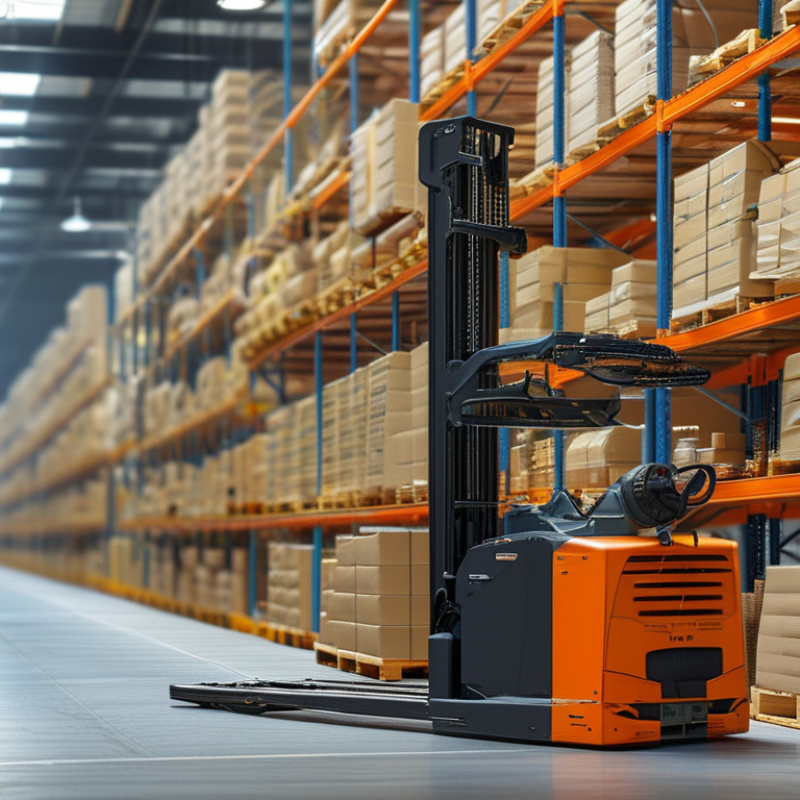
Efficient pallet storage solutions are crucial for companies looking to optimize their logistics. According to recent industry reports, nearly 30% of warehouse space is underutilized due to poor storage practices. Companies must focus on maximizing this space with strategic storage options.
Key features of effective pallet storage include adjustable racking systems. These allow for flexibility in height and width, accommodating various pallet sizes. Data shows that adjustable systems can increase capacity by up to 40%. Additionally, proper aisle width is vital. Aisles that are too narrow can hinder movement and slow down operations.
Furthermore, implementing automated solutions can enhance efficiency. Automated storage and retrieval systems (ASRS) are gaining traction, with reports suggesting that they can improve storage density by up to 60%. However, it’s crucial to assess the cost versus benefits. High initial investment may deter some companies, impacting their logistics strategy. Regular evaluations are necessary to ensure that the systems in place are delivering expected results.
Types of Pallet Storage Systems Available for Buyers
When exploring pallet storage systems, buyers encounter various options tailored to different needs. Drive-in racks are among the most space-efficient solutions. They allow forklifts to drive directly into the rack, maximizing depth storage. According to industry reports, these systems can boost storage density by up to 80%. However, they can pose challenges in stock rotation, as the Last In, First Out (LIFO) method is mandatory.
Selective pallet racking is another popular choice. This system offers easy access to each pallet. It features upright frames with horizontal beams that create individual slots for pallets. A recent survey revealed that over 50% of warehouses prefer selective racks due to their flexibility. However, this ease of access can lead to underutilized vertical space, which might require reevaluation over time.
Mobile pallet racks present a different solution. They move on tracks, which reduces aisle space while increasing storage capacity. According to logistics experts, these systems can enhance storage by up to 30%. Still, the investment costs and maintenance may deter some buyers. Users must also consider the importance of regular training for staff, as improper operation can lead to accidents or damage. Each system has its pros and cons, compelling buyers to assess their specific operational needs before making a decision.
Top Global Suppliers of Pallet Storage Solutions
When looking for the best pallet storage solutions, global suppliers play a crucial role. They offer various systems, including adjustable shelving and mobile racks. These solutions are adaptable to different industries, from manufacturing to retail. A good supplier understands the nuances of space optimization and can provide tailored options.
Experience matters in this field. Many leading suppliers have years of experience. They use this knowledge to help businesses maximize efficiency. However, relying solely on supplier recommendations can be risky. It’s important to critically assess each option. Some solutions may not fit unique operational needs.
Furthermore, while some suppliers excel in cost-effectiveness, they may lack innovative designs. Balancing cost and quality is essential. Businesses should also keep an eye on trends. As sustainability grows, so does the demand for eco-friendly storage solutions. The right partner can guide you toward the best choices, ensuring both reliability and efficiency in your storage strategy.
Considerations for Choosing the Right Pallet Storage Method
When selecting a pallet storage method, consider the dimensions of your warehouse. A high ceiling might favor pallet racking systems, allowing for vertical storage. Measure the available floor space too. This helps avoid overcrowding and ensures easy access to stored goods. Efficient use of space can significantly impact your overall storage capacity.
The type of goods you store is also crucial. For heavy pallets, choose a robust system that can bear the weight efficiently. Lighter products might allow for more flexibility in storage types. Evaluate the turnover rate of your inventory. High turnover items may require quick access, while slower-moving stock can be stored in less accessible spots.
It's important to think about safety protocols as well. A poorly chosen storage solution can lead to hazards. Ensure that the pallets are stored securely to prevent accidents. Assess the workflow of your team. It might reveal inefficiencies in the current setup. In the end, your selected method should balance space, safety, and accessibility.
2026 Best Pallet Storage Solutions for Global Buyers
| Storage Method |
Max Load Capacity (kg) |
Space Efficiency (%) |
Accessibility (1-5) |
Cost Estimate ($) |
| Selective Racking |
1000 |
80 |
5 |
2000 |
| Push Back Racking |
1200 |
75 |
4 |
2500 |
| Pallet Flow Racking |
1500 |
85 |
3 |
3000 |
| Cantilever Racking |
2000 |
70 |
4 |
4000 |
| Mobile Racking |
1000 |
90 |
2 |
5000 |
Future Trends in Pallet Storage Solutions for Industry Efficiency
The future of pallet storage solutions is ever-evolving. As industries strive for efficiency, innovative storage practices emerge. Modern warehouses are incorporating vertical storage systems. These systems maximize space. They also enhance accessibility. This shift allows companies to store more pallets in smaller areas.
Automation plays a crucial role in these advancements. Automated storage and retrieval systems streamline operations. They reduce manual labor and errors. Integrating smart technology, like sensors and AI, can track pallet conditions. This helps prevent damage and ensures optimal inventory management. However, the high initial investment can be a barrier for some businesses.
Companies must rethink their strategies. Traditional storage methods may become obsolete. Focusing on customizable solutions can cater to diverse needs. Flexibility in storage design is essential. Each industry has unique requirements, and one size does not fit all. Continuously evaluating these innovations will lead to improved efficiency in the long run. The challenge lies in adapting to these changes sustainably.
FAQS
: They optimize logistics and maximize warehouse space. Poor practices often waste 30% of available space.
They offer flexibility for various pallet sizes. Capacity can increase by up to 40% with these systems.
Proper aisle width is vital for movement. Aisles that are too narrow can slow down operations significantly.
Automated solutions enhance efficiency and reduce manual errors. They can improve storage density by up to 60%.
Assess the cost versus benefits carefully. High initial investments may deter some companies from adopting these solutions.
They maximize space and enhance accessibility. This allows for more pallets in smaller areas, improving overall efficiency.
Smart tech, like sensors, tracks pallet conditions. It helps prevent damage and ensures good inventory management.
Industries need customizable solutions. Flexibility in storage design is essential for meeting diverse industry needs.
Regular evaluation of innovations is crucial. Continuous adaptation will improve overall efficiency in the long run.
The initial costs may be a barrier. Companies must reflect on their strategies and embrace change slowly.
Conclusion
The article "2026 Best Pallet Storage Solutions for Global Buyers" explores essential aspects of pallet storage systems, focusing on their efficiency and adaptability in various industrial settings. Key features of efficient pallet storage solutions include space optimization, accessibility, and robust design that caters to different load types. The article outlines various types of pallet storage systems available, such as selective racking, drive-in racking, and automated storage solutions, providing buyers with comprehensive options tailored to their operational needs.
Moreover, the article highlights considerations for selecting the appropriate pallet storage method, emphasizing the importance of understanding inventory flow, warehouse layout, and safety regulations. As industries evolve, future trends in pallet storage solutions lean towards increased automation and sustainability, aiming to improve overall efficiency. By understanding these dynamics, global buyers can make informed decisions that enhance their storage capabilities and streamline logistics.

 Guichang Rack