Global warehousing demands more than simply adding storage locations. It requires reliable space, controlled handling, and faster access to inventory. Push-Back Storage offers a practical solution for facilities managing multiple pallets of similar products. Its nested carts allow pallets to move along inclined lanes, using gravity to support loading and retrieval. This design can increase storage density without expanding the warehouse footprint.
In a busy distribution center, operators may load pallets from the front and retrieve them from the same aisle. That arrangement reduces unnecessary travel and keeps forklift movements more predictable. It can support better space utilization during seasonal demand, especially when inventory arrives in organized batches. Experienced warehouse teams also value its flexibility across different pallet depths and product categories.
However, Push-Back Storage is not suitable for every operation. Not every warehouse needs it. Products with strict first-in, first-out requirements may need another system. Pallet quality, load weight, aisle dimensions, and forklift practices must be reviewed carefully. Poorly matched equipment can create delays instead of efficiency. That part is easy to overlook.
A dependable storage strategy should begin with real operational data. Managers should examine pallet turnover, SKU quantities, order patterns, and available ceiling height. They should also consult qualified storage professionals and follow applicable safety standards. When properly planned, Push-Back Storage can improve capacity, reduce handling distance, and create a cleaner warehouse workflow. Its value comes from fit, not fashion.
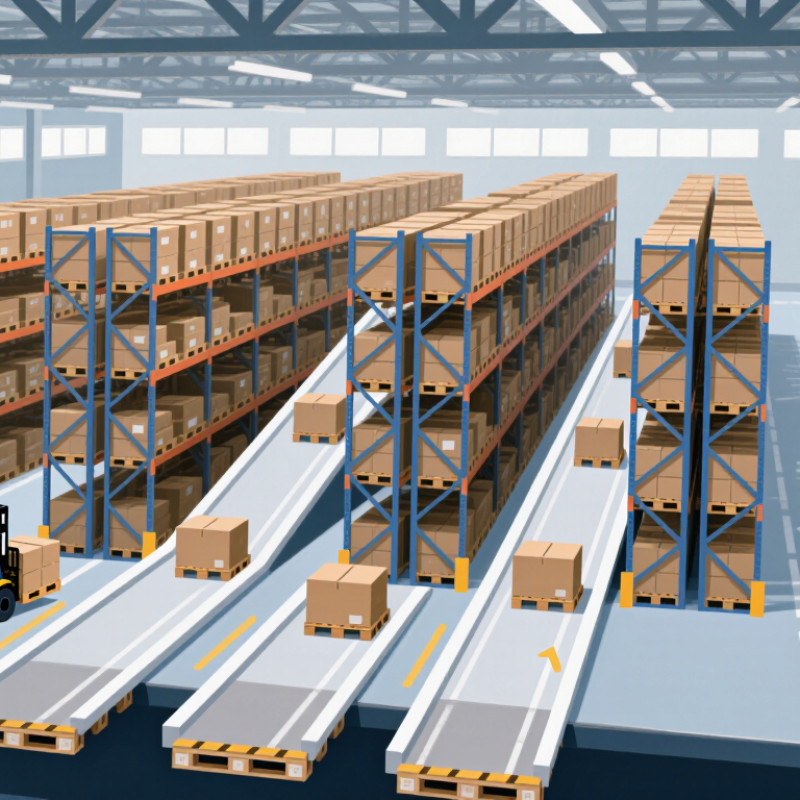
Push-back storage is a pallet rack system designed for compact, last-in, first-out storage. Each lane contains inclined rails or carts. A forklift places a pallet at the front, pushing earlier pallets deeper inside. When the front pallet leaves, gravity moves the next pallet forward. The operator stays in one aisle. That detail matters in busy facilities.
A lane often holds two to six pallets in depth, depending on the equipment and load. This design can reduce aisles and improve warehouse density.
Interact Analysis reported that the global warehouse automation market exceeded 20 billion dollars in 2023. That growth increases pressure to use every square metre wisely.
However, push-back storage is not a universal answer. It suits reserve inventory, seasonal goods, and products with several pallets per SKU. It is less suitable for strict first-in, first-out rotation.
The 2024 MHI Annual Industry Report found that 55% of supply-chain professionals expect increased technology investment.
Yet, better density alone cannot fix poor slotting. Operators should check pallet weight, carton stability, turnover rates, and forklift clearance before installation. A lane filled too deeply can hide aging stock. That risk is easy to underestimate.
In my experience, clear location labels and regular cycle counts often matter as much as the rack structure. A practical pilot with real pallets is wiser than trusting a drawing.
Push-back racking uses inclined rails and movable carts inside each storage lane. A forklift places the first pallet on the nearest cart. The next pallet pushes it deeper into the lane. Each new pallet moves the previous one backward. When unloading begins, the front pallet rolls forward into position. This creates dense storage while keeping forklift traffic in one aisle. The system usually follows a last-in, first-out pattern. It suits goods stored in batches, especially when quick access to every pallet is unnecessary.
In practical warehouse operations, lane depth, pallet condition, and load weight affect performance. Damaged pallets may catch on rails or create uneven movement. Clear loading instructions reduce these risks. Operators should check rack frames, carts, guide rails, and load labels during routine inspections. Push-back storage is efficient, but it is not a perfect fit. Products needing strict first-in, first-out rotation may require another layout. That limitation deserves honest attention.
Tips: Match each lane with compatible pallet sizes and approved load ratings. Keep heavier pallets lower when the design allows it. Train operators to center loads before pushing them backward. Leave damaged equipment out of service until a qualified inspection is complete. Record recurring alignment problems; small faults can become costly delays.
Push-back storage gives global warehouses a practical way to increase pallet density without expanding the building. Its nested lanes use depth efficiently, so fewer aisles interrupt the available floor area. Operators can load pallets from the front and retrieve them in planned sequence. This reduces travel distance and keeps forklifts moving through clearer routes. The benefit is visible: more reserve stock fits behind one storage face, while receiving teams retain usable working space. Small change, big effect.
For international operations
capacity is only one advantage. Push-back systems can support regional inventory buffers, helping warehouses absorb shipping delays, seasonal peaks, and uneven replenishment schedules. Each lane can hold several pallets, making storage useful when product quantities change by market. Clear lane labels and accurate location records improve inventory control across shifts and time zones. Safety also matters. Trained operators need clear load limits, suitable pallets, inspection routines, and controlled loading speeds. These practices are operational requirements, not optional extras.
The system is not perfect. It usually follows a last-in, first-out pattern, which may not suit date-sensitive goods or strict rotation policies. Different pallet sizes can also reduce lane efficiency. Before installation, teams should measure pallet quality, turnover rates, aisle clearances, and local safety requirements. A layout may look efficient on paper but become awkward during peak receiving hours. That gap deserves attention. Reliable results come from simulation, staff feedback, and regular audits, not storage density alone. Global warehousing needs flexibility, and push-back storage offers it when the design matches inventory reality.
Push-back storage can increase pallet density when warehouse floor space is limited. It uses inclined lanes, allowing pallets to move forward after the front pallet is removed. In daily operations, this design can reduce travel time and keep aisles clearer. I have seen facilities gain useful capacity without expanding their buildings. However, higher density is not always better. Deep lanes may restrict direct access to individual pallets.
Inventory accuracy depends on disciplined loading and removal practices. Push-back systems generally support a last-in, first-out flow, which may suit stable, non-perishable goods. Product dimensions, pallet quality, and load weight must remain consistent. Small differences can create uneven movement or blocked lanes. That risk is easy to underestimate. Warehouse teams should also review demand patterns before assigning products to each lane. Fast-moving items may need closer access, even when dense storage appears attractive.
Tips: Measure actual pallet sizes, not assumed dimensions. Test one lane with real loads before wider installation. Mark lanes clearly and inspect rollers, frames, and stops regularly. Train operators to avoid forcing pallets into crowded positions. Digital inventory records can help, but physical cycle counts still matter. Global facilities should adapt procedures to local handling conditions and workforce experience. A layout that works in a dry climate may need changes in humid or temperature-controlled environments.
Push-back storage suits warehouses that need high density without sacrificing every aisle. It stores pallets two to six positions deep on nested carts. Forklifts load and retrieve from one access face. This creates a last-in, first-out flow, so it fits stable inventory with predictable demand. It also works well when floor space is expensive or expansion is limited.
Choose this system when product batches move regularly, but not every pallet needs direct access. Cold-storage facilities, seasonal goods, and reserve inventory often benefit from its compact layout. The 2024 MHI Annual Industry Report found that 55% of supply chain leaders planned to increase technology and innovation investment. That pressure makes density valuable, but automation alone is not the answer. A poorly matched rack can increase handling time and damage risk. Measure SKU velocity, pallet weight, turnover, and replenishment patterns before approving the design. Real warehouses are less tidy than spreadsheets.
Tips: Keep fast-moving or expiry-sensitive items in FIFO systems. Use push-back for slower, similar pallets. Audit cart movement, rack clearances, and forklift turning space each month. Check fire protection requirements with a qualified engineer. The system may hold more pallets, but it does not remove inventory discipline. During a site review, mark the busiest travel paths with tape. Watch where operators actually wait. That detail can change the layout.
It is a pallet rack system for compact, last-in, first-out storage. Inclined rails or carts move pallets toward the aisle.
A forklift places a pallet at the front position. The pallet pushes earlier loads deeper into the lane.
When the front pallet leaves, gravity moves the next pallet forward. The operator usually works from one aisle.
Most lanes hold two to six pallets in depth. Capacity depends on equipment, pallet weight, and load stability.
It suits reserve inventory, seasonal products, and similar pallets with several units per SKU. Cold-storage areas may also benefit.
Avoid it for strict first-in, first-out rotation. Expiry-sensitive products need clearer access and better rotation control.
Measure pallet weight, SKU turnover, carton stability, and forklift clearance. Check turning space, too.
No. Higher density cannot repair poor slotting or unclear labels. Real warehouses are messier than spreadsheets.
Use clear location labels and perform regular cycle counts. Audit cart movement, rack clearances, and travel paths monthly.
Yes, test the system with real pallets before approval. A drawing may look perfect, but operators may wait elsewhere.
Push-Back Storage is a compact, high-density racking solution designed to improve warehouse capacity while keeping inventory organized and accessible. It uses inclined storage lanes and movable carts, allowing pallets to be loaded from the front and pushed backward along the same lane. When a pallet is removed, the others move forward automatically, supporting efficient last-in, first-out inventory management and reducing unnecessary travel within the facility.
For global warehousing operations, Push-Back Storage can make better use of vertical and floor space while supporting faster loading and retrieval processes. Its effectiveness depends on product turnover, pallet consistency, available aisle space, and inventory control requirements. This system is especially suitable for warehouses handling multiple pallets of similar products, seasonal goods, or medium-to-high storage volumes. However, operations requiring strict first-in, first-out rotation or direct access to every pallet may benefit from a different storage design.

Guichang Rack