2026 Best Boltless Systems for Global Buyers?

Time:2026-09-19 Author:Henry
0%

Global buyers entering 2026 are looking beyond low prices when evaluating Boltless Systems. They need adaptable storage, dependable materials, and clear installation requirements. A warehouse in Rotterdam may face different conditions from one in Dubai or São Paulo. Humidity, floor quality, labor skills, and seismic exposure can change the right decision.

David J. Piasecki, a respected warehouse operations consultant, offers a useful principle: “Storage equipment must support the process, not replace it.” That warning deserves attention. Boltless Systems can assemble quickly, but poor planning still creates wasted aisles, unsafe loading, and difficult picking routes. Buyers should compare upright thickness, shelf capacity, beam connections, corrosion resistance, and replacement-part availability. They should also check whether load ratings remain valid across different shelf configurations.

Details matter.

This guide examines the strongest Boltless Systems for international purchasing in 2026. It considers modularity, tool-free assembly, packaging quality, certification documentation, and after-sales support. Those factors often separate a convenient product from a reliable system. A supplier may promise fast delivery, yet regional inventory can remain unclear. That weakness should not be ignored. Buyers should request drawings, tested load data, warranty terms, and installation guidance before placing large orders.

No ranking can fit every warehouse. A compact retailer may value mobility and quick reconfiguration. A manufacturer may prioritize heavier shelves and long-term stability. The best choice depends on actual workflows, not attractive photographs. This article makes practical comparisons, while recognizing that some specifications require local engineering review. That limitation is important. Careful judgment remains part of the purchase.
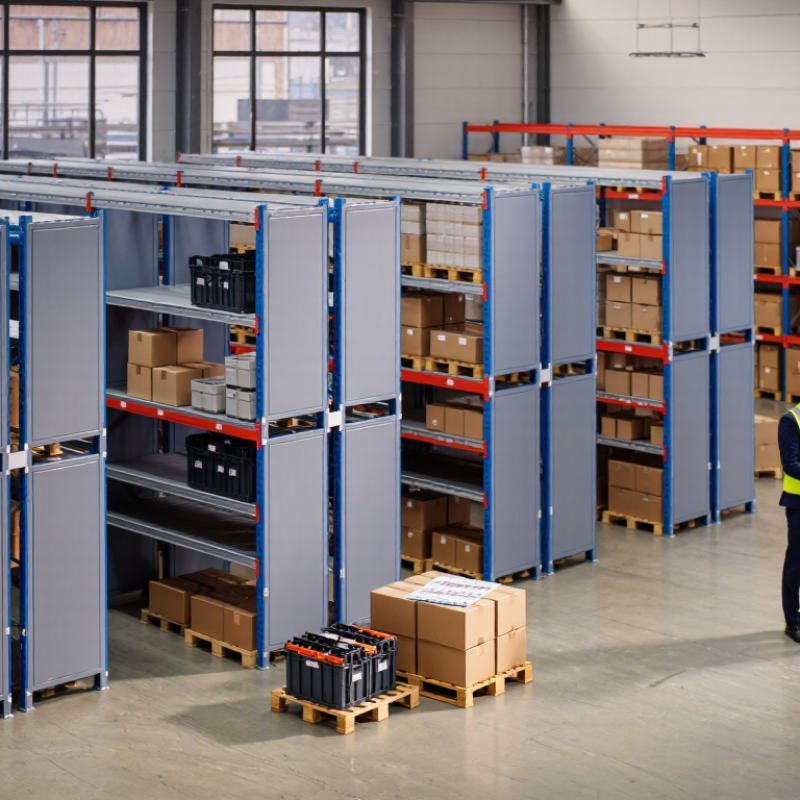
2026 Best Boltless Systems for Global Buyers?

What Are Boltless Systems and How Do They Work?

2026 Best Boltless Systems for Global Buyers?

What Are Boltless Systems and How Do They Work?

Boltless systems are storage structures assembled without traditional nuts and bolts. Their uprights contain punched slots, while beams use rivets, hooks, or clips. Workers connect each part by hand or with a rubber mallet. The result is a strong frame that can be adjusted without drilling.

A typical unit includes vertical posts, horizontal beams, braces, and shelves. The posts carry the weight downward. Beams spread the load across the frame. Steel panels, wire decks, or timber boards create the storage surface. Adjustable levels help users fit cartons, tools, archive boxes, or irregular containers. Assembly is usually faster than bolted construction. Sometimes, though, “tool-free” does not mean effortless.

From practical installation work, the best choice starts with load calculations, not appearance. Buyers should check shelf capacity, frame height, corrosion protection, floor conditions, and replacement-part availability. A system for humid coastal storage may need a different finish from one used in a dry warehouse. Local safety requirements also matter, because allowable loads and inspection practices vary between countries. Product drawings should show tested capacities and connection details. If those documents are vague, treat the purchase carefully. I have seen attractive shelving become unstable after uneven loading. Clear instructions, trained assembly, and regular inspections are essential. A level floor helps, but it cannot correct overloaded beams or damaged connectors.

Which Boltless System Types Suit Different Global Applications?

2026 Best Boltless Systems for Global Buyers?

Boltless systems suit different applications because their structures adapt without welding or permanent fasteners. Rivet shelving works well in retail stockrooms, archives, and light industrial areas. Its vertical frames create clear storage levels for cartons, tools, and spare parts. Clip-in systems offer faster adjustments for changing inventory sizes. This matters for distributors handling mixed packaging across several markets. Heavy-duty boltless racks support dense loads, such as machinery components or palletized materials, when floors are level and capacity is professionally checked.

Tips: Confirm load ratings, beam spacing, steel thickness, and floor conditions before ordering. Check whether local teams can assemble the system safely with basic tools. For humid warehouses, inspect coating quality and drainage around the feet. Do not choose the tallest frame automatically. Ceiling height, lifting equipment, and emergency access may limit usable space. Small details matter.

Global buyers should also review packaging dimensions, replacement-part availability, and technical drawings in clear language. A modular system can reduce shipping volume and simplify expansion. Mobile boltless units save floor space, but they need stronger floors and careful movement controls. In my experience, buyers sometimes focus on price and overlook assembly time. That decision can increase labor costs later. I have also seen layouts fail because shelf depth ignored actual carton dimensions. Measure real products, not assumed sizes. Reference testing data, installation guidance, and independent inspection records when comparing suppliers.

2026 Best Boltless Systems for Global Buyers? — Which Boltless System Types Suit Different Global Applications?

Boltless System Type Typical Configuration Typical Load Range per Level* Common Bay Width / Depth Assembly Method Best-Fit Applications Key Advantages Main Limitations Global Buyer Considerations
Light-Duty Rivet Shelving Open or closed steel frames with particleboard, wire, or steel shelves Approximately 90–300 kg 900–1,200 mm wide
300–600 mm deep
Rivet-in beams; usually assembled with a rubber mallet and no bolts Offices, archives, retail back rooms, household storage, light spare parts Fast installation, low tool requirement, economical transport, easy shelf adjustment Not intended for concentrated heavy loads, impact-prone areas, or pallet handling Confirm panel moisture resistance, corrosion protection, packaging dimensions, and local safety requirements
Medium-Duty Clip Shelving Slotted uprights with clip-in beams and steel, chipboard, or wire decking Approximately 200–600 kg 900–1,500 mm wide
400–800 mm deep
Beams lock into upright slots; generally bolt-free Workshops, stockrooms, e-commerce picking, maintenance stores, distribution support areas Good flexibility, quick reconfiguration, suitable for cartons and hand-loaded inventory Load capacity depends strongly on beam profile, shelf material, bay width, and number of levels Request tested safe working loads, deflection limits, upright thickness, and replacement-part availability
Heavy-Duty Rivet Rack Reinforced uprights, heavier rivet beams, and steel or wood-composite decking Approximately 400–1,000 kg 1,200–2,400 mm wide
450–900 mm deep
Interlocking rivet construction; limited hand tools may be used for leveling or accessories Industrial parts, boxed components, tools, archives, bulk hand-loaded goods Higher capacity than light shelving while retaining relatively simple assembly Requires careful floor leveling and load distribution; not a substitute for certified pallet rack Check seismic requirements, anchoring rules, shelf deflection, and corrosion class for the destination market
Boltless Long-Span Shelving Long beams with particleboard, steel, or wire shelves for bulky non-palletized goods Approximately 300–800 kg 1,500–2,700 mm wide
450–1,200 mm deep
Clip-in, rivet-in, or hook-in beam connections Furniture parts, pipes, cartons, building materials, automotive components, irregular loads Fewer uprights, wide storage surfaces, efficient for long or oversized cartons Long spans can increase shelf deflection; unsuitable for forklift-loaded pallets unless specifically engineered Verify maximum clear span, decking thickness, center support requirements, and shipping package length
Wire Deck Boltless Rack Boltless frame with welded wire decking supported by horizontal beams Approximately 300–1,000 kg 900–2,700 mm wide
450–1,200 mm deep
Beam hooks or clips engage with slotted uprights Warehouses, food and beverage storage, workshops, areas requiring visibility or air circulation Improved visibility, ventilation, light transmission, and easier housekeeping than solid panels Small items may require bins or liners; wire spacing and surface coating must suit the load Review mesh opening, weld quality, coating thickness, fire-safety requirements, and regional test documentation
Boltless Bin and Tote Storage Adjustable shelves or stepped levels designed for plastic bins, cartons, and small parts Approximately 50–300 kg 600–1,500 mm wide
300–600 mm deep
Slot-and-tab, clip-in, or rivet-in assembly Fast-picking areas, electronics parts, hardware, medical supplies, repair centers Supports organized picking, visual identification, SKU separation, and ergonomic access Limited capacity and storage density for large or heavy products Consider bin compatibility, label visibility, replenishment workflow, and availability of matching accessories
Mobile Boltless Shelving Boltless shelving mounted on movable carriages or tracks, with one or more access aisles Approximately 100–500 kg per level Commonly 600–1,200 mm deep
Bay width varies by system
Shelving is assembled without bolts; mobile base installation requires engineered components Archives, compact storage rooms, libraries, records centers, high-value inventory Can increase floor utilization by reducing the number of permanent aisles Higher initial cost, more complex installation, and stricter floor-load and safety requirements Confirm electrical standards, floor flatness, emergency access, seismic design, and local accessibility rules
Multi-Tier Boltless Mezzanine Shelving Boltless shelving integrated with raised platforms, stairs, handrails, and access gates Shelving commonly 150–600 kg per level; platform capacity is engineered separately Layout-specific; often uses 600–1,200 mm shelf depth Shelving may be boltless, but structural platform connections normally require engineered fasteners E-commerce fulfillment, archives, spare-parts centers, document storage, light manufacturing support Uses vertical space and supports high-density manual order picking Requires professional design, fall protection, fire review, and compliance approval Check building permits, structural calculations, fire codes, stair dimensions, guardrail rules, and seismic conditions
Boltless Garment or Hanging Storage Uprights with horizontal hanging rails, shelves, and optional mesh or panel dividers Approximately 50–250 kg per rail or level 900–1,800 mm wide
450–900 mm deep
Hook-in or clip-in rails and shelves Apparel, costume storage, laundry operations, textile samples, retail inventory Efficient vertical hanging storage and quick access to individual items Rail loading is linear and may require anti-sway features; not suitable for dense palletized goods Confirm rail diameter, hanger clearance, coating suitability, dust control, and room-height compatibility
*Load note: The load ranges shown are indicative market ranges for evenly distributed loads on properly assembled systems. Actual safe working load depends on bay width, shelf span, beam and upright design, decking type, level count, floor conditions, anchoring, seismic exposure, and applicable local regulations. Always use the supplier’s tested load tables and installation instructions for final selection.
Selection priority for global buyers: Match the system to the load pattern first, then verify corrosion protection, packaging and container fit, installation tools, replacement components, technical documentation, building-code compliance, and after-sales support in the destination country.

How to Compare Load Capacity, Materials, and Safety Features?

2026 Best Boltless Systems for Global Buyers?

How to Compare Load Capacity, Materials, and Safety Features?

A boltless storage system should match your real workload, not an attractive catalog number. Check whether the stated capacity applies to each shelf or the entire unit. Ask for uniform load testing details, shelf spacing, and the safety factor used. A shelf holding 250 kilograms evenly may perform poorly with one concentrated machine. Measure your heaviest items first. Guessing here can become expensive.

Material quality affects service life. Powder-coated steel suits dry warehouses, while galvanized surfaces resist moisture more effectively. Inspect beam thickness, upright shape, and weld quality. Thin steel may look acceptable but flex under repeated loading. I have found that uneven floors expose weak frames quickly. That detail is often missed. Verify load ratings under your expected temperature, humidity, and handling conditions.

Safety features deserve practical testing. Look for locking tabs, diagonal bracing, adjustable feet, and anti-tip connections. Shelves should remain secure when workers place boxes quickly. Confirm that the system can be anchored where local rules require it. Request test reports, material data, installation drawings, and maintenance guidance in a language your team understands. Standards differ across markets, so certificates should be checked against the destination country’s requirements. A careful buyer also schedules inspections for bent beams, loose connectors, and corrosion. My own comparison process is not flawless; I once focused too heavily on capacity and overlooked access clearance. That mistake changed how I assess complete warehouse performance.

2026 Best Boltless Systems for Global Buyers

The chart compares representative shelf-load classes commonly specified for boltless steel storage systems. Light-duty systems typically support about 150 kg per shelf, medium-duty systems about 300 kg, and reinforced heavy-duty systems about 500 kg under evenly distributed loading. Galvanized finishes generally provide better corrosion resistance than standard painted steel, while reinforced frames, locking beams, and diagonal bracing improve stability and safety. Always verify the manufacturer’s tested capacity, installation conditions, and applicable local standards before purchase.

What Standards and Certifications Should International Buyers Check?

2026 Best Boltless Systems for Global Buyers?

For international buyers, the best boltless system is not simply the strongest shelf. It must match local safety rules, load conditions, and installation practices. Ask for tested load tables, steel grade, coating details, and clear assembly instructions. Every rated capacity should identify shelf spacing and support conditions.

Check whether the supplier operates under ISO 9001. This supports consistent production, but it does not certify the rack itself. For warehouse applications, review relevant requirements such as EN 15635, EN 15512, or ANSI/RMI guidance. The correct standard depends on the product design and destination market. Do not treat OSHA as a product certificate; it provides workplace safety requirements in the United States.

Request independent test reports from an accredited laboratory. Reports should cover deflection, stability, connection strength, and, where needed, seismic performance. For European sales, confirm whether CE marking legally applies to the complete system or any included components. REACH or RoHS may matter when coatings, plastics, or electrical parts fall within their scope. Ask for material traceability and a Declaration of Conformity when required.

A certificate can still hide gaps. Check its scope, expiry date, factory location, and exact model references. Compare the document with the delivered parts. It is easy to overlook regional floor loads or corrosion exposure. That mistake can become expensive. A small pilot installation and a third-party inspection may reveal problems before full shipment.

How to Select Suppliers, Costs, Delivery, and Long-Term Value?

The best boltless system depends on more than its catalog price. Global buyers should assess supplier experience, production controls, and documented load performance. Request recent factory photos, material specifications, inspection records, and independent test results. A capable supplier should explain beam capacity clearly, including safety limits and adjustment methods. Samples also reveal problems that brochures hide, such as sharp edges, loose connections, or uneven coating.

Tips: Compare the complete landed cost. Include packaging, inland transport, ocean freight, insurance, duties, and installation labor. Ask for a written delivery schedule with production and port milestones. Confirm carton dimensions before ordering. Oversized packages can create unexpected warehouse charges. Payment terms deserve attention too. A low deposit may protect cash flow, but unclear quality terms can increase risk.

Long-term value comes from stable spare-part support, simple repairs, and consistent dimensions across future orders. Check whether replacement beams, connectors, and braces remain available for several years. Ask how the supplier handles damaged goods and delayed shipments. One practical lesson is uncomfortable: the cheapest quote is rarely the cheapest project. I have seen buyers save on steel, then lose time correcting poor fit and missing hardware. Still, supplier promises are not proof. Use a small trial order, record inspection results, and revise your purchasing checklist before scaling up.

FAQS

What is a boltless storage system?

It is a storage frame assembled without traditional nuts and bolts. Uprights have punched slots, while beams use hooks, rivets, or clips. Workers connect parts by hand or with a rubber mallet. Simple, but not effortless.

Which parts make up a typical boltless unit?

Most units include vertical posts, horizontal beams, braces, and shelves. Steel panels, wire decks, or timber boards create the storage surface. Adjustable levels fit cartons, tools, archive boxes, and irregular containers.

How should buyers check load capacity?

Confirm whether the rating applies to one shelf or the whole unit. Ask about uniform-load testing and safety factors. A shelf rated for 250 kilograms may struggle with one concentrated machine. Measure the heaviest items before ordering.

Which materials suit different storage environments?

Powder-coated steel generally suits dry warehouses. Galvanized surfaces usually handle moisture better. Humid coastal storage may need stronger corrosion protection. Temperature and humidity can affect performance.

What safety features should a buyer inspect?

Look for locking tabs, diagonal braces, adjustable feet, and anti-tip connections. Confirm whether floor anchoring is required locally. Shelves should remain secure when workers place boxes quickly. Test details matter.

Does tool-free assembly mean easy installation?

Not always. Parts may still require careful alignment and a rubber mallet. A level floor helps, but it cannot fix damaged connectors or overloaded beams. Clear instructions and trained assembly reduce mistakes.

How can users prevent instability during daily operation?

Distribute weight evenly across each shelf. Inspect bent beams, loose connectors, damaged slots, and corrosion regularly. Keep heavier cartons lower when practical. Uneven loading can destabilize an attractive frame.

What documents should global buyers request?

Request tested capacity data, material information, connection drawings, installation instructions, and maintenance guidance. Check certificates against destination-country requirements. If documents are vague, pause the purchase. Appearance is not proof.

What mistake can buyers make when comparing systems?

They may focus too heavily on capacity and overlook access clearance. Measure aisles, lifting space, shelf depth, and floor conditions. My own comparison process is not flawless. That mistake is easy to repeat.

Conclusion

This guide explains how Boltless Systems work and why their tool-free assembly, adjustable components, and modular structure make them practical for warehouses, workshops, retail spaces, archives, and other global applications. It compares shelving, racking, and storage configurations to help buyers match each system with factors such as available space, accessibility, mobility, and intended load requirements.

The article also outlines how to evaluate load capacity, material quality, corrosion resistance, stability, and safety features before purchasing. International buyers will learn which standards, testing documents, and certifications to request, as well as how to assess supplier reliability, customization options, total cost, delivery arrangements, installation support, and warranty coverage. By considering both immediate performance and long-term value, buyers can select a dependable Boltless Systems solution that supports efficient, safe, and flexible storage operations.

Henry

Henry

Henry is a dedicated marketing professional with a profound expertise in the company's offerings. With years of experience in the industry, he possesses an impressive understanding of the market dynamics and consumer behaviors that drive success. Henry is committed to sharing his insights through......